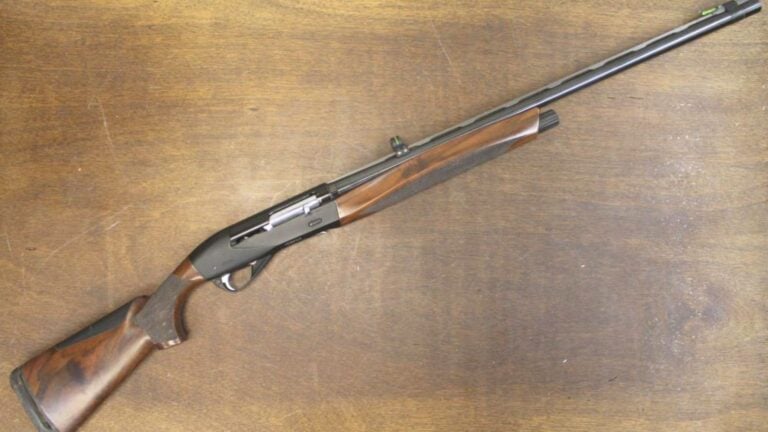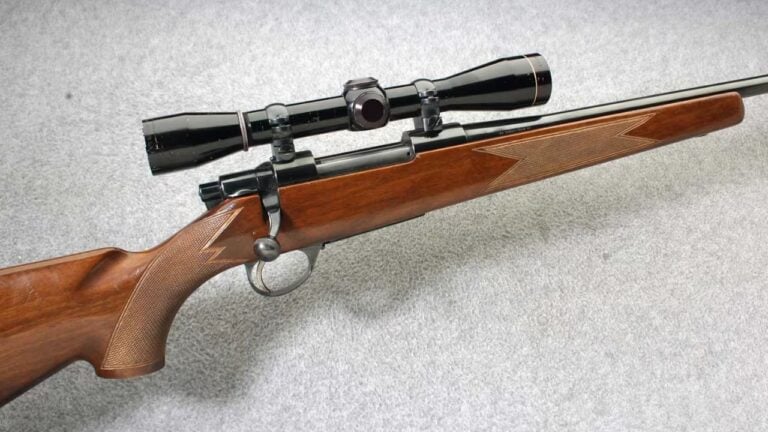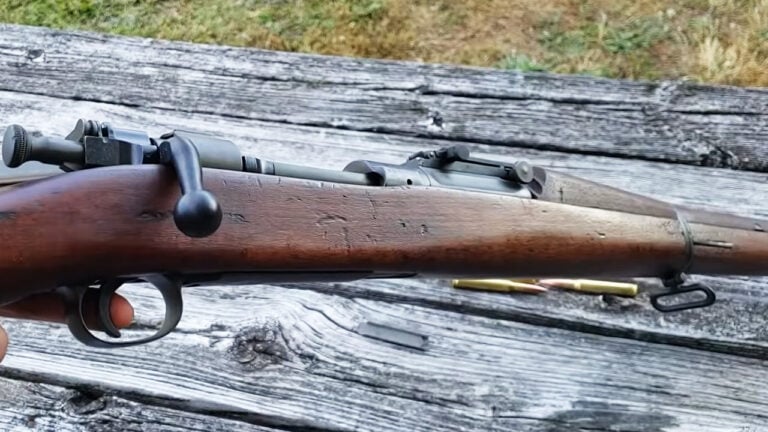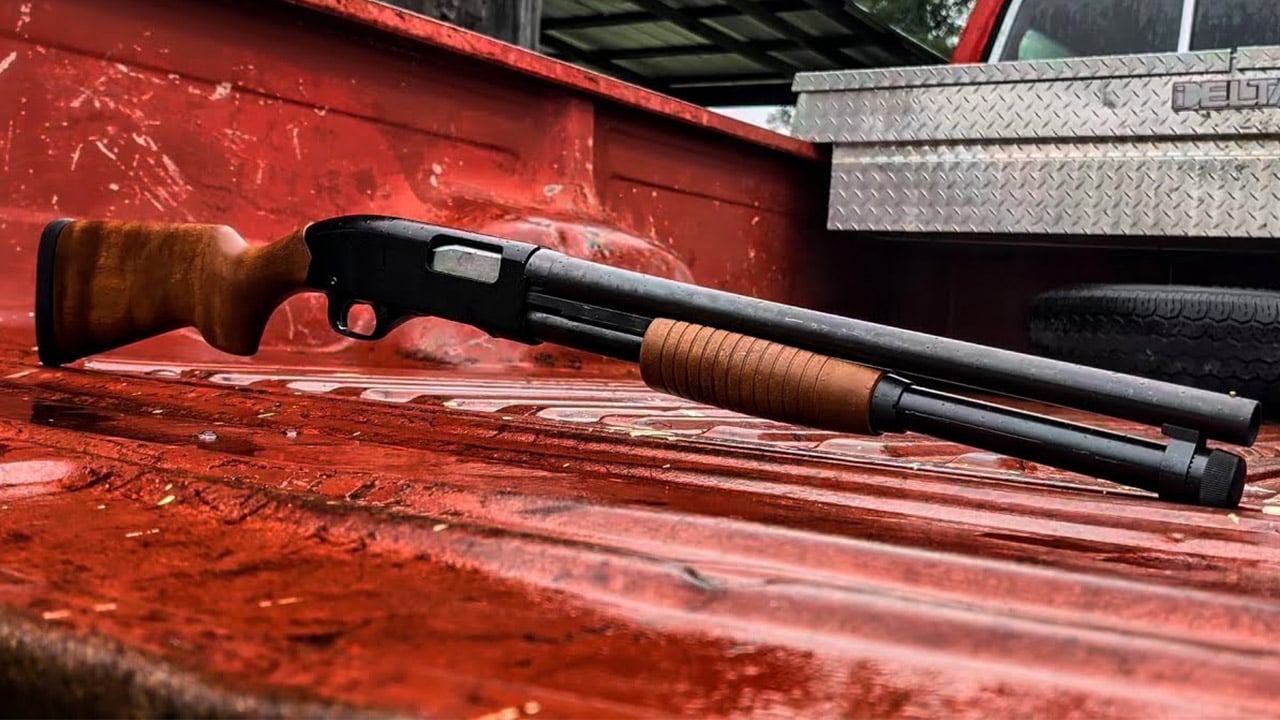
Photo credit: J0lly/Youtube
Five years ago, you could walk into an estate sale on a Friday morning and almost count on seeing the same few scatterguns leaning in a corner or laid across a folding table. They weren’t always pretty. Some had duct tape on the fore-end, some had honest rust freckles, and a whole lot of them wore a “grandpa special” slip-on recoil pad that smelled like an old tackle box.
Lately, those same sales feel different. The gun rack is emptier, the “one shotgun for the whole family” types are already spoken for, and what does show up is either beat to death or priced like it came out of a glass case. A big part of it is simple: more buyers know what they’re looking at, and heirs are getting better advice before they dump firearms for pocket change. Another part is that certain models got quietly scooped up during the last few years and just never really flowed back into the local used-gun ecosystem.
Here are 20 specific shotguns that used to be everywhere at estate sales and now feel like they’ve gone missing.
1. Remington 870 Wingmaster
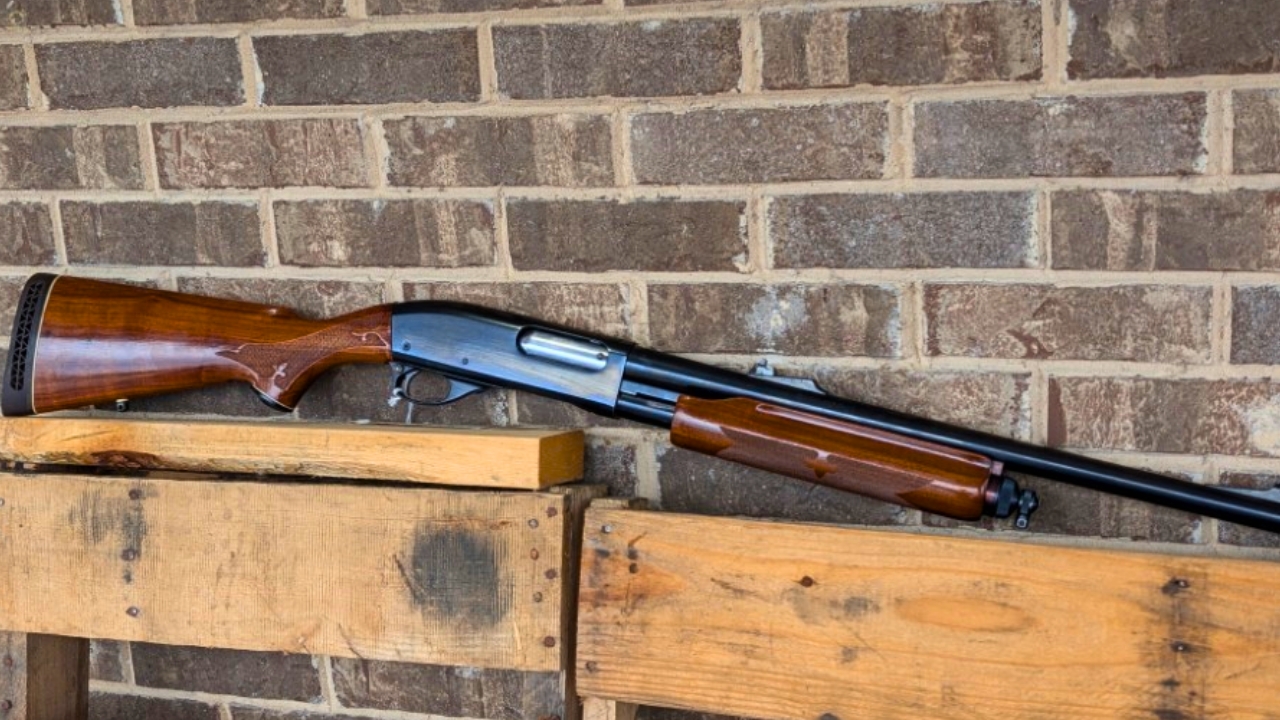
Estate sales used to cough up Wingmasters like pocket knives. High-polish blue, walnut that still looked good under the grime, and an action that felt like it was running on oiled glass. Half of them had a 28-inch vent rib and a story attached.
Now, when one shows up, somebody in the line already knows what it is. The older Wingmasters have a “pointability” that’s hard to explain until you shoulder one next to a cheaper pump. You can hunt birds, carry it in the truck, or set it by the bed, and it doesn’t feel out of place doing any of it.
2. Remington 1100
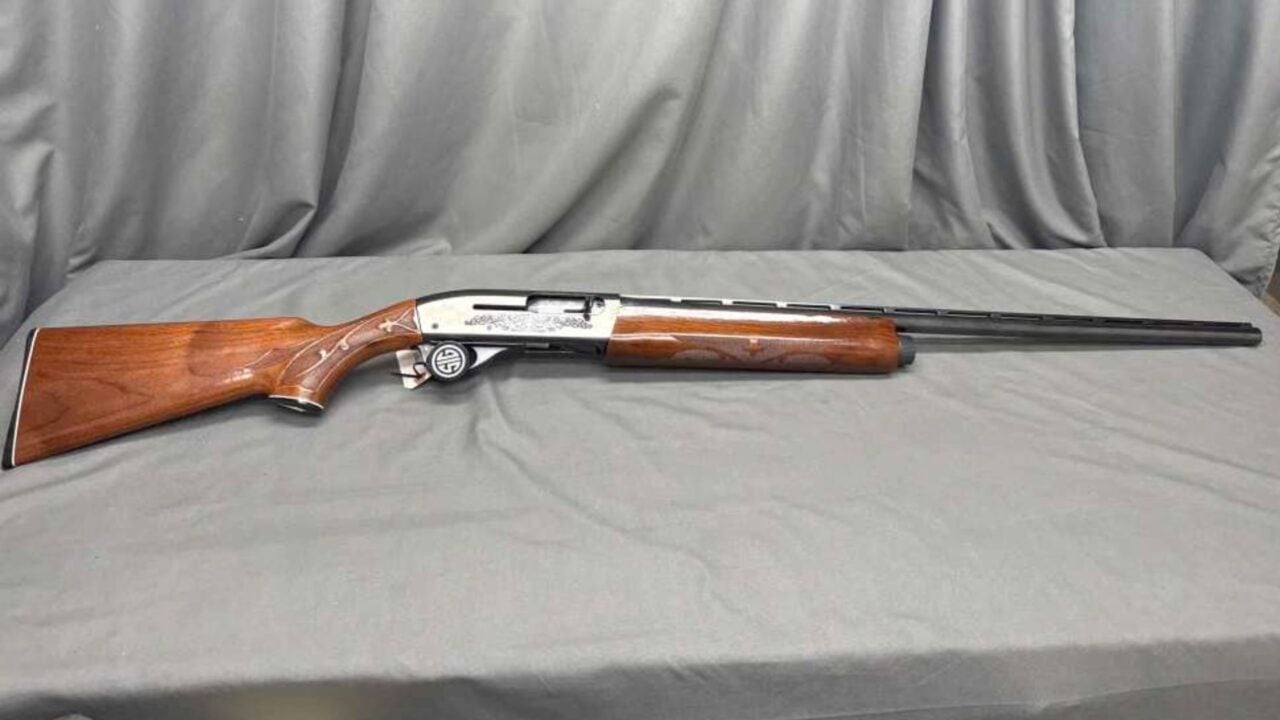
There was a stretch where every other estate sale had an 1100 in a soft case with an old box of shells and a choke tube wrench buried in the pocket. They ran soft, shot flat, and made a lot of average wingshooters look better than they really were.
The downside is they’re maintenance-sensitive compared to a pump, and plenty of them got put away dirty for years. Even so, a clean 1100 with a fresh O-ring is still one of the nicest “regular guy” semi-autos ever built, which is why they don’t sit around long anymore.
3. Remington 11-87
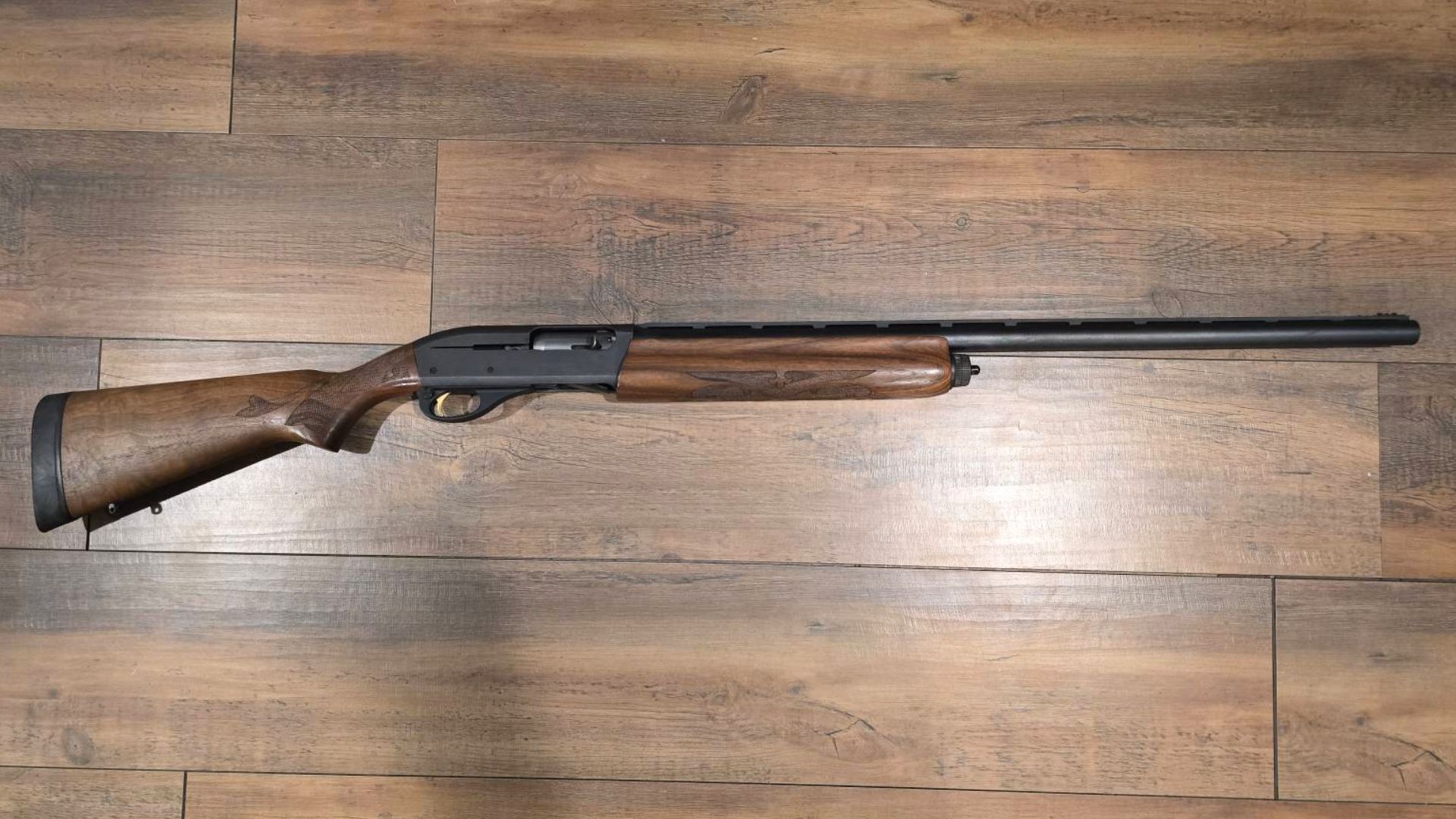
The 11-87 used to be the overlooked cousin. It wasn’t as romantic as the 1100, and it didn’t have the “tactical” attention the 870 got. Estate sale tables loved them because families didn’t always know what they had.
Hunters figured it out. A good 11-87 is a wet-weather workhorse for ducks and late-season pheasants, and the gas system tames recoil enough that you can shoot a full day without feeling like you got in a bar fight.
4. Winchester Model 12
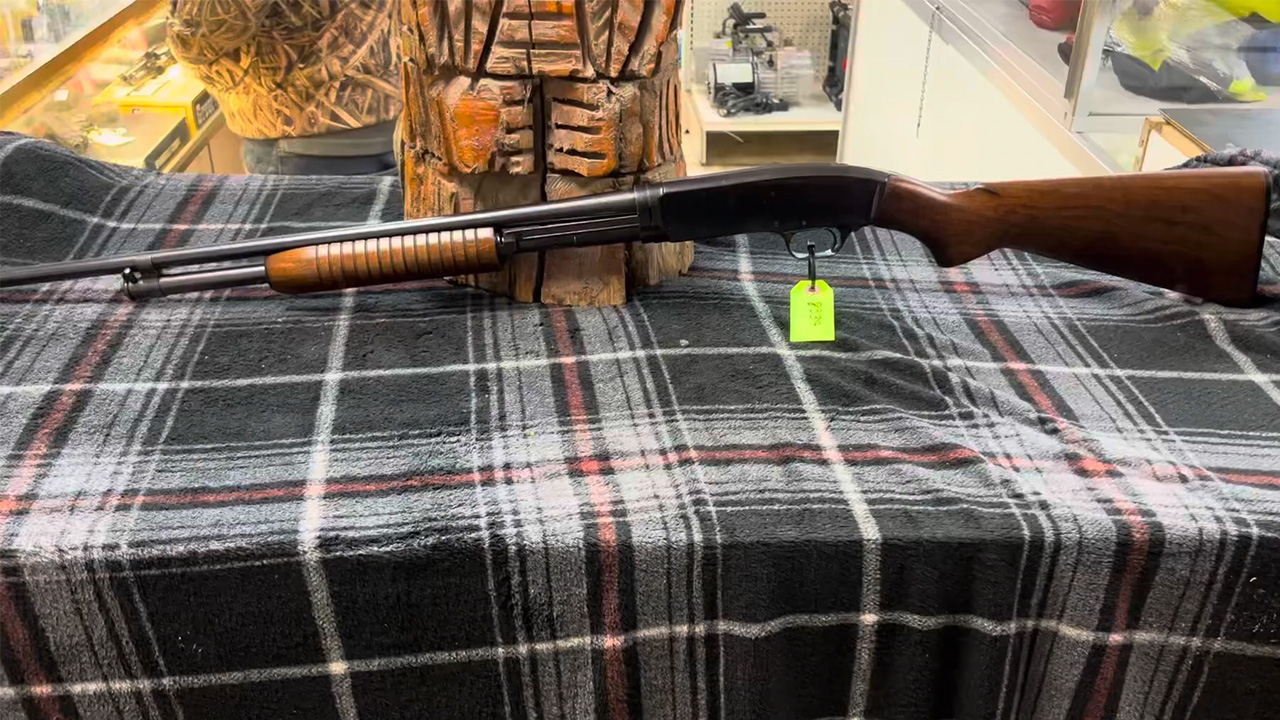
The Model 12 was once a guaranteed sight: long barrel, blued steel worn silver on the carry points, and a fore-end that looked like it had been in every cornfield in the county. You’d pick it up and it would feel like a tool, not a toy.
They’re still out there, but they’re not getting dumped at bargain prices much anymore. Collectors and old bird hunters snag them fast, especially the cleaner examples. The ones that are left tend to be either pristine and expensive, or so “farm used” that you’re buying a project.
5. Winchester Model 1300 Defender
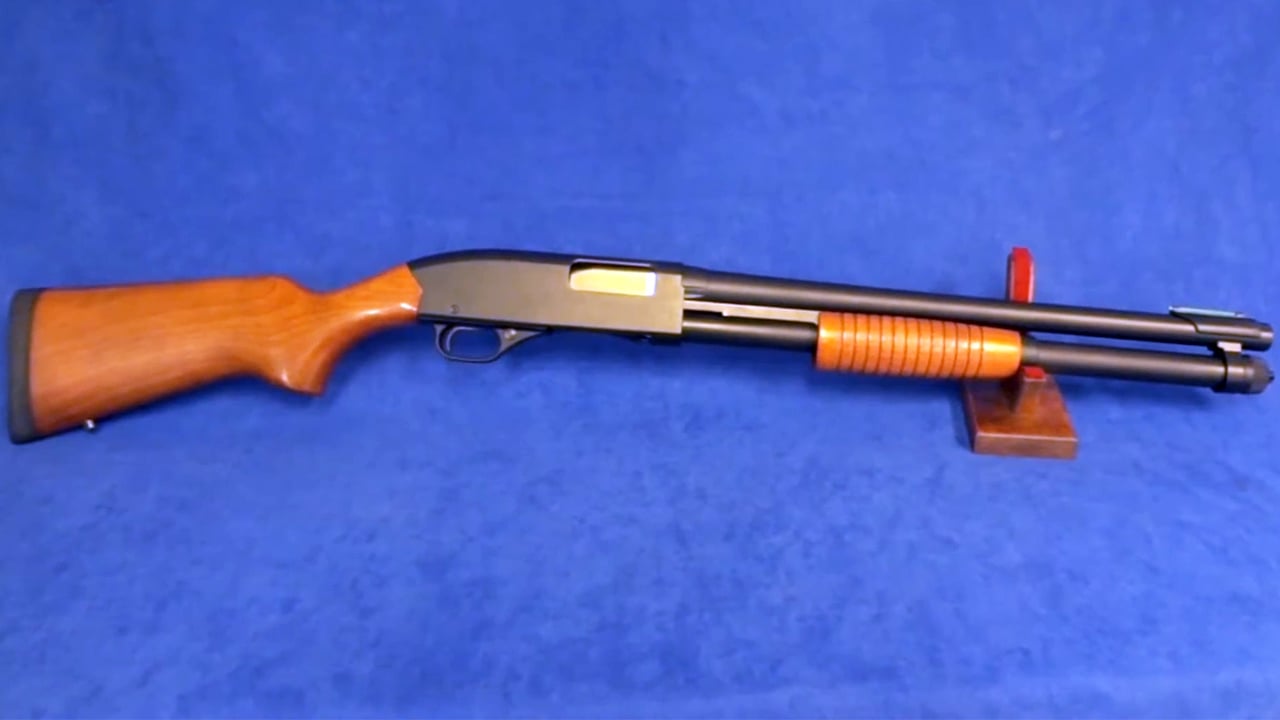
There was a time the 1300 Defender showed up constantly—usually with an extension tube, a basic bead, and the slick “speed pump” feel that makes you grin the first time you run it. It’s one of those shotguns that feels faster than it has any right to.
They disappeared because they’re genuinely useful and not made the same way anymore. If you find one with a solid magazine tube setup and it cycles clean, it’s hard not to take it home.
6. Winchester Model 1200
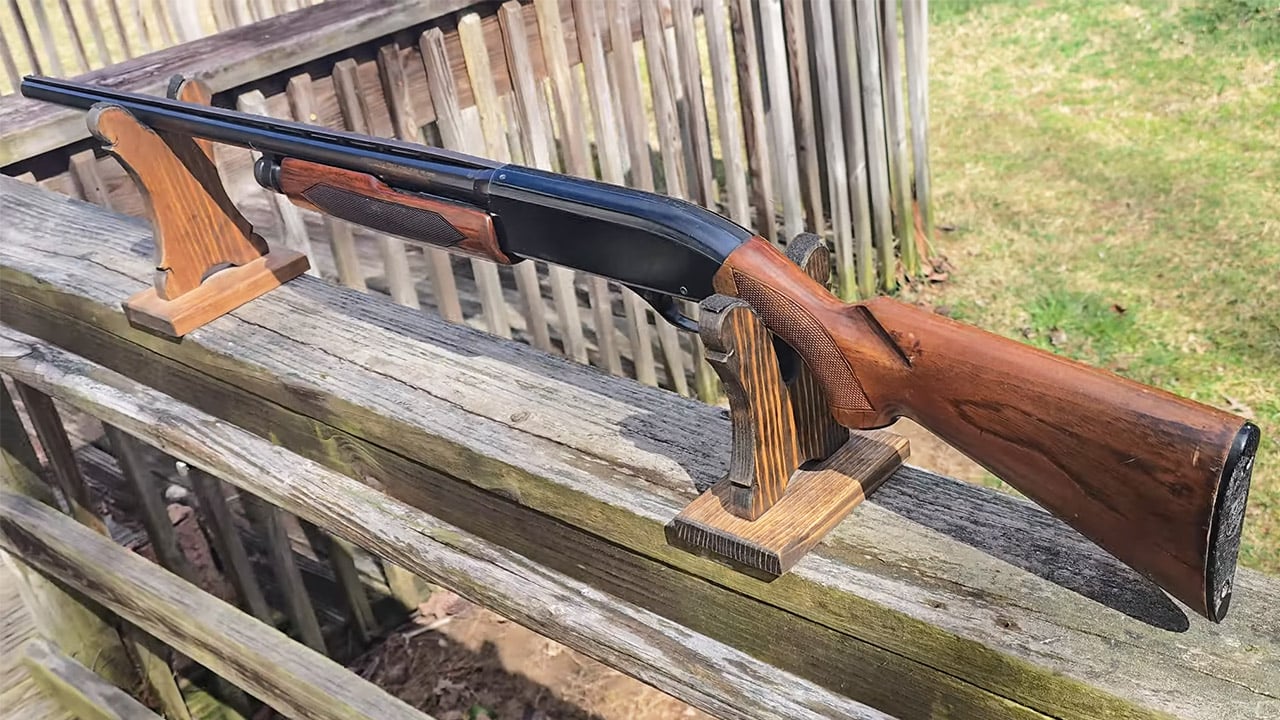
The 1200 didn’t get the love the Model 12 did, so it was estate-sale common. Most were plain, honest field guns. They also tend to be lighter than you expect when you pick them up.
That lighter weight is nice when you’re walking fence lines or chasing rabbits, but it also means they can thump you with heavy loads. Still, for a simple pump that works, they’re better than the internet gives them credit for, which is exactly why you’re seeing fewer of them sitting unsold.
7. Mossberg 500 “Cruiser-era” police trade-ins

Five years ago, it wasn’t weird to see a Mossberg 500 that clearly lived a previous life in a cruiser rack. Dings in the stock, worn blue, maybe a department inventory mark somewhere. Ugly, but dependable.
Those got vacuumed up. They make excellent “truck and property” shotguns because they’re simple, parts are everywhere, and they don’t make you nervous about scratches. Just don’t confuse “beater” with “neglected”—check the safety function and overall condition like you would with anything else.
8. Mossberg 590 (older parkerized models)
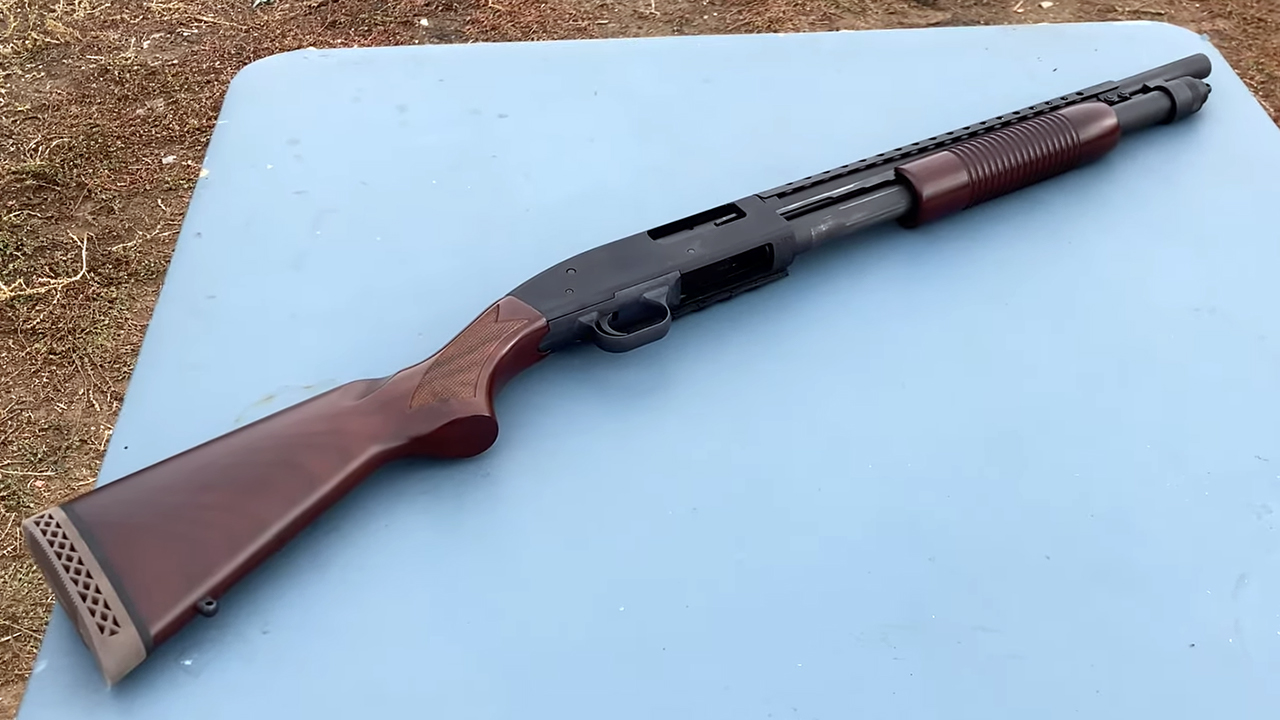
The older 590s used to show up when families cleaned out closets and didn’t want to deal with something that looked “too serious.” Parkerized finish, heat shield sometimes, and they usually smelled like old gun oil and basement air.
Now, with how many folks want a dependable pump for home and land, a 590 doesn’t last long on a table. The appeal is boring: it works, it feeds, and it’s easy to keep running.
9. Ithaca 37 (Featherlight)
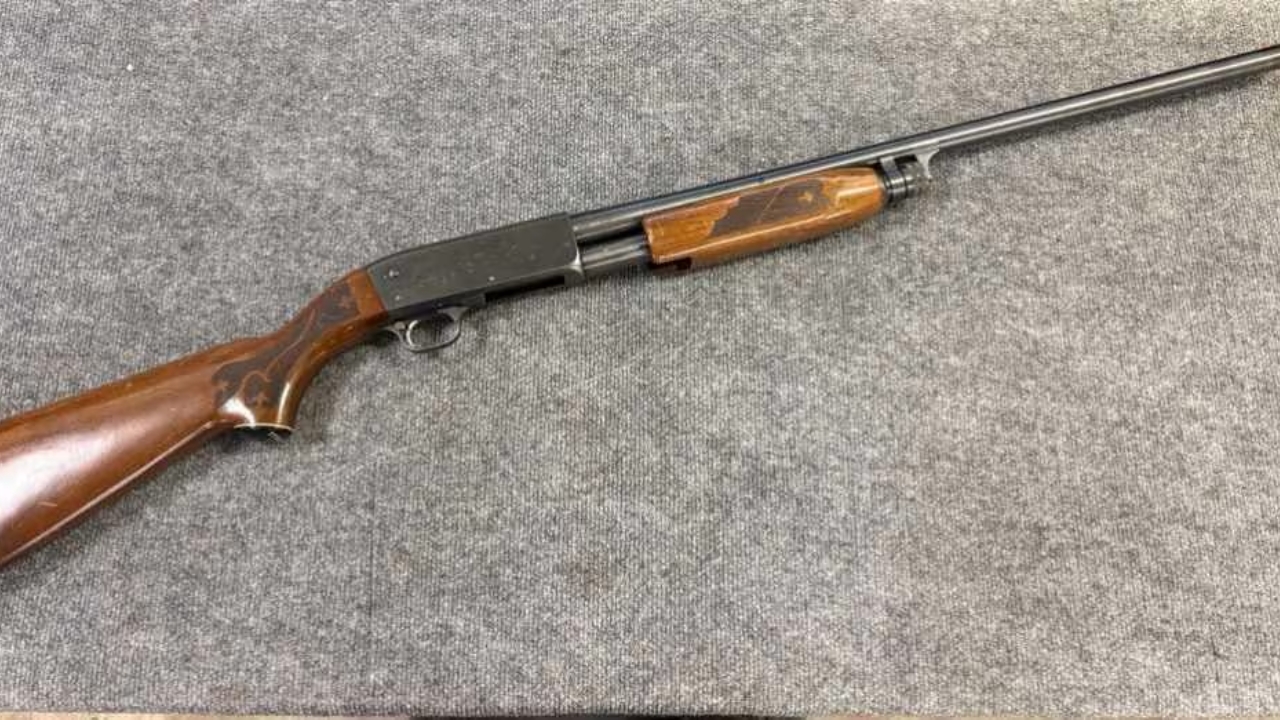
If you’ve carried an Ithaca 37 all day, you understand why old-timers loved them. Bottom ejection keeps empties out of your face and tends to play nice with lefties. They’re also slimmer in the hands than a lot of modern pumps.
Estate sales used to have at least one, usually in 16 gauge or 20, and usually with a barrel that had seen a lot of brush. They’re scarcer now because the folks who know Ithacas don’t let them go easily, and the left-handed shooters snap them up quick.
10. Browning Auto-5 (Belgian field guns)
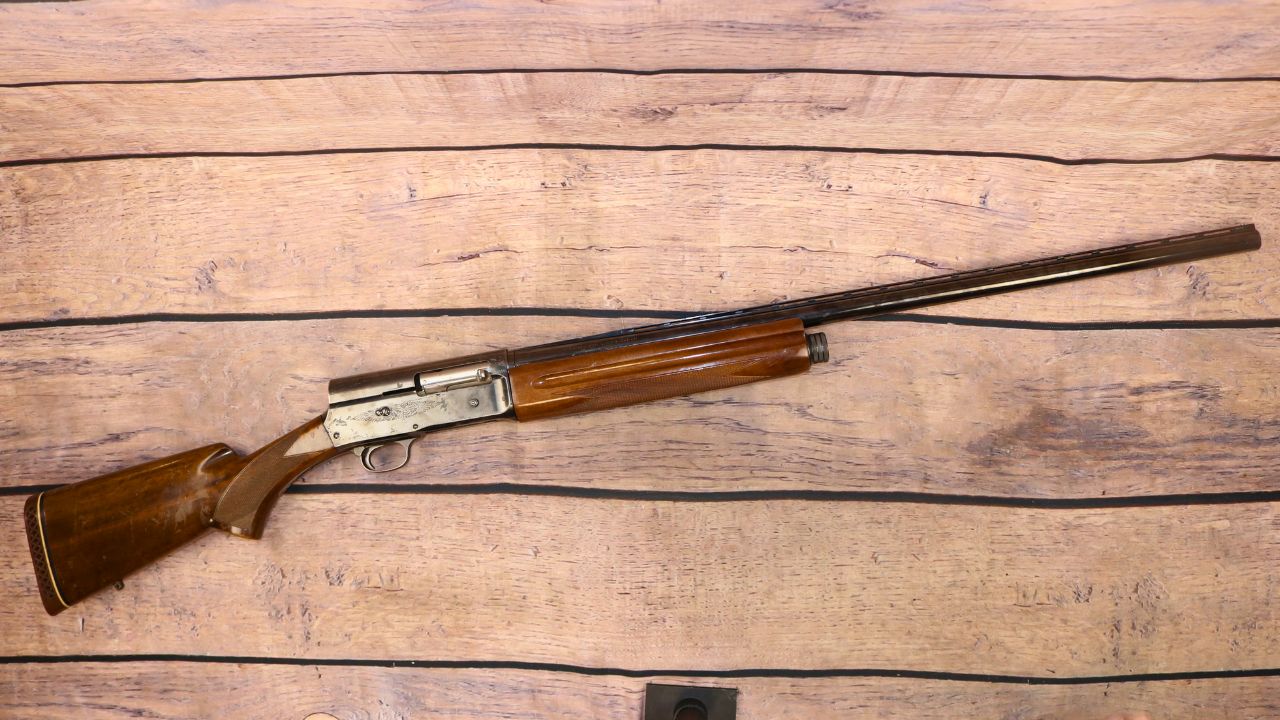
Old Belgian A-5s used to sit on tables because people were intimidated by the long recoil system and the “humpback” look. Then somebody would pick it up, work the action, and you’d see that moment: “Oh… this is quality.”
They don’t linger anymore. Clean Belgian guns, especially in common gauges, get treated like heirlooms now. They’re not for everyone, and they’re not the simplest thing to learn if you’ve only owned gas guns, but they have a feel that modern shotguns rarely match.
11. Browning BPS
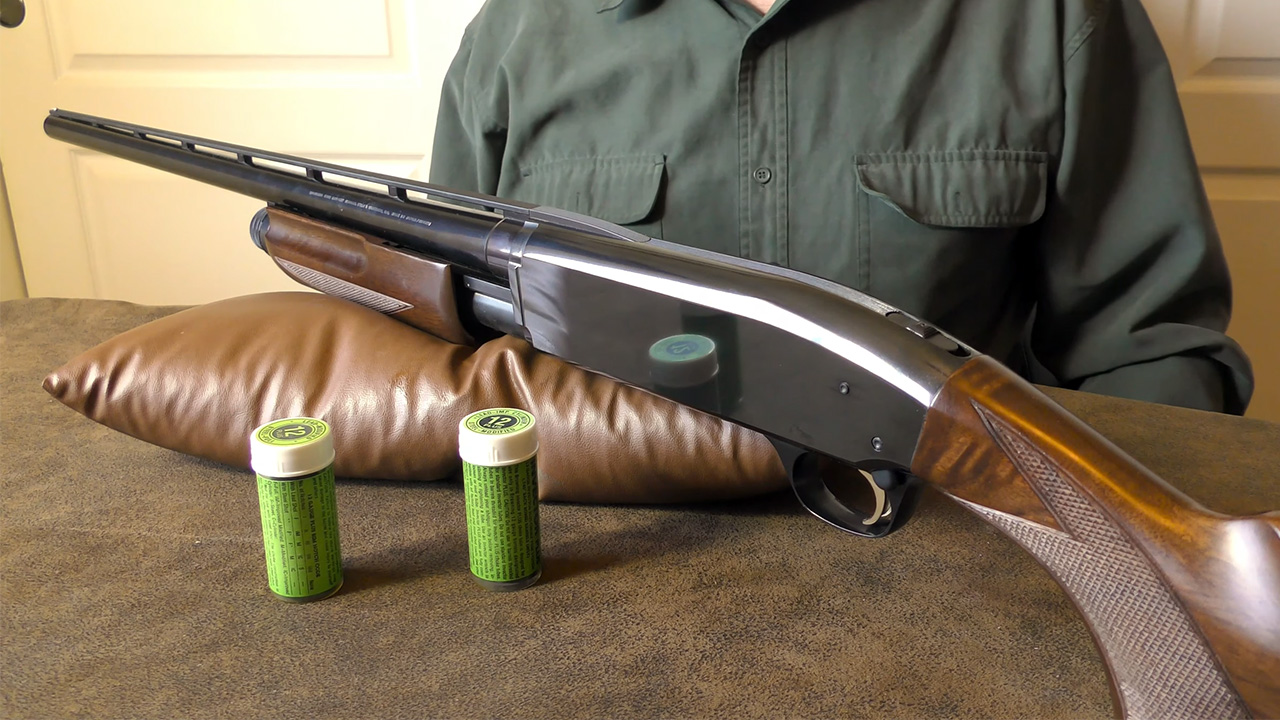
The BPS is one of the most underrated pumps for real hunting. Bottom eject, tang safety, and a solid, smooth stroke. They also tend to feel “dense” in a good way, like they’re built to be used for decades.
Estate sales used to have BPS guns that looked almost new because they were often bought by careful owners. They’re harder to bump into now because a BPS is the kind of shotgun a guy buys once and just keeps.
12. Browning Citori (field-grade over/unders)

A few years back, field-grade Citoris were more common than you’d think. Not every family knew what an over/under meant value-wise, and plenty of these were “special occasion” guns that didn’t get shot much.
Now, everybody with a phone can check prices in two minutes, and the local bird hunters are watching estate listings like hawks. If you see one at a fair number, you better be ready to move, because the next guy in line probably already has choke tubes in his pocket.
13. Beretta 390
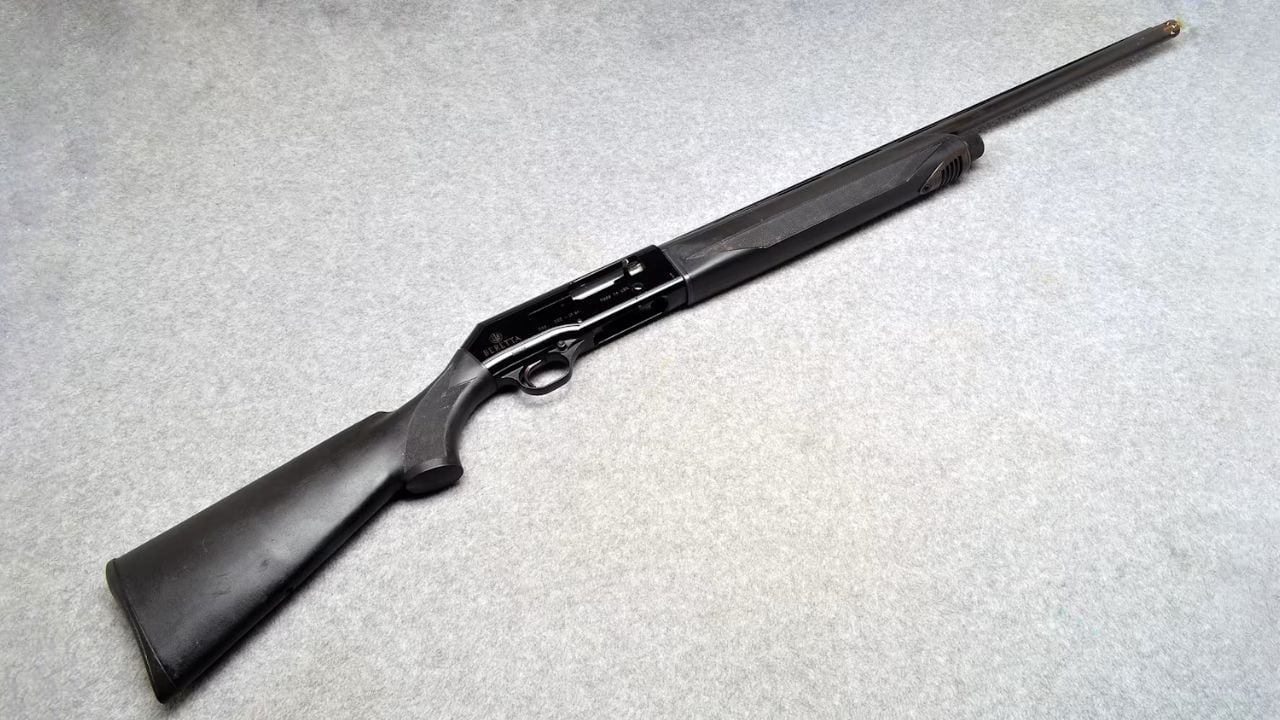
The Beretta 390 has a reputation for being the kind of semi-auto that just keeps going. You used to see them in cases with an old shooting vest and a partial sleeve of dove loads. They weren’t flashy, and that’s why they got overlooked.
They’ve “disappeared” because once someone figures out a 390 fits them, it becomes the default bird gun. Soft recoil, good balance, and the kind of reliability you appreciate when it’s cold and wet and you’re two miles from the truck.
14. Beretta 391
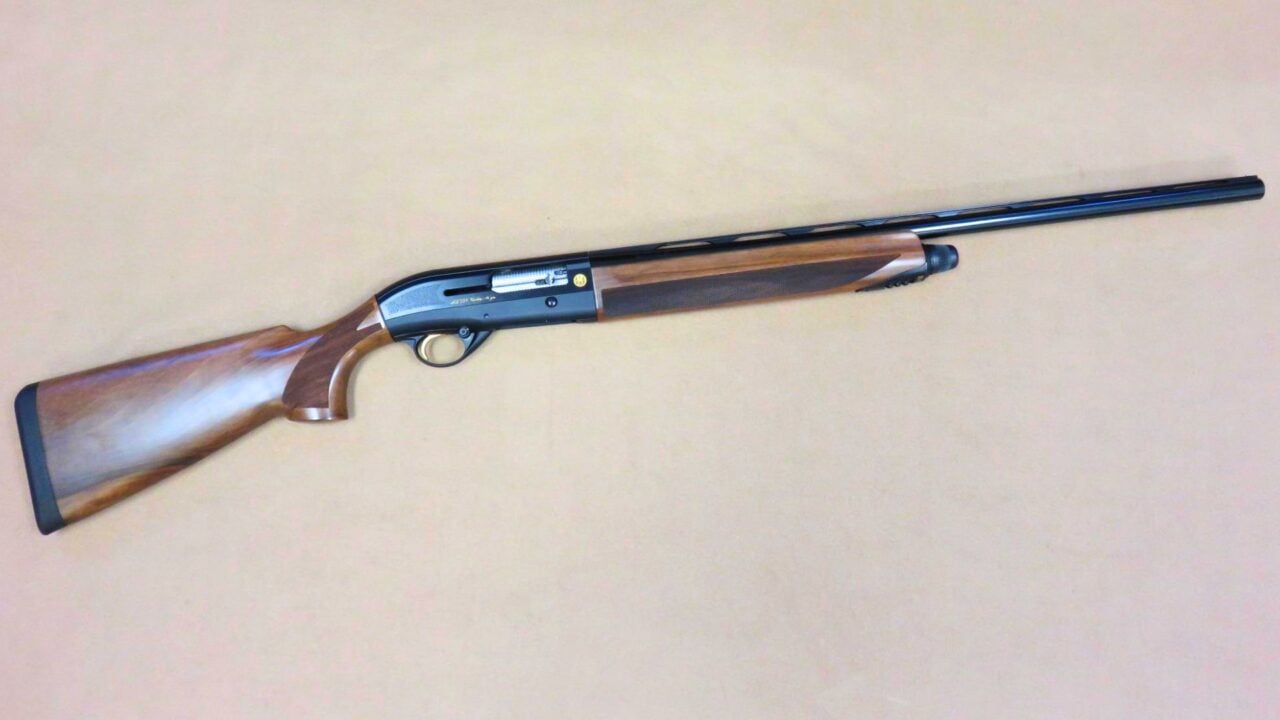
Same general story as the 390, but it feels like the 391 got hoarded even faster. It’s a serious clay gun that also happens to be a serious hunting gun. That combination makes it tough to replace once you sell it.
Estate-sale 391s used to pop up when a dedicated shooter passed and the family didn’t want to mess with “all those chokes and parts.” These days, the guys who shoot leagues and hunt birds are calling ahead and making offers before the signs even go up.
15. Benelli Super Black Eagle (first generation)
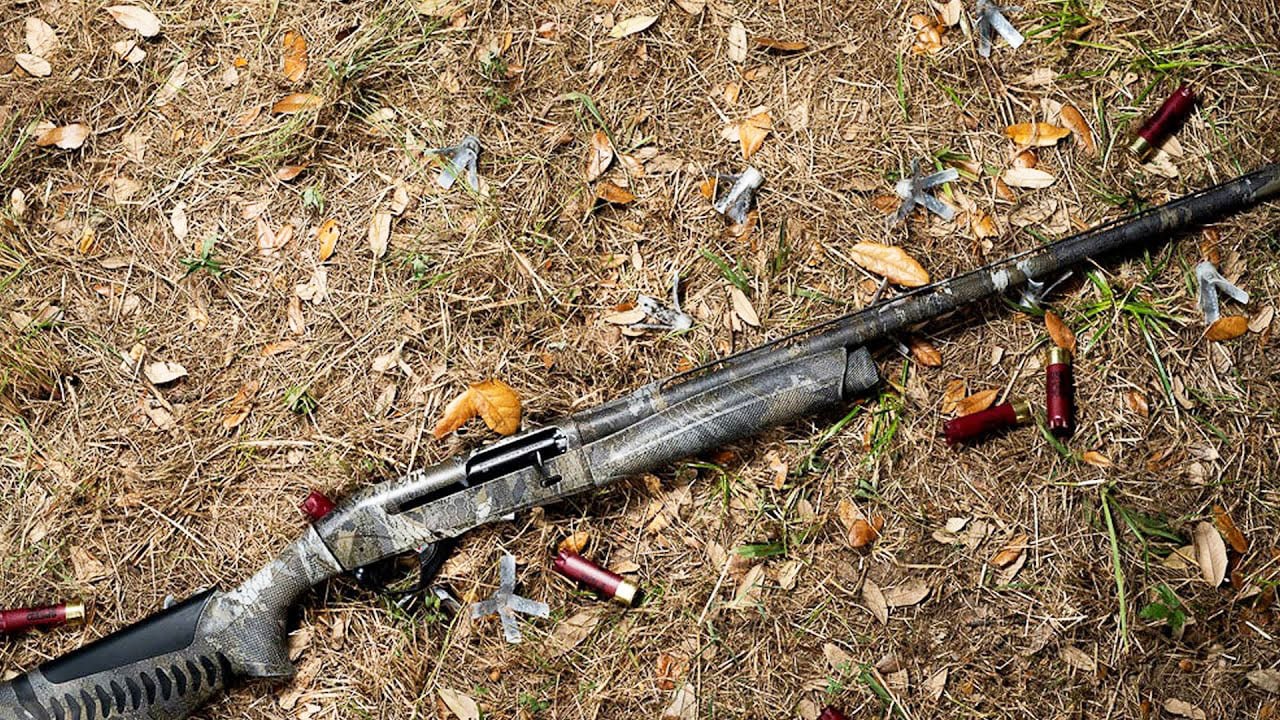
First-gen SBE guns were everywhere for a while because a lot of waterfowlers bought them, used them hard, then got tempted by whatever was new. Estate sales would end up with an SBE that looked like it had lived in a boat blind.
Then inertia guns got even more popular, and older SBEs quit being “outdated” and started being “proven.” If you find one that hasn’t been abused and the bolt and rails aren’t chewed up, it’s still a serious duck gun.
16. Benelli Nova
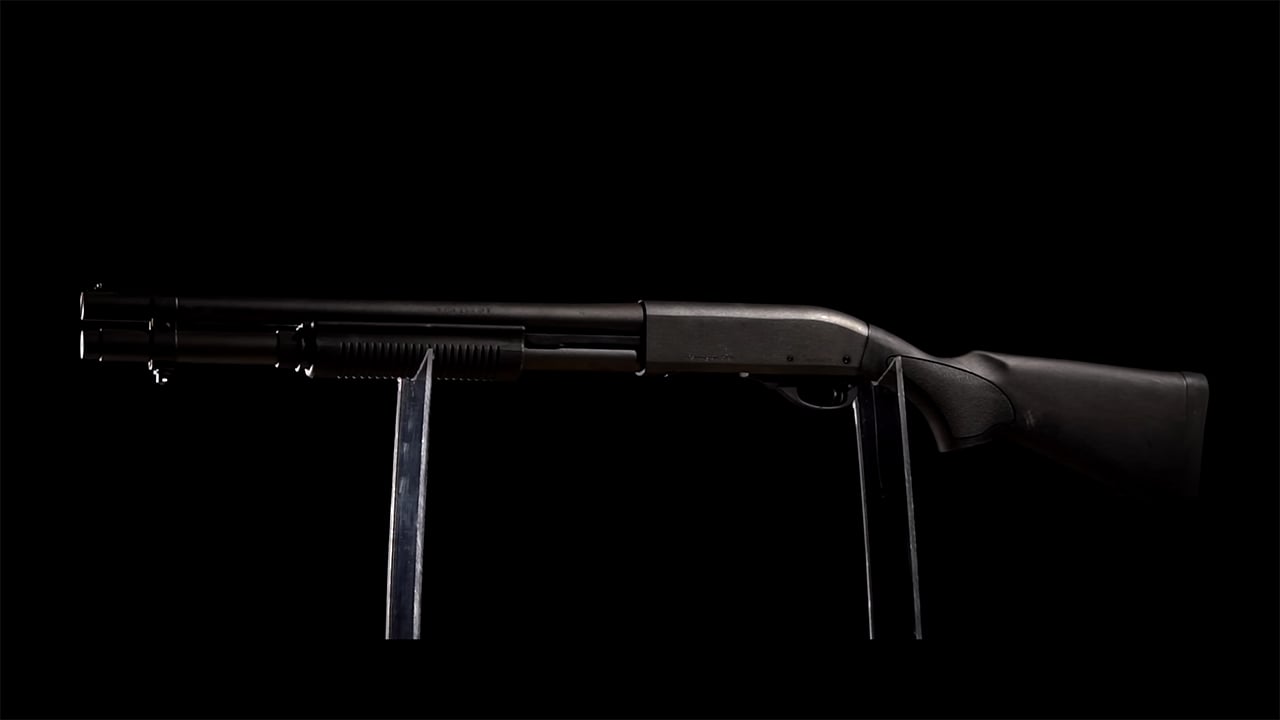
The Nova used to be the estate-sale special: polymer overmolded, kind of homely, and built like a shovel handle. They’d sit because they didn’t have walnut or nostalgia.
But Novas just keep running. Mud, rain, neglect—none of that helps, but the Nova seems to tolerate a working life better than most. That’s why you’re seeing fewer of them in the wild; they get bought and they stay bought.
17. Franchi 48 AL

The 48 AL is one of those shotguns that feels like it was built for walking. Light, lively, and typically found with a barrel length that makes sense for upland hunting. At estate sales, they used to be ignored because they weren’t a “big name” to casual buyers.
Lightweight also means more felt recoil, and some of them can be picky if they’ve been neglected. Still, upland guys figured out you can carry a 48 AL all day and not hate your life, and that’s a powerful thing.
18. Savage/Stevens Model 311 (side-by-side)
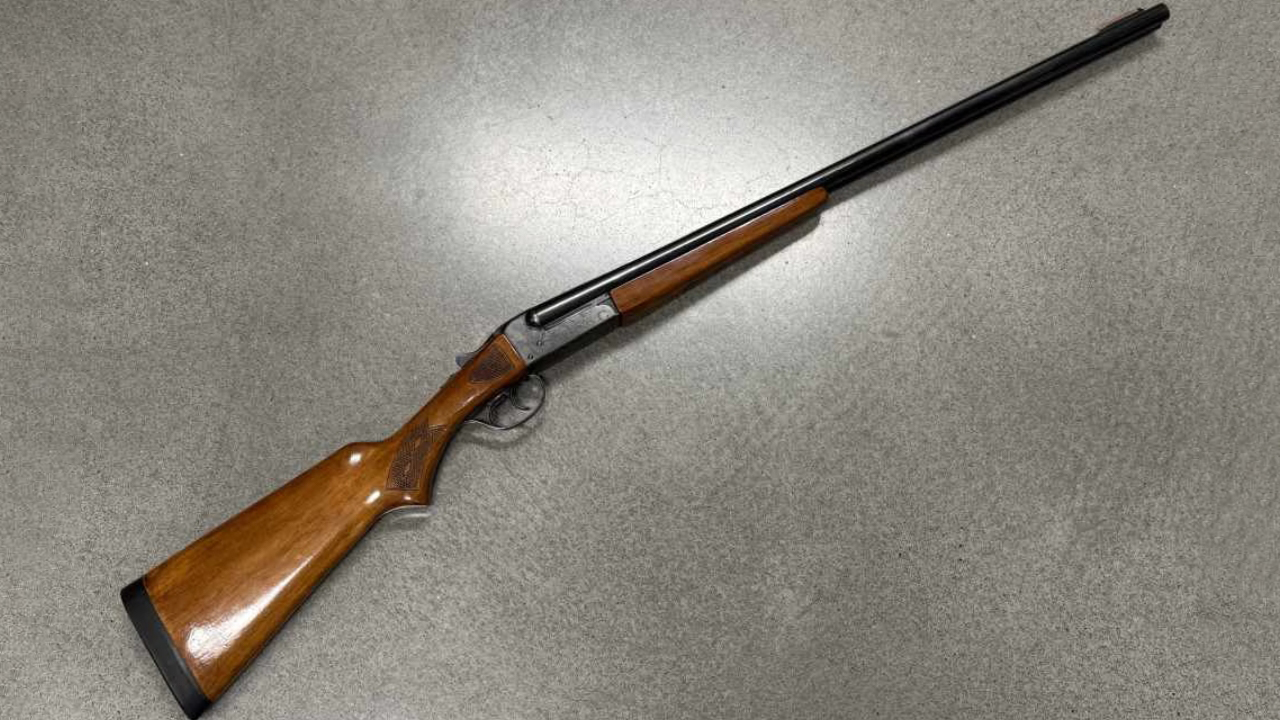
These old Stevens/Savage double guns were practically a background prop at rural estate sales. Plain wood, basic checkering (or none), and triggers that weren’t winning any awards. They also worked.
A lot of them got bought up as “behind the seat” farm doubles or as first bird guns for kids who were going to scratch them up anyway. They’re not fancy, and they’re not meant to be, but they’re getting tougher to stumble across at throwaway prices.
19. H&R/NEF Pardner Pump (Remington 870 clone)
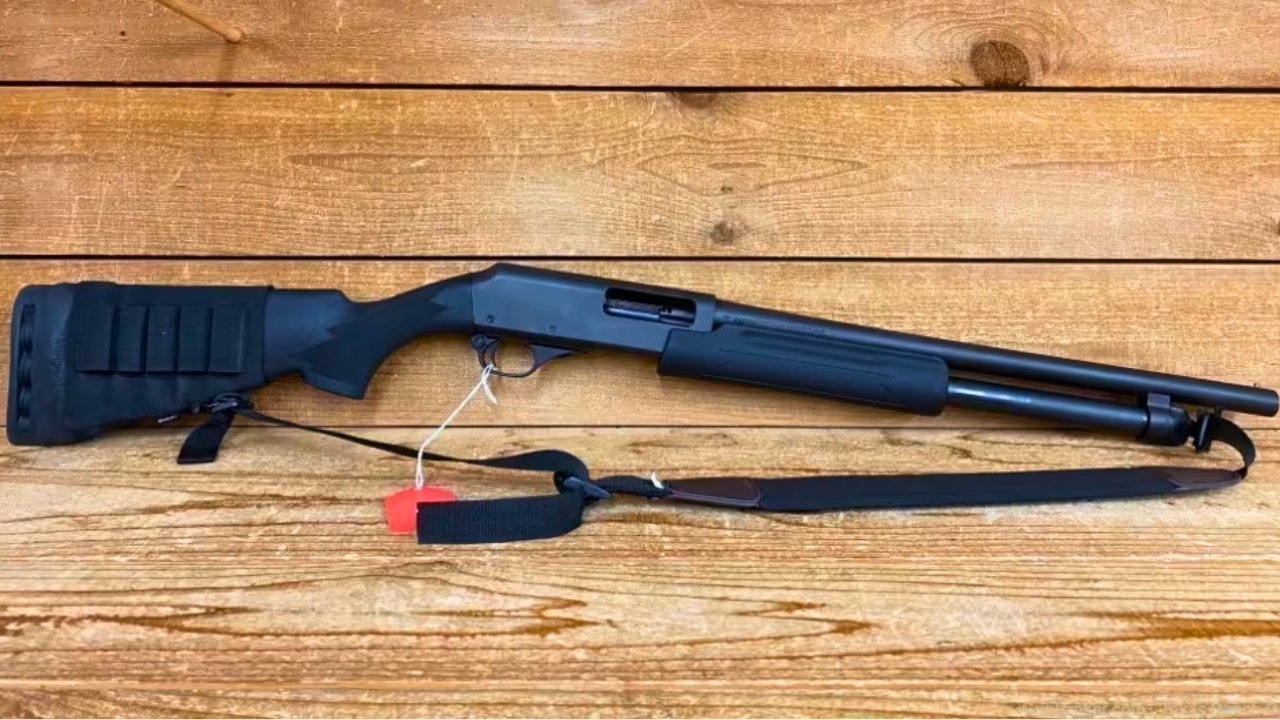
The Pardner Pump used to be common because it was the kind of shotgun that got bought at a big-box store, used a few seasons, then tossed in a closet. At estate sales, they were an easy sell to someone wanting a cheap, functional pump.
They’ve thinned out. Part of it is that budget guns don’t always get passed down—they get traded, pawned, or run until they’re worn out. The funny part is, when you find a good one, it scratches the same itch as an 870 for a lot less money.
20. Stoeger Coach Gun (side-by-side)
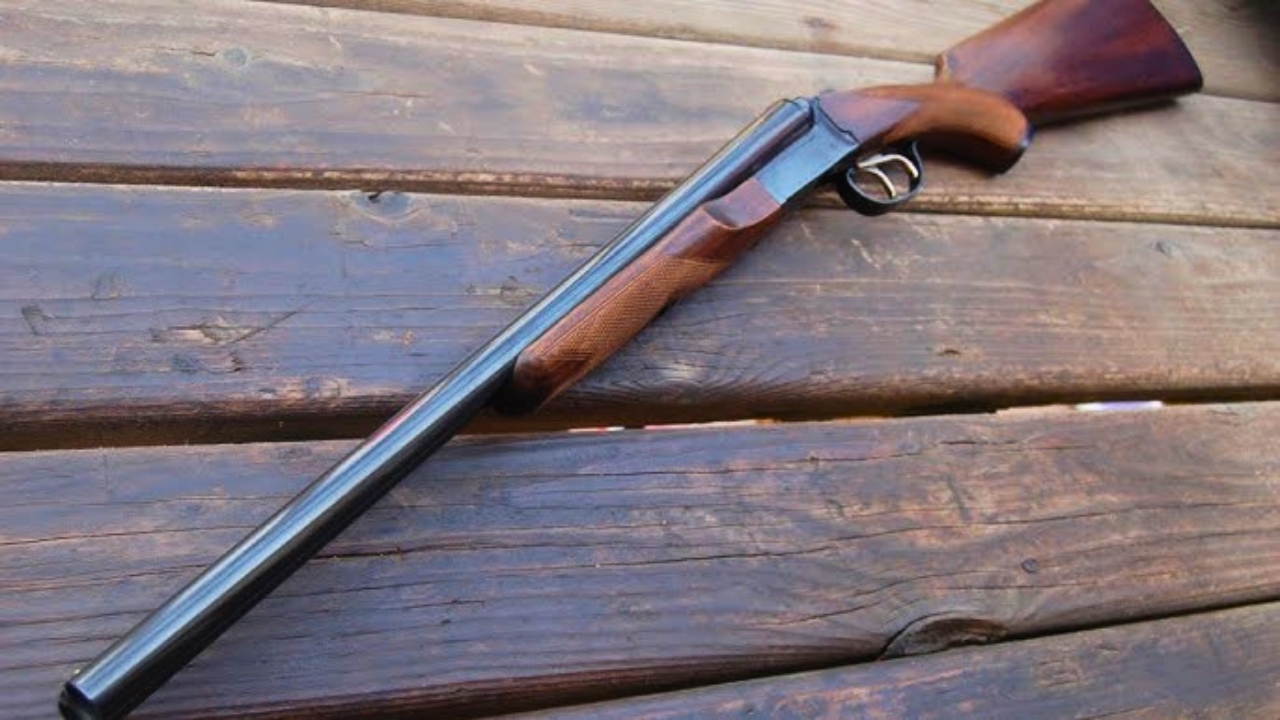
Like it or not, the Coach Gun had a moment, and estate sales reflected it. Short barrels, double triggers on some models, and that “stagecoach” vibe that made folks buy one even if they didn’t need it for anything practical.
Now they’re not as common because the ones that stayed tight and shot well tend to stay in the safe. The ones that loosened up or got fed a steady diet of heavy loads are the ones you’ll see for sale, and you want to check lockup carefully before you get excited.
If you’re wondering where all these shotguns went, the answer isn’t mysterious. The useful ones got kept, the undervalued ones got recognized, and the “good enough” working guns got absorbed into households that actually use them. If you hit estate sales, show up early, handle them safely, and don’t be afraid to walk away from a rough gun with a shiny price tag. But when you do find one of these in honest condition, don’t take all day thinking about it. The days of coming back after lunch and it still being there are mostly over.
Like The Avid Outdoorsman’s content? Subscribe to our newsletter so you never miss an article.
Here’s more from us: