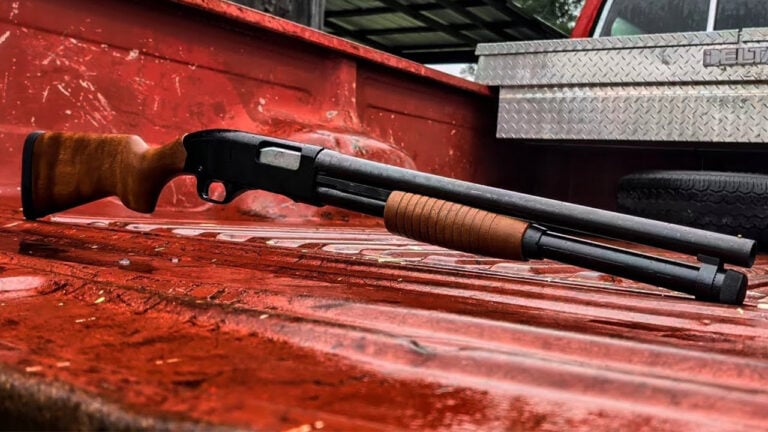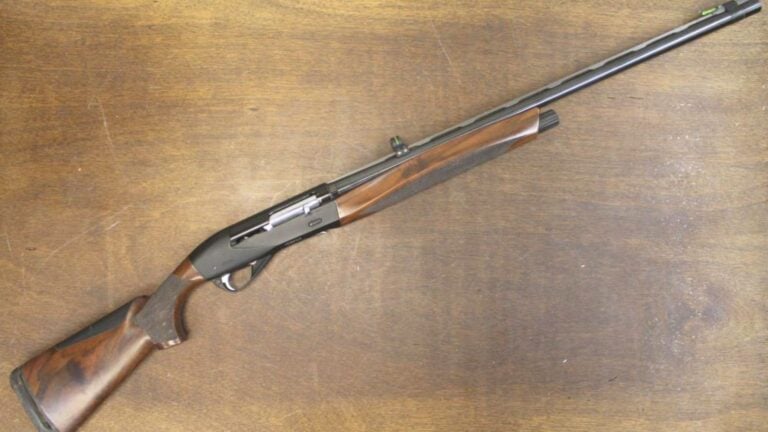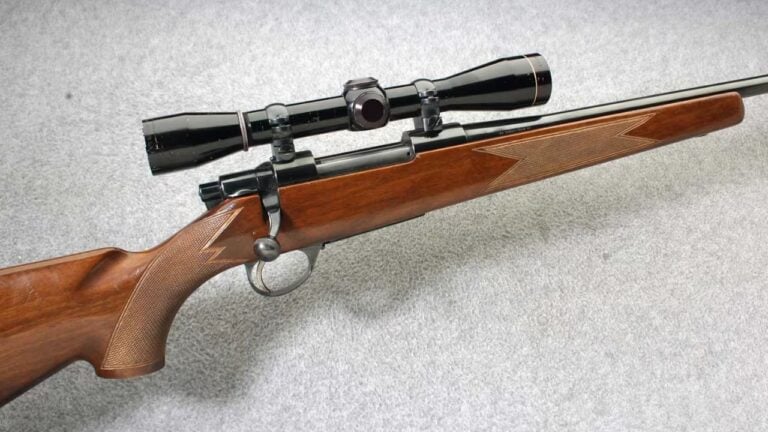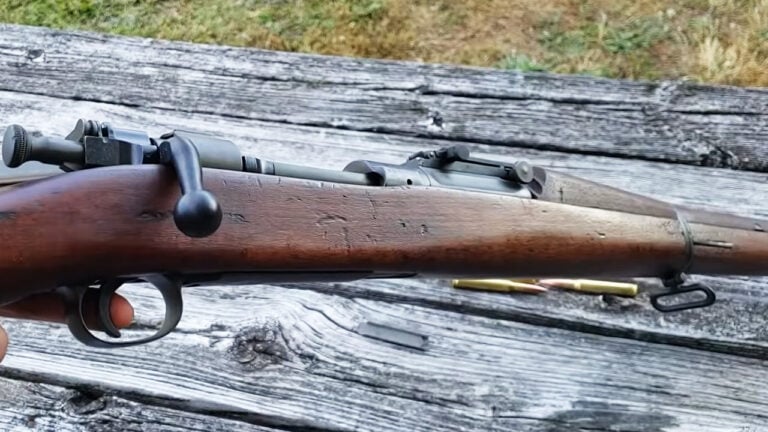
Photo credit: Sako/Youtube
Every guide who’s been at it a while has a quiet little system for disaster prevention. Not the glamorous stuff. I’m talking about the backup rifle leaning in the corner of the wall tent, or the one riding in a scuffed soft case behind the truck seat. It’s there for the client whose brand-new scope won’t track, or the guy who “sighted in last year,” or the hunter who shows up with a rifle so filthy the bolt feels like it’s full of sand.
Loaner guns are not meant to impress anyone. They’re meant to work, feed common ammo, hold zero after bouncing down two-tracks, and get a decent shot off when a bull or buck finally steps out. Here are 20 rifles experienced guides tend to keep around for those moments when a hunt is about to go sideways.
1. Ruger American Rifle (various calibers)
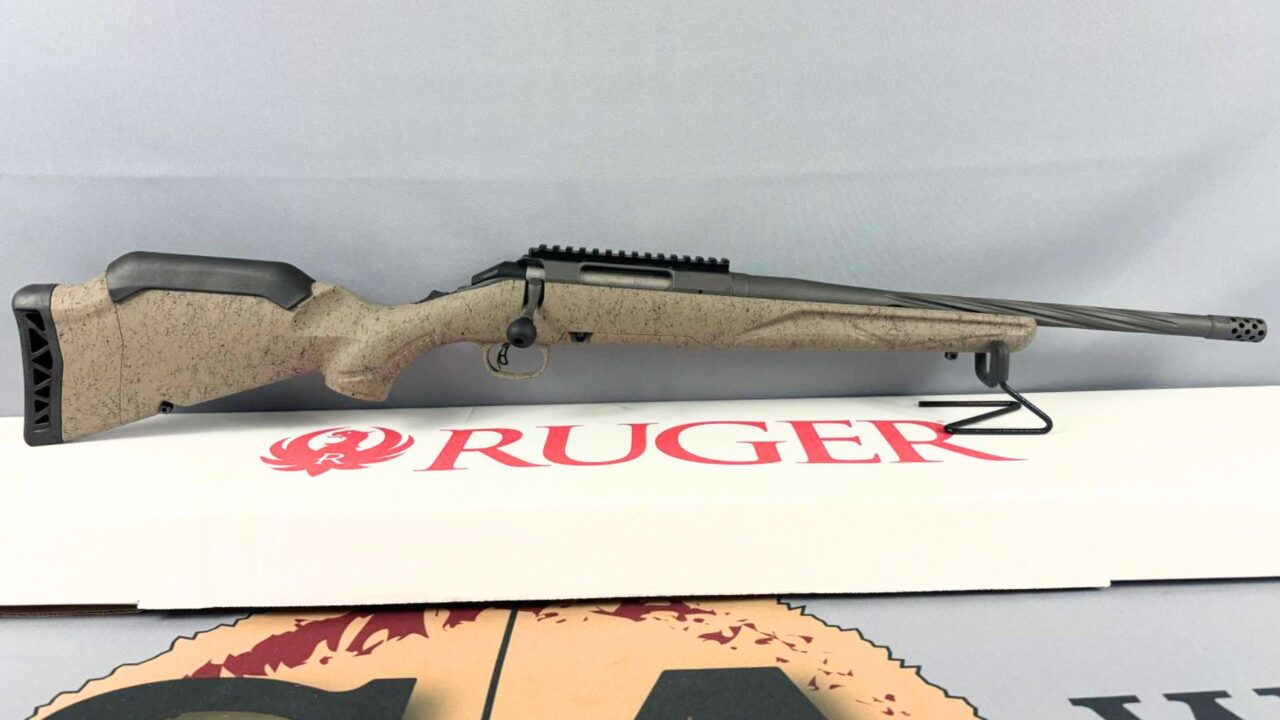
This is the modern “just get it done” rifle. It’s not pretty, the stock feels hollow, and it won’t win any beauty contests around the wood-stove gun talk. But they shoot. A lot of them shoot better than they have any right to for the money.
Guides like them because they’re simple, they tend to hold zero, and replacements are easy to find without taking out a loan. If something happens to it, it’s annoying—not a tragedy.
2. Savage Axis II
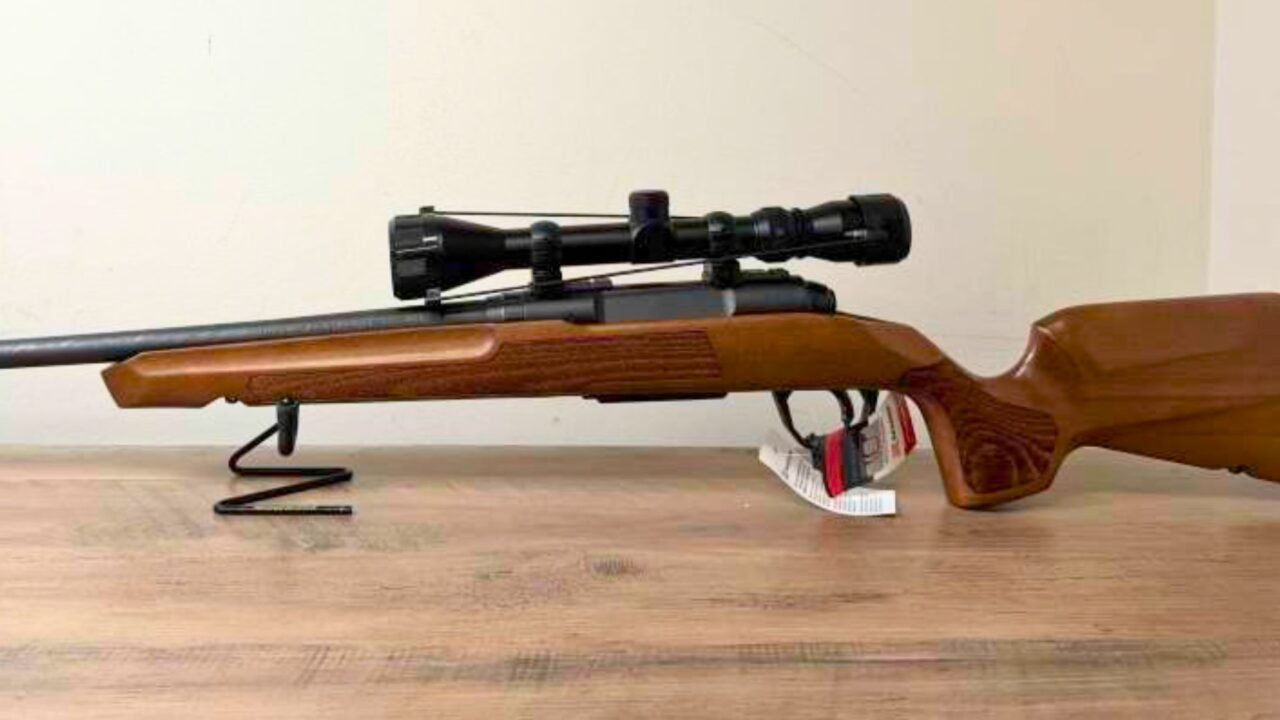
I’ve watched more than one hunter eat a slice of humble pie when an Axis II outshoots their “custom” setup on paper. The AccuTrigger (or Savage’s adjustable triggers in general) is a big part of why these rifles get loaned out. A clean trigger covers up a lot of shooter mistakes.
The other part is that they’re forgiving rifles. They’ll cycle when dusty, they’ll ride in a scabbard all week, and they usually keep printing where they were sighted.
3. Tikka T3x Lite

If a guide is serious about having one loaner that can rescue almost any big-game hunt, this is often it. Smooth action, reliable feeding, and accuracy that makes “it must be the ammo” excuses disappear fast.
The downside is cost. A Tikka isn’t the cheapest rifle to keep around for strangers. But guides keep them because when a once-in-a-decade bull is standing there, “good enough” stops being good enough.
4. Remington Model 700 SPS
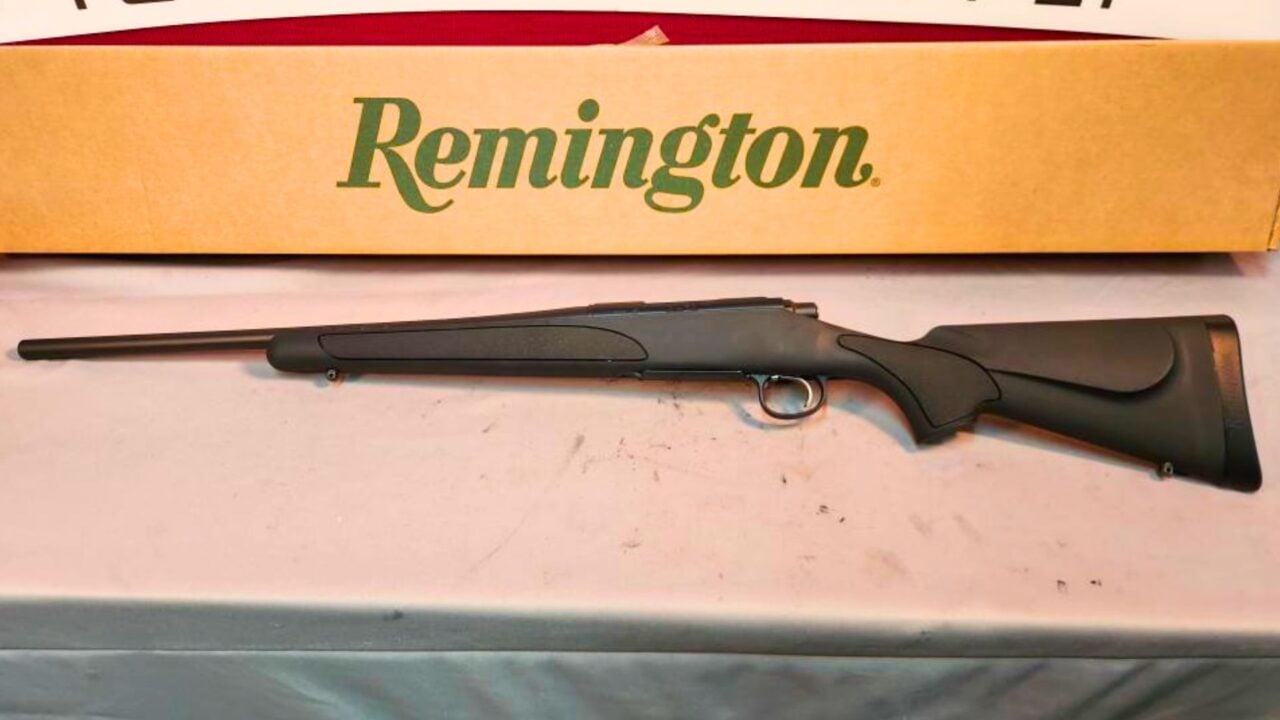
Yes, the 700 has baggage, and yes, everybody has an opinion. Still, a plain 700 SPS in a normal caliber has put a pile of animals on the ground, and parts/support are everywhere. A guide can keep one running without becoming a gunsmith.
It’s also one of the easiest rifles to set up with rings, bases, and a basic scope that stays put. When time is short, familiarity matters.
5. Winchester Model 70 Featherweight
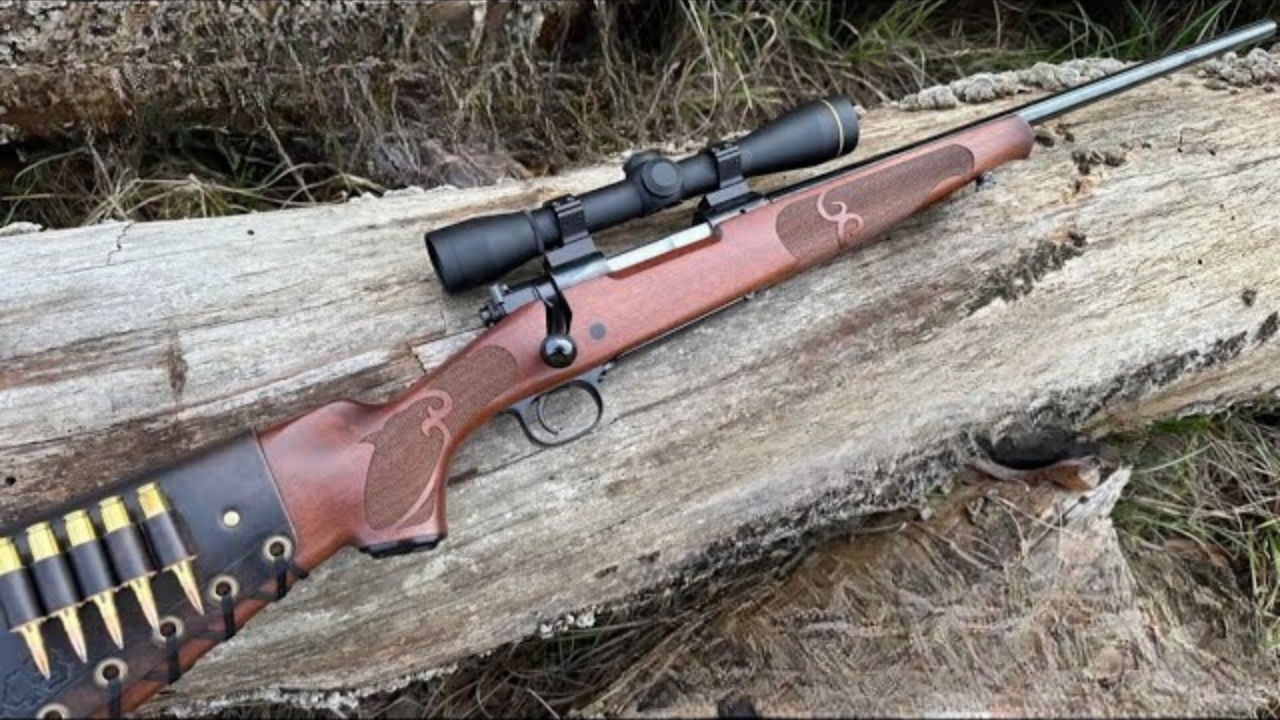
This is the one a lot of guides personally like carrying, so it becomes a loaner when needed. Controlled-round feed is comforting when you’re trying to chamber quietly, awkwardly, in the brush. The rifle just has a steady feel to it.
Featherweights carry easy all day, and the balance is good enough that a tired hunter can still point it naturally. That’s a bigger deal than folks admit.
6. Ruger Hawkeye (M77)
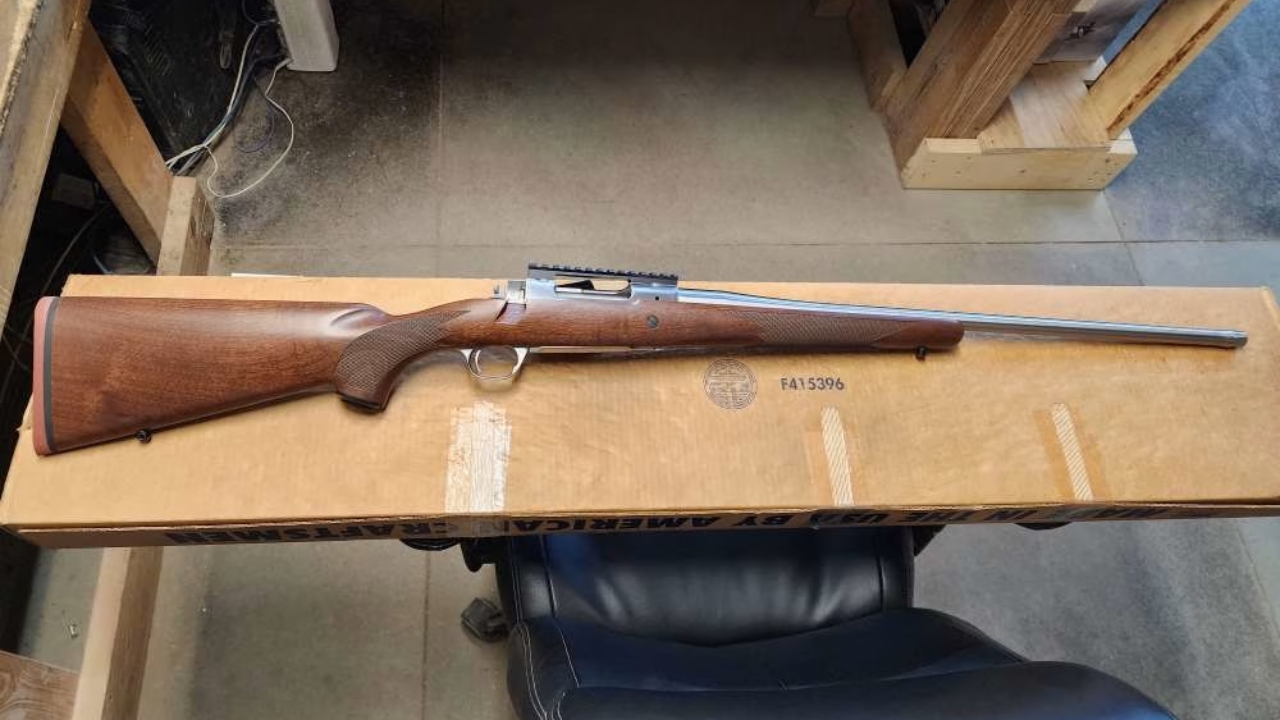
There’s nothing fancy about a Hawkeye, and that is kind of the point. They’re rugged rifles with a reputation for being able to take weather and keep trucking. The tang safety on older Rugers is also a guide-friendly feature—simple and obvious.
Not every Hawkeye is a laser, but most will shoot plenty well for real hunting distances with ammo they like. And they tend to feed reliably, even when the shooter gets sloppy on the bolt.
7. Browning X-Bolt Hunter

The X-Bolt is a common “my rifle won’t group” cure. They usually shoot, they usually feed, and the bolt lift feels good for new shooters who short-stroke or panic-cycle under pressure.
Guides also like that the rifles aren’t finicky about being carried in snow, rain, and mud. Wipe it down at night, keep it reasonably clean, and it’ll do its job.
8. Weatherby Vanguard (Series 2)

If you’ve been around camps, you’ve seen the Vanguard show up as the “buddy rifle” more than once. They’re a little heavier than some folks want, but that weight calms recoil, especially in .30-caliber cartridges.
They’re also not fragile. A Vanguard can bang around in a truck, get rained on, and still keep its manners. A lot of guides would rather loan something slightly heavy than something temperamental.
9. Howa 1500
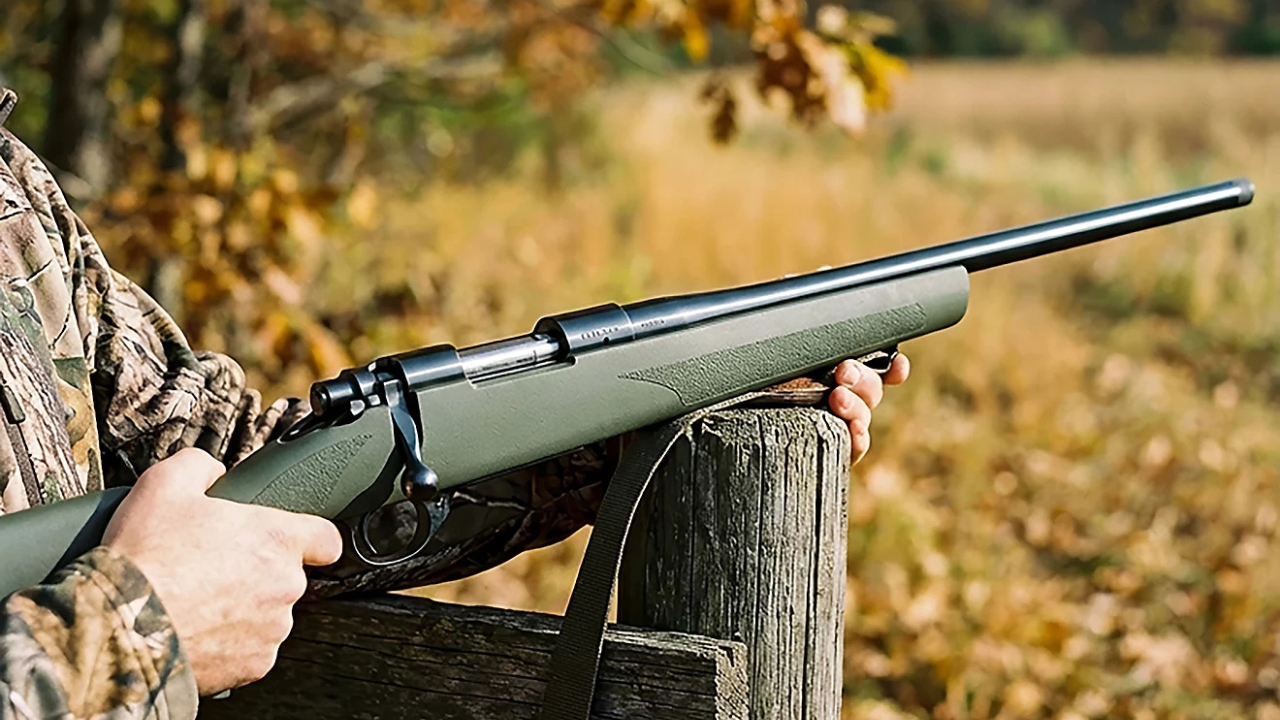
Howa rifles don’t get the internet hype they deserve, which is fine. Quietly reliable is the whole appeal. The action is solid, the aftermarket is decent, and they tend to shoot straight with basic ammo.
For a loaner, a Howa is perfect because it feels like a “real rifle.” It’s not a toy. When a hunter shoulders it, they settle down a bit. Confidence is a tool in camp.
10. CZ 600 Alpha
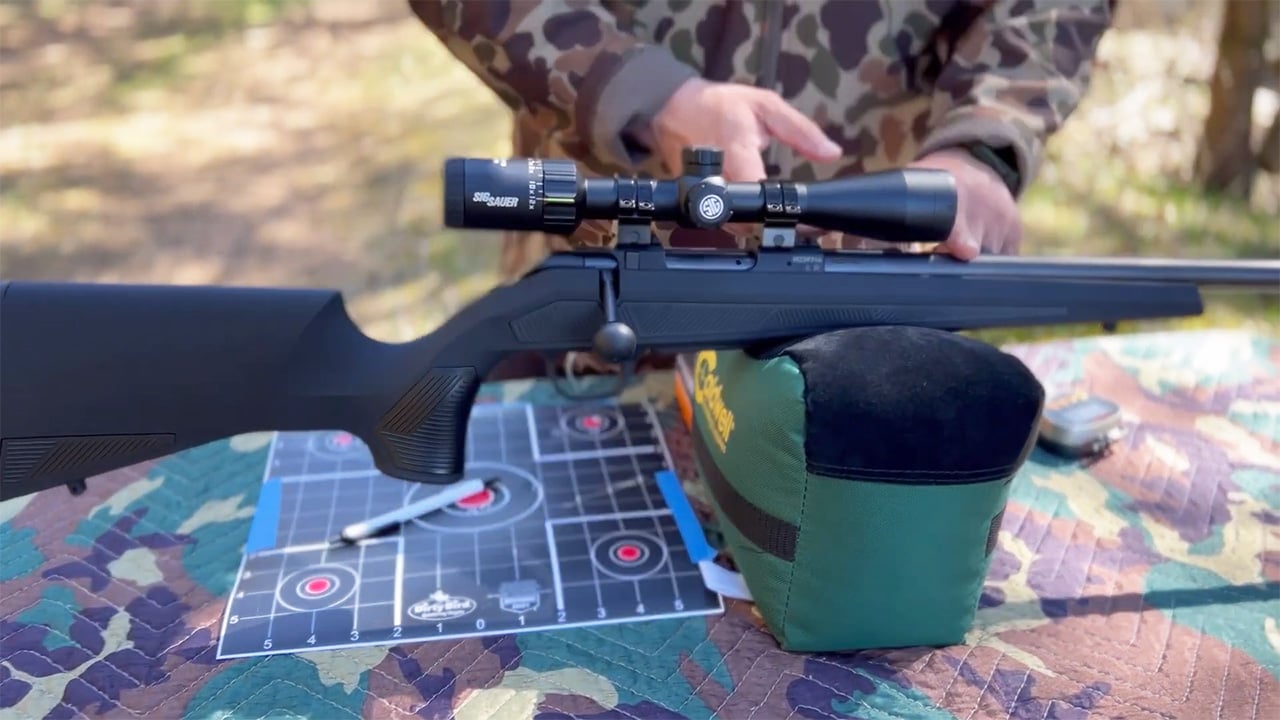
CZ built a reputation on practical rifles that work, and the 600 Alpha fits that mold. It’s a modern, synthetic-stocked hunting rifle that handles weather well and doesn’t act delicate. That matters when the rifle lives in a scabbard and comes out cold.
Guides who keep one around like the ergonomics and the overall “no drama” nature. It points well, cycles clean, and it’s accurate enough to end arguments.
11. Mossberg Patriot

The Patriot is not everybody’s favorite, but it’s one of those rifles that shows up because it’s affordable and it often shoots fine. A guide can keep one as a true spare without tying up a bunch of money.
The magazine setup and overall feel aren’t as refined as higher-end rifles, but when your priority is getting a client hunting again by afternoon, refinement drops down the list fast.
12. Bergara B-14 Hunter

This is the loaner for the guide who’s tired of clients blaming equipment. A B-14 tends to shoot. Period. They’re also built with the kind of fit and finish that doesn’t feel like a compromise when you hand it to someone who paid big money for the hunt.
They’re not ultralight, but that’s not a negative in camp. Less recoil and a steadier hold usually equals better shooting when adrenaline shows up.
13. Ruger Gunsite Scout

Scout rifles are a niche, but the Gunsite Scout is a handy problem-solver. Shorter overall, quick to shoulder, and usually reliable. If a client is struggling with a long, muzzle-heavy rifle in thick cover, this can be a fix.
It’s also useful for camps that might see black bear over bait, thick timber elk, or tracking jobs where shots are close and fast. Not everyone loves the concept, but it works.
14. Marlin 336 (used, well-sorted)

A good lever gun is still a guide’s friend in the woods. The 336 isn’t a long-range tool, and nobody should pretend it is. But inside normal timber distances, it’s quick, it carries like a walking stick, and it hits hard enough in the right cartridge.
Guides keep these because clients can often shoot them well immediately. The sight picture makes sense, recoil is manageable, and follow-up shots are faster than a lot of people expect.
15. Henry X Model (in .45-70 or .30-30)
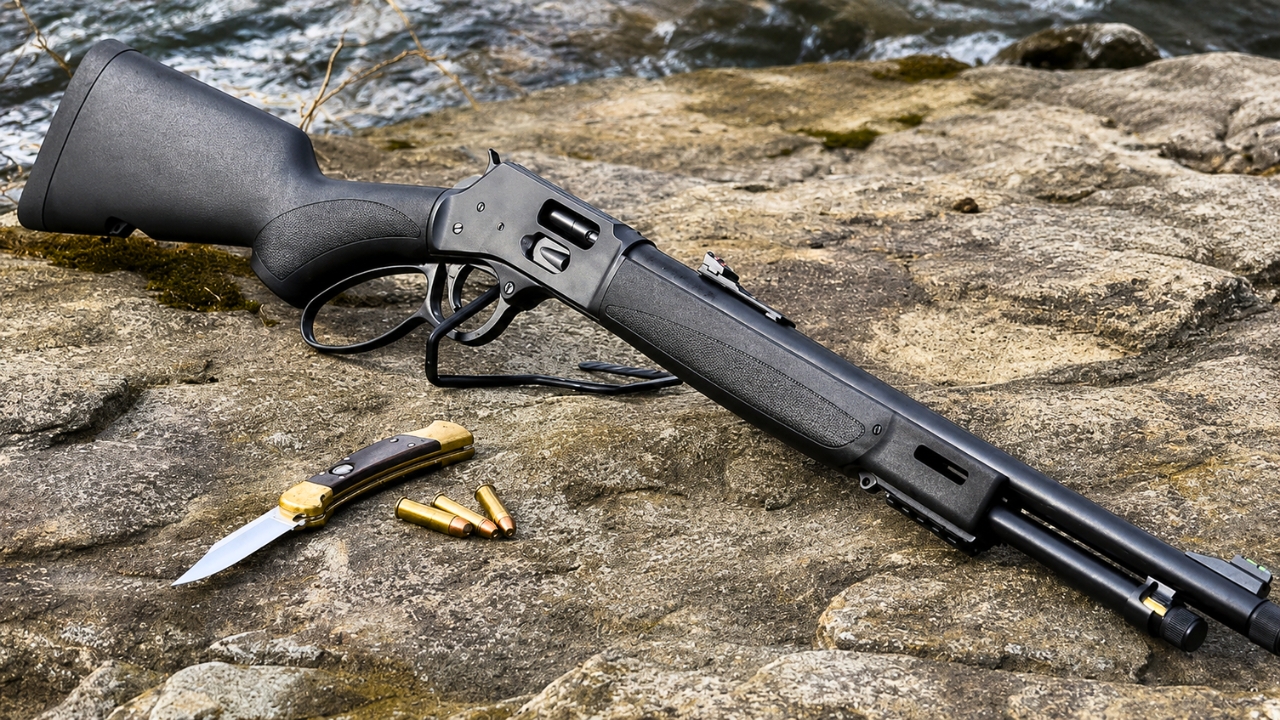
When weather is nasty and everything is slick, the X Model’s tougher finish and practical features start making sense. It’s a lever gun that’s meant to be used, not babied. That’s what you want when you’re loaning a rifle out.
In .45-70 it’s not for recoil-sensitive shooters, but it can be the right answer in bear country or tight alder tangles. In .30-30, it’s about as friendly as it gets.
16. Ruger Mini-14 Ranch Rifle

This isn’t a typical big-game loaner, but guides keep Mini-14s around for ranch work, predator control, and the kind of “we need a rifle that runs” situations that pop up in remote places. They’re handy, reliable enough, and magazines are available.
It’s also a rifle that a lot of folks can operate safely without getting flustered. Simple manual of arms, decent iron sights on many models, and it doesn’t feel intimidating.
17. CZ 527 (in .223 Remington)

For camps that do coyotes, wolves, or smaller game alongside big-game hunts, a little bolt gun like the 527 is gold. The actions are smooth, the rifles are accurate, and they carry light.
They’re also “easy to shoot well” rifles, which is the entire loaner-gun mission. A client who’s jerking a heavy trigger on a big magnum often settles right down with something like this.
18. Thompson/Center Compass
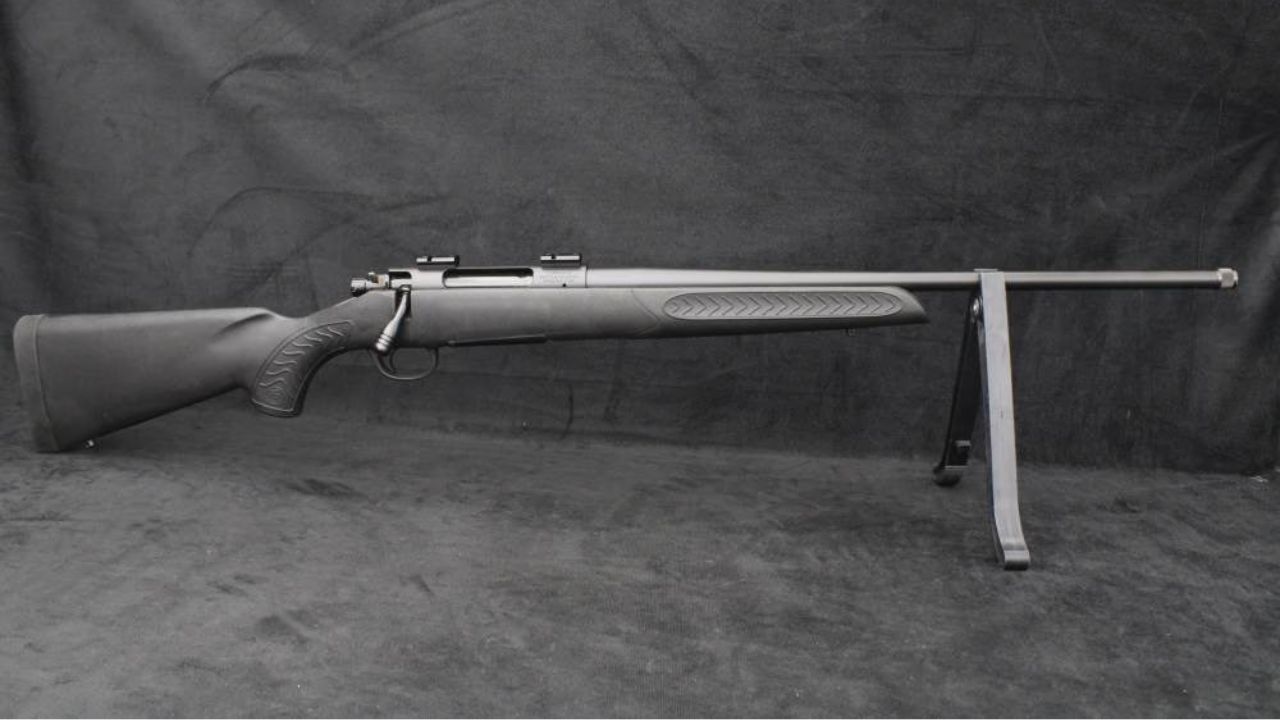
The Compass is another budget rifle that earns a spot because it tends to work. It’s not refined. The stock is plain. But as a spare that stays sighted and ready, it can save a hunt when somebody’s scope takes a hit getting off a horse or climbing into a blind.
Guides who keep one usually keep it in a common caliber with a simple scope. No gimmicks. Just a rifle that goes bang and hits where it’s aimed.
19. Remington Model 7
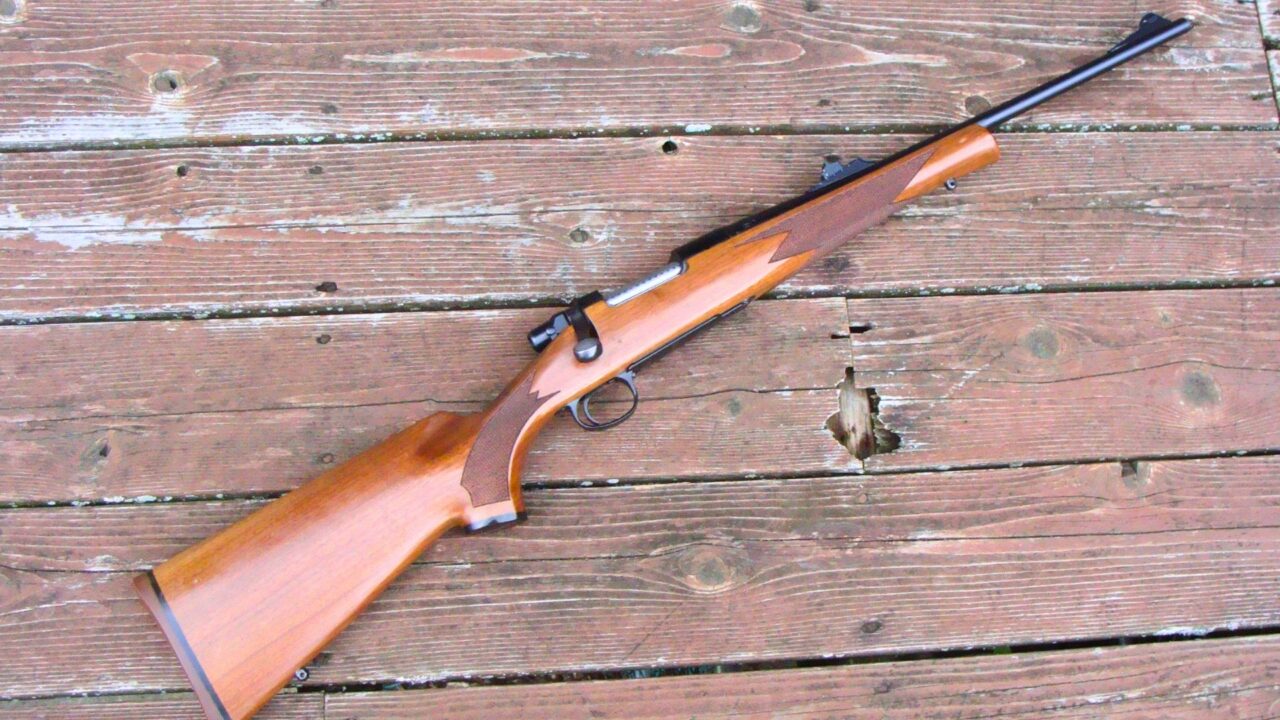
A Model 7 is one of those rifles that feels “alive” in the hands. Short action, quick handling, and easy to carry all day without feeling like you’re dragging a fence post. When a client is worn down and shooting sloppy, that matters.
They’re not always cheap on the used market, but they’re dependable little hunting rifles. For whitetails, black bear, and woods elk, they’re tough to beat.
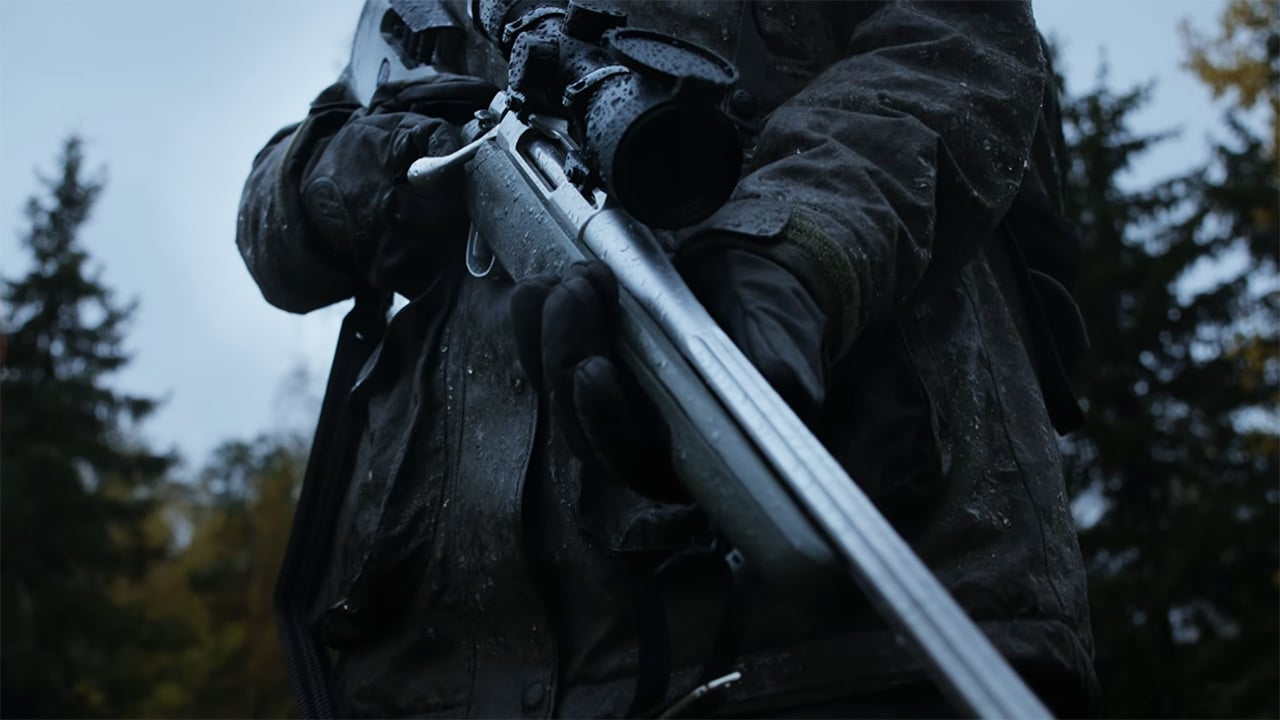
20. Sako 85 (or Sako 90) Finnlight
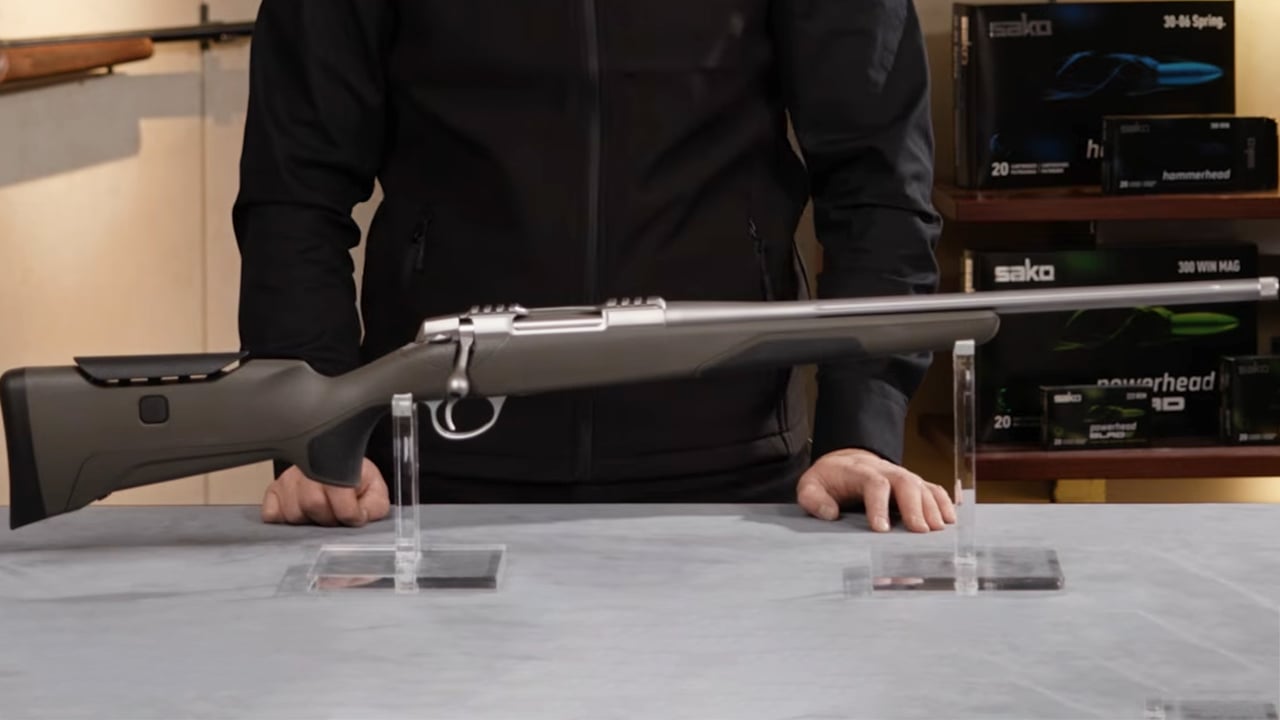
This is the high-end option some guides keep because they’re serious about having one rifle that will not embarrass them. Sakos tend to feed like they’re on rails, shoot extremely well, and they handle cold, wet, miserable conditions without getting cranky.
Is it overkill for a backup? Maybe. But if a client’s dream hunt is on the line, and the guide has a Finnlight that’s always ready, it’s hard to argue with results.
None of these rifles are magic. A loaner doesn’t fix bad fundamentals, and it can’t replace time behind the trigger. But a dependable, sighted-in rifle with common ammo and a scope that tracks can keep a hunt from turning into an expensive hike. If you’re the guy traveling to hunt, the lesson is pretty simple: test your rifle like you mean it, bring spare parts where it makes sense, and don’t show up with a setup you’ve never proven outside the bench.
Like The Avid Outdoorsman’s content? Subscribe to our newsletter so you never miss an article.
Here’s more from us: