Photo credit: Gun&ShotTV/YouTube
Single-action revolvers are easy to underestimate because so many of them were purchased for shooting rather than collecting. A Blackhawk might spend decades bouncing around a truck. A .22 single action gets handed to every kid in the family. An old Colt clone gets polished, reblued, or fitted with aftermarket grips because nobody thinks twice about originality. Then somebody eventually figures out that the exact version is no longer common.
That is where single-action collecting gets interesting. Small differences in serial-number range, barrel length, grip frame, chambering, factory box, and even whether an early Ruger received a later safety conversion can matter. Colt’s Single Action Army alone spans multiple recognized generations and countless variations, while Ruger’s early single actions have developed their own serious collector following. These are 20 revolvers I would inspect carefully before assuming they are just old cowboy guns.
Colt Second Generation Single Action Army
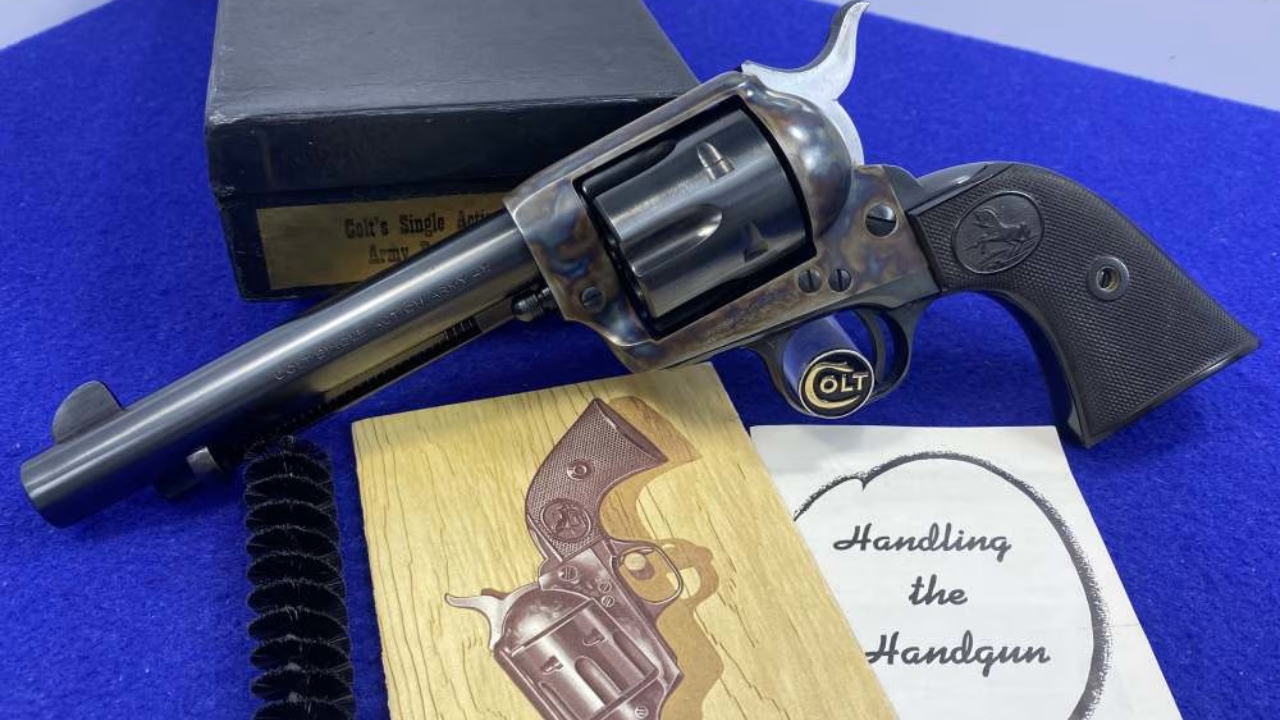
A Second Generation Colt SAA can look almost too familiar to get excited about. That is exactly why owners sometimes underestimate what they have. Colt restarted Single Action Army production in the mid-1950s after discontinuing the original prewar run, and these revolvers occupy a fascinating middle ground between antique First Generation guns and later Third Generation production. Colt produced fewer than 70,000 Second Generation SAAs before ending the run in 1975.
That makes configuration important. Barrel length, chambering, factory stocks, finish, box, and documentation can all make one revolver significantly more desirable than another. I would be particularly careful before refinishing or modifying a clean example. A shooter may see an old .45 Colt. A collector may see a very specific Second Generation variation that cannot be replaced easily.
Colt Second Generation New Frontier
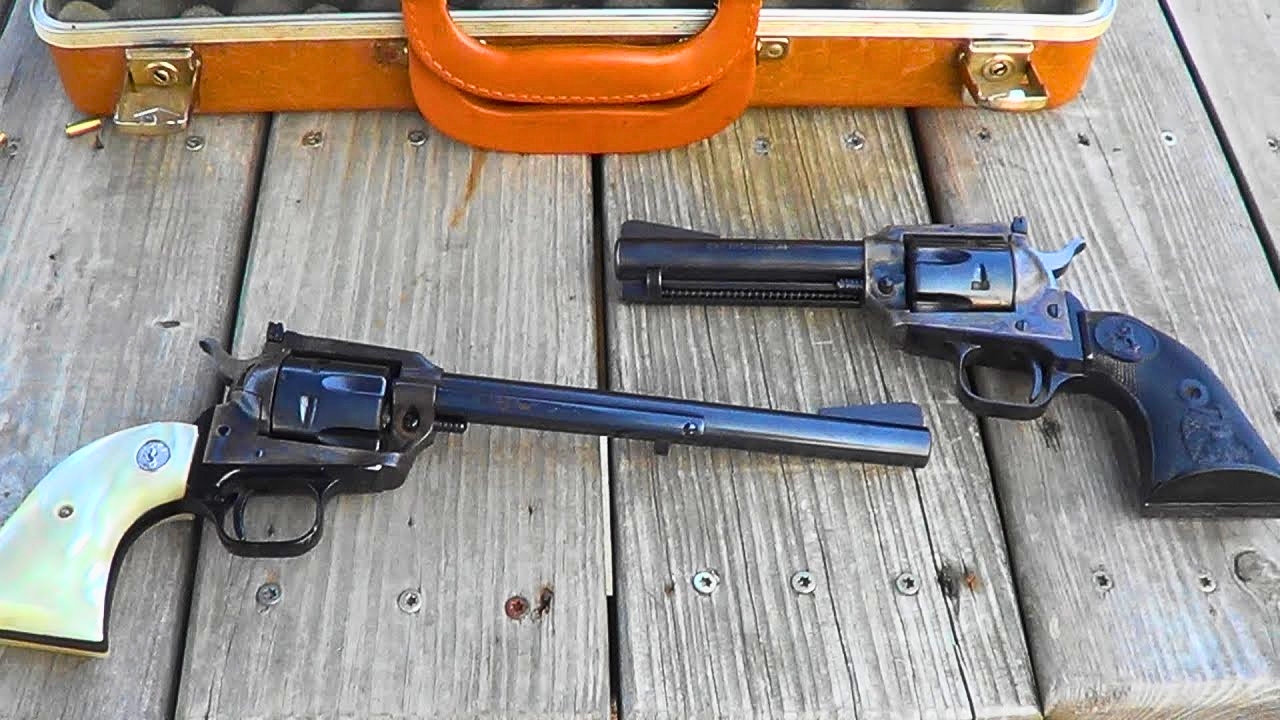
The New Frontier took the traditional Single Action Army format and added adjustable sights, creating a revolver that could appeal to serious shooters without losing the classic Colt action. Colt introduced the Second Generation New Frontier in 1961, and it became one of the more distinctive variants of that production era.
For years, some traditionalists preferred the fixed-sight Peacemaker because it looked more historically correct. That may have helped keep the New Frontier slightly outside the spotlight. Today, its different frame, sight arrangement, and shorter production history make it a category of its own.
I would want an original revolver with the correct stocks and as much factory finish as possible. Adjustable sights encouraged actual use, and many New Frontiers were shot heavily. Finding one that escaped decades of modifications can be considerably harder than simply finding another Colt single action.
Colt Second Generation Sheriff’s Model
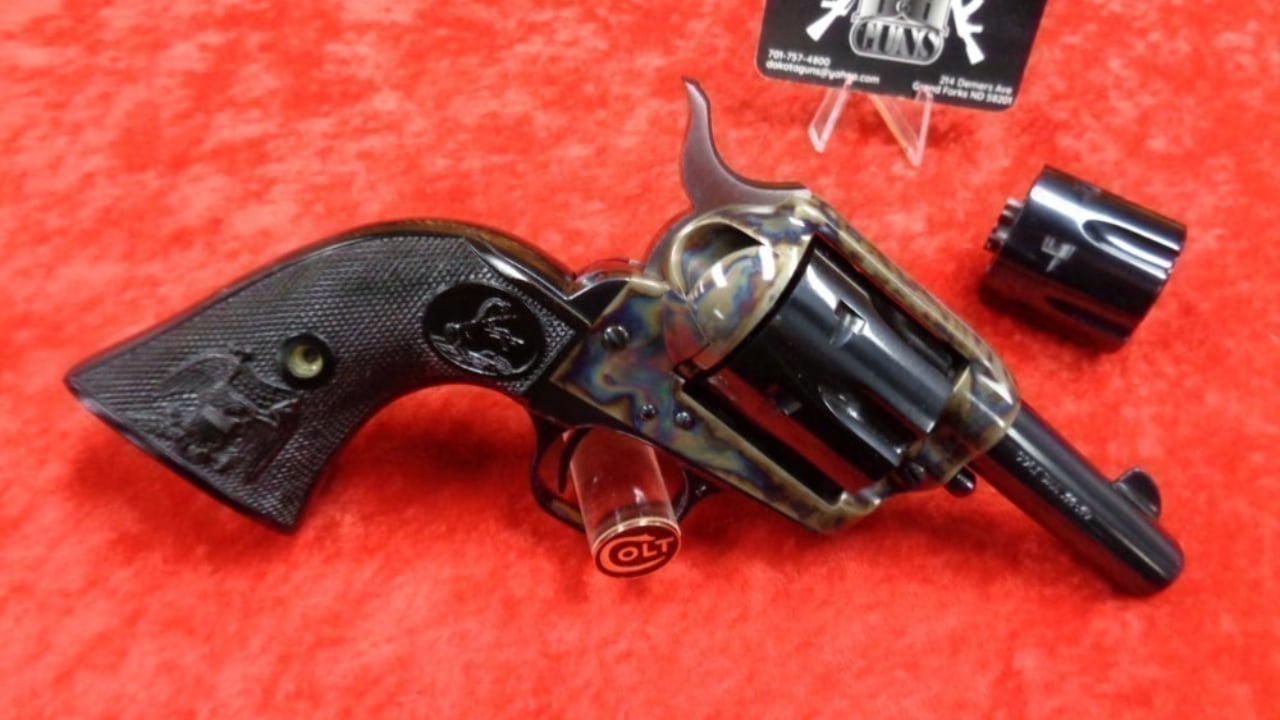
The Second Generation Sheriff’s Model is where small production numbers start making a major difference. Colt produced just 503 of these 3-inch revolvers for Centennial Arms in 1960, according to American Rifleman. That is tiny compared with normal SAA production, and the lack of an ejector assembly gives the short revolver an immediately recognizable appearance.
A casual owner might see a strange short-barreled Colt. A knowledgeable collector sees a factory configuration that should be authenticated carefully before anyone starts replacing parts or questioning why it looks different.
This is also exactly the kind of revolver where documentation matters. Rare configurations attract reproductions, alterations, and guns assembled to resemble more desirable originals. If I had a legitimate Second Generation Sheriff’s Model with supporting paperwork and the right details, it would be one of the last single actions I treated casually.
Colt Frontier Scout Q-Series
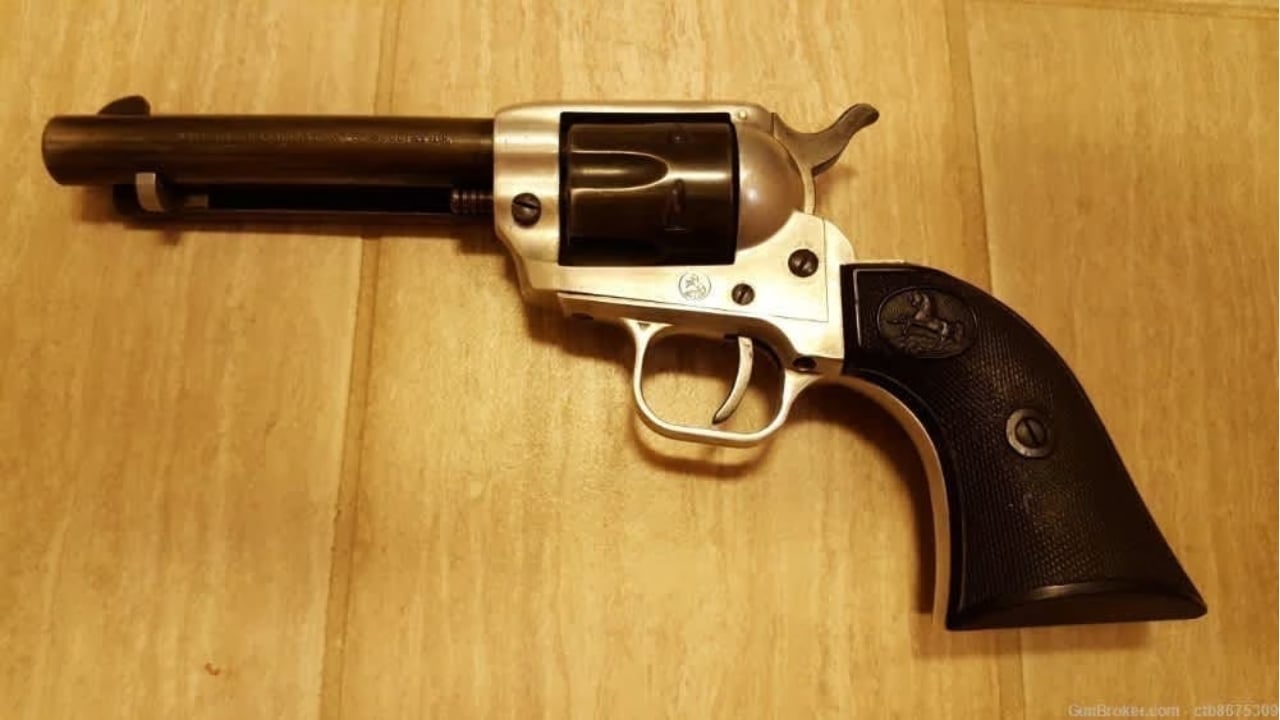
The Frontier Scout was introduced as an affordable .22-caliber revolver during the television-Western boom. In 1957 and 1958, early examples carried the Q-series serial suffix, which Colt later changed because the Q could be mistaken for a zero. That tiny detail is exactly the kind of thing that turns an inexpensive rimfire into something collectors start separating from ordinary production.
Frontier Scouts were used hard because they were affordable .22s. Kids learned to shoot with them, adults plinked with them, and nobody worried much about holster wear. Original boxes disappeared almost immediately.
A clean Q-series revolver with original grips and packaging therefore deserves much more attention than its small caliber suggests. Early production details matter, and once collectors begin sorting guns by specific suffix series, the days of treating every Frontier Scout as interchangeable are over.
Ruger .44 Magnum Flattop Blackhawk
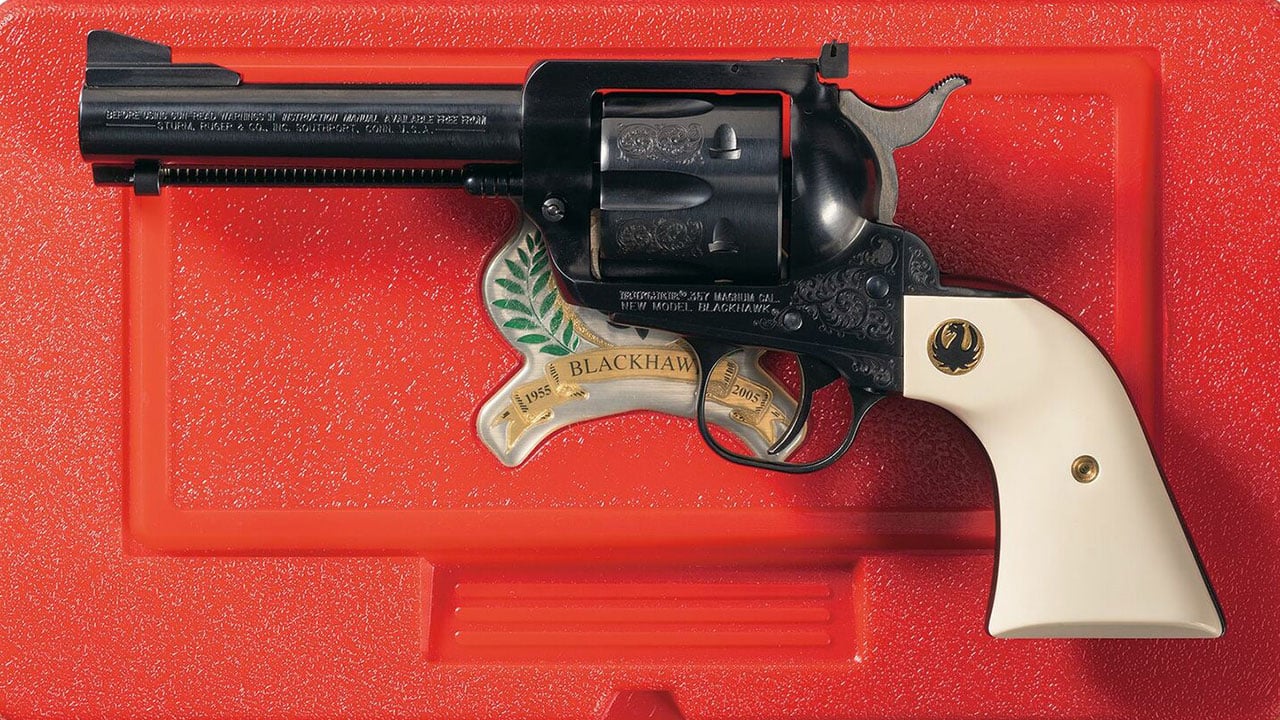
The original .44 Magnum Blackhawk arrived in 1956, when the cartridge itself was still brand new. Ruger built the revolver with the trim flattop frame, fluted cylinder, and smaller grip configuration that later changed as the company’s .44 Magnum single actions evolved. Ruger says the original .44 flattop was discontinued in 1962.
That relatively short production period has made original flattops far more interesting than ordinary used Blackhawks. Many owners shot them heavily or modified them once later Super Blackhawks became available. Grip panels disappeared, sights were changed, and finishes suffered from decades of hunting use.
I would pay particularly close attention to an early revolver that still has its correct grips and configuration. Ruger later commemorated the design, but a reproduction does not turn an original 1950s flattop into something common.
Ruger Old Model .357 Blackhawk
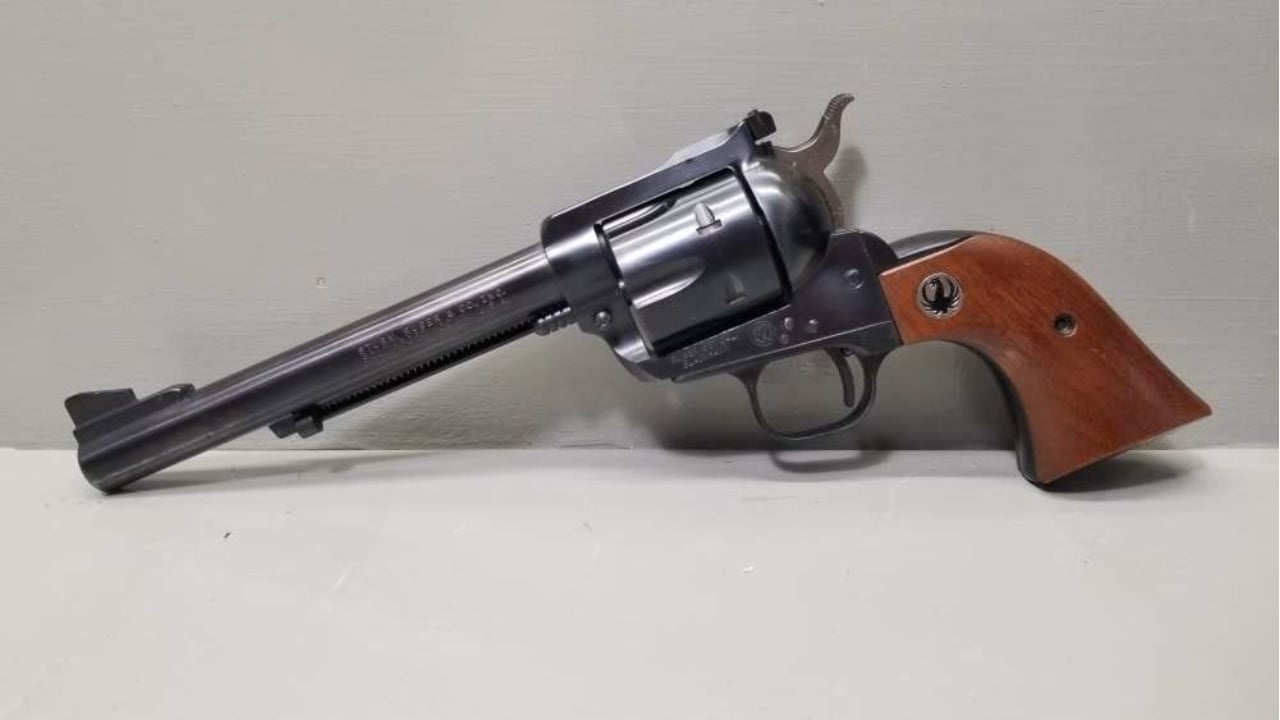
The original .357 Blackhawk helped establish Ruger as a serious centerfire revolver manufacturer. Ruger produced the Old Model .357 Blackhawk from 1955 through 1973, meaning the line includes everything from early flattops to later three-screw examples. To a casual buyer, they can all look like old Blackhawks. Collectors see multiple distinct production periods.
That distinction is important because early revolvers can have grip frames, sights, markings, and other details that disappeared as Ruger updated the design. Ruger’s later safety-conversion program also means some Old Models retain their original lockwork while others have been converted.
I would never start swapping parts on an early .357 without first figuring out exactly what it is. The same revolver that spent 40 years as a basic woods gun may have a configuration a Ruger collector has been searching years to find.
Ruger Old Model .30 Carbine Blackhawk
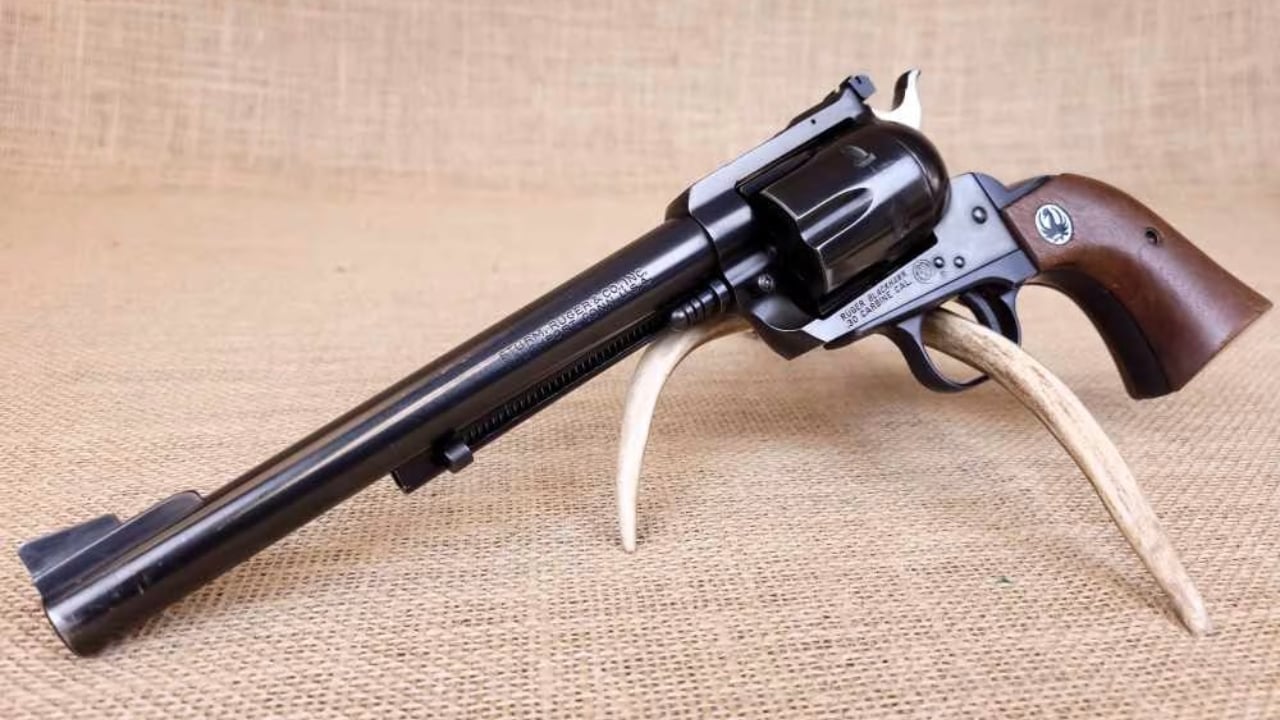
A .30 Carbine Blackhawk is weird enough that people either love it immediately or cannot understand why Ruger ever built one. That oddity is precisely why I would pay attention. Ruger’s records show the Old Model .30 Carbine Blackhawk was manufactured only from 1968 through 1973 before the New Model era arrived.
The cartridge produces substantial muzzle blast from a revolver, so these were never going to replace the .357 or .44 Magnum as mainstream single actions. Owners who bought them tended to be enthusiasts who appreciated unusual chamberings.
That limited appeal becomes collector appeal later. An original three-screw .30 Carbine Blackhawk with good finish and correct stocks is far more distinctive than another common magnum revolver. Strange factory chamberings have a habit of looking much smarter once they are no longer being produced.
Ruger .357 Maximum Blackhawk
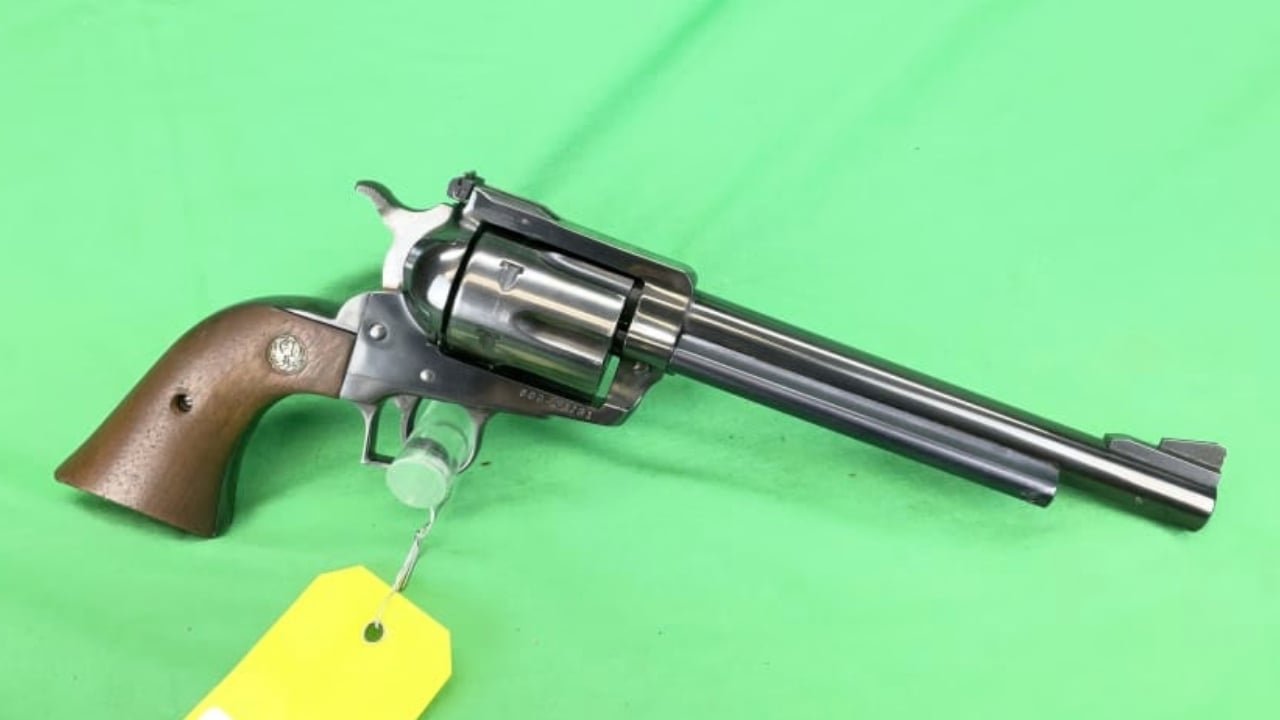
The .357 Maximum Blackhawk is one of the easiest Rugers to identify as collectible once you know how brief the production run really was. Ruger lists the model as being manufactured from 1982 through 1984. Three years is an incredibly short lifespan compared with the decades-long runs of many Blackhawk variations.
These revolvers were built around an elongated frame and cylinder to accommodate the .357 Maximum cartridge, giving them proportions immediately different from an ordinary .357 Magnum Blackhawk. The cartridge never became mainstream, which made the revolver seem specialized and unnecessary to plenty of shooters.
Today, specialization is the attraction. A clean example represents a very specific experiment in high-velocity revolver cartridges. I would be extremely hesitant to alter one, especially if it still had its box, paperwork, and original components. There will never be another original 1980s production run.
Ruger Old Model Super Blackhawk
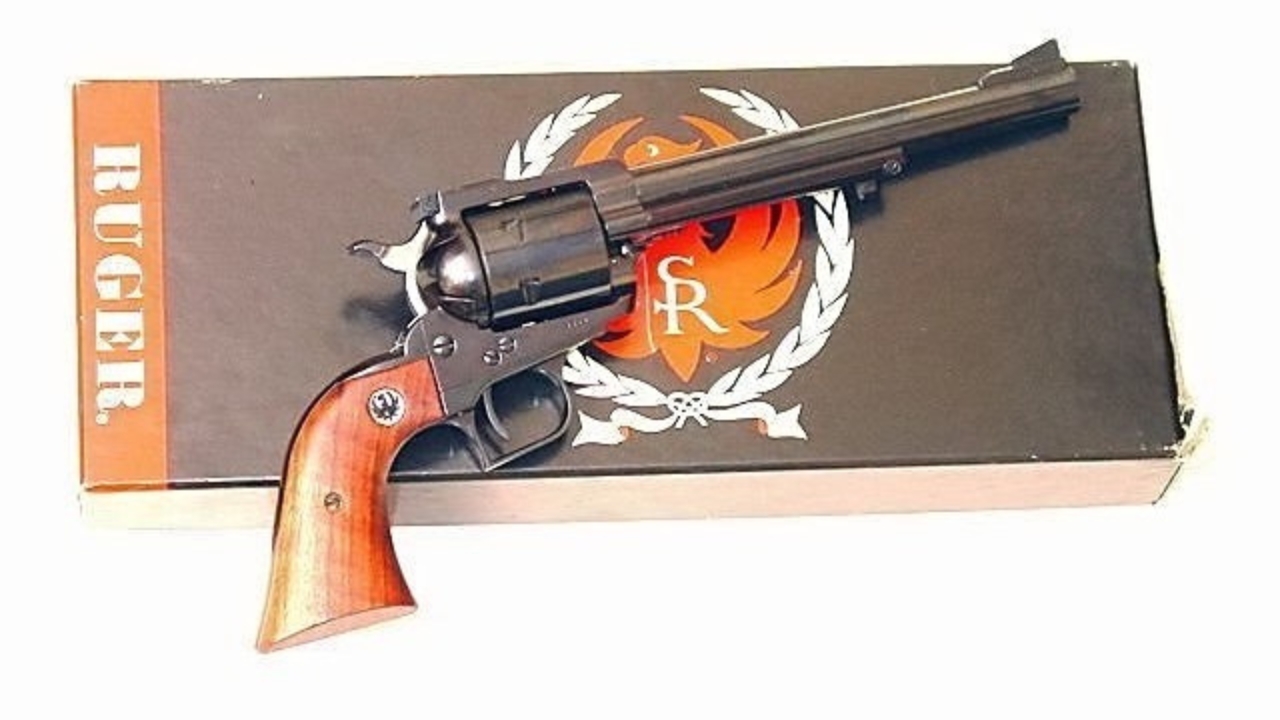
The Super Blackhawk is common enough today that people sometimes forget the earliest ones deserve separate treatment. Ruger produced the original Old Model Super Blackhawk from 1959 through 1973. Those revolvers predate the transfer-bar New Model system and belong to the classic three-screw Ruger era.
They were also built to be used. Hunters carried them, handloaders shot them heavily, and many owners replaced grips or sights to suit personal preferences. That makes originality increasingly important.
A clean early Super Blackhawk with its correct grip frame and stocks is not just another .44 Magnum. It represents the beginning of one of Ruger’s most successful large-bore single-action families. Before swapping pieces or sending one out for customization, I would figure out exactly where it falls in the production sequence.
Ruger Flatgate Single-Six
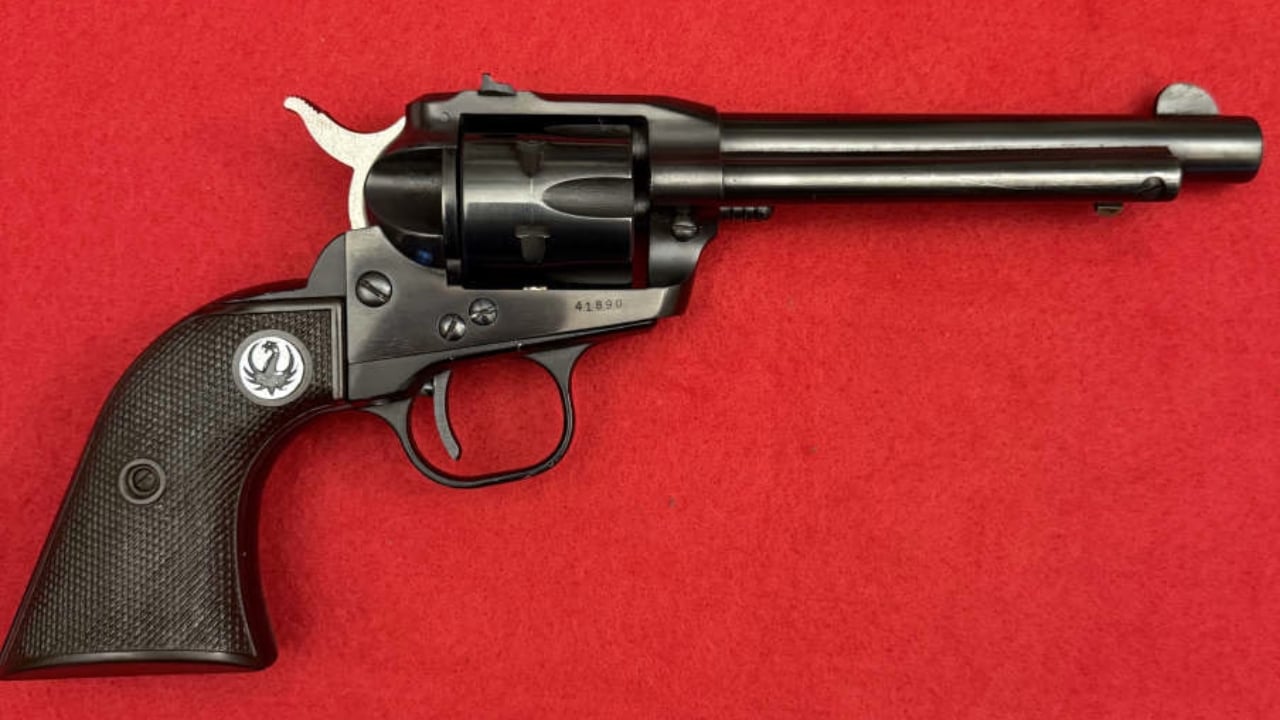
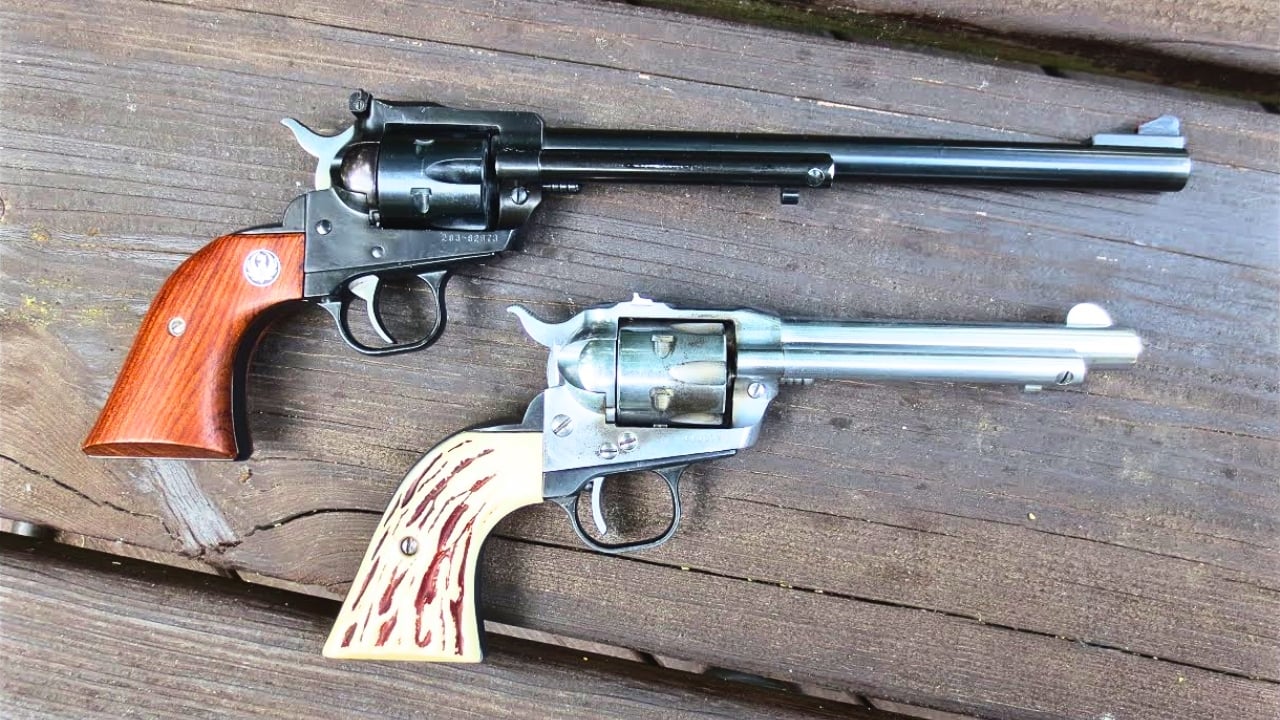
Early Single-Sixes are an entire collecting category hiding inside a revolver many owners simply think of as a .22 plinker. Ruger launched the Single-Six in 1953, and the design helped restart American enthusiasm for single-action revolvers before Colt had even returned the SAA to production. The earliest guns used a flat loading gate rather than the later contoured style.
That little gate is one of those details casual owners may never notice. Ruger collectors absolutely do.
These revolvers were inexpensive rimfires, so generations of owners treated them accordingly. Finish wear, replacement grips, lost boxes, and later safety conversions are common. A really sharp early Flatgate with the proper original components has therefore become much more desirable than the phrase “old Single-Six” suggests. I would inspect any early serial number carefully before treating one like an ordinary range gun.
Ruger Old Model Single-Six Magnum
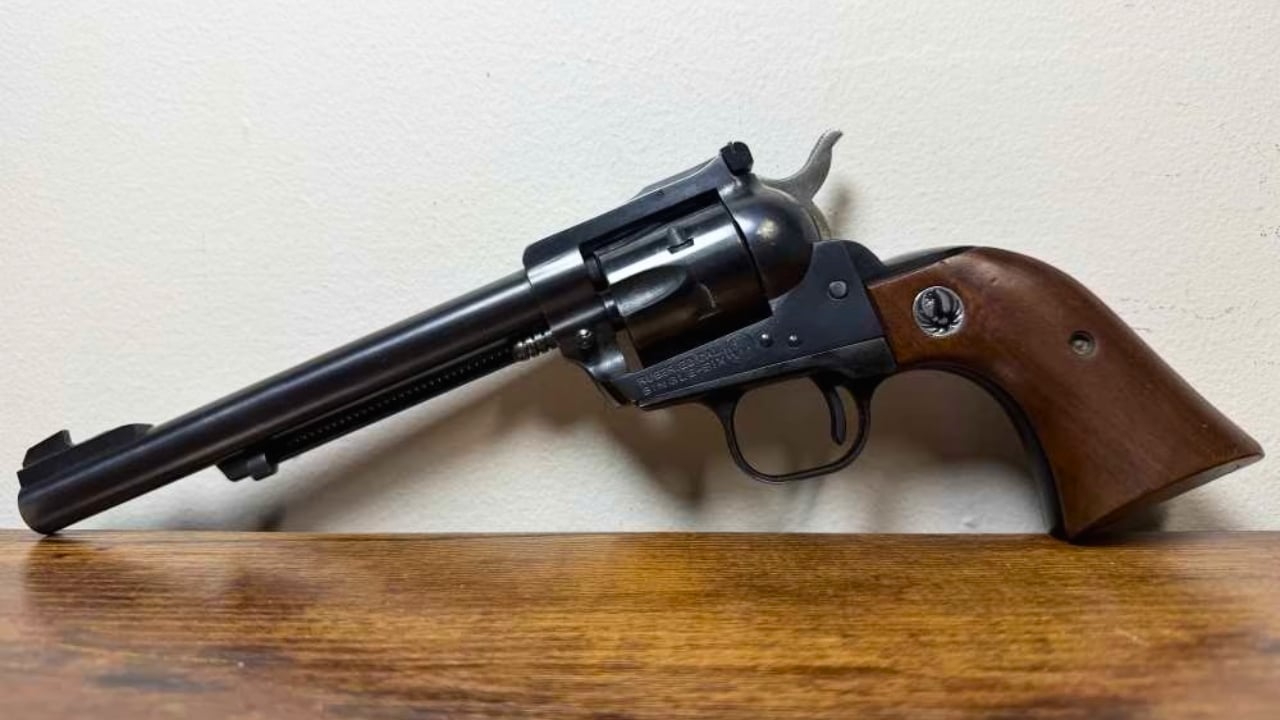
The Old Model Single-Six Magnum deserves its own spot because it was not simply another convertible .22. Ruger’s production records show the dedicated Single-Six Magnum model running from 1959 through 1969. That places it squarely in the early three-screw era and gives collectors another set of serial ranges and configurations to study.
At the time, .22 Magnum gave shooters a useful step above ordinary .22 LR, but few people thought an affordable Ruger rimfire needed collector-level preservation. The guns went into tackle boxes, farm trucks, holsters, and hunting packs.
That history is why a clean one stands out now. If the revolver still has the correct grips, strong finish, and original internal configuration, I would not assume it is interchangeable with a later New Model Single-Six. Small production differences become increasingly meaningful once enough decades pass.
Ruger Old Model Bearcat
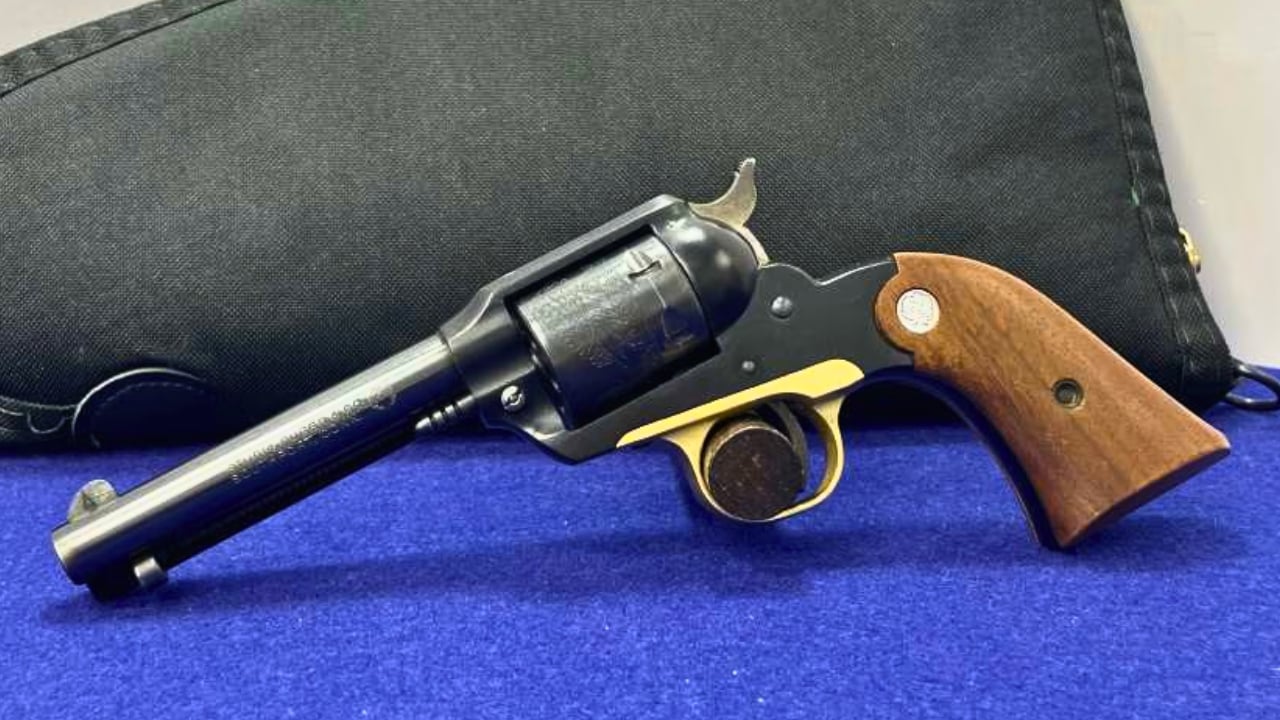
The Bearcat was designed as a compact trail and kit gun rather than a prestige revolver. Ruger began developing the concept in the late 1950s after the success of the Single-Six, intending to create a smaller no-frills .22 that could ride in a backpack or tackle box. That mission practically guaranteed that owners would use them hard.
Older Bearcats consequently tend to show exactly the kind of wear you would expect from an inexpensive outdoors revolver. Finish disappears along the edges, grips get scratched, and boxes are long gone.
The best original examples now have a charm that newer production cannot duplicate. Early markings, frame details, and original condition matter to Ruger collectors. I would never assume an old Bearcat is just a cute little .22 until I had checked its production era and originality carefully.
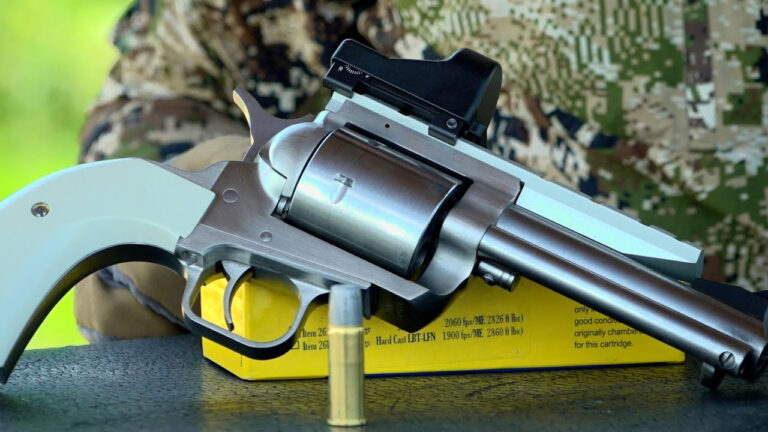
Freedom Arms Model 83
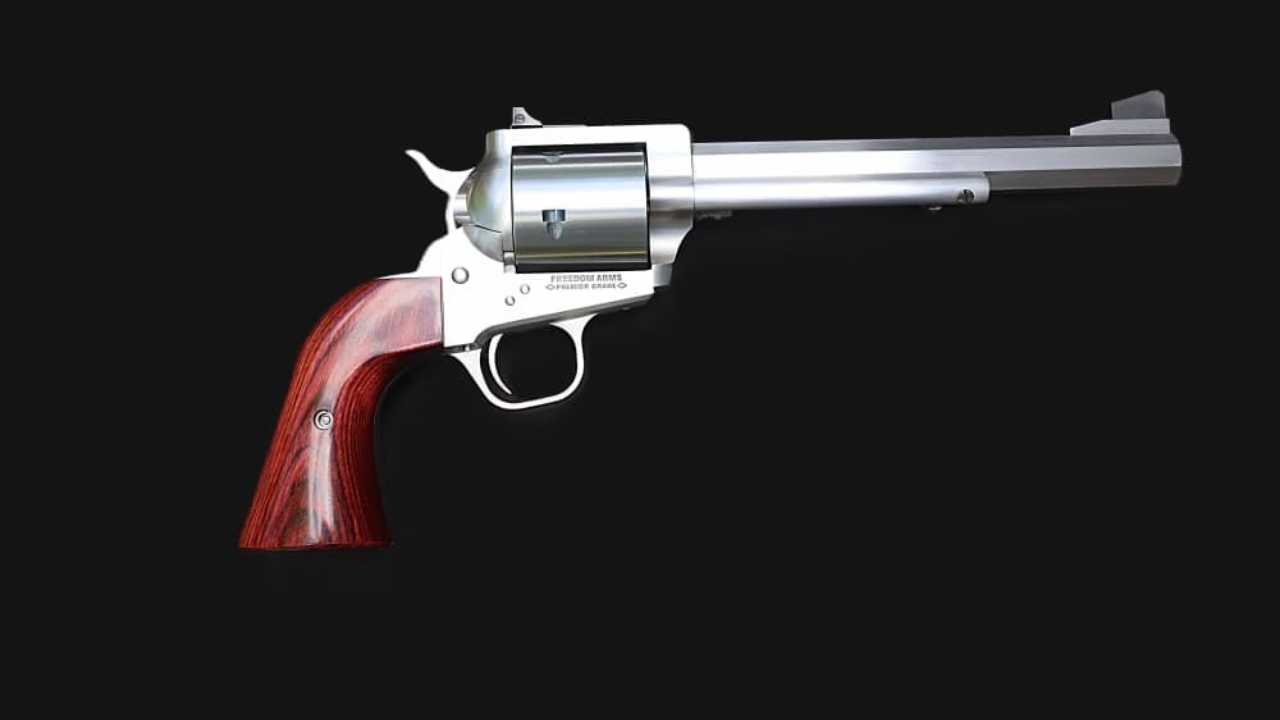
The Model 83 was never cheap, but many owners still think of it primarily as a powerful hunting revolver rather than something collectible. Freedom Arms brought the design to market in 1983 as the commercial home for Dick Casull’s .454 Casull concept, and the revolver earned a reputation for extremely high manufacturing quality.
That history gives early Model 83s significance beyond their ability to handle powerful cartridges. Configuration matters too. Barrel length, finish, sights, chambering, grips, and factory documentation can make one example considerably more interesting than another.
Because these were serious hunting revolvers, many were actually carried and fired extensively. I would pay close attention to an early, complete revolver in excellent condition. It represents a major moment in the development of modern high-powered single actions, not merely another expensive hunting handgun.
USFA Pre-War Single Action
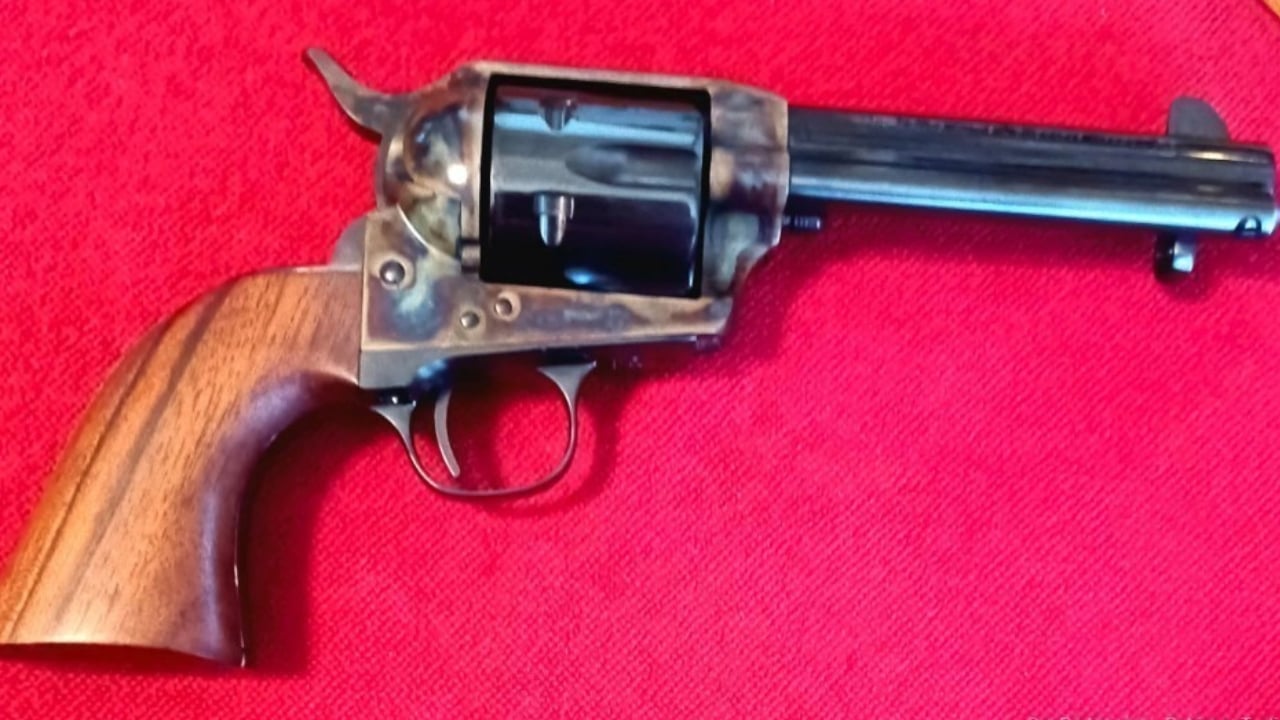
United States Fire Arms built some of the closest modern interpretations of traditional Colt-style single actions, and the company’s better-finished revolvers developed a reputation that has only strengthened since production ended. USFA operated from the old Colt Armory complex in Hartford and stopped producing its traditional single-action revolvers around 2011.
The Pre-War models are particularly interesting because they were built around historically styled details rather than simply trying to make the cheapest cowboy-action gun possible. Fit, finish, grips, and individual configuration matter considerably.
When these were still available, plenty of shooters viewed them as expensive Colt alternatives. Now the company is gone, and the exact revolvers cannot simply be reordered. A clean USFA with its box and papers is one of those guns I would hesitate to shoot hard before understanding exactly which version I owned.
USFA Rodeo
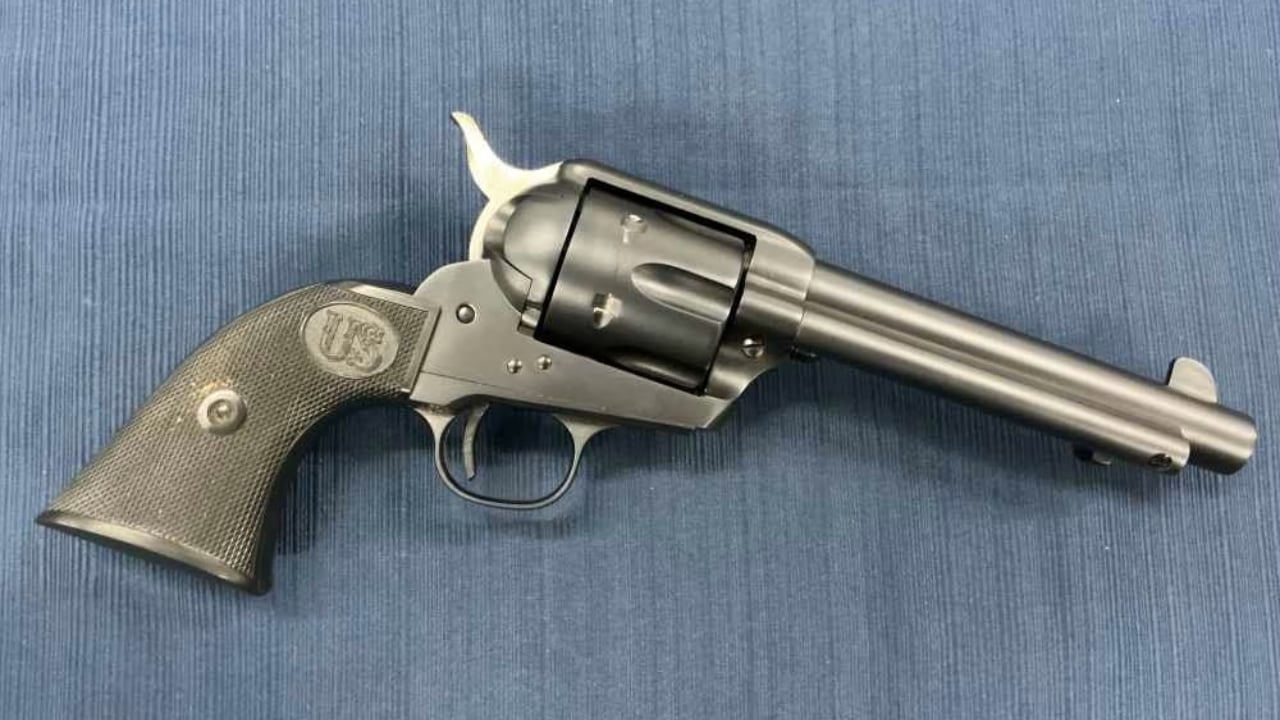
The Rodeo looked deliberately plain. USFA gave it a matte finish and positioned it as a more utilitarian single action, which meant buyers were less likely to treat it as something worthy of preservation. That may ultimately make excellent examples more interesting.
Underneath the plain exterior was the same broader USFA connection to Hartford-made Colt-style revolvers. When USFA abandoned traditional single-action production, even the company’s basic models became part of a closed chapter.
The Rodeo also represents the kind of collectible that sneaks up on owners. Fancy revolvers get saved. Plain revolvers get shot. Twenty years later, the fancy model may be easier to locate in pristine condition because everyone knew to protect it. A Rodeo with minimal wear, original grips, and factory packaging is therefore something I would no longer dismiss simply because it was once the affordable choice.
Great Western Frontier
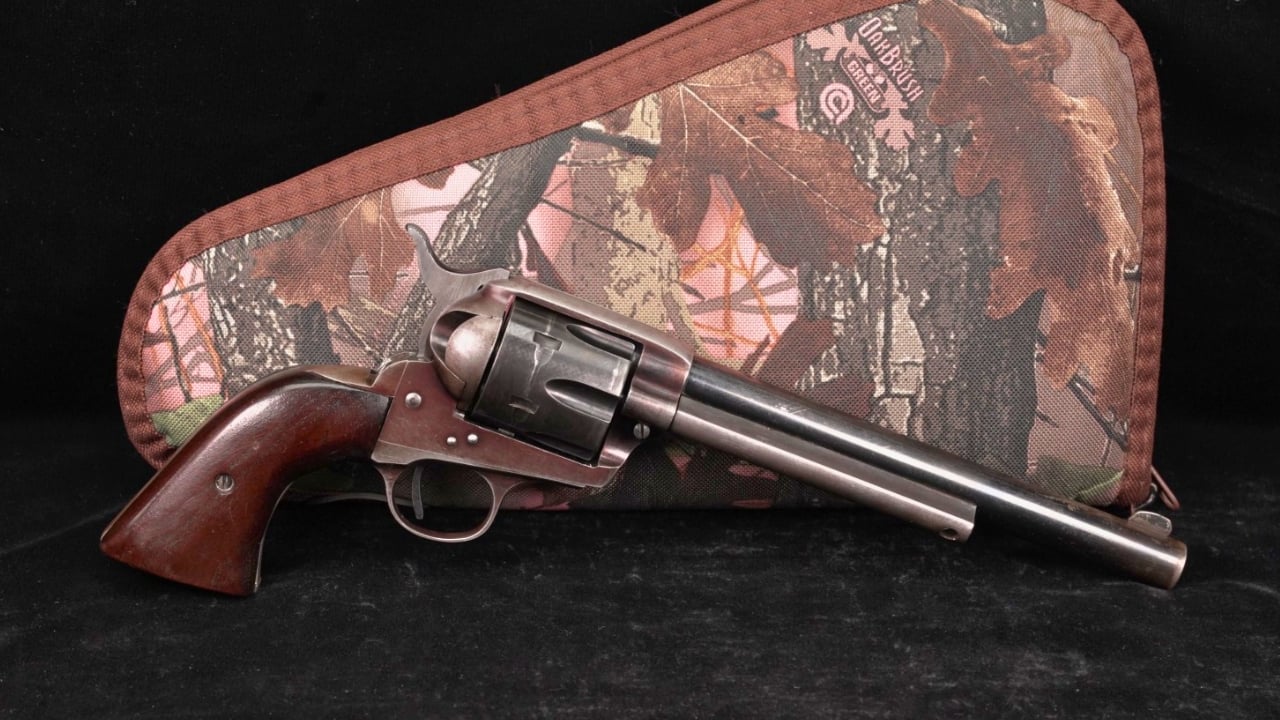
Great Western revolvers deserve more attention simply because of when they appeared. The company was founded in the early 1950s specifically to build an American-made Single Action Army-style revolver when Colt had not yet resumed SAA production. Great Western therefore reached the market before Colt’s Second Generation Peacemaker, and its history is tied closely to the television-Western boom.
The company offered far more variation than many people realize, including multiple chamberings, finishes, and special configurations. Production did not last long, and the company was effectively gone by the early 1960s.
Collectors also pay attention to serial ranges because construction details and quality changed throughout production. A good early Frontier with correct matching components has much more historical importance than the phrase “old Colt clone” suggests.
Great Western Deputy
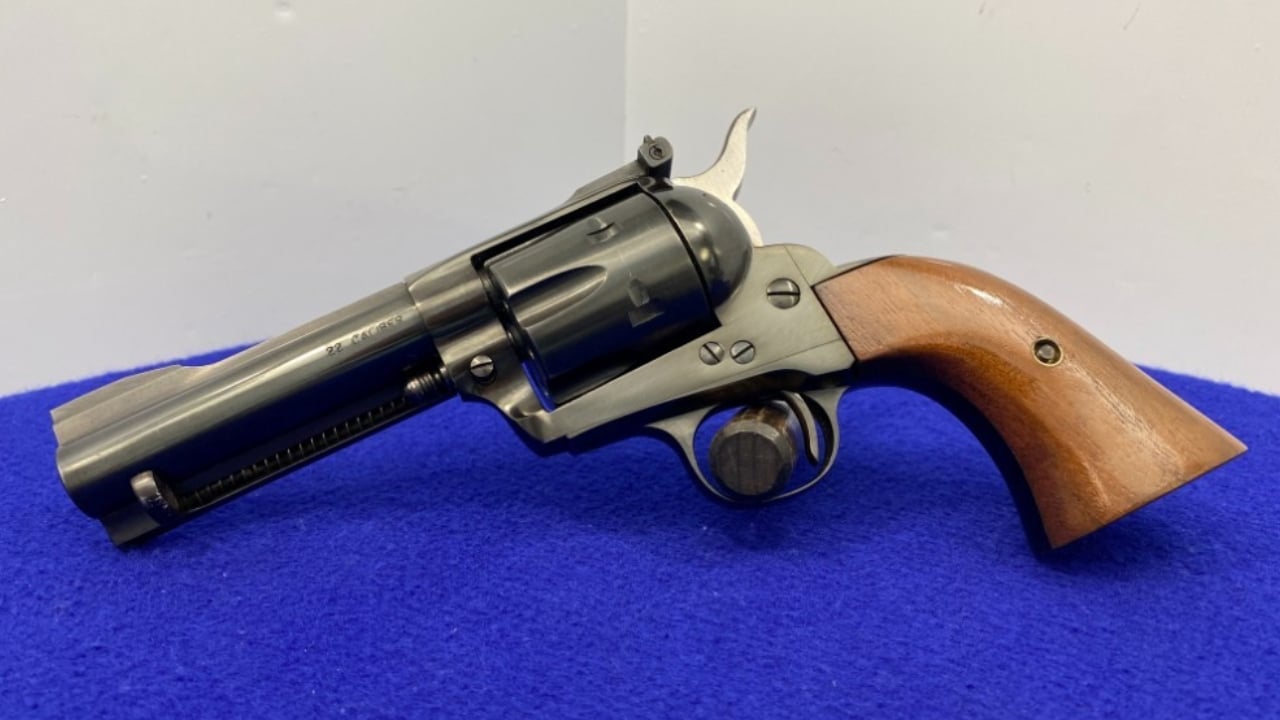
The Deputy is even easier to miss because it looks like an abbreviated version of an already-obscure revolver. Great Western produced it during the brief period when the company was competing for buyers fascinated by television Westerns and fast-draw shooting. Great Western itself had been established in 1953 to fill the gap left by Colt’s discontinued Single Action Army.
Short-barreled single actions have always had enormous visual appeal, but surviving original Deputies occupy a relatively small collector niche. That can be deceptive. Low mainstream demand does not mean high supply.
I would want to verify markings, serial-number placement, grips, and other production details because Great Western history can get complicated. The best examples appeal to collectors precisely because they document one of the earliest serious American attempts to revive the Peacemaker before Colt decided to do it itself.
Texas Longhorn Arms Grover No. 5
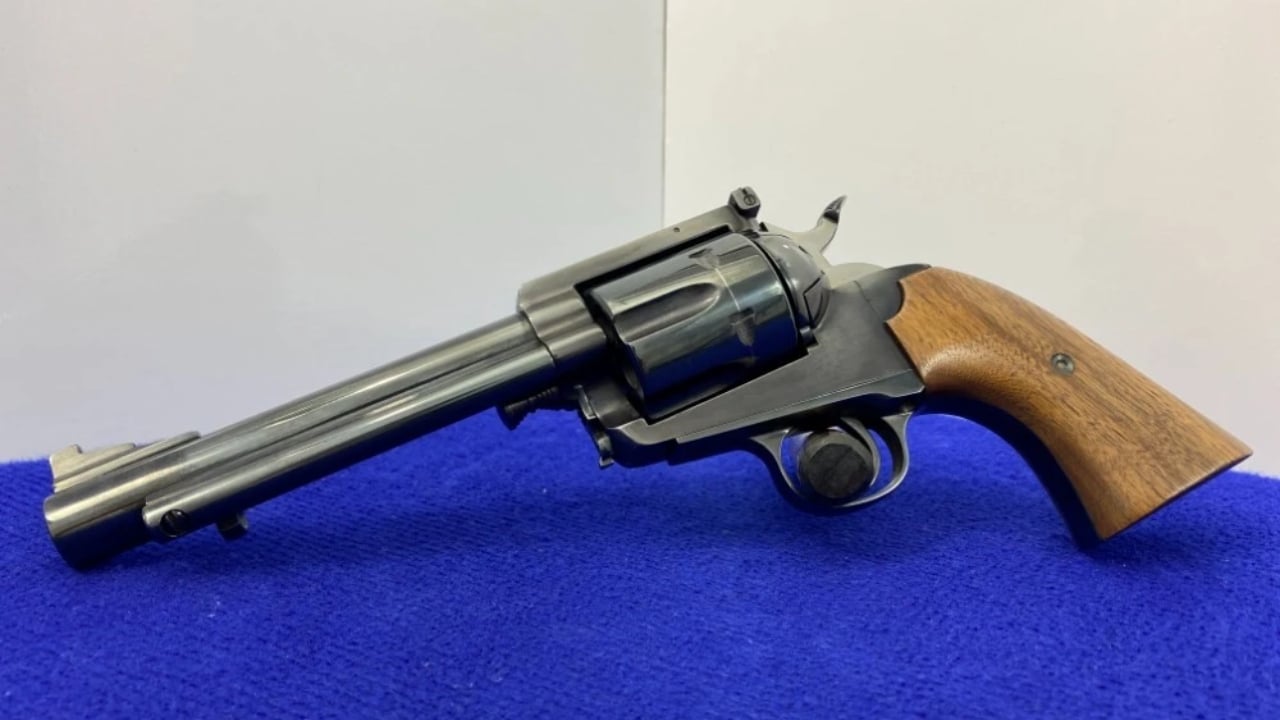
Texas Longhorn Arms revolvers are the kind of guns many younger shooters have never encountered in person. Bill Grover built his single actions around ideas inspired by custom revolvers associated with Elmer Keith, including features that separated them from ordinary Colt clones.
The No. 5 is the version enthusiasts tend to recognize immediately. These revolvers were produced in relatively small numbers compared with Rugers or Colts, and the company never became a mass-market manufacturer. That means the surviving pool was limited before anyone even started collecting them.
I would be very hesitant to alter an original example today. Grips, sights, barrel length, finish, and documentation can all matter when dealing with a defunct specialty maker. A revolver does not need a century of age to become collectible. Sometimes rarity begins the moment the factory doors close.
Seville Stainless Single Action
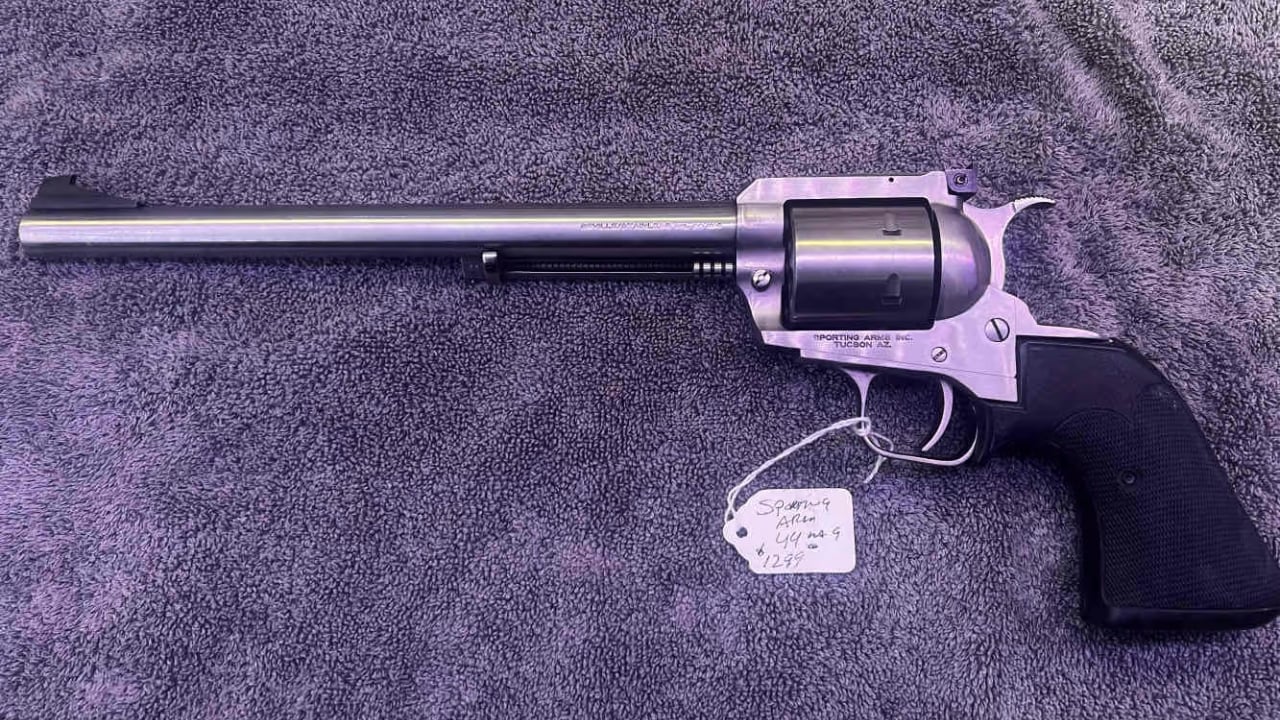
Seville revolvers came from a period when several American manufacturers were experimenting with heavy-duty single actions capable of handling serious magnum cartridges. They never achieved Ruger’s production numbers, which allowed the Seville name to fade into relative obscurity even though enthusiasts continued to appreciate the revolvers’ strength and construction.
That obscurity is precisely why I would pay attention when one appears. These were often purchased by serious handgun shooters who had every intention of using them. Custom barrels, altered sights, grip changes, and heavy firing are therefore not unusual.
A clean stainless Seville with its original components represents a small and interesting corner of American single-action development. I would not expect casual buyers to recognize it immediately, but specialized collectors usually know that defunct manufacturers with limited production can become much more difficult to study once complete examples disappear.
Ruger Original Vaquero in .44-40
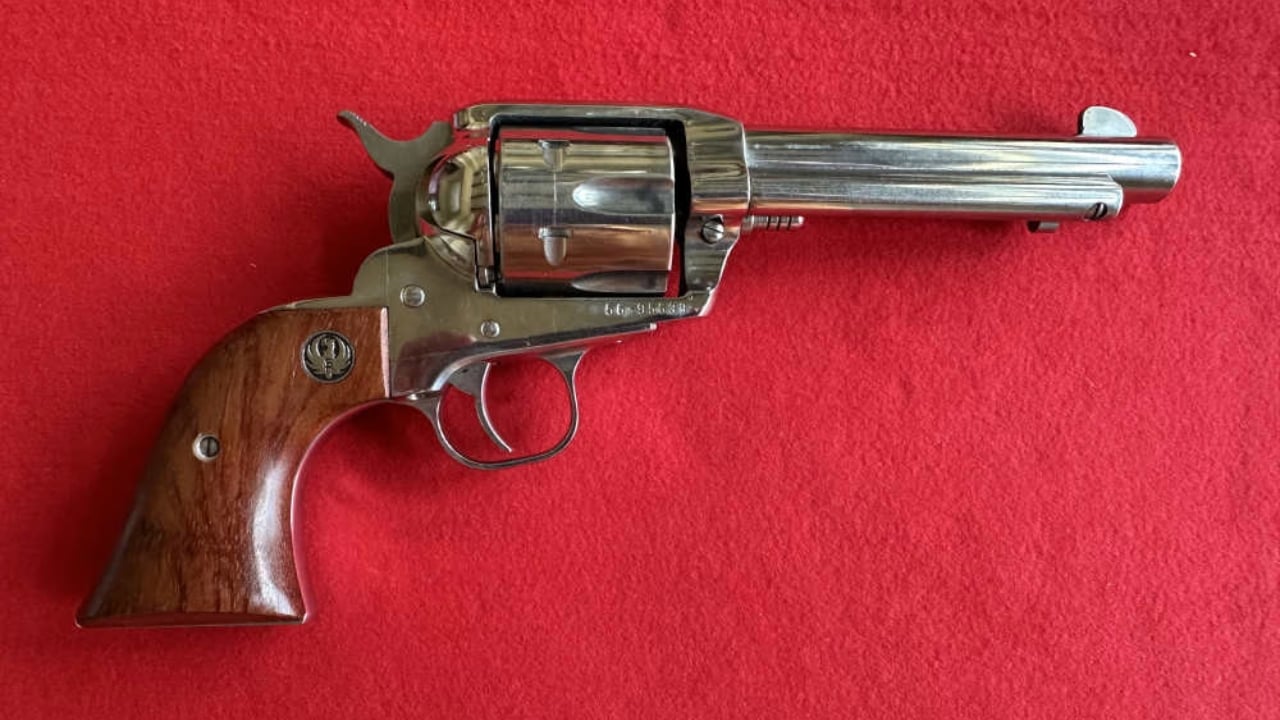
The original large-frame Vaquero was introduced during the cowboy-action shooting boom and quickly became one of Ruger’s most recognizable fixed-sight single actions. Because Ruger produced plenty of Vaqueros, owners sometimes assume every version is equally ordinary. Chambering changes that equation.
The .44-40 version combines Ruger’s durable action with one of the quintessential Old West rifle-and-revolver cartridges. It never had anything close to the mainstream demand of .45 Colt or .357 Magnum, which means fewer buyers originally chose it.
That is why I would pay close attention to an original Vaquero in .44-40, especially with an uncommon barrel length, desirable finish, or factory box. Cowboy-action shooters often used these guns exactly as intended, so pristine examples can be tougher to locate. The unusual chambering is no longer a disadvantage once collectors start filling gaps.
Colt New Frontier .22
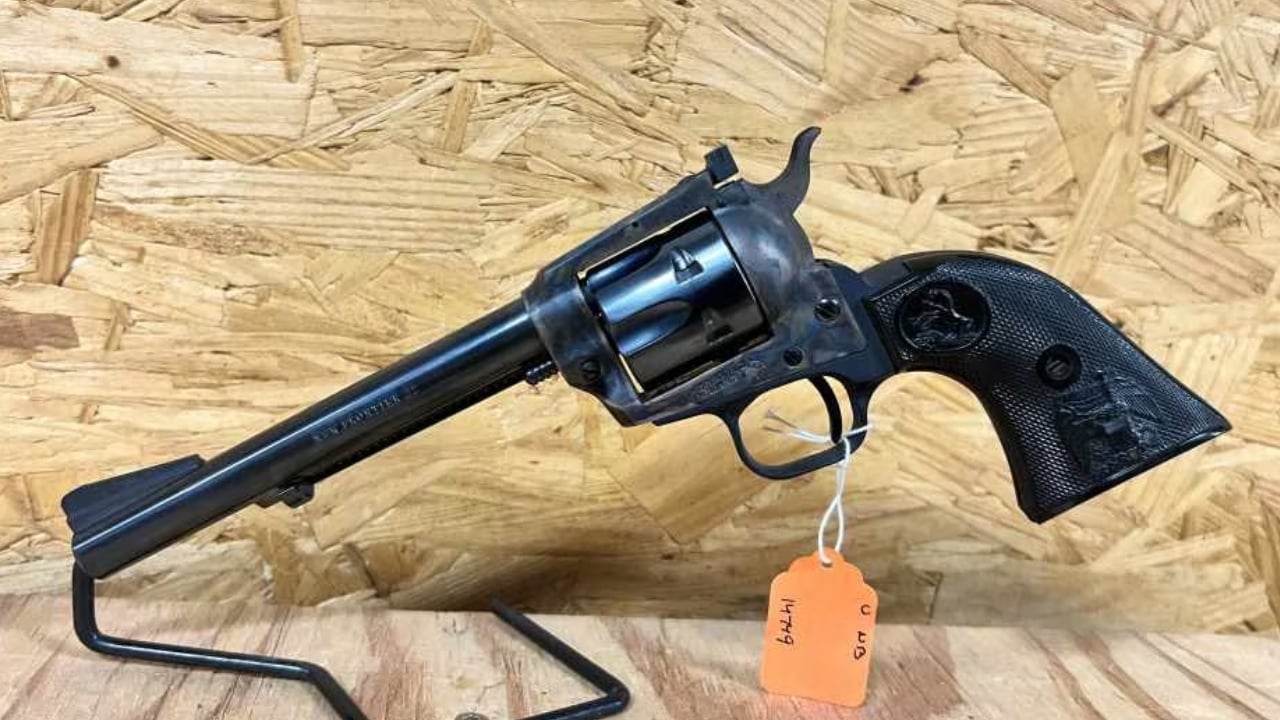
The Colt New Frontier .22 can get lost because collectors naturally focus on centerfire Colt single actions first. That overlooks one of the most attractive rimfire interpretations of the Peacemaker idea. The adjustable sights give the revolver a target-oriented appearance, while the Colt markings and traditional single-action layout keep it firmly tied to the company’s Western-style revolvers.
These were shooters. Affordable ammunition encouraged owners to put thousands of rounds through them, and a rimfire revolver rarely received the careful treatment given to an expensive centerfire Colt. Original boxes and papers disappeared, grips were changed, and finish wear accumulated around holsters and range bags.
That is why a high-condition New Frontier .22 deserves attention today. Rimfires can become serious collectibles once enough people realize the guns everyone actually shot are much harder to find untouched than the expensive ones everyone protected.
Like The Avid Outdoorsman’s content? Be sure to follow us.
Here’s more from us: