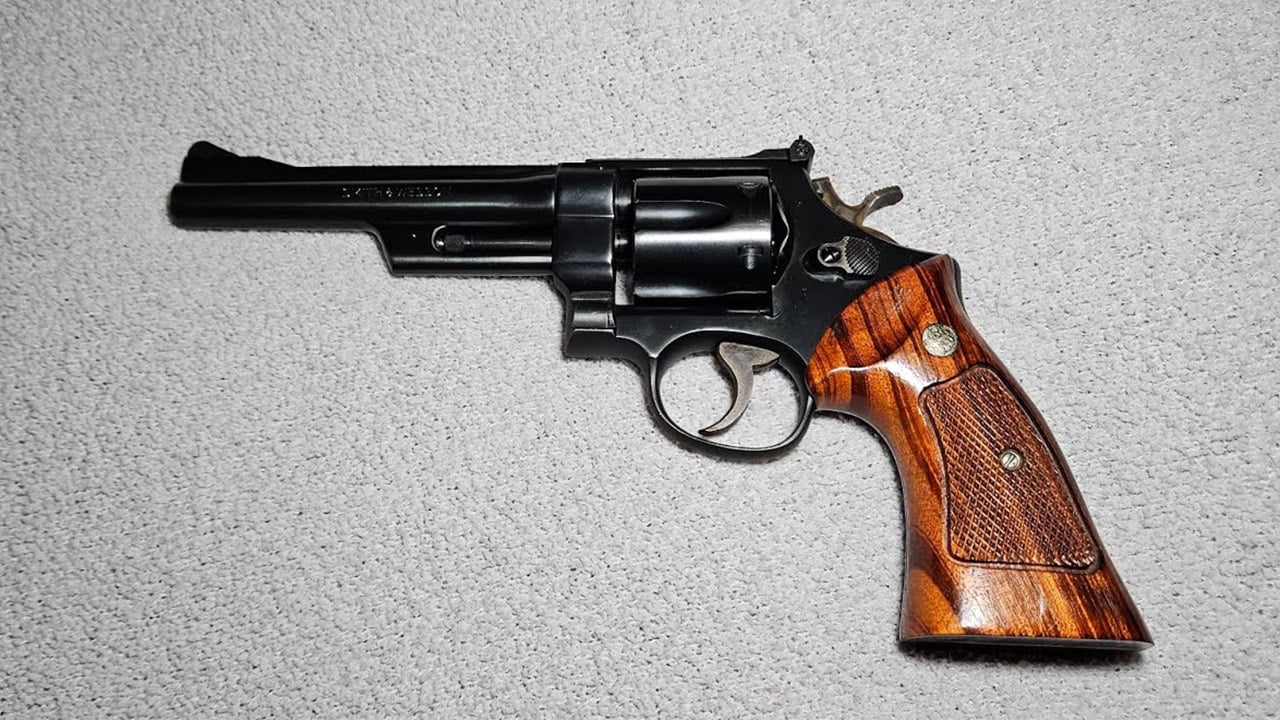
Photo credit: terry benton/Youtube
You can feel it at gun counters and estate sales: the older Smiths that used to sit around for a while are disappearing fast. Some of that is straight-up collector demand, but a lot of it is more practical than folks want to admit. The old stuff was built a certain way, with certain parts, certain fitting, and certain features that just aren’t common anymore.
This isn’t a “buy everything old” pep talk. Some of these are heavy, dated, or picky. But if you’ve been thinking about adding a classic Smith to the safe, these are the ones I keep seeing get scarcer every year—and the ones people call around looking for after they let one go.
1. Smith & Wesson Model 19 (Combat Magnum)
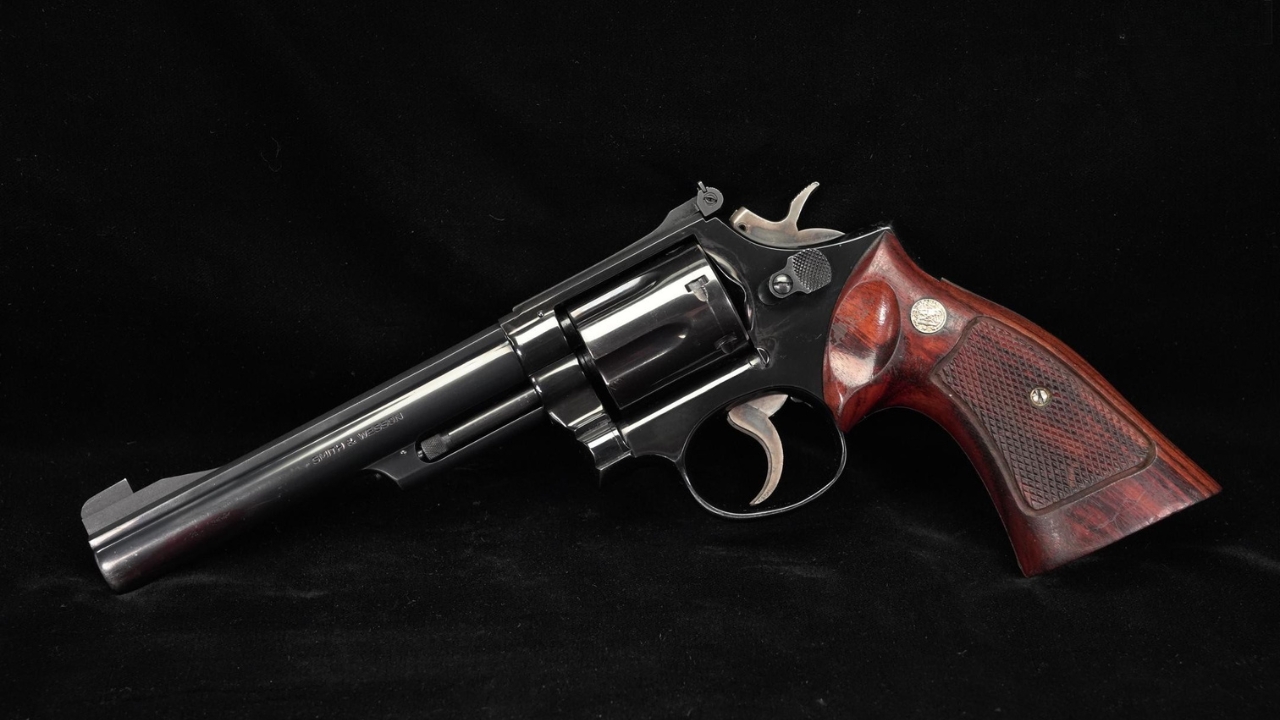
The Model 19 is one of those revolvers that just points right, especially in a 4-inch. It’s got that “carryable but still serious” feel that made it a working gun for a long time. When you find one that hasn’t been beat up with a steady diet of hot magnums, it’s hard not to grin.
They’re getting harder to find because good ones don’t sit. If a clean Model 19 shows up with tight lockup and honest wear, it’s usually sold by lunch. And if you want a pinned-and-recessed era gun, you can add another layer of difficulty.
2. Smith & Wesson Model 66 (stainless Combat Magnum)

The stainless version of the 19 is the one a lot of outdoorsmen ended up with because it shrugged off sweat, rain, and truck-gun neglect better. The 66 has that same handy balance, but it’s more forgiving when you actually carry it in the real world.
These are drying up in nice shape because they were used. A lot. It’s easy to find one, but harder to find one that hasn’t been “improved” with home gunsmithing or worn loose from heavy use.
3. Smith & Wesson Model 27 (N-frame .357 Magnum)
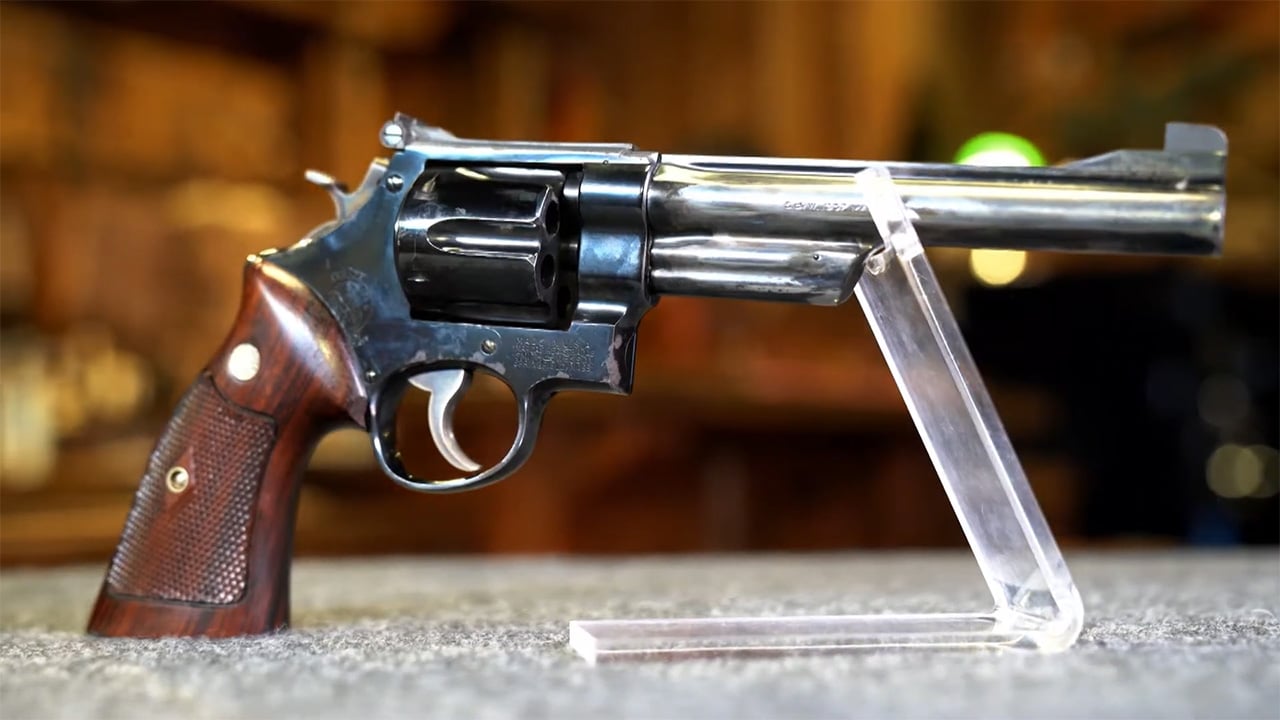
The Model 27 feels like a piece of machinery from a different time. It’s big, smooth, and it soaks up .357 like it’s nothing. The finish and checkering on older examples can be downright pretty without being flashy.
They’re tougher to locate because the folks who have them tend to keep them. Also, the price jump on clean Model 27s has been real, which means fewer casual sellers. When one hits a shelf, it’s usually already “priced like it won’t be there tomorrow.”
4. Smith & Wesson Model 28 (Highway Patrolman)
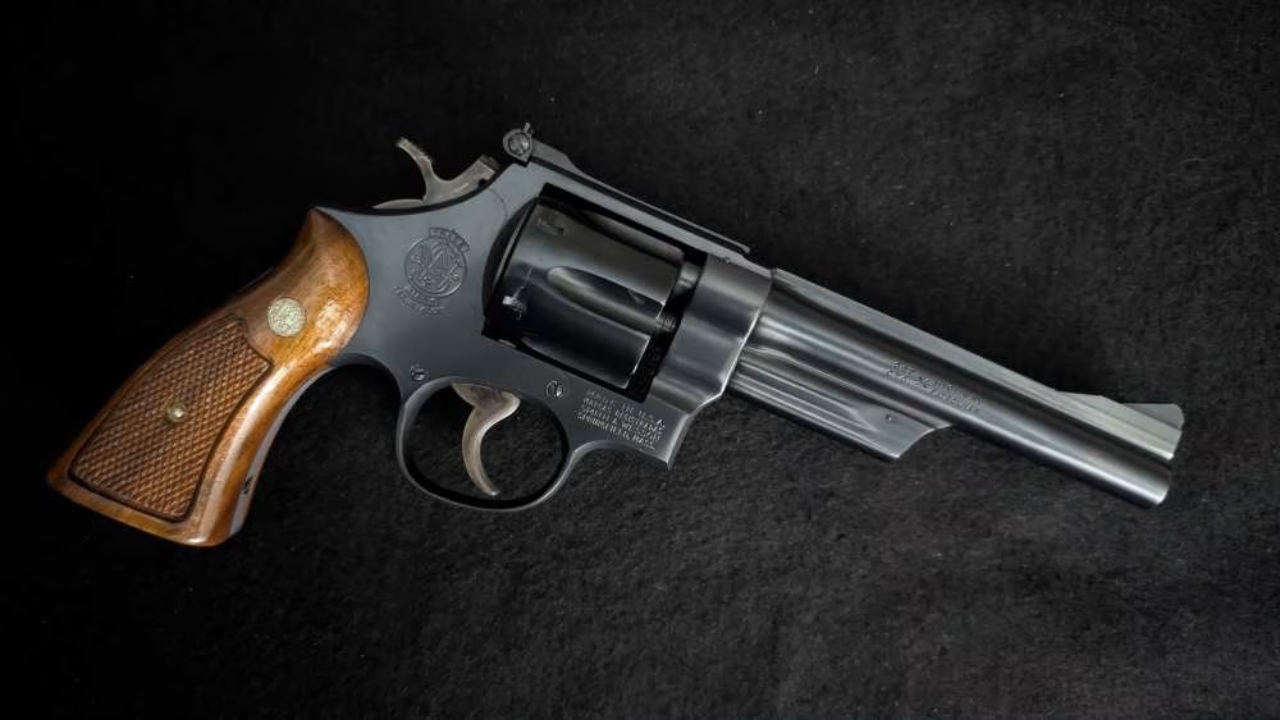
This one is the working man’s Model 27. Less polish, same basic strength, and a whole lot of “just shoot it.” If you want an N-frame .357 that you won’t baby, the 28 has always been the move.
For years it was the sleeper deal. Now everyone knows. The result is that the worn-but-solid ones still exist, but the cleaner examples are getting scarce—and the old “cheap 28” days are about gone.
5. Smith & Wesson Model 29 (blued .44 Magnum)
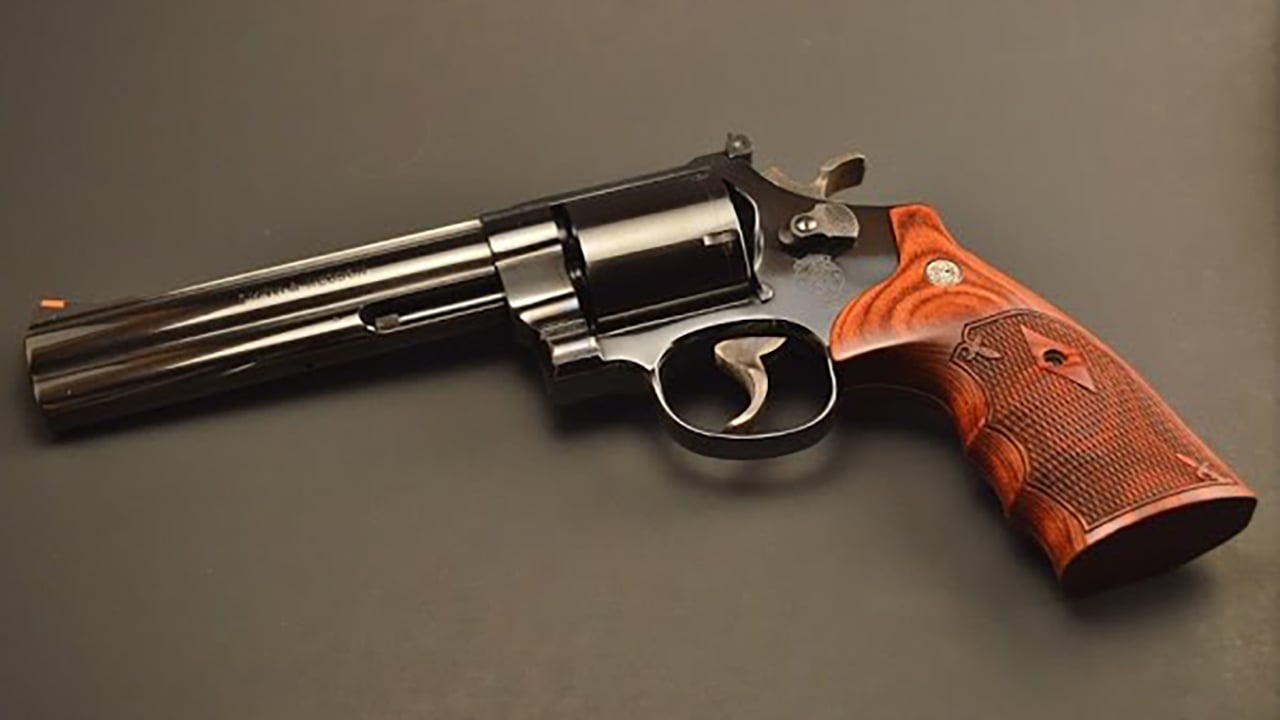
Yes, the big .44 is famous, but that’s not why it’s hard to find. It’s hard to find because it’s genuinely useful if you spend time in the woods and you want a revolver that can do more than poke holes in paper.
The trick is finding one that hasn’t been over-torqued with monster loads and bad grip technique. A clean, tight Model 29 with a good bore doesn’t last long on the used market, and it sure doesn’t get cheaper next year.
6. Smith & Wesson Model 629 (stainless .44 Magnum)

The 629 is the version that makes sense for real weather. If you’ve ever carried blued steel through wet timber for a week, you understand the appeal. Stainless isn’t magic, but it buys you time when life gets busy.
Good 629s are still out there, but the “right” ones—good barrel length, good triggers, not abused—are getting snapped up by guys who actually hike with them. The ugly truth is that clean ones don’t get sold often because they work.
7. Smith & Wesson Model 24 (.44 Special)
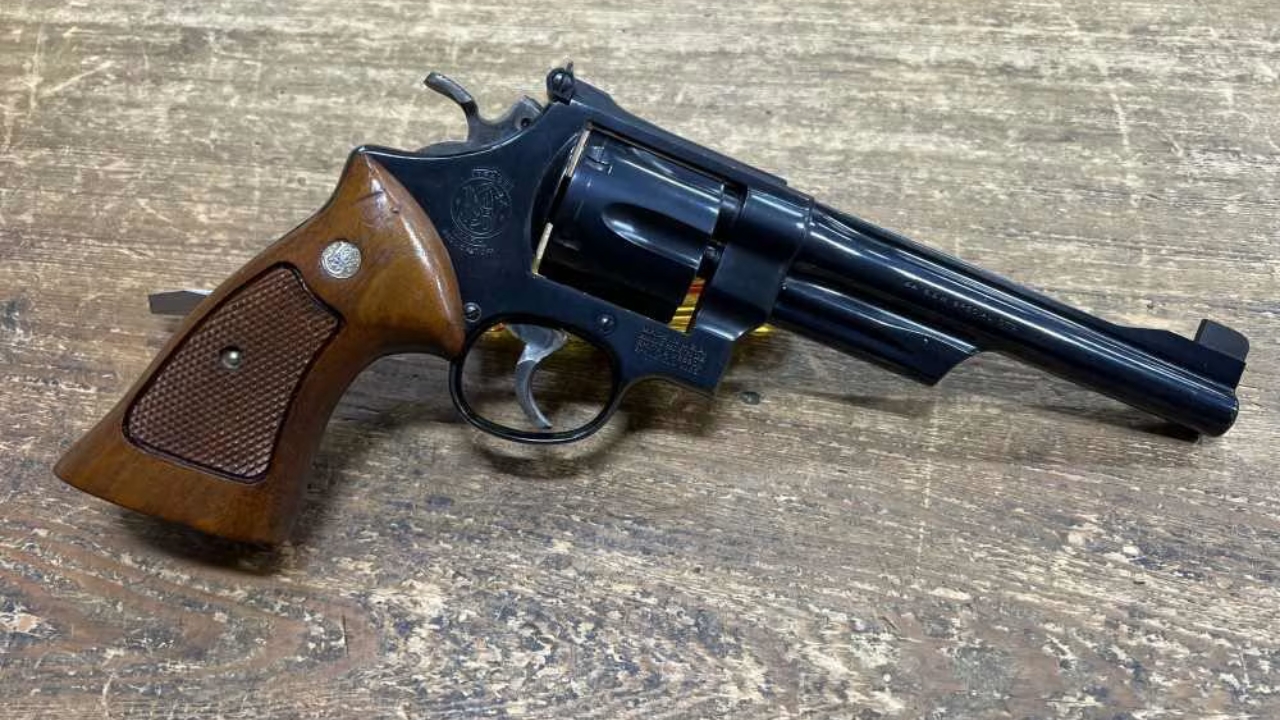
.44 Special is a sweetheart when it’s done right, and the Model 24 is one of the classic ways to do it. It’s not a handgun for folks who only think in terms of velocity charts. It’s a big bore that’s pleasant, accurate, and easy to live with.
Model 24s don’t hang around because .44 Special fans are loyal. And production numbers never felt endless to begin with. When one shows up with the box and papers, it’s basically an alarm bell for every Smith guy within driving distance.
8. Smith & Wesson Model 25 (.45 Colt / .45 ACP variants)

The Model 25 is one of those revolvers that makes you want to slow down and shoot well. In .45 Colt, it’s a great “woods and ranch” gun if you like big bullets and moderate pressures. In .45 ACP with moon clips, it’s just plain fun.
They’re harder to find because they appeal to two groups: shooters who actually use them and collectors who want the classic N-frame .45. Either way, once one lands in a safe, it tends to stay there.
9. Smith & Wesson Model 57 (.41 Magnum)
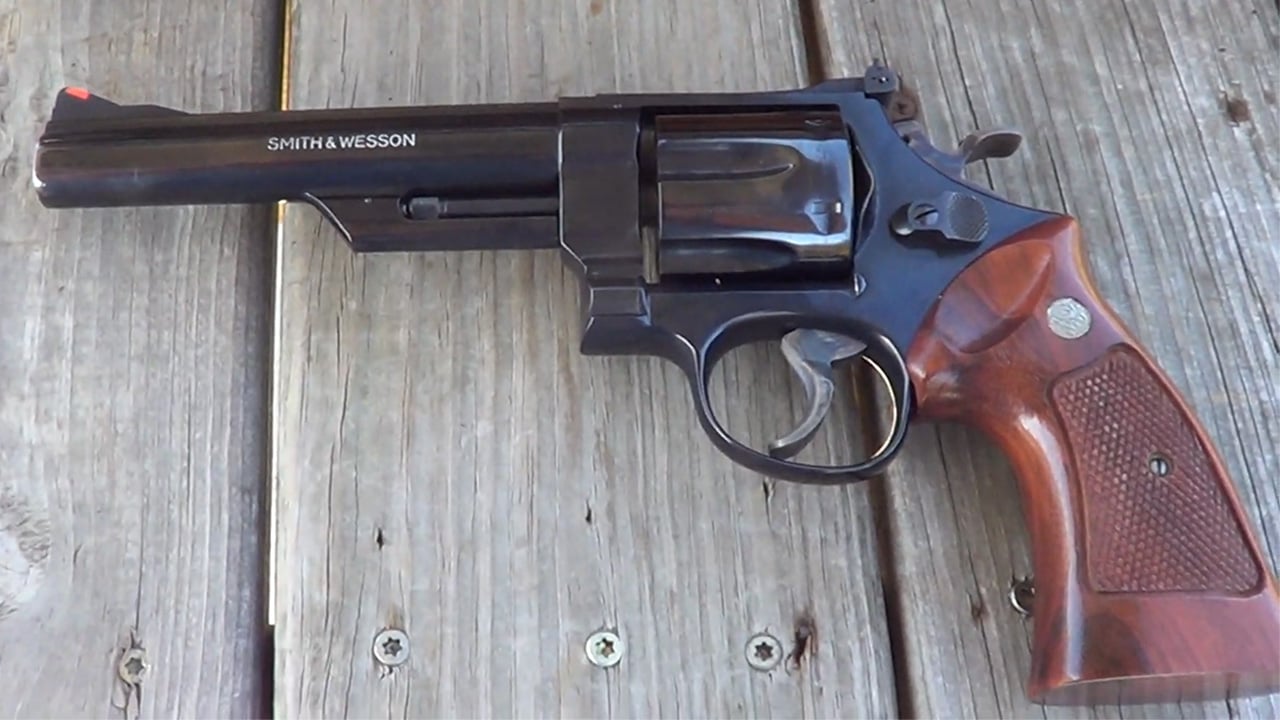
The .41 Magnum crowd isn’t huge, but it’s stubborn. The Model 57 is a serious revolver that shoots flatter than folks expect, and it hits hard without always feeling like a punishment.
Ammo availability comes and goes, which pushes some people away, but it also means the true fans snatch these up. When you find a clean 57, it’s usually because someone’s settling an estate, not because a guy got tired of it.
10. Smith & Wesson Model 10 (Military & Police)
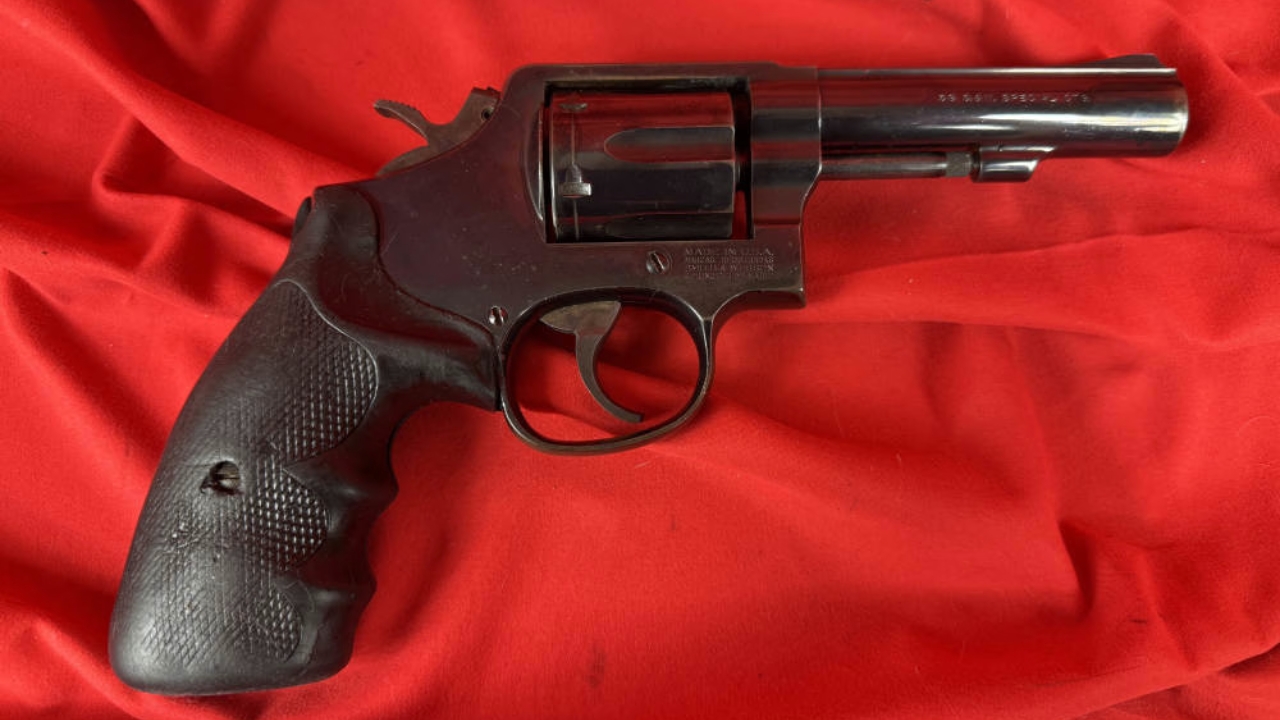
There is nothing fancy about a Model 10, and that is kind of the point. It’s a straightforward .38 that rides well, shoots well, and doesn’t ask for much. The triggers on older ones can be almost unfair compared to many modern guns.
Police trade-ins used to be everywhere. Now they’re not. The good Model 10s are getting filtered into collections or turned into “first revolvers” for younger shooters, and the supply on shelves keeps thinning.
11. Smith & Wesson Model 15 (Combat Masterpiece)
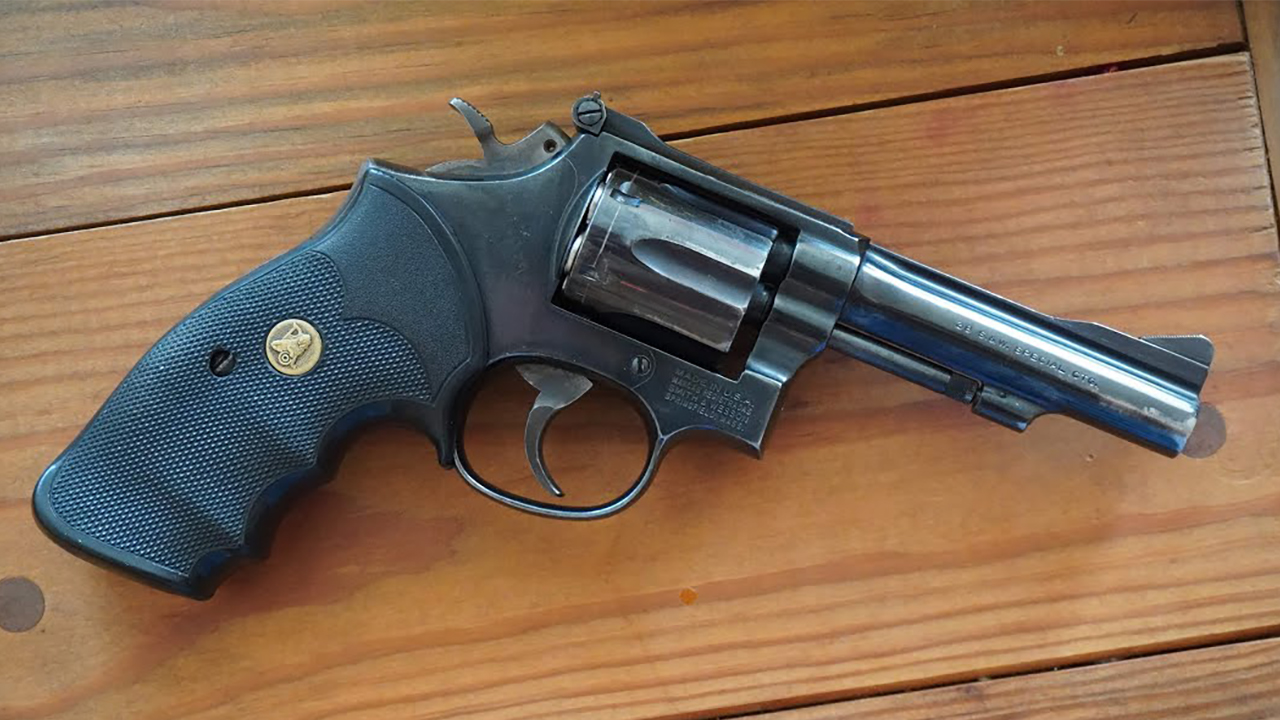
If you’ve never shot a good Model 15, you might not understand why people get sentimental over a .38. It’s one of the easiest revolvers in the world to shoot well. Great sights, great balance, and a smooth action that makes you look better than you are.
They’re harder to find because they’re hard to replace. Once you’ve owned one, most modern “budget revolvers” feel clunky. So when a clean Model 15 shows up, it’s not just collectors paying attention—it’s shooters.
12. Smith & Wesson Model 14 (K-38 Target Masterpiece)
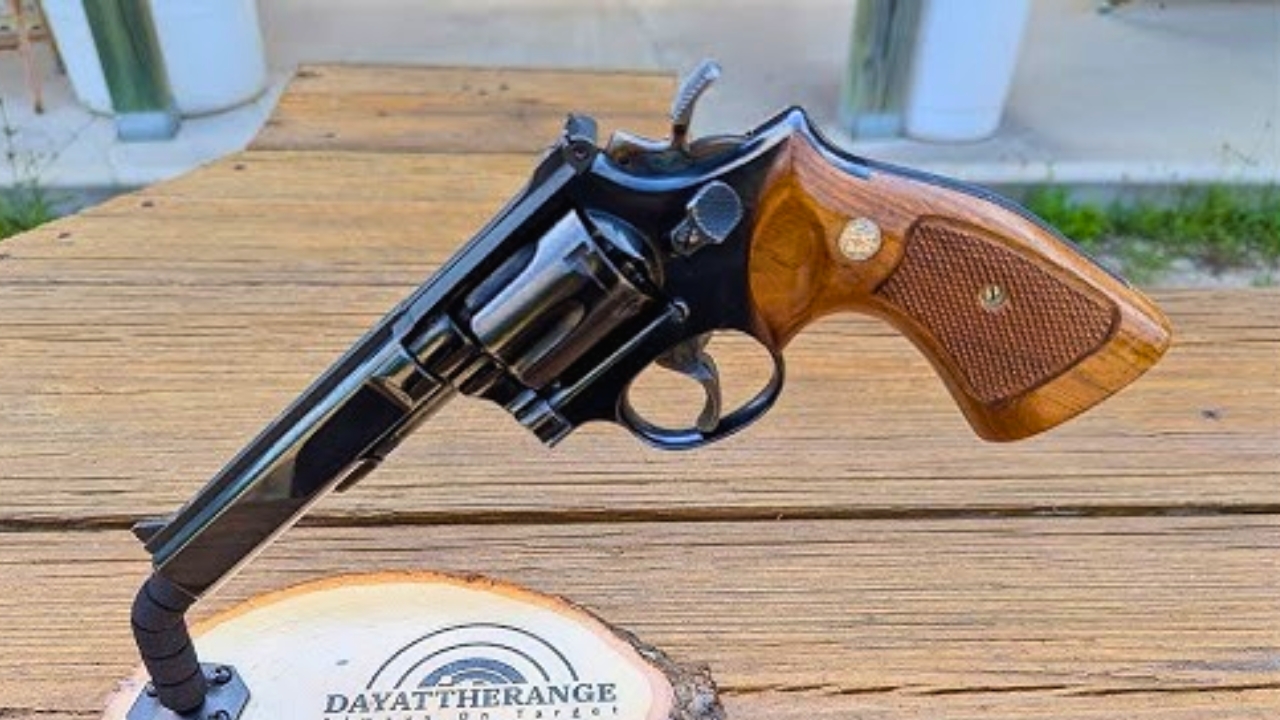
The Model 14 is a target gun that still makes sense. If you like slow, accurate shooting, it’s a joy. The longer barrel and fine sights feel old-school in the best way, especially on a quiet range morning.
They’re getting scarce because fewer people buy pure target revolvers today, which sounds like it would make them easier to find. It does the opposite. Owners hang onto them because there’s no modern equivalent at a normal price that feels the same.
13. Smith & Wesson Model 17 (K-22 Masterpiece)
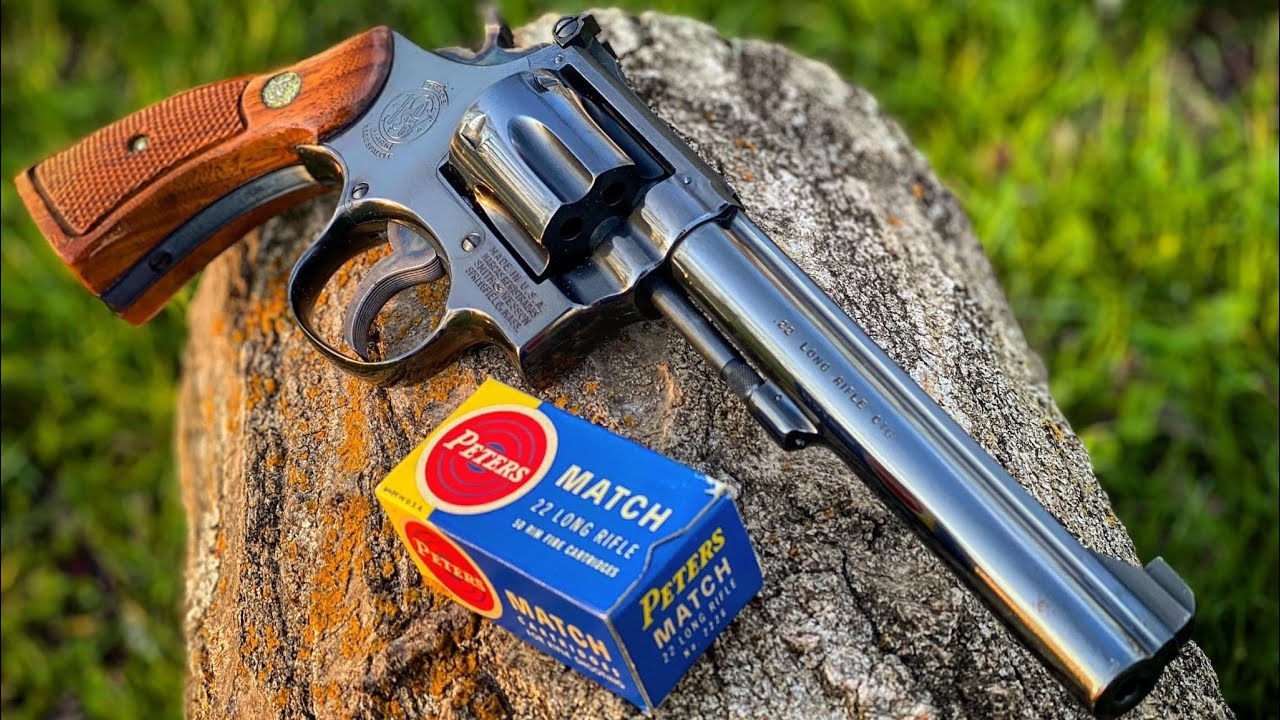
A good .22 revolver is one of the smartest guns you can own, and the Model 17 is one of the best versions of that idea. It’s a trainer, a plinker, and a “let’s see who can shoot” gun all in one.
These are getting harder to find because .22s that are actually built like centerfire guns aren’t as common anymore. A clean Model 17 with a crisp action is the kind of thing you end up handing down, not trading off.
14. Smith & Wesson Model 18 (Combat Masterpiece .22)
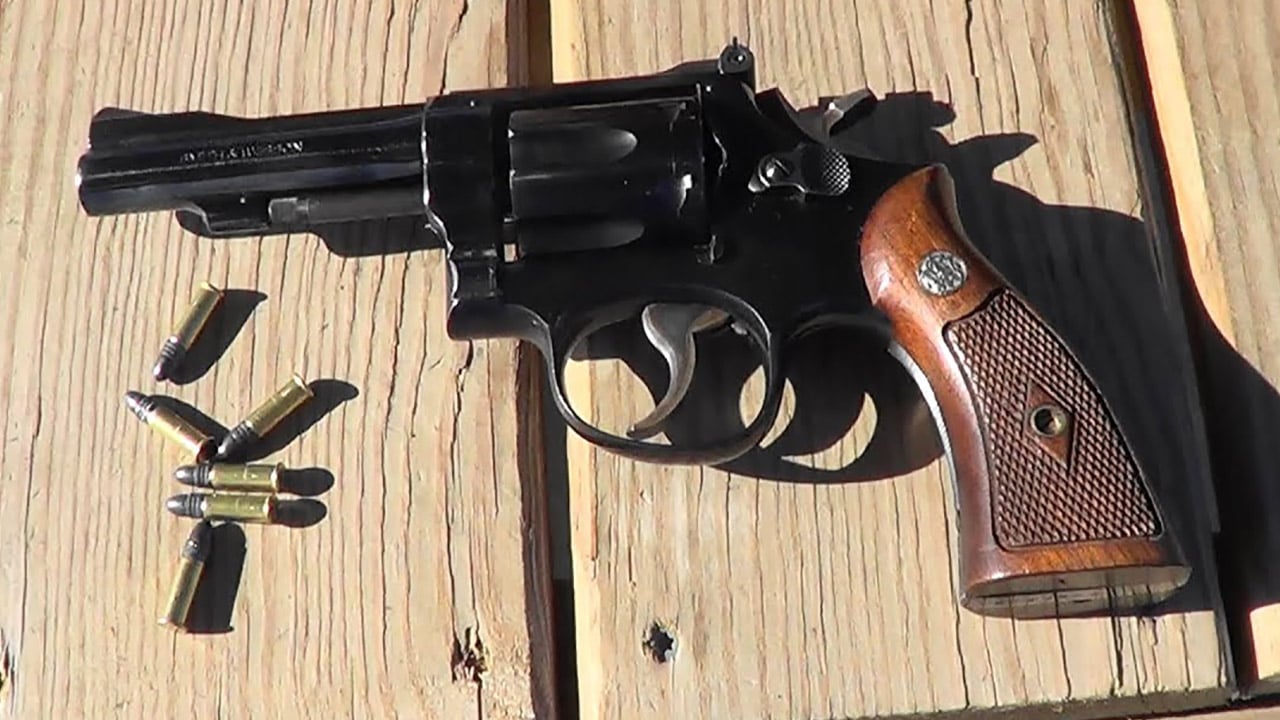
The Model 18 is basically the .22 understudy for the Model 15, and it’s a gem. Same general feel, same idea, just cheaper to feed. If you like the idea of training with a rimfire that mimics your centerfire revolver, it’s hard to beat.
They don’t show up often because folks actually use them, and used guns that get used tend to get kept. When one appears in great shape, it’s usually priced like the seller knows what it is.
15. Smith & Wesson Model 34 (Kit Gun)
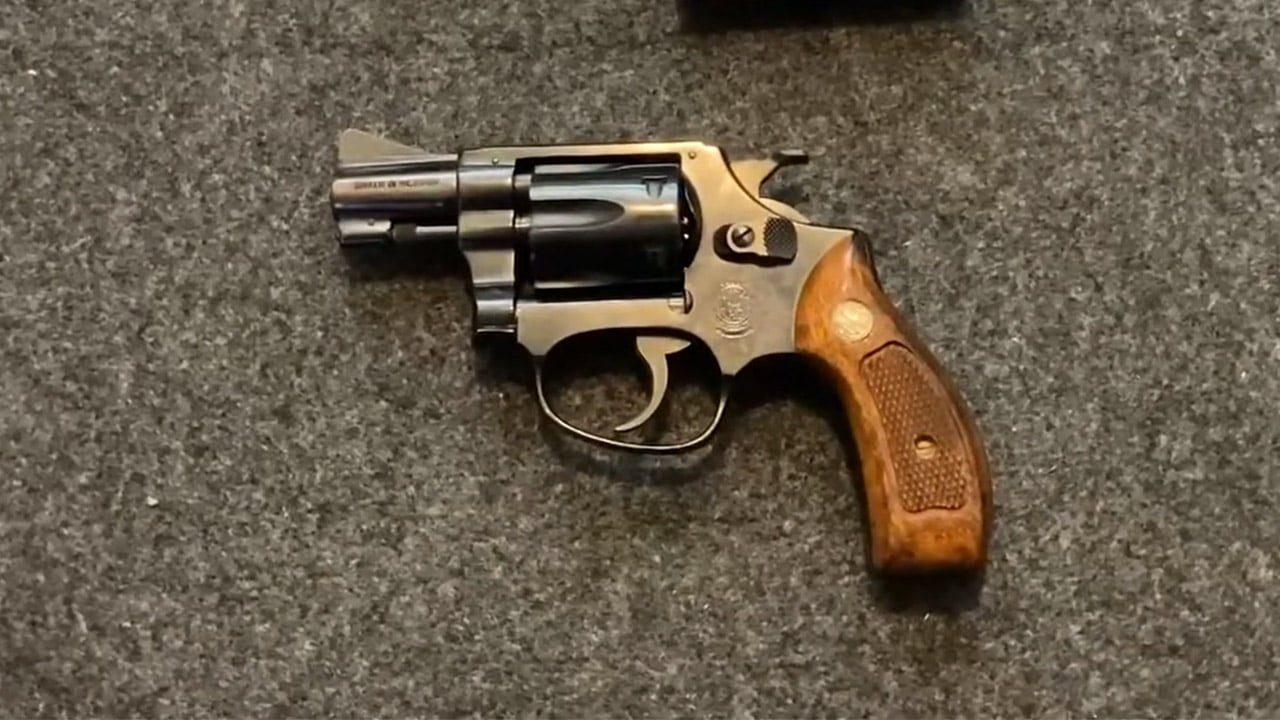
A Kit Gun is the kind of revolver you forget you’re carrying until you need it. Fishing vest, tackle bag, side pocket of a pack—there’s always a place for a small .22 when you’re outdoors. It’s not for self-defense hero stuff. It’s for snakes, cans, and camp chores.
They’re harder to find because the size is right and the concept still works. Also, small revolvers get carried, and carried guns either get worn down or cherished. Either way, the clean ones are getting scarce.
16. Smith & Wesson Model 36 (Chief’s Special)
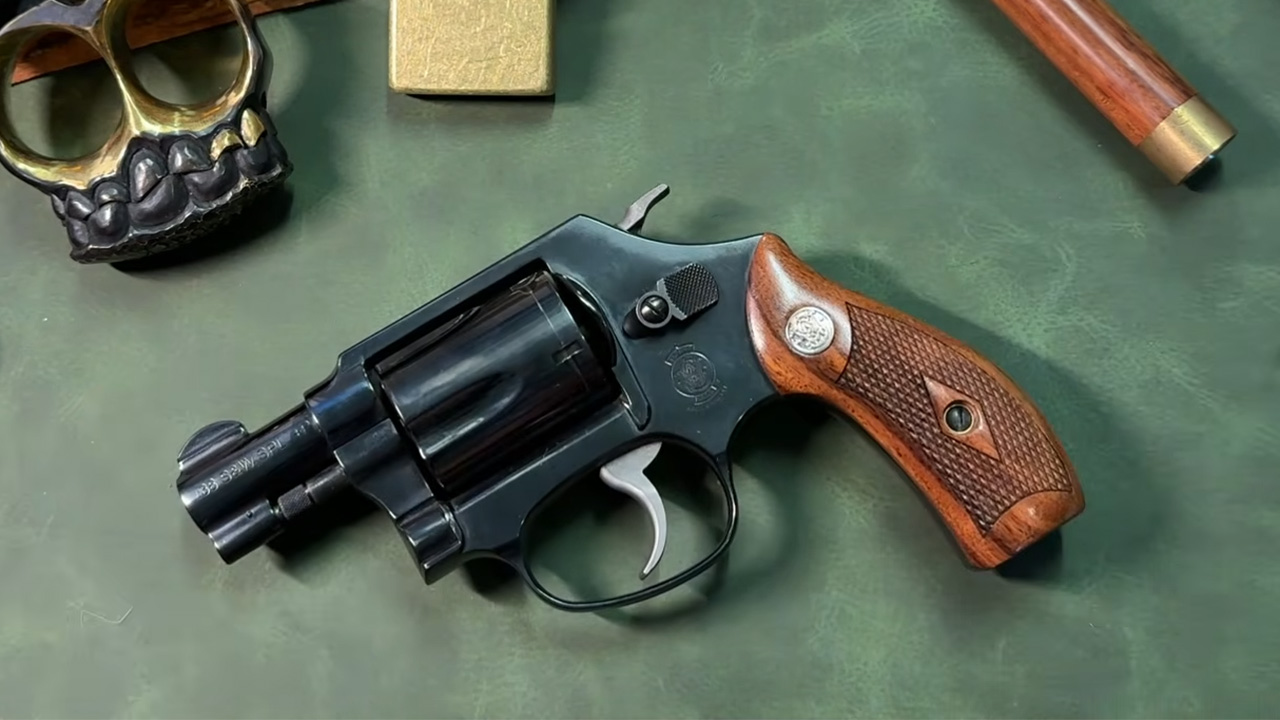
The Model 36 is about as classic as a snub-nose gets. It’s simple, dependable, and it rides in a pocket holster the way it’s supposed to. No gimmicks. Just a little steel revolver that does what it has always done.
These are disappearing because modern carry has gone polymer and micro-9, and a lot of Model 36s got traded off during that shift. Now folks are circling back, realizing a steel J-frame is still a good tool, and the supply isn’t infinite.
17. Smith & Wesson Model 49 (Bodyguard)
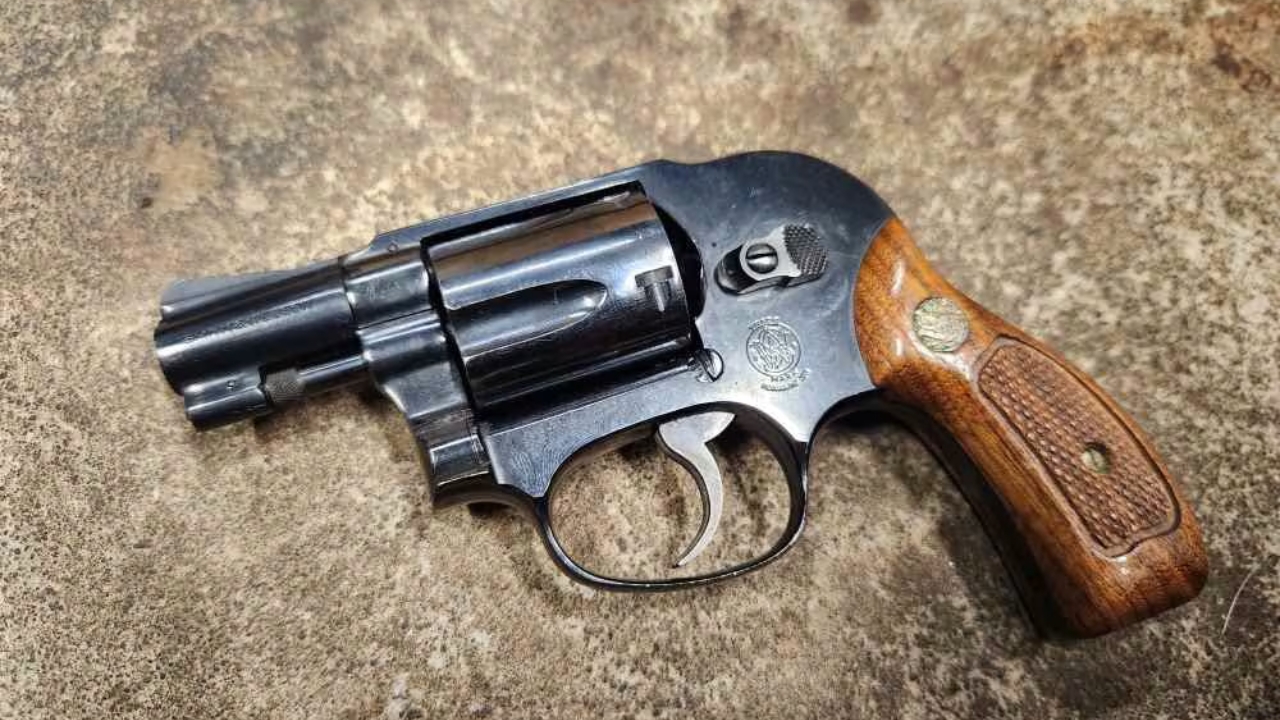
The old Bodyguard humpback has a look that either grabs you or it doesn’t. For actual carry, though, that shrouded hammer makes sense. It can ride in a pocket without snagging as bad, and it’s still there if you want to thumb-cock it for a careful shot.
They’re getting tougher to locate because the design is distinct and collectors like distinct. Also, a lot of these lived hard lives as carry guns. Finding one that’s clean, tight, and un-messed-with is the real challenge.
18. Smith & Wesson Model 60 (stainless J-frame)
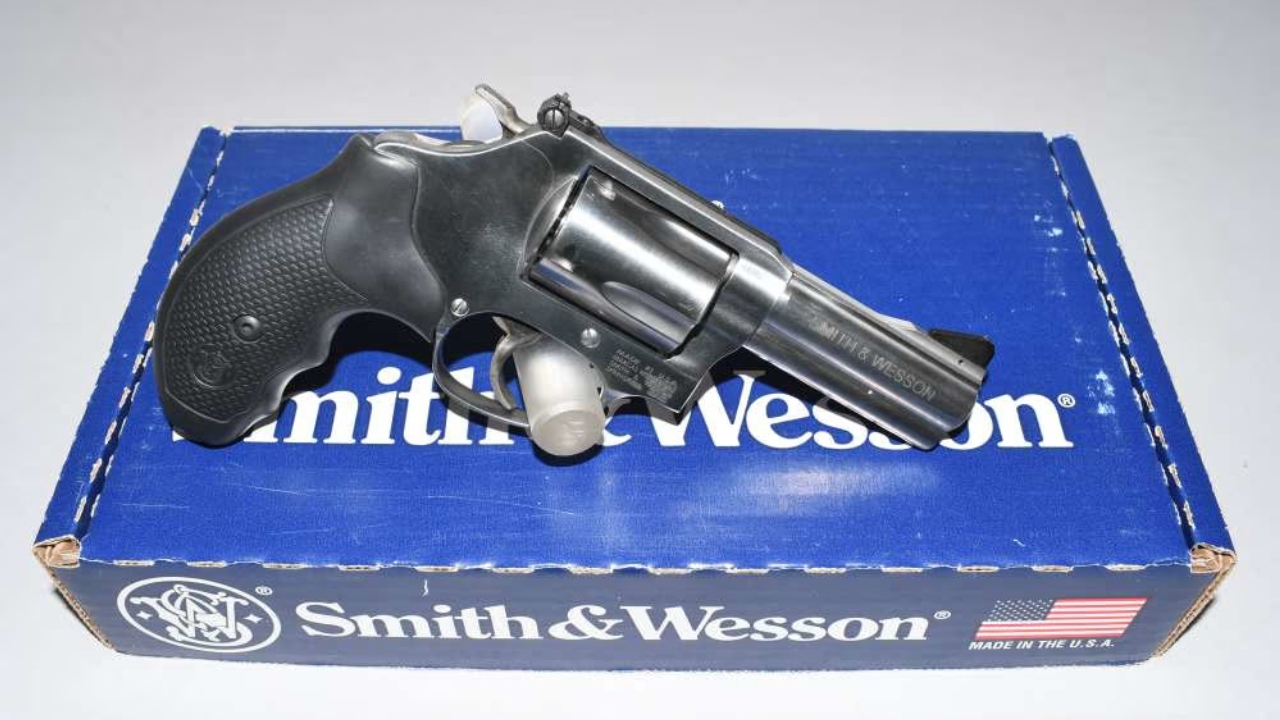
The Model 60 is one of those revolvers that makes you appreciate stainless steel. Toss it in a glovebox holster (in a legal, safe way), sweat on it, carry it in wet weather—it’ll take it better than blued guns usually will.
They’re not impossible to find, but the older ones in great shape are getting less common. A lot of Model 60s have been carried for decades, and decades of pocket carry will show up somewhere.
19. Smith & Wesson Model 52 (.38 Special wadcutter semi-auto)
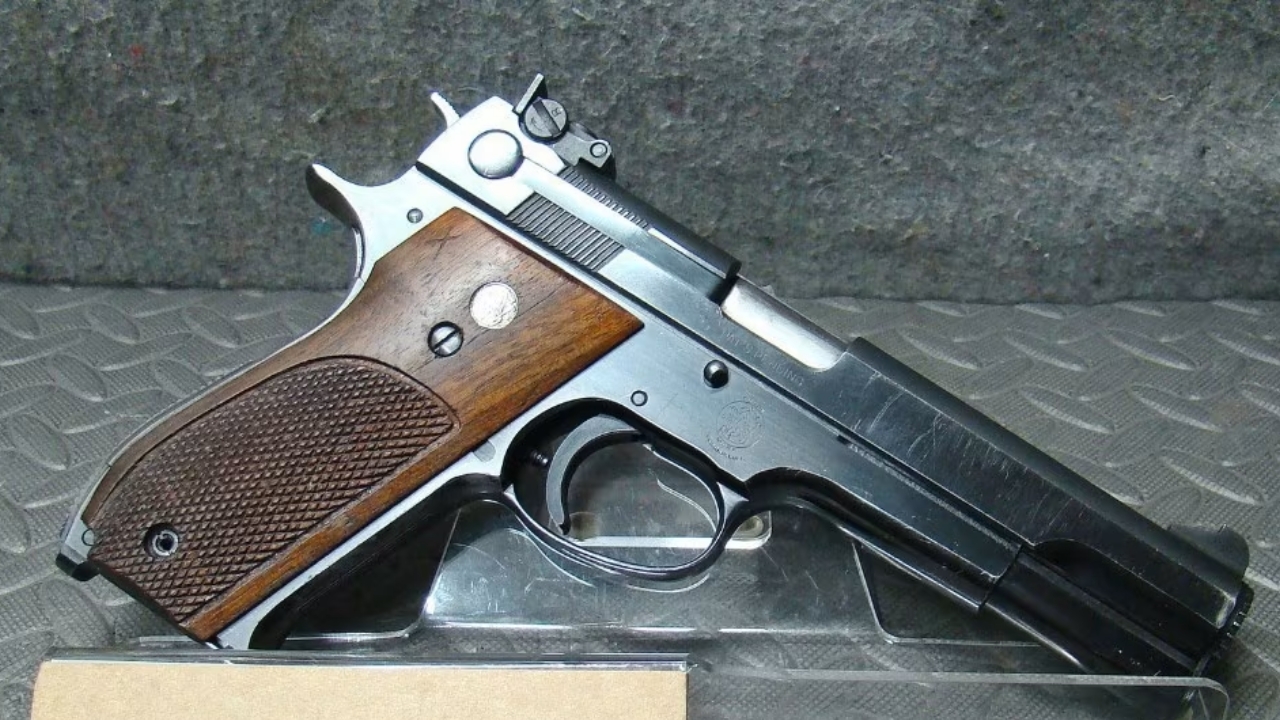
The Model 52 is a neat oddball: a semi-auto built around .38 Special wadcutters. It’s soft shooting, accurate, and very much a “for people who know” kind of pistol. If you’ve ever seen one shoot a good slow-fire group, you remember it.
These are getting hard to find because they’re specialized and discontinued, and the folks who own them are usually target shooters who don’t sell lightly. It’s also not the kind of gun a shop keeps three of in the case “just because.”
20. Smith & Wesson Model 3913 (3rd Gen 9mm)
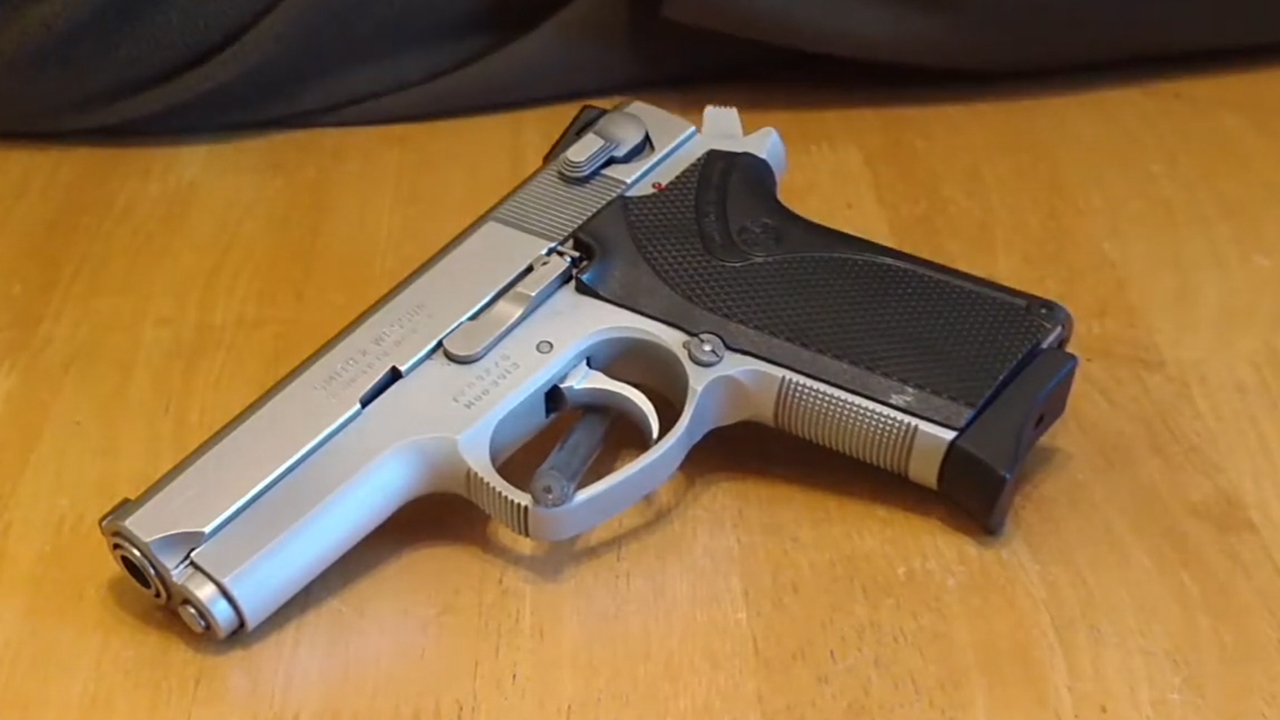
Before the world went to micro-compacts, the 3913 was one of the best “real carry” 9mms going. Slim, reliable, good safety setup for those who want it, and it carries flatter than you’d think for an all-metal gun.
These have been getting tougher to locate because 3rd Gen Smith autos have a following now. Magazines and parts are still around, but not like they were, and clean examples don’t sit long once word gets out.
If you’re hunting one of these down, don’t get in a hurry and buy the first rough example you see just because you’re excited. Check timing and lockup on revolvers, look for buggered screws, watch for amateur polishing, and don’t ignore rust under grips. The older Smiths can be some of the best guns you’ll ever own, but the best ones are getting picked over—so when you find the right one, it pays to recognize it.
Like The Avid Outdoorsman’s content? Be sure to follow us.
Here’s more from us: