Photo credit: Andrew Patrick Photo/Pexels.com
Some states look like deer-hunting paradise from the outside. They have plenty of woods, long seasons, famous hunting traditions, or reputations built on big bucks.
That does not mean hunting them is easy. Heavy pressure, limited access, rough terrain, sprawling development, difficult draws, and inconsistent deer densities can make the experience much tougher than outsiders expect. In some places, there are plenty of deer but very few places to hunt them. In others, you may have thousands of acres available and still struggle to find mature bucks. These 20 states can make deer hunters work harder than their reputations suggest.
Pennsylvania
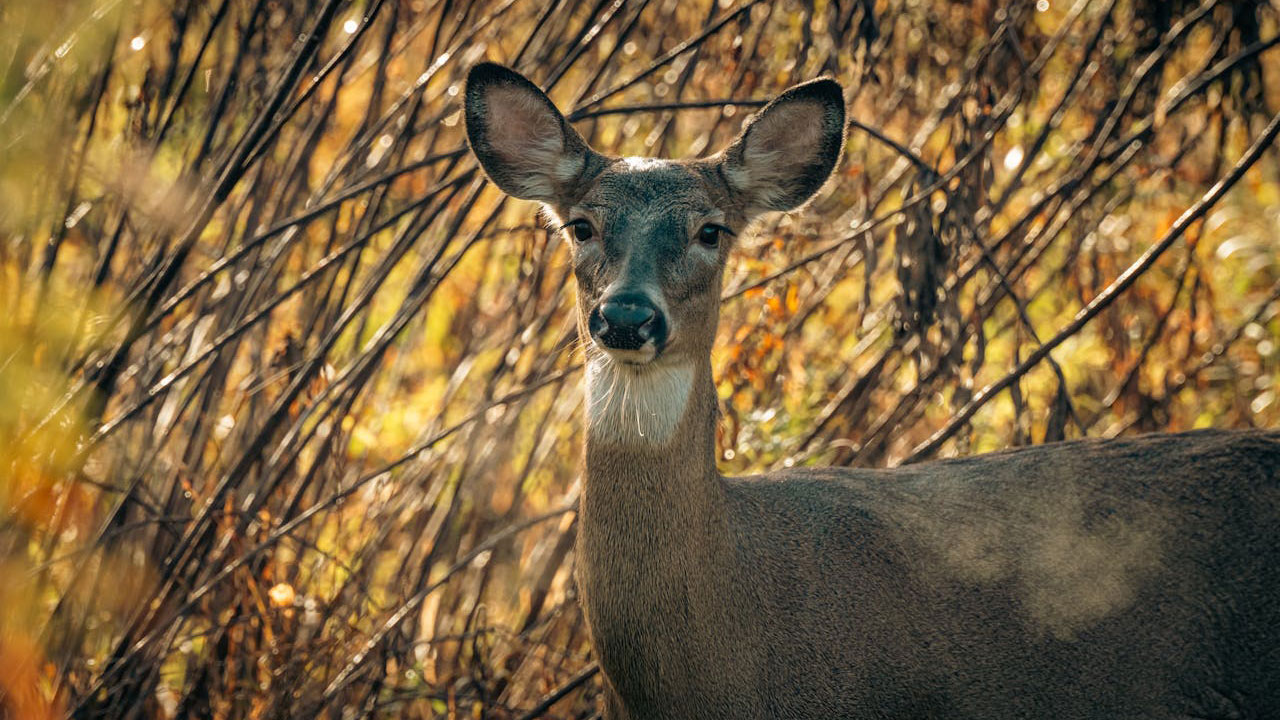
Pennsylvania has one of the strongest deer-hunting traditions in the country, but that also means enormous hunting pressure.
Opening day can put a lot of people into the woods at once, especially on accessible public land. Deer quickly respond by moving into thicker cover, steeper terrain, and areas farther from roads. Private land can offer better opportunities, but getting permission is not as easy as it used to be in many parts of the state. There are still plenty of deer, but consistently finding older bucks on pressured ground requires much more work than outsiders may expect.
Michigan
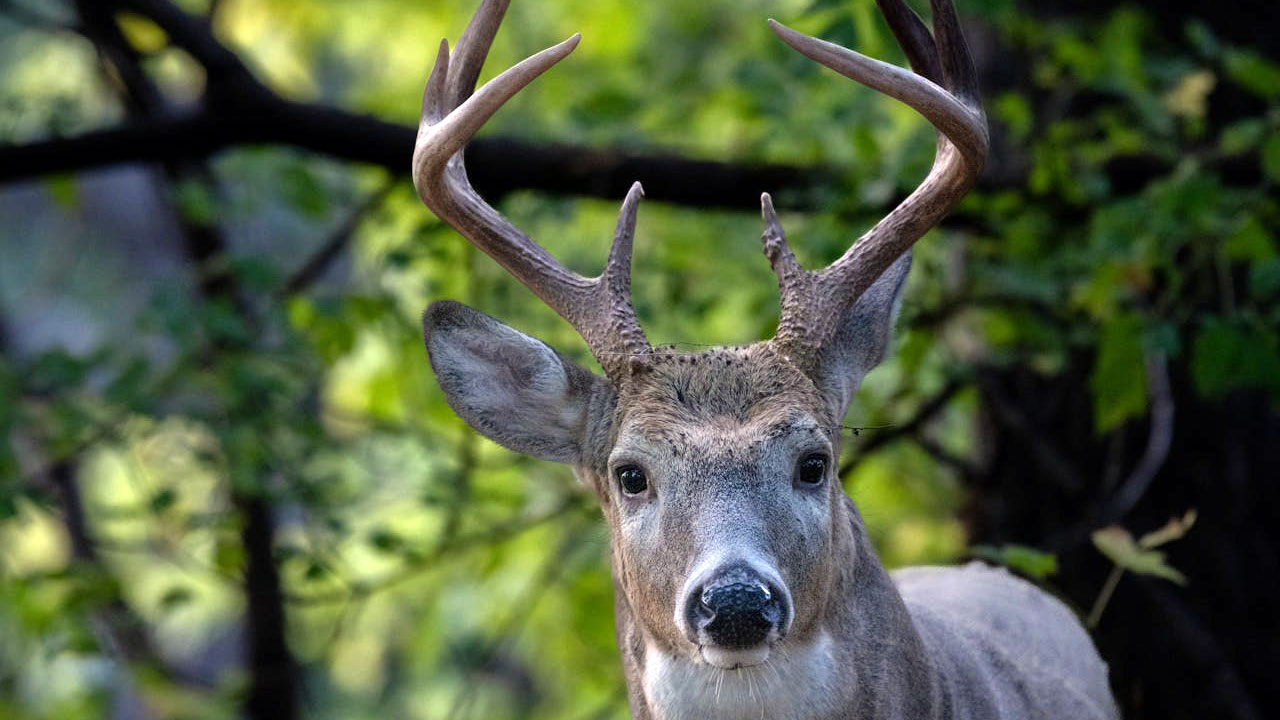
Michigan looks incredible on a map because of the sheer amount of wooded country available.
The challenge is that large sections of northern Michigan can have relatively low deer densities compared with agricultural areas farther south. Add heavy hunting pressure, harsh winters in some years, and endless timber that gives deer plenty of places to disappear, and the hunting can get difficult quickly. Public land is plentiful, but simply having access to acres does not guarantee deer will be standing behind every tree.
Wisconsin
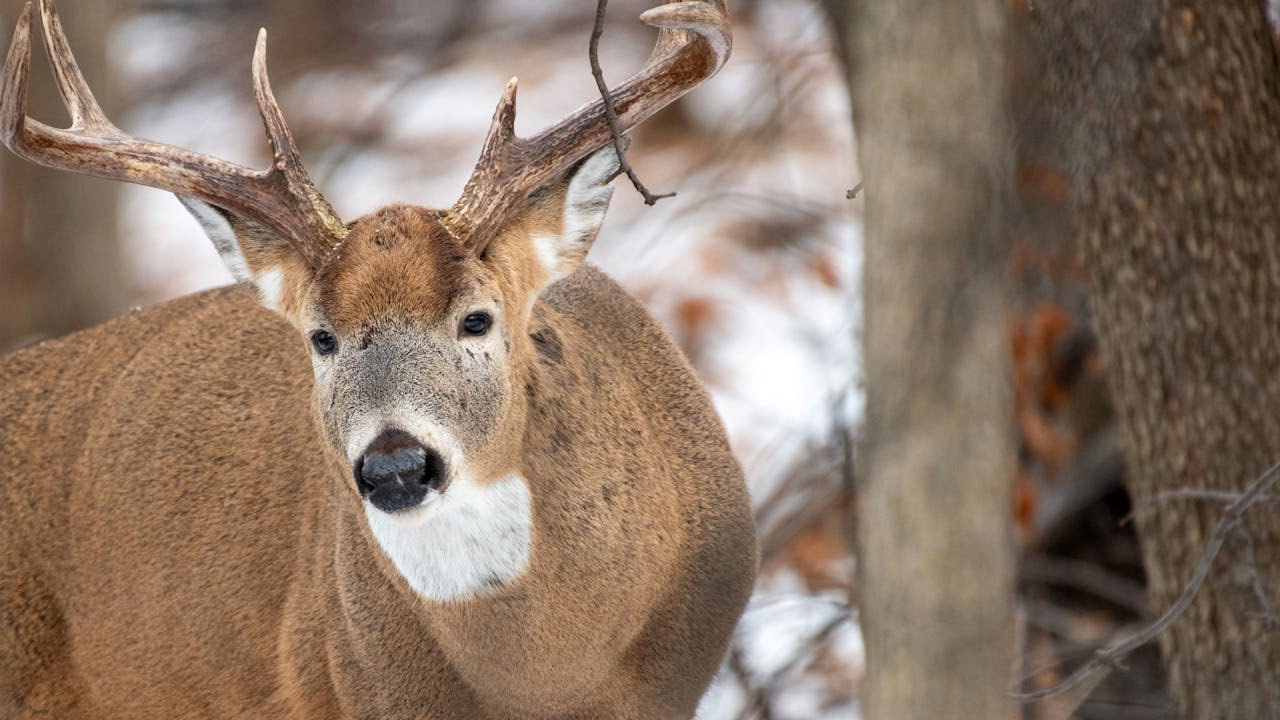
Wisconsin has a tremendous reputation for whitetails, and that reputation attracts plenty of hunters.
In the best agricultural areas, access can be the biggest problem. Productive private farms are valuable, and good permission can be difficult to secure. Public land can receive substantial pressure, especially when hunters know a particular area has produced mature bucks. Wisconsin can still produce exceptional deer, but the easiest-looking ground is often being watched by several other hunters.
New York
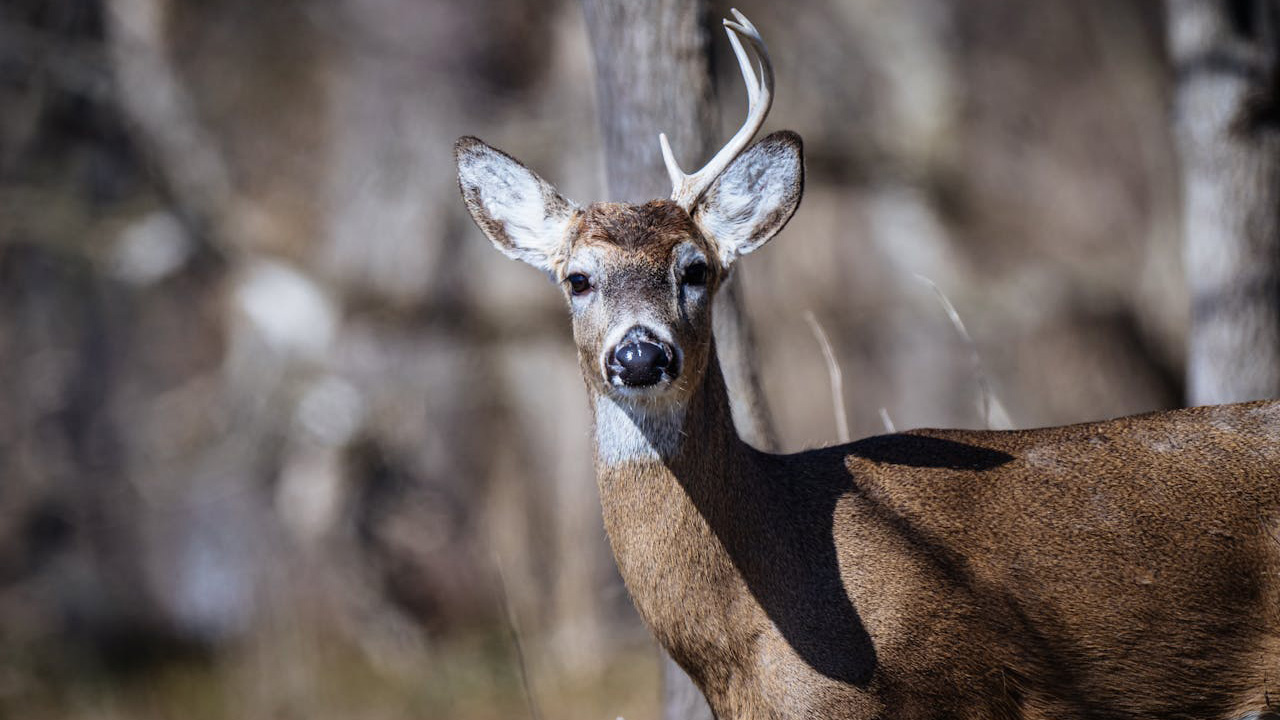
New York contains far more deer habitat than people who only think about New York City realize.
It also has some brutally difficult hunting. The Adirondacks offer enormous expanses of forest, but deer densities can be low and the terrain demanding. Farther south, suburban development creates another problem entirely: plenty of deer living in areas where legal hunting access is limited. A hunter can be surrounded by deer and still struggle to find a practical place to set up.
Maine
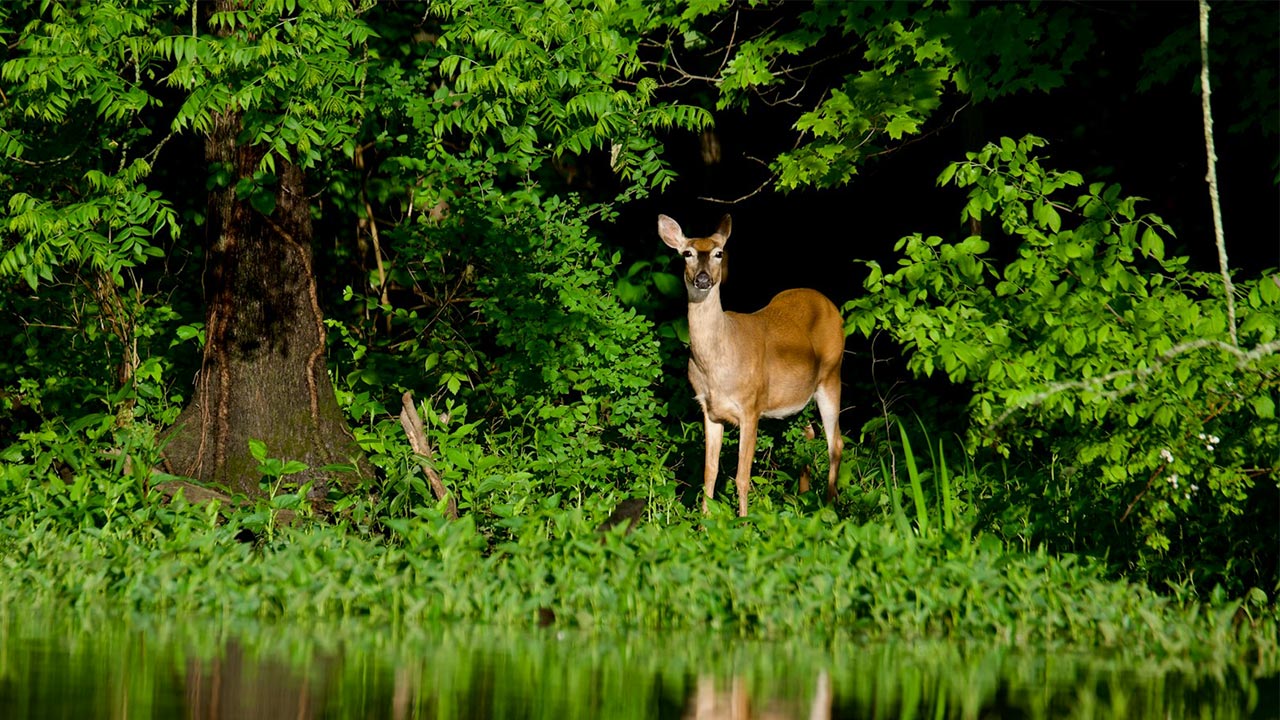
Maine is famous for big-bodied northern whitetails, but hunters pay for that potential with difficult conditions.
The woods are thick, visibility can be extremely limited, and deer densities are much lower than what hunters in agricultural states may be used to. You can spend hours covering good-looking country without seeing a deer. Tracking snow can transform the hunt, but without it, locating a mature buck in enormous timber can require patience and excellent woodsmanship.
Vermont
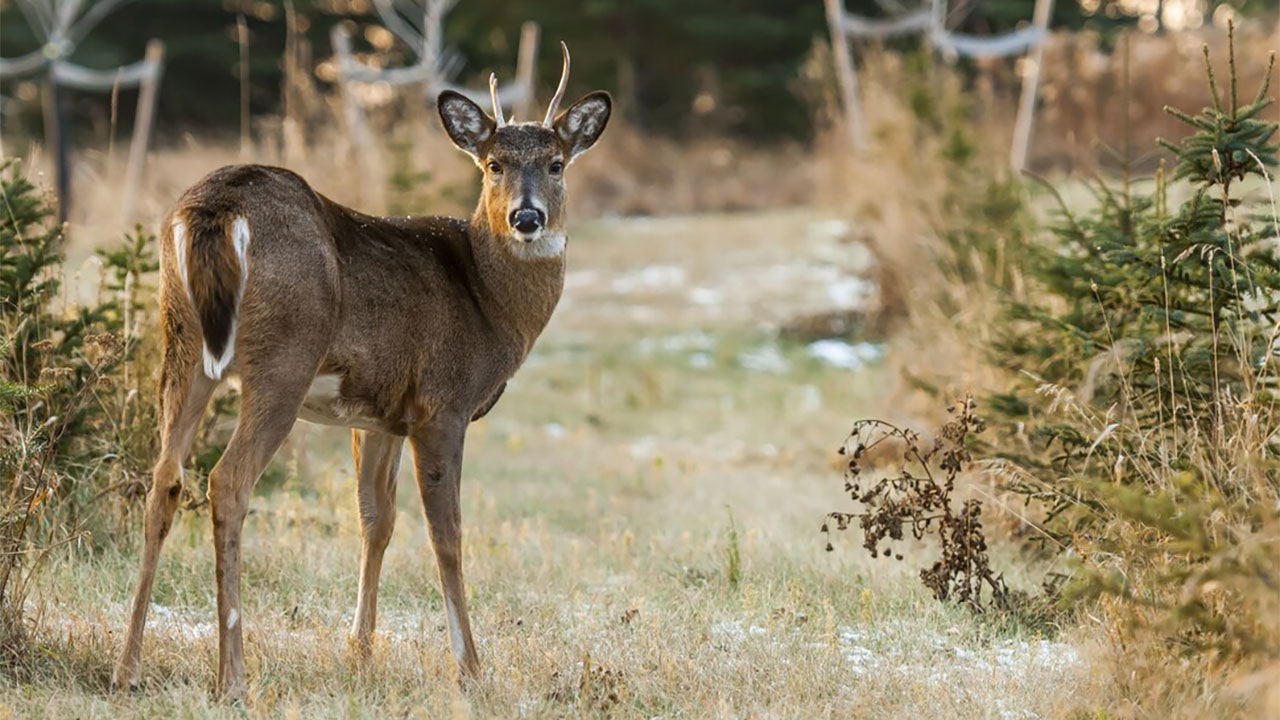
Vermont’s classic New England scenery makes it look like ideal deer country.
The reality can be much tougher. Mountainous terrain, thick forests, relatively modest deer densities, and limited agricultural openings all make deer harder to locate. Hunters accustomed to glassing fields or watching long food-plot edges may have to completely change their approach. Vermont rewards hunters who understand funnels, mast crops, and terrain, but it rarely gives up deer easily.
New Hampshire
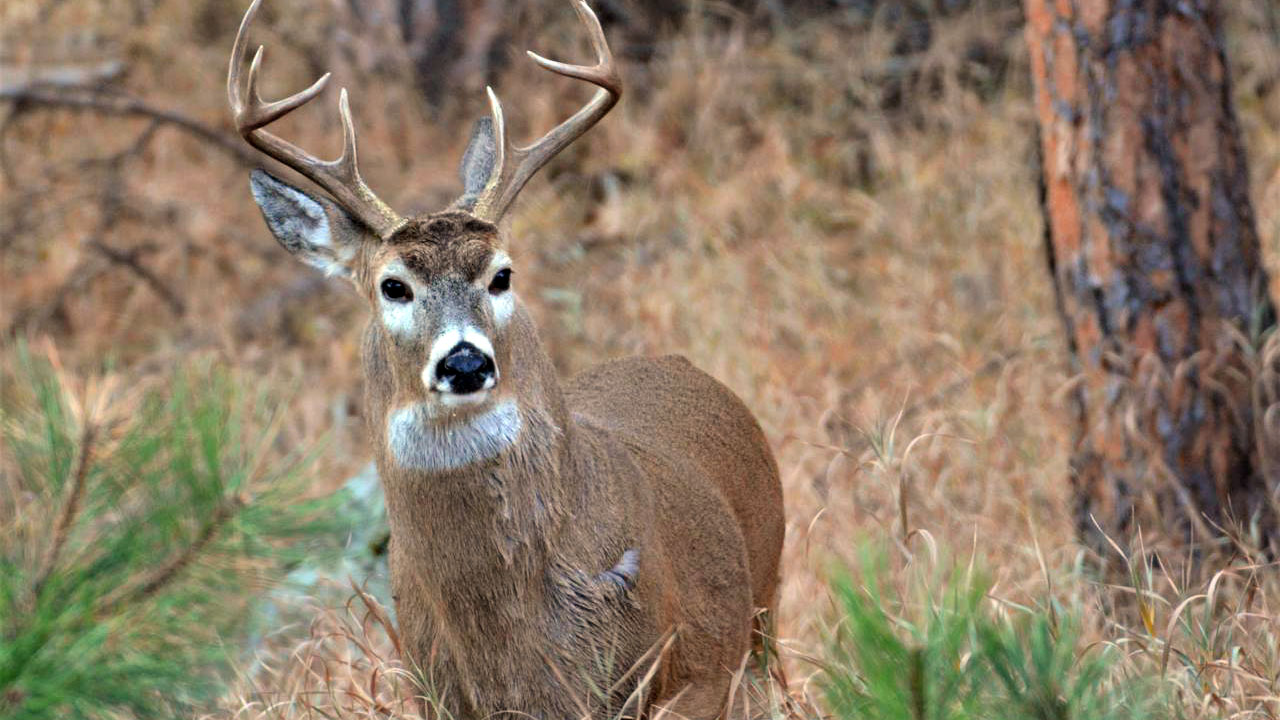
New Hampshire presents many of the same challenges as neighboring northern New England states.
The woods can be dense enough that seeing 60 yards feels like a luxury, and deer may be scattered over large areas. Rough terrain also makes dragging a deer out far more difficult than shooting one. There are quality bucks in the state, but hunters expecting high deer numbers and easy sightings can spend a lot of time wondering where everything went.
Massachusetts
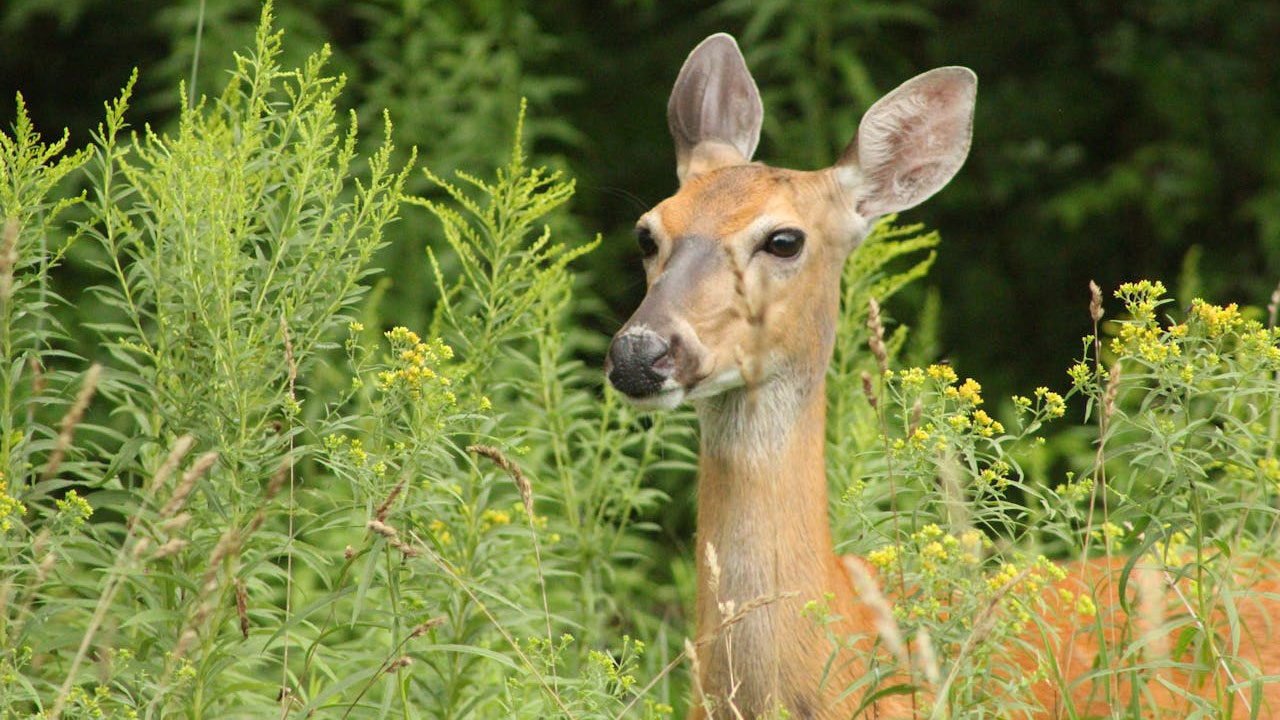
Massachusetts has plenty of deer in many areas, but access is the headache.
Suburban populations can be high while legal hunting ground is fragmented by homes, roads, town boundaries, and private property. Hunters have to pay close attention to local restrictions and safe shooting distances. The irony is that some of the highest deer densities occur exactly where hunting them is most complicated. Finding the right parcel can be harder than finding the deer.
New Jersey
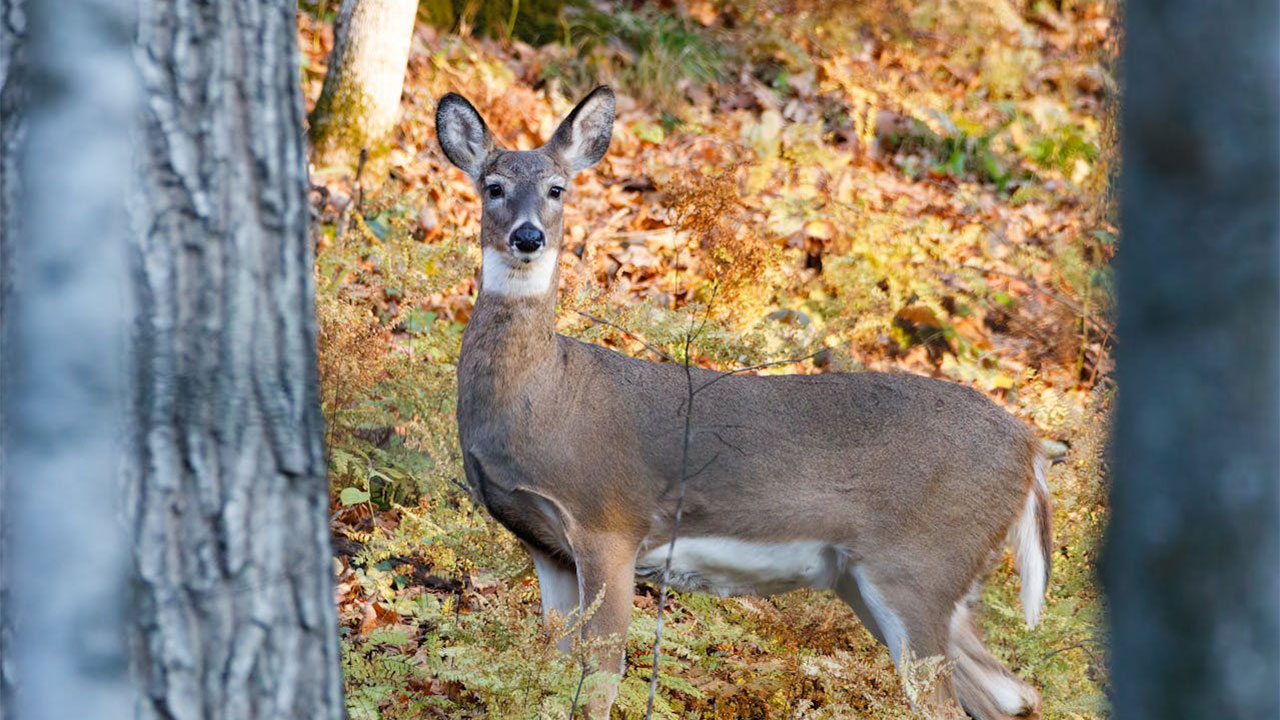
New Jersey is another state where deer numbers do not tell the whole story.
There can be tremendous whitetail populations around suburban development, but hunters must deal with dense human populations, fragmented habitat, local regulations, and limited access. Small parcels can also concentrate hunting pressure. The state can produce very good bucks, but success often depends less on finding deer and more on finding a legal, safe, low-pressure place to hunt them.
Maryland
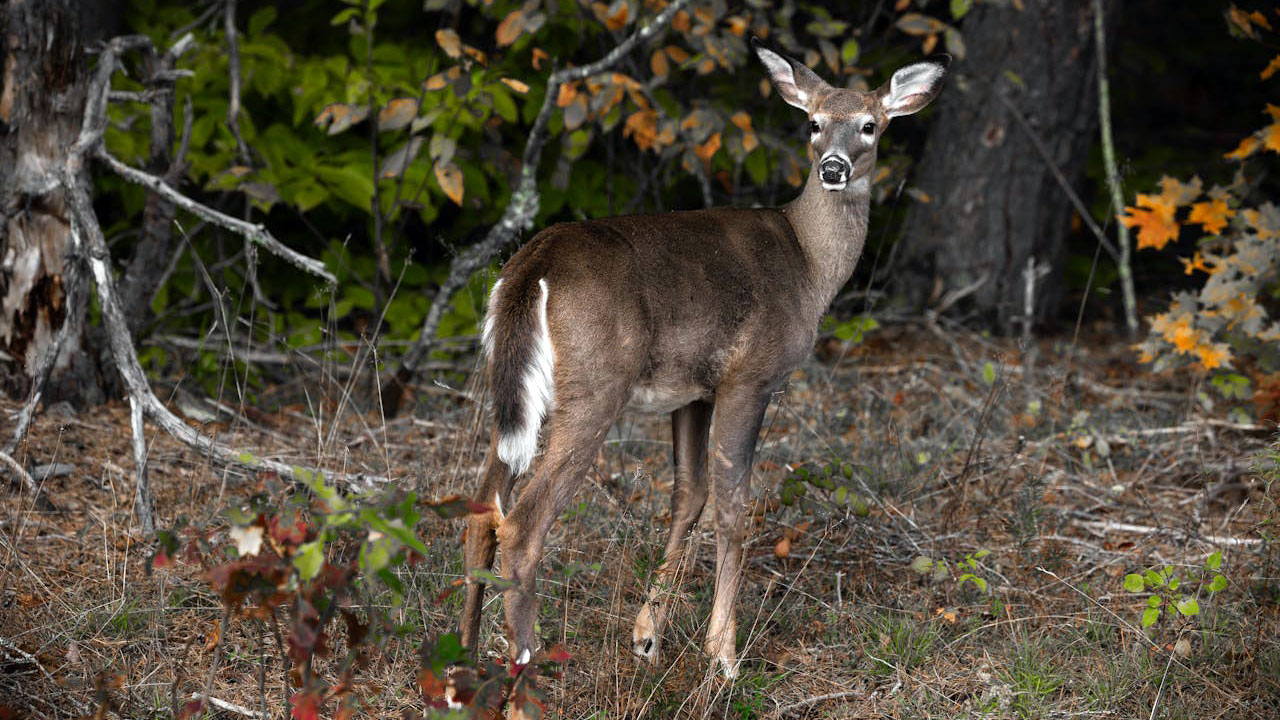
Maryland has excellent whitetail habitat, particularly in agricultural and suburban areas.
That same development creates constant access issues. Some of the best deer country sits close to neighborhoods where hunting opportunities are tightly controlled. Public land exists, but popular properties can see plenty of pressure. Hunters who secure private ground can do extremely well, while those relying on easily accessible land may find that Maryland is much less forgiving than its deer numbers suggest.
West Virginia
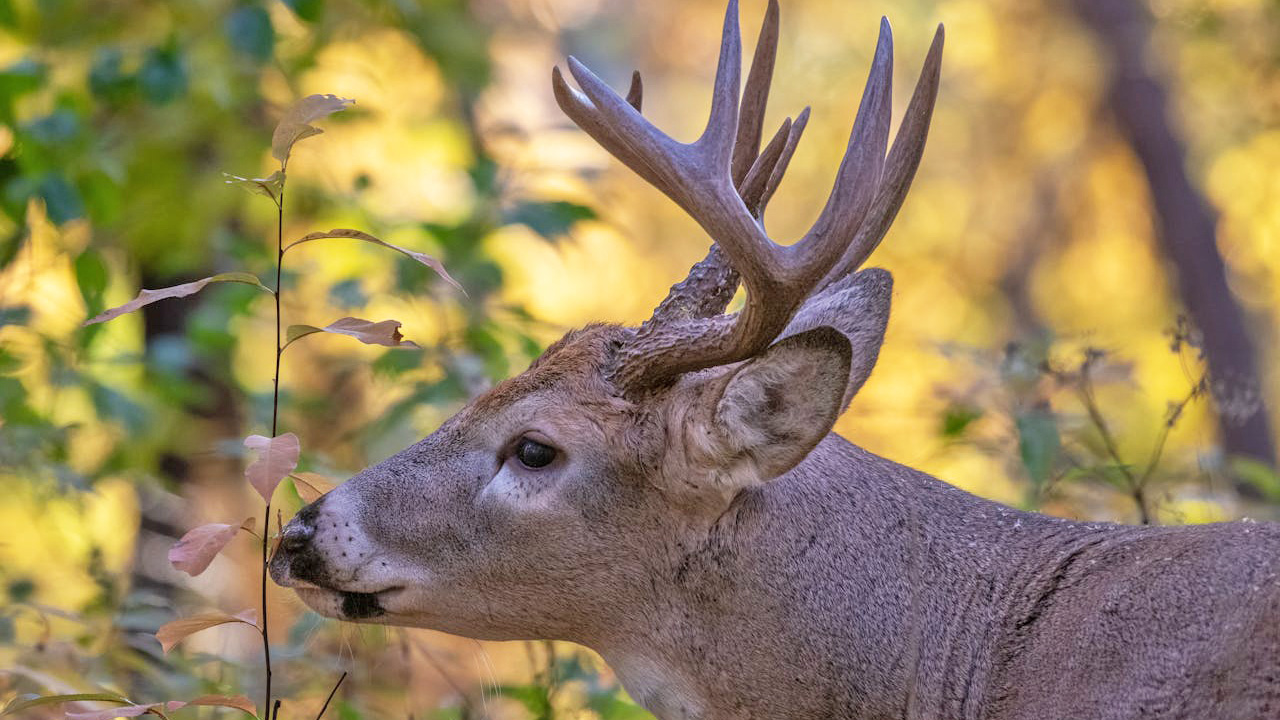
West Virginia has no shortage of wooded deer habitat.
What it also has is steep terrain. A spot that looks close on a map can involve a brutal climb, and recovering a deer from the bottom of a hollow can turn into the hardest part of the hunt. Thick timber limits visibility, while mast production can scatter deer across huge areas. Hunting here often requires more physical effort than hunters from flatter states anticipate.
Virginia
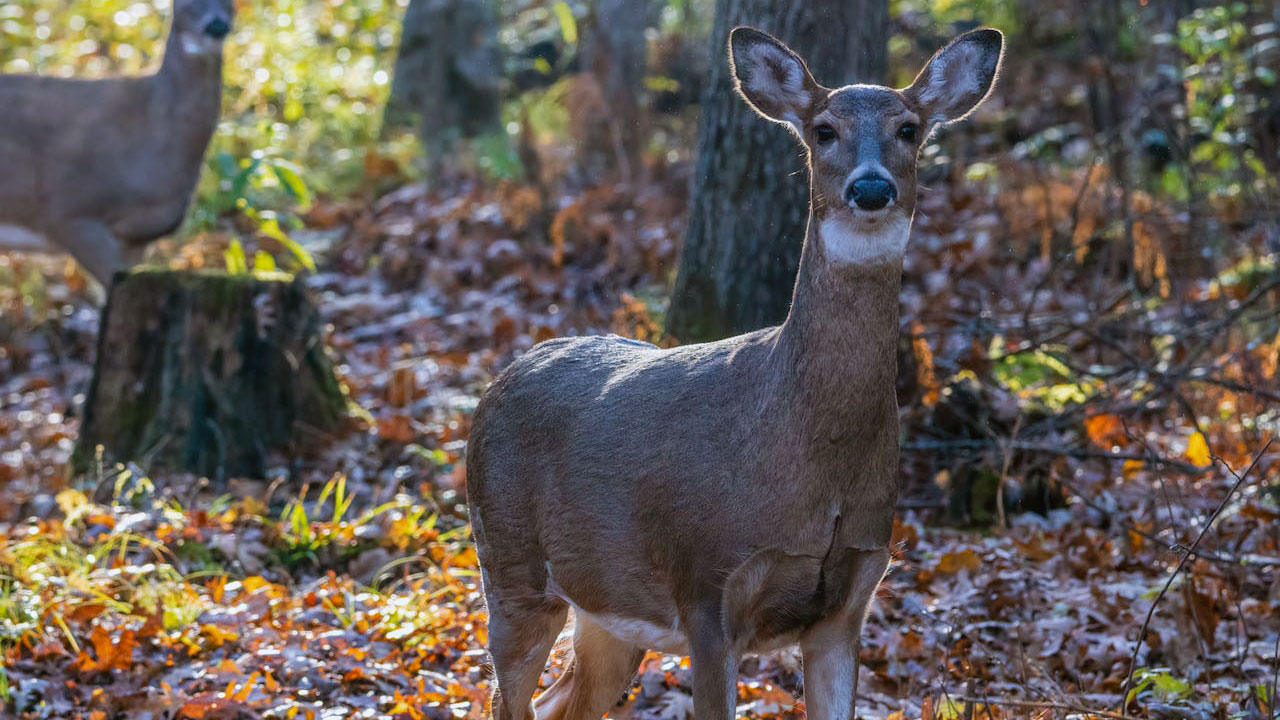
Virginia offers everything from mountain deer hunting to agricultural whitetails and suburban bowhunting.
That variety also means difficulty changes dramatically depending on region. Western mountain country can be steep and heavily wooded, while the eastern part of the state has more private property and development. Public land can receive significant pressure close to population centers. Virginia has plenty of deer, but finding a quiet piece of productive ground is not always easy.
Tennessee
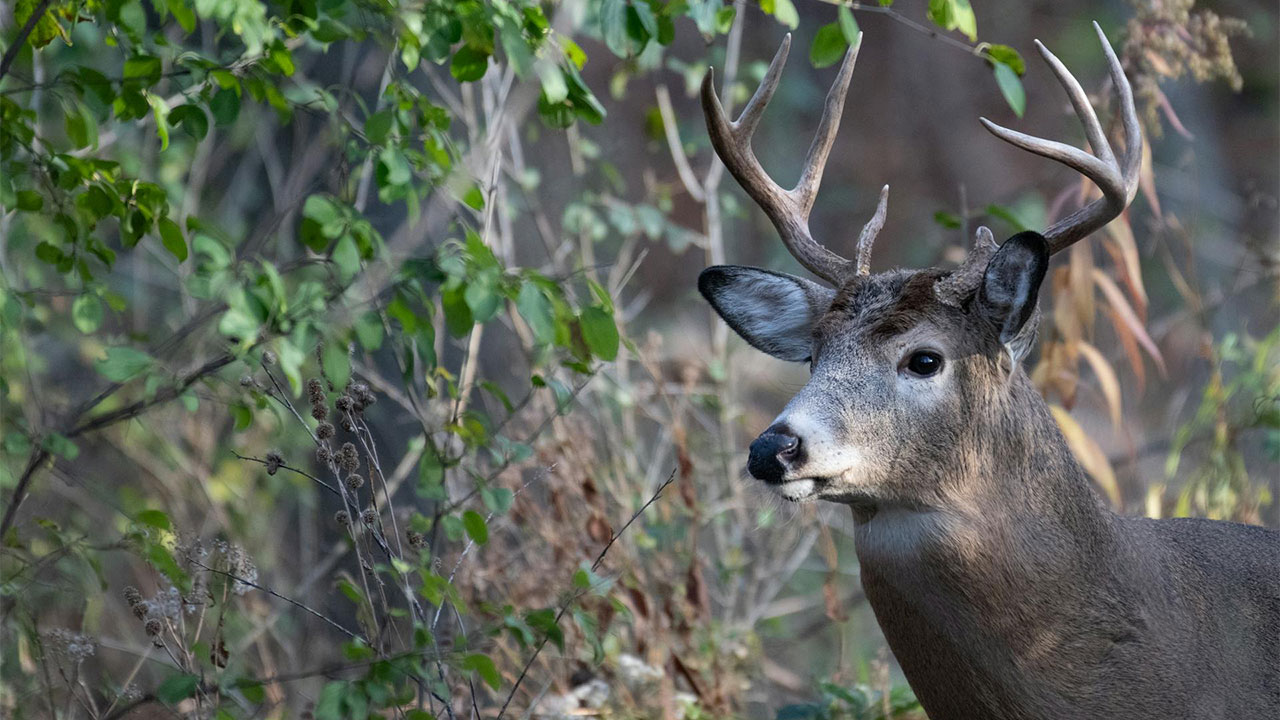
Tennessee’s long seasons can make the state look easy on paper.
The terrain tells a different story. Much of eastern and middle Tennessee is covered in hills, hardwoods, and thick vegetation that can make deer difficult to pattern. Pressure also pushes mature bucks into nasty cover quickly. Hunters accustomed to wide-open Midwestern agriculture often underestimate how hard it is to see and recover deer in steep southern timber.
Arkansas
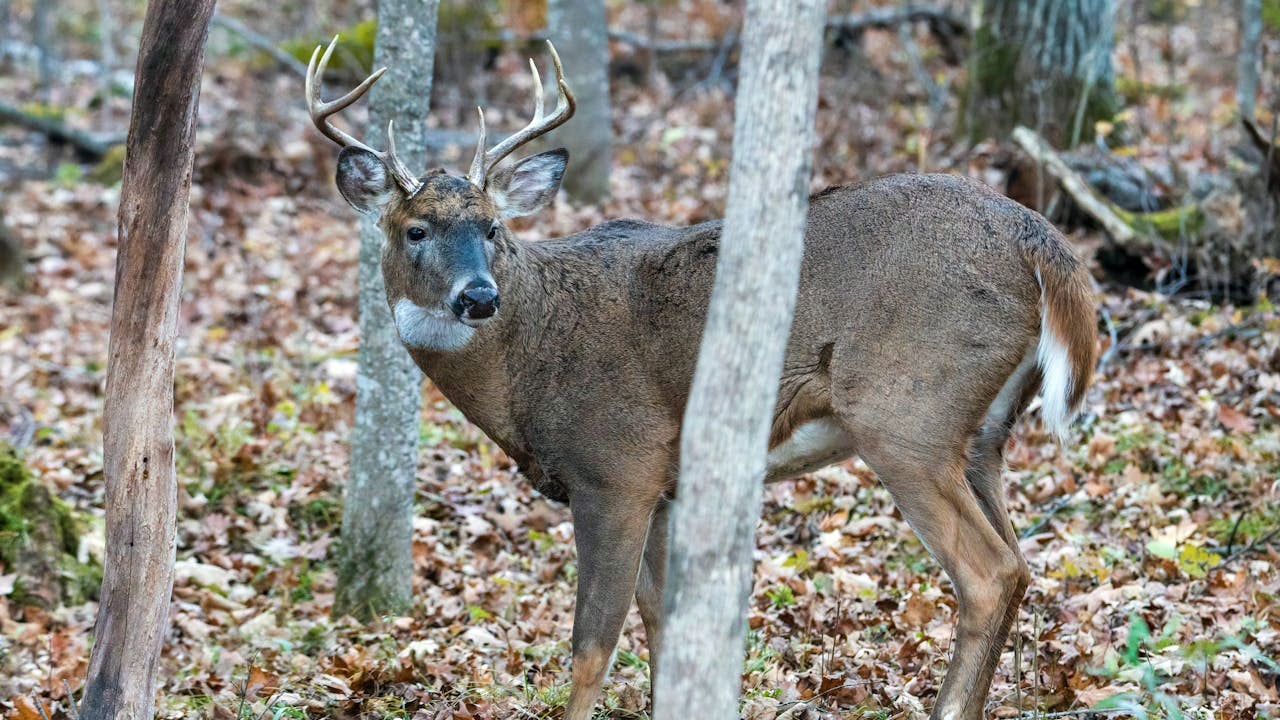
Arkansas can be deceptively difficult because the state contains wildly different kinds of deer habitat.
The Ozarks are rocky and steep, while bottomland areas can be thick, wet, and difficult to move through. Public land often requires hunters to go well beyond easy access points to get away from pressure. Deer are there, but visibility can be short and movement unpredictable. A mature buck can live surprisingly close without ever giving a hunter a clean opportunity.
Mississippi
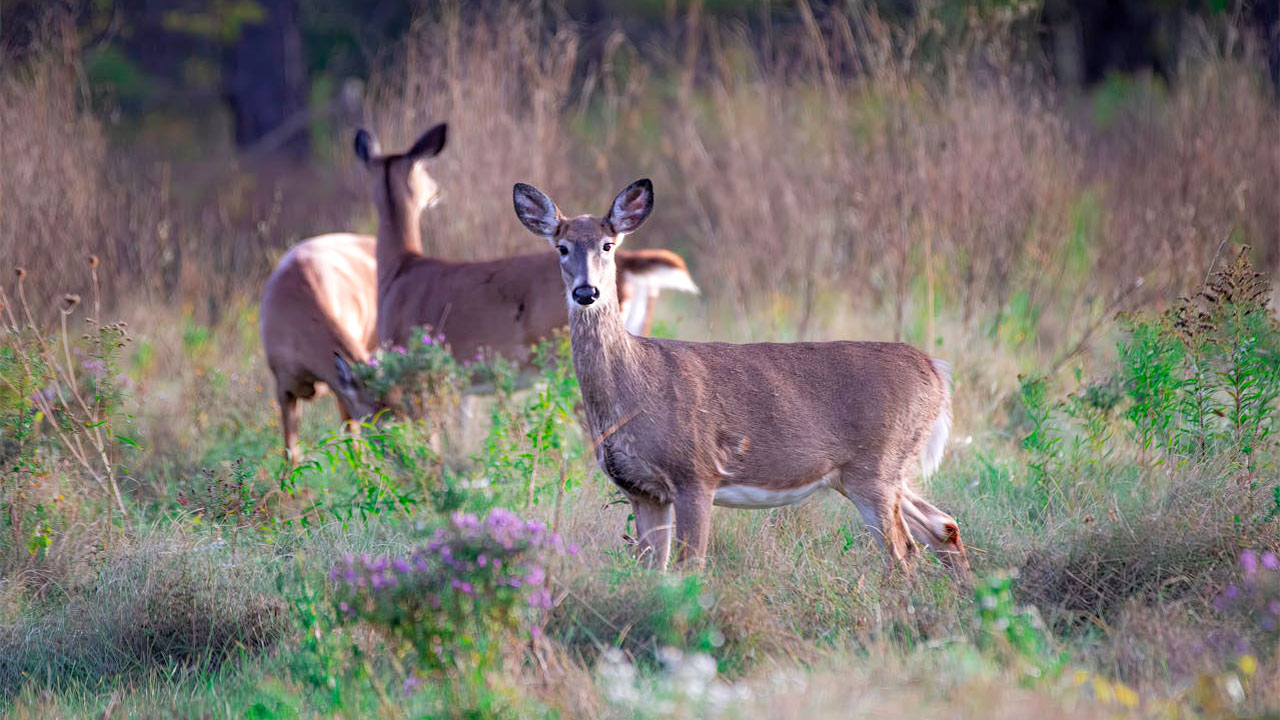
Mississippi has a strong deer culture and plenty of productive habitat, but thick cover changes the game.
Pine plantations, cutovers, swamps, and dense understory can make it difficult to see deer even when sign is everywhere. Warm weather can also reduce daytime movement during parts of the season. Hunters often need to focus on narrow travel corridors and food sources rather than simply sitting over open country. The deer density may be good, but visibility often is not.
Florida
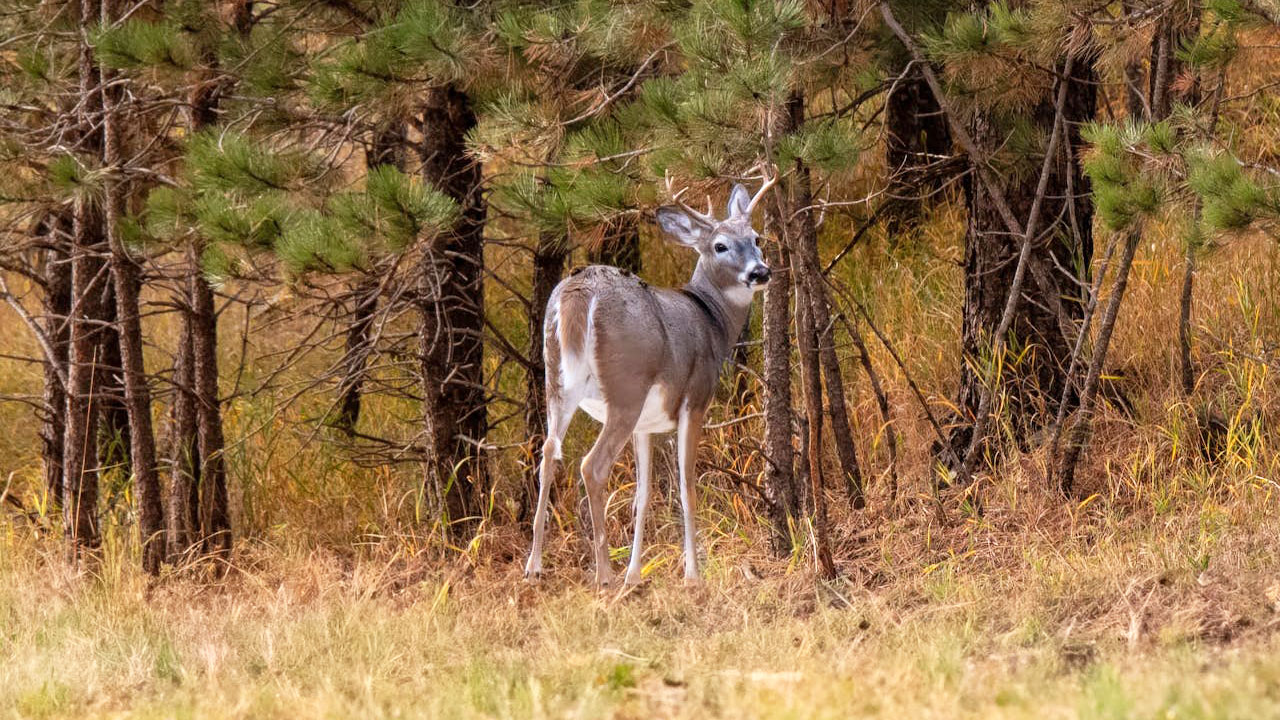
Florida deer hunting is tougher than many northern hunters expect for several reasons.
The deer are generally smaller, the vegetation can be extremely thick, and heat, humidity, mosquitoes, and water make long sits uncomfortable. In some areas, hunters deal with swamps and palmetto cover that make tracking difficult after the shot. Florida also has long stretches where deer movement can feel slow in warm weather. It is very different from sitting over a cold November cornfield.
Oregon
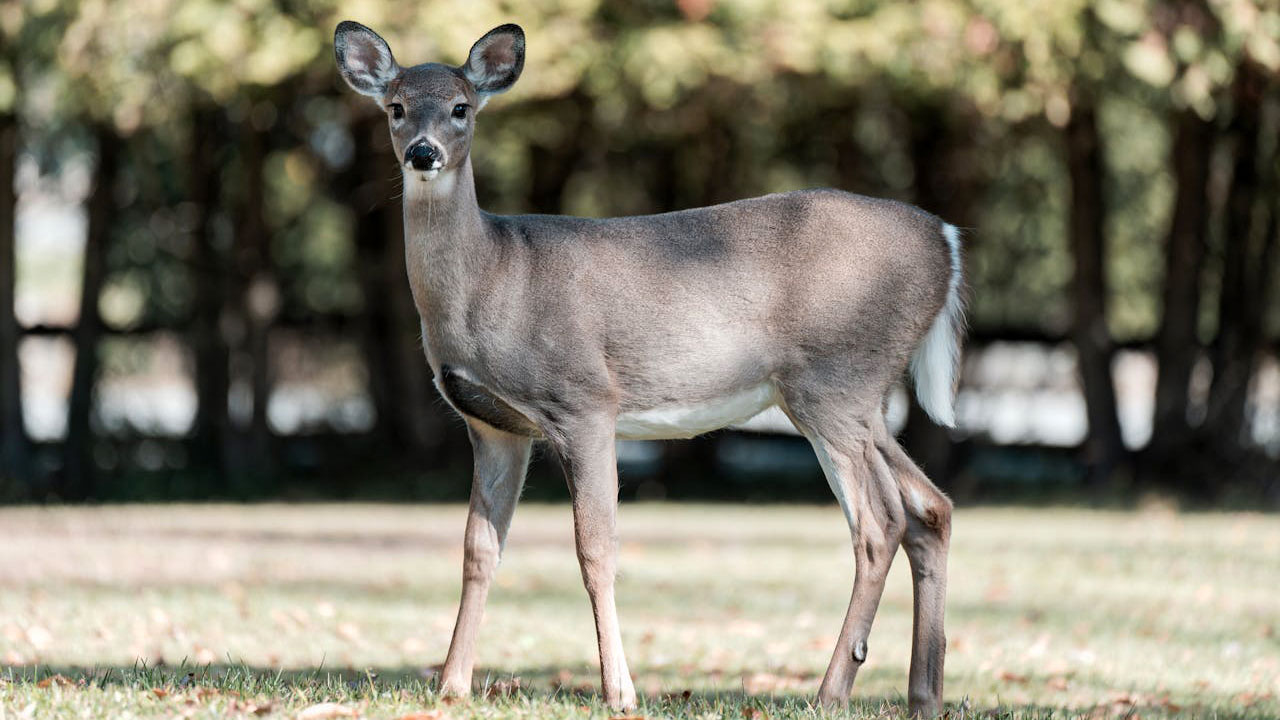
Western Oregon can be brutally difficult whitetail and blacktail country because vegetation grows thick enough to hide deer at astonishingly short distances.
Blacktails are especially good at using timber and brush to disappear. Hunters may see plenty of tracks and rubs while rarely seeing the animals themselves. Eastern portions of the state open up more, but then terrain and distance become the challenge. Oregon gives deer hunters beautiful country, but rarely easy opportunities.
Washington
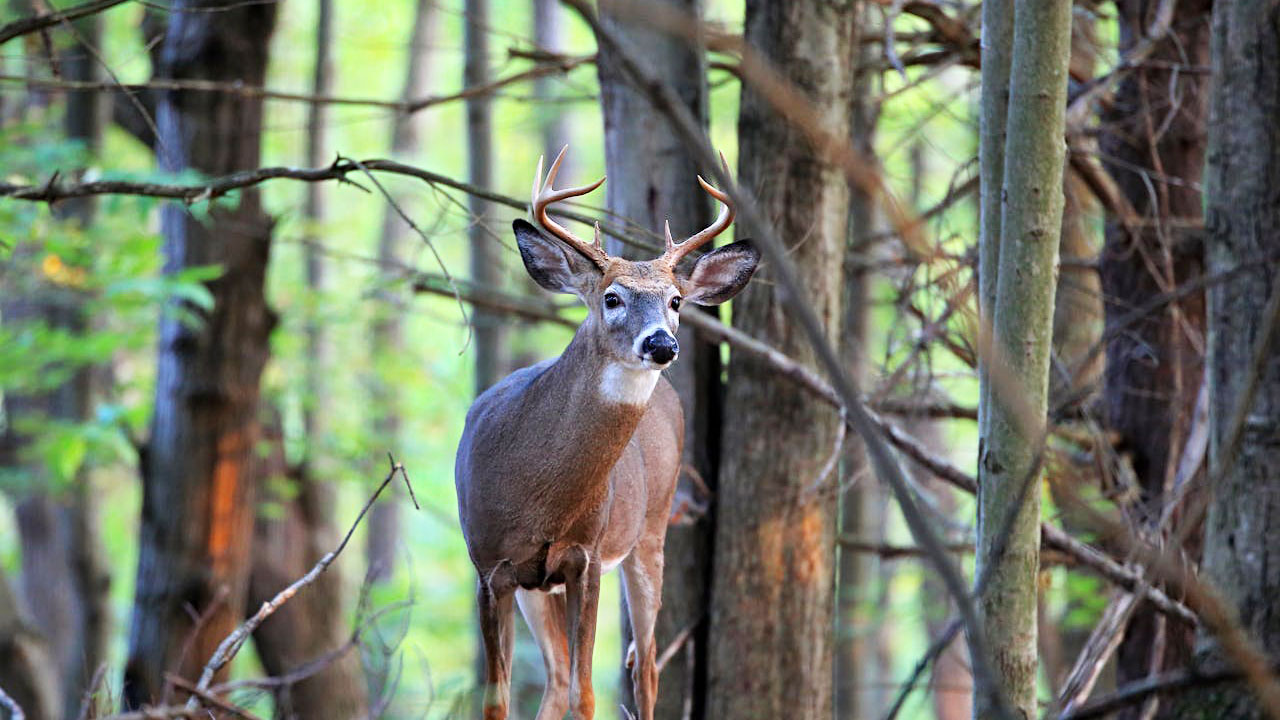
Washington hunters deal with thick timber in the west and wide-open, rugged terrain in the east.
Both create problems. Western deer can vanish into logging cuts and dense vegetation, while eastern mule deer and whitetails may require long glassing sessions and substantial hiking. Access can also change with timber-company gates and seasonal closures. The state’s variety is impressive, but every region seems to come with its own way of making hunters earn a buck.
California
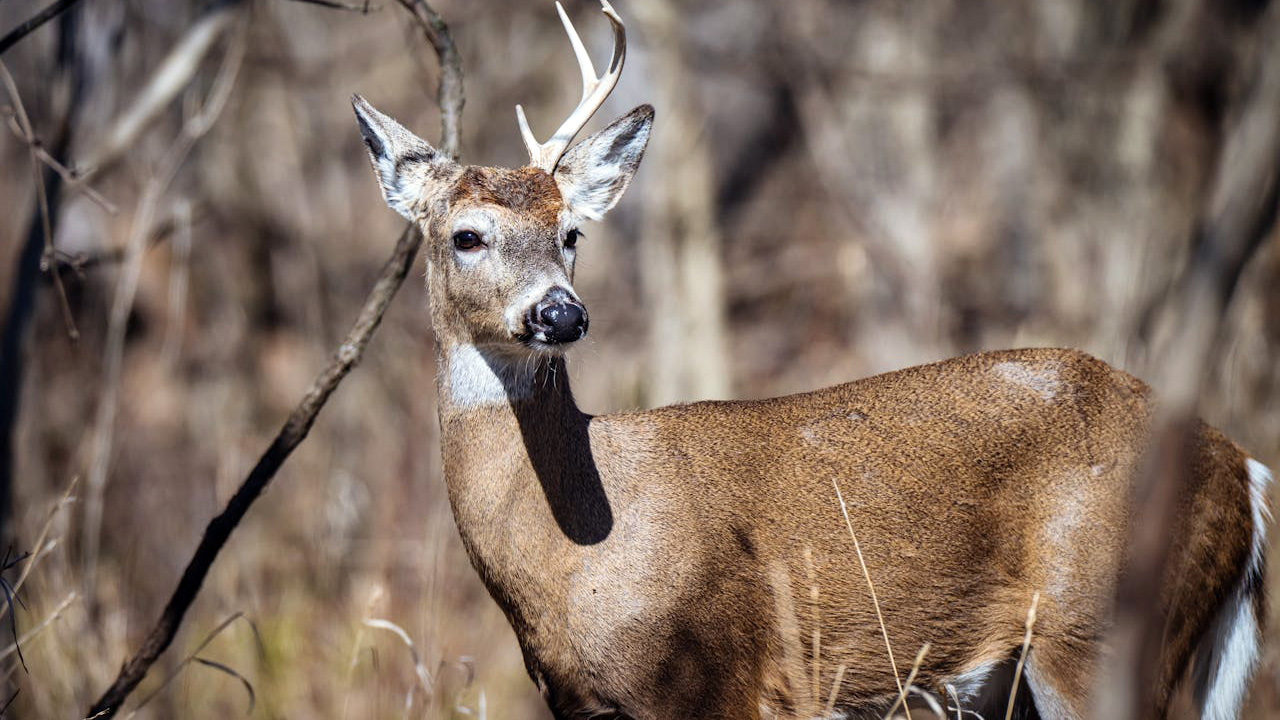
California has quality deer hunting, but the logistics can overwhelm the actual hunt.
Many desirable areas involve tags, long drives, steep country, and serious competition for accessible public land. Blacktail and mule deer also live in habitat where glassing can be difficult or where animals quickly retreat into rugged terrain. Add wildfires, drought, changing access, and huge distances between good areas, and California deer hunting can become a major commitment before the season even opens.
Colorado
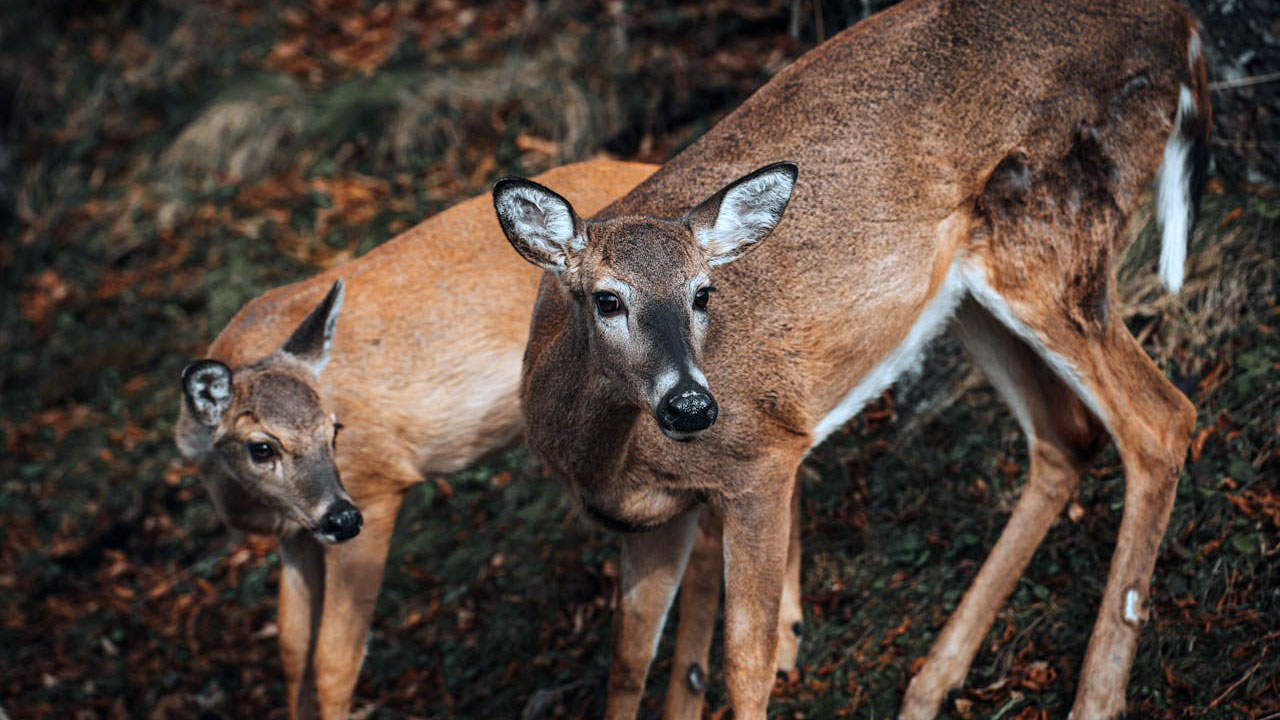
Colorado is usually associated with elk, but its deer hunting can be just as demanding.
Mule deer hunters often have to deal with elevation, huge distances, unpredictable weather, and draw systems that determine where and when they can hunt. Public land is abundant, but so are other hunters in accessible areas. A mature buck may be visible from a mile away and still require hours of climbing to reach. Colorado gives you room, but it also makes you work for every opportunity.
Like The Avid Outdoorsman’s content? Subscribe to our newsletter so you never miss an article.
Here’s more from us: