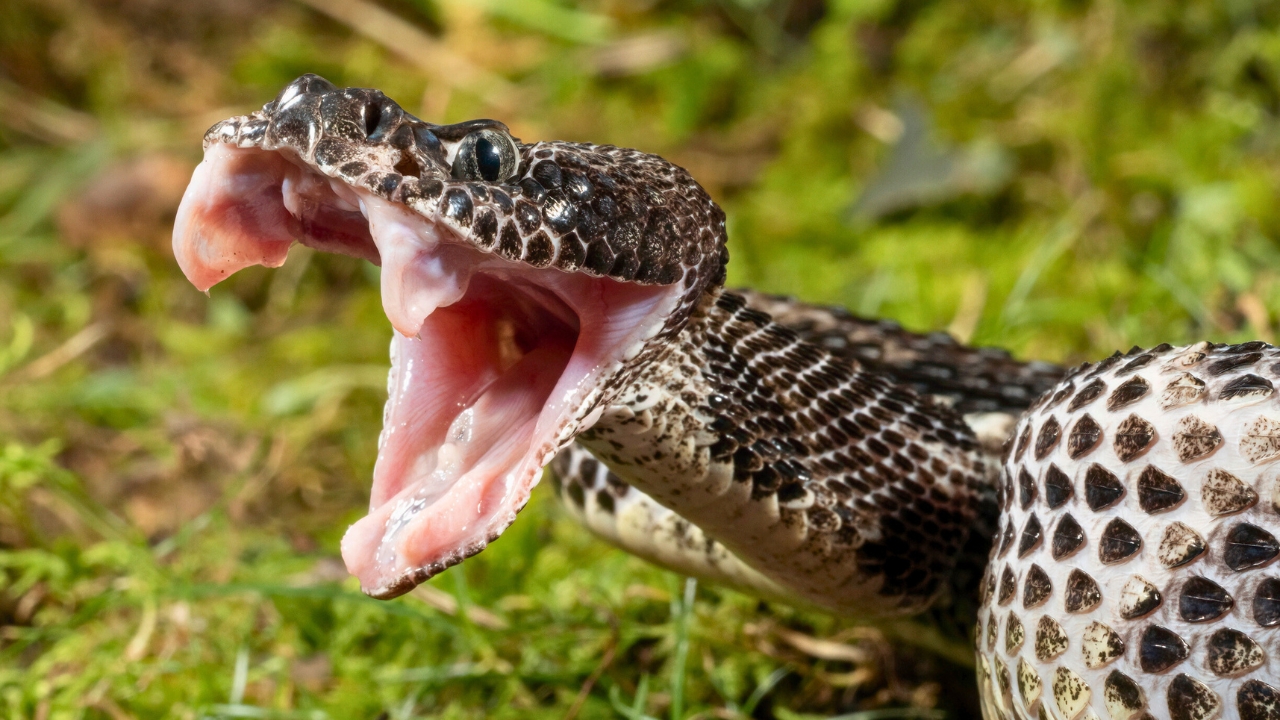
Photo credit: Joe McDonald/Shutterstock.com
Rattlesnakes are often associated with remote desert country, but plenty of encounters happen much closer to homes, hiking trails, farms, campgrounds, and suburban neighborhoods than people expect.
The reason is simple. Rattlesnakes need food, cover, and suitable temperatures, not untouched wilderness. Rock walls, brush piles, sheds, creek bottoms, vacant lots, and neighborhoods built against natural habitat can provide exactly what they need. In these 20 states, running into a rattlesnake is common enough that people spending time outdoors should pay attention to where they step and put their hands.
Arizona
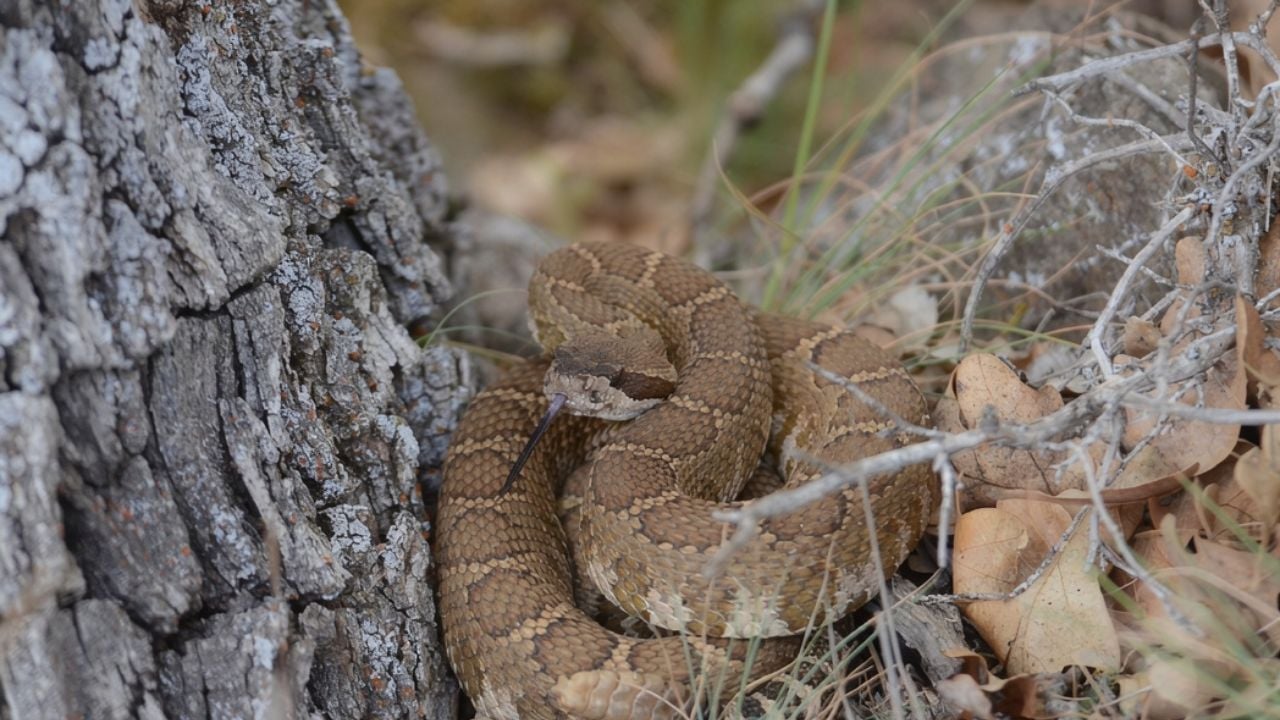
Arizona is probably the first state most people associate with rattlesnakes, and for good reason. Several species occur there, and suitable habitat extends well beyond isolated stretches of desert.
Neighborhoods around Phoenix, Tucson, and other growing communities frequently back directly into rocky desert habitat. Snakes may move through yards, garages, patios, and pool areas while searching for rodents or cooler shelter. Spring and warm evenings can produce especially frequent encounters. Living in a subdivision does not provide much separation when open desert begins behind the backyard wall.
Texas
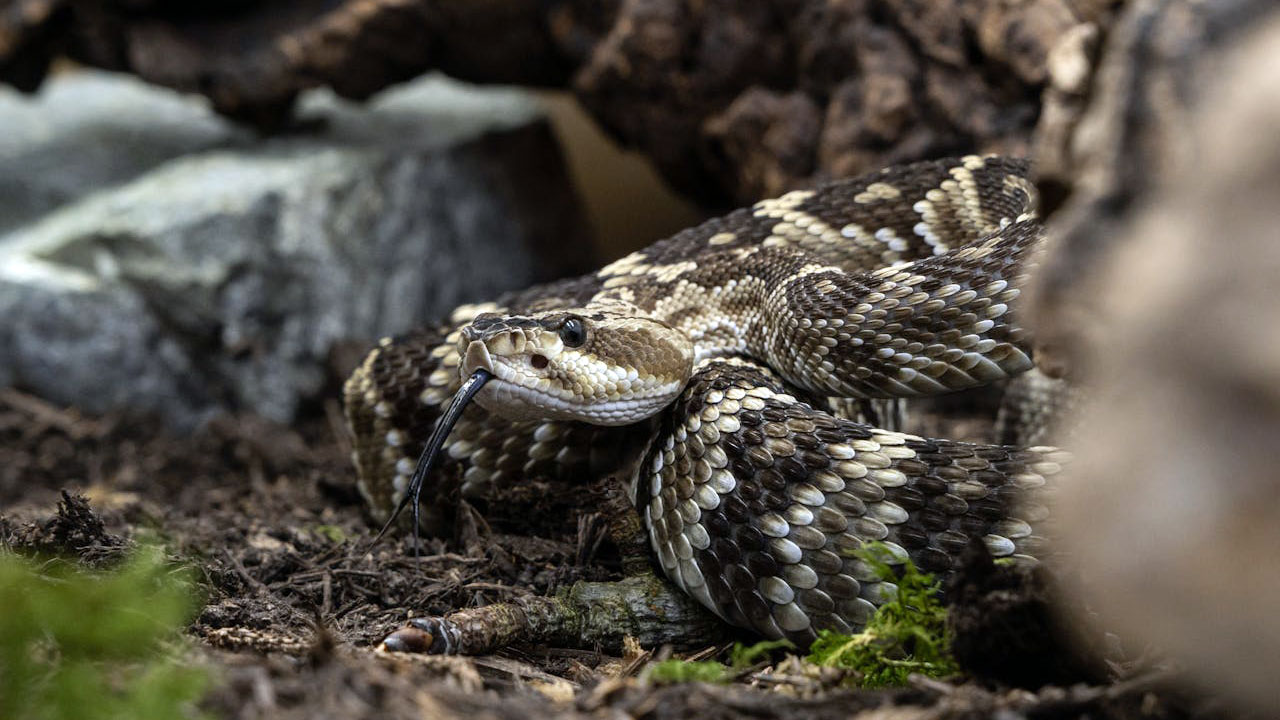
Texas has an enormous range of rattlesnake habitat, including deserts, grasslands, brush country, rocky hills, and portions of the state’s more populated regions.
Western diamondbacks are especially widespread, and people regularly encounter them around ranches, hunting properties, barns, sheds, and rural homes. Rock piles and stored equipment provide shelter while rodents provide food. A hunter stepping over a log or reaching beneath equipment may be far more likely to encounter one than someone walking through completely open ground.
New Mexico
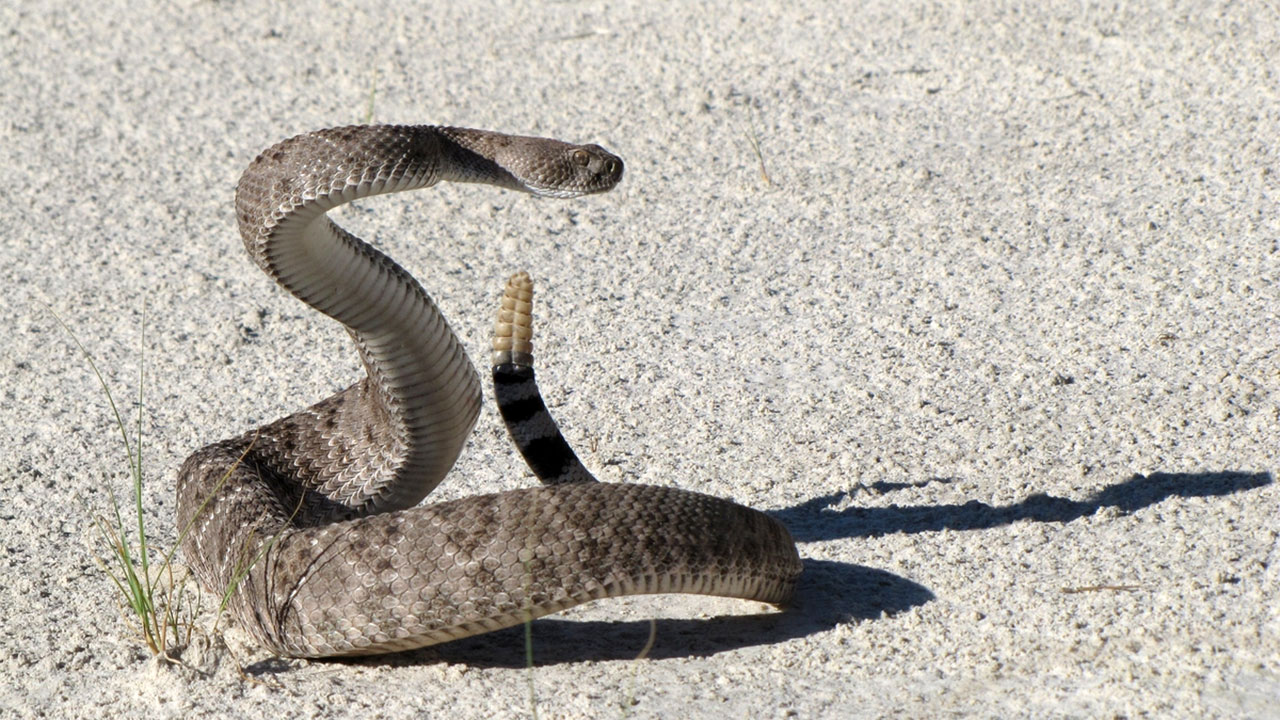
Rattlesnakes fit naturally into New Mexico’s dry landscapes, but encounters are not limited to people exploring remote desert.
Homes built along desert edges can have snakes moving through landscaping, garages, and shaded areas around structures. Rocky trails also provide perfect places for snakes to warm themselves or retreat into cracks. Anyone hiking early or late in the day can get much closer to one than expected before noticing the camouflage.
California
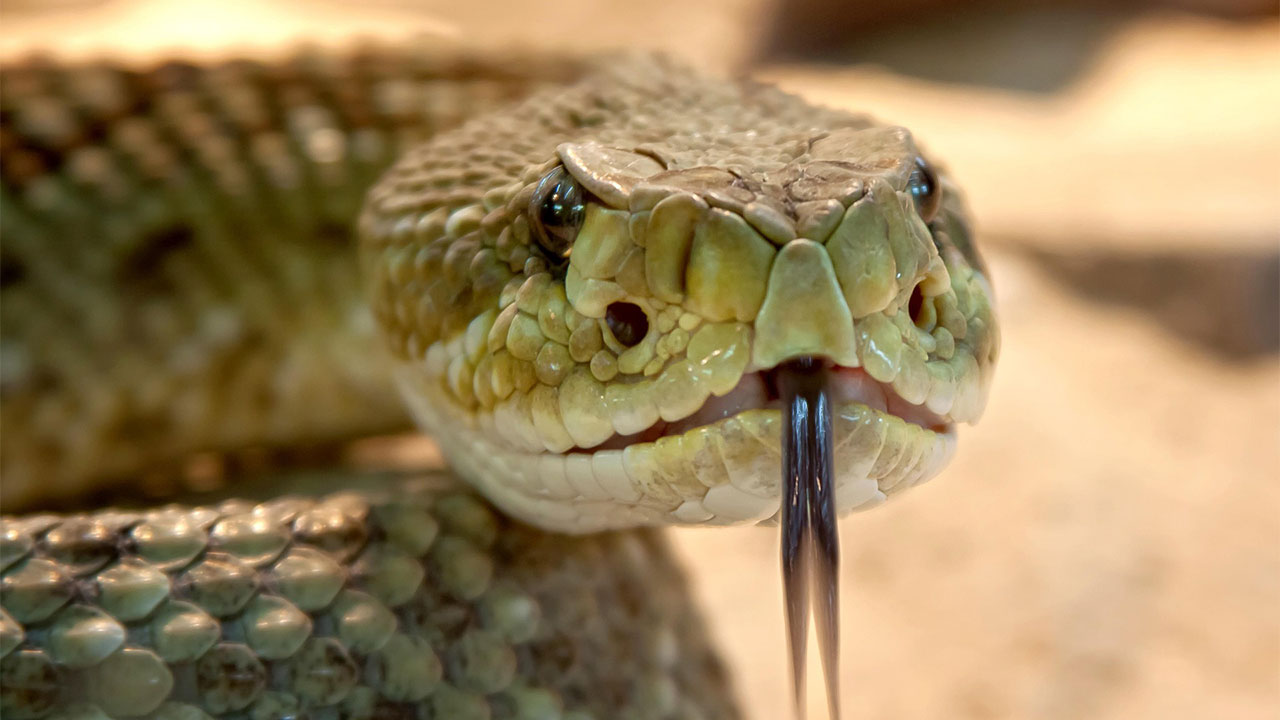
California has an impressive variety of rattlesnake habitat stretching from deserts to coastal hills and mountain foothills.
Southern California is particularly well known for encounters because huge suburban areas sit directly against brush-covered hills and canyons. Hiking trails around Los Angeles, San Diego, and other cities regularly put people in suitable snake habitat within minutes of leaving residential streets. A rattlesnake does not care whether the trail is technically inside a major metropolitan area.
Nevada
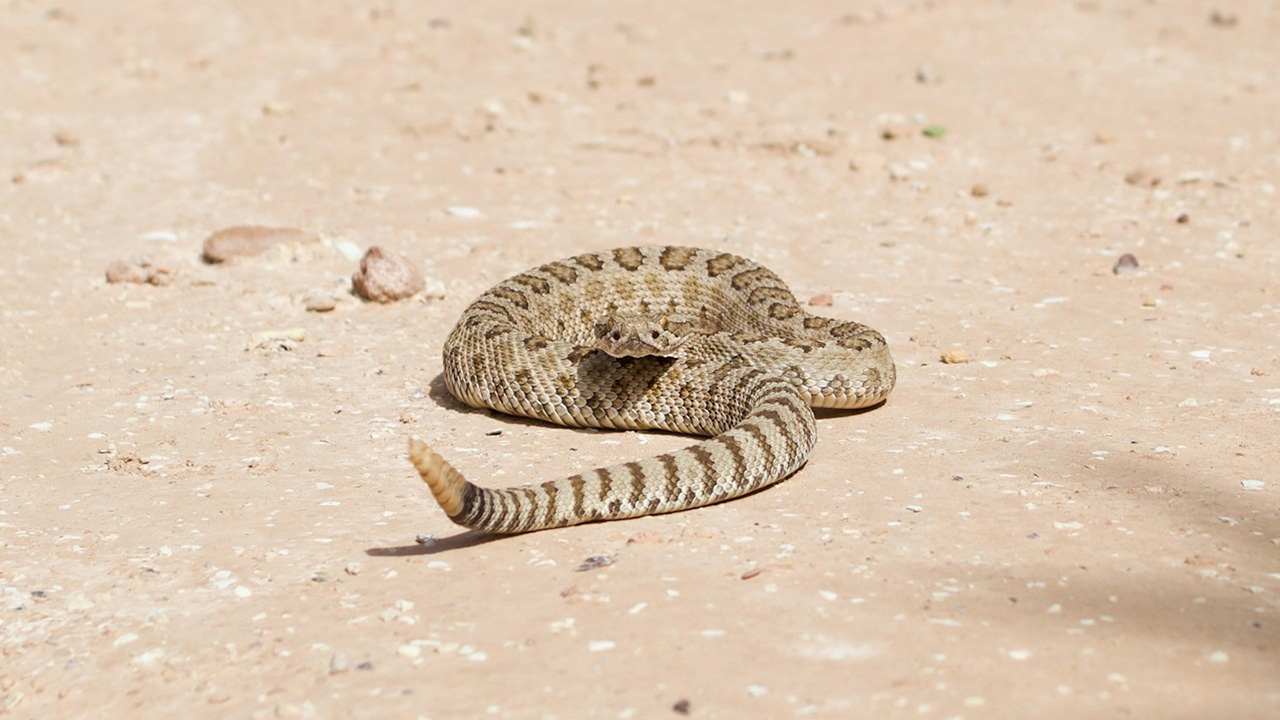
Nevada’s dry climate and rocky terrain make rattlesnake encounters unsurprising in the wilderness but more surprising around developed areas.
Las Vegas and Reno both have neighborhoods that extend into natural desert or foothill habitat. Snakes may follow rodents toward homes or take shelter beneath landscaping, equipment, and structures. Irrigation can also create pockets of vegetation and prey in otherwise dry surroundings, making developed properties unexpectedly attractive.
Oklahoma
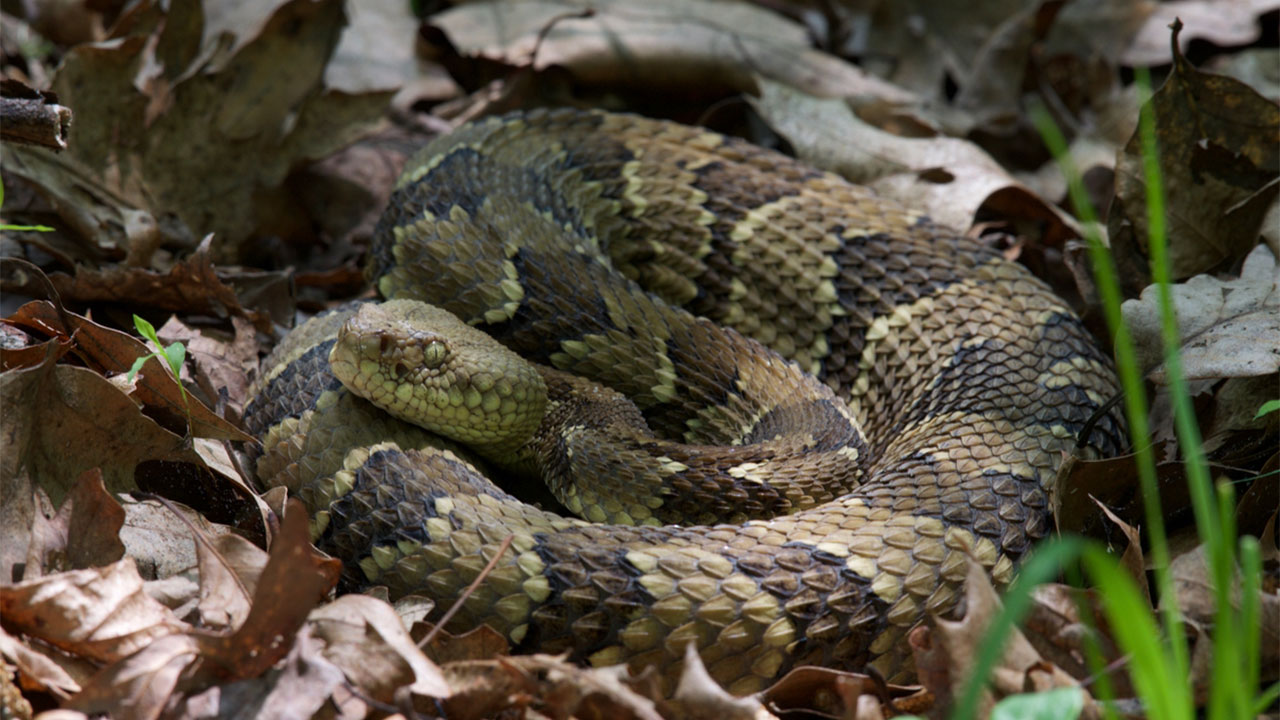
Oklahoma has more rattlesnake habitat than many people realize.
Prairies, rocky hills, woodland edges, and agricultural areas support several rattlesnake species. Rural properties can produce encounters around barns, hay, stacked lumber, and equipment where rodents gather. Hunters and hikers also need to watch rocky ledges and sunny slopes where snakes may be basking.
Kansas
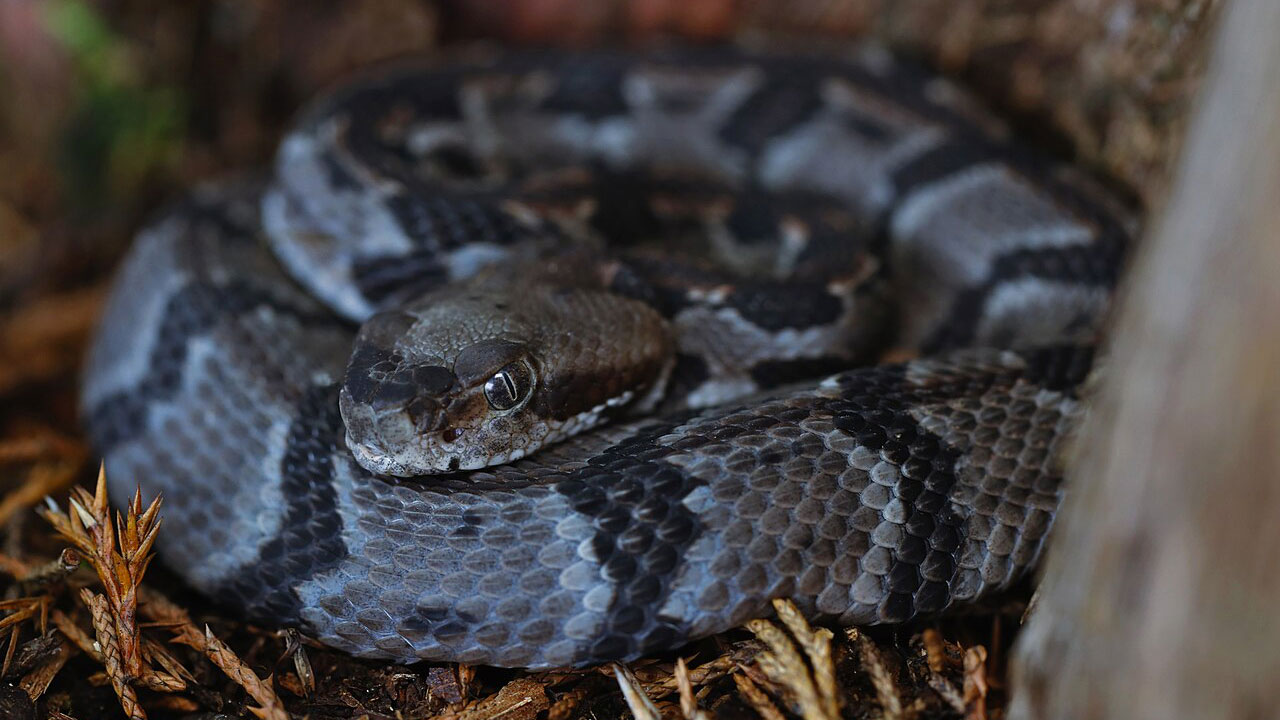
Kansas may look like endless open farmland, but rattlesnakes occupy significant portions of the state.
Rocky prairie, river corridors, and less-disturbed grasslands provide plenty of habitat. Encounters can happen around farms, old structures, hunting ground, and rural roads. Prairie rattlesnakes in western Kansas and timber rattlesnakes farther east mean different parts of the state present different risks.
Colorado

Colorado rattlesnakes surprise people because the state is so strongly associated with snowy mountains.
The eastern plains and lower foothills are a different story. Prairie rattlesnakes occur in grasslands and rocky areas, including places close to Front Range communities. Hiking trails around lower elevations can produce encounters during warm months, particularly where open grass meets rocky cover.
Utah
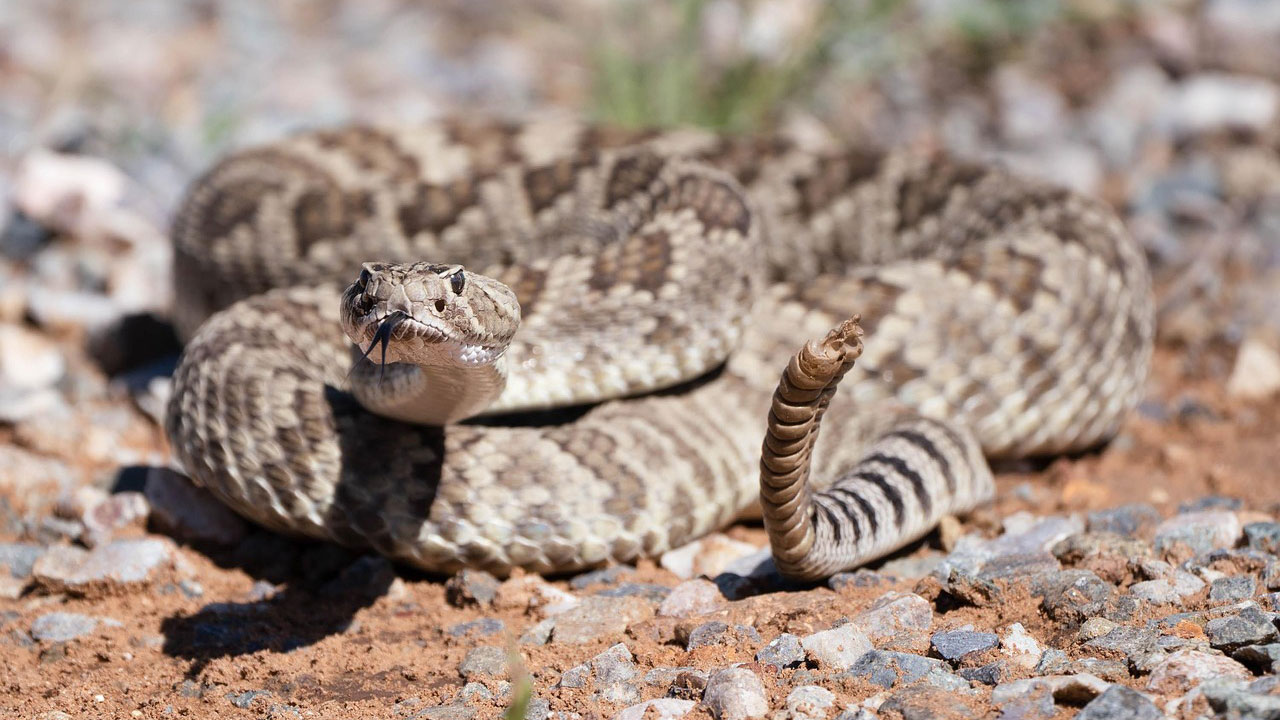
Utah combines desert, canyon, foothill, and rocky mountain habitat, all of which can support rattlesnakes in the right areas.
People hiking around Salt Lake City, St. George, and other developed regions can reach snake habitat almost immediately. Rock gardens, retaining walls, and yards bordering undeveloped land can also provide cover. The dramatic terrain makes it easy to forget that rattlesnakes may be resting just a few feet from a heavily traveled trail.
Idaho
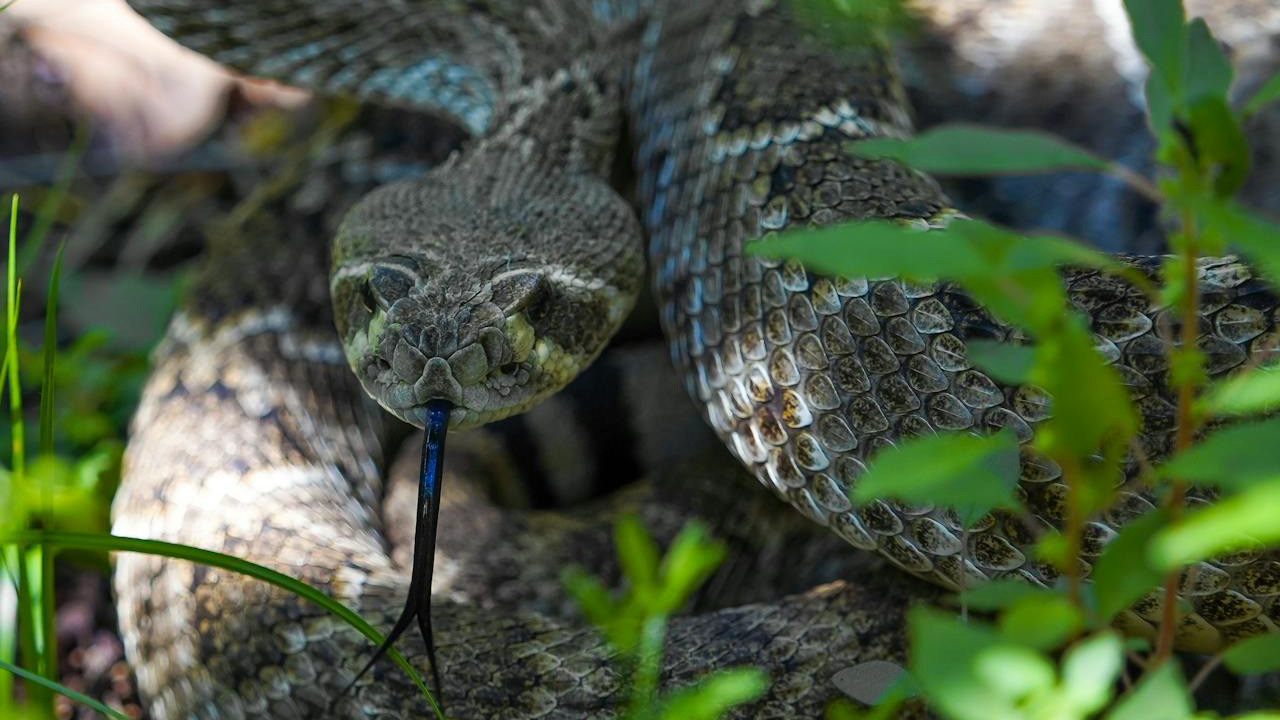
Idaho is another state people often associate more with elk and trout than venomous snakes.
Western rattlesnakes occur across substantial parts of the state, especially in drier southern regions. Rocky hillsides, river canyons, and open grasslands are prime habitat. Hunters moving through rocks or stepping around brush during warm early-season weather can encounter them surprisingly often.
Oregon

Eastern Oregon is vastly different from the rainy forests people picture when they hear the state’s name.
Dry canyons, sagebrush, rocky slopes, and grasslands provide excellent rattlesnake habitat. Western rattlesnakes can also show up near trails, ranches, and rural properties. Anyone exploring the dry side of the state should be much more snake-aware than somebody staying near the wet Pacific coast.
Washington

Washington even has rattlesnakes, though people who only know Seattle’s climate may find that surprising.
They occur primarily east of the Cascade Mountains, where the landscape becomes much drier. Rocky areas, shrub-steppe, and river valleys provide suitable habitat. Eastern Washington hikers, hunters, and property owners can encounter them around rocks, brush, and structures where rodents are active.
Montana

Montana’s rattlesnake encounters are concentrated more heavily in the warmer, drier portions of the state.
Prairie rattlesnakes occur across substantial grassland and badland country. Hunters covering ground during early fall can encounter snakes before cold weather sends them underground. Rocky coulees, prairie dog towns, and south-facing slopes deserve particular attention on warm days.
Wyoming

Wyoming’s open country makes it easy to assume you will see a rattlesnake long before getting close.
Their camouflage frequently proves otherwise. Prairie rattlesnakes blend extremely well with dry grass, dirt, and rock. Hunters, ranchers, and hikers can walk within a few feet before the snake rattles. Warm early-season hunting conditions can keep them active at exactly the time people are spending long days outdoors.
South Dakota

Western South Dakota provides excellent prairie rattlesnake habitat.
The Black Hills, badlands, rocky slopes, and surrounding grasslands can all produce encounters. Tourists visiting scenic areas may be particularly surprised because popular trails can still run directly through natural snake habitat. Ranchers and hunters are much more accustomed to checking where they step.
North Dakota

Prairie rattlesnakes occur mainly in western North Dakota, where the landscape is drier and more rugged.
Badlands, rocky areas, and grasslands give them plenty of cover. Encounters are far less of an issue in much of the eastern state, but people traveling west for hunting, hiking, or outdoor recreation can find themselves squarely in rattlesnake country.
Nebraska

Nebraska has rattlesnake habitat across portions of its western and central regions.
The Sandhills, rocky terrain, and prairie landscapes can support snakes well away from the desert settings people normally picture. Ranchers and hunters may encounter them around grass, old buildings, and sheltered areas. Warm fall days can keep snakes active surprisingly late into hunting season.
Arkansas
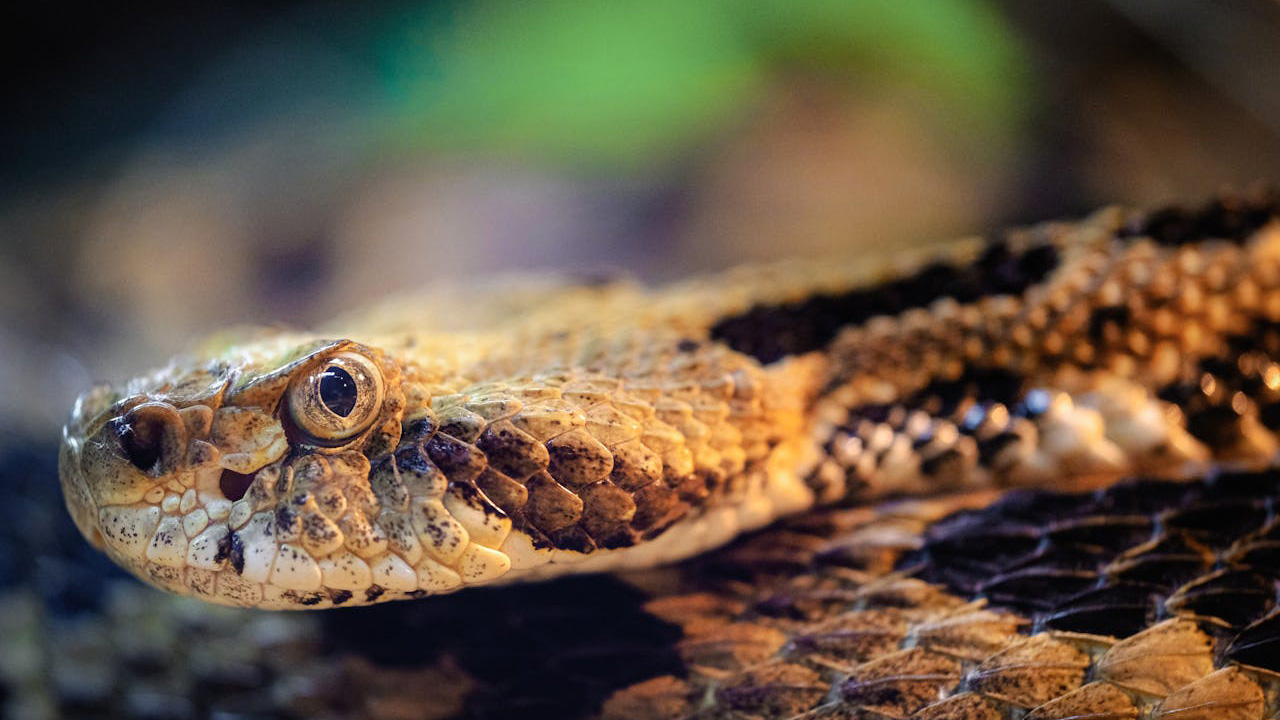
Arkansas has both timber rattlesnakes and western diamondbacks in parts of the state.
The heavily wooded Ozarks and Ouachita Mountains provide the rocky slopes and forest cover timber rattlesnakes favor. Hunters moving quietly through leaves may get closer to one than they expect because these snakes often rely heavily on camouflage. Southern and western areas can produce additional encounters depending on habitat.
Tennessee

Tennessee’s timber rattlesnakes are much better suited to forests than the stereotypical desert rattler image suggests.
Rocky wooded hillsides, ridges, and mountain areas can provide excellent habitat. They can occasionally occur surprisingly close to rural homes when suitable woods remain nearby. Hikers and hunters are more likely to encounter them around rocky slopes, fallen timber, and areas where thick leaves make the snakes difficult to see.
Pennsylvania

Pennsylvania may be one of the most surprising states on the list because rattlesnakes are not usually associated with the Northeast.
Timber rattlesnakes occur in rocky forested regions, particularly around ridges and mountains. Hikers can encounter them basking on rocks or crossing trails during warm weather. Hunters moving through remote mountain terrain may also stumble across them. The thick forests make Pennsylvania rattlesnake country look nothing like Arizona, but the snakes are there all the same.
Like The Avid Outdoorsman’s content? Subscribe to our newsletter so you never miss an article.
Here’s more from us: