Photo credit: Military Arms Channel/YouTube
Plenty of firearms look better before money changes hands. A model has a strong name, a cool feature, a low price, a big reputation, or a story that makes it sound like a smart buy. Then the owner actually shoots it, carries it, hunts with it, or tries to live with it, and the excitement starts falling apart.
That does not mean every gun here is useless. Some examples work fine, and some owners genuinely like them. But these are the firearms that often leave buyers thinking they should have bought something simpler, better proven, easier to shoot, or more honest about what it really offers.
Remington 770
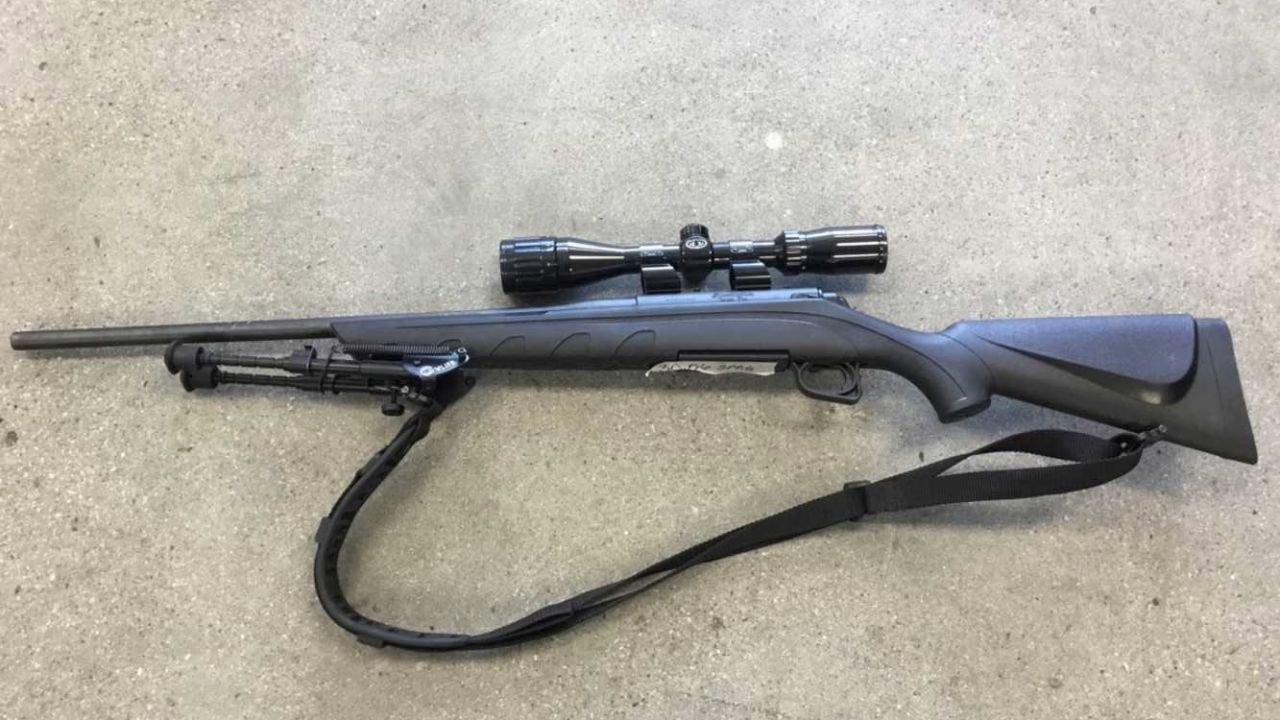
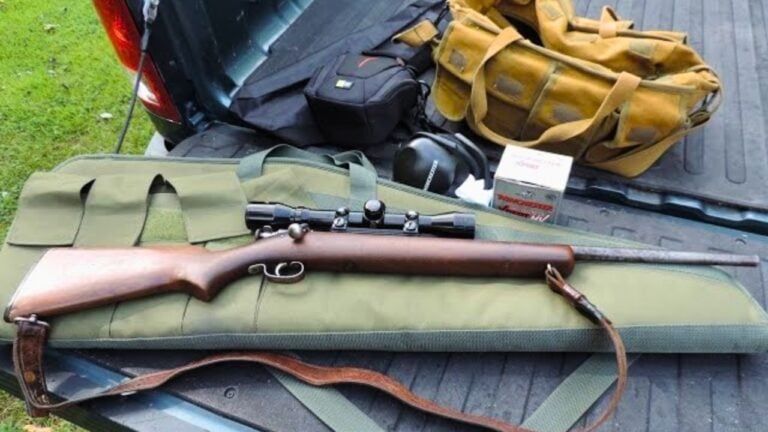
The Remington 770 has caused a lot of buyer regret because it looked like an easy way to get into a scoped hunting rifle without spending much. That package price made sense to new hunters who wanted one box and one solution.
After real use, the weak points became harder to ignore. The bolt can feel rough, the stock feels cheap, and the overall rifle rarely inspires confidence. Even if one shoots well enough, it often feels like a temporary rifle. Most buyers would have been better off saving for a used Model 700, Savage 110, or Ruger American.
Taurus Curve

The Taurus Curve looked interesting because it was different. The curved frame, pocket-carry idea, and built-in light and laser made it seem like a clever answer to concealed carry. At first glance, it felt like Taurus was trying something nobody else was doing.
Trying it out was where the concept struggled. The odd shape, lack of traditional sights, and strange handling made many shooters realize different does not always mean better. A carry gun needs to feel natural under stress. The Curve felt more like an experiment than a pistol you would trust every day.
Remington R51

The Remington R51 had enough promise to get people genuinely excited. It was slim, had a low-bore feel, and carried a historic name that made shooters hope Remington had brought back something smart for concealed carry.
Then the early reliability problems damaged its reputation badly. A defensive pistol cannot ask buyers for patience right out of the gate. Even after later improvements, many shooters never got past the first wave of complaints. The R51 became one of those guns people wished they had watched from a distance before buying.
Kimber Solo

The Kimber Solo looked like a premium little carry pistol. It had clean styling, a respected name, and the kind of compact size that made it easy to imagine as a classy defensive gun. That made the disappointment sharper when real use did not match the image.
Small carry pistols have to run, and the Solo’s reputation for being picky hurt it badly. Ammo sensitivity and reliability concerns are hard to forgive in a gun meant for defense. Buyers who expected refined confidence sometimes ended up with a pistol that felt too particular for serious trust.
Mossberg 4×4
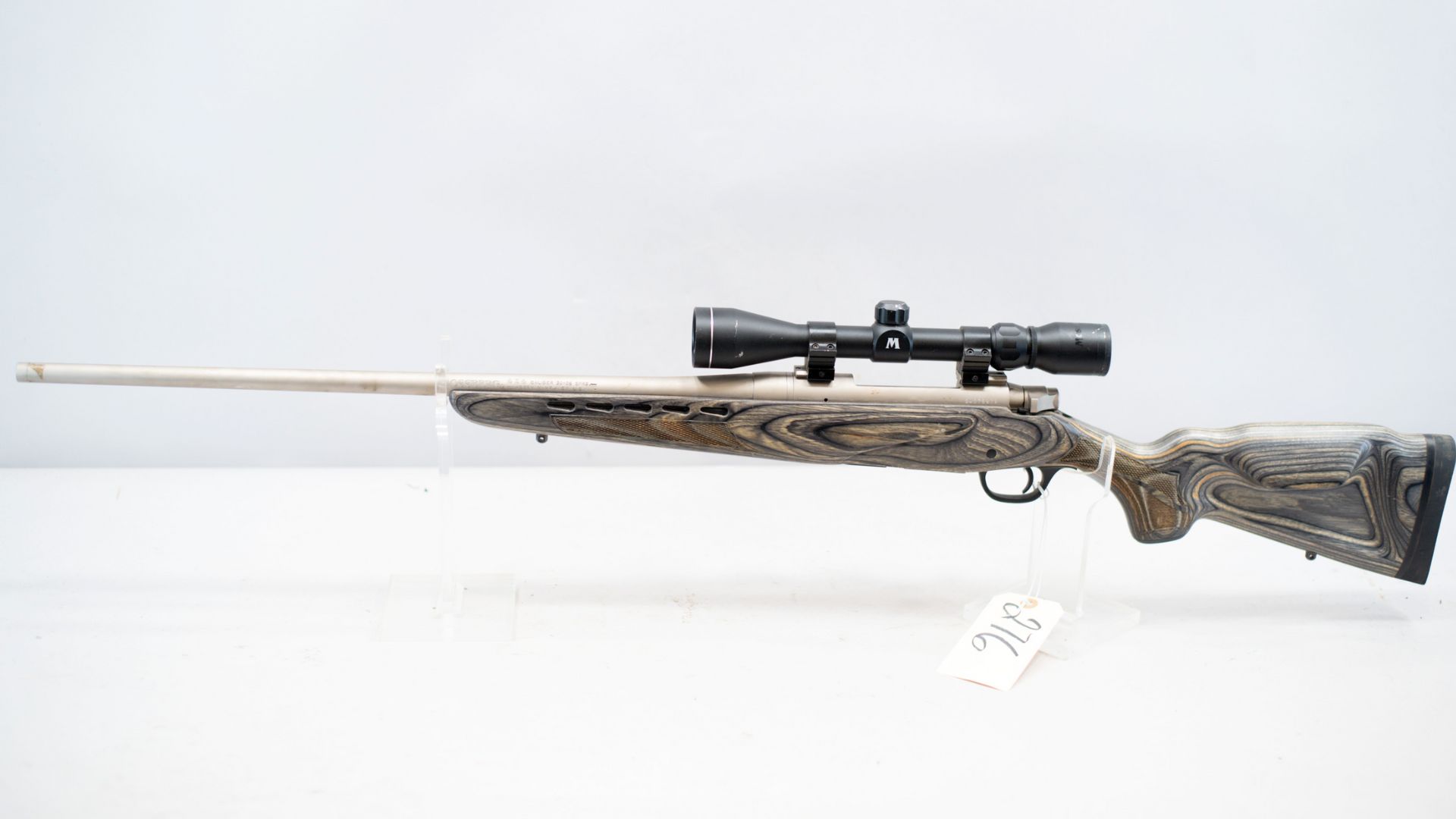
The Mossberg 4×4 had features that sounded useful, but many hunters found the rifle awkward once the novelty wore off. The styling was polarizing, the handling could feel bulky, and the overall package never built the kind of trust stronger hunting rifles earn over time.
A rifle can survive looking unusual if it shoots, carries, and feeds in a way that makes owners loyal. The 4×4 never made that case strongly enough. Many buyers realized they would rather have a plain rifle that handled better than a rifle trying too hard to stand out.
SIG Sauer P365 SAS

The SIG Sauer P365 SAS seemed like a smart deep-carry solution. A smooth, snag-free pistol with flush sights made sense on paper, especially built around the already-successful P365 platform. It looked like a refined carry option.
Then many shooters tried the sighting system under speed and changed their minds. The SAS sights can be harder to pick up than conventional sights, especially for people used to normal defensive pistol work. A carry gun should make aiming easier, not more confusing. Plenty of buyers wished they had bought the regular P365 instead.
KelTec KSG
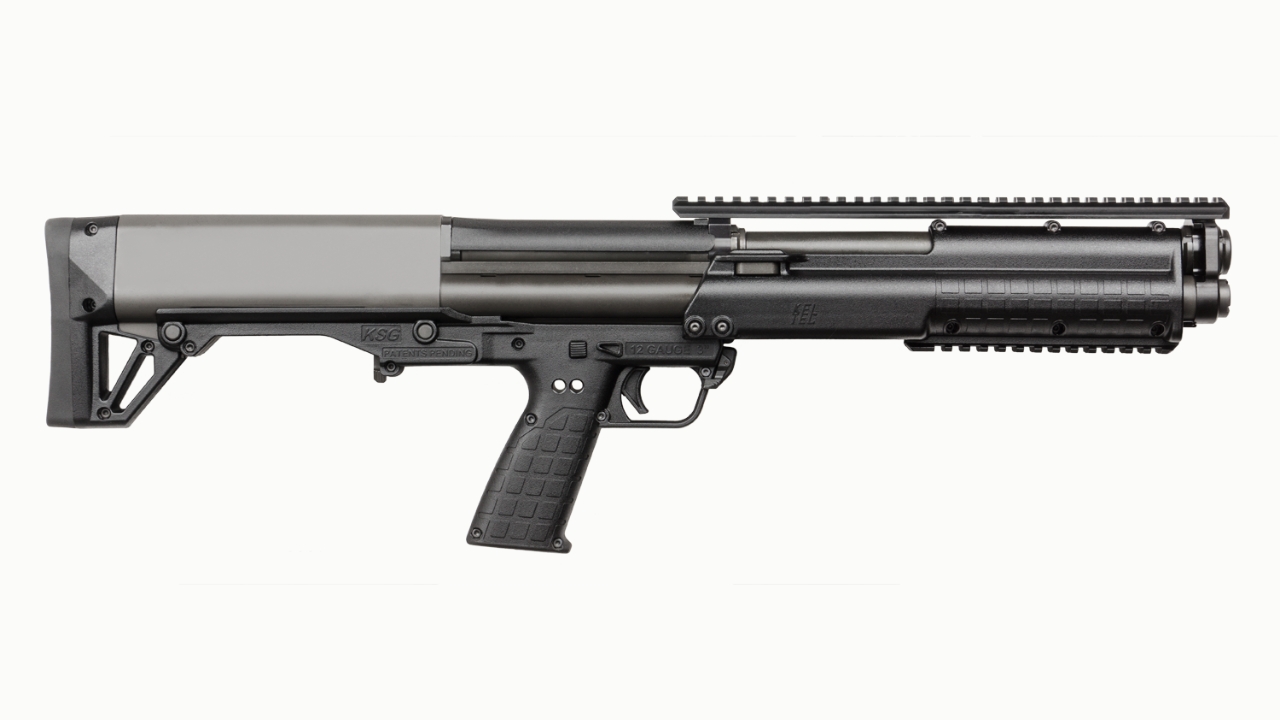
The KelTec KSG sells the imagination before anything else. A compact bullpup shotgun with dual magazine tubes and high capacity sounds like the answer to a problem many shooters did not even know they had. It looks futuristic and feels exciting at the counter.
Real use can be less charming. The manual of arms is different, recoil can be sharp, and running the gun smoothly takes more commitment than buyers expect. A simple Mossberg 500, Remington 870, or good semi-auto may serve most people better. The KSG is interesting, but not always satisfying.
Desert Eagle .50 AE

The Desert Eagle .50 AE is one of those guns people want because they have already seen it in movies, games, and internet clips. It feels legendary before you ever touch one. That is powerful marketing without needing a commercial.
Then you shoot it and remember that practical handguns are practical for a reason. The Desert Eagle is massive, expensive to feed, heavy to handle, and tiring after the novelty fades. It is fun for a few rounds and impressive to show friends. For many buyers, that is not enough to justify owning one.
Thompson/Center Compass
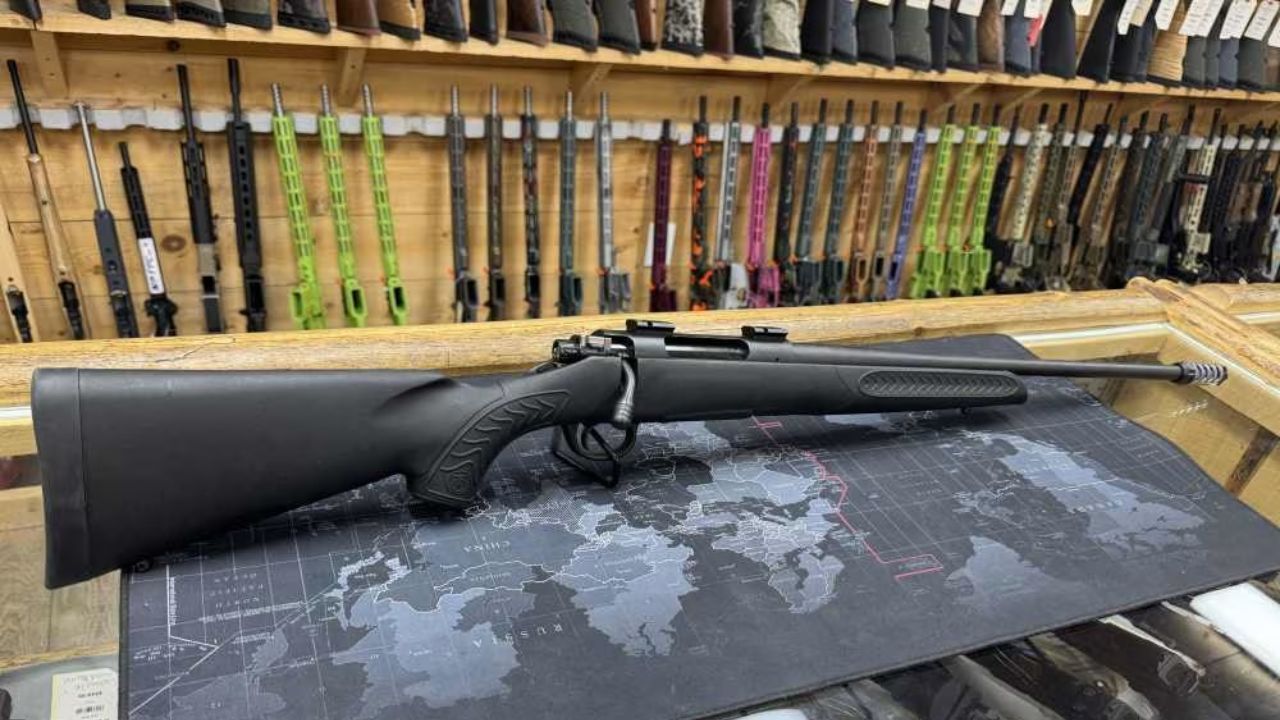
The Thompson/Center Compass appealed to hunters because it was affordable and often talked up for accuracy. That is a strong combination, especially for someone trying to get a deer rifle without spending much.
The trouble is that accuracy alone does not make a rifle satisfying. The stock, magazine feel, bolt operation, and general handling can leave some owners unimpressed after a season. If a rifle feels cheap every time you carry or load it, the savings start losing their shine. Many buyers eventually look for something that feels better built.
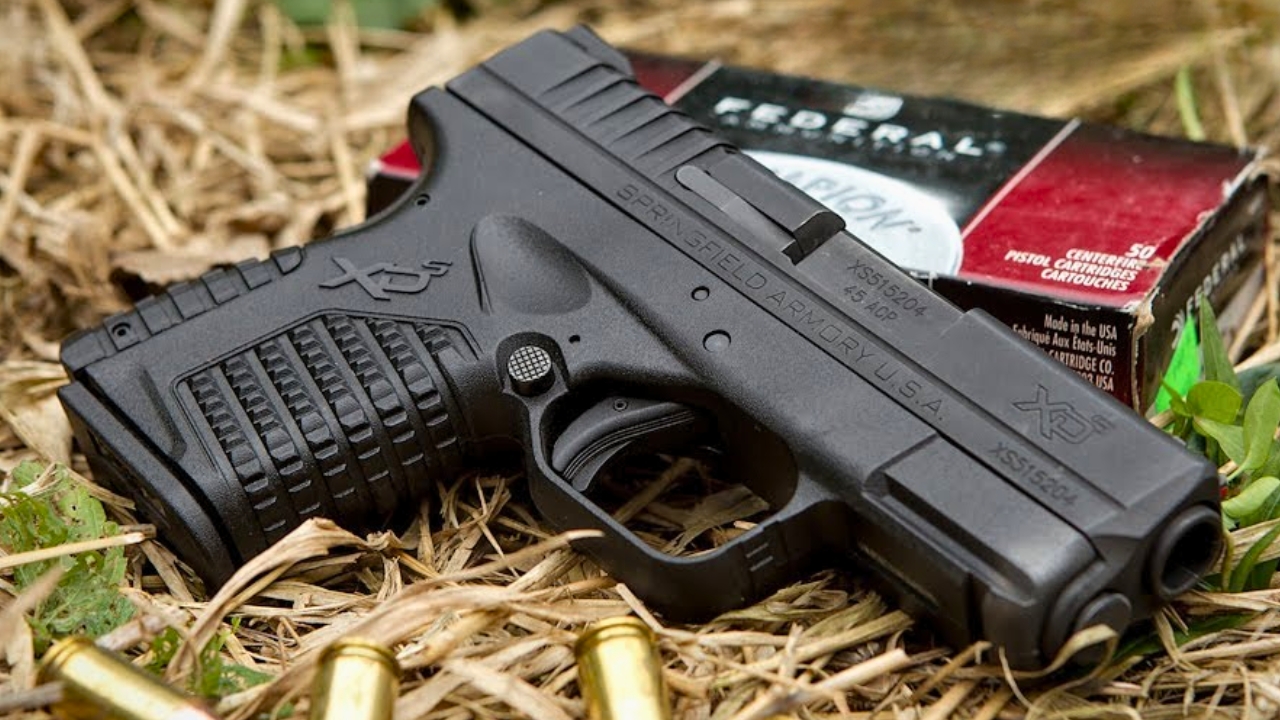
Springfield Armory XD-S .45 ACP

The Springfield XD-S in .45 ACP sounded great to people who wanted big-bore power in a slim carry gun. On paper, it gave buyers a serious cartridge in a pistol small enough to conceal easily. That was a tempting pitch.
At the range, reality often felt sharper. Small .45 pistols are not easy to shoot quickly, and the limited capacity makes the tradeoff harder to defend now. Some owners liked it, but others found themselves carrying something softer, faster, and easier to practice with. Power does not help much if you hate training with the gun.
Remington 710
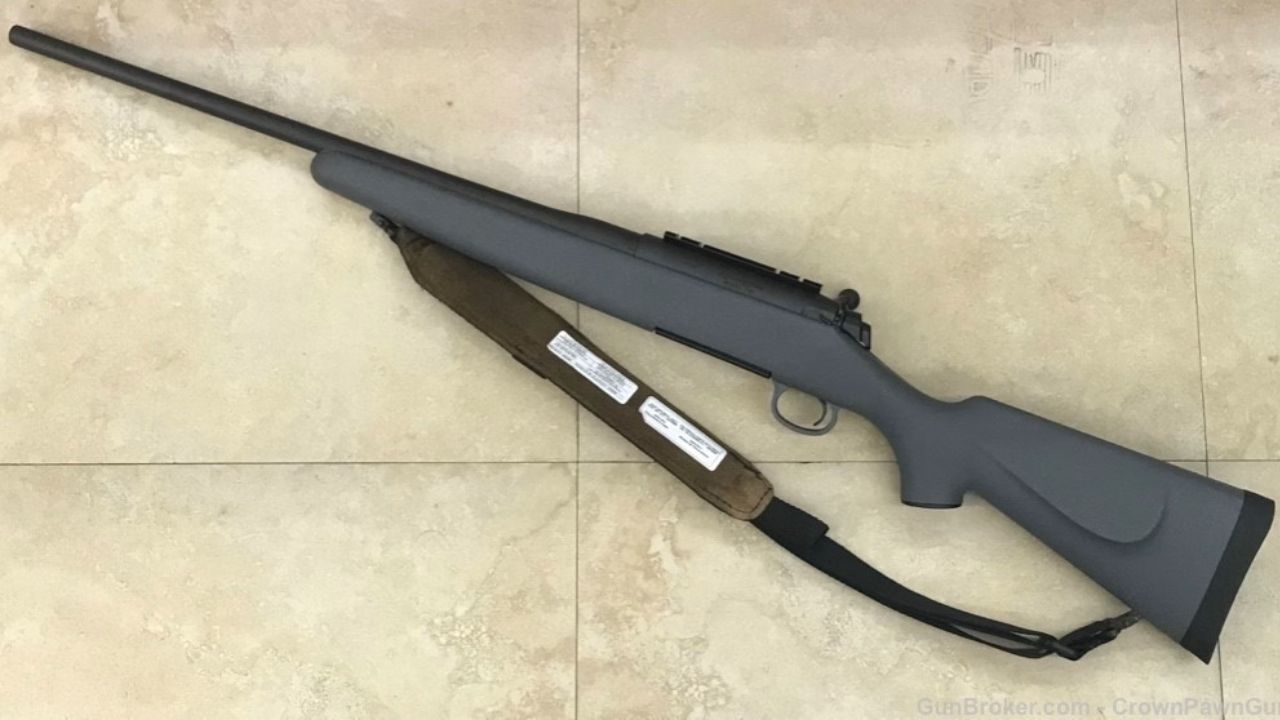
The Remington 710 looked attractive for the same reason the 770 did: low price, hunting package, and a familiar brand name. For a new hunter, it seemed like a simple way to get ready for deer season.
After trying one, many buyers learned why price-point rifles can be risky. The action, stock, trigger, and overall feel made it hard to get excited about long-term ownership. It could kill deer, but that is a low bar. A rifle you regret every time you cycle the bolt is not much of a bargain.
Walther CCP
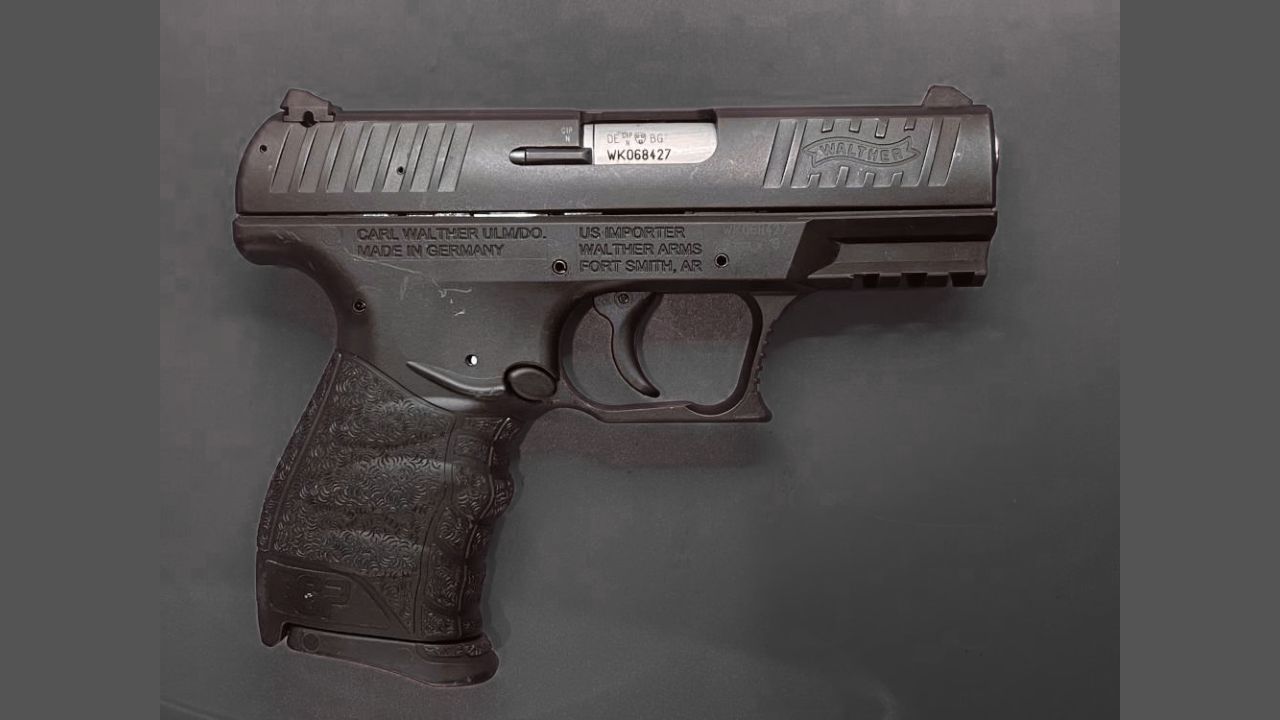
The Walther CCP had a good idea behind it. A softer-shooting compact pistol with an easier-to-rack slide could help shooters who struggle with recoil or stiff springs. That made it appealing to a real group of buyers.
The problem was that ownership did not always feel as easy as the sales pitch. Early takedown complaints, heat concerns, and mixed confidence compared with simpler pistols cooled the excitement. A carry pistol needs to feel straightforward. For many shooters, the CCP required too much explanation when other compact guns were easier to trust.
Benelli R1

The Benelli R1 sounds like a dream rifle for hunters who want quick follow-up shots and modern semi-auto styling. It is sleek, expensive, and tied to a company with a strong shotgun reputation, so buyers naturally expect a lot.
Some owners end up wondering whether the money would have been better spent on a top-tier bolt gun and better scope. Semi-auto hunting rifles bring more complexity, and if accuracy or load preference is not exactly what you want, disappointment shows up fast. The R1 is not bad, but it can feel like too much money for too little gain.
Chiappa Rhino
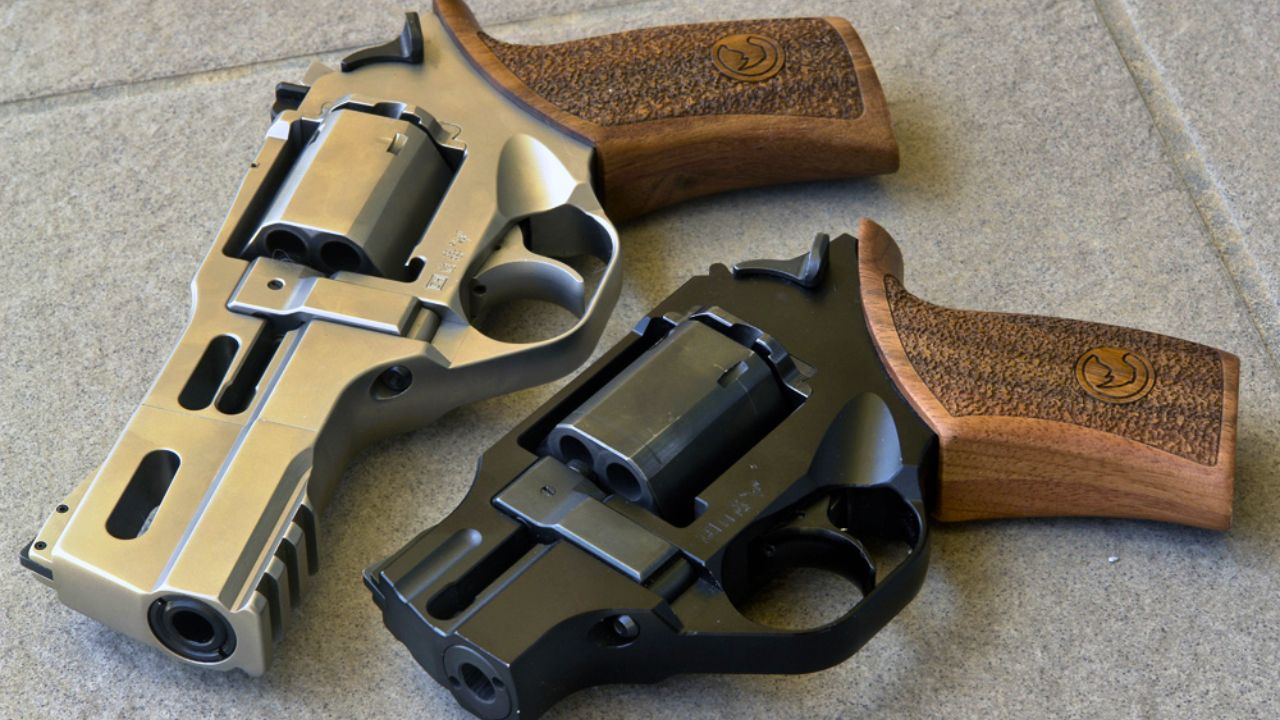
The Chiappa Rhino gets attention immediately because it does not look like a normal revolver. The low-bore design is genuinely interesting, and the recoil feel can be different in a good way. That novelty brings people in fast.
Trying one can also expose the downside. The controls are unusual, the looks are polarizing, holster choices are more limited, and not everyone loves the trigger feel. Some shooters admire the engineering more than they enjoy owning the gun. The Rhino can be clever and still leave buyers wishing they had chosen something more traditional.
Kimber Micro 9
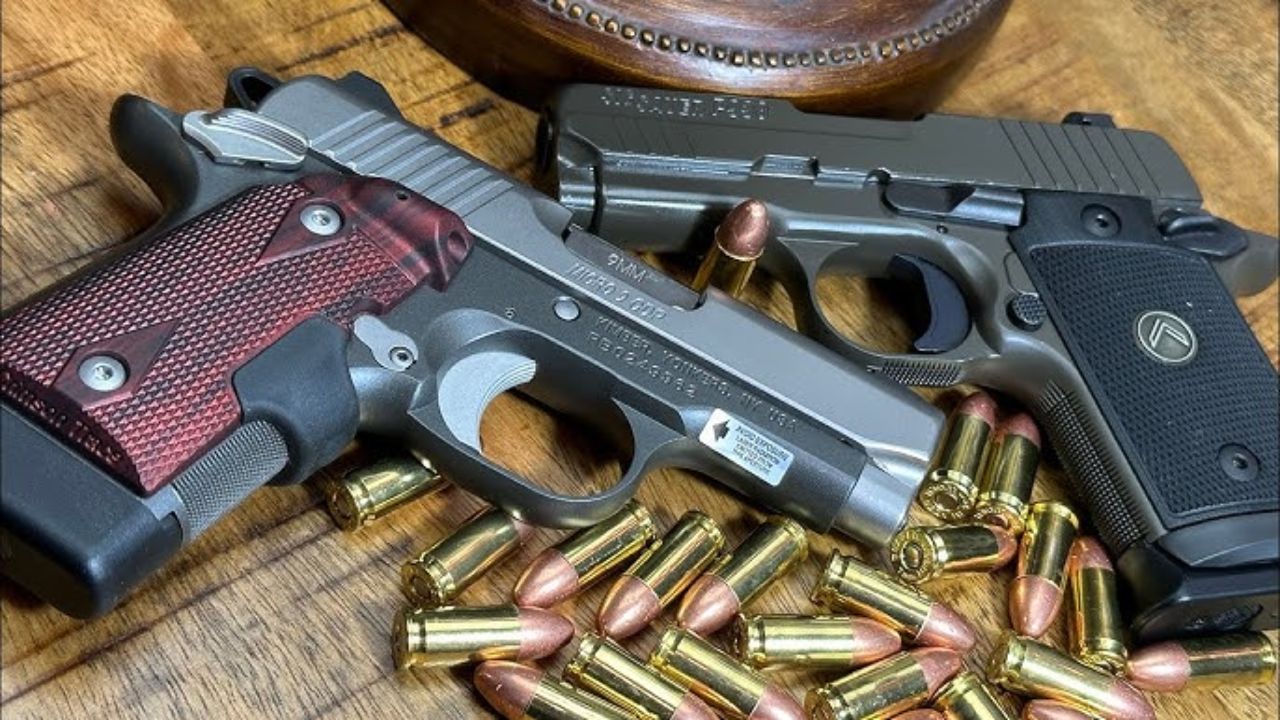
The Kimber Micro 9 has strong counter appeal. It is small, attractive, and carries 1911-inspired styling that makes it feel more refined than a lot of polymer pocket pistols. That first impression sells the dream well.
Real use can be less romantic. Tiny pistols are harder to shoot well, and small 1911-style carry guns need careful testing with magazines and defensive ammo. Some run fine, but others do not give owners the confidence they expected for the money. A boring compact 9mm often ends up being easier to trust.
Like The Avid Outdoorsman’s content? Be sure to follow us.
Here’s more from us: