Photo credit: TGS Outdoors/Youtube
Some firearms become popular for a few years and disappear when the next model arrives. Others outgrow their original purpose and become part of history. Their names remain familiar even to people who have never owned one, and their designs continue influencing new guns long after production changes or military service ends.
A legendary firearm does not have to be perfect. Many of these guns are heavy, outdated, expensive, or surpassed by newer designs. What separates them is the impact they made. They armed soldiers, fed families, protected homes, won competitions, or became trusted companions across generations. These 22 firearms earned reputations that are unlikely to disappear.
Colt Single Action Army

The Colt Single Action Army became one of the defining firearms of the American West. Introduced in the 1870s, it combined a strong solid-frame design with metallic cartridges and a simple single-action mechanism. Soldiers, lawmen, ranchers, outlaws, and ordinary settlers all carried versions of the revolver.
Its cultural impact eventually became as important as its practical history. Western films, television shows, novels, and collectors turned the Single Action Army into the image many people picture when they hear the word revolver. Modern handguns offer faster loading and greater capacity, but none have replaced its visual appeal or historical importance. Colt still produces versions of the gun, while numerous manufacturers build reproductions for competition and recreational shooting. Few firearms are as closely connected to an entire era.
Winchester Model 1873

The Winchester Model 1873 earned the nickname “The Gun That Won the West,” and while that phrase simplifies history, the rifle’s influence is undeniable. Its lever action allowed shooters to fire multiple rounds far faster than most single-shot rifles of the time, while common chamberings could be shared with compatible revolvers.
The rifle became popular with ranchers, settlers, lawmen, and hunters who valued speed and portability. Its toggle-link action was not designed for the most powerful cartridges, but it worked well with the ammunition available during its era. The Model 1873 later became a favorite in cowboy-action competition because of its smooth operation and traditional appearance. Modern reproductions remain popular, proving that the design still offers more than historical value.
Winchester Model 1894

The Winchester Model 1894 became one of the most successful hunting rifles ever produced. Its compact receiver, fast lever action, and association with the .30-30 Winchester cartridge made it especially effective in wooded country where shots were often taken at moderate distances.
Generations of deer hunters carried Model 94 rifles through thick brush, across farms, and into mountain timber. The rifle was light enough to carry all day and fast enough for quick follow-up shots. It was never intended to be a benchrest rifle or long-range specialist. Its strength was how naturally it handled in the field. Even as bolt-action rifles and modern semi-automatics became more common, the Model 94 remained a symbol of practical American hunting.
Marlin Model 336

The Marlin 336 built its own legendary reputation alongside the Winchester lever guns. Its solid-top receiver and side ejection made scope mounting easier, while the design handled popular cartridges such as .30-30 Winchester and .35 Remington.
Hunters appreciated the rifle’s sturdy construction, comfortable stock, and ability to function in thick woods. Many Model 336 rifles were purchased as first deer guns and later passed down through families. Production quality changed across different ownership periods, but older examples remain highly valued and newer Ruger-built versions have renewed interest in the platform. The Model 336 became a legend because it was dependable, practical, and perfectly suited to the kind of hunting most people actually did.
M1 Garand
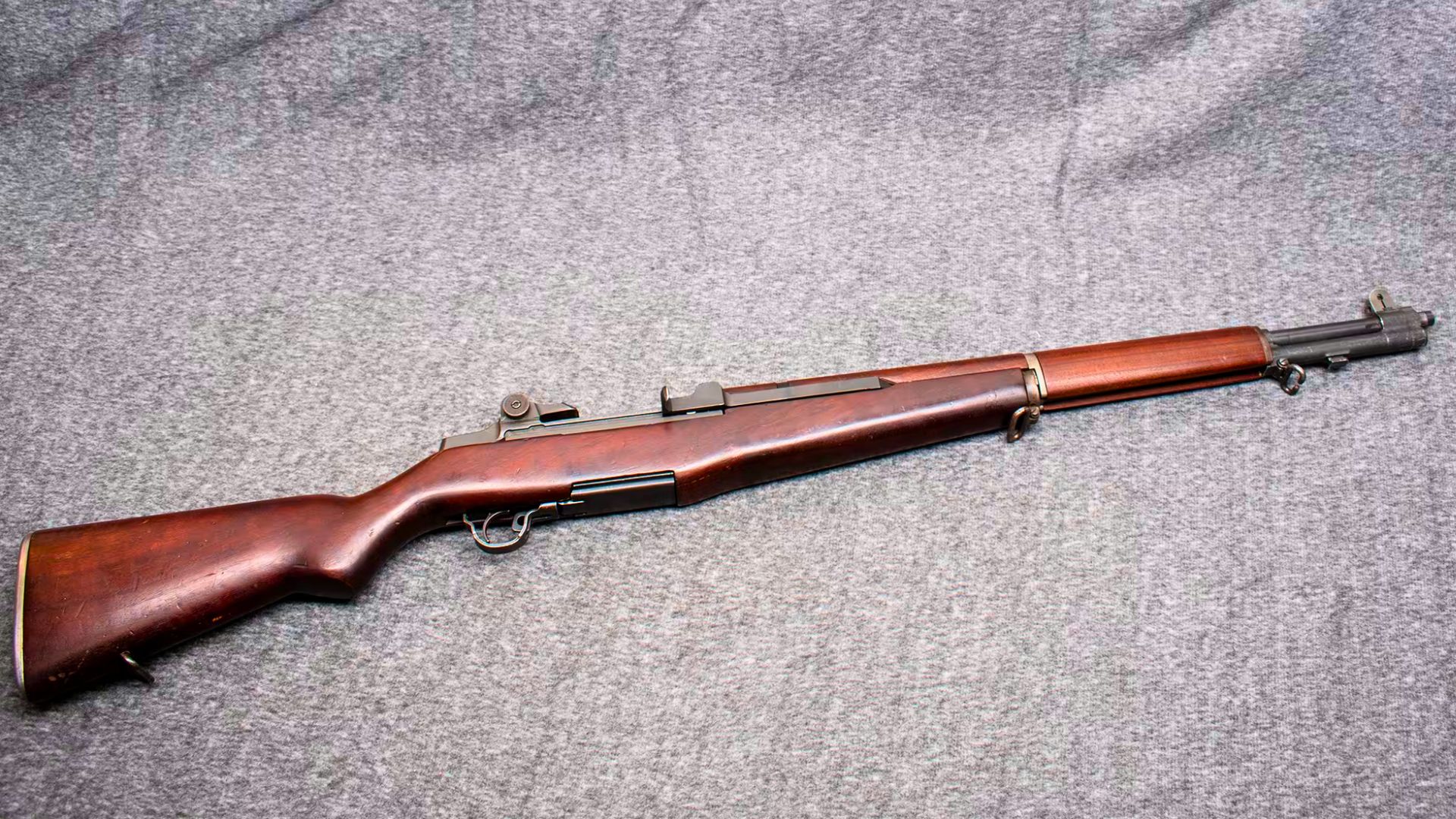
The M1 Garand changed military rifle design by giving American infantrymen a dependable semi-automatic service rifle when many opposing soldiers still carried bolt actions. Its eight-round en bloc clip, gas-operated action, and powerful .30-06 cartridge provided a meaningful increase in sustained firepower.
The rifle served through World War II and the Korean War, becoming closely connected to the image of the American soldier. Its distinctive clip ejection sound is instantly recognizable, though the sound itself mattered far less than the rifle’s reliability and battlefield performance. The M1 is heavy by modern standards and requires proper ammunition or gas-system considerations, but shooting one remains a memorable experience. Its role in military history guarantees its legendary status.
M1 Carbine
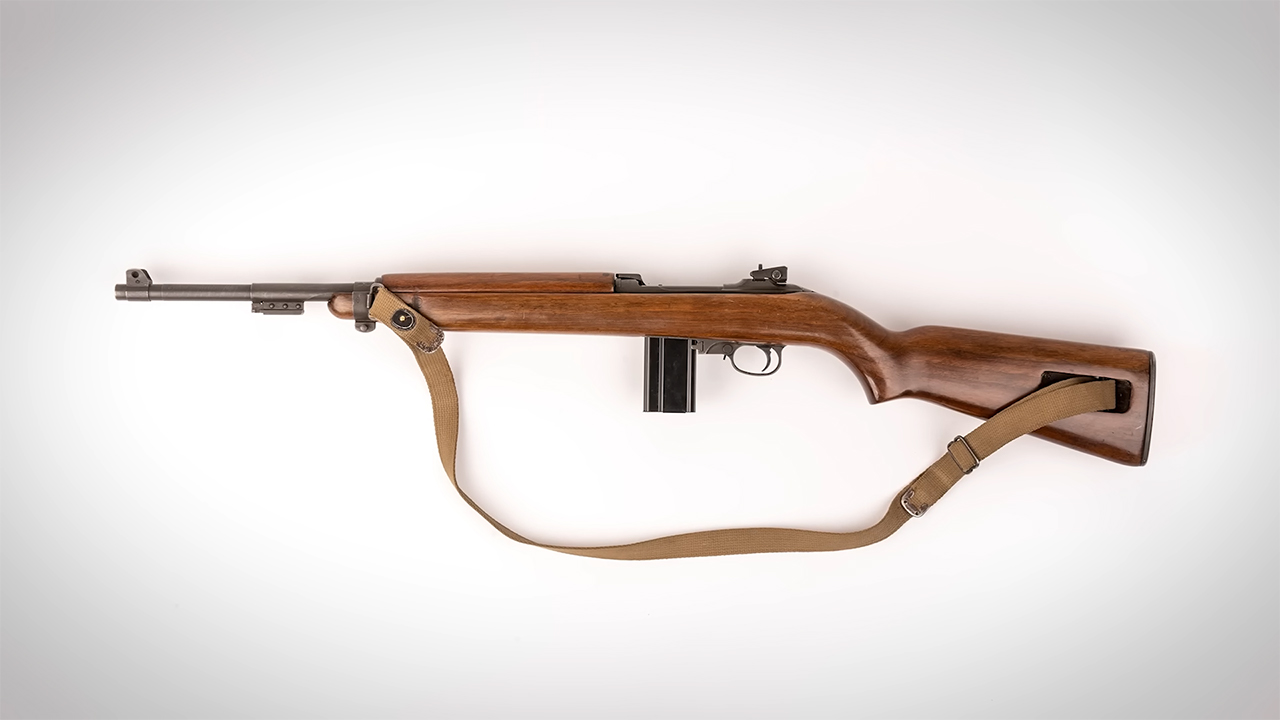
The M1 Carbine was developed as a lighter alternative to the full-size service rifle for troops who needed more capability than a pistol but did not need the weight of an M1 Garand. Its compact size, mild recoil, and detachable magazine made it easy to carry and operate.
It became one of the most widely produced American military firearms of World War II and continued serving in later conflicts. Soldiers appreciated its portability, while postwar civilian shooters used surplus carbines for recreation, home protection, and small-game hunting. The .30 Carbine cartridge has limitations, but the rifle’s handling qualities remain excellent. Few centerfire rifles feel as light, quick, and approachable. Its historical importance and enjoyable shooting characteristics made it a lasting favorite.
Thompson Submachine Gun
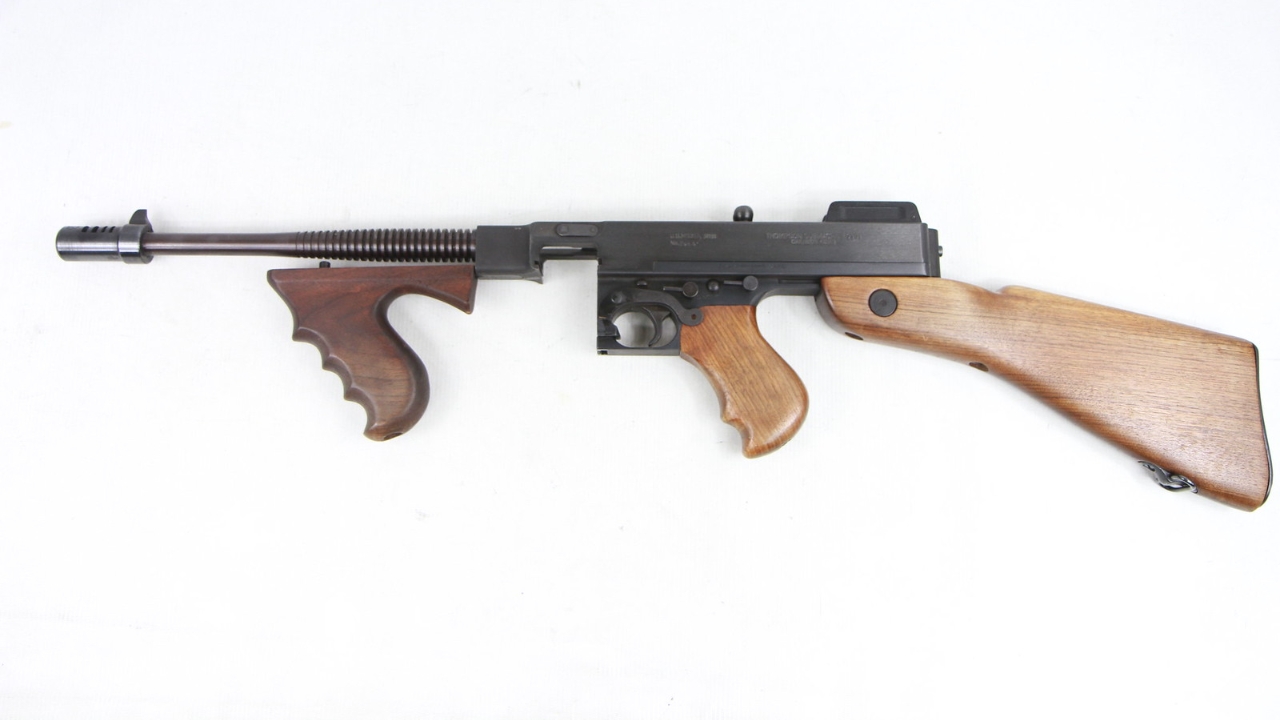
The Thompson submachine gun became famous through several completely different chapters of American history. It was carried by law enforcement officers, criminals, soldiers, and Marines, while its distinctive profile became instantly recognizable through news photographs and films.
Early versions were expensive and mechanically elaborate, but the Thompson delivered controllable automatic fire from the .45 ACP cartridge. Military models served extensively during World War II, particularly in close-range fighting. The gun was heavy, costly to manufacture, and eventually replaced by simpler designs, yet those weaknesses never erased its reputation. The drum magazine, vertical foregrip, and Cutts compensator created one of the most recognizable firearm silhouettes ever produced.
Browning Automatic Rifle

The Browning Automatic Rifle, commonly known as the BAR, gave infantry units mobile automatic fire in a package one soldier could carry. The M1918 version served during the final part of World War I and became especially important during World War II and Korea.
The BAR fired the powerful .30-06 cartridge and weighed considerably more than an ordinary rifle, but soldiers valued its ability to provide automatic fire while advancing. It was not a modern light machine gun, and its limited magazine capacity created obvious restrictions. Even so, its toughness and battlefield role made it deeply respected. Browning later used the BAR name for a civilian sporting rifle, but the military original remains the firearm that built the legend.
M1911
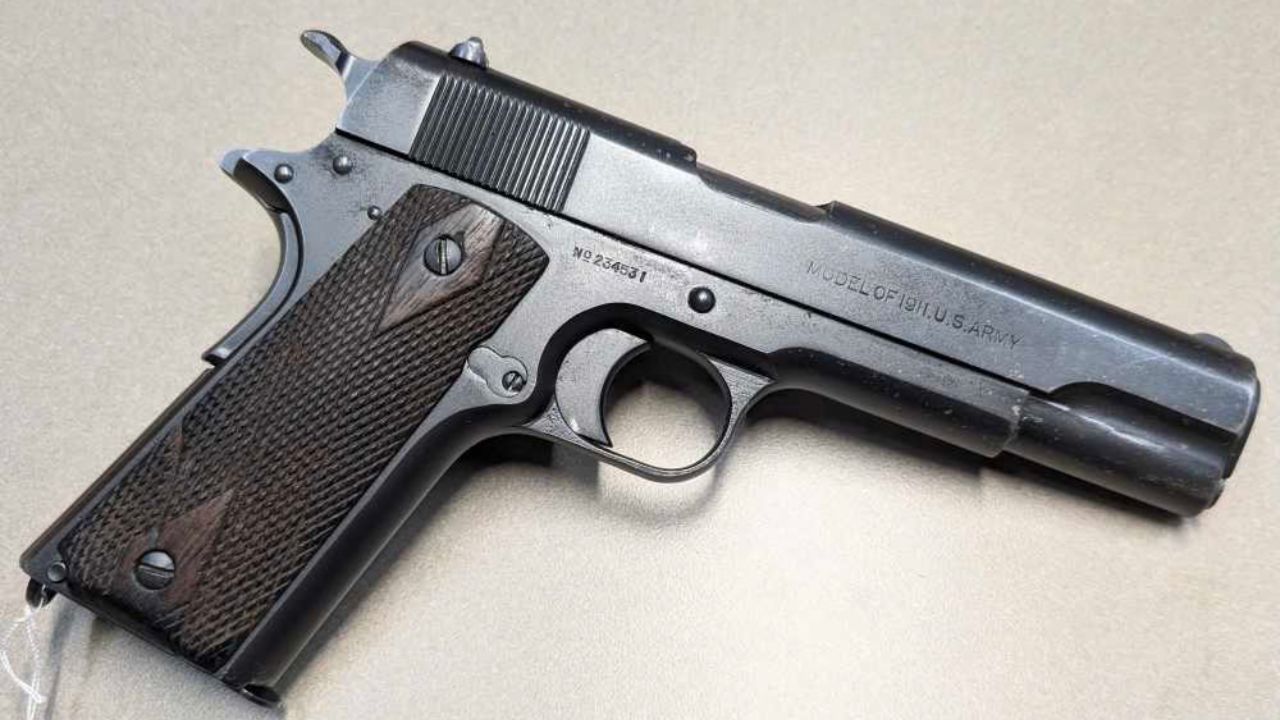
The M1911 became one of the longest-serving and most influential military pistols ever designed. John Browning’s short-recoil system, single-action trigger, grip safety, and removable magazine created a handgun that remained effective through two world wars and numerous later conflicts.
Its .45 ACP chambering contributed heavily to its reputation, but the pistol’s lasting influence comes from the complete design. The trigger remains one of the best systems available for accurate handgun shooting, while the slim grip fits many hands naturally. The 1911 requires more maintenance and knowledge than many modern polymer pistols, and quality varies widely among manufacturers. Despite that, it remains dominant in competition, collecting, custom gunsmithing, and defensive shooting. More than a century after its introduction, the design is still commercially important.
Browning Hi-Power
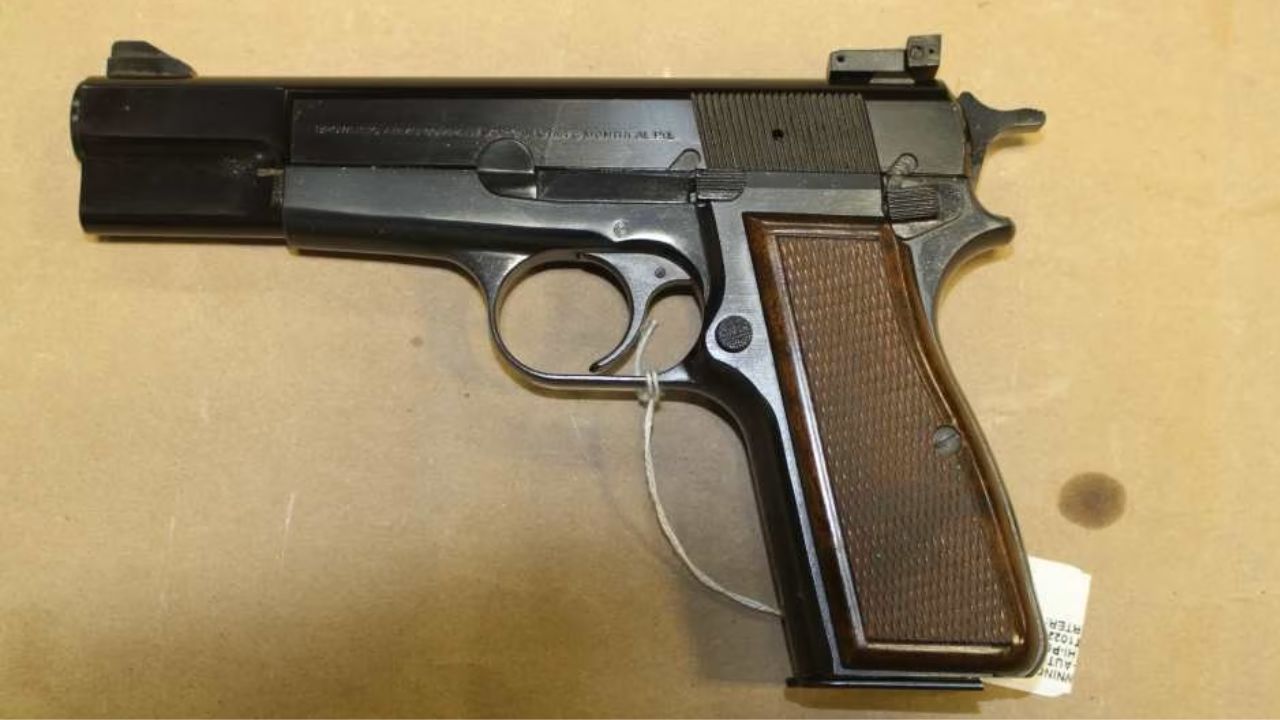
The Browning Hi-Power helped establish the high-capacity service pistol long before double-stack magazines became normal. Its 13-round magazine, single-action trigger, and comfortable grip gave military and police users a significant advantage over many contemporary handguns.
The pistol served with armed forces and law enforcement agencies across the world. Its grip shape influenced later handgun designs, while its capacity made traditional single-stack pistols feel limited. The original trigger could be affected by the magazine-disconnect system, and older sights were small, but the basic platform remained extremely capable. Modernized versions continue appearing because shooters still appreciate the balance, thin slide, and natural pointing qualities that made the Hi-Power famous.
Glock 17
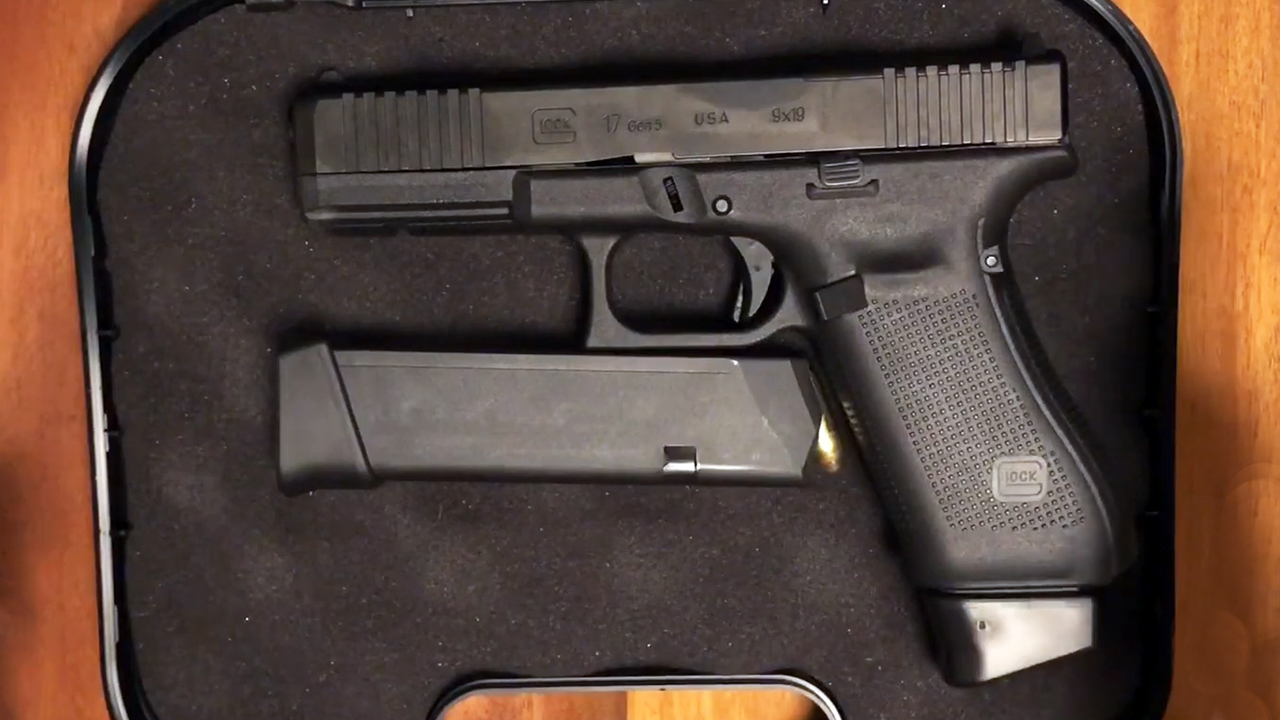
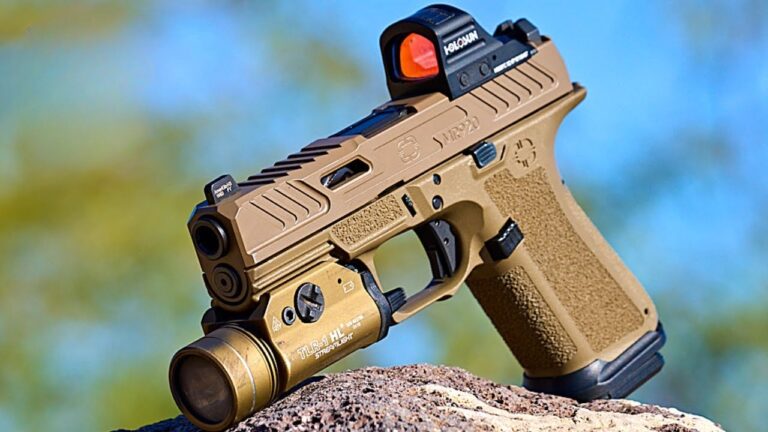
The Glock 17 changed the handgun market by proving that a polymer-framed, striker-fired pistol could survive hard military and law enforcement use. Its light weight, high capacity, corrosion resistance, and limited number of controls challenged traditional ideas about what a duty handgun should be.
The design was criticized heavily when it first appeared, yet its practical advantages became impossible to ignore. Police departments, military units, competitive shooters, and civilians adopted Glock pistols in enormous numbers. The factory trigger and grip shape do not suit everyone, but the reliability, parts availability, and simple maintenance helped the Glock 17 become a global standard. Nearly every modern striker-fired service pistol owes something to the market the Glock created.
Smith & Wesson Model 10
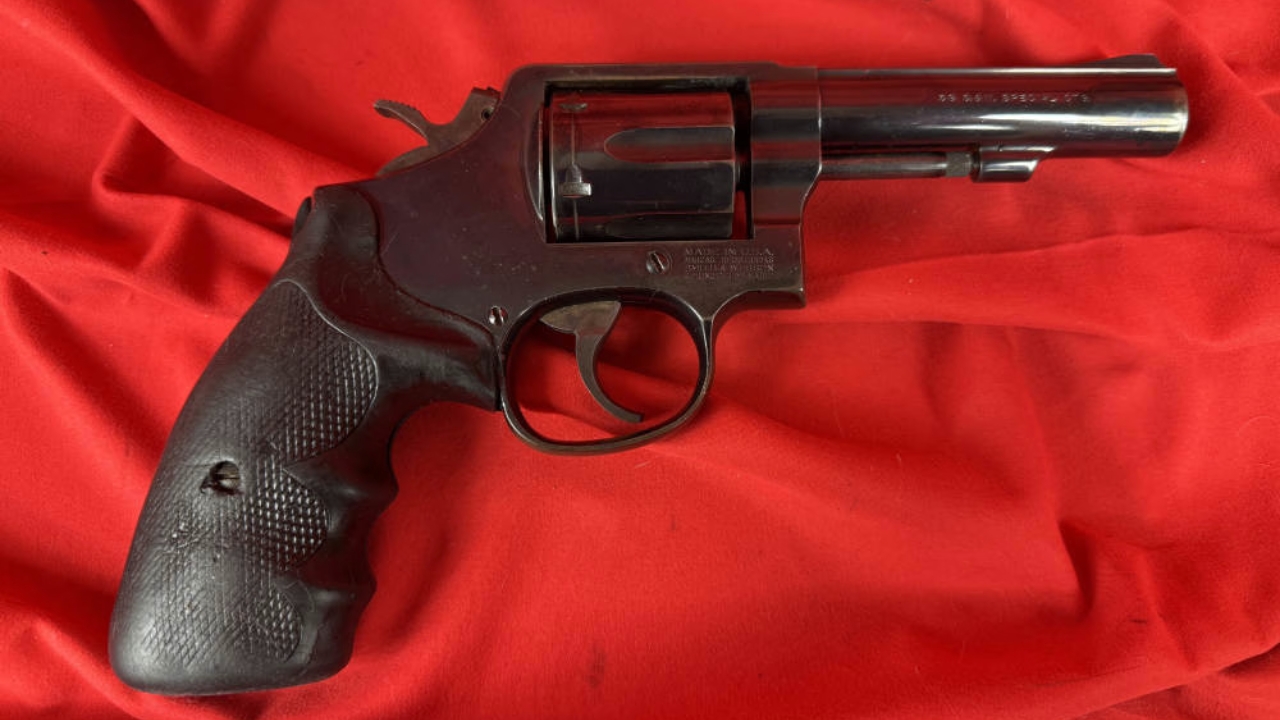
The Smith & Wesson Model 10 became one of the most widely used police and civilian revolvers of the 20th century. Originally known as the Military & Police model, it combined a medium-size frame with the manageable .38 Special cartridge.
The revolver was issued to officers, guards, military personnel, and security workers around the world. Its fixed sights were basic, but the gun was dependable, accurate, and easy to understand. Millions were produced across numerous barrel lengths and configurations. The Model 10 did not become legendary through extreme power or elaborate styling. It earned that status by doing ordinary work reliably for generations.
Smith & Wesson Model 29

The Smith & Wesson Model 29 became the handgun most closely associated with the .44 Magnum cartridge. Its large N-frame and powerful chambering made it a serious hunting and field revolver before film exposure turned it into a cultural phenomenon.
The Model 29 was never an ideal handgun for inexperienced shooters. Recoil could be substantial, and the revolver was large enough to make everyday carry impractical. Its strengths were power, accuracy, and the quality of its traditional Smith & Wesson action. Collectors continue pursuing older examples, while hunters still appreciate the cartridge’s capability. The combination of legitimate field performance and unmatched pop-culture recognition secured its legendary reputation.
Colt Python
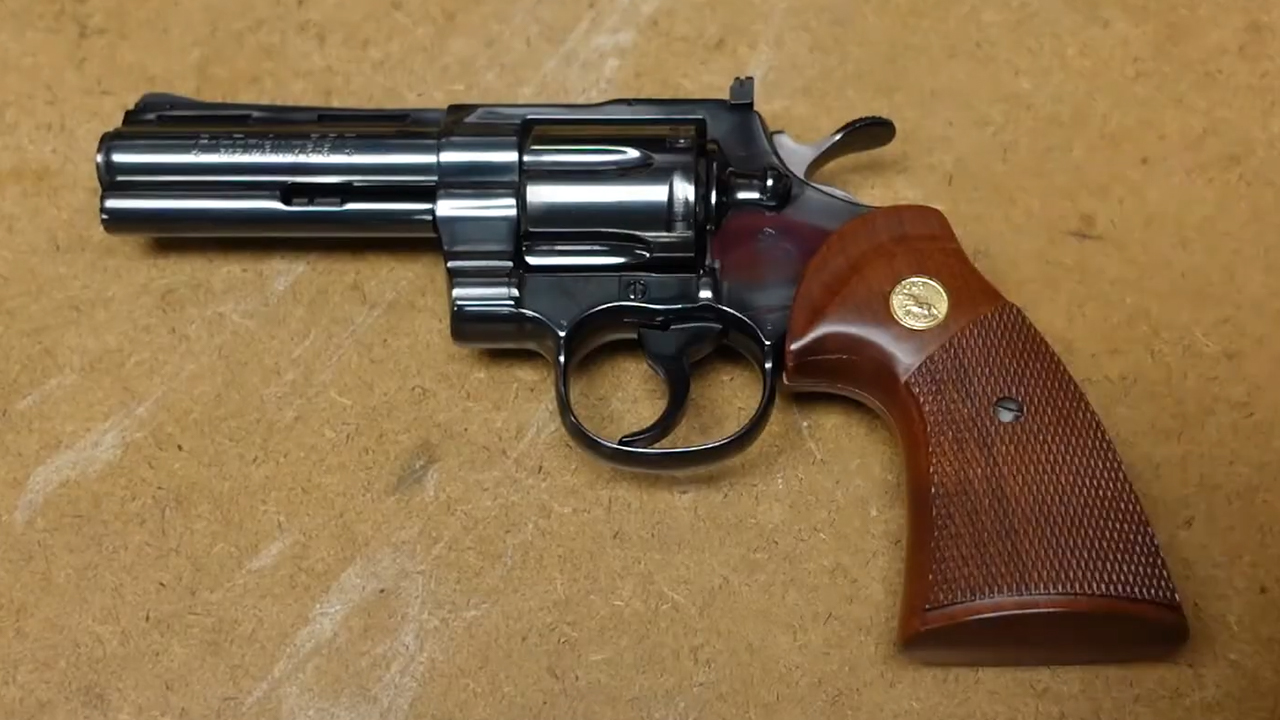
The Colt Python became known as one of the finest production revolvers of its era. Original examples featured highly polished finishes, ventilated ribs, full underlugs, and actions fitted by skilled workers. The result was a .357 Magnum revolver that felt different from ordinary service guns.
Collectors later pushed prices to extraordinary levels, partly because production ended and partly because television and film kept the Python visible. Colt eventually reintroduced the model with a revised and strengthened design. Modern examples are not identical to the older hand-fitted revolvers, but the name remains powerful. The Python became legendary because it represented the idea of a premium factory revolver at a time when few competitors offered anything similar.
Ruger 10/22
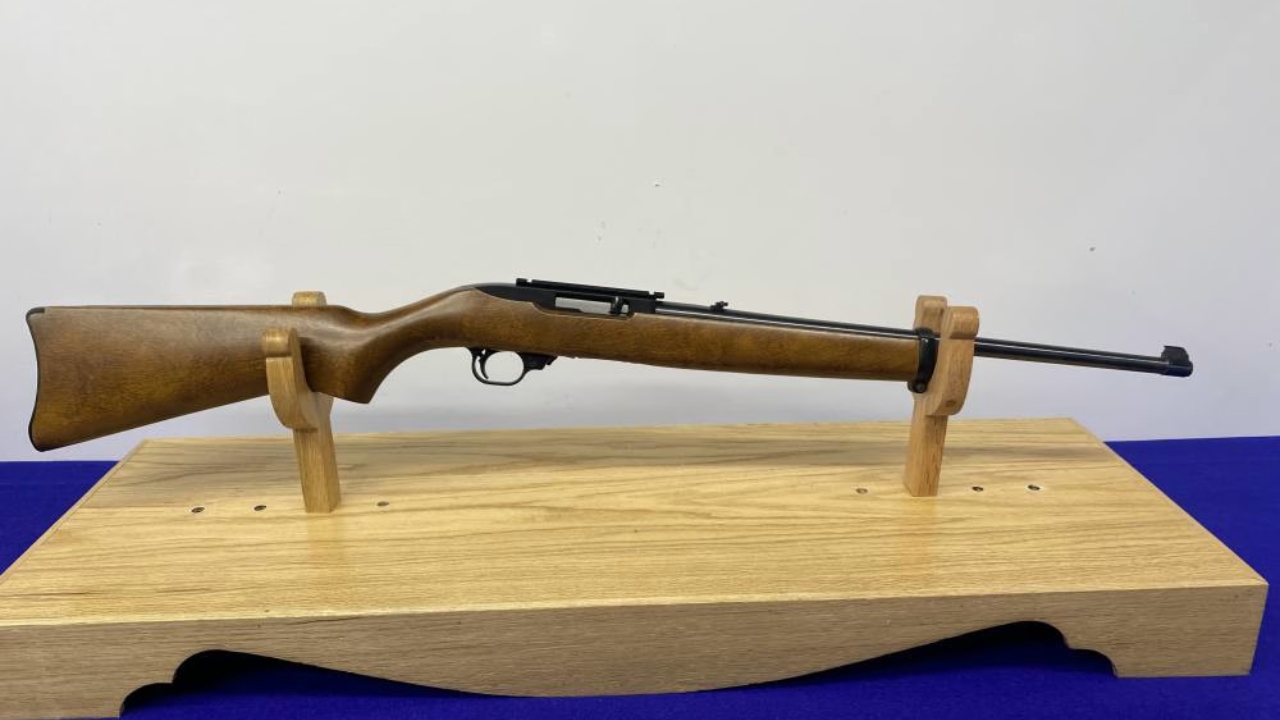
The Ruger 10/22 became the standard against which semi-automatic rimfire rifles are judged. Its rotary magazine, compact receiver, and straightforward blowback action created a rifle that was reliable, affordable, and easy to use.
Millions of shooters learned marksmanship with the 10/22, while hunters used it for small game and pest control. Its greatest strength may be the enormous aftermarket. Owners can replace nearly every component and transform the rifle into a lightweight field gun, competition rifle, suppressor host, or precision rimfire. The basic factory model is not perfect, but the combination of affordability, durability, and adaptability has kept it relevant for decades.
Remington 870 Wingmaster
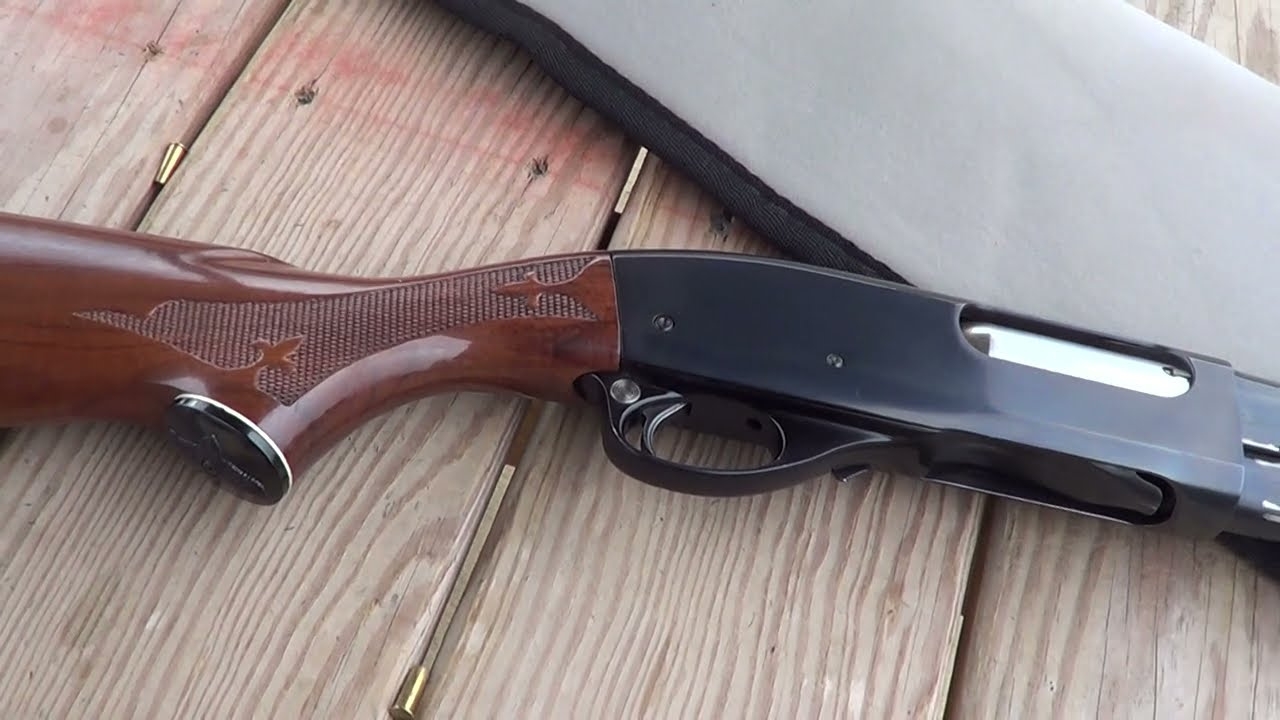
The Remington 870 Wingmaster helped establish the pump shotgun as one of the most dependable and versatile firearms available. Its steel receiver, smooth twin-action-bar system, and polished finish gave it a level of refinement missing from many utility shotguns.
Hunters used the 870 for birds, deer, and small game, while police and military versions served in defensive roles. Barrels and furniture could be changed to suit different purposes, making the platform exceptionally adaptable. Later budget versions damaged the broader 870 reputation, but older Wingmasters remain highly respected. A well-used Wingmaster with a polished action often feels smoother than many new pump guns.
Mossberg 500
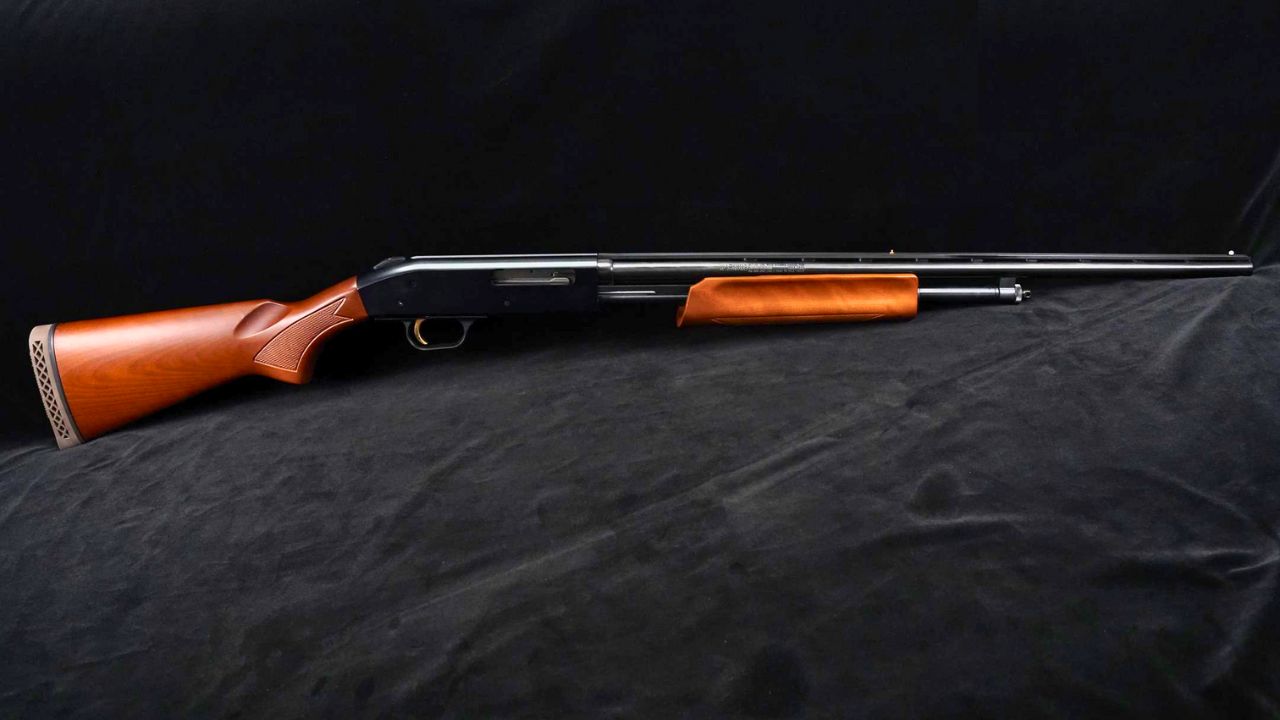
The Mossberg 500 became legendary by offering durability and versatility at a price ordinary shooters could afford. Its aluminum receiver reduced weight, while the tang safety made the gun particularly convenient for right- or left-handed users.
The platform was offered in countless hunting, defensive, and field configurations. Barrels could be changed easily, and military adoption helped reinforce its reputation for toughness. Some modern versions feel more economical than older guns, but the basic design remains proven. The Mossberg 500 became a legend because it was rarely glamorous and almost always useful.
Browning Auto-5
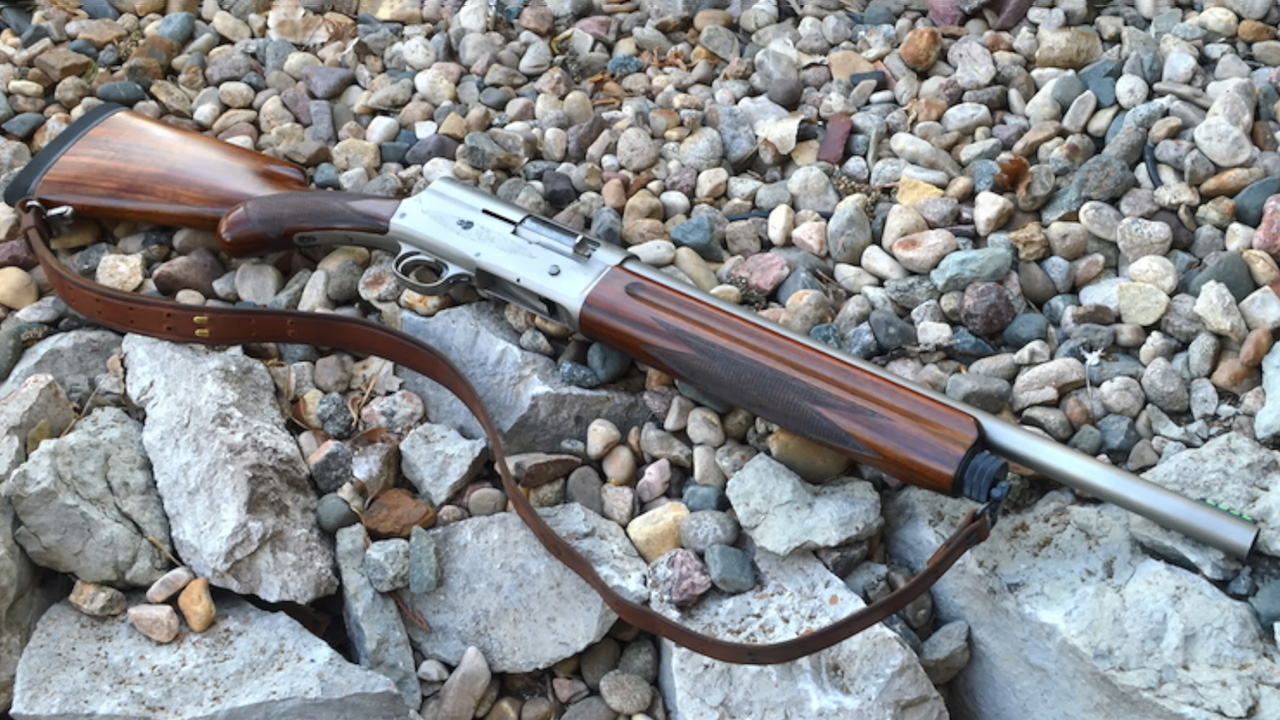
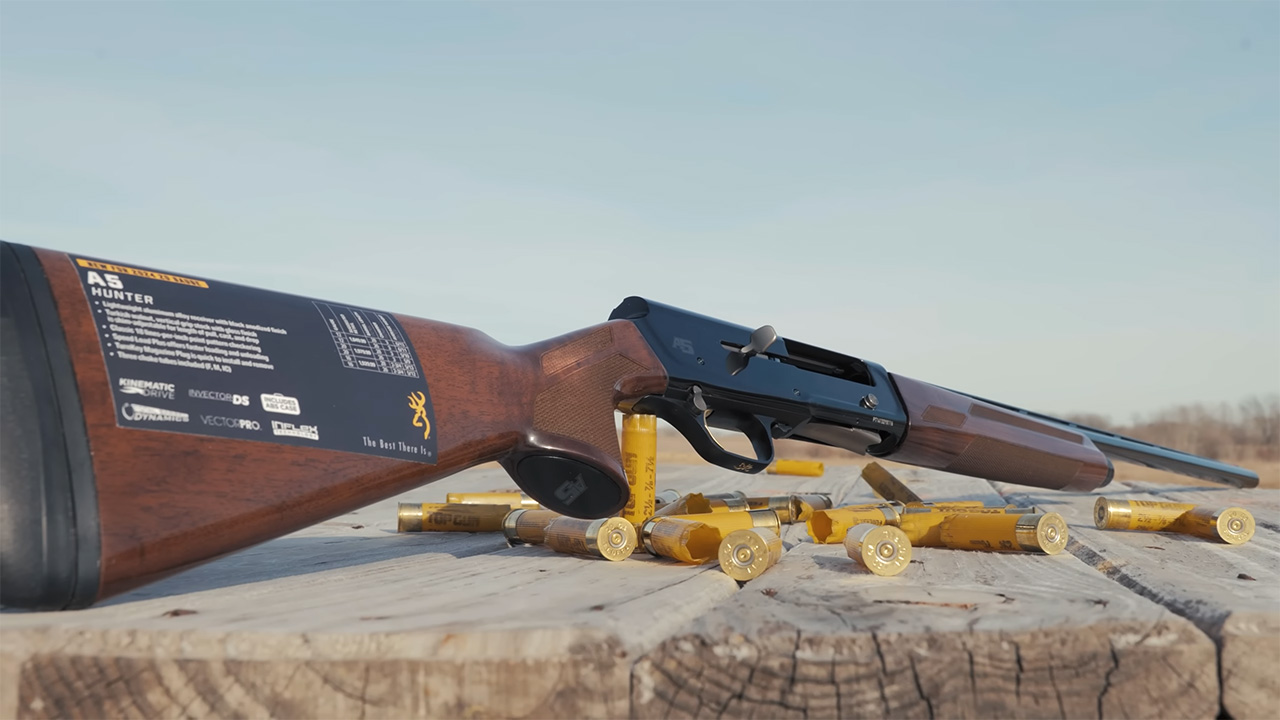
The Browning Auto-5 was the first widely successful semi-automatic shotgun. Its long-recoil operating system caused both the barrel and bolt to move rearward during cycling, creating the distinctive movement and feel associated with the design.
Production lasted for nearly a century, and the shotgun served hunters across multiple generations. Its humpback receiver made it instantly recognizable and provided a natural sighting plane for many shooters. The recoil system required proper adjustment for different loads, but a correctly configured Auto-5 could be extremely reliable. Modern semi-automatic shotguns are lighter and softer shooting, yet few can match the Browning’s mechanical importance and historical reach.
Winchester Model 12
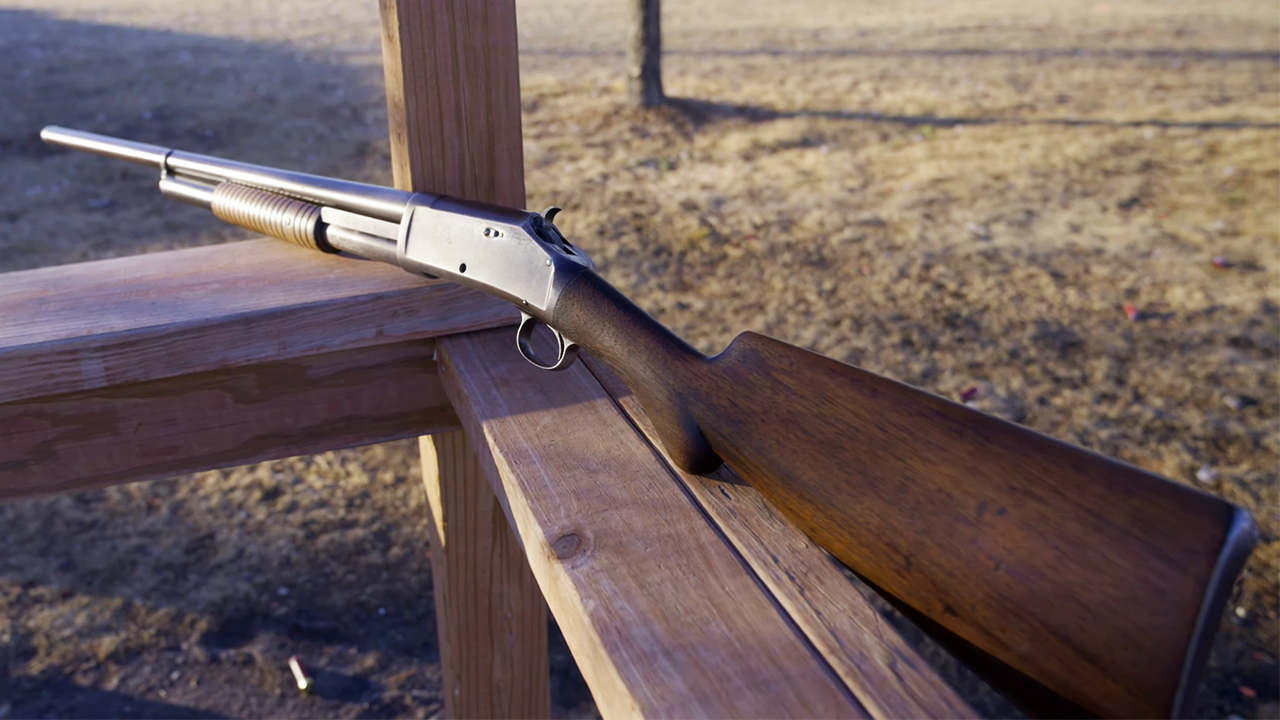
The Winchester Model 12 earned a reputation as one of the finest pump shotguns ever produced. Its machined steel construction, smooth action, and clean lines made it equally respected among hunters, clay shooters, and military users.
The shotgun was expensive to manufacture compared with later stamped and simplified designs, which eventually contributed to the end of regular production. Good examples can feel remarkably smooth after decades of use. The Model 12 also gained military recognition through trench and riot configurations. It became legendary because it combined field durability with a level of craftsmanship rarely found in modern mass-produced pump guns.
Mauser 98
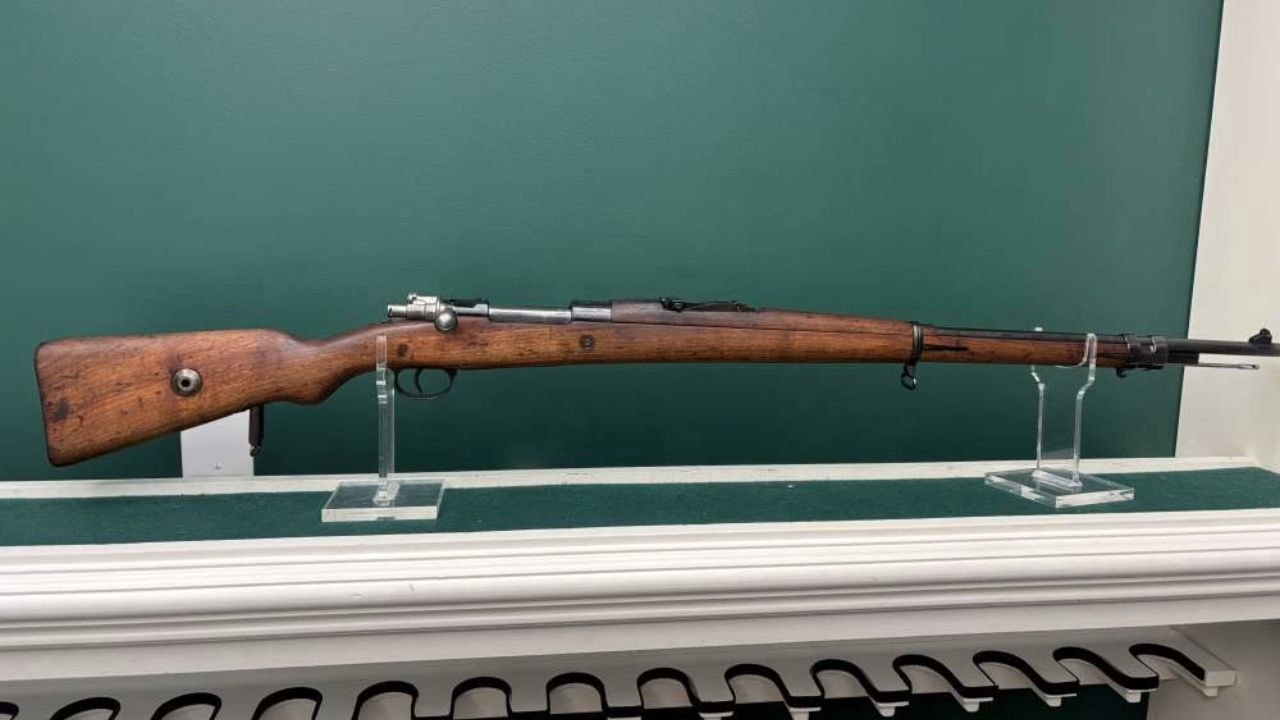
The Mauser 98 became one of the most influential bolt-action rifle designs in history. Its controlled-round-feed system, large claw extractor, dual front locking lugs, and strong gas-handling features created a durable action suitable for military service and powerful sporting cartridges.
Military rifles based on the action served across numerous countries and conflicts. Afterward, gunsmiths converted thousands into hunting rifles, and commercial manufacturers continued using the design as the foundation for premium sporting guns. The action is heavier and more complex to manufacture than many modern push-feed systems, but its reputation for strength and reliable feeding remains powerful. Countless later rifles borrowed directly from its features.
AK-47
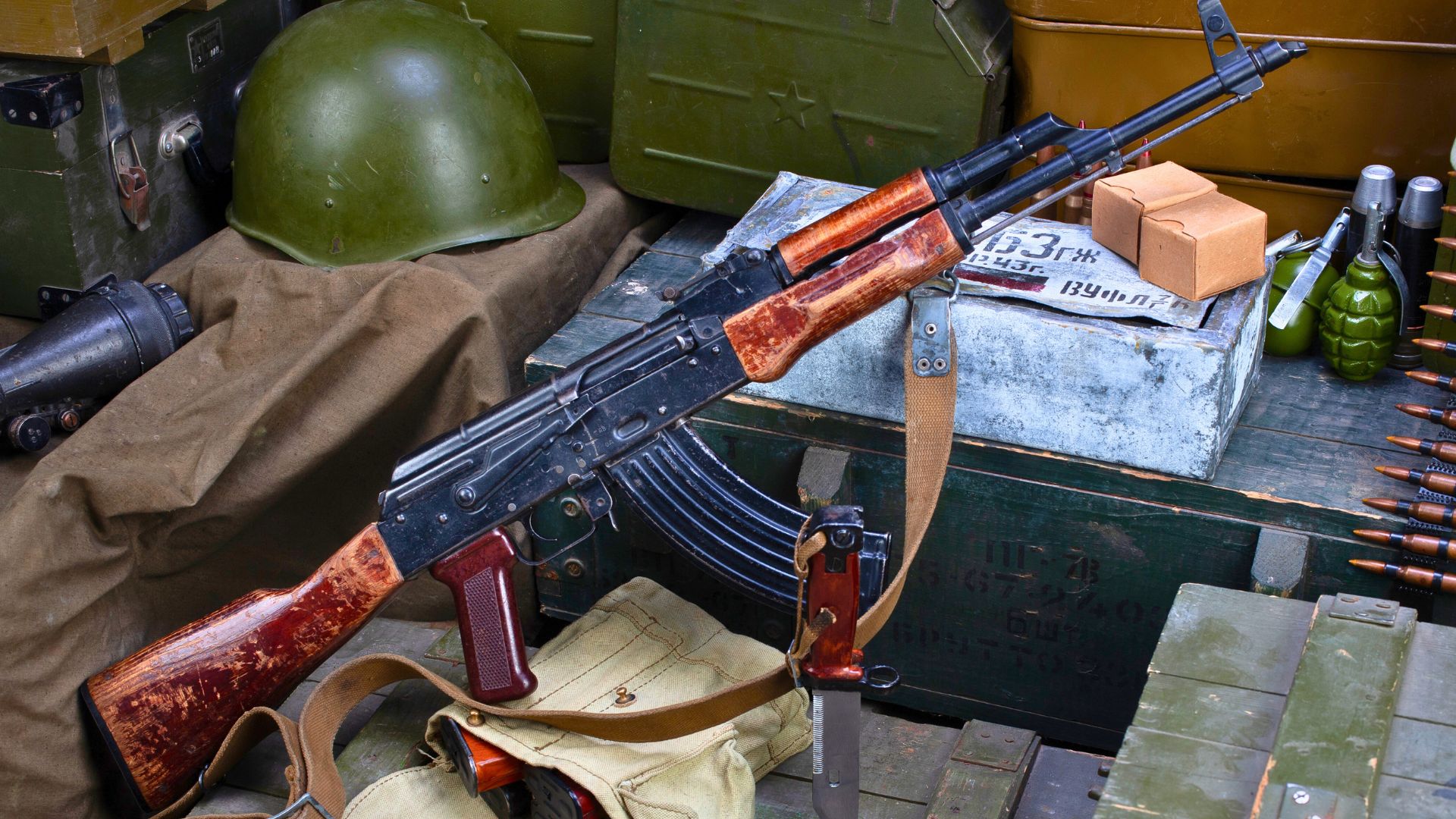
The AK-47 and its later variants became symbols of ruggedness, simplicity, and mass production. Mikhail Kalashnikov’s design used generous clearances, a long-stroke gas piston, and a rotating bolt to create a rifle that could function under poor conditions with limited maintenance.
The original milled AK-47 was followed by the more widely produced stamped-receiver AKM, but the AK-47 name became the general term used by much of the public. The rifle is not especially refined, and its sights and controls are less convenient than those of many modern designs. Its strengths are durability, ease of manufacture, and dependable operation. Few firearms have influenced global military history, politics, and popular culture as deeply.
AR-15
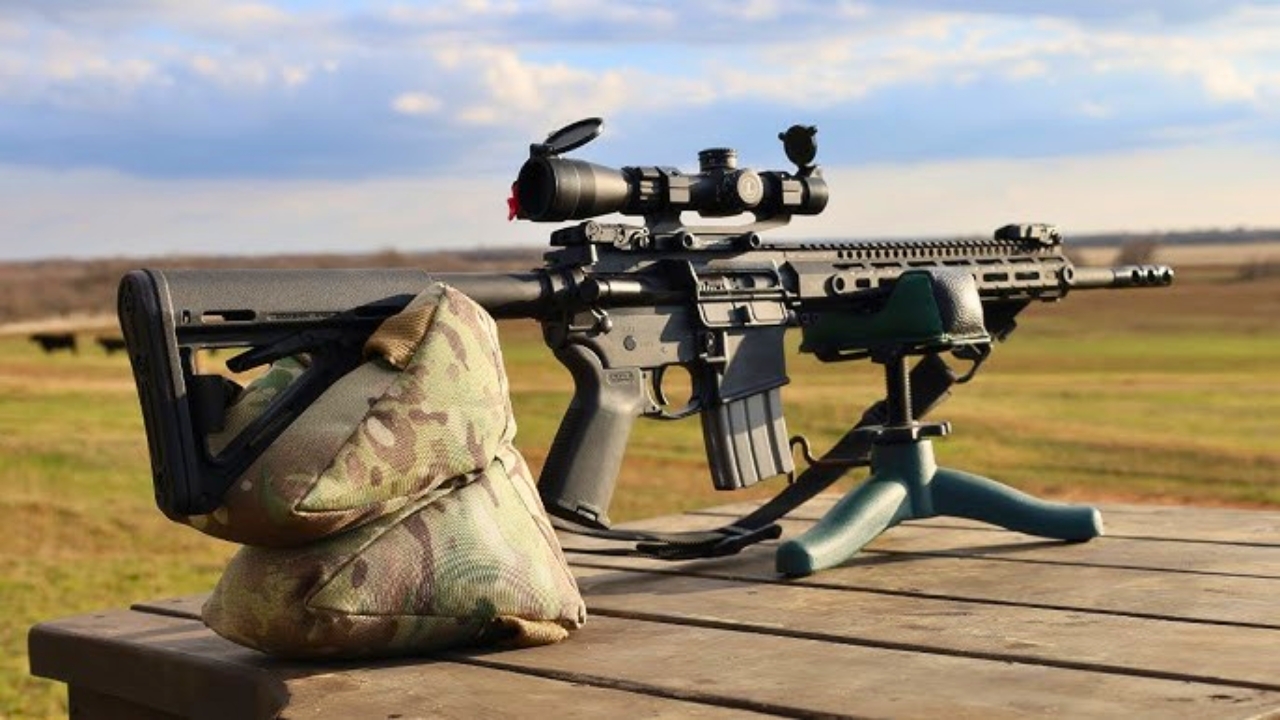
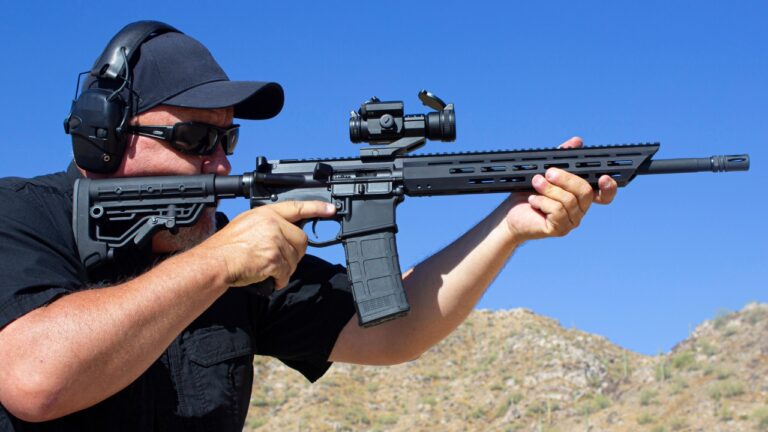
The AR-15 became one of the most adaptable and commercially successful rifle platforms ever created. Its direct-gas operating system, aluminum receivers, rotating bolt, and modular construction made it lighter and easier to configure than many earlier service rifles.
Military adoption of the related M16 family established the design, while civilian manufacturers later expanded it into countless barrel lengths, chamberings, and configurations. The platform can serve as a defensive carbine, hunting rifle, competition gun, varmint rifle, or precision build. Its controls are easy to reach, and the split receiver design makes maintenance and component changes straightforward. The AR-15 became legendary not because every version is outstanding, but because the basic system can be adapted to nearly any rifle role.
Like The Avid Outdoorsman’s content? Subscribe to our newsletter so you never miss an article.
Here’s more from us: