Photo credit: DOTR/YouTube
The most disappointing guns are not always the worst ones. A cheap firearm with obvious limitations rarely surprises anyone. The real frustration comes from a gun backed by a respected manufacturer, a clever design, or a feature list that appears to solve a genuine problem. Buyers see the potential and expect something exceptional.
Then the finished product falls short. Reliability may be inconsistent, the controls may feel unfinished, or the price may be impossible to justify once the gun reaches the range. Some of these firearms were close to being excellent and needed only better quality control or a few smarter design choices. Others were built around promising ideas that never worked as well as they should have.
Colt All American 2000

The Colt All American 2000 should have been a major success. It came from one of America’s most famous handgun manufacturers and was developed with input from respected firearms designers Reed Knight Jr. and Eugene Stoner. The pistol used a rotating-barrel system, offered a reasonably high magazine capacity for its era, and gave Colt an opportunity to compete in the growing polymer-framed service-pistol market.
The production gun failed to live up to that potential. The trigger was unusually long and heavy, accuracy could be disappointing, and reliability complaints damaged confidence almost immediately. Ergonomics also felt awkward compared with competing pistols that were already proving themselves in police and military use. Colt had the name, engineering talent, and market opportunity to create a serious Glock competitor. Instead, the All American 2000 became a short-lived example of how a promising design can be undermined by poor execution.
Smith & Wesson SW99
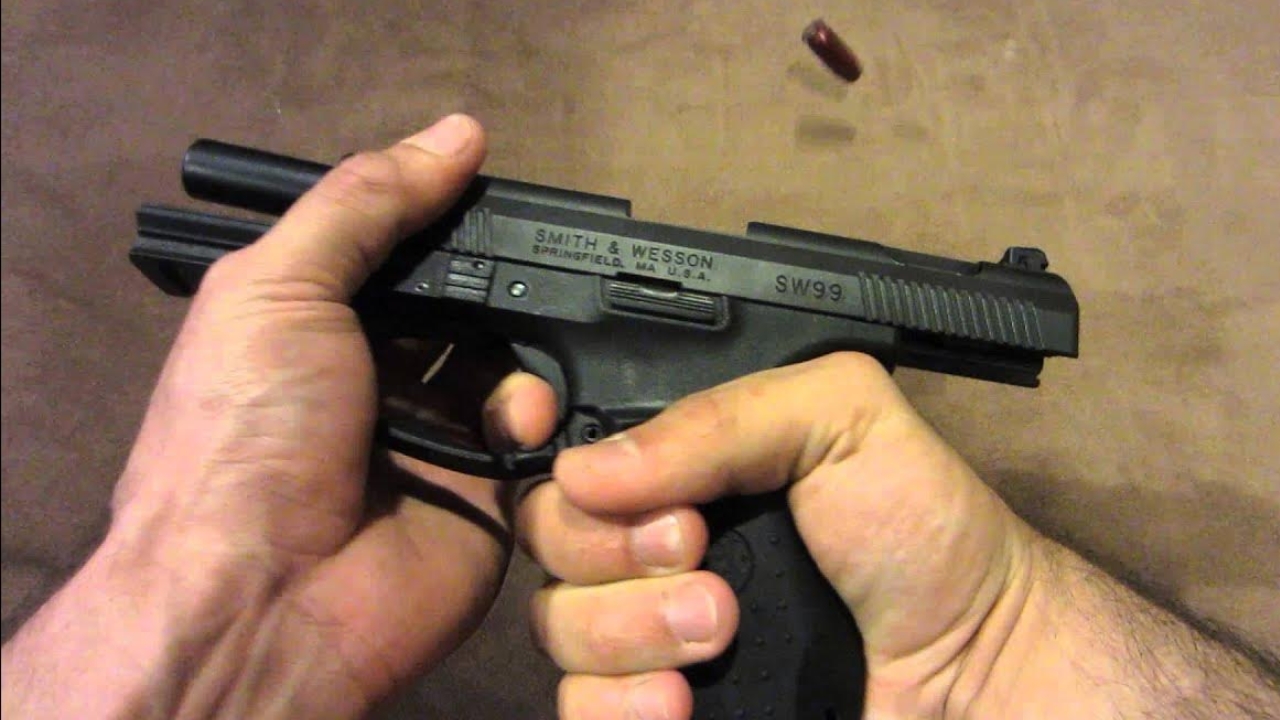
The Smith & Wesson SW99 combined a polymer frame produced by Walther with a slide and barrel manufactured by Smith & Wesson. It used the general operating system and ergonomic ideas of the Walther P99, including interchangeable backstraps and a striker-fired action with multiple trigger modes. On paper, it brought together two respected manufacturers at exactly the right time.
The finished pistol never developed the identity or following it should have. The styling looked less cohesive than the original Walther, while the trigger system was more complicated than the consistent pulls offered by Glock and other competitors. Magazine, holster, and parts support never became especially strong, and law-enforcement adoption failed to create lasting momentum. The SW99 was not necessarily unreliable, but it felt like a diluted version of a better-established design. A collaboration between Smith & Wesson and Walther should have produced something much more memorable.
Beretta 9000S

The Beretta 9000S was intended to give concealed carriers a compact pistol with the traditional double-action and single-action operation Beretta owners already understood. It was available in 9mm and .40 S&W, used a polymer frame, and carried the name of a company known for reliable military and police handguns.
Its proportions worked against it. The pistol was thick, the grip was short, and the controls felt cramped. The slide-mounted safety or decocker remained difficult for some shooters to reach, while the trigger pull was not refined enough to compensate for the awkward size. It was not small enough to disappear like later micro-compacts and not large enough to shoot comfortably like a compact service pistol. Beretta had the experience to build an outstanding carry gun, but the 9000S ended up trapped between categories.
SIG Sauer P250
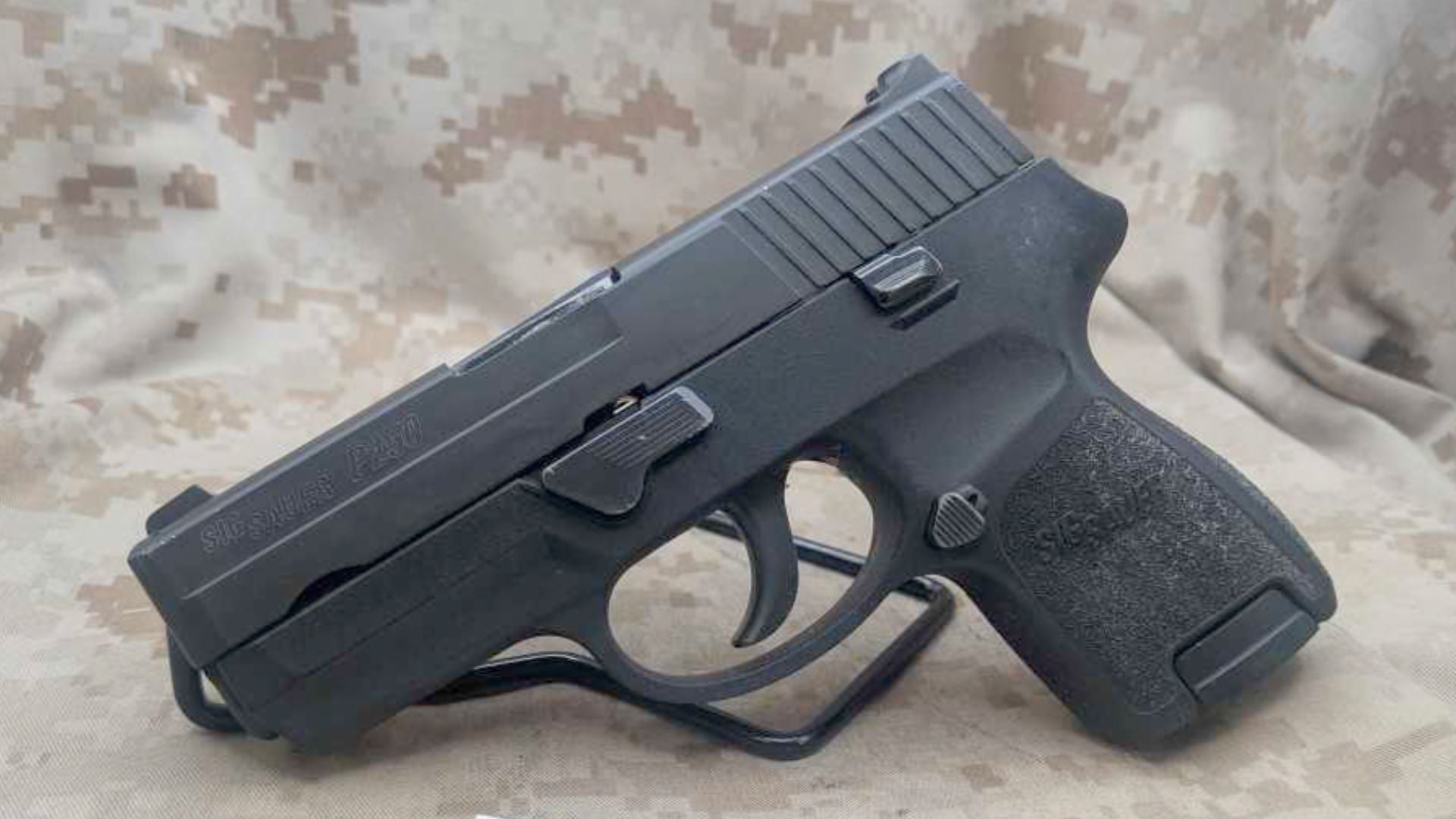
The SIG Sauer P250 introduced a serialized fire-control unit that could be moved among different grip modules, slides, barrels, and calibers. That concept later became central to the enormous success of the P320. The P250 also offered a smooth double-action-only trigger and gave buyers access to SIG modularity at a relatively affordable price.
The trigger was the main obstacle. It was smooth but extremely long, and many shooters struggled to fire it quickly or consistently. The reset offered little of the positive feedback people expected from a modern service pistol. Magazine and conversion-kit availability also made the modular promise less convenient than the marketing suggested. The P250 contained one of the most important handgun ideas of its generation, yet the actual shooting experience kept it from succeeding. It should have been remembered as a breakthrough instead of a rough draft for the P320.
FN FNS-9
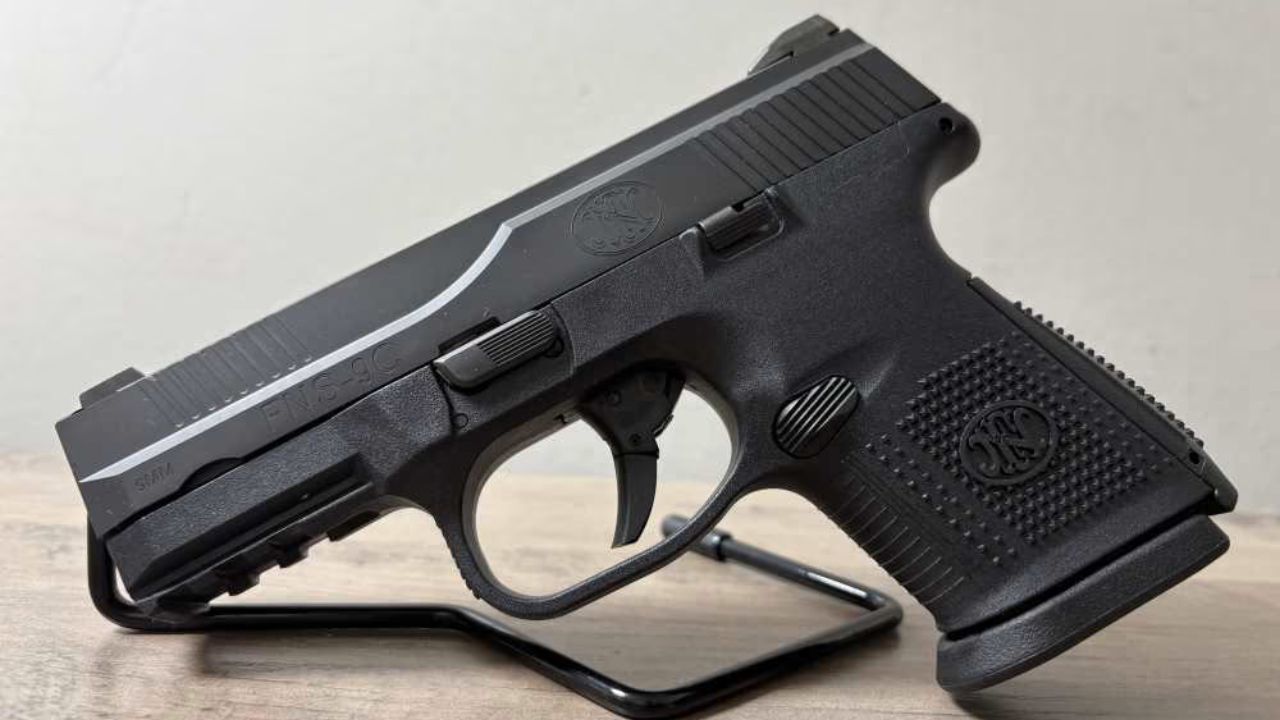
The FNS-9 came from a manufacturer with extensive military experience and arrived with ambidextrous controls, interchangeable backstraps, good capacity, and a straightforward striker-fired action. It appeared capable of becoming a major service-pistol competitor against Glock, Smith & Wesson, and SIG Sauer.
Instead, it remained largely forgettable. The trigger was adequate but rarely impressive, the grip texture and shape did not fit everyone, and aftermarket support remained limited. Later concerns involving certain striker components and safety-related service programs did nothing to strengthen confidence. FN eventually moved on to the 509 platform, leaving the FNS feeling like an unfinished step in the company’s handgun development. The pistol was functional, but a company with FN’s history should have produced something that stood out more clearly.
Remington RP9

The Remington RP9 was supposed to bring a famous American gunmaker into the modern full-size striker-fired pistol market. It offered an 18-round magazine, interchangeable backstraps, an accessory rail, and a price intended to attract buyers who wanted capacity without paying premium money.
The pistol was simply too large and too ordinary. Its grip and slide felt oversized even among full-size handguns, while the trigger and finish did little to reward the additional bulk. Remington’s collapsing reputation for quality control also made buyers hesitant to trust a defensive pistol from the company. The RP9 may have worked adequately for many owners, but there was no compelling reason to choose it over established alternatives. Remington entered one of the most competitive handgun categories with a pistol that felt several years behind from the beginning.
Browning BDM

The Browning BDM should have become one of the defining American service pistols of the 1990s. It was remarkably thin for a 15-round 9mm handgun, used a metal frame, and offered a distinctive selector allowing owners to switch between different trigger modes. Its grip felt far slimmer than many competing double-stack pistols.
The unusual operating system created more confusion than value. Controls differed from familiar Browning Hi-Power and traditional double-action layouts, while the trigger never became the major selling point Browning intended. Police agencies were moving rapidly toward simpler polymer pistols, and the BDM arrived without enough institutional support or aftermarket development. Its thinness and capacity were genuinely impressive. With simpler controls and stronger marketing, it could have been a classic instead of an interesting discontinued pistol.
Ruger SR45
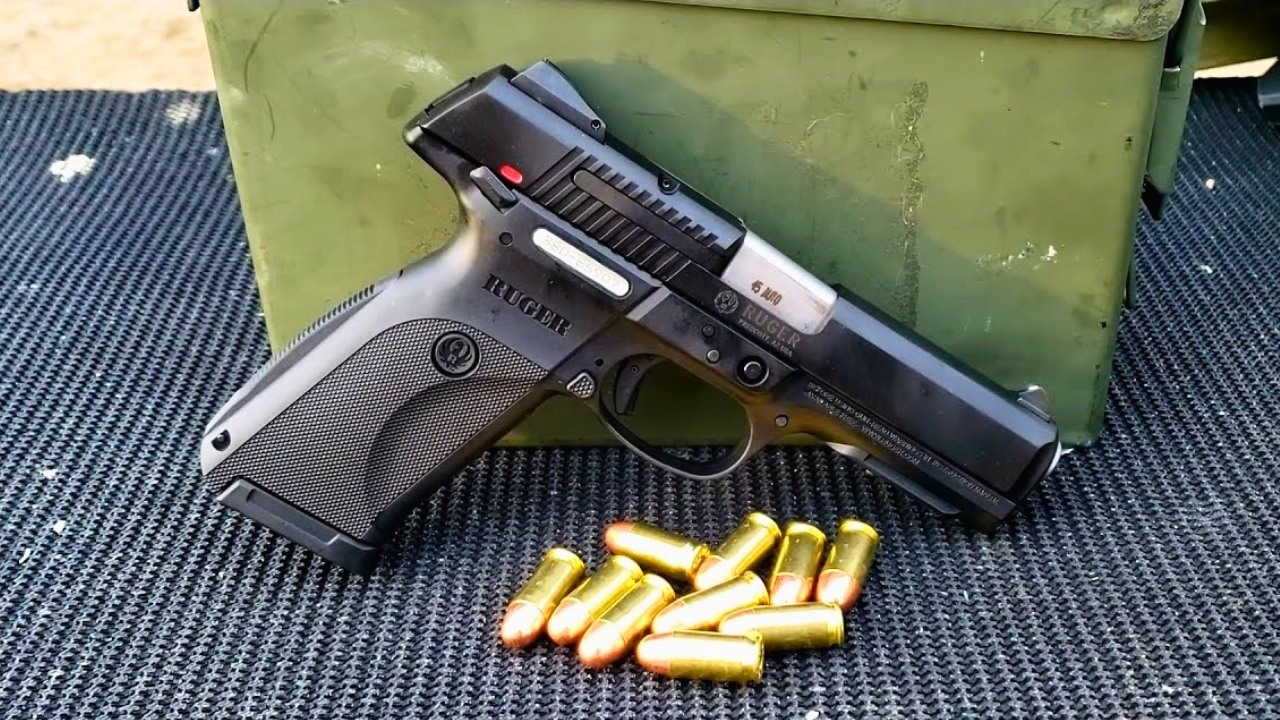
The Ruger SR45 took the slim grip and modern styling of the SR pistol family and applied them to the .45 ACP cartridge. It offered a surprisingly narrow frame, ambidextrous controls, an accessory rail, and Ruger’s reputation for durable, affordable firearms.
The pistol never received the refinement or support necessary to compete strongly. Capacity was ordinary, the manual safety and magazine disconnect did not appeal to every buyer, and the trigger was usable rather than exceptional. Ruger also discontinued the broader SR line before it developed the aftermarket enjoyed by Glock or Smith & Wesson. The SR45 was comfortable and generally practical, but it felt like Ruger stopped developing the platform just as it was becoming competitive. A few updates could have turned it into one of the better affordable .45s.
Heckler & Koch P2000
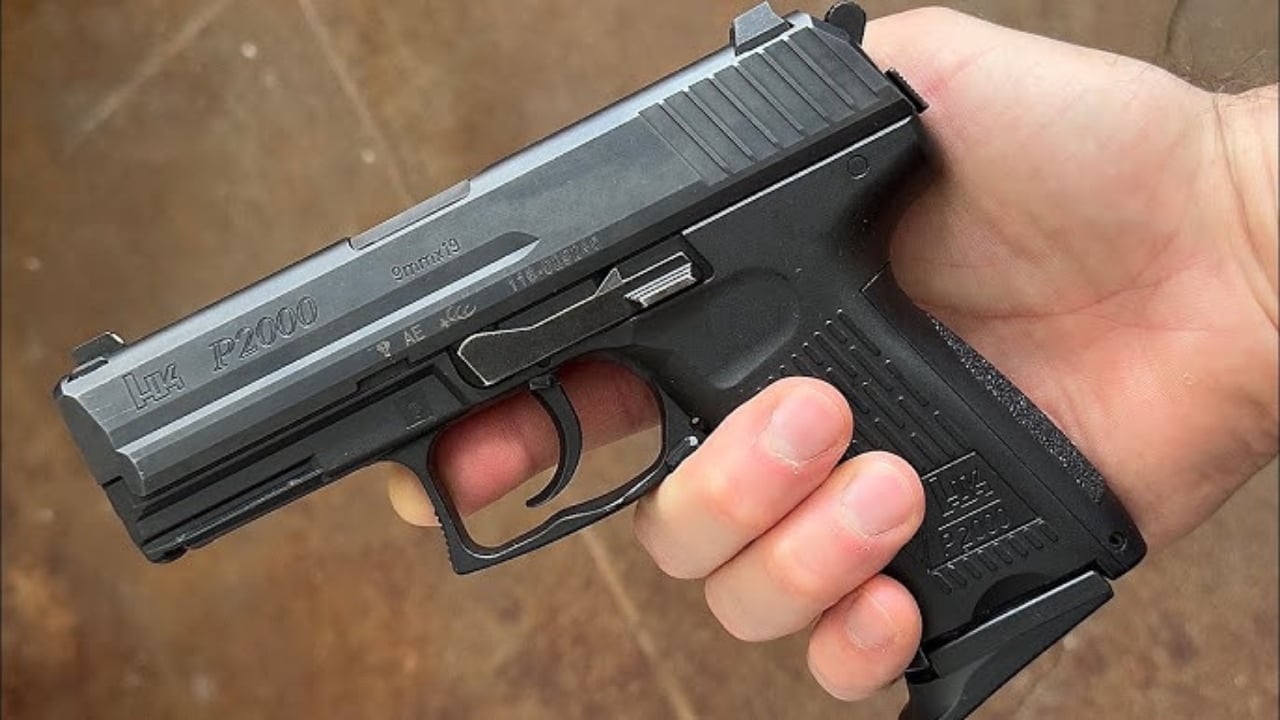
The HK P2000 was intended to modernize the company’s compact duty-pistol lineup. It offered interchangeable backstraps, ambidextrous controls, a durable polymer frame, and several trigger configurations. It carried the credibility of a manufacturer known for extremely dependable service handguns.
The pistol never felt as modern as it should have. The grip texture was mild, the accessory rail on early variants was less convenient, and the LEM trigger system required more adaptation than many buyers expected. Capacity and sight options also became less impressive as competitors improved. The P2000 remained durable and well made, but it lacked the ergonomic polish of the later P30 and the simplicity of striker-fired alternatives. HK built a dependable compact pistol when it should have built a category leader.
Walther CCP

The Walther CCP used a gas-delayed operating system intended to reduce recoil and make the slide easier to operate. That made it especially appealing to shooters with limited hand strength who still wanted a compact 9mm defensive pistol. The comfortable grip and Walther name added to the early promise.
The design created maintenance and reliability concerns that a carry gun should not have had. Early pistols required a special tool for disassembly, and the gas system became dirty and hot during extended shooting. Certain production issues eventually led to a safety recall. Later versions improved the takedown process, but the reputation had already suffered. The CCP addressed a real problem and could have occupied a valuable niche. It should have been simpler, more dependable, and better sorted before reaching buyers.
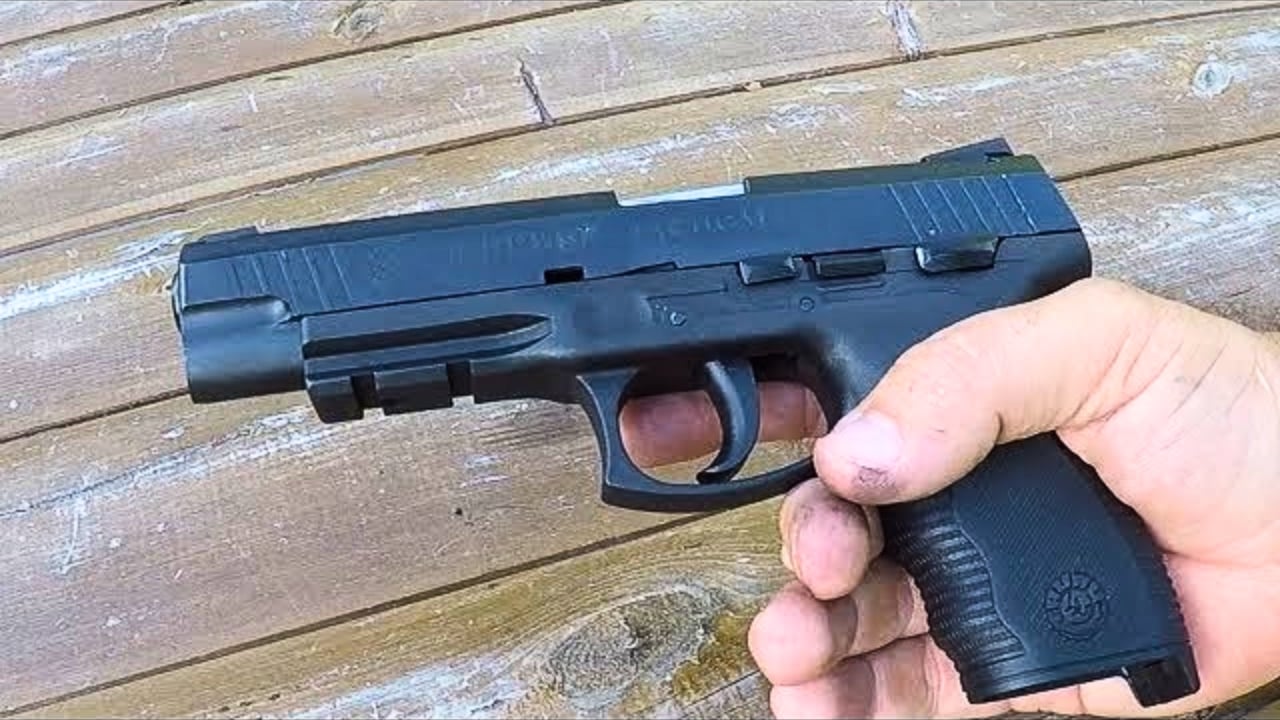
Taurus 24/7 OSS
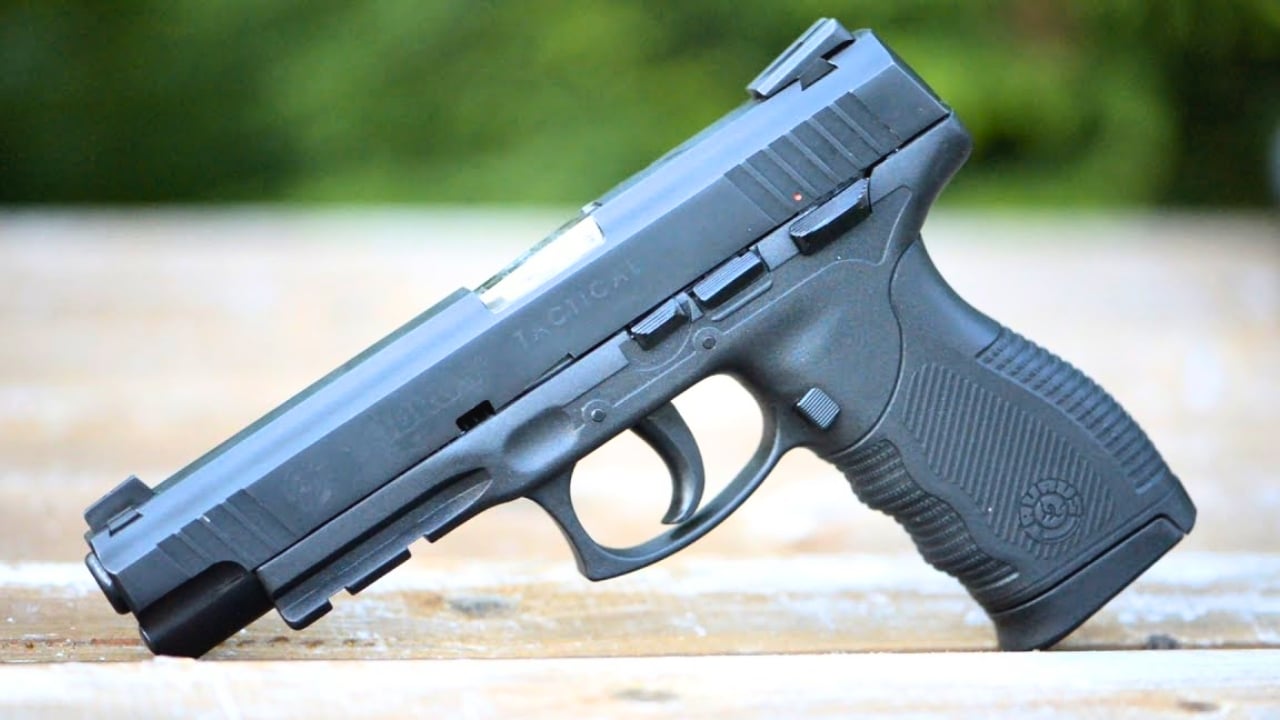
The Taurus 24/7 OSS was developed as a full-size service pistol connected to military handgun trials. It offered high capacity, a long slide, ambidextrous controls, and a trigger system designed to provide both striker-fired consistency and second-strike capability. It looked like Taurus was serious about entering the duty-pistol market.
The pistol never built enough confidence to support that ambition. Trigger feel was unusual, fit and finish varied, and safety concerns involving the broader 24/7 family severely damaged the model’s reputation. The large frame also made the gun less practical for civilian use without providing a clear performance advantage. Taurus had an opportunity to prove it could produce a legitimate military-grade handgun. Instead, the 24/7 OSS became tied to the exact quality-control concerns the company needed to overcome.
CZ 100
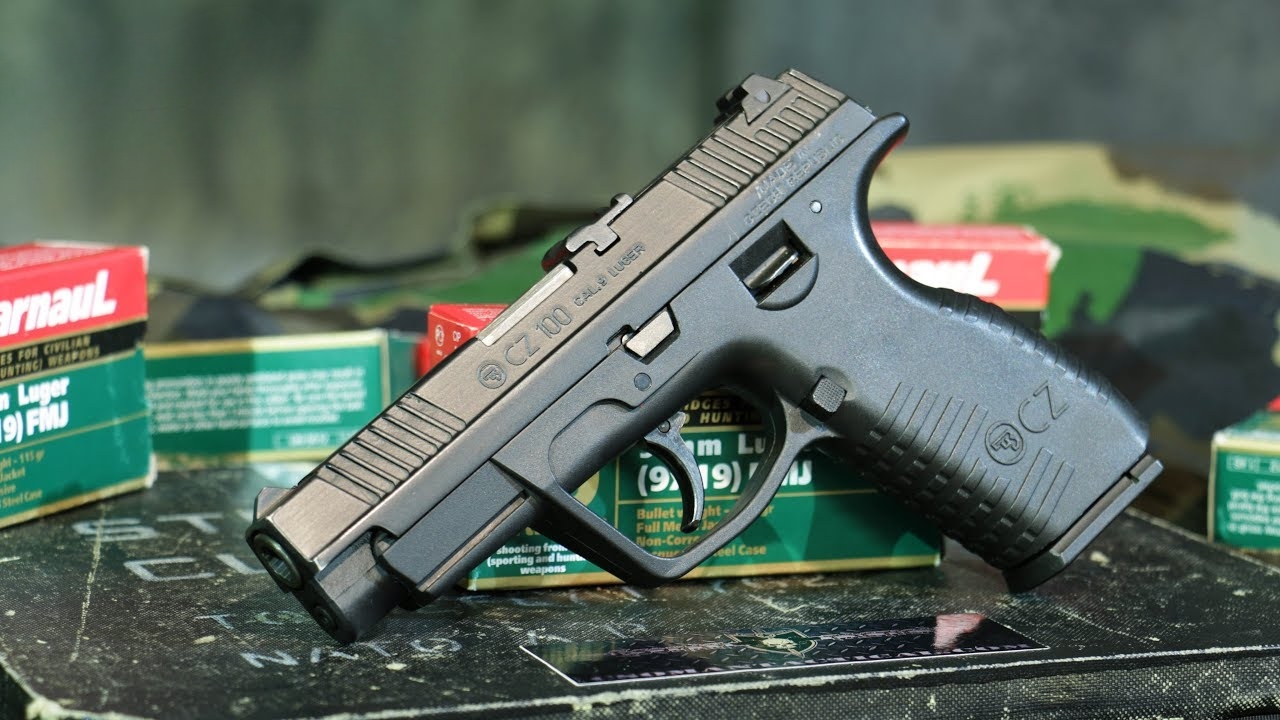
The CZ 100 was the company’s first polymer-framed pistol and an early attempt to enter the modern striker-fired market. It retained some of the low-slide profile associated with CZ handguns and offered a lightweight alternative to the company’s steel-framed designs.
The trigger made the gun extremely difficult to appreciate. It was long, heavy, and unlike the excellent single-action pulls shooters associated with the CZ 75 family. The blocky grip and limited aftermarket further reduced its appeal. Reliability could be acceptable, but there was no reason to tolerate the poor trigger when stronger competitors were widely available. CZ later demonstrated that it could build excellent polymer pistols with the P-07 and P-10 series. The CZ 100 should have been the beginning of that success rather than a model most shooters wanted to forget.
KelTec RFB

The KelTec RFB promised a compact bullpup rifle chambered in .308 Winchester that could be fired comfortably from either shoulder. Its forward-ejection system pushed empty cases through a chute near the front of the rifle, solving one of the major left-handed problems associated with bullpup designs.
The concept was excellent, but the rifle demanded more effort than buyers expected. Gas adjustment could be sensitive, the gun was heavy, and clearing certain malfunctions was less convenient than on a conventional rifle. Availability, parts support, and production consistency also limited confidence. A dependable ambidextrous .308 bullpup could have filled a valuable role for hunters and defensive shooters. The RFB remained more interesting as an engineering concept than reassuring as a hard-use rifle.
Bushmaster ACR
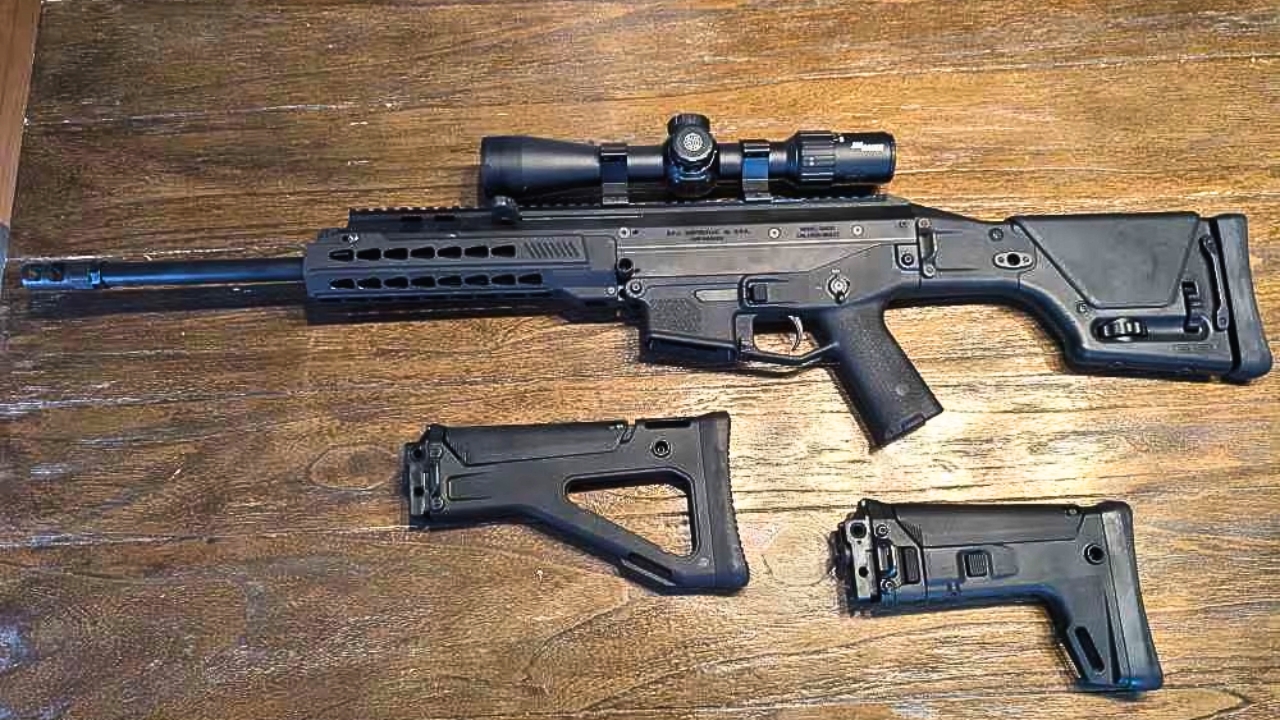
The Bushmaster ACR arrived with enormous expectations. Developed from the Magpul Masada concept, it offered a folding and adjustable stock, quick-change barrel system, ambidextrous controls, and a modern short-stroke gas piston. Shooters expected a modular rifle that might represent the next step beyond the AR-15.
The production rifle became heavier, more expensive, and less modular than buyers had been led to expect. Caliber-conversion support remained limited, while the quick-change barrel system never developed into the broad ecosystem people imagined. Its controls and operating system were good, but not good enough to overcome the cost and weight. The ACR was not a bad rifle. It was a rifle built around promises that never became reality, making competent performance feel disappointing.
FN FS2000
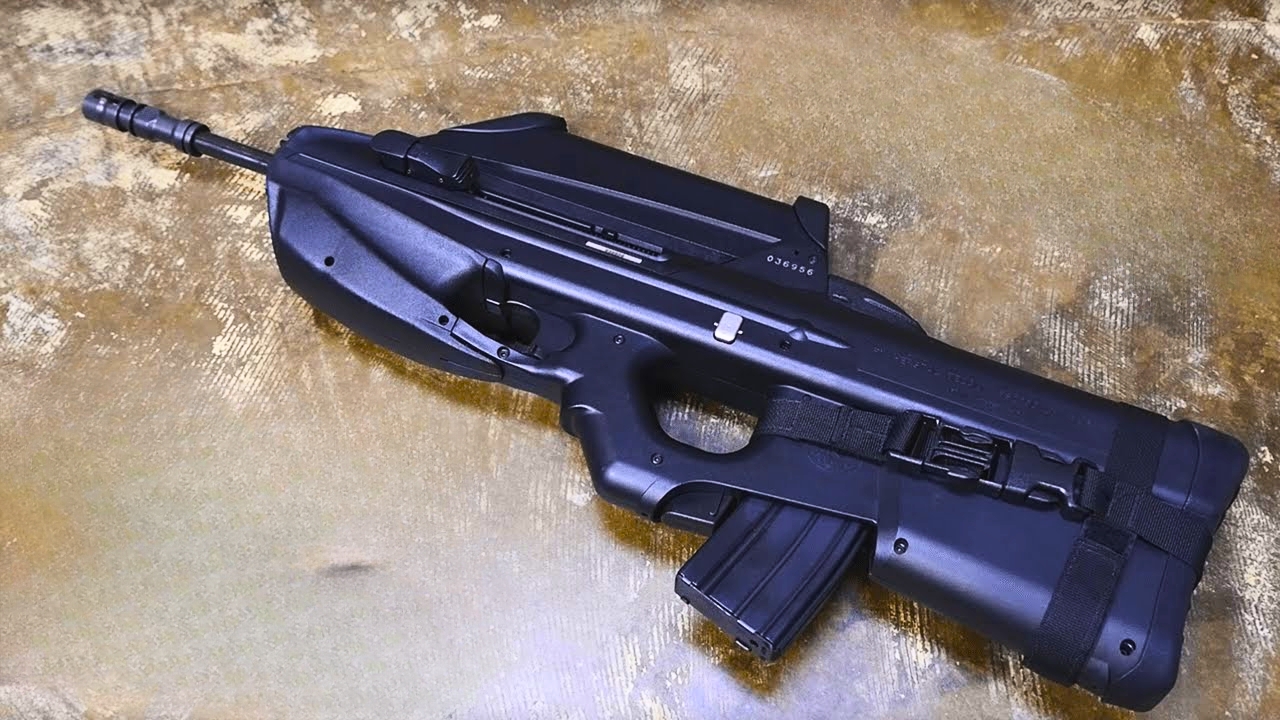
The FN FS2000 offered a compact bullpup layout, fully enclosed action, and forward ejection that made the rifle friendly to either shoulder. Its smooth outer shell protected the mechanism from debris and gave the rifle an unmistakable futuristic appearance.
The controls and ergonomics limited its usefulness. The trigger was heavy, magazine access was awkward, and the rifle did not accept every common AR magazine without difficulty. Optics mounting and accessory placement also felt less flexible than on conventional carbines. The FS2000 solved several bullpup problems but created new ones in the process. With a better trigger, improved controls, and stronger accessory support, it could have become one of the best civilian bullpups rather than a collectible curiosity.
SIG Sauer 556
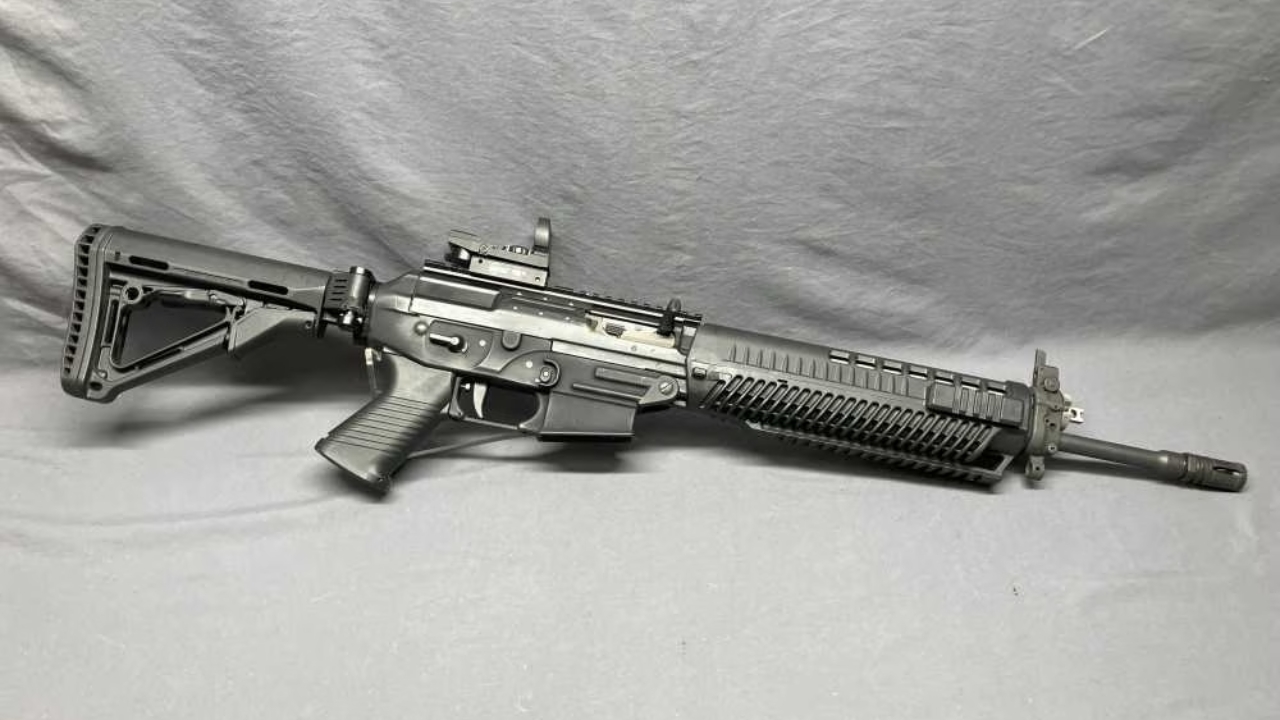
The SIG 556 was supposed to give American buyers access to the respected operating system of the Swiss SG 550 family. It used a long-stroke piston, robust bolt design, and offered a folding-stock rifle that appeared capable of competing with premium AR alternatives.
American-market changes weakened the connection to the rifle people actually wanted. Early versions used AR-style magazines and furniture that lacked the elegance and handling of the Swiss originals. The rifle was heavy, expensive, and supported by a limited supply of proprietary parts. Later versions moved closer to the classic appearance, but the lineup became confusing and inconsistent. SIG had one of the most admired rifle designs in the world and turned it into a product that often felt like a compromise for the American market.
Remington Model 710
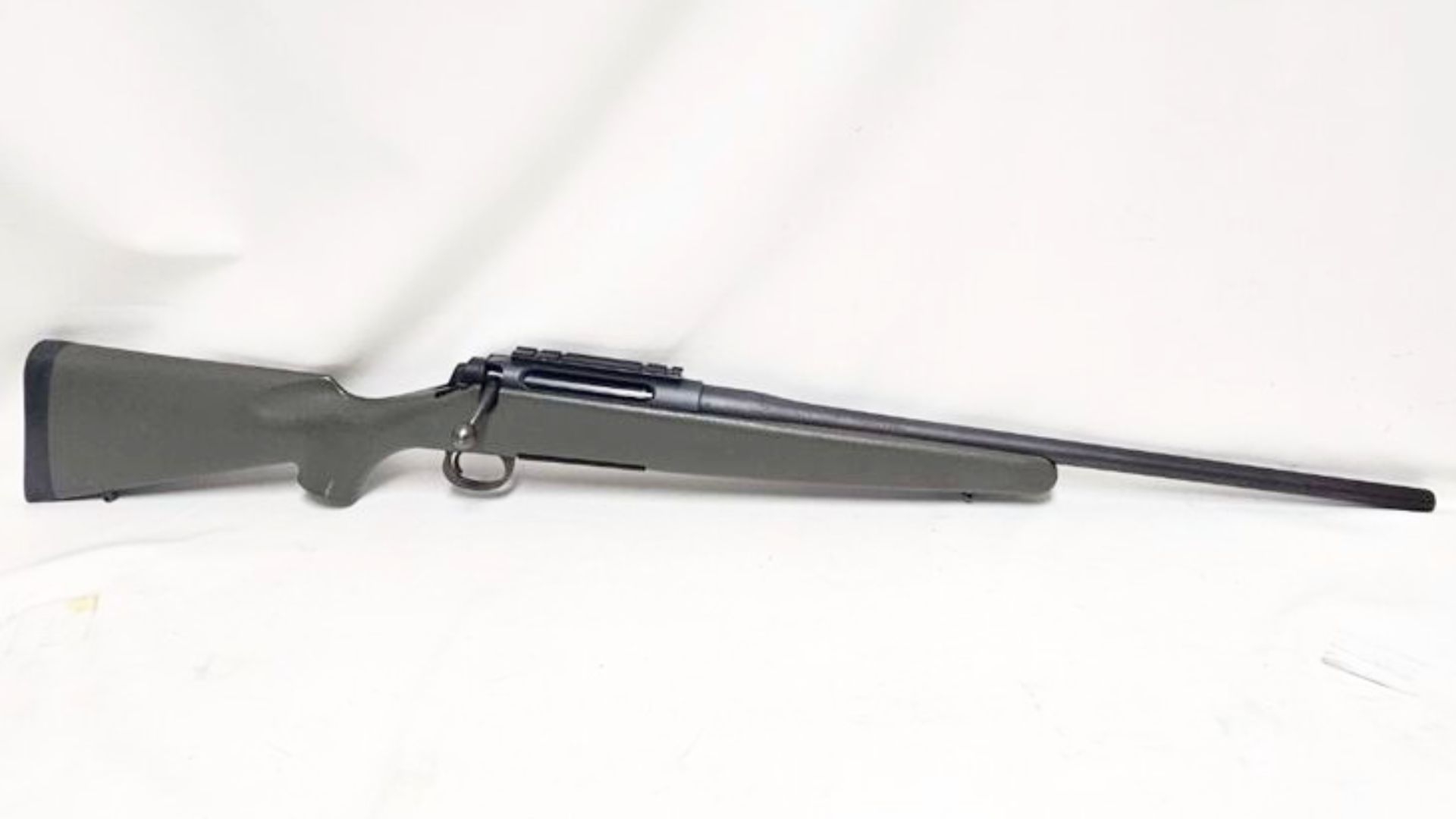
The Remington Model 710 was intended to provide hunters with an affordable, ready-to-use bolt-action rifle complete with a factory-mounted scope. It carried the Remington name and appeared to offer an easy entry into deer hunting without the expense of a Model 700.
Cost cutting dominated the experience. The action felt rough, the polymer receiver insert and pressed-in barrel complicated repair or customization, and the stock and detachable magazine felt inexpensive. Accuracy could be adequate for ordinary hunting distances, but the rifle lacked the durability and ownership appeal buyers expected from Remington. An affordable package rifle was a good idea. The Model 710 should have been a dependable heirloom-level entry gun and instead felt closer to a disposable hunting tool.
Winchester Model 100
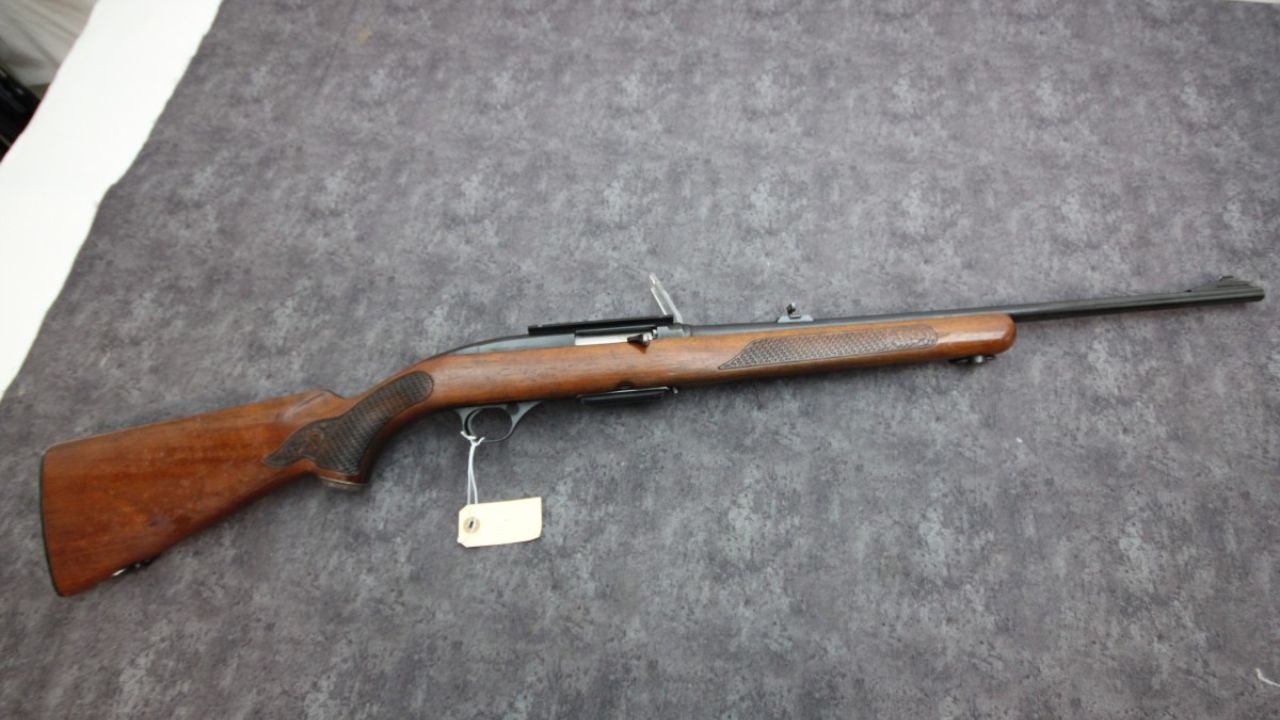
The Winchester Model 100 promised hunters a lightweight semi-automatic rifle chambered in useful cartridges such as .308 Winchester. Its traditional stock and detachable magazine gave it the appearance of a refined sporting rifle rather than a military-style semi-automatic.
The rifle developed a mixed reputation for reliability and was later affected by a firing-pin recall. Keeping older examples running can require careful maintenance and increasingly scarce parts. Accuracy was generally suitable for deer hunting, but the trigger and operating system did not offer the refinement buyers expected from Winchester. The Model 100 had the right appearance, chamberings, and purpose to become a lasting woods rifle. Mechanical issues and limited long-term support prevented it from reaching that status.
Mossberg MVP Patrol
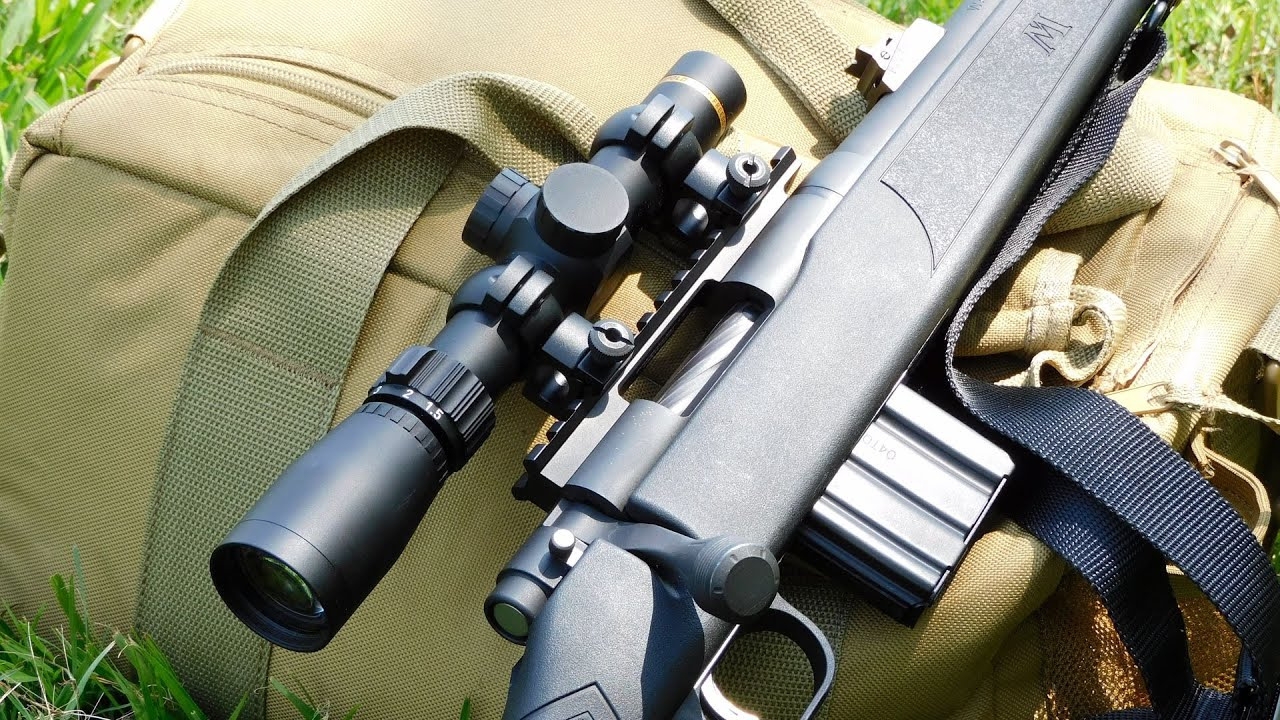
The Mossberg MVP Patrol attracted attention because it was a compact bolt-action rifle capable of using widely available detachable magazines associated with semi-automatic platforms. Depending on chambering, owners could use AR-15- or AR-10-pattern magazines, giving the rifle a practical advantage over proprietary hunting magazines.
The execution felt less polished than the idea deserved. Bolt operation could be rough, the magazine interface was not always smooth, and the stock and trigger guard felt economical. Accuracy was often acceptable, but the rifle rarely felt as refined as competing bolt actions from Tikka, Howa, or Bergara. A compact bolt gun using common magazines remains a strong concept. The MVP Patrol should have become a benchmark utility rifle rather than a model buyers chose mainly for magazine compatibility.
IWI Galil ACE Gen II

The Galil ACE Gen II modernized the proven Galil and AK operating system with an adjustable stock, free-float-style handguard, improved controls, and broad optic-mounting space. It appeared to offer AK durability with the ergonomics expected from a current tactical rifle.
The redesign sacrificed some of the identity and handling that made the first-generation ACE appealing. The extended handguard and modern furniture added bulk, while the rifle remained heavy compared with AR-pattern competitors. The trigger and accuracy were respectable but did not always justify the premium price. It remained dependable, yet buyers expecting the ultimate modernized AK often received a rifle that was heavier and less distinctive than anticipated. The Gen II should have refined the original ACE without losing so much of its character.
Like The Avid Outdoorsman’s content? Subscribe to our newsletter so you never miss an article.
Here’s more from us: