Photo credit: Pvstockmedia/Shutterstock.com
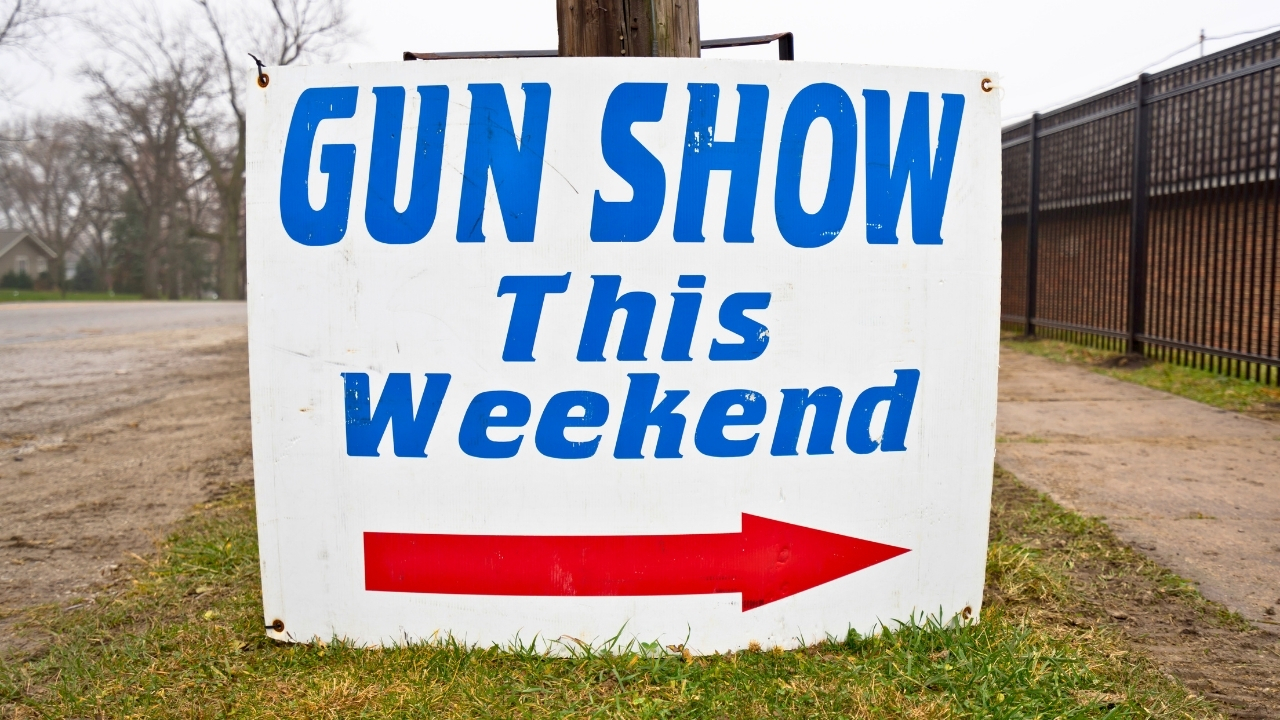
Gun shows are dangerous places for optimism. Everything looks like a bargain under fluorescent lights, especially when a tag says “hard to find,” “pre-ban,” or “barely fired.” You’ve got noise, crowds, and a seller telling a good story while you’re holding cash. That’s how people end up buying problems instead of guns. Most bad gun-show buys don’t fail immediately. They fail later—after a few range trips, after a season of carry, or when you finally try to rely on them for something that matters. By then, the seller is gone and the “deal” has already cost you more than buying clean would have.
None of this means every gun show buy is a mistake. It means the common traps are common for a reason. If you know where people get burned, you can slow down and avoid the stuff that looks cheap up front but gets expensive fast.
“Lightly used” guns with unknown round counts
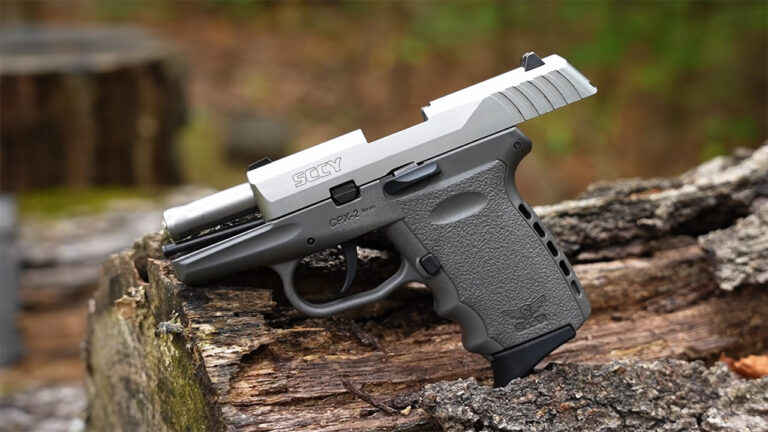
“Only a couple boxes through it” is the most abused phrase at gun shows. There’s no standard for what that means, and there’s no incentive for the seller to be honest if the gun has lived a hard life. Round count matters for wear items—springs, extractors, locking surfaces—and those don’t always announce themselves right away. A pistol can feel fine in the hand and still be right on the edge of reliability once it heats up or starts running dirty.
This gets especially risky with carry guns and competition-style pistols where tolerances are tighter. You might not see the problem until you’ve put another few hundred rounds through it, at which point you’re chasing malfunctions that shouldn’t exist. If you can’t verify service history, upgrades, or maintenance, assume you’re buying wear along with the gun. That “deal” evaporates quickly once you’re replacing springs, extractors, or sending it out to a smith.
Older surplus rifles that “just need a little cleaning”
Surplus rifles are cool, and some are absolute tanks. The problem is the phrase “just needs a little cleaning.” What that often hides is a rough bore, throat erosion, mismatched parts, or headspace that’s right on the edge. A rifle can look fine externally and still be worn in ways that kill accuracy or reliability. The cosmoline comes off, the groups look awful, and suddenly the charm wears thin.
People also underestimate how expensive it can be to make a rough surplus rifle shoot well. Barrels, bolts, and proper gunsmithing add up fast, and suddenly that cheap rifle costs more than a clean example would have. If you don’t know how to evaluate a bore, check locking lugs, or understand what you’re seeing, surplus “projects” are one of the fastest ways to spend real money fixing a gun you thought was a bargain.
“Custom” guns with mystery modifications
Gun shows are full of “custom” guns, and that word should make you cautious, not excited. Custom work is only valuable if it was done well and done for a reason. Mystery triggers, home-polished feed ramps, unknown springs, and parts swaps without documentation are where reliability goes to die. The seller may genuinely believe the work was an upgrade. That doesn’t mean it was done correctly or that it matches how you’ll actually use the gun.
This is especially risky with defensive pistols. Reliability lives in boring factory geometry more than people like to admit. Once a gun has been modified by an unknown hand, you’re buying someone else’s experiments. If the gun runs perfectly forever, great. If it doesn’t, you’re now undoing work you didn’t ask for and paying to bring it back to baseline. A “custom deal” that needs to be de-customized is rarely a deal at all.
Rare or discontinued ammo buys that lock you into a headache
Ammo tables at gun shows can look tempting, especially when you see calibers you don’t see on shelves anymore. The problem is buying into an ammo situation that’s unsustainable. Obscure, discontinued, or niche calibers can turn into shelf ornaments once your initial stash runs out. Reloading can help, but not everyone reloads, and components for oddball calibers aren’t always easy to find either.
Even when ammo is available, it’s often inconsistent or expensive enough that you hesitate to practice. That’s a problem. A gun you don’t shoot because feeding it is annoying eventually becomes a gun you don’t trust. Deals that lock you into hard-to-source ammo don’t always feel bad at the table, but they feel bad a year later when you realize the rifle or pistol has quietly fallen out of rotation.
“Great price” optics that already lived a rough life
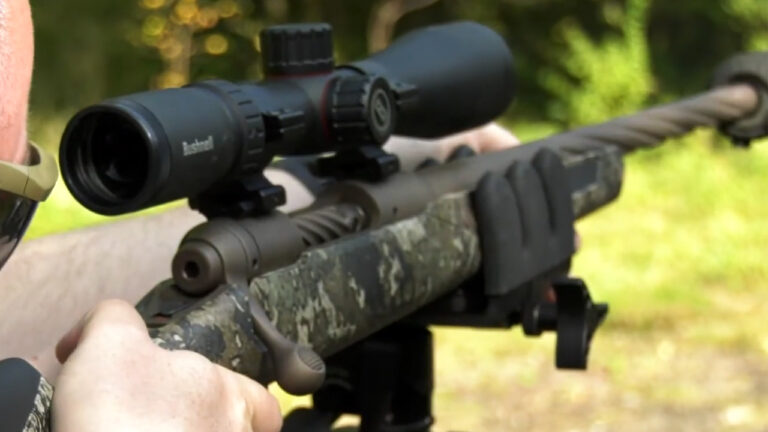
Used optics are one of the most dangerous gun-show buys. Scopes and red dots can look fine externally and still be internally damaged from recoil, drops, or hard use. Tracking issues, loss of zero, and intermittent illumination problems often don’t show up until you actually shoot with them. By then, the return window is long gone. You’re left with an optic that technically works, but not well enough to trust.
Unless you can verify the optic’s history or test it properly, cheap glass is often the most expensive mistake on the table. This is one area where buying new from a known retailer makes sense. If you want something dependable without guessing, Bass Pro carries hunting and defensive optics with warranties and return support, which matters more than saving a few bucks on something that may already be compromised.
How to slow yourself down before you buy
The fix for most gun-show mistakes isn’t secret knowledge. It’s patience. Ask boring questions. Look past the story and at the wear. If something feels rushed, that’s usually intentional. Walk away once and see if you still want it. Deals that are actually good tend to still be good after you take a lap. Deals that depend on pressure tend to fall apart the moment you step back.
It also helps to go in knowing what you’re shopping for and what a fair price actually is. Wandering into a show hoping to be surprised is how people get surprised in the wrong way. If you know your budget, know your use case, and know what problems to avoid, gun shows can still be useful. If you don’t, they’re very efficient at separating people from money.
Like The Avid Outdoorsman’s content? Subscribe to our newsletter so you never miss an article.
Here’s more from us: