Photo credit: The Avid Outdoorsman
A hunter who finally earned access to private land said he felt guilty keeping it to himself, but the more he explained the situation, the clearer it became that his friend had already given him plenty of reasons not to share.
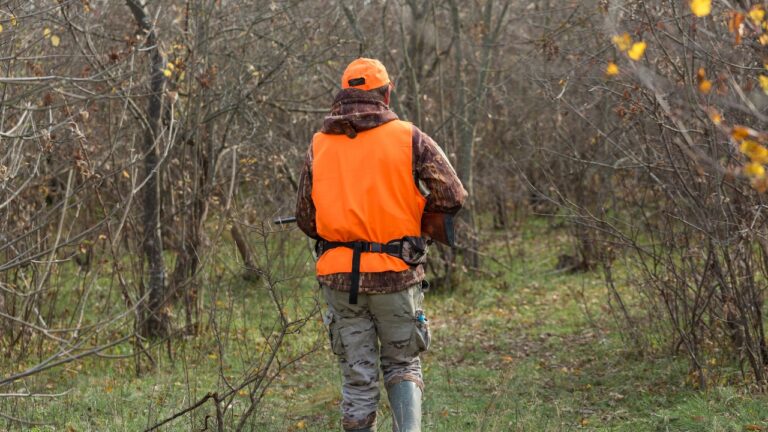
The hunter laid out the conflict in a Reddit post titled “Am I wrong for not trying to share private land access with a friend?”. He said he had recently gotten permission to hunt private land after putting in serious effort. This was not a casual invite or a lucky handshake at the gas station. He said he mailed 100 letters, knocked on doors, researched landowners through OnX, and dealt with plenty of rejection before two landowners finally gave him permission.
Then his hunting friend wanted in.
That put the poster in a tough spot because the friend had not helped with the work. According to the hunter, the friend had mailed no letters, knocked on no doors, and done nothing to build relationships with the landowners. But now he wanted the poster to bring him along and introduce him to the people who had granted access.
The poster felt bad keeping the opportunity to himself because the two had shared public-land scouting pins for years. But this felt different. Public land is open to everyone. Private land access depends on trust, relationships, and the permission of the landowner. Bringing someone else into that arrangement too early could ruin it for both of them.
And based on the history the poster described, this friend already had a habit of putting pressure on shared spots.
The Private Land Was Earned, Not Handed Over
The hunter made it clear that he had worked hard to get access.
He had written letters to landowners, researched addresses, contacted people respectfully, and handled the uncomfortable part of asking strangers for permission. Anyone who has tried to get private hunting access knows how much rejection comes with that. Most letters go unanswered. Many landowners say no. Some already have family, lease holders, or trusted hunters using the property.
So when someone finally says yes, it is not something to treat casually.
That was why the friend’s request bothered him. The friend was not asking to share a random public ridge they both found together. He wanted to be brought into a fragile new relationship with landowners he had not contacted and had not earned trust with.
The poster said he was still building those relationships. That matters. A landowner may be comfortable with one hunter but not a rotating group of friends. If the first hunter immediately asks to bring someone else, it can make the landowner wonder whether permission will keep expanding.
That is one of the fastest ways to lose access. A landowner gives permission to one person, and suddenly that person wants to bring a buddy, then another buddy, then someone’s cousin. Many landowners shut that down quickly because they do not want private ground turning into a social club.
The poster seemed to understand that, even if he felt guilty saying no.
The Friend Had Already Pressured Shared Spots
The history between the two hunters made the question more complicated.
The poster said he and his friend had shared every public-land spot they scouted for five years. That kind of partnership can be valuable when both people contribute. Public-land hunting is hard, and having someone to scout, compare sign, help track, and split the work can make a big difference.
But the poster also said the friend had “blown out” and pressured every pin he had shared. In other words, once the friend knew about a spot, he seemed to hunt it hard or use it in a way that hurt the original plan.
The poster later gave an example that still bothered him. He said they had scouted a new section of forest and picked trees for saddle hunting. The poster had pictures of a good 8-point buck and could not go the next day. His friend went anyway, sat that tree, and killed a different buck.
The poster admitted it was public land and that his friend technically had every right to be there. But the timing still did not sit right with him. The friend knew the poster had found deer activity there and knew he could not go that day. Instead of respecting the work that went into the find, he hunted it.
That kind of history made the private-land question feel less like generosity and more like risk.
The Trail Cam Story Hit a Nerve
The thread took a sharper turn when another commenter shared a similar story.
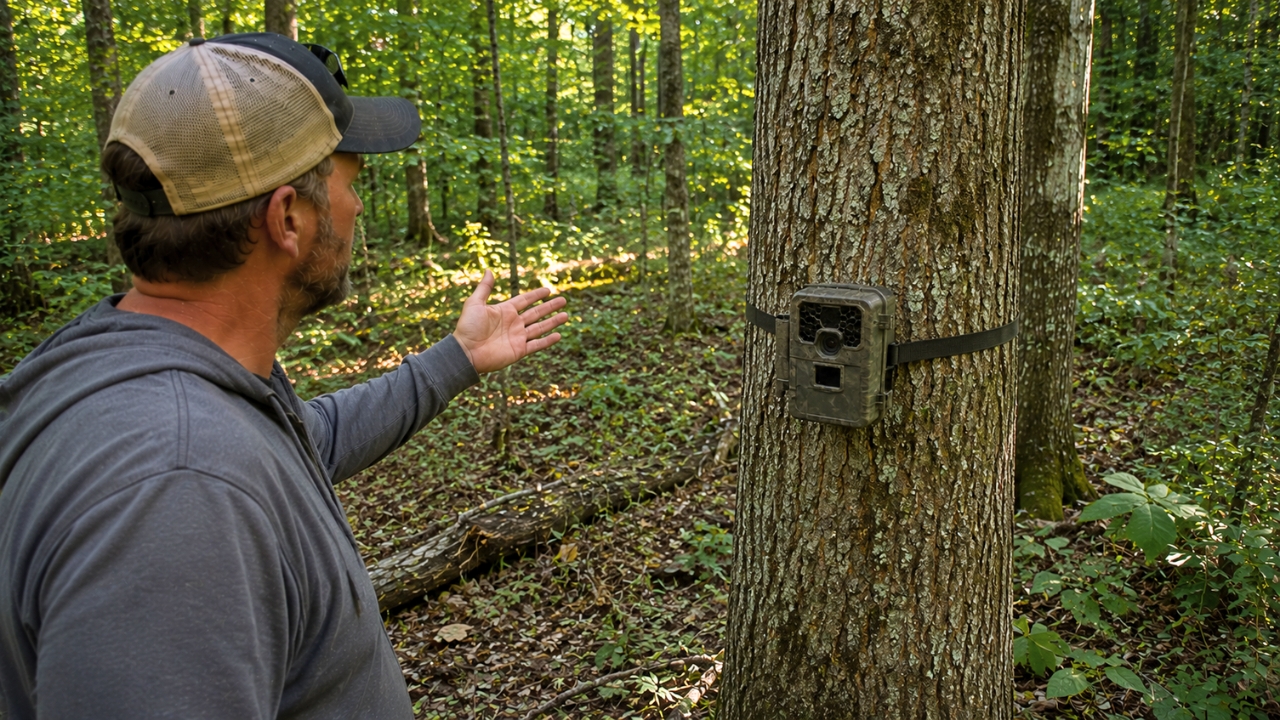
That commenter said he once brought a friend onto private land where he had done the work required by the landowner. The friend did not help, took advantage of the setup, and later accessed trail cameras and erased certain buck photos to make it look like there were no good deer on the property.
That story landed hard with the original poster. It made him step back and look at his own friend’s pattern more honestly.
Trail cameras create trust issues quickly because they hold valuable information. They show what deer are moving, when they are moving, and which spots are worth sitting. If someone manipulates or hides that information, it is not only a hunting problem. It is a friendship problem.
The original poster did not say his own friend erased trail cam photos. But the other hunter’s story gave him a clear warning about what can happen when someone gets access without earning it and starts acting like another man’s work belongs to him.
The more he talked through it, the more the poster seemed to realize the issue was bigger than one private property. He was asking whether to protect access from a friend who had already shown he might not respect the effort behind it.
Landowners in the Comments Were Blunt
One landowner in the comments made the point clearly: when he gives one person permission, that permission does not automatically extend to friends or acquaintances.
That matters more than some hunters want to admit. A hunter may think, “I have permission, so surely I can bring one buddy.” The landowner may see it very differently. He allowed one person, not a guest list.
The poster said his friend wanted him to bring him and introduce him to the owners. But he also said he would never bring someone the landowner was not comfortable with. That was the right instinct.
A private-land relationship is fragile at first. The hunter needs to prove he will follow rules, respect boundaries, close gates, avoid sensitive areas, keep the property clean, and communicate well. Bringing a friend too early can make the landowner wonder whether the original hunter understands the privilege he was given.
Several commenters told him to simply say the access was extended to him only. Others said he should be honest and tell the friend he was not comfortable asking to bring anyone while the relationship was still new.
That second answer was stronger. Lying might avoid one awkward conversation, but it would not fix the bigger issue. The poster eventually said he was not going to lie. He would tell the friend he did the work and would reap the rewards.
The Friendship Question Became Bigger Than Hunting
As the thread continued, the poster started talking less like a man unsure about a hunting invite and more like a man realizing his friendship had become one-sided.
He said he had been talking about this with his wife for two years and thought it might be time to cut the cord. He also described another example where he helped a newer acquaintance track a deer for hours. That person later shared meat and gave him a specific tree to hunt the next morning. When the poster told his friend about the plan, the friend went into the same area, sat close by, and shot a buck the next day.
That was not private land, so the friend was not breaking a rule. But friendships are not only about legal rights. They are about trust, courtesy, and whether someone treats your effort with respect.
The poster seemed to realize that the friend liked access but did not like the work that came before access. That is a problem in hunting because most of the real work happens before anyone pulls a trigger. Scouting, writing letters, walking properties, building relationships, hanging cameras, tracking deer, and respecting landowners all matter.
A person who only shows up for the payoff can burn out a hunting partnership fast.
Commenters overwhelmingly told the hunter not to bring the friend onto the private land.
Many said he had done the work, earned the permission, and had no obligation to share it with someone who contributed nothing. Several pointed out that bringing an uninvited friend could put the new access at risk and possibly cost him the relationship with the landowners.
Landowners in the thread were especially firm. They said permission for one hunter does not mean permission for guests. Some said they get frustrated when hunters ask to bring more people after access has already been granted, because it changes the agreement.
Others focused on the friend’s past behavior. If the friend had already pressured shared public-land spots, hunted areas the poster had scouted, and acted entitled to the benefits of someone else’s work, commenters saw no reason to give him access to something even more fragile.
A few commenters suggested soft excuses, but others told the poster to be direct. The access was his, the landowners trusted him, and he was still building that relationship. If the friend had a problem with that, it said more about the friendship than the hunting spot.
For the hunter, the question started with guilt. He felt bad keeping a good opportunity to himself. But by the end of the discussion, the answer was pretty clear: private land access is too hard to earn and too easy to lose. A friend who wants the reward without the work may not be the person to bring through the gate.