Photo credit: Weatherby, Inc.
Every hunting camp has patterns. Certain rifles show up once, get talked about hard for a season, then disappear when the novelty wears off or the problems start. Other rifles just keep coming back. They don’t always get the loudest praise, but they’re there every year, leaning against the same cabin wall or riding in the same truck rack, looking a little more worn and a little more trusted each season. The Weatherby Vanguard is one of those rifles. It isn’t the trendiest option, and it doesn’t need to be. It keeps showing up because it tends to do what hunters actually need: shoot reliably, hold zero, and not create drama when weather and real use start stacking up.
A lot of hunters could afford something “nicer” if they wanted to, but that’s not really the point. Camp rifles aren’t judged by brochures. They’re judged by whether they work when the shot window opens and the conditions aren’t ideal. They’re judged by whether they get carried all day without making you resent them. They’re judged by whether they’ll run through a wet week, a dusty week, or a cold week without turning into a maintenance project. The Vanguard keeps showing up because it lives in that practical zone where performance meets durability and cost meets confidence.
It’s reliable in the ways that matter when you’re hunting hard
The number one reason the Vanguard keeps appearing in camp is boring: reliability. Not “internet reliable,” not “it ran fine in my backyard,” but reliable over years of real hunting use. Hunters don’t keep bringing a rifle back if it creates problems. They’ll tolerate a lot—scratches, weight, a trigger that isn’t perfect—if the rifle feeds, fires, and extracts every time. The Vanguard has built a reputation in a lot of camps for doing that, especially for hunters who don’t baby their rifles and don’t want to worry about them once the season starts.
It also tends to be forgiving. Some rifles are built tight and tuned and they shoot beautifully, but they can be less tolerant of dirt, moisture, and the kind of rough handling that camp life creates. A rifle that’s slightly more forgiving mechanically often ends up being the one that survives seasons with fewer headaches. The Vanguard tends to land in that category. It’s not fragile. It’s built to be used, and hunters notice that after enough seasons.
Accuracy is consistent enough that people stop second-guessing
A camp rifle doesn’t need to shoot tiny groups like a match gun. It needs to be consistent. Hunters need to know where it hits and trust that it will keep doing that. The Vanguard’s appeal is that it generally delivers “honest hunting accuracy” without requiring constant tinkering. When a rifle consistently prints where it’s supposed to, hunters stop messing with it. They stop chasing different ammo every weekend. They stop adjusting things that don’t need adjusting. That consistency builds confidence faster than a rifle that occasionally shoots a spectacular group but behaves unpredictably when conditions change.
Consistency is what fills freezers. If you know your rifle and it doesn’t surprise you, you focus on the shot instead of the equipment. That’s why a lot of Vanguards become “the rifle” for a hunter—set up once, carried for years, and trusted because it keeps behaving the same way. Camp favors that kind of relationship, especially when hunting is limited to a few weekends and you don’t have time for gear drama.
The rifle makes sense for hunters who don’t want to baby equipment
A lot of rifles today are marketed like they’re precision instruments that require precision treatment. There’s nothing wrong with that if you enjoy it, but a big chunk of hunters don’t. They want a rifle that can bounce around in a truck, get leaned against a tree, get carried through brush, and still show up ready to work the next morning. That’s not carelessness, that’s reality. Camp rifles live hard. The Vanguard keeps showing up because hunters generally feel like they can use it without treating it like a fragile toy.
This is also where value matters. If you’re carrying a rifle through nasty terrain, you don’t want to be afraid of scratching it. When a rifle costs enough that every nick feels like a tragedy, it changes how you hunt. People move differently. They hesitate to set the rifle down. They overthink gear protection instead of the hunt. A rifle that’s good and reasonably priced lets hunters hunt freely. That’s a big reason the Vanguard becomes a camp staple instead of a safe queen.
It pairs well with simple optics and simple habits
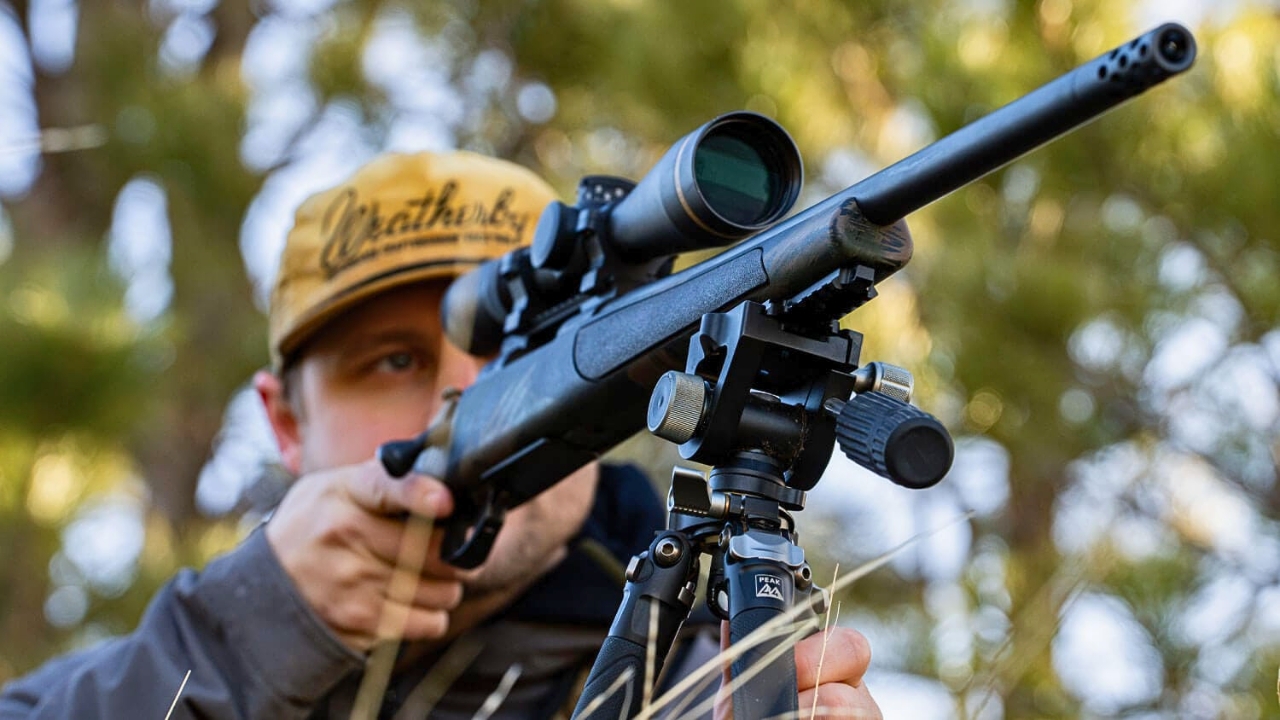
Another reason the Vanguard keeps showing up is that it works best with the kind of setups most hunters actually use: a sensible scope, a simple zero, and a consistent process. It doesn’t demand a fancy turret system or a complex reticle to be effective. You can put a straightforward hunting scope on it, zero it properly, and run the same ammo year after year. That simplicity is what makes a rifle “camp-proof.” The fewer decisions you have to make, the fewer chances you have to mess something up when you’re tired, cold, or rushed.
This is where a lot of hunters quietly spend their money: not on the rifle itself, but on dependable glass, rings, and mounts. A Vanguard with a reliable scope is a very functional system for most hunting distances. Bass Pro carries plenty of hunting scopes that fit that role, and the key is picking something that you can see through in bad light and that doesn’t lose zero. Camp rifles don’t need features. They need clarity and reliability, and the Vanguard tends to support that kind of straightforward setup well.
The trigger and stock aren’t perfect, but they’re workable
A lot of camp rifles have a similar story: “It’s not perfect, but it works.” The Vanguard fits that well. Some hunters upgrade triggers, some tweak stocks, some don’t touch anything at all. The point isn’t that it arrives as a flawless boutique rifle. The point is that it arrives as a solid foundation that can be left alone or tuned depending on how picky you are. For most hunters, “good enough” on the trigger and stock is fine because they’re not shooting benchrest matches. They’re shooting at animals inside realistic distances, and consistency matters more than a trigger that feels like glass.
Camp rifles are judged differently than range rifles. If a rifle is consistently safe, consistently accurate enough, and consistently reliable, it earns its place. The Vanguard keeps earning it because it meets that standard without needing to be exotic. Hunters will forgive a lot if the rifle doesn’t cost them opportunities. Camp culture is ruthless that way. If a rifle has a habit of failing, it stops showing up.
It’s one of those rifles people recommend because they’ve lived with it
A lot of rifle recommendations online are based on handling one at a store counter or watching a few videos. Camp recommendations are different. They come from years of carrying the rifle, seeing it in bad weather, watching it get bumped around, and still seeing it perform when the shot matters. The Vanguard keeps showing up in camp because a lot of hunters have lived with it long enough to trust it, and when someone asks “what should I buy that won’t make me regret it,” they recommend what they’ve seen survive.
That kind of recommendation isn’t flashy. It doesn’t make for exciting internet content. But it’s the kind of recommendation that keeps repeating across camps and across generations of hunters. A rifle doesn’t get that reputation by accident. It gets it by being dependable across a lot of different hands, and that’s exactly what a camp staple has to be.
Like The Avid Outdoorsman’s content? Subscribe to our newsletter so you never miss an article.
Here’s more from us: