Photo credit: Pew Pew Tactical/Youtube
A carry gun has to be small enough to live with, but that doesn’t mean it should feel miserable in the hand. For a long time, a lot of shooters accepted tiny grips, sharp recoil, bad sights, stiff slides, and rough triggers because concealment was the priority. Then they found pistols that carried well without feeling like punishment.
That’s when the standard changed. A carry pistol should be dependable, easy to conceal, and realistic to practice with. These pistols made shooters rethink what a carry gun should feel like.
SIG Sauer P365 XL
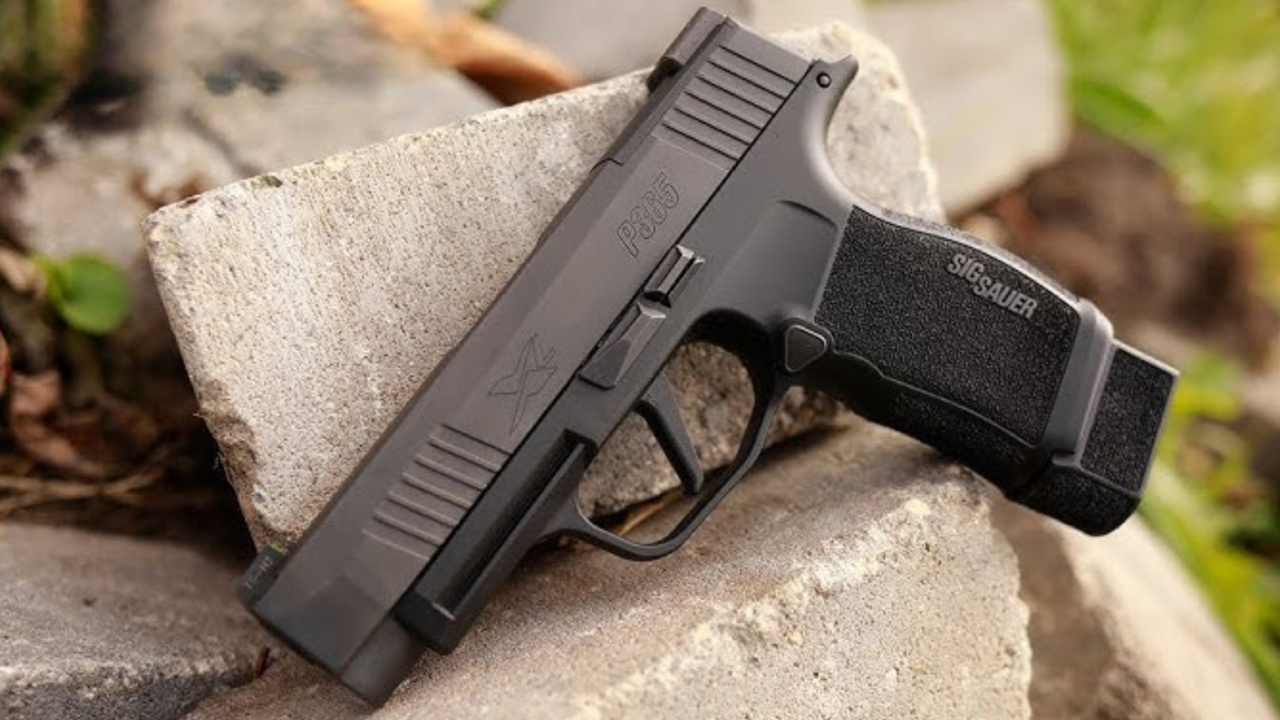
The SIG Sauer P365 XL made a lot of shooters realize a carry gun could stay slim without feeling cramped. The original P365 changed expectations around capacity, but the XL stretched the idea into something easier to shoot. The longer grip and slide gave the pistol better balance without turning it into a bulky compact.
That matters on the range. The XL gives the hand more room, tracks more naturally, and feels calmer than the smallest micro-compacts. It still conceals well for many people, especially inside the waistband, but it doesn’t feel like a last-ditch pocket gun. For owners who had been carrying tiny pistols they hated practicing with, the P365 XL felt like the carry category finally grew up.
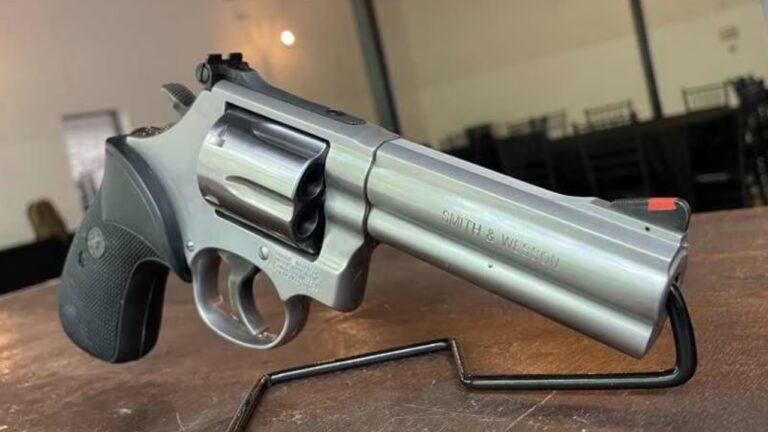
Smith & Wesson Shield Plus
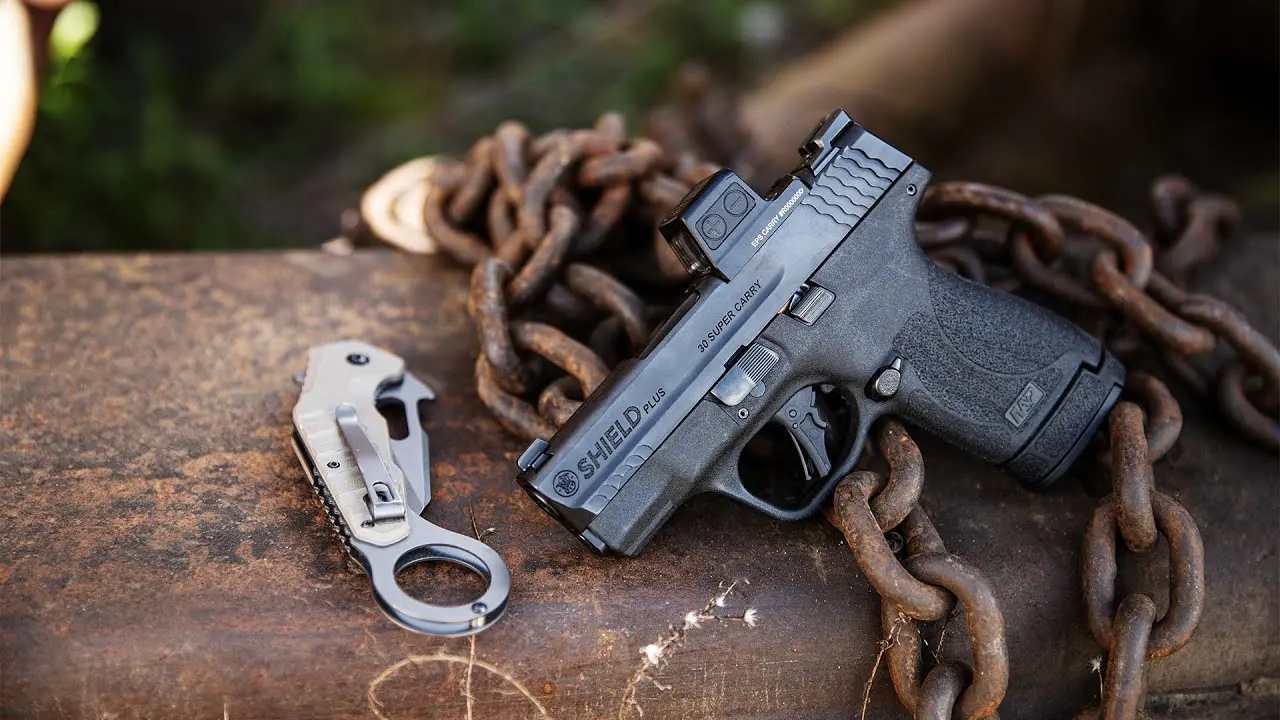
The Shield Plus took a pistol many people already trusted and made it feel more complete. The original Shield carried well and built a strong reputation, but the capacity and trigger started looking dated as the market moved forward. The Plus fixed both without ruining the slim profile that made the Shield popular.
That’s why it made shooters rethink carry comfort. It still feels thin and familiar, but the improved trigger and better capacity make it more confidence-building. The grip has enough shape to control the pistol without becoming bulky, and the gun remains easy to conceal. Some carry guns feel like a collection of compromises. The Shield Plus feels like Smith & Wesson improved the right things and left the useful parts alone.
Glock 43X MOS
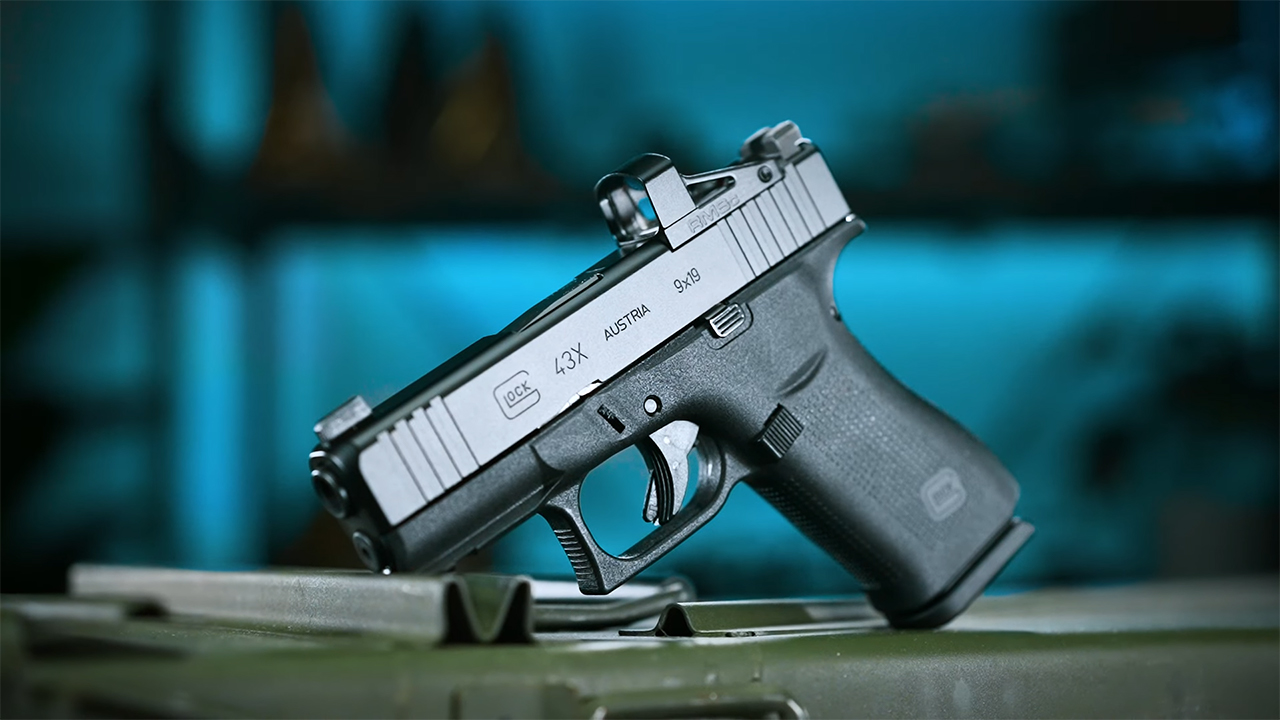
The Glock 43X MOS made shooters rethink carry by giving them a slim pistol with a full enough grip to shoot well. It isn’t the smallest Glock carry option, and factory capacity doesn’t impress everyone compared with some competitors. But the way it feels in the hand is the main reason it works.
The longer grip gives shooters better control than the tiny Glock 43, while the slim slide makes it easier to carry than a Glock 19. The MOS version adds optics capability, which matters for people who want a modern sighting setup without jumping to a larger gun. It’s plain, like most Glocks, but the proportions make sense. It feels like a carry gun meant to be practiced with, not merely tolerated.
Walther PPS M2
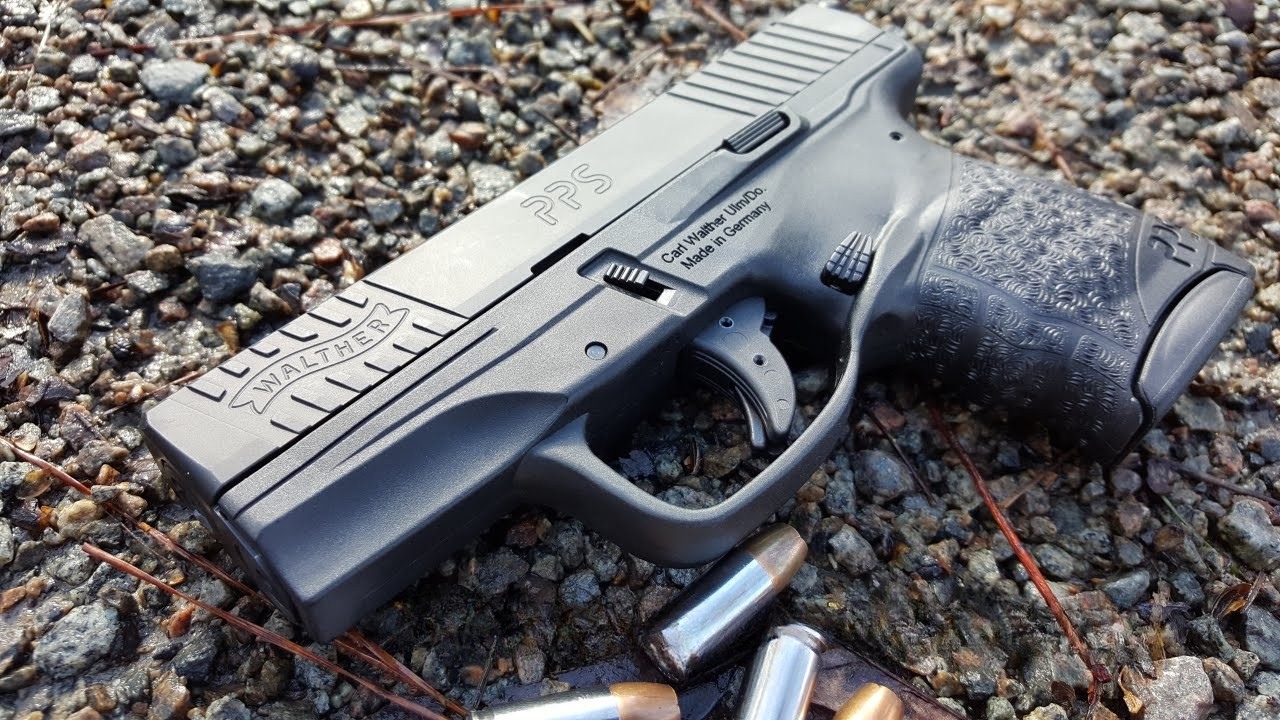
The Walther PPS M2 got overshadowed by higher-capacity micro-compacts, but it still has one of the better carry-gun feels in the slim 9mm category. It doesn’t win the magazine-capacity fight anymore, and that makes some buyers overlook it too quickly.
Shooters who spend time with it often appreciate the grip shape, trigger, and manageable recoil. It feels flat enough to carry comfortably but not so small that it becomes unpleasant to shoot. The PPS M2 shows that capacity is only part of the carry equation. If a pistol fits the hand well and encourages practice, it may serve the owner better than a higher-capacity gun they don’t shoot as confidently.
Springfield Armory Hellcat Pro

The Hellcat Pro made a strong argument that carry guns don’t have to be as small as physically possible. The original Hellcat packed impressive capacity into a tiny frame, but the Pro added enough grip and slide length to make the pistol easier to control while still keeping it slim.
That extra size changes the whole feel. The Pro gives the shooter more contact with the gun, better balance, and a more serious range experience than many micro-compacts. It’s not a pocket pistol, but it isn’t trying to be. For daily carry inside the waistband, it gives a lot of shooters a better compromise. It made the smallest option feel less attractive once people started thinking about real practice.
Ruger Max-9

The Ruger Max-9 gave budget-conscious shooters a carry pistol that felt more current without getting overly complicated. It brought strong capacity, a compact footprint, and optics-ready options into a price range that regular buyers could consider. It didn’t feel like Ruger was asking people to settle for an outdated carry gun.
The pistol is still small, so recoil and grip size are part of the deal. But compared with older slim 9mms, the Max-9 feels like a more modern answer. It gives shooters useful sights, a better capacity-to-size balance, and enough practical features to stay competitive. For someone who wants a carry gun that feels current without spending premium money, the Max-9 helped reset expectations.
CZ P-01
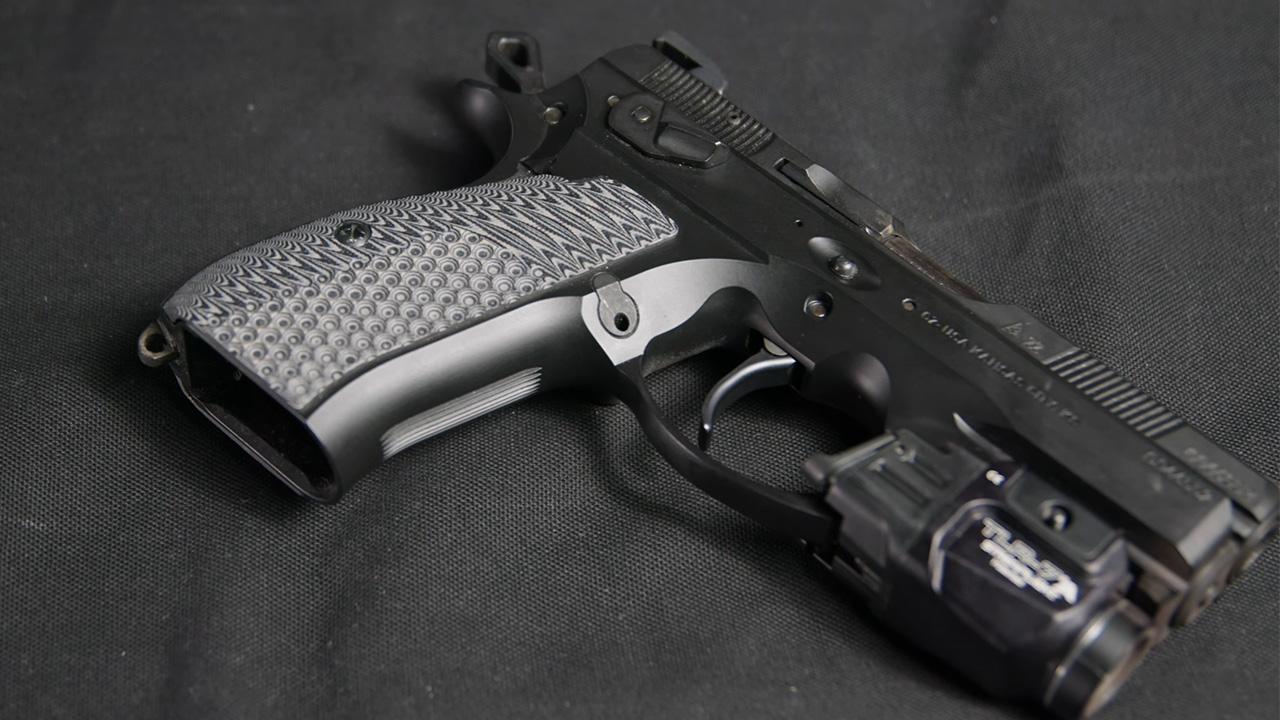
The CZ P-01 is not a micro-compact, and that’s exactly why it changed some minds. Shooters who spent time with tiny carry guns often realized the P-01 felt more like a real pistol. The alloy frame keeps weight reasonable, while the grip shape and low bore axis make it easy to shoot well for its size.
It does require more commitment than a simple striker-fired pistol. The DA/SA trigger takes practice, and the pistol is thicker and heavier than many modern carry choices. But the payoff is control. The P-01 makes shooters rethink the idea that carry comfort only means less weight and smaller dimensions. Sometimes comfort also means confidence when the pistol is actually fired.
SIG Sauer P938

The SIG P938 made shooters rethink carry guns by bringing a small metal-frame, single-action setup into a pocketable 9mm. It doesn’t feel like the typical polymer micro-compact, and that’s the whole appeal for the people who like it. The manual safety and 1911-like controls feel familiar to shooters already comfortable with that system.
It’s small, so it still requires practice and realistic expectations. But the metal frame, usable sights, and crisp trigger help it feel more refined than many tiny pistols. It isn’t for someone who refuses to train with a safety. For the right owner, though, the P938 proved that a very small carry gun could still feel like a well-made handgun rather than a disposable emergency tool.
Smith & Wesson CSX
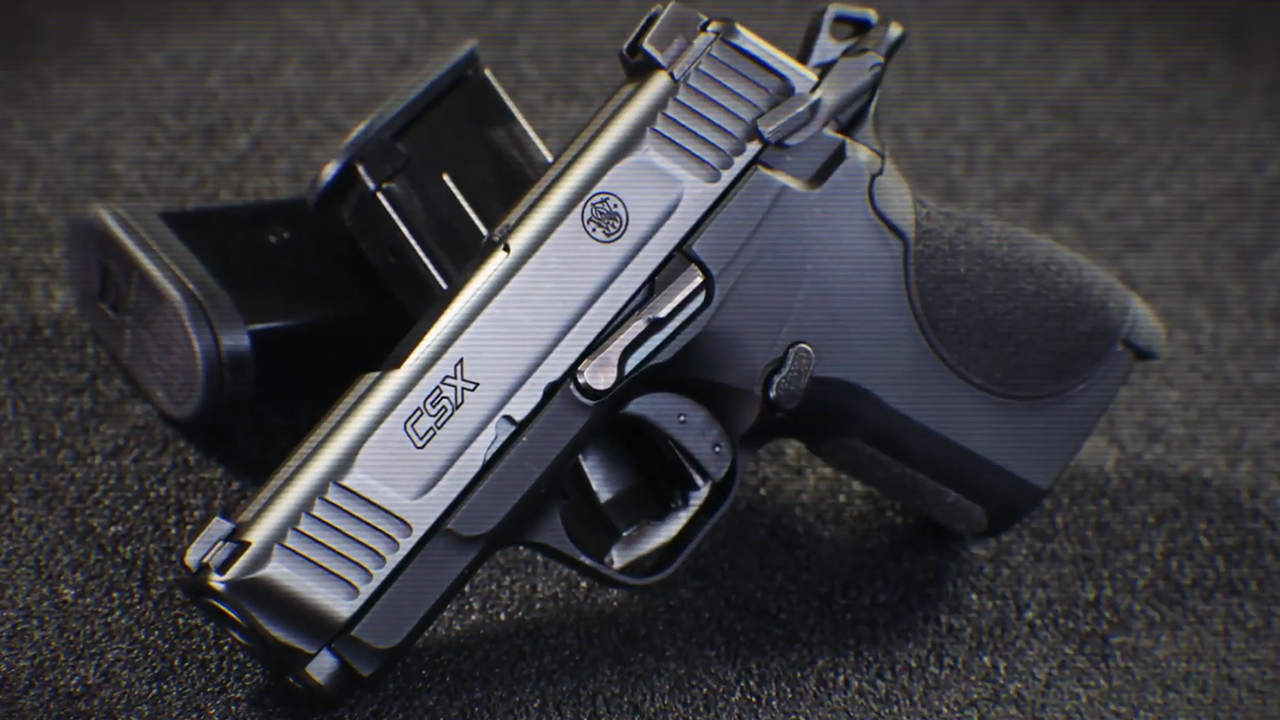
The Smith & Wesson CSX didn’t land perfectly with everyone, but it did challenge the idea that every modern carry gun has to be a polymer striker-fired pistol. It uses an aluminum frame, internal hammer, manual safety, and compact double-stack layout. That alone made it feel different from the crowd.
Some shooters disliked the trigger feel, and that criticism is fair. But the CSX still gave buyers something important: a small carry pistol with a solid metal-frame feel and strong capacity. It points naturally for many hands, carries easily, and offers a different manual of arms for people who prefer safeties. It made some shooters rethink how narrow the carry market had become.
HK VP9SK
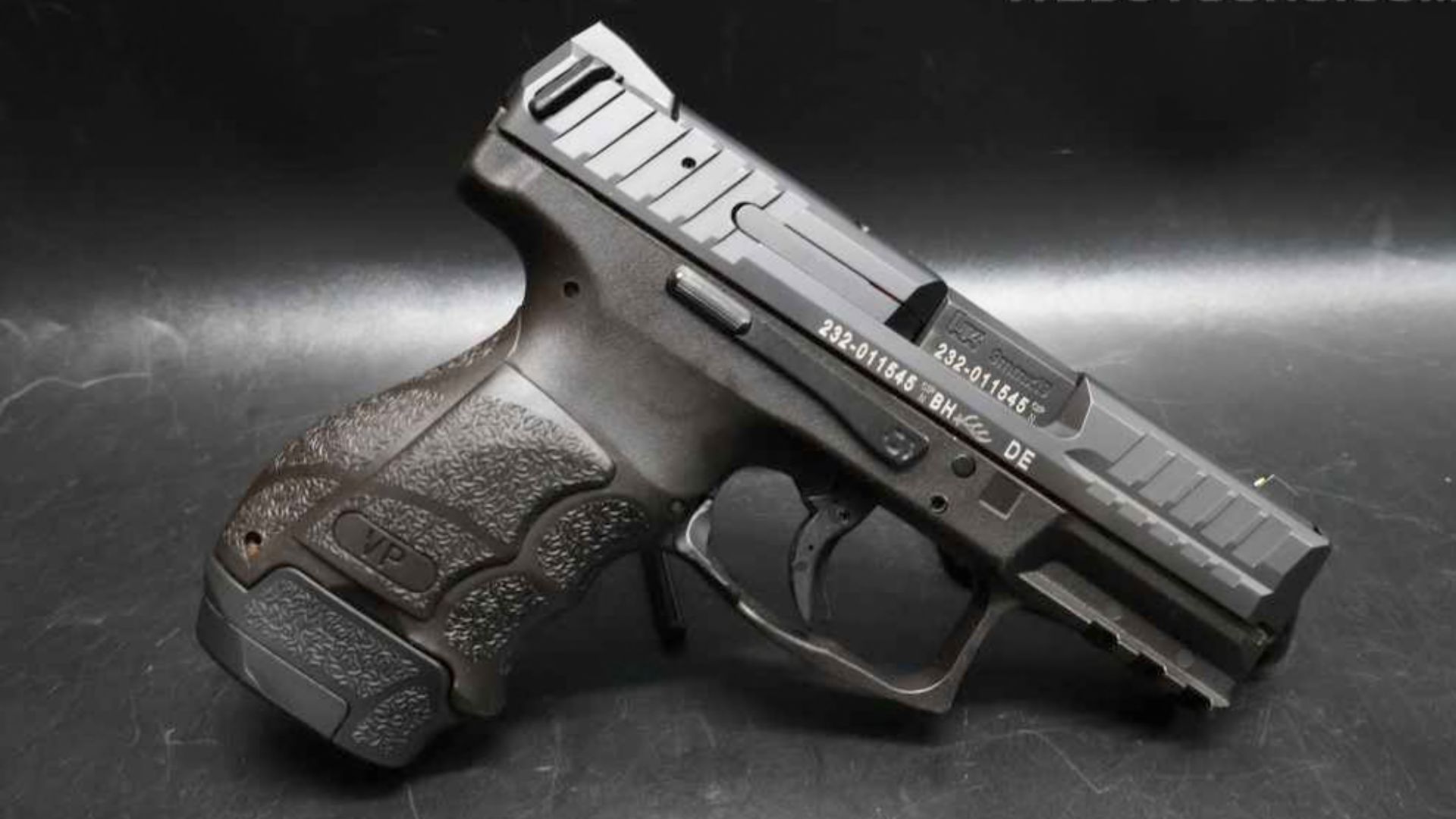
The HK VP9SK makes carry guns feel different because it brings serious ergonomics into a smaller pistol. It’s not the thinnest option, and it won’t disappear like a micro-compact, but it gives shooters a grip system that can be tuned with backstraps and side panels. That kind of fit matters.
A carry pistol that fits properly is easier to shoot under stress and more comfortable during practice. The VP9SK also brings a good striker-fired trigger and a sturdy HK feel that inspires confidence. It may take more effort to conceal than the smallest pistols, but it rewards that effort with control. For shooters tired of cramped grips, the VP9SK feels like a compact gun that respects the shooter’s hand.
Kimber Micro 9

The Kimber Micro 9 made some shooters rethink carry because it offered a tiny pistol that felt more classic than modern. Metal frame, single-action trigger, thumb safety, and 1911-like styling gave it a different appeal from the usual polymer pocket guns. It looked and felt more like a miniature traditional pistol.
That doesn’t mean it’s perfect. Small 1911-style pistols need careful testing, good magazines, and an owner willing to train with the safety. But for people who like the platform, the Micro 9 feels better than many tiny carry guns with heavier triggers and harsher recoil. It carries easily while still giving the shooter a familiar, crisp trigger system. That’s enough to make some owners rethink what they want from a small gun.
Taurus GX4
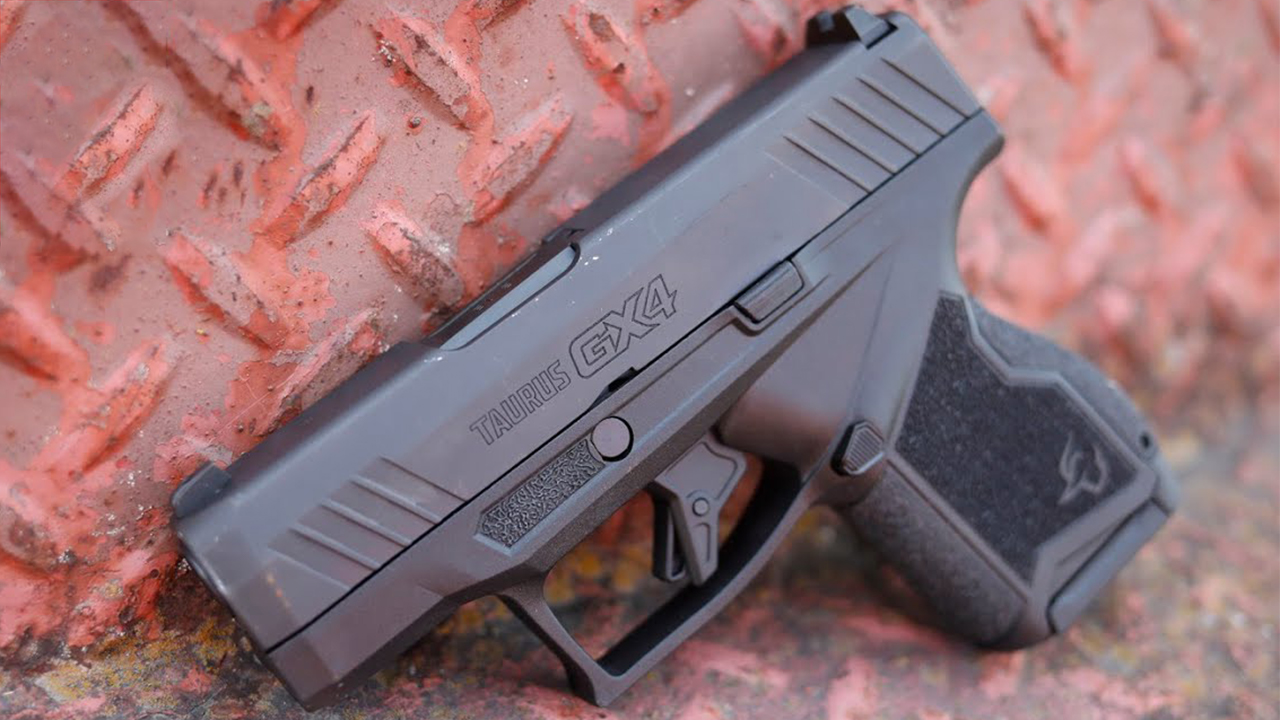
The Taurus GX4 helped change expectations for budget carry pistols. Taurus had a lot of brand baggage, especially with semi-autos, so plenty of shooters were skeptical. But the GX4 gave buyers a small 9mm with useful capacity, a decent trigger, and surprisingly good ergonomics for the money.
It isn’t a premium pistol, and any carry gun should be thoroughly tested before trust is earned. Still, the GX4 showed how far lower-priced carry guns had come. It didn’t feel like an old bargain pistol with modern styling slapped on. It felt like a serious attempt to compete in the micro-compact market. For buyers who couldn’t justify premium prices, it made carry expectations feel more reachable.
Beretta APX A1 Carry

The Beretta APX A1 Carry made carry feel different for shooters who wanted something simple, slim, and affordable from a major brand. The original APX Carry had a rougher reputation, but the A1 version improved the look, trigger feel, and overall package enough to make it more competitive.
It still isn’t the most exciting small pistol, and it faces tough competition. But it gives owners a very slim frame, familiar striker-fired operation, and a no-frills carry feel. Not everyone wants a gun packed with every feature. Some want a pistol that carries easily, runs with the ammo they choose, and doesn’t feel complicated. The APX A1 Carry leans into that simple lane.
Springfield Armory EMP

The Springfield EMP made 1911-style carry feel more practical for shooters who wanted the platform but didn’t want a chopped-down full-size gun. It was built around shorter cartridges like 9mm, which helped the frame and grip feel properly scaled instead of awkwardly reduced.
That makes a difference in the hand. The EMP is slim, comfortable, and easy to shoot accurately because of its single-action trigger and balanced design. It doesn’t compete with modern double-stack micro-compacts on capacity, and it requires the same training commitment as any 1911-style pistol. But for shooters who value trigger feel and flat carry comfort, the EMP showed that carry guns could feel refined without being large.
FN Reflex
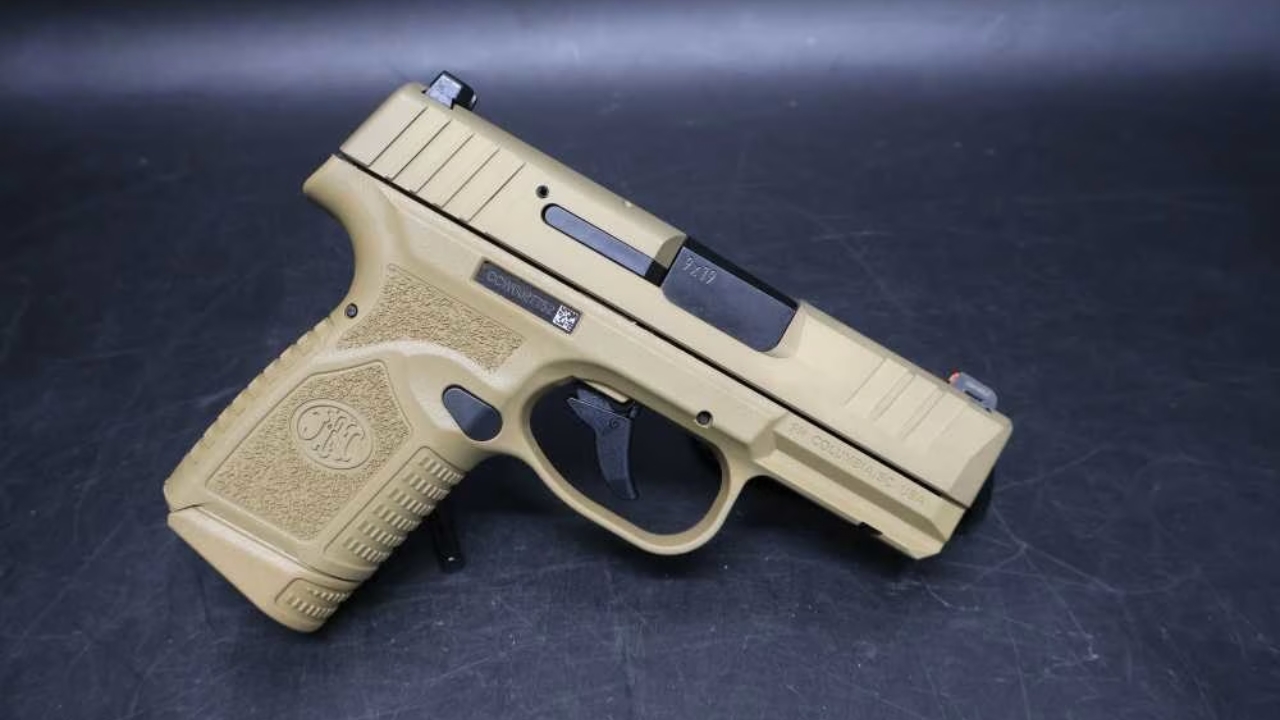
The FN Reflex made shooters rethink carry because it brought an internal-hammer-fired system into a category dominated by striker-fired micro-compacts. That gives the trigger a different feel, and the pistol’s size-to-capacity ratio keeps it competitive with the newer carry crowd.
It’s slim, easy to conceal, and more shootable than many people expect from such a small pistol. Like any newer carry gun, owners should test reliability carefully with their chosen defensive loads. But the Reflex shows that companies don’t have to copy the exact same formula to make a modern carry pistol. A carry gun can feel familiar in size while still feeling different in operation. That matters in a crowded market.
Like The Avid Outdoorsman’s content? Subscribe to our newsletter so you never miss an article.
Here’s more from us: