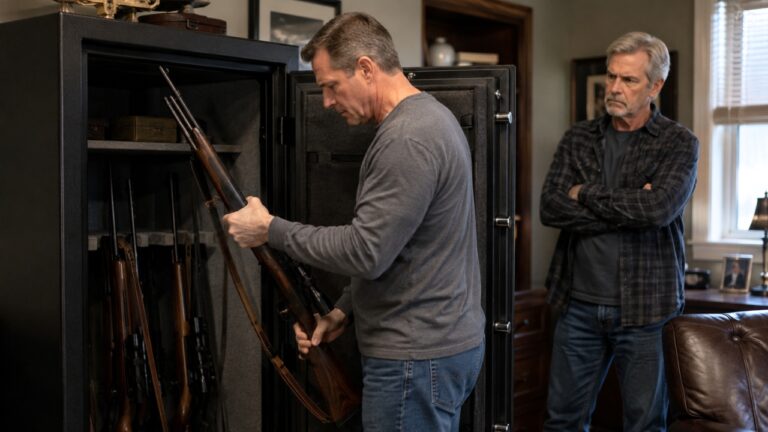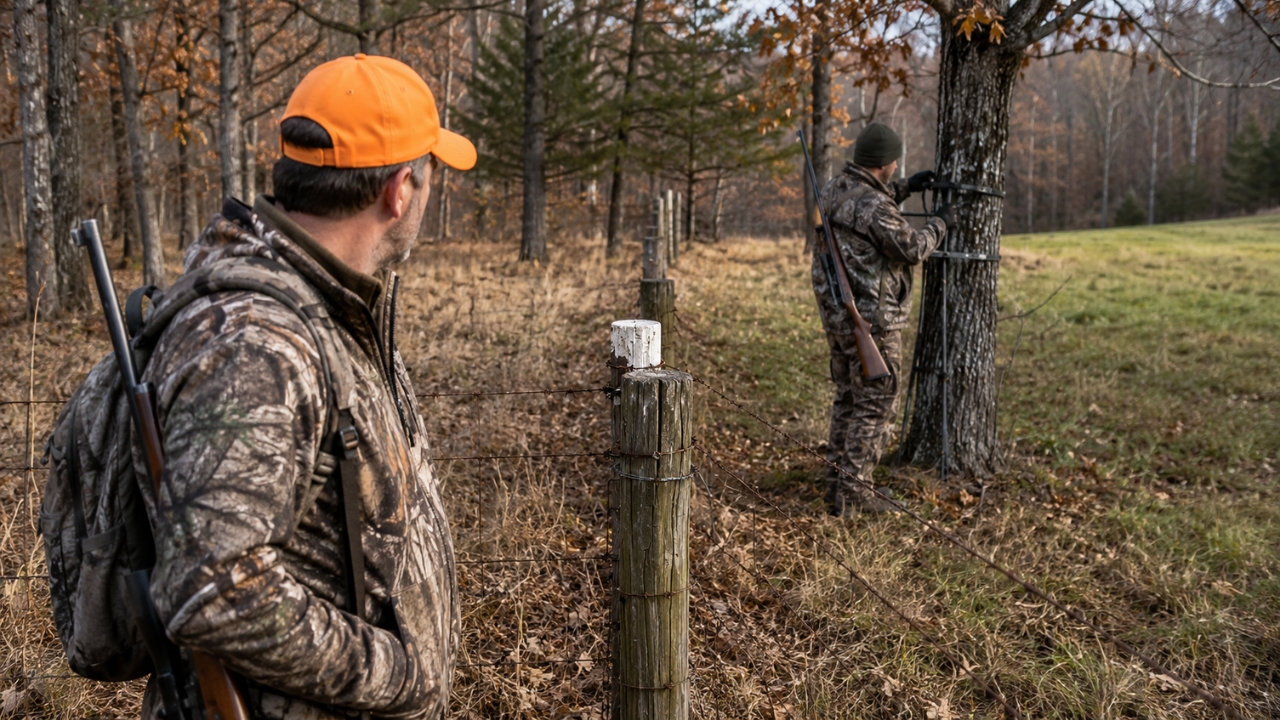
Photo credit: The Avid Outdoorsman
A hunter said he knows his neighbor may technically be within the law, but the setup along the property line has started to feel like one of those situations where legal and respectful are not the same thing.
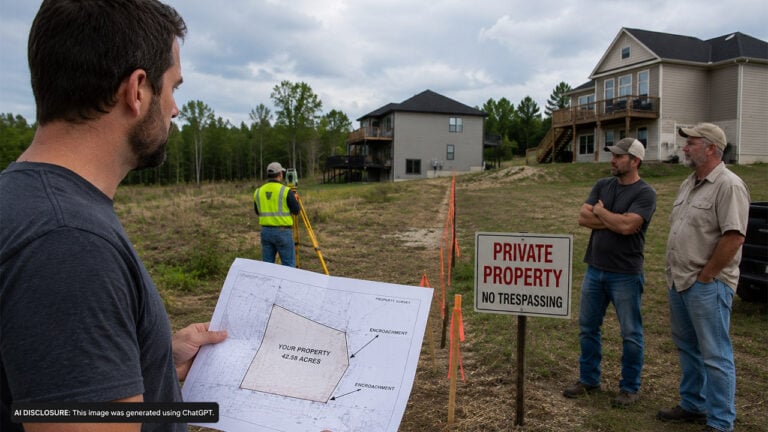
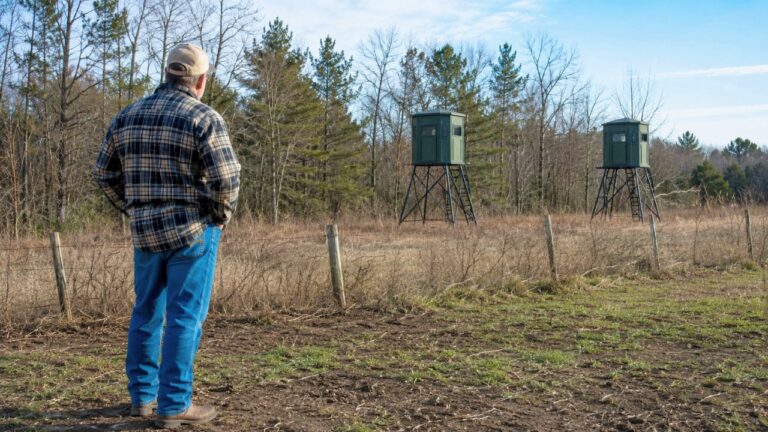
The hunter shared the situation in a Reddit post titled “Neighbor is legal but pushing it”. He described a neighbor who had placed a hunting setup close enough to the property line that it left him frustrated, even though he understood the neighbor might not have crossed any legal boundary yet.
That is exactly what makes property-line hunting disputes so difficult. A person can hunt his own land. A stand can be placed on the legal side of the line. A deer can cross from one property to another. None of that is automatically wrong. But when a setup feels designed to take advantage of deer movement from the neighbor’s land, tension builds fast.
The poster’s wording said a lot. He did not say the neighbor had clearly poached. He did not say the neighbor had been caught dragging deer off his side. He said the neighbor was legal, but “pushing it.” That is the gray area where most rural hunting fights begin.
It is not always about one obvious violation. Sometimes it is about a neighbor working every inch of the boundary in a way that feels like he is daring someone to complain.
Hunting the Line Can Feel Like Bad Manners
Property lines do not mean much to deer, but they mean everything to landowners.
A hunter on a small parcel may set up near the boundary because that is where the deer travel. If his land is narrow, wooded only on one edge, or bordered by better habitat, the line may be the most productive place he has. From his perspective, he is using his property the best way he can.
From the neighbor’s side, it can look different. If one landowner has put in food plots, let bedding areas stay quiet, controlled pressure, and kept deer moving naturally, it can feel pretty bold for the neighbor to sit right on the edge and wait for those deer to step over.
That frustration does not automatically create a legal case. But it does create a relationship problem.
Hunters know there is a difference between hunting your land and crowding a line in a way that creates constant suspicion. A stand tucked 10 or 20 yards off the boundary, a shooting lane angled toward another property, or a setup that seems to rely on deer leaving someone else’s cover can all make a neighbor feel like the other guy is taking liberties.
That may not be illegal. It may still be poor form.
Commenters Drew a Hard Line Between Suspicion and Proof
The main thing commenters usually stress in situations like this is that suspicion is not enough.
If the neighbor’s stand, blind, or setup is on his land, there may not be much anyone can do. A hunter can dislike it. He can think it is disrespectful. He can feel like the neighbor is pushing the limits. But unless the neighbor shoots across the line, crosses onto the property, retrieves game without permission, dumps bait where it is not allowed, or otherwise breaks the law, there may be no official violation.
That is frustrating, but it is important.
Accusing someone of poaching or illegal hunting before there is proof can make the situation worse. The neighbor may dig in. The relationship may sour. And if the game warden gets called without any actual evidence, there may be little they can do.
That does not mean the hunter has to ignore the situation. It means he needs to document facts instead of relying on feelings. Where is the stand? Where is the property line? Are there clear markers? Has anyone crossed? Are there cameras? Has anyone heard shots from the wrong direction or found blood trails crossing the boundary?
That kind of evidence matters. Without it, “he’s pushing it” stays in the category of a bad neighbor setup, not a case.
Cameras Can Watch Without Escalating
For a lot of hunters, cameras are the safest way to handle a neighbor who seems to be working too close to the line.
A camera on your own property can document whether anyone crosses over, follows a deer without permission, moves a stand, tampers with signs, or shoots from the wrong side. It can also show if the neighbor is actually staying legal, which may be irritating but still useful to know.
The key is placing cameras carefully and legally. The goal is not to harass the neighbor or point cameras into areas where they should not be aimed. The goal is to watch your side of the line and any trails or openings where trespass might happen.
That kind of documentation can keep a hunter from reacting too soon. If nothing happens, he has avoided starting a fight over a legal setup. If something does happen, he has proof for a game warden or sheriff.
Cameras also reduce the temptation to confront someone in the woods. That matters because property-line hunting conflicts often happen during season, when people are carrying firearms or bows and already keyed up. A photo, timestamp, or video is a lot safer than marching over angry.
A Conversation Might Still Be the Best First Move
If the relationship is not already ruined, a calm conversation can do more than a threat.
That does not mean accusing the neighbor of planning to poach. It means opening the door before there is a dead deer or a warden call. A hunter might say, “I noticed your setup near the line and wanted to make sure we’re both clear on recovery, boundaries, and safe shot directions.”
That kind of conversation can reveal a lot.
Maybe the neighbor is reasonable and says he knows the line, will not shoot across it, and will call before retrieving anything. Maybe he agrees to move the stand a little or adjust his lanes. Maybe he explains the setup in a way that makes it less suspicious.
Or maybe he gets defensive and confirms every concern.
Either way, the hunter learns something. And if the conversation stays calm, it may prevent the kind of property-line feud that makes every season miserable.
The hardest part is keeping the tone right. If a person walks over angry, the neighbor is likely to respond in kind. If he walks over focused on safety and boundaries, there is at least a chance of solving it.
Legal Does Not Always Mean Neighborly
This is the part that makes these stories stick.
A hunter can be legally right and still be a bad neighbor. He can stay on his side of the line but set up in a way that constantly creates tension. He can technically follow the rules while making everyone around him wonder if he is waiting for one chance to cross them.
At the same time, a landowner can feel wronged and still have to accept that the neighbor has rights too. Owning land next to another hunter means deer may cross. It means someone else may hunt close. It means your careful habitat work may benefit deer that later step onto someone else’s property.
That is part of owning hunting land. It is also part of why good neighbor relationships matter so much.
If both sides communicate, respect recovery rules, and avoid pushing each other’s boundaries, it can work. If one side treats the property line like a challenge, the season turns tense before a deer ever shows up.
Commenters generally seemed to understand the hunter’s frustration, but they also drew a clear line between bad etiquette and an actual violation.
Many said that if the neighbor was on his own land, there might be nothing illegal about the setup. Hunting close to a property line may look bad, but it does not become poaching unless the neighbor shoots across the line, crosses without permission, or breaks another hunting law.
Others agreed that the behavior could still be poor neighbor etiquette. A stand or setup right on the boundary can create tension, especially if it appears to rely on deer coming from someone else’s property.
The most practical advice was to mark the boundary clearly, put cameras on the hunter’s side, document anything that actually crosses the line, and avoid making accusations without proof. Some also suggested talking to the neighbor before the season got any more heated.
For the hunter, the issue was not that the neighbor had clearly broken the law. It was that he seemed to be operating right on the edge of what a neighbor should do. That is a hard place to be, because the law may not fix it. Sometimes the only answer is clear boundaries, careful documentation, and the hope that one awkward conversation can stop a property-line problem before it becomes a full-blown feud.