

Photo credit: Amy Lutz/ Shutterstock.com
Big bucks on the move and fewer folks in the woods—that’s the rut hunt we’re all after. Problem is, most hunters head straight to the same crowded spots year after year. You show up early, hike in deep, and still end up watching someone else walk through your setup in blaze orange.
If you’re tired of hunting pressure ruining a good rut, it might be time to look at spots most people overlook. These eight places offer real rut action without feeling like you’re hunting in a parade.
1. Nebraska Sandhills
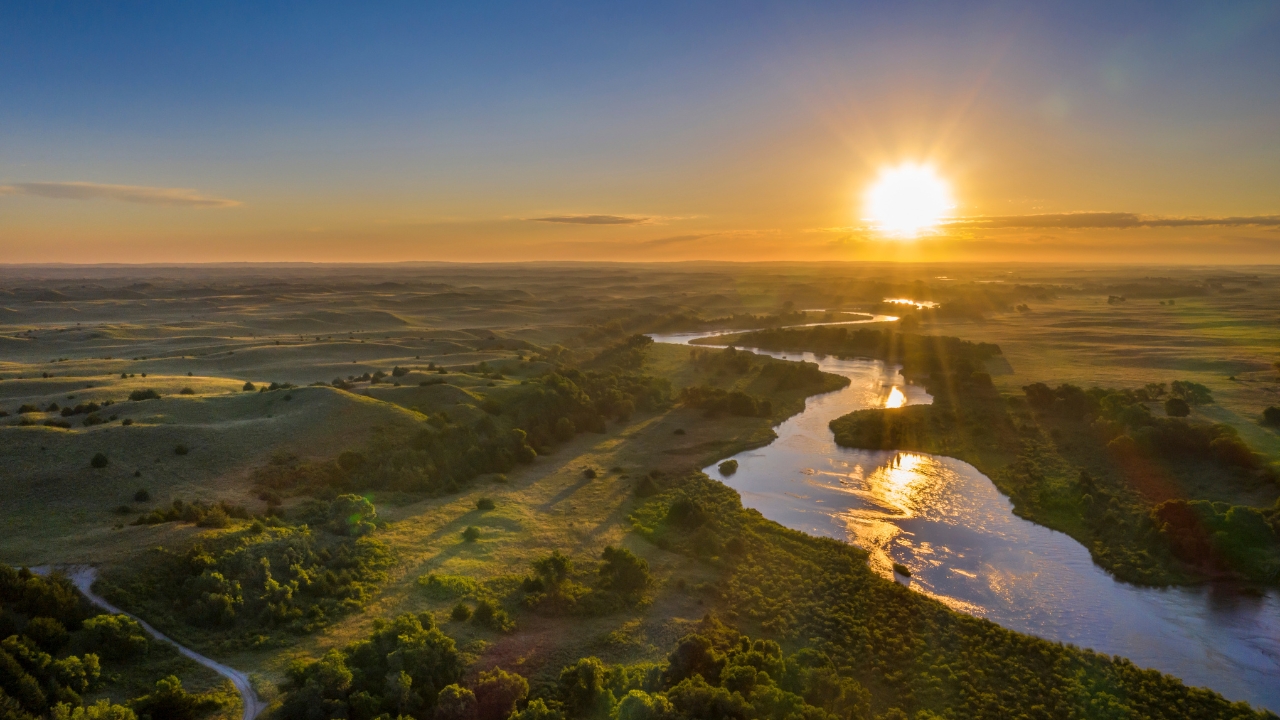
The Nebraska Sandhills fly under the radar, but they’ve got solid deer numbers and way less pressure than you’ll find in the eastern half of the state. It’s mostly rolling prairie and grass-covered dunes, so glassing is the name of the game.
You’ll see both muleys and whitetails out here, depending on where you go. Since access can be a little tougher, a lot of folks skip it altogether—which makes it a prime spot during the rut if you’re willing to work for it.
2. Western Oklahoma
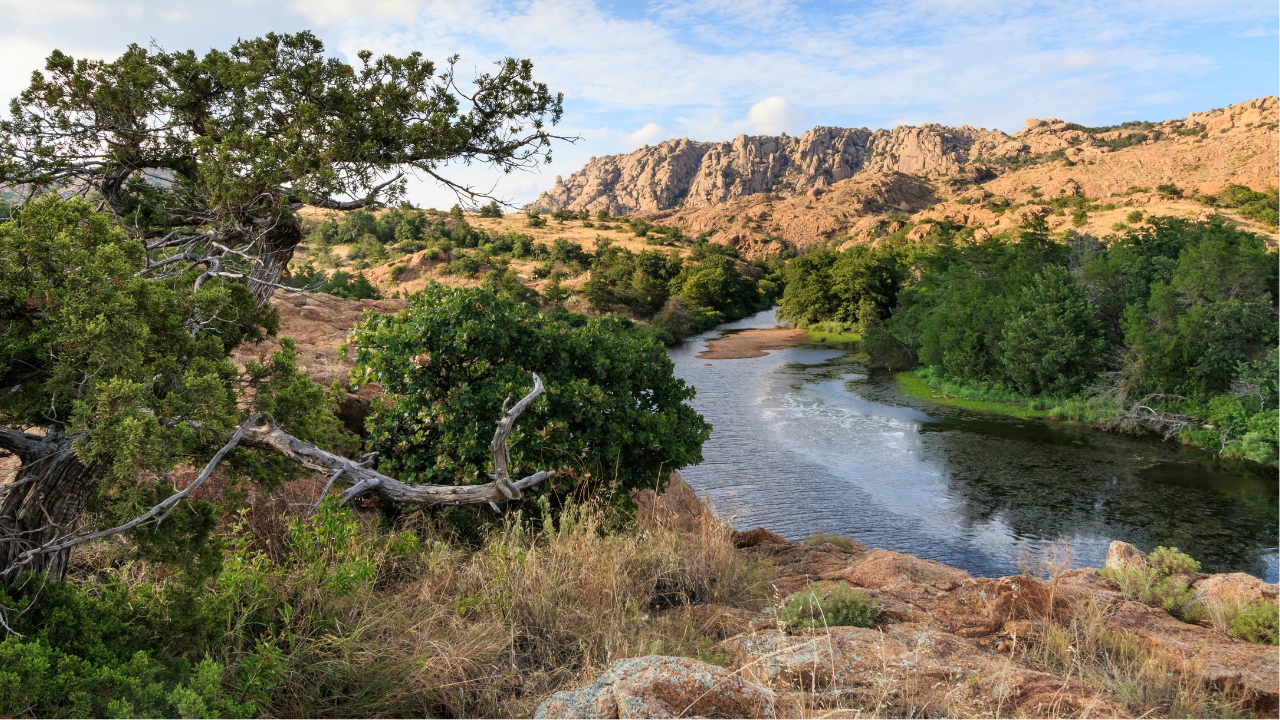
Everyone talks about Kansas, but right across the border, western Oklahoma offers similar terrain without the same crowd. The public land isn’t as abundant, but the stuff that’s there is solid and usually not shoulder-to-shoulder with other hunters.
Look at the wildlife management areas around the panhandle and northwest. You’ll get rut activity in early to mid-November, and if you hit it right, you can catch cruising bucks without feeling like you’re on public land with half the county.
3. Northern Idaho
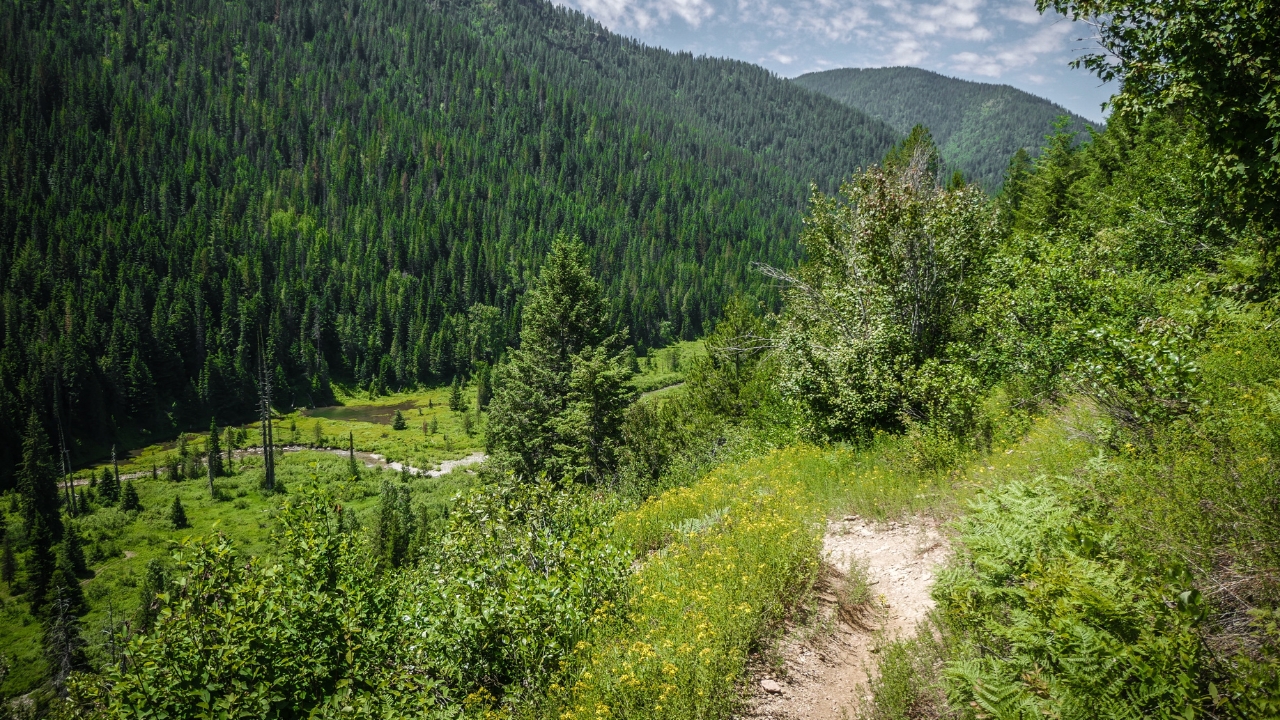
If you’re after a mountain hunt with low pressure, northern Idaho is worth a look. It’s big country with steep draws, thick cover, and some surprisingly good whitetail numbers. Most folks are focused on elk or skip it altogether.
You’re not going to see deer stacked like cordwood, but that’s the tradeoff for having the woods mostly to yourself. Hunt smart, focus on benches and funnels, and glass every opening. If you tag a mountain buck out here, you’ve earned it.
4. Eastern Montana
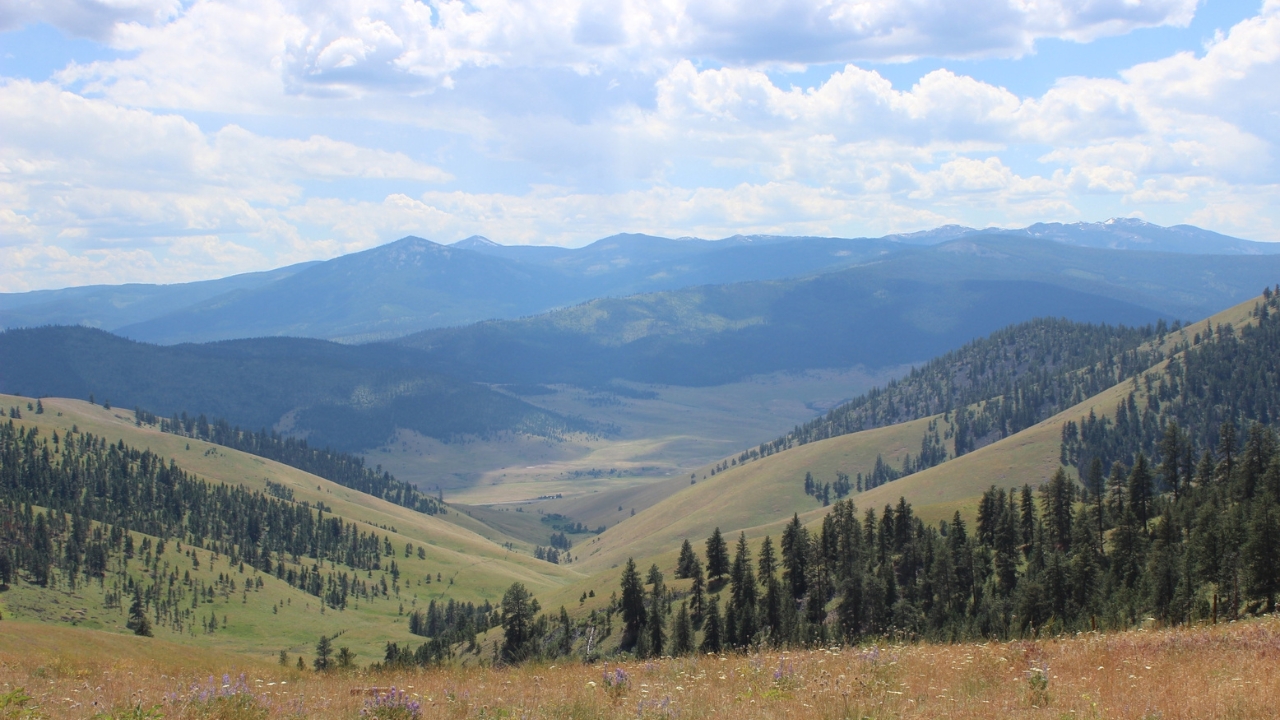
Everyone flocks to Montana for elk, but whitetail hunters have options too—especially along the river bottoms in the east. The terrain is open enough for spotting movement, and there’s a solid mix of public access and block management land.
The rut hits a little earlier out here, and bucks will cover ground looking for does. Since most folks are focused on the mountains, you can usually get away from the crowds without hiking 10 miles in. It’s one of those places where doing your homework really pays off.
5. Central South Dakota
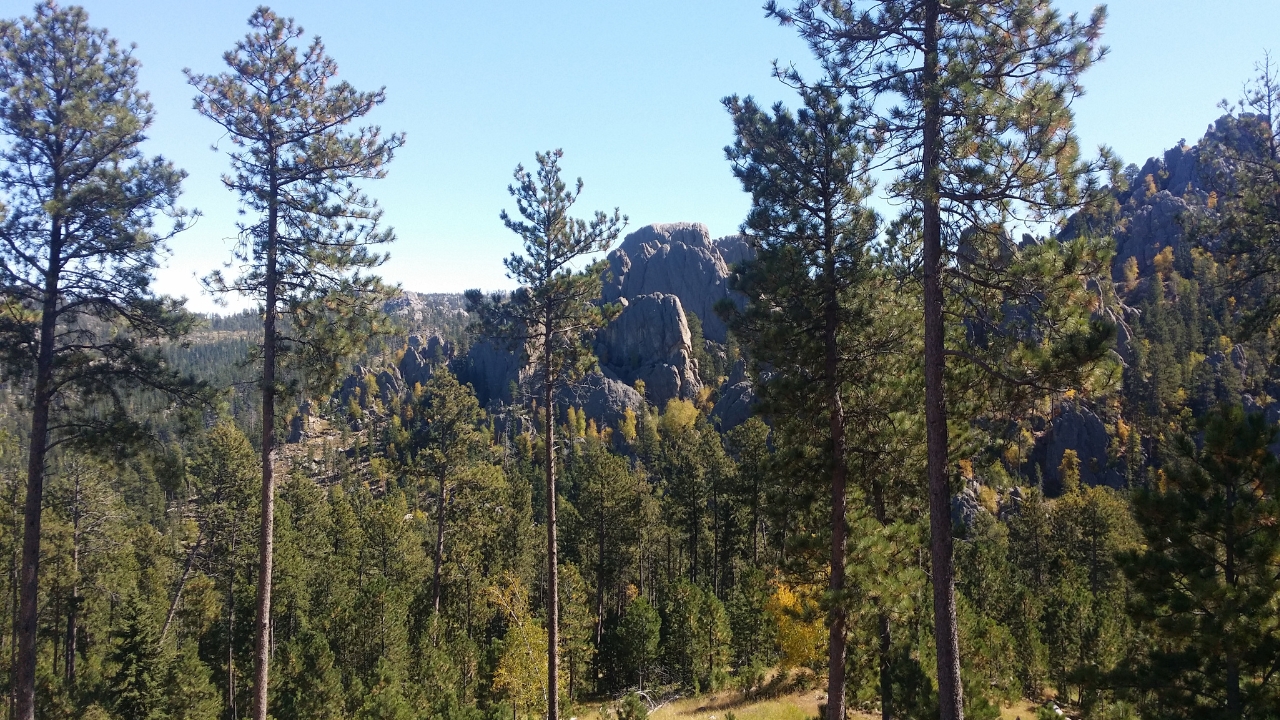
South Dakota doesn’t get near the deer hunting attention it deserves. The central part of the state, especially near the Missouri River, holds good whitetails and light pressure during the rut. The terrain’s a mix of ag fields, shelterbelts, and prairie breaks.
Access is better than you’d think, thanks to walk-in areas and Game Production Areas. You’ll still need to scout, but you won’t be shoulder-to-shoulder with blaze orange. With a little effort, you can have a solid rut hunt all to yourself.
6. Northwest Wisconsin Big Woods
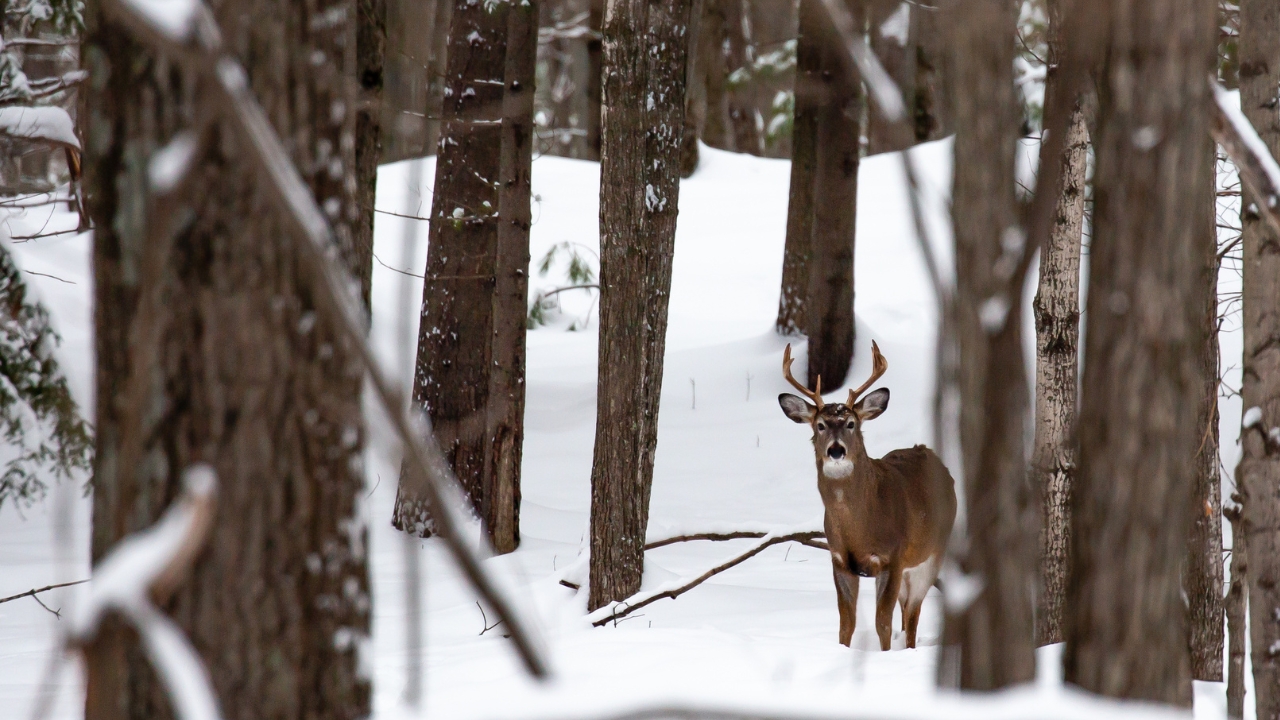
Most hunters in Wisconsin stick close to farm country, but the big woods up north don’t get near the same pressure. Bucks can be harder to pattern, but you’ve got way more elbow room. It’s a grind, but that’s part of the deal.
The rut still gets bucks on their feet during daylight, and if you know how to read terrain—ridges, saddles, and logging cuts—you’ve got a shot at catching one cruising. Pack in, sit tight, and you might be surprised what shows up.
7. Western Kentucky
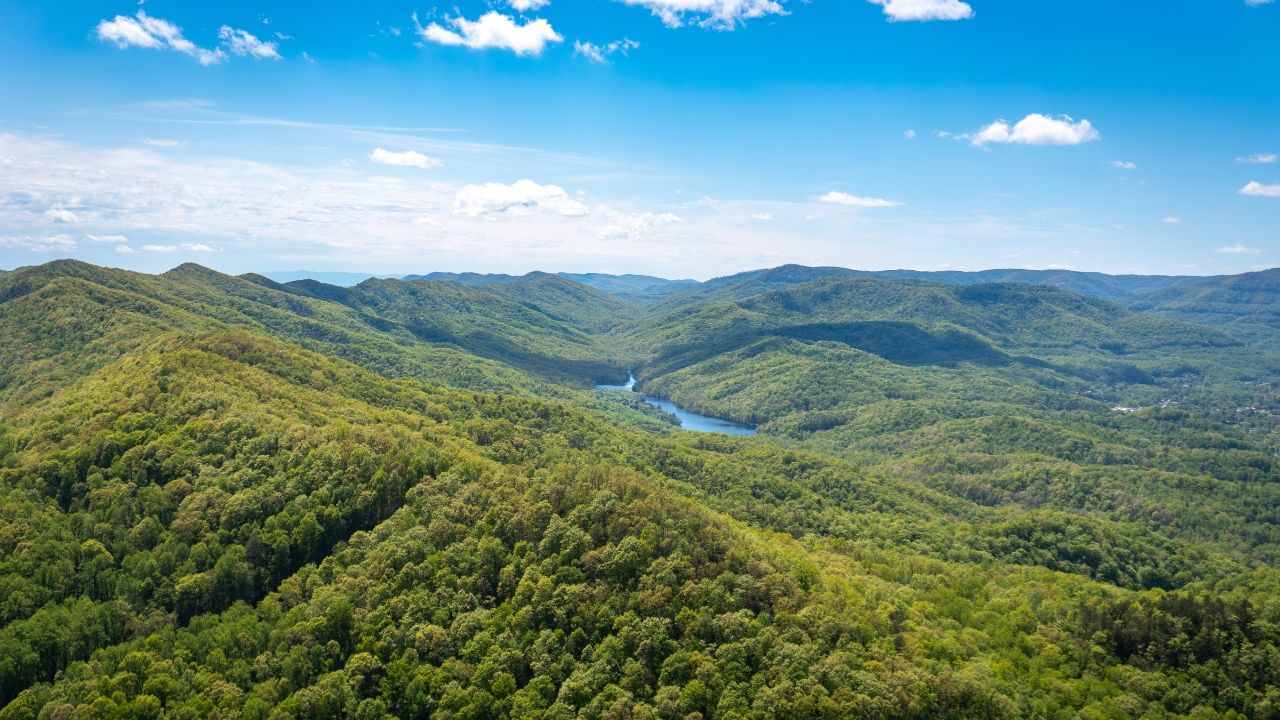
Kentucky gets a little busier in early season thanks to velvet hunts, but by the time the rut rolls around, pressure drops off—especially on some of the bigger public tracts in the west. You’ll find good deer numbers and real potential to see cruising bucks.
The terrain’s hilly and thick in spots, which keeps folks from venturing too deep. Slip in quietly, set up on a funnel between bedding and food, and wait. You don’t need to be the first one in—just the one who’s in the right spot.
8. Northeast Oregon
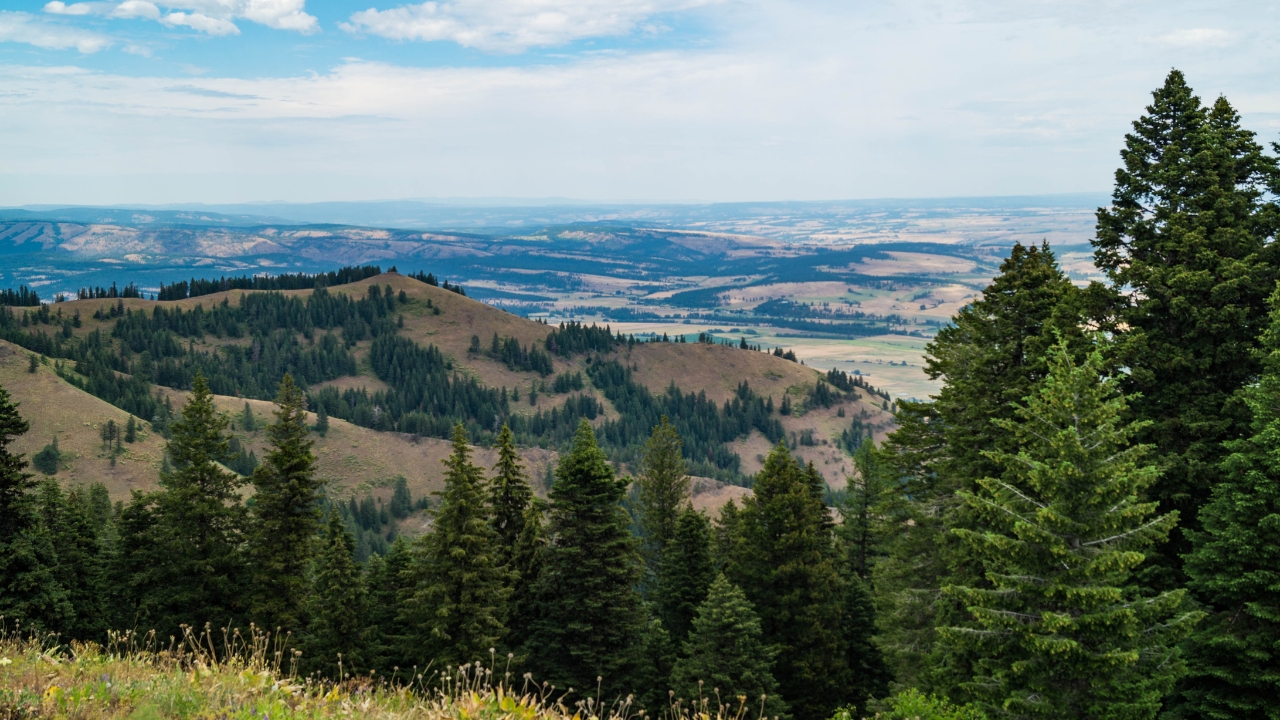
Most folks don’t think “rut hunt” and “Oregon” in the same breath, but the northeast corner of the state has a strong whitetail population along the river valleys. The terrain’s rugged, but that’s what keeps the pressure low.
Look at places like the Grande Ronde or Imnaha areas. It’s mostly spot-and-stalk with a chance to catch bucks working does out in the open. Tags are limited, so plan ahead, but if you’re looking for something different that doesn’t feel like a war zone—this one’s worth a look.
*This article was developed with AI-powered tools and has been carefully reviewed by our editors.


