Photo credit: Edwin Sarkissian/YouTube
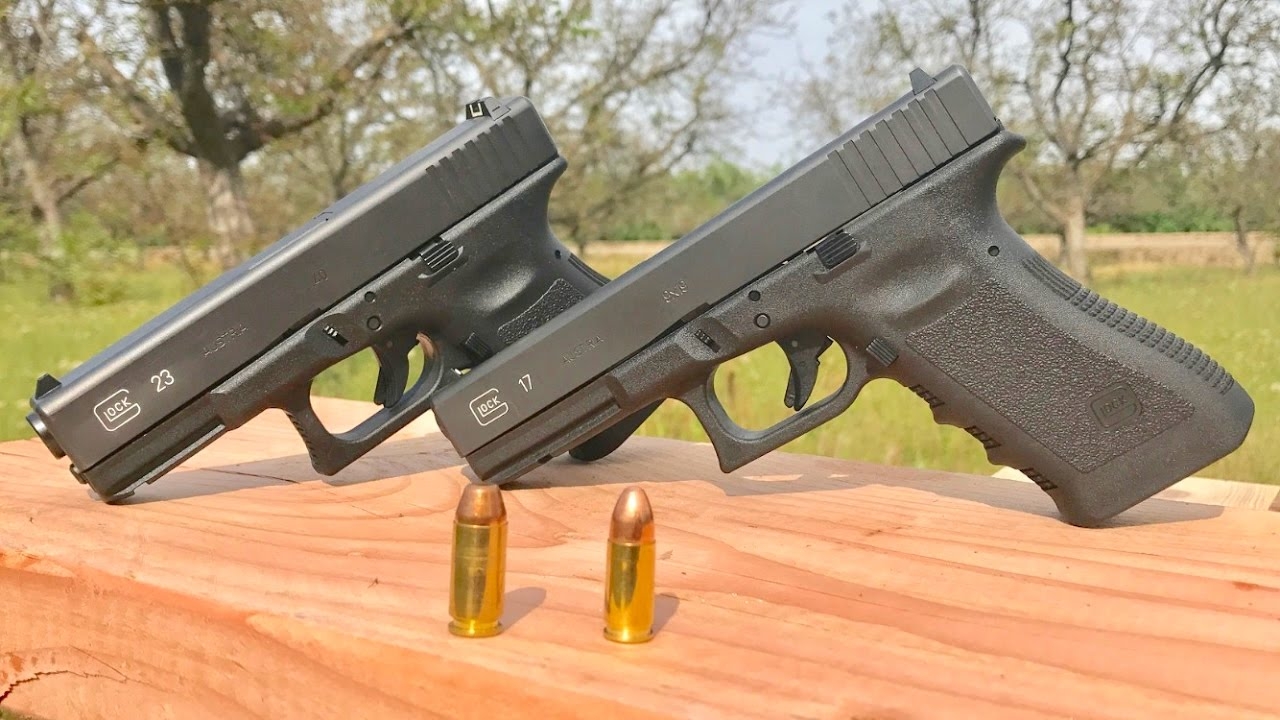
Choosing the right caliber for concealed carry is one of the biggest debates among gun owners. The 9mm and .40 S&W both have their loyal fans, and each has its strengths. Some argue that .40 packs more punch, while others say 9mm is easier to handle and just as effective with modern ammo.
So, which one is actually better for carry? That depends on what you prioritize—recoil, capacity, stopping power, or cost. Let’s break it all down so you can make the best choice for your needs.
Recoil Management

The 9mm has a reputation for being easier to control, especially in rapid fire. Its lower recoil means faster follow-up shots and less fatigue over time. That’s a big deal in high-stress situations.
The .40 S&W, on the other hand, has a sharper snap due to its higher pressure. Some shooters don’t mind it, but if you’re not used to the extra kick, it can slow you down. Training can help, but for most people, 9mm wins in the recoil department.
Magazine Capacity

One of the biggest advantages of the 9mm is that you get more rounds per magazine. Standard double-stack pistols often hold 15+1 rounds, while compact versions still offer solid capacity. More rounds mean more chances to hit your target.
The .40 S&W takes up more space, so most pistols hold fewer rounds—typically around 13+1 in a comparable size. If capacity matters to you, 9mm has the edge, especially in states with magazine restrictions.
Stopping Power

The .40 S&W was designed to offer more stopping power than the 9mm, and it delivers with a heavier bullet and more energy. That extra punch can be beneficial, but it also leads to more recoil and wear on your gun.
Modern 9mm ammunition has come a long way, with high-quality defensive rounds performing just as well as .40 in real-world situations. Shot placement matters more than caliber, but if you believe in bigger bullets, the .40 still has a slight edge.
Ammo Cost and Availability
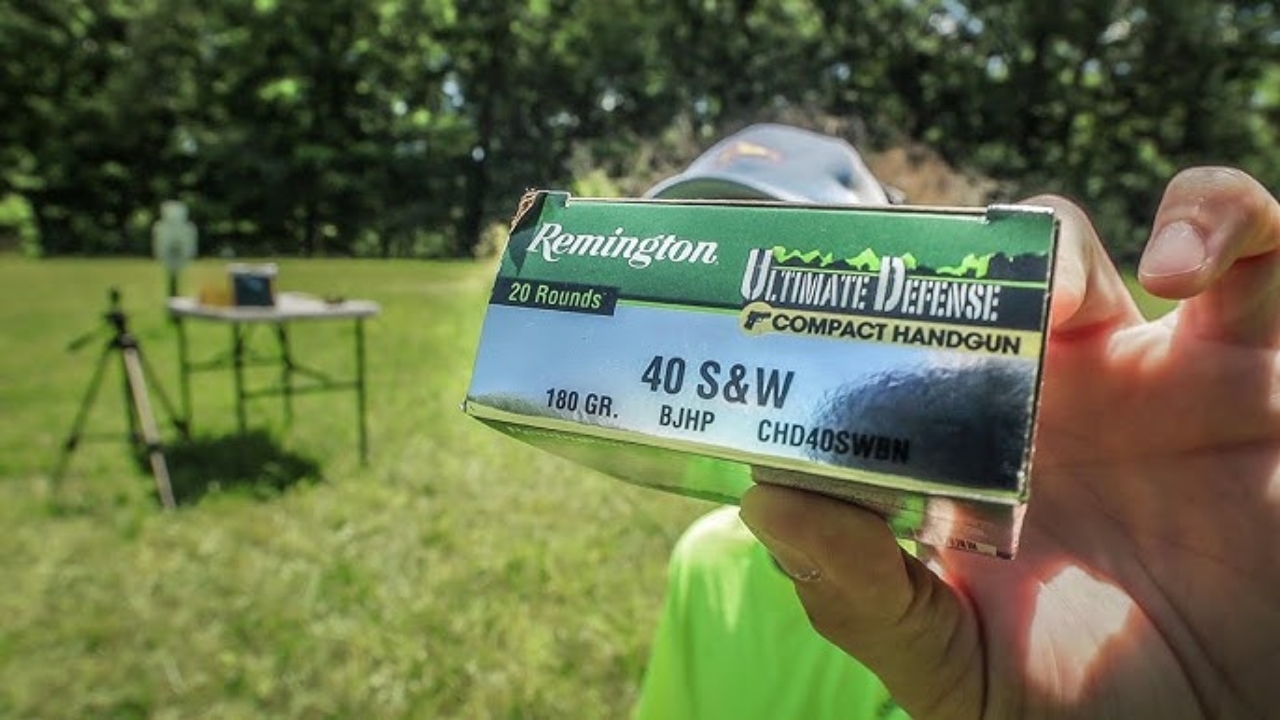
If you shoot regularly, 9mm is the clear winner here. It’s cheaper, easier to find, and comes in a wider variety of loads. This makes training more affordable, which is crucial for improving your skills.
.40 S&W tends to cost more per round, and its popularity has declined, so some stores don’t stock as much. If you’re on a budget or want to stockpile, 9mm makes more sense.
Wear and Tear on Your Firearm

.40 S&W operates at higher pressures and generates more recoil, which leads to increased wear on your gun over time. Some pistols built for 9mm were later adapted for .40, and they don’t always hold up as well.
9mm pistols generally last longer with less maintenance. If you want a gun that will endure years of regular use, 9mm is the more forgiving option.
Handgun Options
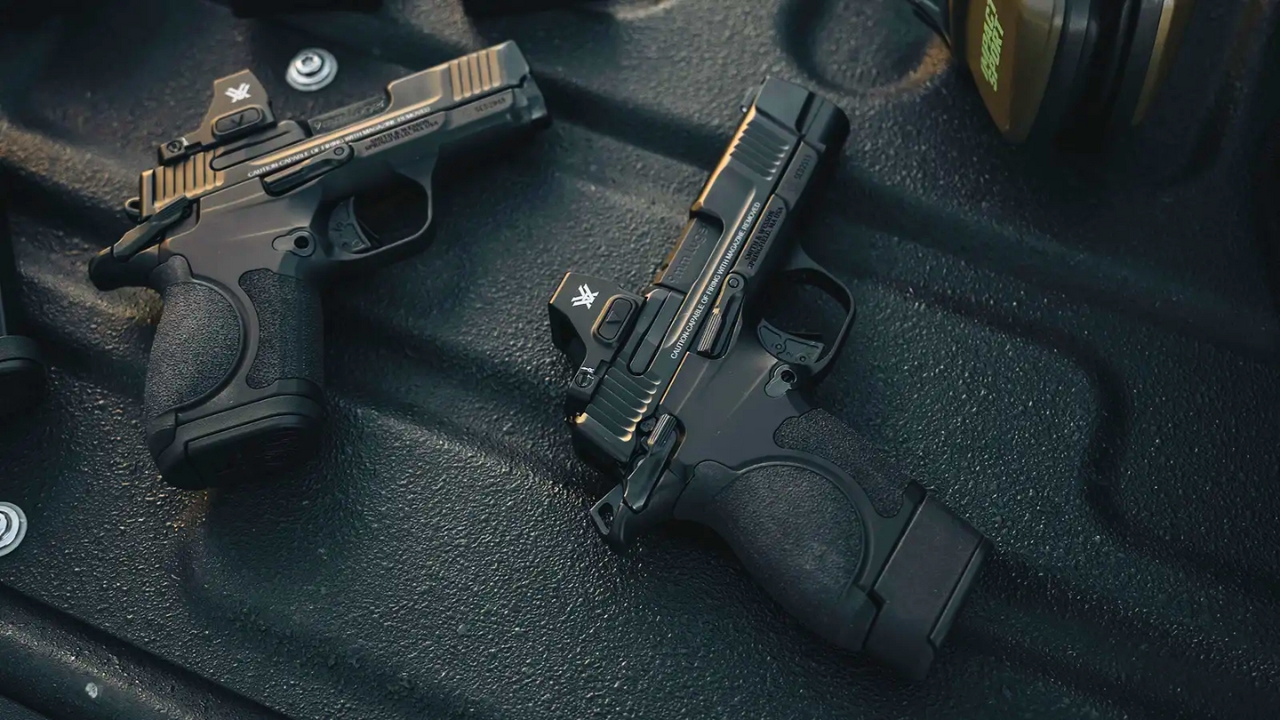
There are way more pistol choices in 9mm than in .40 S&W. Almost every major manufacturer offers multiple models in 9mm, from compact carry guns to full-size duty pistols.
.40 S&W still has solid options, but many companies are moving away from it. If you like having plenty of choices, 9mm wins this category.
Law Enforcement and Military Use

The trend is clear: law enforcement agencies and militaries worldwide are switching to 9mm. Advances in ballistics and better shot placement potential make it the preferred choice. More rounds in the magazine also mean fewer reloads in a fight.
Some agencies still use .40, but most have phased it out in favor of 9mm. If the pros are moving in that direction, there’s a good reason.
Concealability

Since 9mm rounds are smaller, gun manufacturers can make slimmer, lighter pistols. This makes concealed carry easier, especially for those who prefer a smaller frame.
.40 S&W handguns tend to be slightly bulkier due to the larger round. While it’s still possible to conceal comfortably, you might have to compromise on capacity or deal with extra weight.
Felt Recoil in Lightweight Pistols

In small, lightweight carry guns, the difference in recoil between 9mm and .40 S&W becomes even more noticeable. A subcompact 9mm can be snappy, but still manageable for most people.
A subcompact .40 S&W, however, can be downright punishing. If you plan to carry a small gun, 9mm is usually the better choice unless you’re very comfortable with heavy recoil.
Overall Verdict

There’s no denying that .40 S&W still has its fans, but for most people, 9mm is the better all-around choice. It’s easier to shoot, cheaper to train with, and offers higher capacity. Law enforcement has largely moved on from .40 for a reason.
That said, if you prefer a little extra power and don’t mind the trade-offs, .40 S&W still gets the job done. At the end of the day, the best caliber is the one you can shoot accurately and confidently.
*This article was created with the assistance of AI.