Photo credit: Dmitri T/Shutterstock.com
There’s a fine line between efficiency and excess, and some cartridges leap right over it. You’ve seen them—huge cases packed with powder that deliver only marginal gains, all while hammering barrels, bruising shoulders, and torching throats.
They look impressive on paper and at the gun counter, but once you start shooting them, you realize you’re trading barrels and brass for a few extra feet per second that you’ll never notice in the field. These are the calibers that waste more powder than they use well—loud, flashy, and often impractical anywhere outside a long, flat range on a calm day.
.30-378 Weatherby Magnum
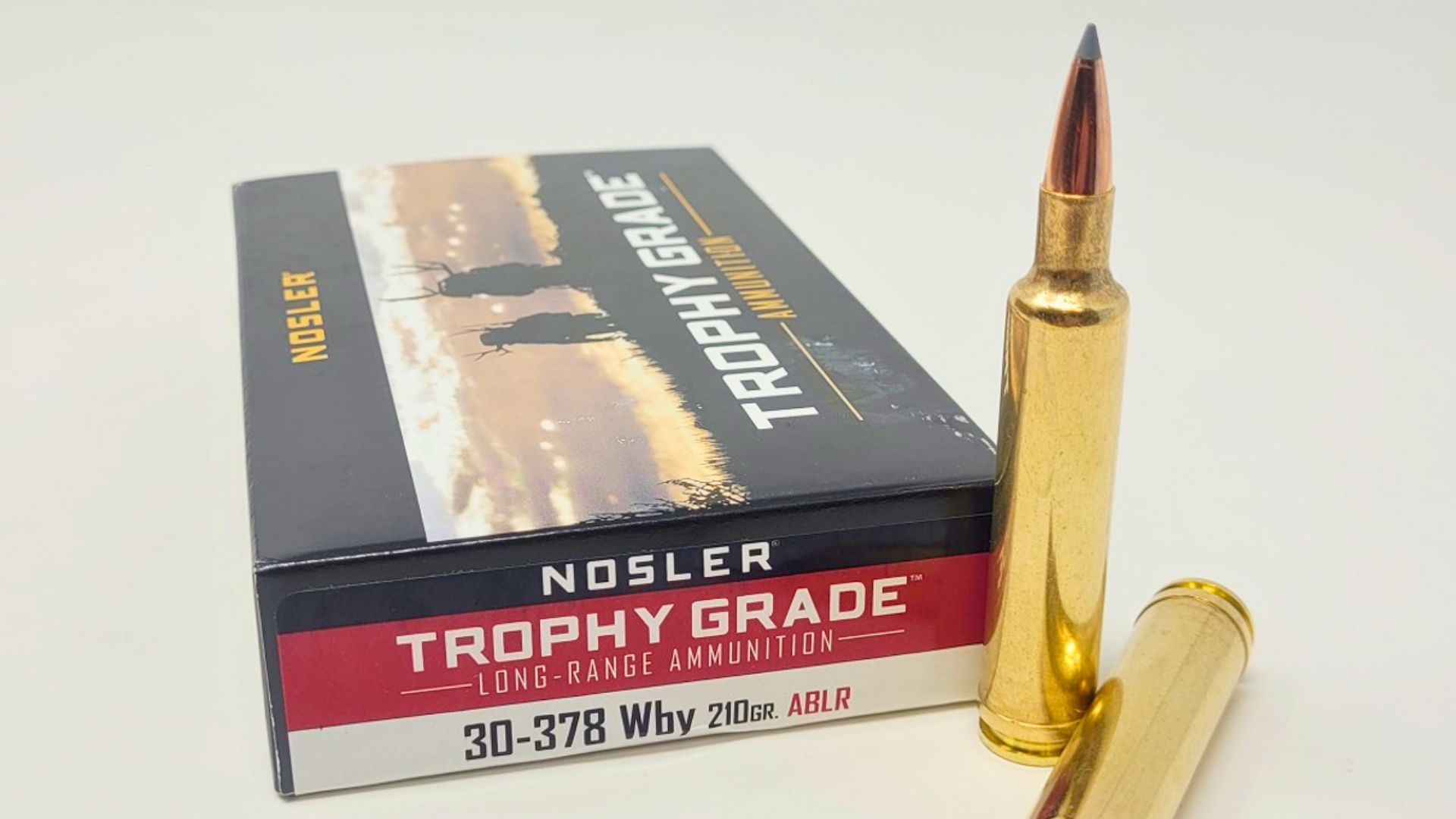
Roy Weatherby loved speed, and the .30-378 was his masterpiece of overkill. It’s one of the fastest .30-caliber rounds ever made, pushing bullets well past 3,500 fps. Impressive, sure—but you pay for that speed in barrel life, recoil, and wasted powder.
The round burns so much propellant that you can feel the muzzle blast in your teeth. The extra velocity gives you a flatter trajectory, but not enough to justify how fast it eats barrels or how expensive it is to feed. It’s spectacular on paper and punishing in practice, a round that turns efficiency into an afterthought.
.264 Winchester Magnum
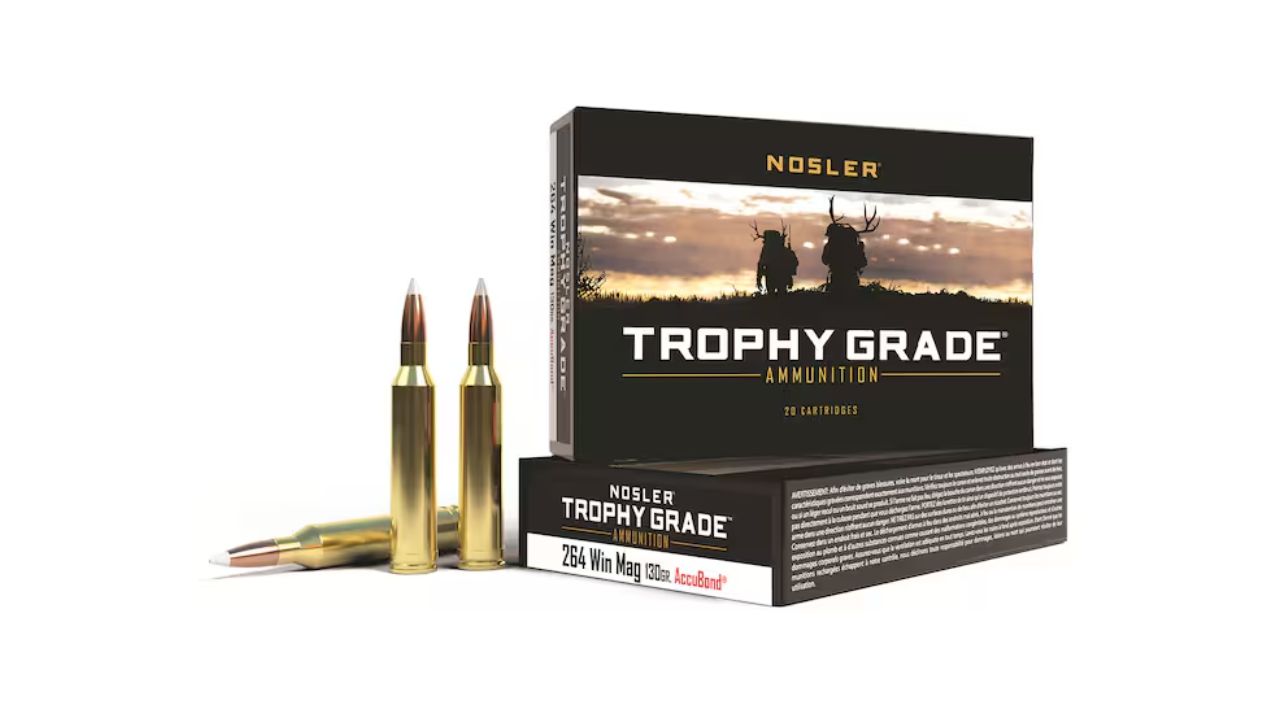
The .264 Win Mag was a 1960s speed king that never really made sense in the long run. It burns a huge amount of powder to gain a few hundred feet per second over the 6.5 Creedmoor or .260 Remington—both of which do the same job with half the fuel.
Barrel erosion is legendary with this cartridge, often showing accuracy drop-off after just a few hundred rounds. For hunters, that means all that extra speed is short-lived. The .264 was supposed to be a long-range deer and antelope slayer, but it became known for short-lived barrels and overblown promises. It’s a hot rod caliber that never learned how to idle.
.257 Weatherby Magnum

The .257 Weatherby Magnum delivers lightning-fast velocity, but it does it with a fireball the size of a basketball and a barrel that cries for mercy. Sure, it flattens trajectories, but the gains over more moderate .25-caliber cartridges are small enough to question the point.
It’s incredibly accurate when you catch it at its best, but it’s also loud, expensive, and notorious for barrel wear. For all the powder it burns, you could accomplish nearly the same thing with a .25-06 or .243 Winchester—and save your hearing and your rifling in the process. It’s fun to shoot once or twice, but it’s hard to love when you start paying for new barrels.
.338 Remington Ultra Magnum

The .338 RUM is a powerhouse, no doubt. But unless you’re taking game across canyons or need to swat steel at 1,000 yards, it’s excessive. It burns an enormous charge of powder and delivers recoil that makes follow-up shots a chore.
Its performance advantage over the .338 Win Mag or even the .340 Weatherby is marginal at best, especially once you factor in shorter barrel life and heavier rifles. It’s loud, expensive, and mostly wasted on typical North American hunting ranges. The .338 RUM doesn’t lack power—it lacks practicality.
7mm STW
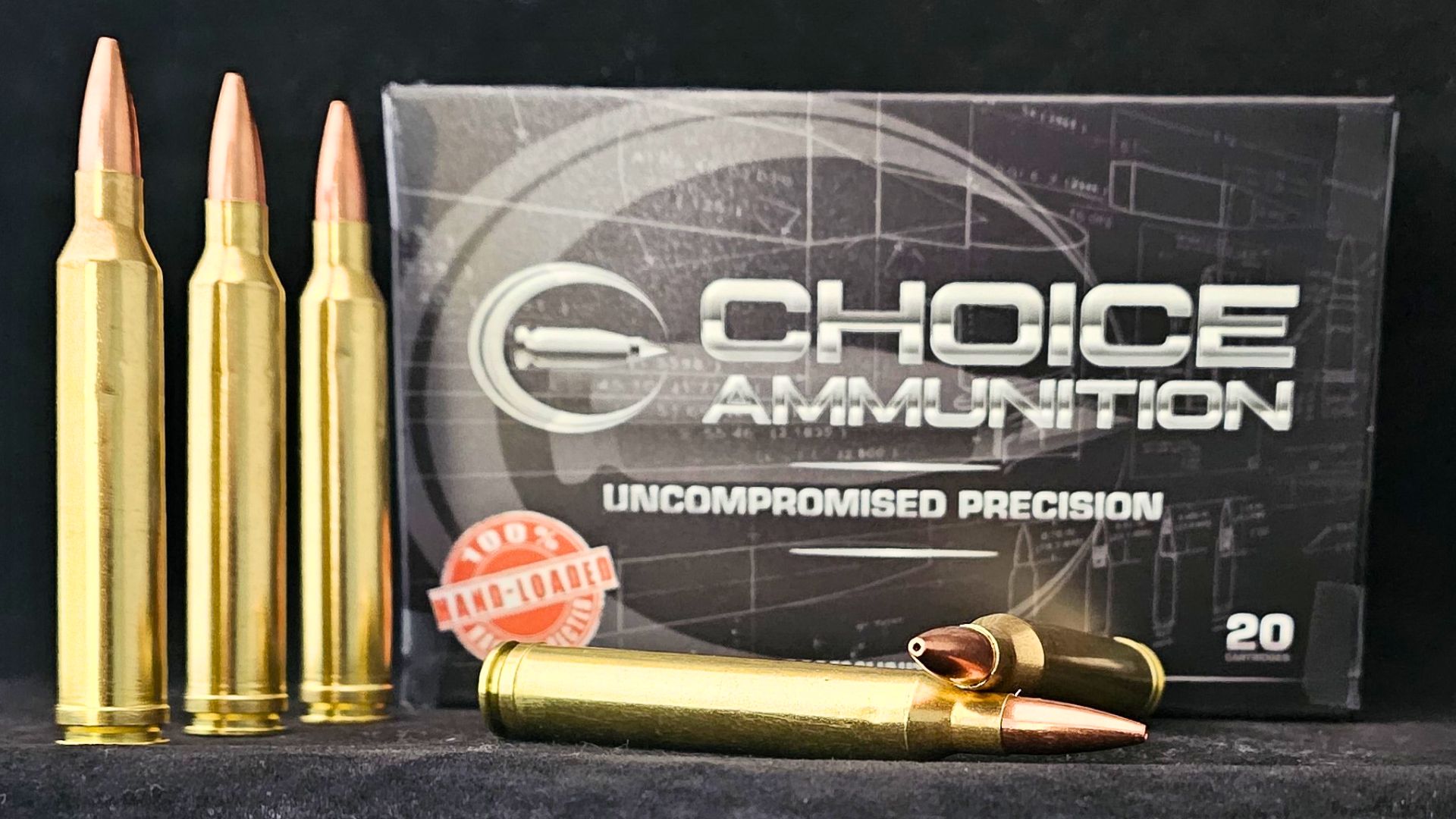
The 7mm Shooting Times Westerner was built for long-range performance before that was fashionable. It succeeded, but at a steep cost. The cartridge pushes bullets fast—really fast—but it needs long barrels, huge powder charges, and frequent cleaning to stay accurate.
It burns so much powder that barrel life can drop below 1,000 rounds if you’re not careful. On game, it doesn’t do anything a 7mm Rem Mag can’t handle with less recoil and better efficiency. The 7mm STW proved that speed alone doesn’t make a better hunting round—it just makes a louder one.
.300 Remington Ultra Magnum

The .300 RUM took an already powerful concept and poured jet fuel on it. It offers blazing speed and impressive energy, but those extra grains of powder don’t translate into real-world results for most hunters. It’s a hard kicker with muzzle blast that feels more like a concussion than a report.
For all that powder, you get minimal ballistic advantage over cartridges like the .300 Win Mag or .300 PRC. What you do get is accelerated throat erosion, expensive brass, and a lot of wasted propellant every time you pull the trigger. It’s overkill in the most literal sense.
.26 Nosler
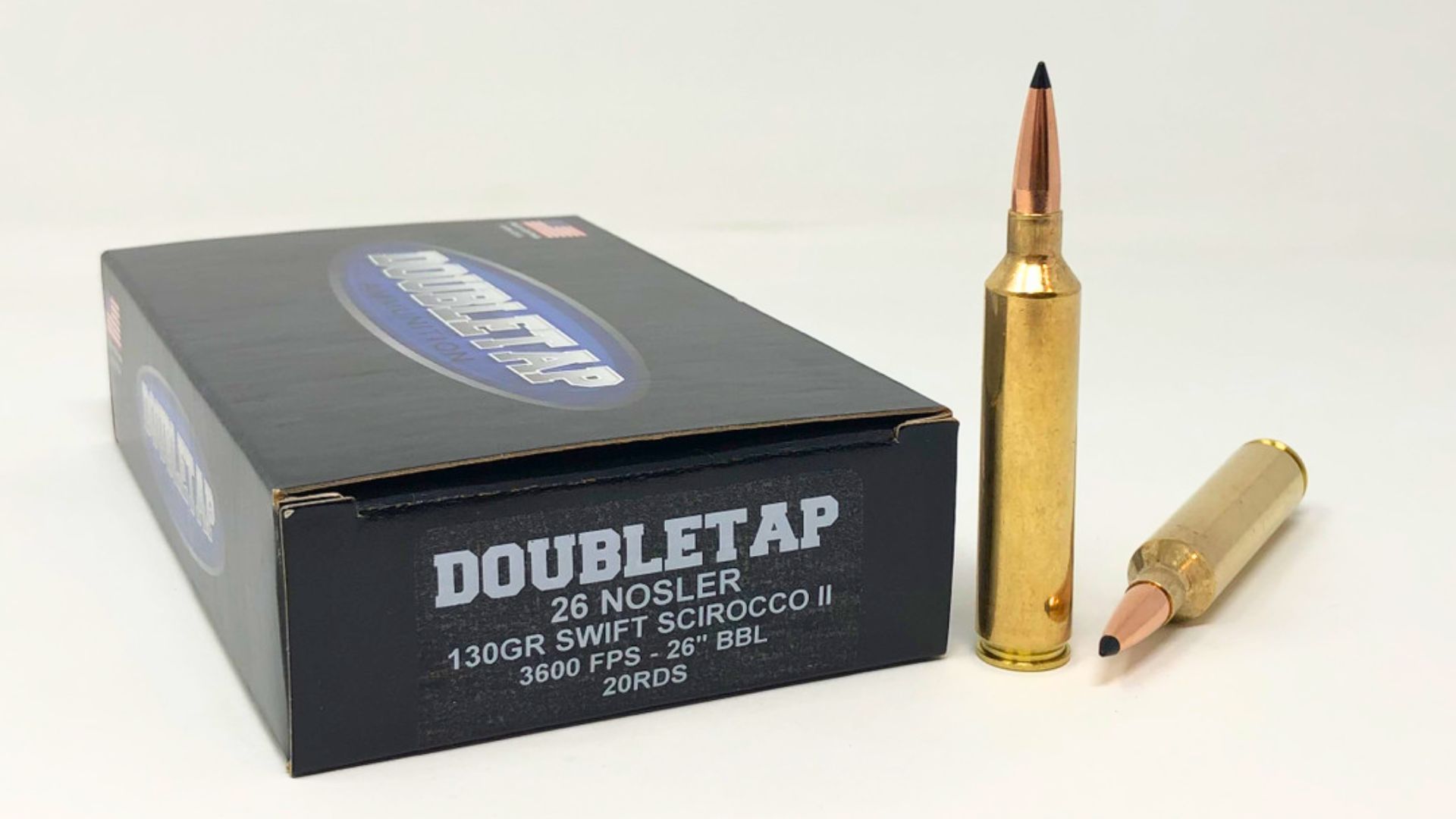
The .26 Nosler arrived with a flashy debut, promising flat trajectories and long-range precision from a 6.5 bullet screaming at magnum speeds. It delivered on that—at least until you realized it burns barrels faster than most shooters burn through their first box of ammo.
The round eats throats like a cutting torch, and the performance gains over a 6.5 Creedmoor or 6.5 PRC are almost meaningless in practical hunting ranges. It’s a beautiful example of chasing speed for the sake of marketing. If you like changing barrels and buying powder by the keg, the .26 Nosler might be your dream gun.
.270 Weatherby Magnum
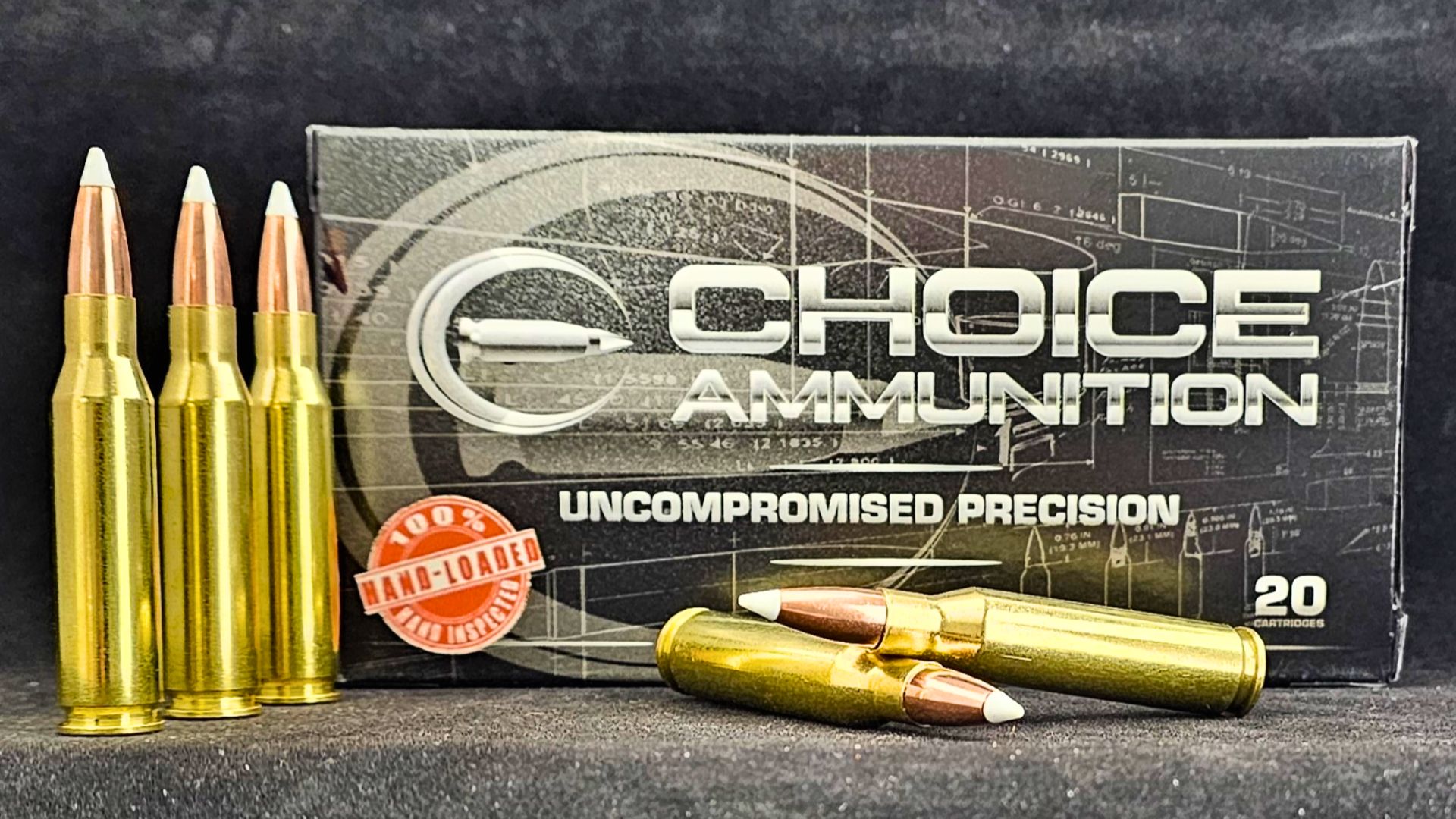
The .270 Weatherby Magnum has been around for decades and still suffers from the same issue—it’s too much powder for too little gain. Compared to the classic .270 Winchester, the Weatherby version offers a few hundred extra feet per second, but at the cost of excessive recoil and shorter barrel life.
It’s accurate and deadly in the right hands, but it’s also wasteful. For most hunting scenarios, that extra speed doesn’t change a thing except how fast your barrel gets tired. It’s a caliber that sounds great on paper but rarely pays off in the field.
.223 WSSM

The .223 Winchester Super Short Magnum tried to bring magnum performance to the AR platform, but it did so with a ridiculous appetite for powder and minimal payoff. The case was so overbore that it cooked barrels in a few hundred rounds, and the velocity gain over standard .223 or .22-250 loads wasn’t enough to justify the hassle.
Accuracy dropped as fouling built up, and ammo availability died off within a few years. The .223 WSSM was a great idea ruined by physics. You can’t cheat efficiency, and this little overachiever proved it the hard way.
.358 Norma Magnum
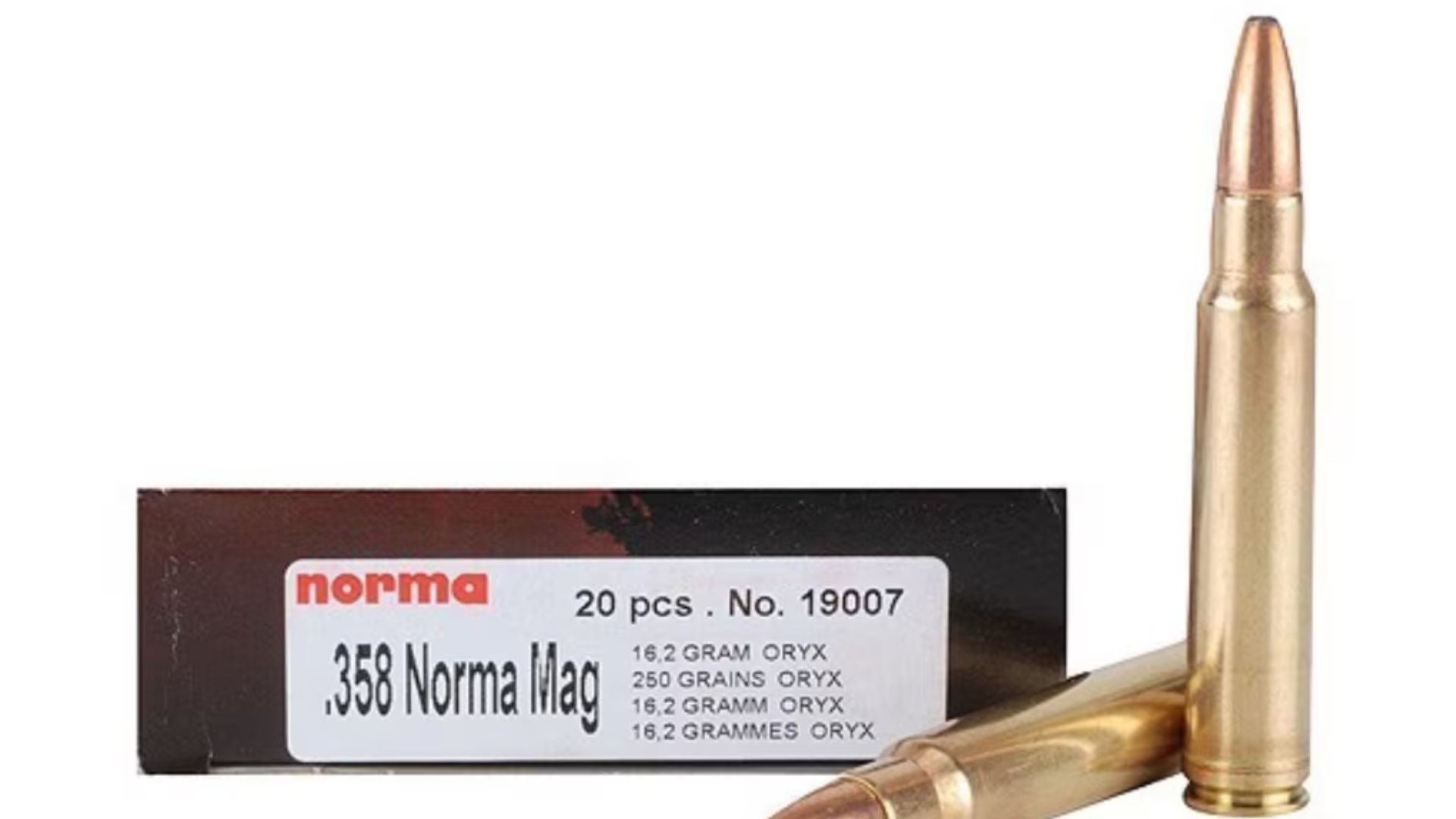
The .358 Norma Magnum packs a punch, but it burns an absurd amount of powder for results you can match with smaller, tamer rounds. It’s powerful, sure—but its recoil and blast make it more punishing than practical. For most North American hunting, it’s more rifle than you’ll ever need.
Its energy and trajectory gains over rounds like the .35 Whelen or .338 Win Mag don’t justify its appetite. It’s another caliber that looks impressive on paper, yet wastes a shocking amount of powder to do what smaller rounds manage more efficiently.
.264 STW
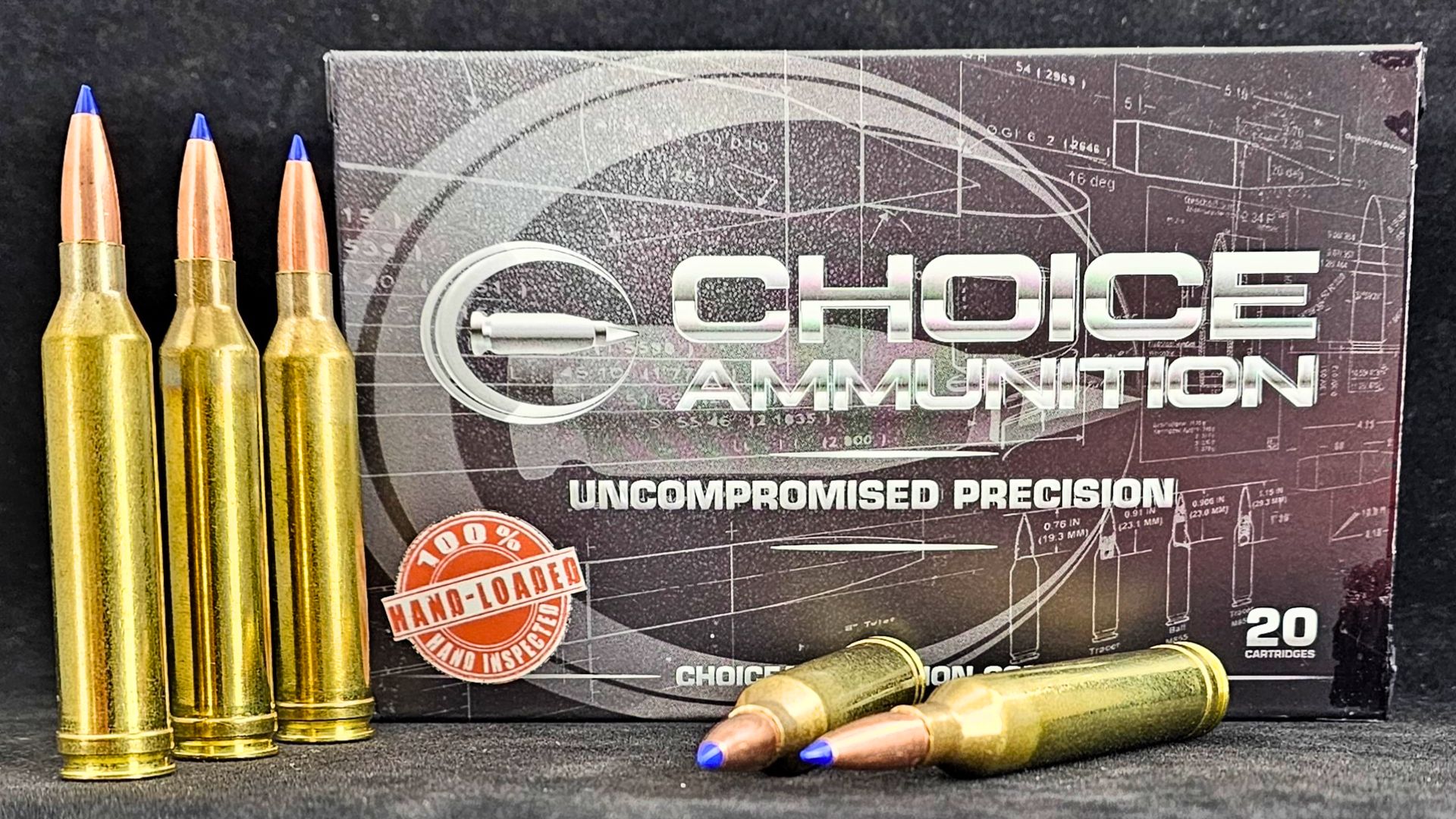
The .264 STW might be the poster child for overbore cartridges. It pushes a 6.5mm bullet at blistering speed, but the tradeoffs are extreme. Throat erosion happens fast, barrel heat builds immediately, and accuracy drops almost as quickly as velocity does.
It’s spectacular for long-range bragging rights, but short-lived for practical use. The .264 STW burns powder like a rocket engine and turns rifles into disposable launchers. It’s a round you shoot for fun, not for efficiency—because efficiency left the conversation as soon as you opened that box of ammo.
Like The Avid Outdoorsman’s content? Subscribe to our newsletter so you never miss an article.
Here’s more from us:
*This article was developed with AI-powered tools and has been carefully reviewed by our editors.