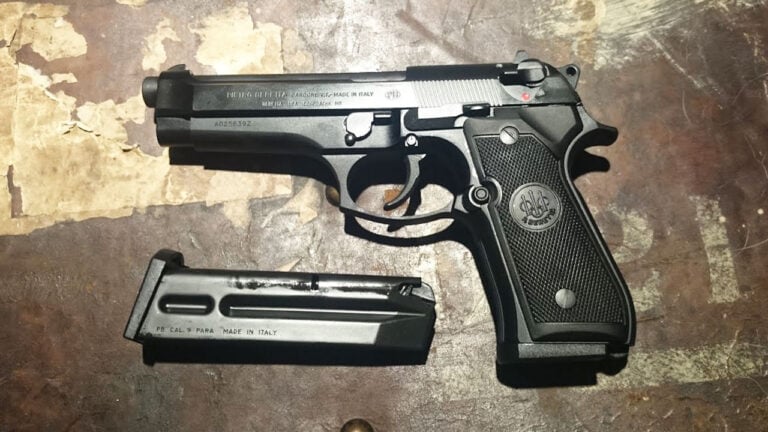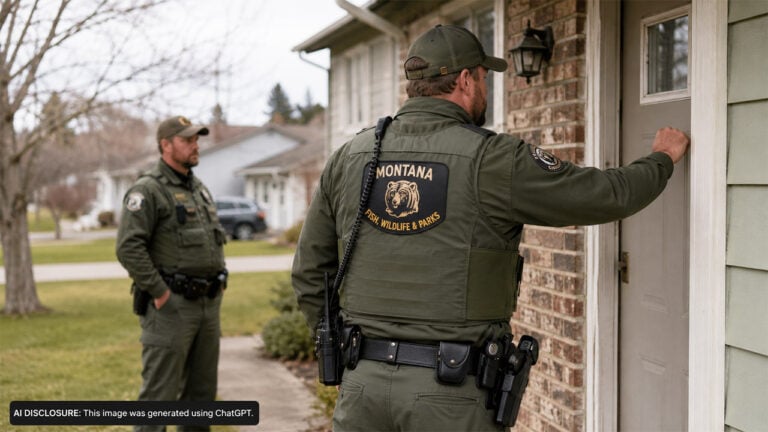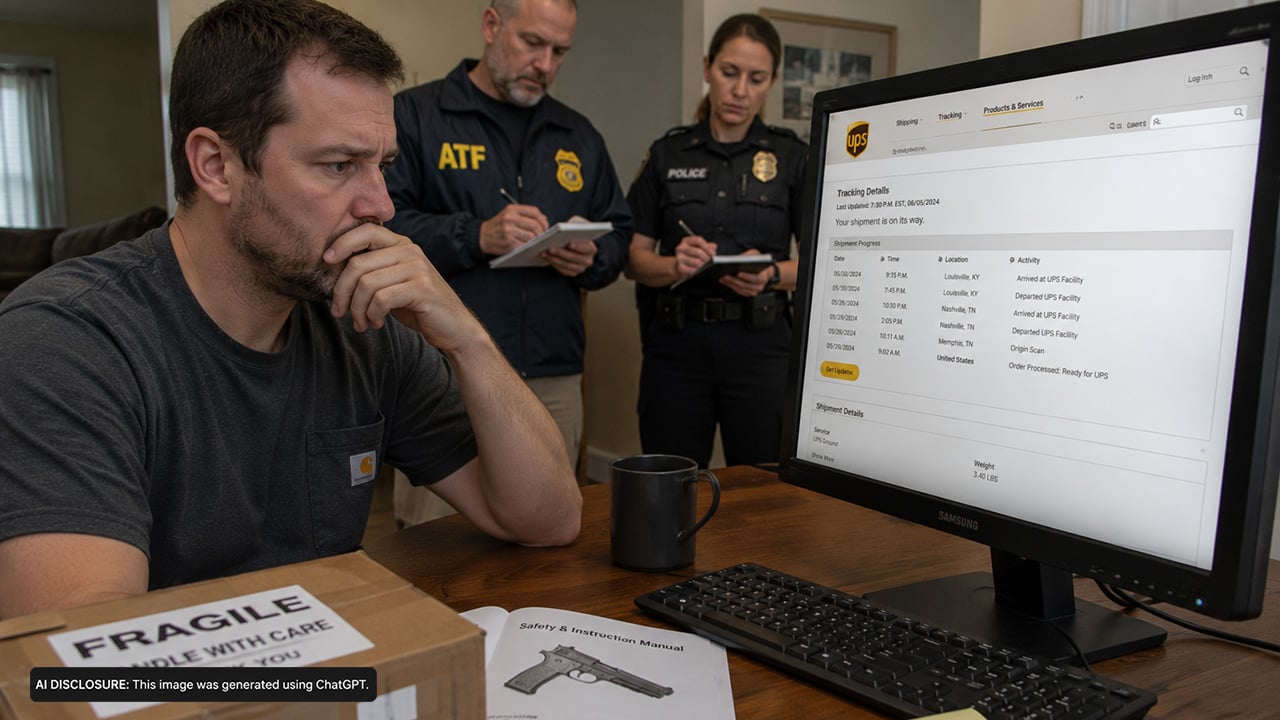
Photo credit: AI-generated image created using ChatGPT. Illustrative only
A gun purchase can feel pretty routine in 2026—click, verify, ship to an FFL, wait. But one buyer’s order turned into the kind of mess that keeps firearms folks up at night: a package that stopped moving inside a carrier’s network, sat for a full week, and then effectively disappeared.
In the original post, the buyer said the firearm was being shipped from out of state and got “stuck for 7 days” at a location without moving. After that week of no scans, they opened a lost-package claim—and made sure UPS knew the missing item was a firearm, including the dimensions and weight, hoping that would help someone actually go look for it.
Seven days in one place is when worry turns into action
Anyone who’s watched tracking updates knows there’s normal delay, and then there’s “something’s wrong.” According to the buyer, the box never moved for seven days at the last known facility, which is exactly the kind of stall that makes people start checking their paperwork and calling customer service.
The buyer opened a claim and said they specifically told UPS the package was a firearm. That matters because a missing gun isn’t like a missing pair of boots. If it’s truly lost—or stolen—it becomes a safety issue fast, and it can create problems for everyone in the chain: the seller, the receiving dealer, and the customer.
The claim was filed, details were provided, and the search got shut down anyway
The buyer said UPS closed the investigation six days after the claim was opened, and the reason given was “a lack of information on the package.” That’s a rough spot for gun owners, because legal firearm shipping is supposed to be discreet. You’re not slapping “GLOCK INSIDE” on the outside of a box.
In other words, the same discretion that helps keep shipments from being targeted can also make it harder for a customer-service process to identify a specific box when it falls off the conveyor, gets buried, or gets separated from whatever paperwork was tied to it.
After the investigation was closed, the buyer called UPS again to warn them what they were dealing with: a missing firearm. They were told by customer service that the investigation had “already expired” and could not be reopened.
When a firearm goes missing, the tone changes immediately
Most outdoorsmen have had a package delayed. You might grumble about it, but you wait it out. A missing firearm is different, because it introduces risk that isn’t theoretical. If the box truly walked off, you’ve now got an unknown gun in unknown hands.
The buyer’s post reflects that shift in tone. It wasn’t just “find my stuff.” It was “this is now a missing firearm,” and if it’s not located, it’s going to pull in government attention whether UPS likes it or not.
That’s not about being dramatic. It’s about acknowledging reality: firearms are regulated, and the minute one is unaccounted for, it can create a paper trail and an urgency that a normal lost-package situation doesn’t.
ATF and police reportedly got involved at the last known facility
According to the buyer, the situation escalated beyond customer service. They said the ATF and police were “launching an investigation into the local UPS site where the firearm’s last known location was.”
The post also states UPS had nine days to locate the package “before federal agents show up on site.” That detail is coming from the buyer’s side of the story, but the bigger point is clear: once a gun vanishes inside a shipping system, it’s not just a customer-service ticket anymore.
From a practical standpoint, the “last known location” is the key detail. Tracking scans are basically breadcrumbs, and if the trail ends at a specific facility, that’s where any real search—cameras, logs, cages, back rooms, and mis-sorts—has to start.
What gun owners can take from this: paperwork, communication, and patience (with a plan)
The post doesn’t include every detail you’d want—like the exact shipping method, whether it was going to an FFL (as it generally should), or what documentation was exchanged—but it still highlights a few hard lessons that are worth keeping in mind if you buy guns online.
First, keep your side of the paperwork clean and accessible. That means saving the order confirmation, tracking number, the seller’s contact info, and whatever invoice shows the make and model. If you need to communicate with a carrier or an FFL, you want to be able to provide facts quickly without guessing.
Second, be ready to coordinate with the shipper and the receiving dealer. The buyer in this case tried to give UPS helpful information like dimensions and weight, but the shipping label and internal shipping record are usually controlled by the sender. If you’re the customer, you may need the seller and the receiving FFL to push on their end too, because they’re the parties directly involved in the shipment chain.
Third, understand why discretion can cut both ways. Firearms should be shipped discreetly for good reason, but when a carrier claims there’s “not enough information on the package,” it’s a reminder that your best identifiers may be what’s in the carrier’s system: the tracking number, declared weight, service level, and scan history—not what’s printed on the outside of the box.
And finally, don’t confuse “patience” with “doing nothing.” Delays happen. But when tracking freezes for days, it’s reasonable to start a paper trail—calmly—and to keep notes on dates, times, and who you spoke with. If a situation escalates, those details matter.
The scary part of this story isn’t that a package was late. It’s that a firearm reportedly sat motionless in a shipping network for a week, then the search was closed out while the item was still missing. For hunters, shooters, and anyone who buys guns through legitimate channels, it’s a reminder to treat shipping like part of the purchase: track it, document it, and be ready to escalate responsibly if it stops making sense.
Like The Avid Outdoorsman’s content? Subscribe to our newsletter so you never miss an article.
Here’s more from us: