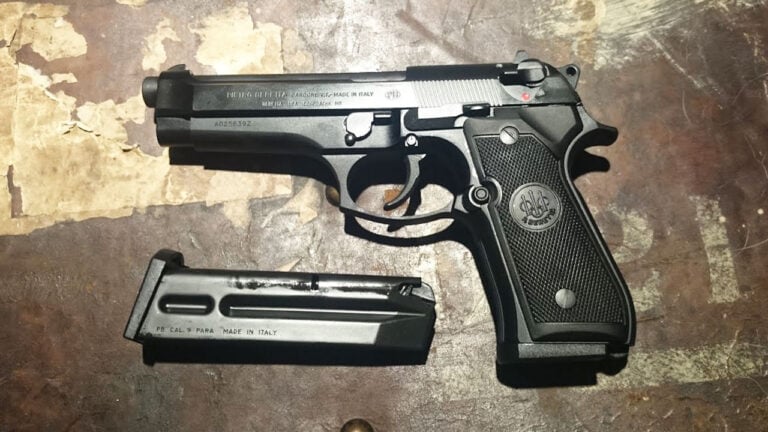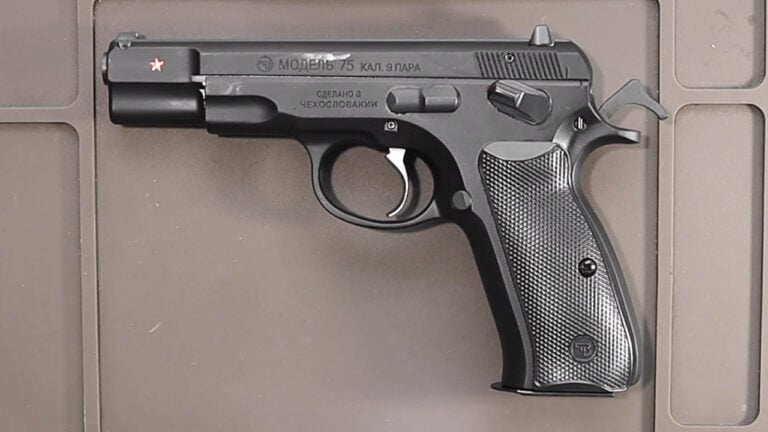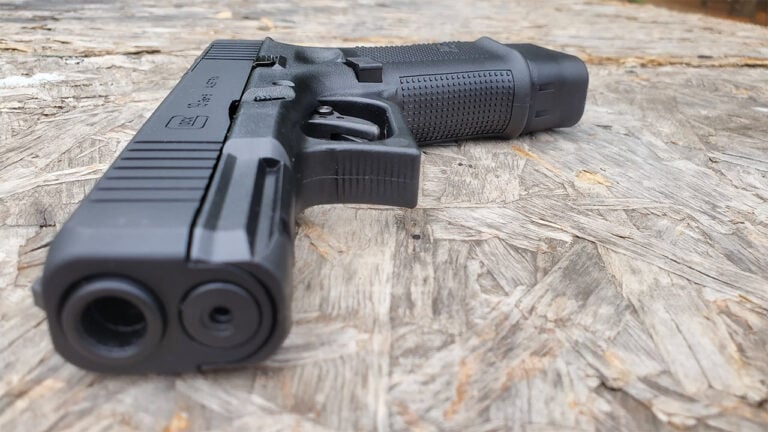
Photo credit: AI-generated image created using ChatGPT. Illustrative only
A storage-unit auction is usually a gamble on tools, furniture, maybe a few dusty collectibles. But one California buyer hauled off a heavy-duty lockbox with a handle, did a little research, and realized there was a decent chance it held a firearm—still locked up and still not his in any clear, straightforward way.
He laid out the whole situation in the original post, explaining that he’d never owned a gun, had only been to ranges a few times, and didn’t know the ins and outs of California’s rules. What surprised him most was that even the local gun shop employees didn’t have a clean answer for what to do next.
A locked case from a storage unit isn’t just “found property” when guns are involved
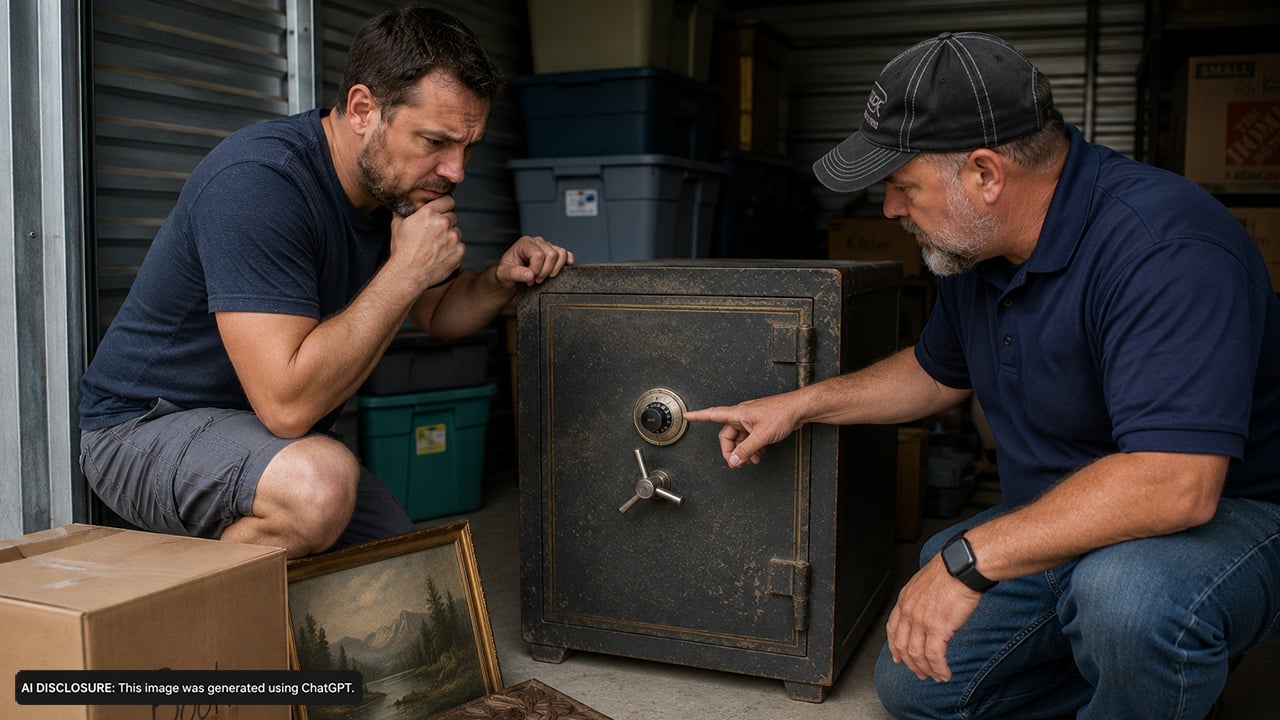
The buyer said he picked up the storage unit at auction and, among the contents, found a “little heavy duty safe/case with a handle.” After some quick digging, he came to believe there was a reasonable chance a firearm was inside.
That’s where it stops being a fun mystery and starts becoming a real-world problem. If it’s just paperwork or old electronics, you sort it out at home. If it’s a gun—especially in a state with tight regulations—you’re suddenly dealing with safety, ownership, and whether you’re about to accidentally step into a legal mess.
The “FFL can run the serial number” advice didn’t match what the gun shop knew
Like a lot of folks would, he asked around. A fellow bidder told him they’d found guns in storage units before and claimed the fix was simple: take it to any FFL (gun shop), and they can run the serial number to make sure it’s “clean to own.”
So he did exactly that. He walked into a local gun shop, explained where it came from, and asked what the proper process was. Instead of getting pointed to a counter form or a standard procedure, he said the employees were stumped—they’d never heard of that process and didn’t know how to approach it.
That part matters for regular outdoorsmen because it’s a reminder: gun shops know a lot, but not every unusual situation has a routine playbook. Storage-auction finds, unknown ownership, and a locked container aren’t the same as a private-party transfer or a typical consignment gun coming in the front door.
Being a non-gun owner in California adds friction fast
The buyer wasn’t trying to cut corners. He specifically said he’d never owned a firearm and hadn’t gone through background checks or anything like that. He also admitted he was generally ignorant of California’s strict gun laws.
That’s a common spot for people who hunt out of state, grew up around guns but never bought one, or just keep their shooting to the occasional range trip. The moment a possible firearm lands in your lap—especially one of unknown status—you’re not just learning about safe handling. You’re learning about what you can possess, how transfers work, and what you’re allowed to transport and where.
Even without knowing what’s inside, the fact that he suspected a firearm was in there changed the stakes. A locked case might feel “safe,” but it’s still an unknown item that could bring consequences if handled carelessly or moved the wrong way.
The safest “next move” he saw was talking to law enforcement
After the gun shop couldn’t give him a clear route, he leaned toward the most cautious option: go talk to local police. He noted that was also what the gun shop employees recommended.
For a lot of outdoors folks, that’s not anyone’s favorite errand. But when you have a potentially controlled item of unknown origin—especially in a locked container you didn’t pack yourself—getting guidance from the people who deal with stolen property and serial number checks isn’t a crazy thought.
It’s also the kind of situation where you want to keep your decision-making boring and defensible. You’re not trying to “score” a deal. You’re trying to avoid becoming the person in possession of something you shouldn’t have, or mishandling a firearm you haven’t even confirmed exists yet.
Others zeroed in on the missing “standard process” and the risk of guessing wrong
In his post, the buyer was looking for good input because he’d already hit a dead end with the bidder advice and the gun shop visit. The big issue wasn’t curiosity about what was inside—it was how to navigate it legally and safely without experience.
That’s the piece a lot of gun owners can relate to, even outside California. People talk about “just run the serial number” like it’s a quick lookup anyone can do at any counter. In reality, the ability to check theft status, determine rightful ownership, or confirm what can be transferred depends on the agency, the records available, and what you’re actually holding in your hands.
The buyer also added an edit pointing readers to an update post where he shared the outcome of the legal questions and what was in the safe after it was opened. But in the moment captured here, the tension was simple: he had a locked container that might hold a firearm, and nobody he talked to could tell him a clear, lawful, step-by-step way to handle it.
Storage unit auctions will always have that “maybe there’s treasure inside” vibe. This is the other side of it. Sometimes the mystery item isn’t a windfall—it’s a responsibility, and the smartest move is slowing down until you know exactly what you’re dealing with.
Like The Avid Outdoorsman’s content? Subscribe to our newsletter so you never miss an article.
Here’s more from us: