Photo credit: AI-generated image created using ChatGPT. Illustrative only
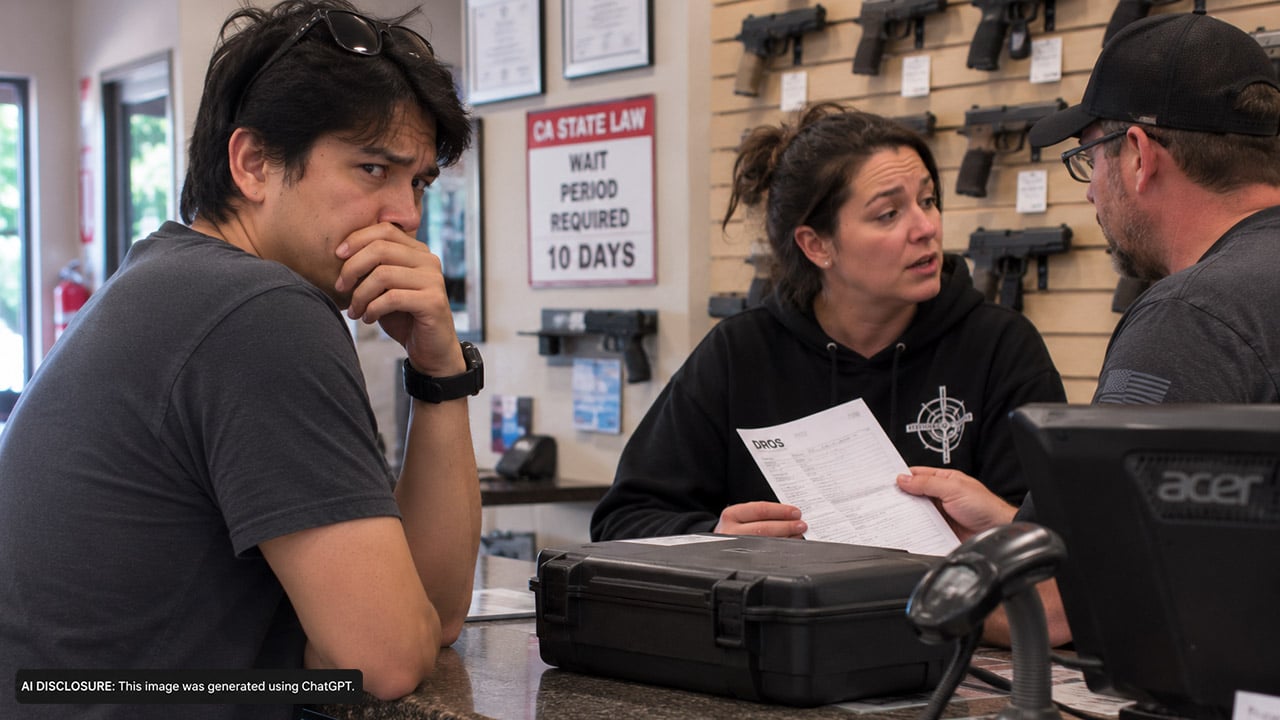
Anybody who’s bought a firearm in California knows the routine: pay, do the paperwork, clear the background check, then sit through the 10-day wait. For one first-time buyer, that final step—walking back into the shop to take possession—turned into a stomach-drop moment when the gun he’d paid for seemed to be gone.
In the original post, the buyer said he’d paid in full, waited out the approval and the mandatory hold, and showed up expecting a simple pickup. Instead, he watched employees shuffle around in the back, clearly searching, and overheard a clerk tell the owner it “went out on the 8th.”
A routine pickup turned into backroom shuffling
The buyer described the kind of scene that makes your mind race: a quiet counter, a few too many trips to the “holding room,” and the unmistakable vibe that something isn’t where it’s supposed to be. When you’ve done everything by the book—especially as a first-time owner—your patience is already spent by day 10.
Then came the line that would make anybody’s heart sink. He could hear staff saying the firearm “went out on the 8th,” which sure sounds like it left the store with somebody else. The owner came back out and called it a “SNAFU,” saying they needed a few hours to figure out what happened and would call later that day.
Why “it went out” is a serious phrase in California
In a lot of states, a mix-up at pickup would still be a big deal, but the stakes feel higher in California because every transfer is paperwork-heavy and serial-number specific. The buyer wasn’t just worried about inconvenience—he was thinking about liability, safety, and what it means when a gun tied to his purchase isn’t in his possession.
He asked the owner directly, “Am i to understand i won’t be leaving with my registered weapon?” The owner “verbally stumbled,” he said, but didn’t plainly admit the gun had been given to the wrong customer. That’s the kind of non-answer that makes a responsible person start thinking about calling the DOJ or the sheriff, not because they want trouble—but because they don’t want trouble later.
The buyer’s big concern: paperwork vs. physical possession
The crux of the worry was simple and smart: if the firearm is “registered” to him (his wording) but physically in someone else’s hands, what happens if something goes wrong in that window? Even if the mix-up is a pure accident, it’s hard to shake the feeling that you’re being put in the middle of a mess you didn’t create.
He also raised a point that plenty of seasoned gun owners would think about: even if the shop gets the firearm back, should he accept it? Once a gun has potentially walked out with the wrong person, folks naturally start thinking about chain of custody, whether it was handled safely, whether anything happened to it, and whether the paper trail is now muddy.
What others pushed him to do: document, slow down, and let the shop fix it
While the post didn’t include a blow-by-blow of every response, the tone of his update makes it clear he got steady advice instead of panic. His main takeaway afterward was that he “wasnt making a mountain out of a molehill,” which tells you people likely urged him to stay calm, get answers in writing, and make sure the serial number on every document matched what he actually received.
That’s the practical outdoorsman approach. Don’t get loud. Don’t get reckless. But also don’t shrug it off. When paperwork and serial numbers are involved, you want a clean correction, not a handshake and a promise.
The shop’s explanation: two Glock 19s and a serial-number mix-up
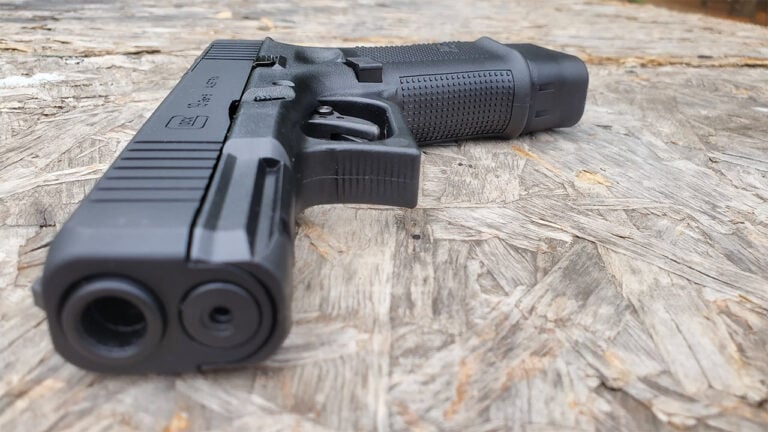
About 90 minutes after the buyer left the store, the owner called with an explanation. According to the update, the shop had mixed up the registration numbers on two pistols—both Glock 19s. The way it was described, his pistol was set aside for his DROS, but when the other customer came to pick up theirs (which had already been “on DROS” for their own 10-day period), the shop handed over the wrong Glock 19.
That kind of error is easy to imagine in a busy store when two identical models are in the safe at the same time. It’s also exactly why serial numbers exist and why you check them. A Glock 19 is a Glock 19 until you’re staring at the box label and the frame, and the numbers don’t match what’s on the forms.
How it ended: amended documents, correct pistol, and a little make-good
The resolution, at least in this case, was straightforward. The owner said they had to go back and amend the original form from the day of purchase to correct the serial number, and the buyer assumed the other customer’s paperwork would need correction too. In the end, he walked out with a new pistol and amended documentation with the correct serial number.
To smooth things over, the shop also sent him home with “2 additional magazines and 4 cases of ammo.” That doesn’t erase the stress of thinking your first firearm walked out with somebody else, but it does show the owner understood the seriousness and tried to make it right in a tangible way.
For folks reading this who buy guns regularly, the lesson isn’t complicated: at pickup, slow down and verify the serial number on the firearm matches your paperwork before you leave the counter. For shops, it’s a reminder that “same model” isn’t close enough—especially in states where the paper trail is the whole ballgame. In this situation, a quick correction and amended documents kept a bad day from turning into a lasting problem.
Like The Avid Outdoorsman’s content? Subscribe to our newsletter so you never miss an article.
Here’s more from us: