Photo credit: Forgotten Weapons/YouTube
Small pistols solve a real problem. They are easy to conceal, light enough to carry all day, and compact enough to remain with the owner when a larger handgun might be left behind.
The trouble begins when the gun becomes too small for the human hand. A shortened grip removes leverage, tiny sights make alignment difficult, and cramped controls force the shooter to compromise technique. Experienced shooters can still make these pistols work at close range, but these 20 models make a proper grip, clean trigger press, and fast follow-up shot much harder than they should be.
Beretta 950 Jetfire
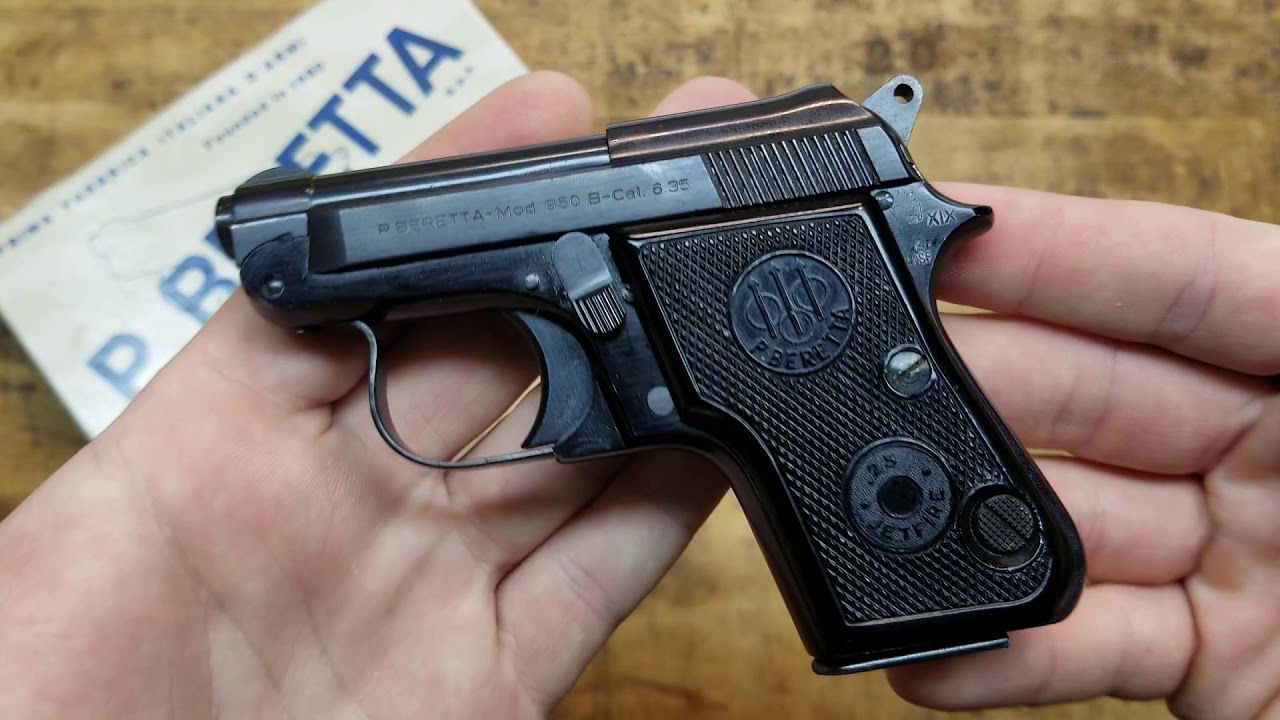
The Beretta 950 Jetfire is a remarkably compact pocket pistol chambered in .25 ACP. Its tip-up barrel allows the chamber to be loaded without racking the tiny slide, which makes it appealing to shooters with limited hand strength.
Almost everything else about the gun works against proper shooting technique. The grip barely gives the shooter room for two fingers, the sights are extremely small, and the single-action trigger sits inside a cramped trigger guard. The Jetfire can be pointed and fired at very close range, but building a repeatable modern two-handed grip around it is nearly impossible.
Beretta 21A Bobcat
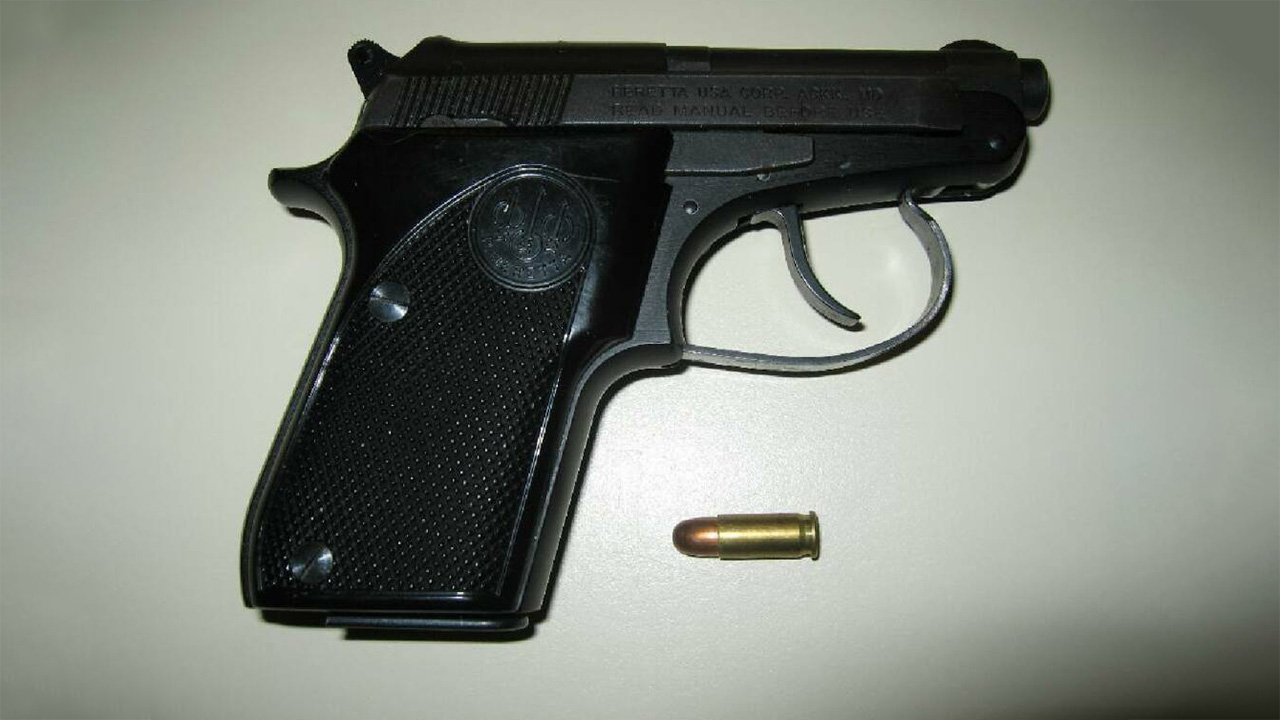
The Bobcat is larger than the Jetfire, but it remains extremely compact for shooters with average or large hands. The tip-up barrel and exposed hammer give it character and make loading easier than it is on many pocket pistols.
The short grip forces the little finger underneath the magazine, while the small safety and slide provide little surface area for manipulation. The double-action first trigger pull is also heavy relative to the gun’s size. It can be accurate when fired slowly, but the Bobcat makes consistent grip pressure and rapid follow-up shots harder than a larger .22 pistol would.
Beretta 3032 Tomcat

The Tomcat offers more power than the Bobcat by chambering .32 ACP, but the increased cartridge does not come with much more gripping area. The pistol remains short, wide, and difficult to control during fast shooting.
Its small beavertail provides limited protection from slide movement, and the heavy double-action trigger can pull the muzzle away from the target. The tip-up barrel is useful, yet the tiny controls and short sight radius keep the gun from feeling like a serious training pistol. It is built for concealment rather than clean technique.
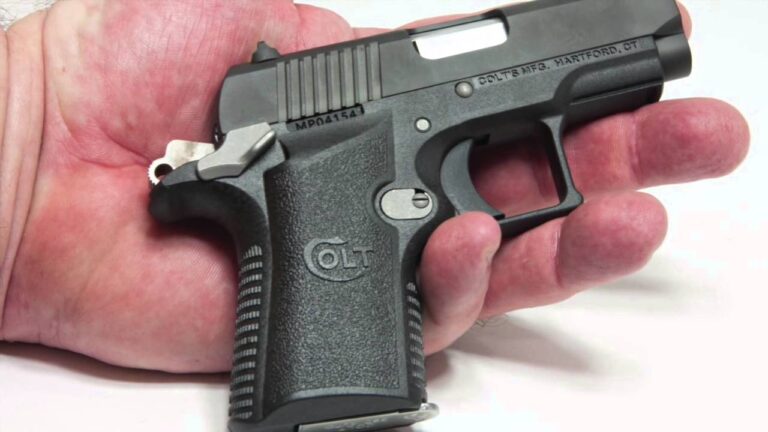
Colt Model 1908 Vest Pocket
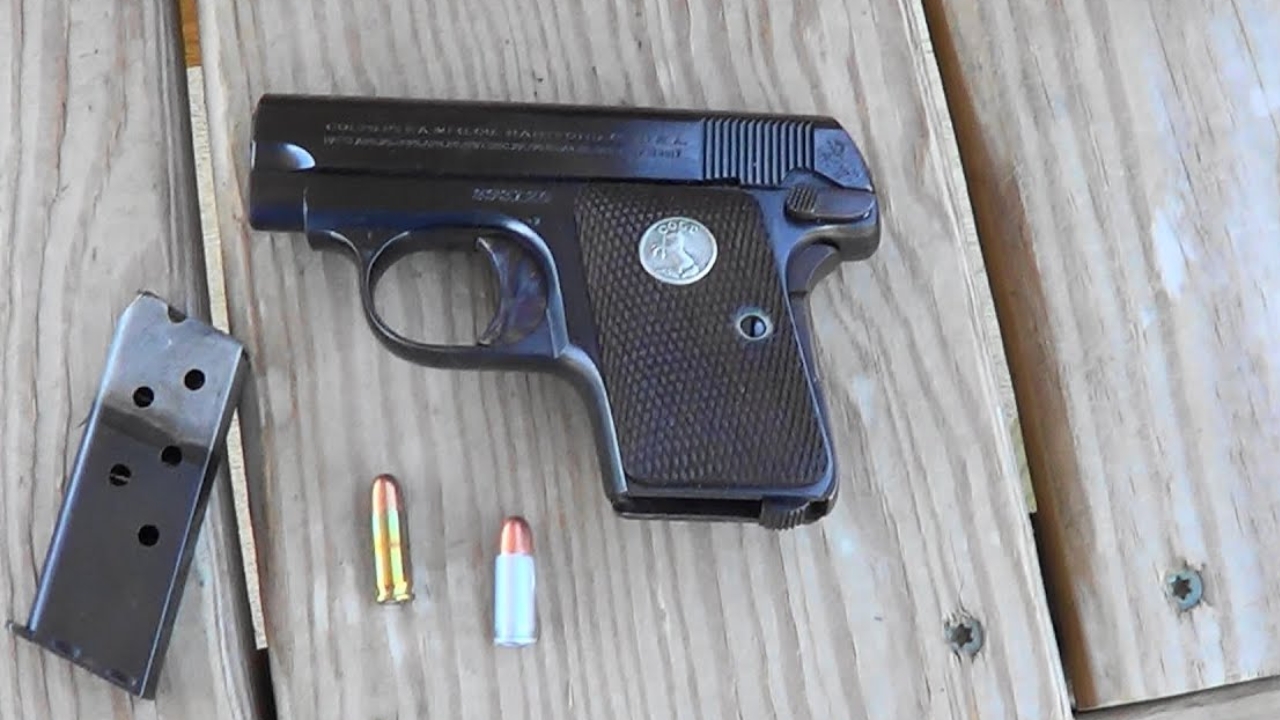
The Colt Vest Pocket is a beautifully made early semiautomatic pistol, but its dimensions reflect an era when pocket carry mattered more than modern defensive shooting methods.
The grip is extremely short and narrow, the sights are barely more than reference points, and the heel-style magazine release slows reloads. The grip safety also requires the shooter to maintain pressure on a frame that offers almost no room for the hand. It is historically important, but its size makes proper control difficult even with the mild .25 ACP cartridge.
Baby Browning

The Baby Browning is one of the smallest successful semiautomatic pistols ever produced. Its polished construction and simple operation made it a popular pocket gun for decades.
The pistol is so small that many shooters can barely place one full finger beneath the trigger guard. The short trigger reach sounds helpful, but it often causes the shooter to insert too much finger and pull the gun sideways. Tiny sights and minimal slide serrations add to the problem. It is easier to hide than it is to shoot correctly.
FN M1906
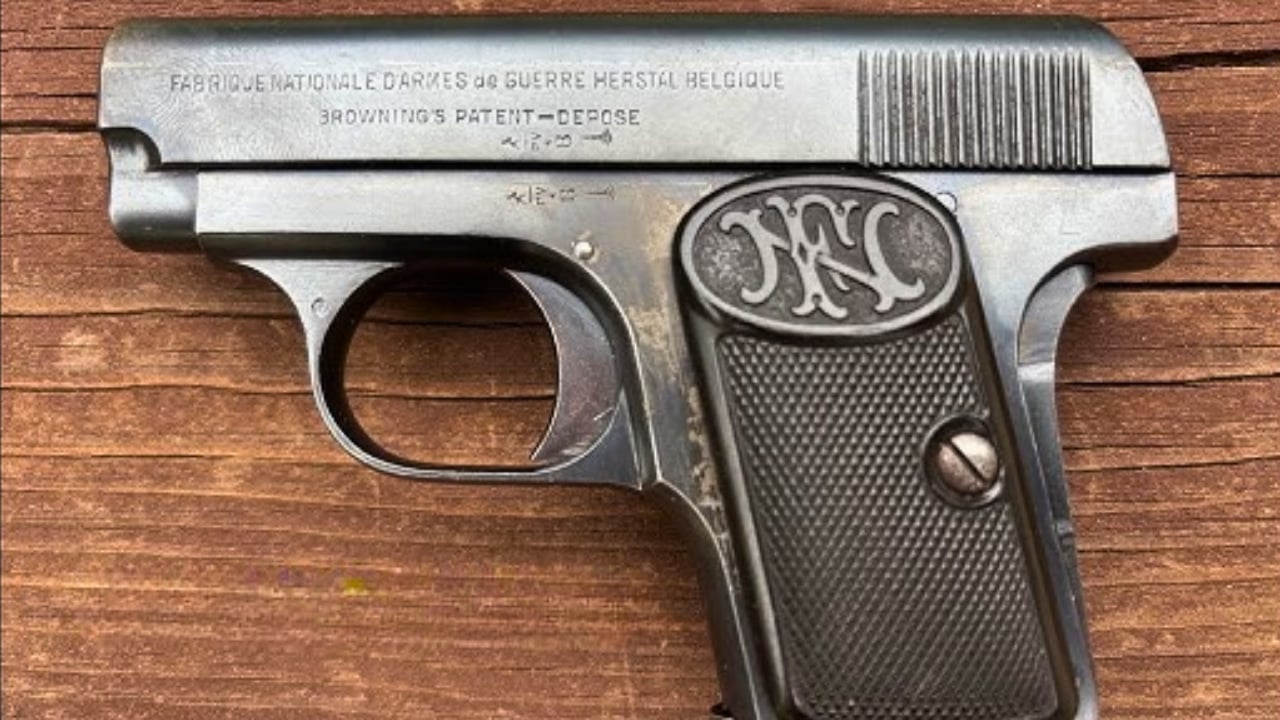
The FN M1906 helped establish the tiny vest-pocket pistol as a serious commercial category. Its design influenced several later .25-caliber handguns, including the Colt Vest Pocket.
Its historical importance does not change the fact that the grip is too short for a stable firing hold. The small safety is difficult to manipulate under pressure, and the tiny sights provide almost no visual feedback. Shooters with large hands may also struggle to keep flesh away from the moving slide. It works as a mechanical object more naturally than it works as an extension of the hand.
Walther Model 9

The Walther Model 9 was designed around extreme compactness. It is flatter and shorter than many pocket pistols that already feel undersized.
That size leaves very little room for proper trigger control. The grip does not support the lower fingers, and the sights are too small for deliberate alignment at speed. Even manipulating the slide can be awkward because there is so little area to grasp. The Model 9 is an impressive example of miniature engineering, but it gives the shooter almost nothing to hold onto.
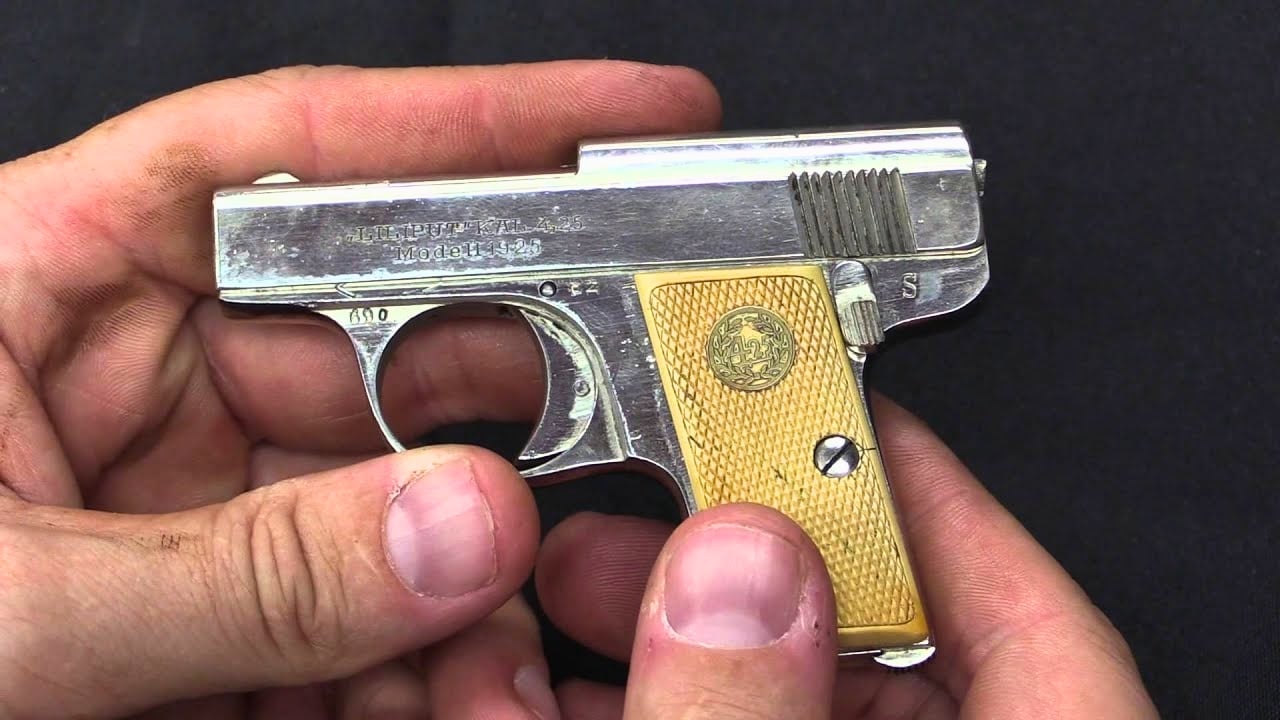
Menz Liliput
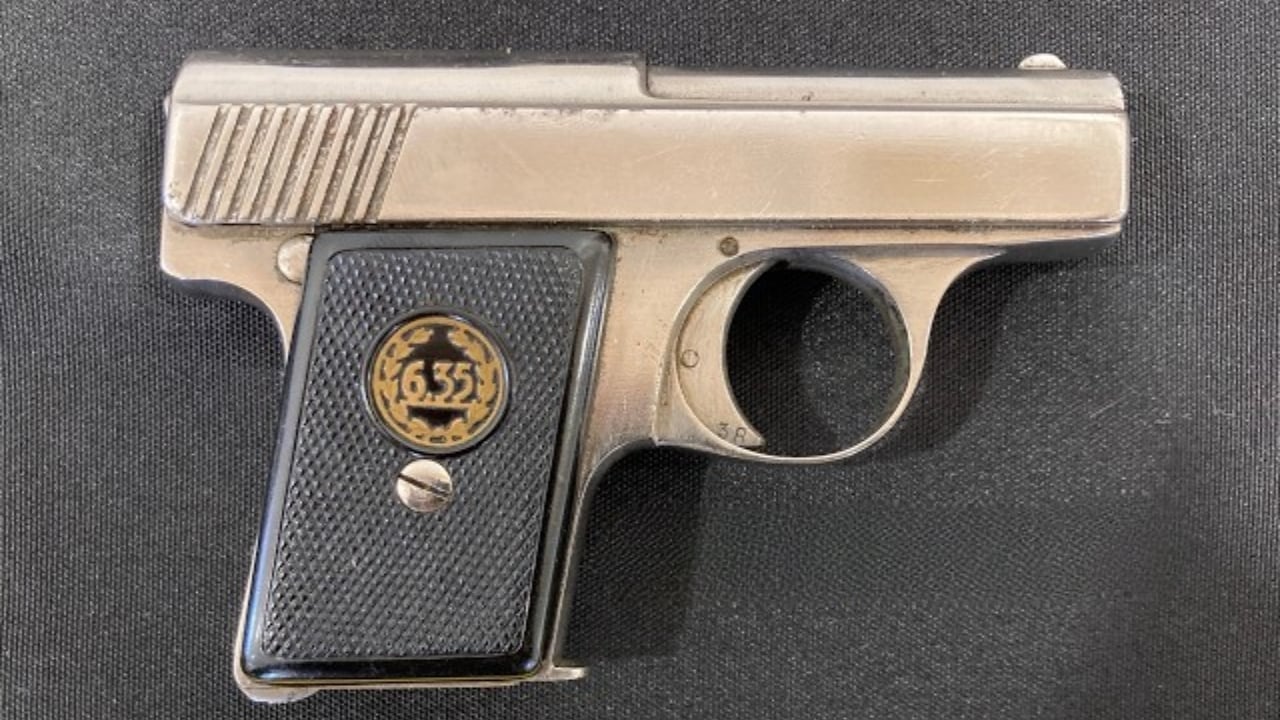
The Menz Liliput is one of the smallest European pocket pistols ever produced. Its name accurately describes a handgun built around minimum dimensions rather than comfort.
The frontstrap and backstrap are too short to fill the palm, causing the gun to shift during even mild recoil. The trigger guard is cramped, and the tiny safety requires careful manipulation. With almost no sight radius, small changes in muzzle angle move shots considerably at distance. It is a collectible curiosity that makes normal pistol fundamentals feel oversized.
Ortgies Pocket Pistol

The Ortgies pistol is slim, mechanically interesting, and surprisingly smooth for an early European pocket gun. Versions were chambered in .25 ACP, .32 ACP, and .380 ACP.
The smaller models provide very little gripping area, while the unusual grip safety and flush controls are less intuitive than modern designs. The sights are narrow and difficult to see, and the grip panels can feel slick in damp hands. The pistol points reasonably well, but controlling it through a full firing sequence is more difficult than its elegant shape suggests.
North American Arms Guardian .32
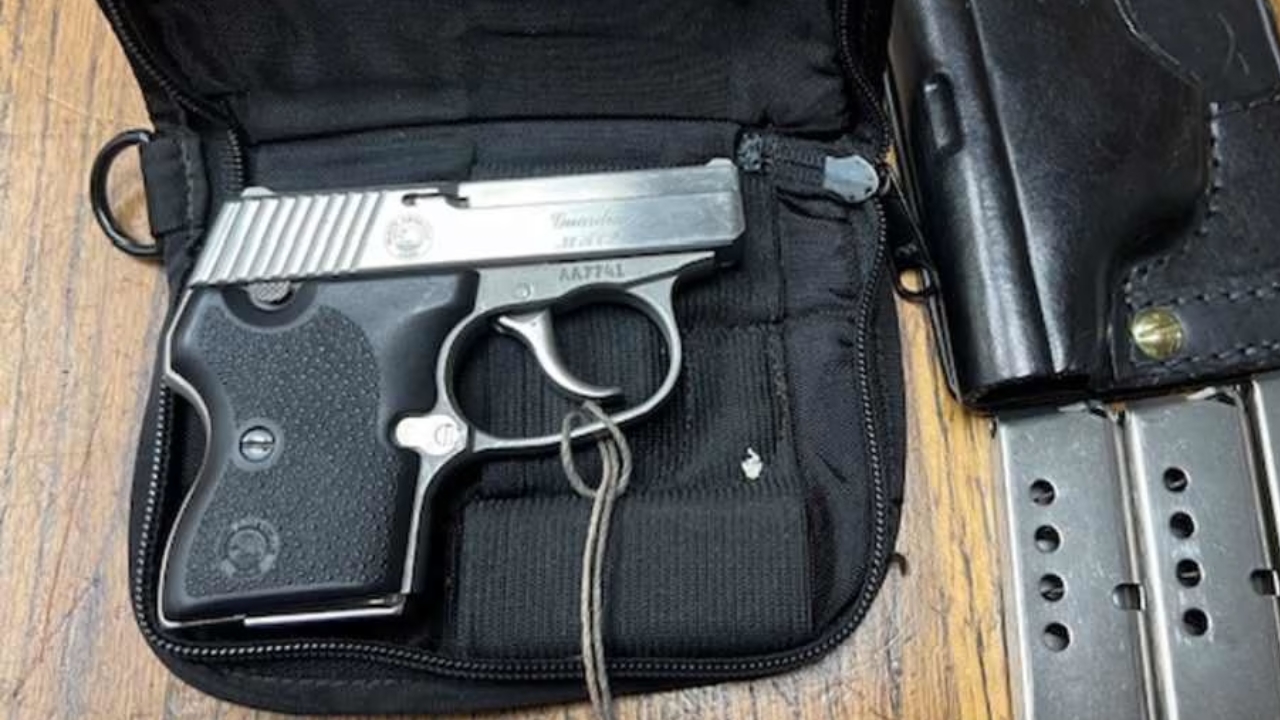
The Guardian .32 is a solid stainless-steel pocket pistol that feels substantial despite its tiny dimensions. Its weight helps reduce recoil, but it cannot create grip area that does not exist.
The short frame leaves most shooters with only one or two fingers beneath the trigger guard. Its long double-action-only trigger requires considerable movement while the hand is already struggling to stabilize the gun. The sights are minimal, and the straight blowback action produces a sharper impulse than the cartridge suggests. It is durable, but proper technique remains difficult.
North American Arms Guardian .380

The .380 version of the Guardian increases both the size and power of the platform, but not enough to make it comfortable. It remains a very small blowback pistol chambered for a cartridge that produces meaningful recoil.
The grip is too short to resist rotation, and the heavy trigger makes it easy to disturb sight alignment before the shot. The stainless construction adds weight, yet the gun still snaps sharply in the hand. It can be carried discreetly, but most shooters will perform much better with a locked-breech .380 that provides more grip length.
Colt Mustang Pocketlite

The Mustang Pocketlite gives shooters a small single-action .380 with controls that resemble a miniature 1911. Its light alloy frame makes it easy to carry.
The abbreviated grip and small thumb safety demand more precision than many owners expect. Shooters with large hands may struggle to disengage the safety without shifting their grip, while the short frame leaves the little finger unsupported. The trigger can be good, but recoil moves the pistol quickly because there is so little leverage available to stop it.
SIG Sauer P238
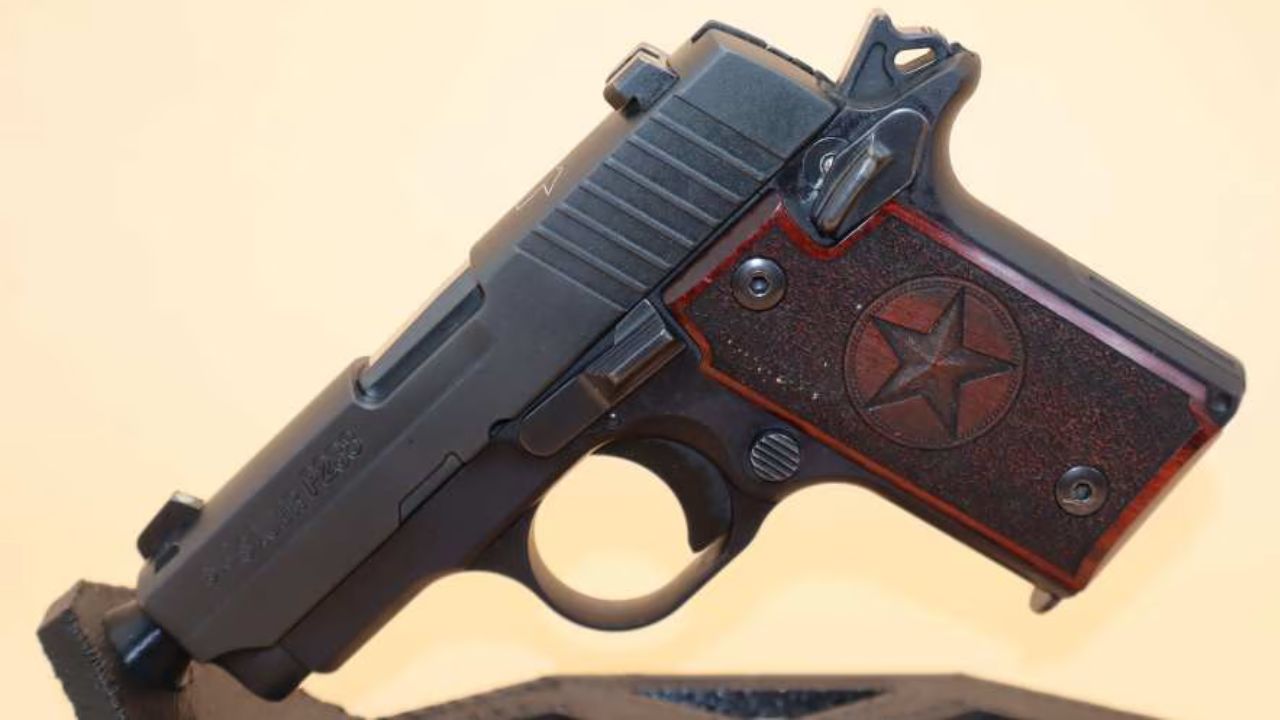
The P238 modernized the Mustang-style concept with better sights, improved finishes, and a more refined overall package. It is one of the more shootable pistols in its size class.
It is still extremely small. The short grip limits support-hand contact, and the tiny safety must be operated consistently every time the gun is drawn. Magazine extensions help but begin erasing the concealment advantage. The P238 can produce excellent groups in careful hands, yet it remains too cramped for many shooters to use with full-size handgun technique.
Browning 1911-380 Black Label Medallion Pro Compact
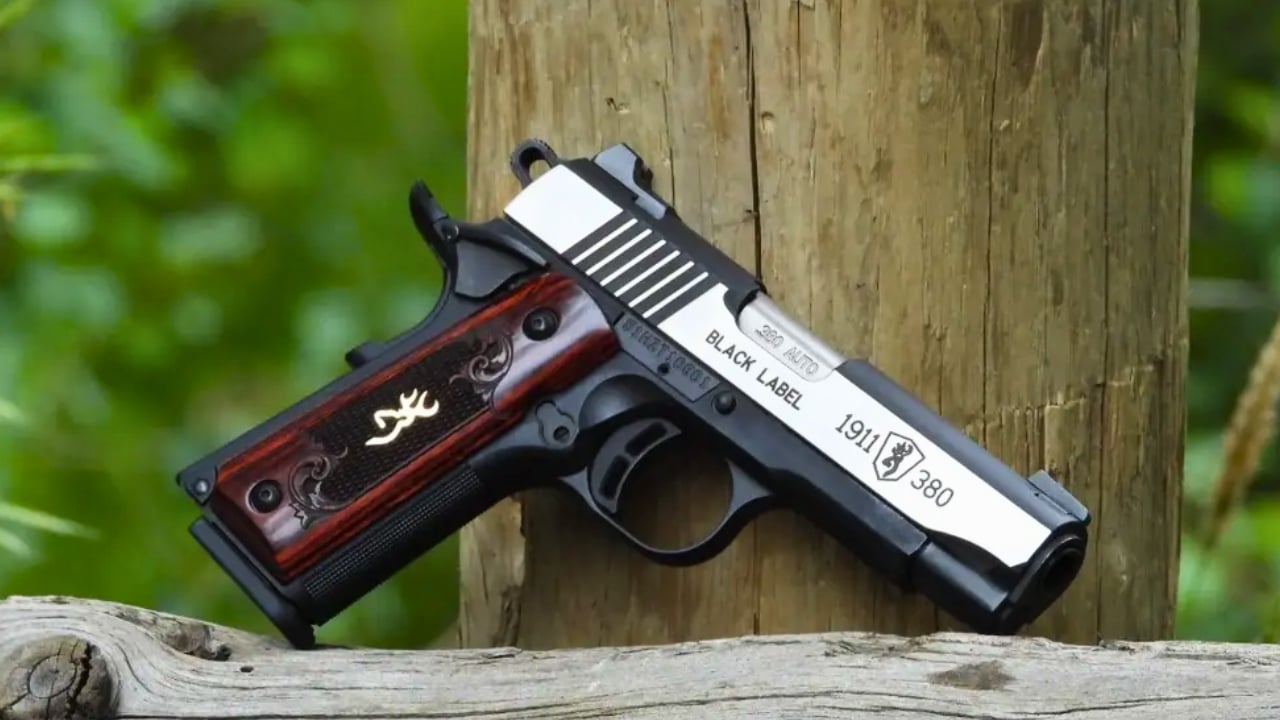
The compact 1911-380 shrinks familiar 1911 controls into a lightweight pistol chambered in .380 ACP. Its styling and trigger make it appear easier to shoot than most pocket guns.
The reduced dimensions create control problems of their own. The thumb safety, slide stop, and magazine release sit close together, while the narrow grip gives the support hand little room to contribute. Shooters accustomed to a full-size 1911 may find themselves overhandling the smaller gun. It looks familiar but does not provide the same leverage.
Remington Model 51
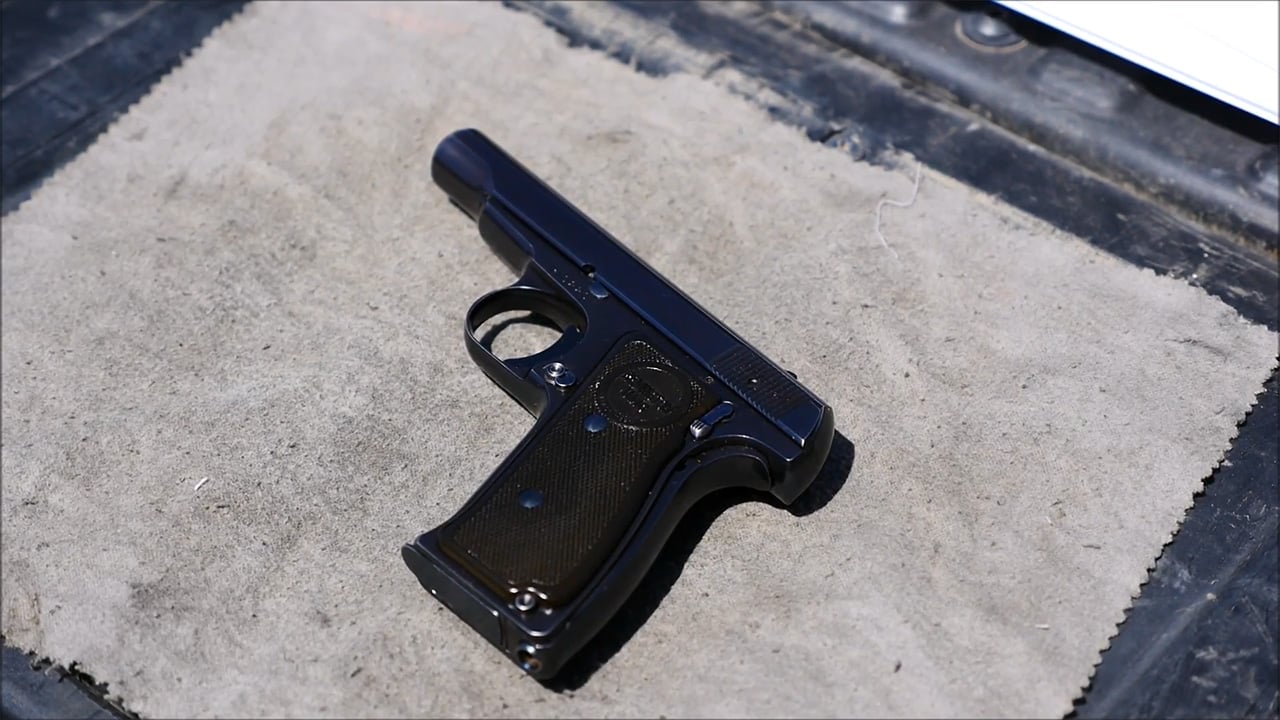
The original Remington Model 51 was admired for its slim profile, low bore line, and advanced hesitation-locking action. It was one of the more sophisticated pocket pistols of its era.
Its grip is still short by modern standards, and the small sights provide little help during rapid shooting. The grip safety and internal hammer system require a consistent hold, while the narrow frame can shift under recoil. The pistol points naturally, but its compact dimensions make a modern support-hand grip difficult to establish.
Savage Model 1907 Pocket Pistol
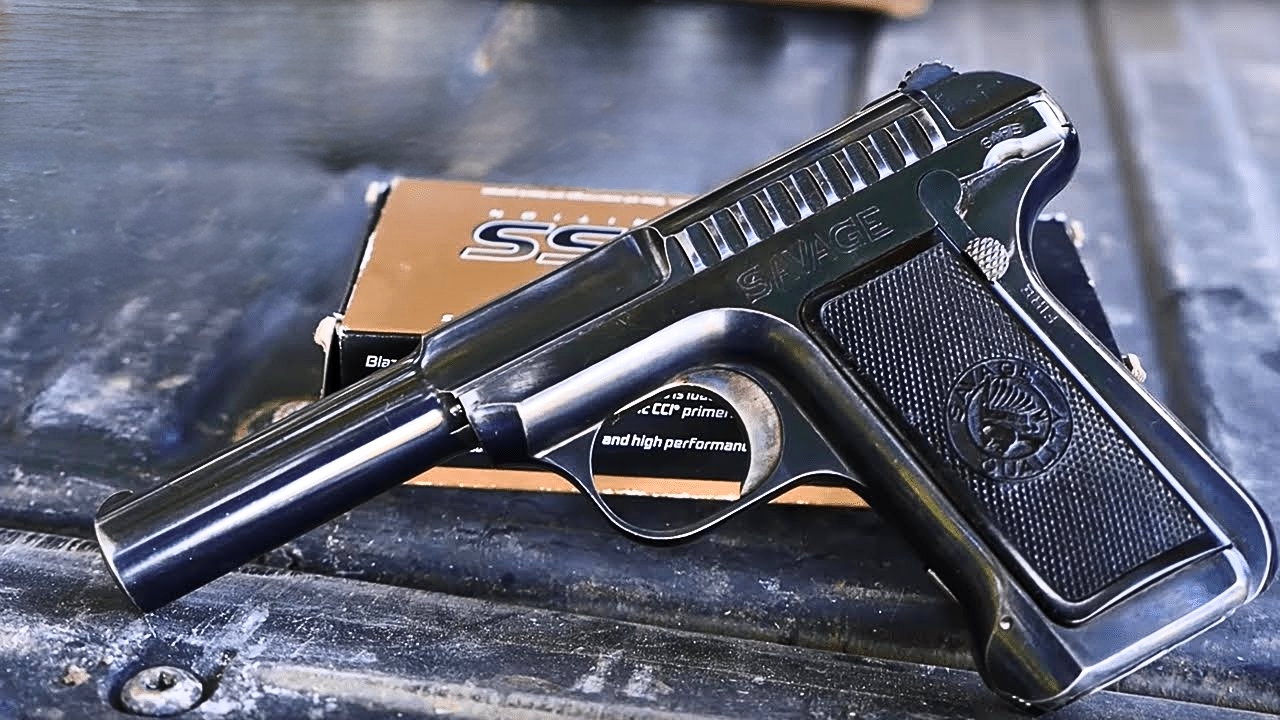
The Savage Model 1907 offered unusually high capacity for an early compact pistol. Its double-stack magazine and distinctive profile made it advanced for the period.
That capacity created a thick but short grip that does not suit many hands. The small sights, narrow slide, and unconventional controls require adjustment. Shooters may be able to wrap the firing hand around the frame, but there is very little space left for the support hand. The pistol feels crowded rather than secure.
Astra Cub
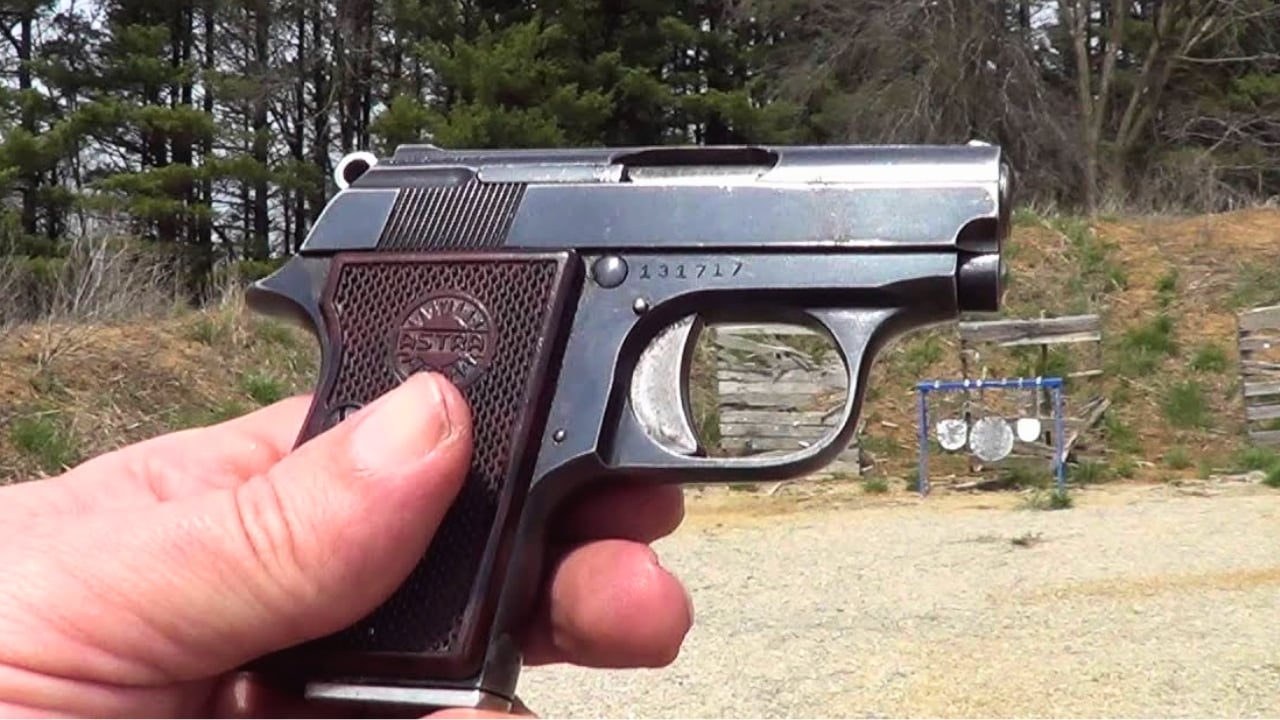
The Astra Cub is a tiny Spanish pocket pistol chambered in .22 Short or .25 ACP. It was designed for maximum concealment and simple close-range use.
Its grip is barely large enough to keep the pistol oriented in the hand. The sights are minimal, the safety is small, and the short trigger reach makes finger placement inconsistent for larger shooters. Mild recoil keeps it from being painful, but the gun can still twist because the hand has so little contact with the frame.
Bernardelli VP
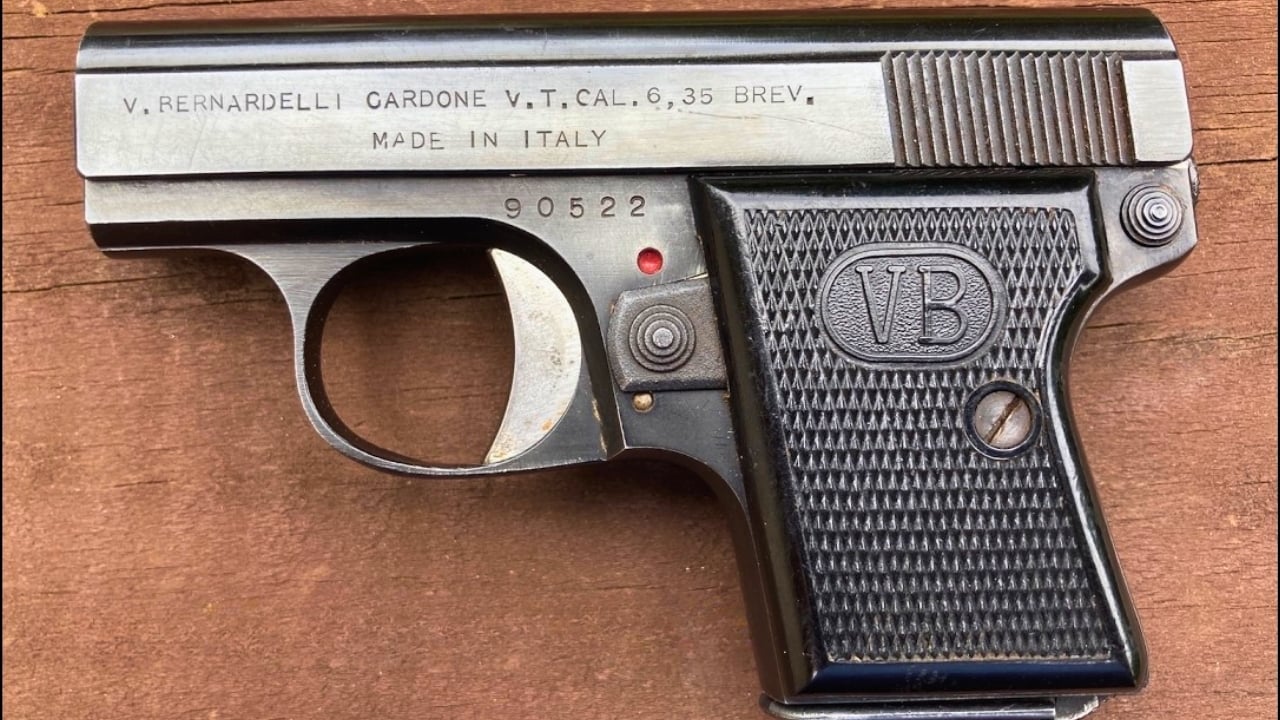
The Bernardelli VP series included several compact European pocket pistols with traditional styling and simple blowback actions. The smaller versions are attractive and well machined.
They remain difficult to use with modern technique. The grip is short, the rear sight is narrow, and the controls are sized for concealment rather than fast manipulation. The support hand has almost nowhere to make contact without crowding the trigger guard. These pistols can be fired accurately with patience, but they offer little help when speed matters.
CZ Model 45
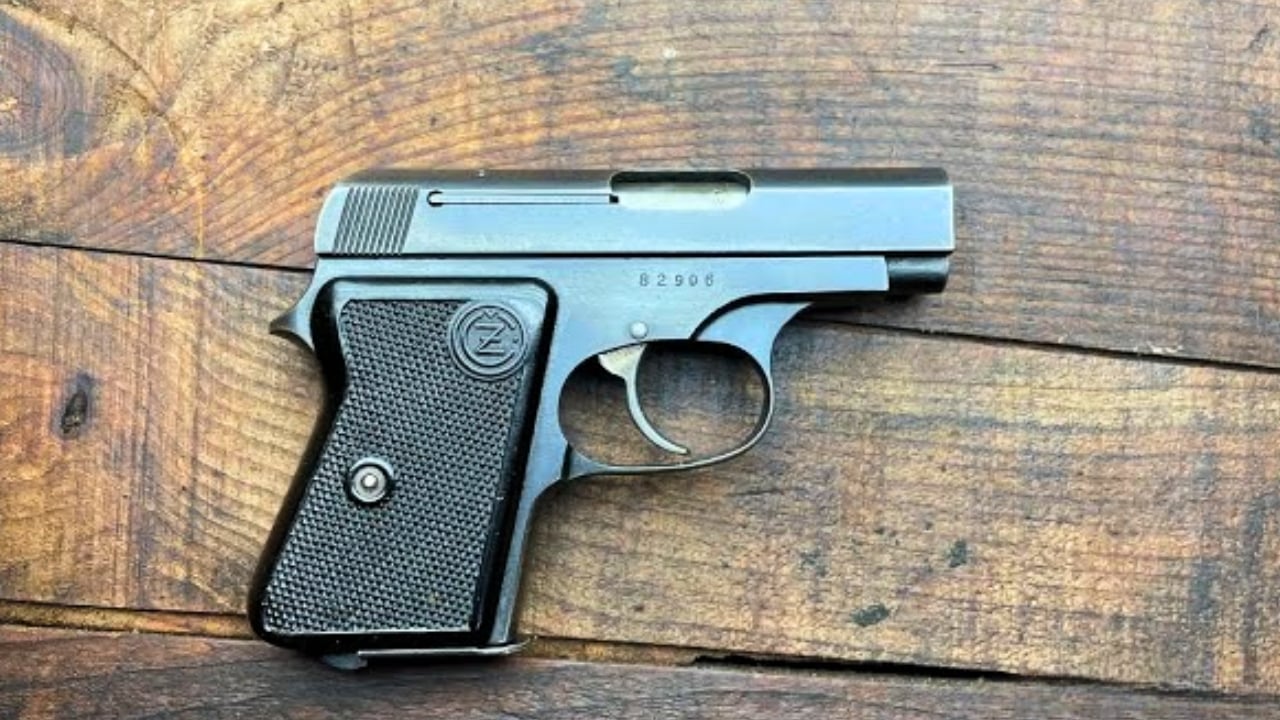
The CZ Model 45 is a compact double-action-only .25 ACP pistol built around a simple and relatively safe pocket-carry concept. Its smooth exterior helps prevent snagging.
The long trigger pull and extremely short grip create a difficult combination. The shooter must move the trigger through a substantial arc without enough frame area to stabilize the muzzle. The sights are little more than shallow bumps, and the magazine release is slow. It is mechanically straightforward but ergonomically demanding.
Seecamp LWS .25

The earliest Seecamp pocket pistols were built around deep concealment and extremely close-range defensive use. The .25-caliber version is even smaller and lighter than the later .32 and .380 models.
The pistol has no conventional sights, a tiny grip, and a heavy double-action trigger. Those features force the shooter to use it more like a point-shooting tool than a conventional handgun. There is almost no opportunity to establish a proper support-hand grip or track the sights through recoil. It succeeds at being discreet by sacrificing nearly every quality that makes a pistol easy to shoot.
Like The Avid Outdoorsman’s content? Subscribe to our newsletter so you never miss an article.
Here’s more from us: