Photo credit: AI-generated image created using ChatGPT. Illustrative only
A hunting club can do everything right for years—pay on time, keep the place cleaned up, try to cut down on trespassing—and still get sideways with a new landowner in a hurry. That’s what happened in Georgia when a club that had leased a large tract for recreational rights installed gates on access roads, only to have the owner end the arrangement with short notice and then hold money back after the gates came down.
The situation was laid out in the original post, where a member of the group described a lease they’d renewed annually for several years, even as the property changed hands multiple times. The lease was paid in full before the term started. Then, several months before the term would have ended, the current owner sent a text terminating the lease and gave the club 30 days to remove its equipment—things like camping gear and hunting stands.
A lease that kept rolling, even as the land changed hands
If you’ve hunted clubs or leased land long enough, you’ve seen it: ownership changes, boundaries get re-painted, a new set of rules shows up, and suddenly the “understanding” you had isn’t worth much. In this case, the club had been on the property for years under annual leases, and the tract had been sold “a few times” during that stretch.
That detail matters in the real world because every sale is a chance for expectations to reset. A new owner may not care that gates were already in place when they bought the land, or that the club has been maintaining roads and keeping an eye on trespassers. They may simply see improvements as something that should stay with the land—and a lease as something they can end if they’re willing to deal with the blowback.
The termination came by text, and the clock started immediately
The club said the owner terminated the lease several months before the end of the term and did it by text message. The text reportedly instructed them to remove all equipment within 30 days. That’s a fast turnaround when you’re talking about a big lease: multiple stands, camp setups, possibly feeders depending on what’s allowed, and the normal mess that accumulates over a season.
The contract language, as described, called for “20 days after written notice,” but didn’t define what counts as written notice. That’s where things get touchy. In everyday life, a text sure feels “in writing,” but leases are the kind of document where definitions and notice methods can make or break a dispute. Folks who’ve been around real estate know that contracts often specify delivery methods—mail, email, personal service—and if it’s not spelled out, the argument starts.
The gates became the flashpoint
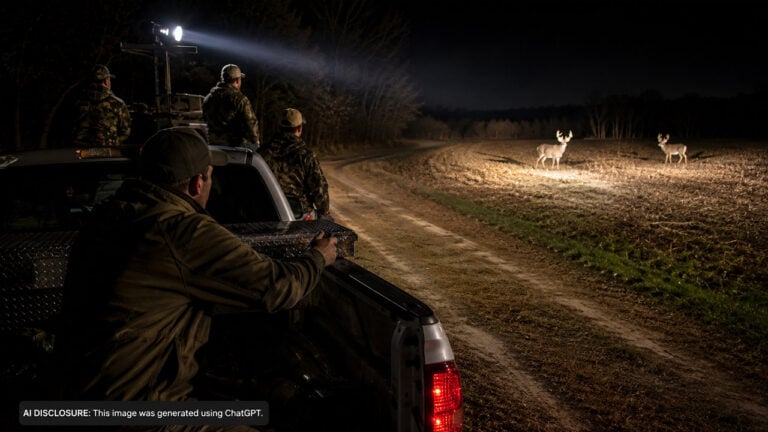
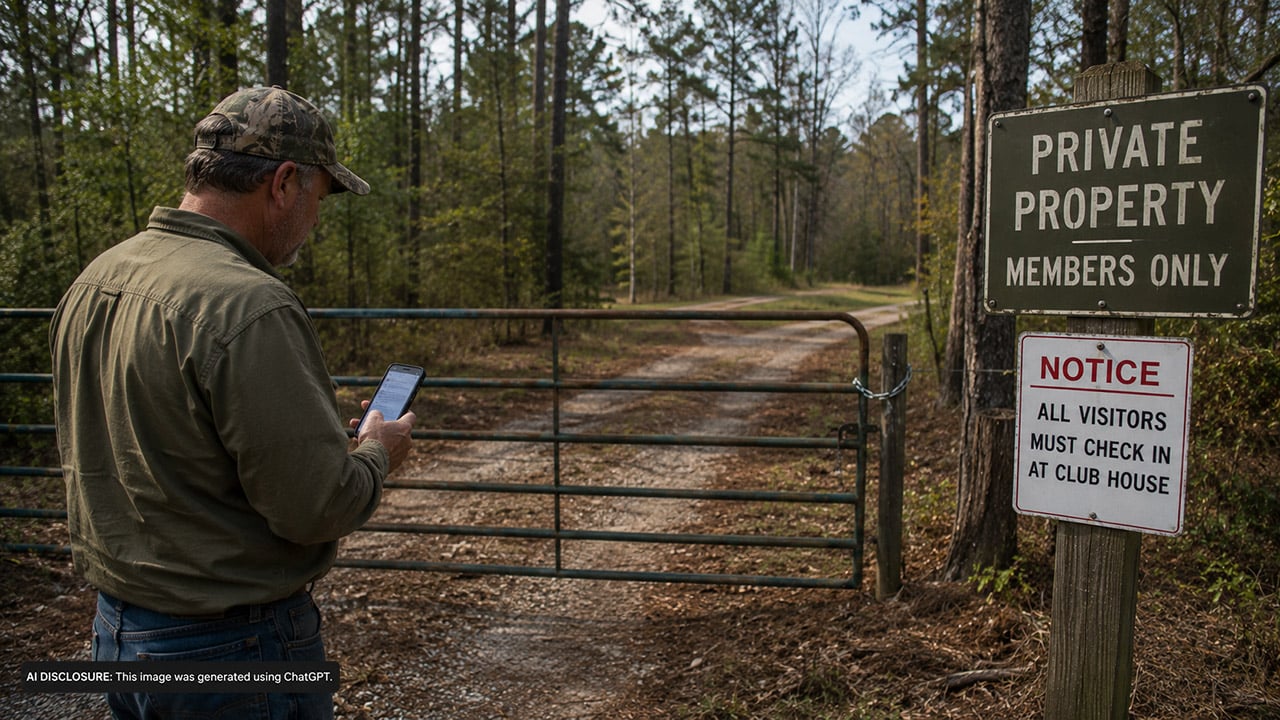
The club had installed gates on roads on the leased tract, and one member provided the gates and posts specifically to minimize trespassing. Anybody who has dealt with leased land knows why: open access roads are an invitation for joyriders, dumping, late-night spotlighting, and all the “I thought it was public” excuses that come with strangers rolling in.
After the termination text, that member removed the gates and posts. He viewed them as his hunting equipment—something he bought, installed, and maintained to make the lease workable. The landowner, however, treated the removal as the problem, and that’s where the disagreement turned into money.
Complicating it further, the gates were reportedly already in place when the current owner bought the property. So from the owner’s perspective, they may have believed the gates were part of what they purchased, or at least part of the “condition” of the land. From the club’s perspective, they were club property installed during a lease, and the club member simply took back what he’d paid for.
No refund, and the gates were the reason given
The club said the owner refused to refund the remaining months of lease cost and cited the removal of the gates as the reason. That’s a gut punch for any group, especially when the total lease cost was under $15,000 per year. On a working-man club budget, that’s not pocket change, and it’s the kind of money that gets split up, planned for, and justified by the amount of time you expect to hunt.
It also puts the club in a bind: if you leave equipment behind, you risk losing it. If you remove improvements like gates, you risk being accused of taking fixtures or damaging the property. And if the owner already decided the lease is over, you’re negotiating from the back foot no matter how respectful you try to be.
What outdoorsmen tend to learn the hard way about “improvements”
This is one of those lease lessons that keeps coming up: if you’re going to put anything on someone else’s land—gates, culverts, gravel, box stands, even semi-permanent ladder stand setups—you want it spelled out in black and white. Who owns it? Can it be removed? Does it become the landowner’s property when installed? Is there compensation if the lease ends early?
Gates are especially tricky because they ride the line between “club gear” and “part of the property.” A pop-up blind is clearly yours. A gate anchored with posts, hung on hinges, and used as part of the road system starts to look more like a fixture. And once land sells, the next owner may only see what’s there, not who paid for it five years ago.
There’s also the practical side: clubs install gates to control trespassing, but gates also control the owner’s access and can become a point of irritation if the owner feels like they’re being “managed” on their own place. Even if that’s not fair, it’s a real dynamic that can sour a relationship quickly.
The real-world playbook: paperwork, photos, and calm exits
When a lease termination shows up out of nowhere—especially by text—the smartest move is usually to slow things down and get organized. That means saving every message, pulling the signed lease, and documenting what’s on the property before anything is removed. Photos and timestamps matter when disagreements start over whether something was “already there.”
On the boots-on-the-ground side, the priority is getting your equipment out without creating a new claim like property damage or theft. Stands, cameras, and camp gear are one thing. Gates and posts are another. If a club believes gates are theirs, it’s still wise to document purchase receipts if they exist, take pictures of how they were installed, and avoid doing anything that looks like you’re tearing up roads or leaving hazards behind.
Most hunters also understand the personal safety angle. When access and property rights are being argued, that’s not the time for chest-thumping at the gate. Keep it businesslike. If you need to communicate, do it in writing, keep it short, and don’t turn a lease disagreement into a face-to-face confrontation in the woods.
At the end of the day, this Georgia club’s situation is a reminder that a lease is only as solid as the words on the page—and that “we’ve always done it this way” doesn’t carry much weight when land changes hands. If you’re going to spend money improving access or security on a hunting lease, get clear permission in the contract, decide up front who owns what, and make sure the notice rules are spelled out before the next text message turns your season into a scramble.
Like The Avid Outdoorsman’s content? Be sure to follow us.
Here’s more from us: