Photo credit: AvidOutdoorsman
It was one of those cold, quiet dawns that makes a deer lease feel like a church. Headlamps bobbing through the pines, coffee in hand, a couple buddies eased down the two-track toward their stands, expecting nothing more than the usual—maybe a fresh scrape, maybe a heavy set of tracks in the sandy road.
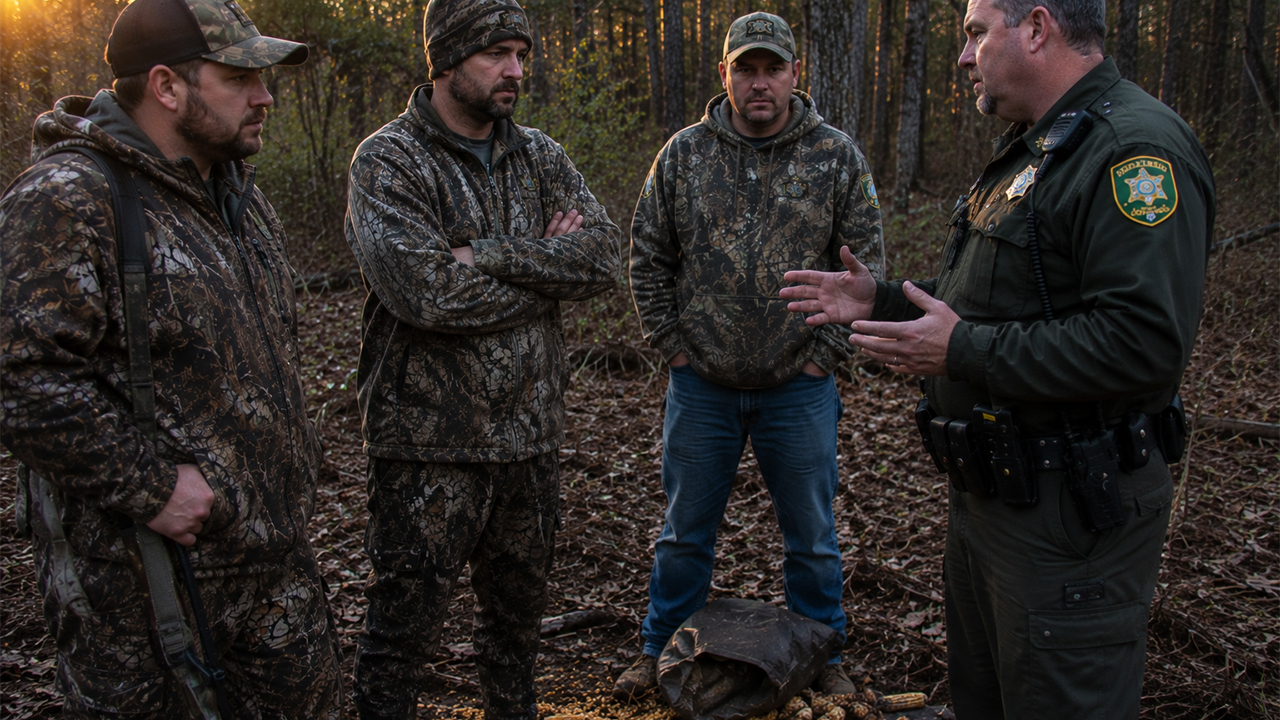
Instead, their lights hit a pale mound that didn’t belong. Then another. Corn. A lot of it. Not scattered like a coon feeder that spilled, but poured into clean, obvious piles—right in the travel lanes leading to the stands they’d hunted for years.
The problem started before anyone knew who was involved
The lease was managed the way most good leases are: gates locked, roads marked, stands tagged, and a simple “no baiting” rule everyone agreed to. Some of that was ethics, some of it was law, and some of it was just keeping the peace with nearby properties that didn’t want deer stacking up on a line.
That morning, the guys did what plenty of hunters would do when they see something illegal-looking on ground they pay for. They stood there trying to talk it through. If they left the corn, it could look like they put it there. If they started cleaning it up, it could look like they were destroying evidence. Either way, it smelled like trouble.
They backed out, stayed off the stands, and started calling the one person everybody expects to have an answer: the landowner. While they waited, one of them walked the nearest road edge and found boot prints that didn’t match anybody’s tread, plus a fresh tire track cutting into the lease from a neighboring access point that wasn’t supposed to be used.
Then the warden rolled in and the mood changed fast
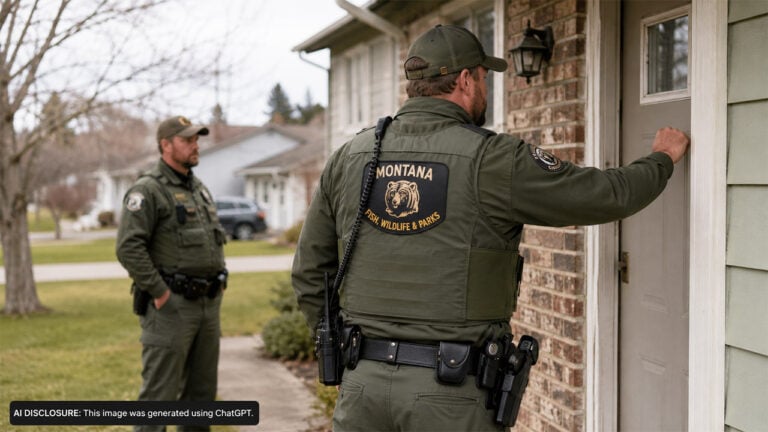
Wardens don’t just “happen” to show up at first light in the middle of a lease. When a truck eased in behind them and a uniform stepped out, it was immediately clear someone had been talking—or someone had been planning.
The warden did what wardens do: calm, direct, businesslike. He asked who was hunting, where they planned to sit, and whether anyone had placed feed. He looked at licenses, checked weapons, and asked about the lease rules. The hunters told him straight: they’d just found the piles and hadn’t hunted over them.
What made it feel like a setup wasn’t just the timing. It was how “perfect” the placement was—close enough to their stands to implicate them, obvious enough to draw a complaint, and fresh enough that it could’ve been poured in the dark an hour before. That’s not how most folks bait when they’re trying to actually hunt. That’s how somebody baits when they’re trying to get someone else in trouble.
The warden walked the piles, looked at tracks, and took a few photos. He didn’t act like a man who’d already decided who was guilty. He acted like a man who’s seen the same trick before.
Why someone would plant bait on a lease
People who don’t hunt think most hunting conflicts are about deer. Out here, a lot of them are about access, ego, and grudges that have been simmering since last turkey season.
A leased property can get under a neighbor’s skin, especially if that neighbor used to roam it freely, or if they believe the land “ought to be theirs” because their family farmed nearby thirty years ago. Add in disputes over a gate left open, a dog that got shot at, a stand that “faces the line,” or a blood trail crossing onto the wrong side, and you’ve got the makings of a petty, expensive kind of revenge.
Planting bait is a dirty trick because it’s easy, it’s fast, and it shifts the burden onto the hunters standing there holding tags. Even if the truth comes out later, that first contact with a warden can still cost you time, stress, and in some states, a seized weapon or a suspended privilege if it goes the wrong direction.
And it doesn’t take much imagination to see how it could escalate. A fake bait complaint turns into a trespass dispute. A trespass dispute turns into a heated meeting at the gate. That’s how people get hurt.
What helped the hunters on the spot
The best thing those hunters did was stop, back off, and make a call before anybody climbed a stand. They didn’t try to “hunt it real quick.” They didn’t kick corn into the brush. They didn’t start pointing fingers at the nearest neighbor in front of a warden. They just acted like grown men who understand that perception matters in the woods.
The second-best thing was documentation. One guy had his phone out taking pictures of the piles exactly as they found them, plus the tracks leading in. Another had a trail camera on a road pinch point—not aimed at bait, just watching the entry like a lot of leases do to keep honest folks honest. That kind of camera isn’t about being nosy. It’s about protecting your investment and your reputation.
The warden also asked the right questions: who had the combination to the gate lock, who had keys, and whether any stands had been moved recently. That’s where a lot of “setup” stories fall apart. Sometimes the culprit isn’t a stranger; it’s someone inside the circle trying to burn a rival member or force a management change.
Commenters focused on cameras, boundaries, and not confronting anyone
Whenever a bait-and-warden situation gets talked about around a feed store counter or in a hunting group chat, the advice is usually pretty consistent. Put cameras on access points. Mark boundaries clearly. Keep a written log of who’s on the property and when. And don’t go marching across a line to “handle it yourself.”
A lot of folks also point out something that’s not popular but is true: if you find bait, don’t hunt. Even if you didn’t put it there, sitting over it turns a bad situation into a worse one. It’s not worth trying to explain your way out of a citation when the simplest move is to call it, document it, and hunt another spot.
Several hunters I’ve talked to over the years keep one extra rule that saves headaches: no one hunts alone on “weird” mornings. If you find something off—bait, a cut lock, strange vehicles—stay paired up, keep it calm, and let the landowner and warden do their jobs. The woods aren’t the place for chest-thumping.
The hardest part was what they could do next
Even when a warden believes you, you still have to live with the fact that someone violated your lease and tried to put your name in a bad light. That’s personal. But the path forward is usually boring, methodical work: tighten up access, add cameras where vehicles enter, refresh boundary paint, and make sure every member understands the law and the lease rules.
The landowner in this case reportedly took it seriously. He changed gate locks, limited keys, and required members to text when they entered and exited. It’s not about treating hunters like criminals; it’s about narrowing the window for someone to slip in and stage something.
If the cameras catch a plate, a face, or a recognizable vehicle, that’s when things get real. Not with threats at the fence line, but with a formal complaint for trespass or criminal mischief—whatever applies where you live. Paper trails matter.
Out on a lease, your good name is worth more than a morning sit. If you ever walk up on something that looks like bait placed to implicate you, do the simple stuff: don’t hunt it, document it, call the landowner, and ask for a warden to look. The honest hunters usually aren’t the ones who get nervous when the badge shows up.
Like The Avid Outdoorsman’s content? Subscribe to our newsletter so you never miss an article.
Here’s more from us: