Photo credit: Josh Zombie/YouTube
Some pistols become more respected with age. Others simply become harder to criticize because their owners are emotionally invested in them. Familiarity, nostalgia, and collector value can keep weak designs protected long after newer guns expose their shortcomings.
That does not mean every pistol here is worthless. Several were important, innovative, or perfectly acceptable for their time. The problem is that owners often describe them as timeless when they are really heavy, awkward, fragile, expensive to maintain, or outclassed by modern alternatives. These 20 pistols have not aged as gracefully as their most loyal defenders suggest.
SIG Sauer P250

The P250 introduced SIG’s removable fire-control chassis years before modular pistols became mainstream. Owners sometimes defend it as an underappreciated design that was simply misunderstood.
The long double-action-only trigger is difficult to shoot quickly, and the reset feels much less natural than modern striker-fired systems. Its slide is bulky, aftermarket support is limited, and the platform was quickly overshadowed by the P320. The modular concept aged well. The actual pistol did not.
Heckler & Koch P7M8

The P7M8 is beautifully made, accurate, and mechanically fascinating. Its fixed barrel and squeeze-cocking system still create an experience unlike almost anything else.
That uniqueness comes with heat, complexity, limited capacity, and extremely expensive replacement parts. The frame becomes uncomfortable during extended shooting, while the manual of arms requires dedicated practice. It remains a desirable collector’s pistol, but owners often confuse rarity and craftsmanship with practical superiority.
Colt All American 2000
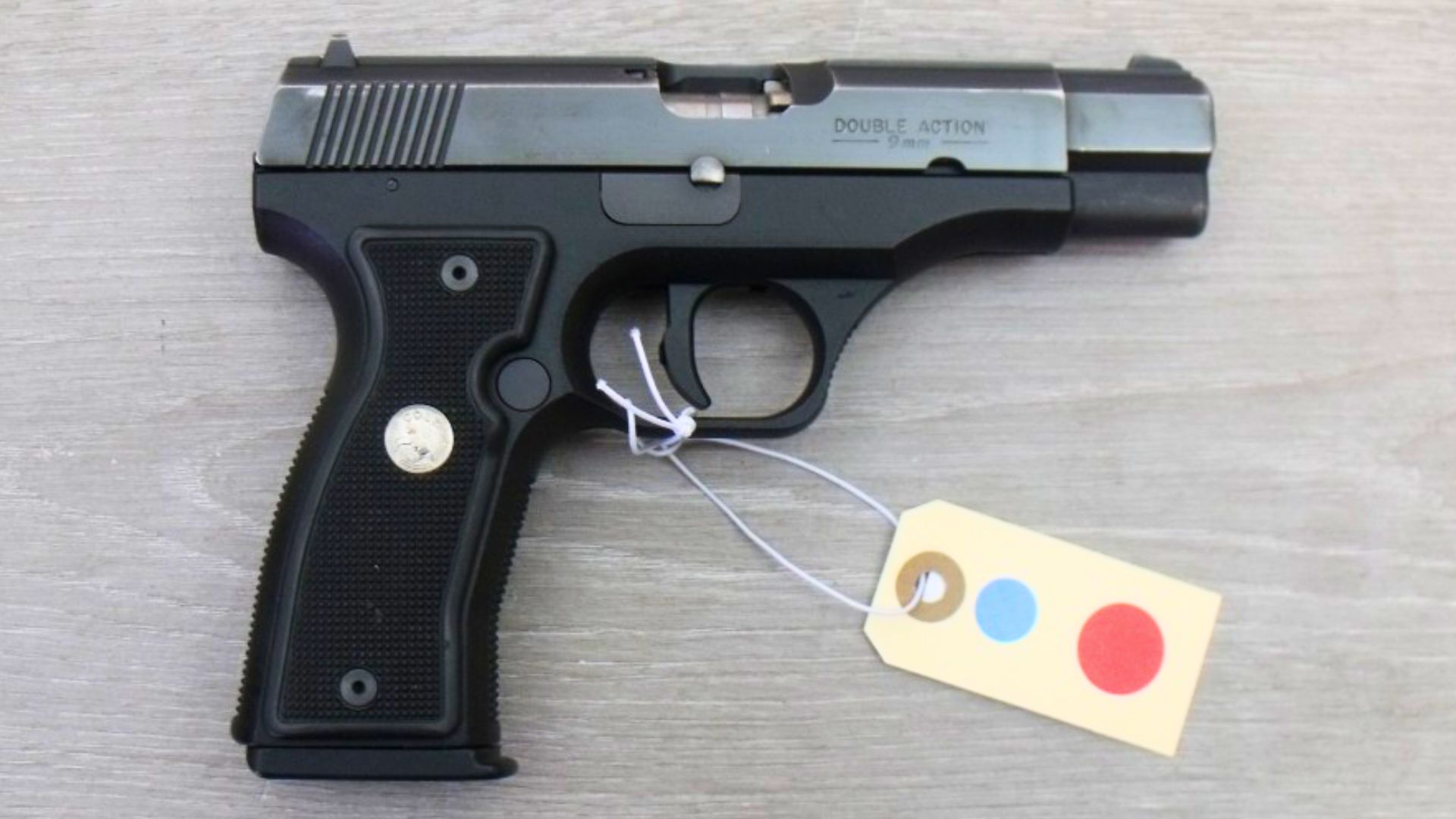
The All American 2000 was Colt’s attempt to enter the modern high-capacity pistol market. Its rotating-barrel system and streamlined appearance gave it considerable potential.
The trigger was heavy and awkward, accuracy was inconsistent, and the pistol never developed a dependable reputation. Parts and magazines are now difficult to find, making every problem more serious. Owners may appreciate it as an unusual Colt, but the gun itself aged into a curiosity rather than a forgotten success.
Smith & Wesson Sigma SW9F
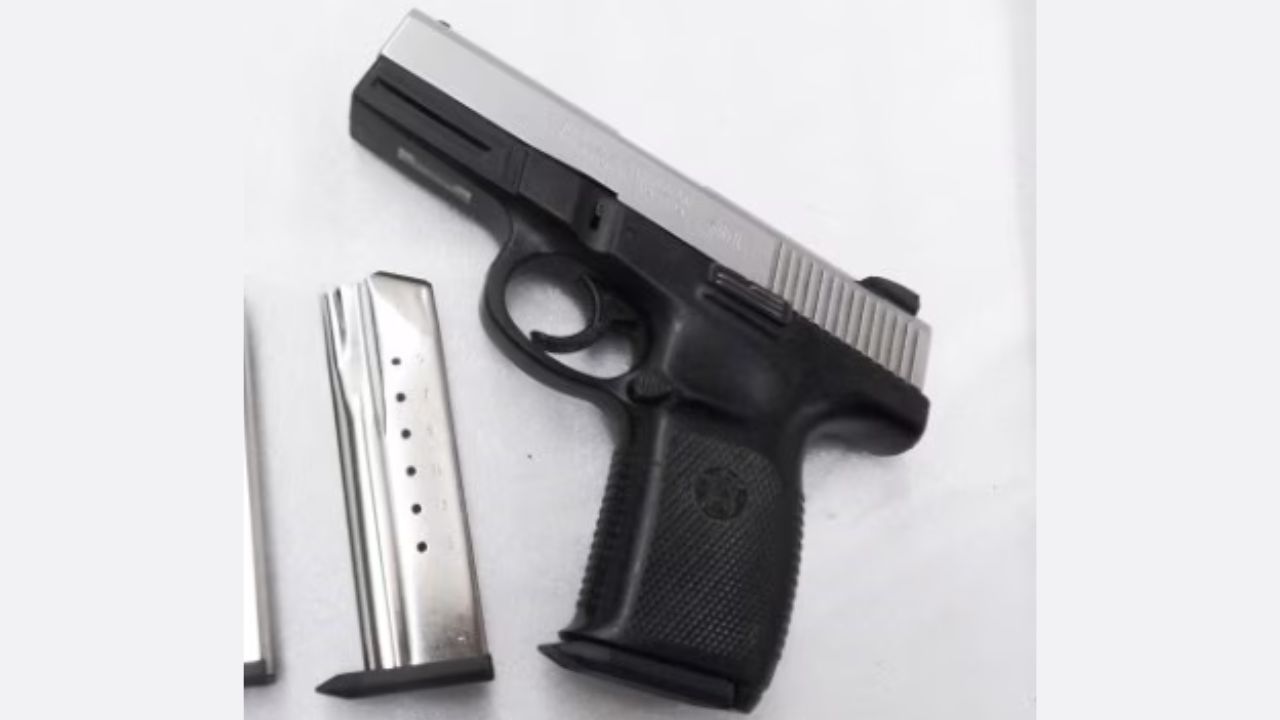
The Sigma helped Smith & Wesson enter the polymer striker-fired market. Early versions were affordable, lightweight, and mechanically straightforward.
The notoriously heavy trigger remains difficult to defend today. Grip texture, sights, and overall refinement also feel crude beside even inexpensive modern pistols. The Sigma may continue functioning, but reliability alone does not erase how unpleasant it is to shoot well. Owners often praise its durability while ignoring everything the shooter must tolerate.
Walther P5

The P5 is accurate, compact for its era, and built with excellent German machining. Its left-side ejection and locked-breech system make it mechanically distinctive.
Its capacity is low, the controls are unfamiliar, and spare magazines are expensive. Replacement parts are increasingly difficult to source, while the pistol offers few practical advantages over more common designs. It remains collectible and well made, but its reputation often exceeds its usefulness.
Browning BDA 380

The BDA 380 is smooth, attractive, and based on Beretta’s proven blowback pistol family. Owners often describe it as one of the finest .380 pistols ever made.
It is also large and heavy for the cartridge, with less capacity than modern compact 9mm pistols of similar dimensions. The slide-mounted safety and heel-style magazine release on certain variants feel dated, while original magazines can be costly. It is pleasant to shoot, but modern defensive value has moved far beyond it.
Beretta 84 Cheetah

The Model 84 offers a comfortable grip, double-stack capacity, and excellent workmanship. Its return to popularity has strengthened claims that it remains an ideal defensive pistol.
The straight-blowback action produces more recoil than many locked-breech .380 pistols, while the frame is large enough to conceal like a compact 9mm. The slide can also be difficult for weaker shooters to operate. It is stylish and shootable, but its size-to-power ratio has aged poorly.
Astra A-75

The A-75 is a compact metal-framed pistol that gained a reputation for being rugged and underrated. Its weight helps control recoil, and the design feels substantial.
That same weight makes it heavy for its limited capacity. Controls are dated, magazines are scarce, and replacement parts are increasingly difficult to locate. The pistol can still function well, but owners often describe it as a hidden classic when it is really an unsupported compact from a vanished manufacturer.
Star Firestar M43

The Firestar M43 was praised as a compact steel 9mm with solid construction and manageable recoil. It still feels durable when picked up today.
It also weighs far more than modern pistols offering greater capacity. Replacement parts, extractors, and magazines are no longer easy to find, while the single-action controls require more attention than many owners expect. The Firestar is sturdy, but its compact dimensions no longer justify its bulk.
Star BM
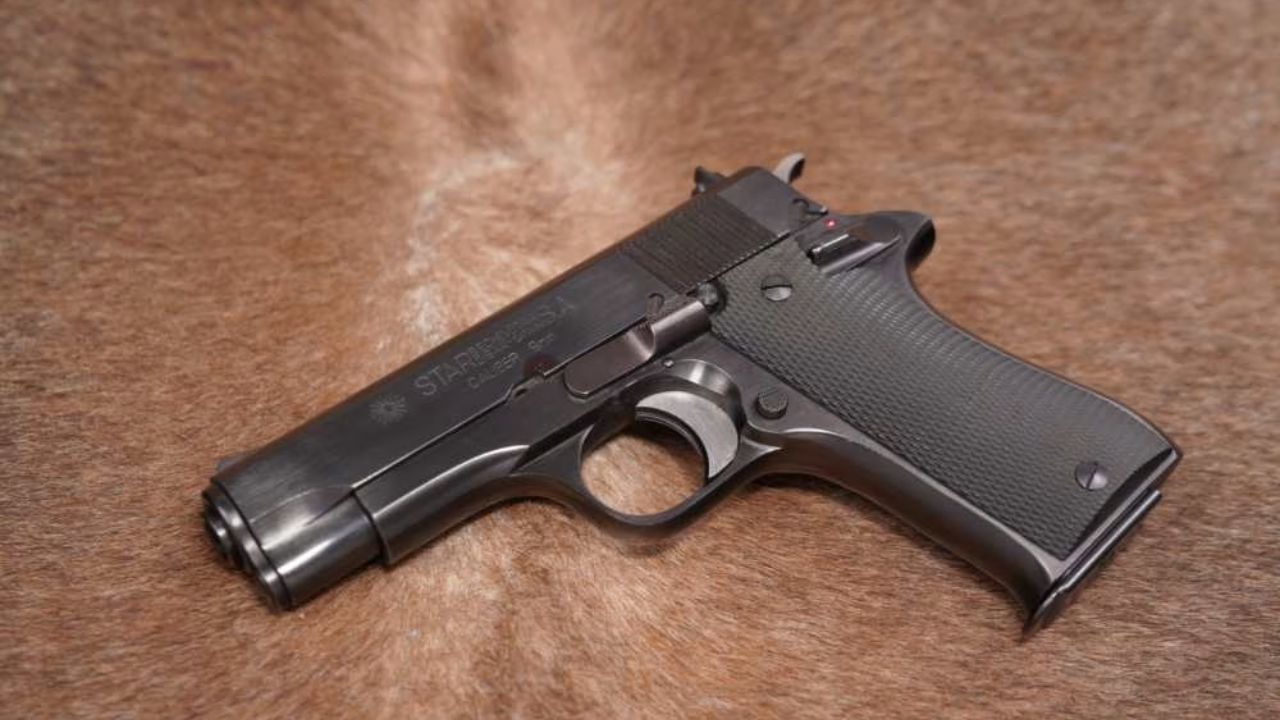
The Star BM became popular because surplus examples were inexpensive, attractive, and pleasant to shoot. Its 1911-like appearance helped it gain a loyal following.
The pistol lacks a grip safety but uses other internal features that require careful inspection on aging guns. Magazines and small parts can be inconsistent, and the single-stack capacity feels low for the weight. It was a great surplus value. Once prices climbed, much of the practical appeal disappeared.
Smith & Wesson Model 59

The Model 59 was an important early double-stack 9mm service pistol. Its capacity was impressive during an era dominated by single-stack semiautomatics and revolvers.
The grip is wide and poorly shaped for many hands, the trigger transition is difficult, and the sights are small. Early magazine and feed reliability could vary, while modern pistols provide better ergonomics at much lower weight. Historical importance does not make the Model 59 pleasant by current standards.
Ruger P85
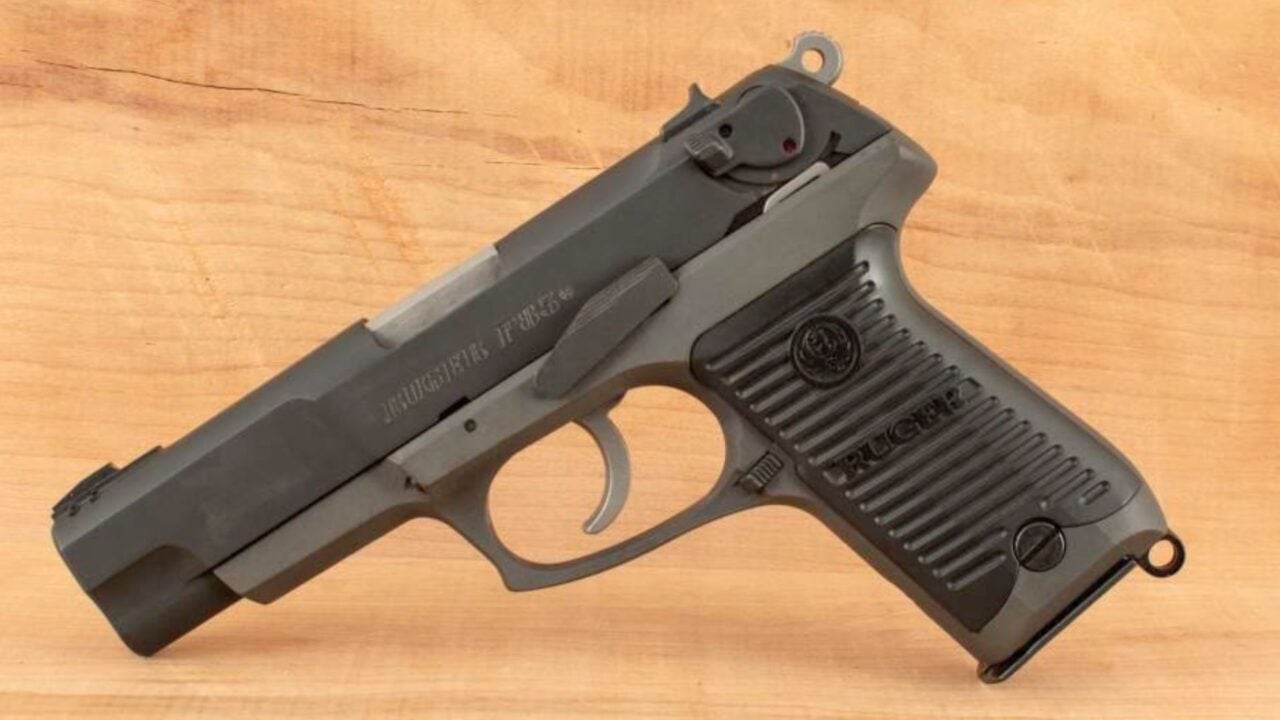
The P85 was Ruger’s first centerfire semiautomatic pistol and was built with the company’s usual emphasis on strength and affordability. It remains mechanically durable.
It is also oversized, awkward, and equipped with a trigger that feels far behind modern service pistols. The grip is thick, the controls are clumsy, and early examples required safety-related correction. Owners praise how hard it is to break, but a gun can be durable and still age badly.
AMT Hardballer
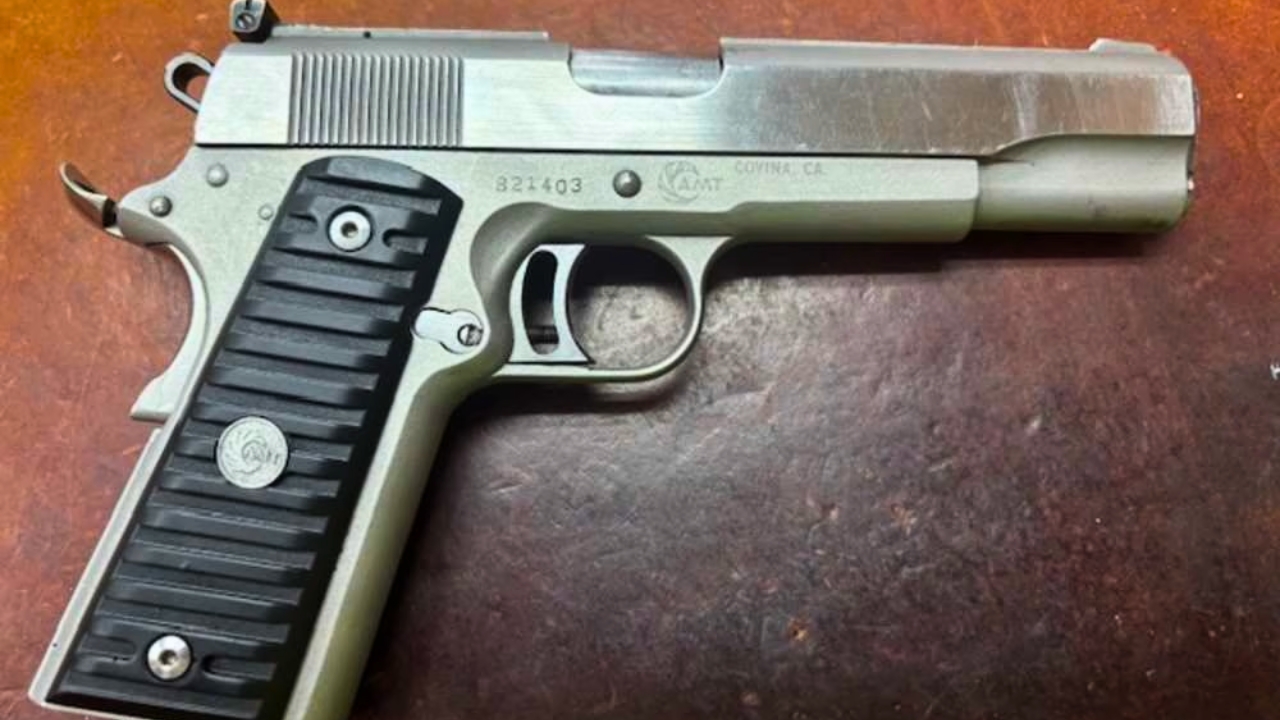
The Hardballer offered stainless-steel 1911 construction before that feature became common. Its appearance and connection to popular culture helped it retain a strong following.
Stainless galling, inconsistent fitting, and spotty reliability affected many examples. Some guns run well after careful gunsmith work, but that does not make the platform consistently dependable. Owners often defend the good examples while overlooking how much variation existed between pistols.
Detonics CombatMaster

The CombatMaster was one of the earliest serious attempts to shrink the 1911 into a compact carry gun. Its chopped grip and short slide influenced later defensive pistols.
The design also brought sharp recoil, reduced reliability margin, short spring life, and limited capacity. Modern compact pistols provide better shootability and far greater ammunition capacity at lower weight. The CombatMaster deserves historical credit, but its practical advantages have largely disappeared.
Colt Double Eagle

The Double Eagle attempted to combine the 1911’s general form with a traditional double-action trigger system. It gave Colt a way to compete with service pistols from SIG Sauer and Smith & Wesson.
The trigger mechanism is complicated, grip panels help retain important internal components, and the control layout never felt fully resolved. The pistol is heavy and lacks the crisp trigger that makes a traditional 1911 appealing. It aged into an odd branch of Colt history rather than a design owners should still defend.
Llama Mini Max

The Mini Max offered compact 1911-style handling at an affordable price. Owners of reliable examples sometimes remember them as inexpensive pistols unfairly dismissed by gun writers.
Quality control varied, magazines could be troublesome, and small parts did not always match standard 1911 dimensions. The short slide and compact recoil system added further reliability challenges. Some examples worked, but the platform’s inconsistency aged much worse than the nostalgia surrounding it.
Arcus 94

The Arcus 94 used the Browning Hi-Power operating system in a heavier, more angular Bulgarian package. It was inexpensive and mechanically familiar.
The rough controls, blocky frame, and modest finish make it less appealing now that affordable modern pistols are widely available. Magazines are manageable, but proprietary small parts and limited factory support remain concerns. It was a useful bargain, not a hidden masterpiece.
Mauser HSc
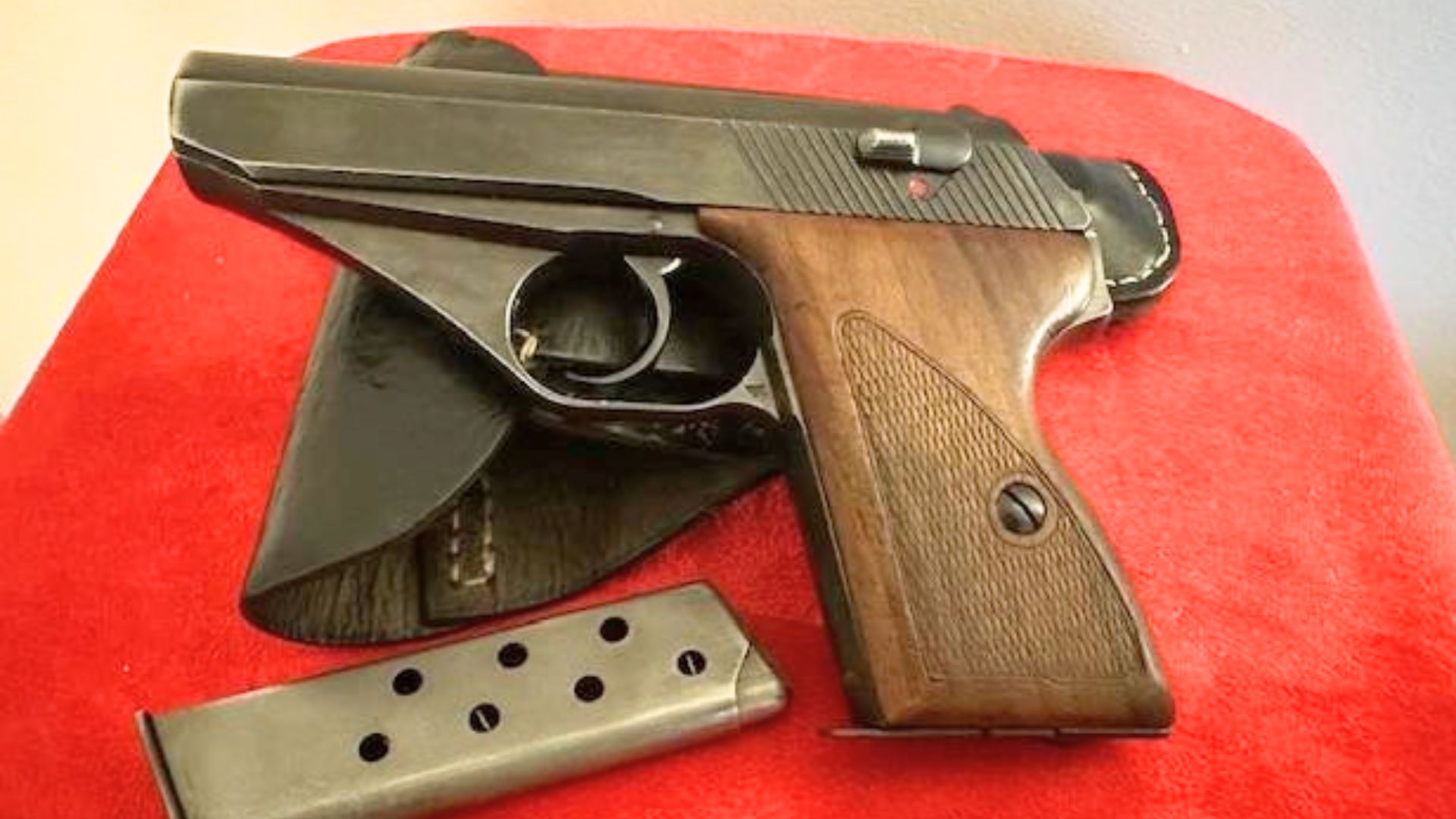
The HSc is compact, elegant, and historically significant. Its rounded slide and exposed hammer make it one of the more recognizable European pocket pistols.
Its sights are tiny, the controls are dated, and the blowback action can feel sharp in .380 ACP. Heel magazine releases and aging springs further reduce its usefulness. It remains desirable as a collectible, but its reputation as a practical carry pistol has not aged well.
Remington RM380

The RM380 was based on the Rohrbaugh concept but simplified and made more affordable. Its metal frame and smooth profile gave it a more substantial feel than many pocket pistols.
The long trigger, tiny sights, low capacity, and limited aftermarket make it difficult to recommend today. It is also heavier than newer micro-compacts that hold far more ammunition. Owners may praise its smooth carry characteristics, but the market solved the same problem much better.
Hudson H9
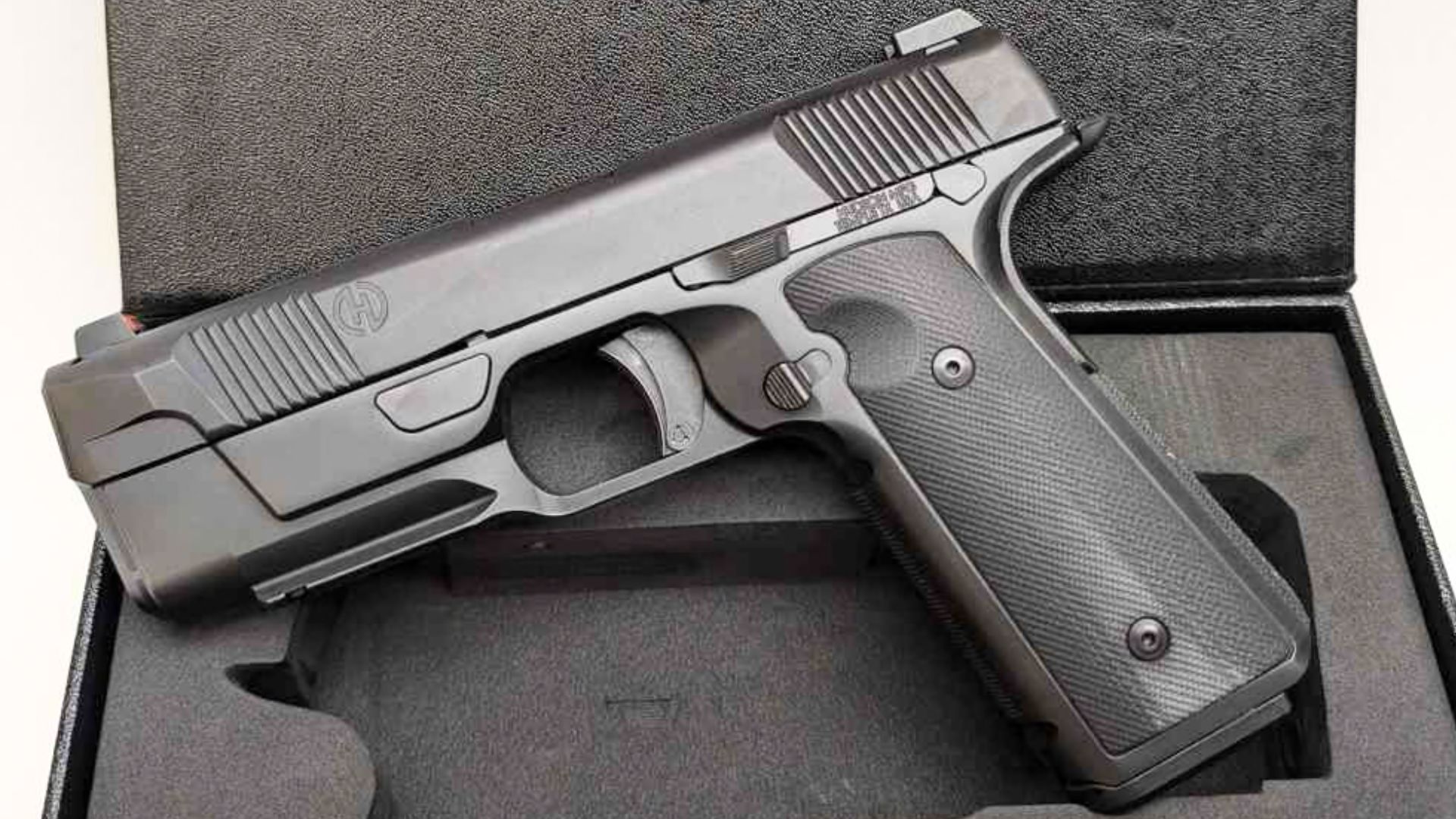
The Hudson H9 attracted enormous attention by combining a low bore axis with 1911-style ergonomics and a striker-fired system. It looked like a genuine reinvention of the service pistol.
The company collapsed, parts support disappeared, and owners were left with an expensive orphan. The pistol was heavy, mechanically unusual, and dependent on proprietary components. Its shooting characteristics were impressive, but a defensive pistol without reliable factory support ages badly almost overnight.
Like The Avid Outdoorsman’s content? Be sure to follow us.
Here’s more from us: