Photo credit: AI-generated image created using ChatGPT. Illustrative only
A storage unit is supposed to be the simple answer when life gets sideways: pay the rent, lock the door, and deal with the mess when you’re able. But a Virginia renter says his “out of sight, out of mind” plan turned into a fast-moving nightmare—one that mixed late fees, a canceled auction, a sudden termination notice, and even the removal of firearms from inside a unit.
The details come from the original post, where the renter in Lynchburg explains he’d had two units for several years and had been fighting financial trouble for roughly a year and a half. More than once, he fell behind—but each time he paid before a scheduled auction date, even if it was down to the wire.
Paid up, auction canceled, then the tone changed
According to the account, the latest problem involved May and June rent. A lien was placed and an auction was scheduled for July 7, 2025. The renter says he paid the balance in full on July 3 and was told the account was current and the sale was canceled.
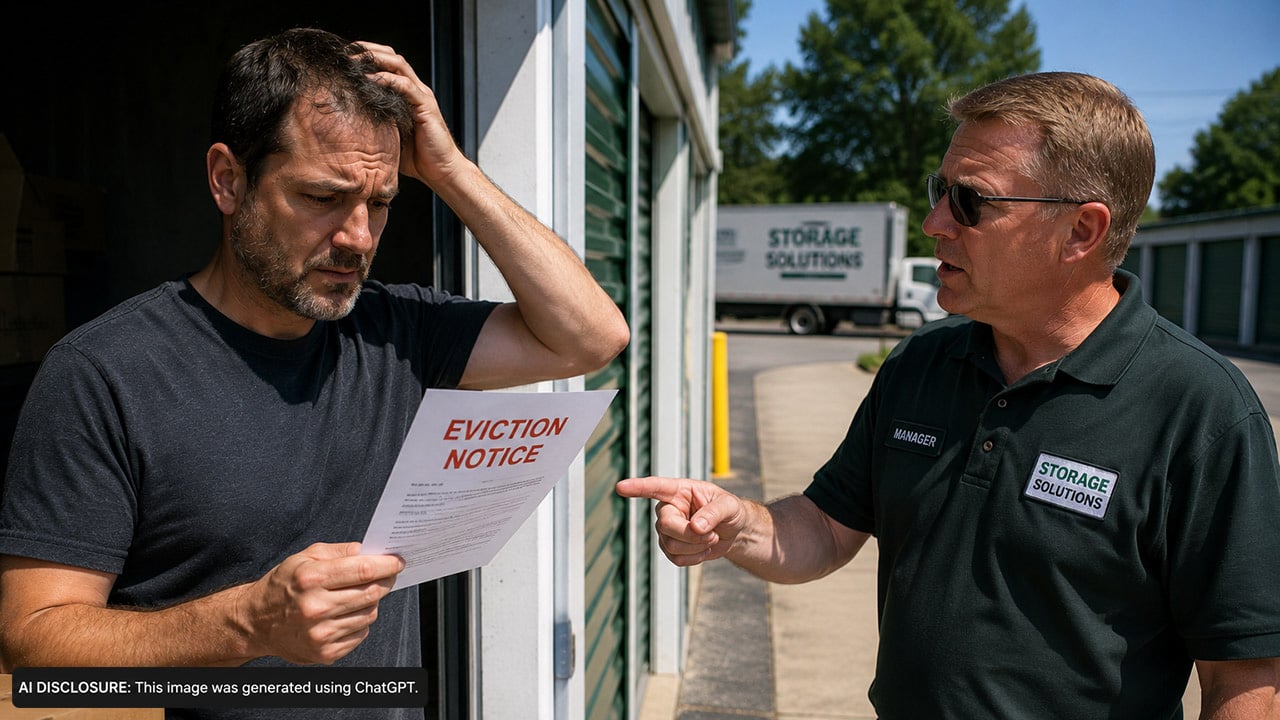
But he also says the facility told him—first verbally, then via email—that they were terminating his lease anyway. Not for non-payment in that moment, but based on an internal policy tied to his pattern of late payments over the previous year and a half. That’s the part that catches a lot of folks off guard: you can get current, and the business can still decide it doesn’t want to keep renting to you.
A short deadline to empty two units in peak summer heat
The written notice the renter describes didn’t show up until July 14, delivered by email and text. It allegedly gave him until July 16 to vacate—basically a two-day window to clear out two units.
He also says he tried to pay July rent and was not allowed to, which he believed would extend his tenancy. Adding pressure, he notes a heart condition that makes extended work in 90-degree heat dangerous due to blood pressure dropping and the risk of passing out. Anyone who has ever moved a storage unit in July knows it’s not just hard work—it’s the kind of heat that can put you on the ground if you’re pushing too long.
Then he says an automated email still showed July rent as past due with late fees added, which only made the situation feel more chaotic and inconsistent from the renter’s perspective.
The firearms twist: manager opens a unit and calls the Sheriff
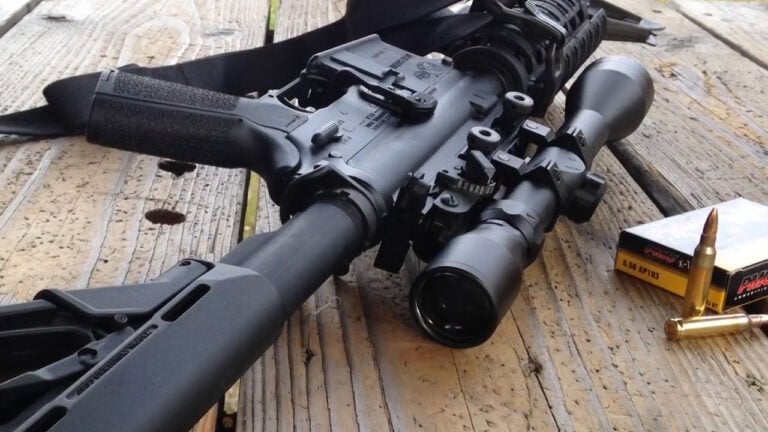
The most serious piece for outdoorsmen and gun owners is what the renter says happened the same day he paid. He claims the facility manager contacted the local Sheriff’s Office because firearms were stored in one of the units. The guns belonged to his husband and were placed in storage because of a safety concern at home involving a foster child threatening violence.
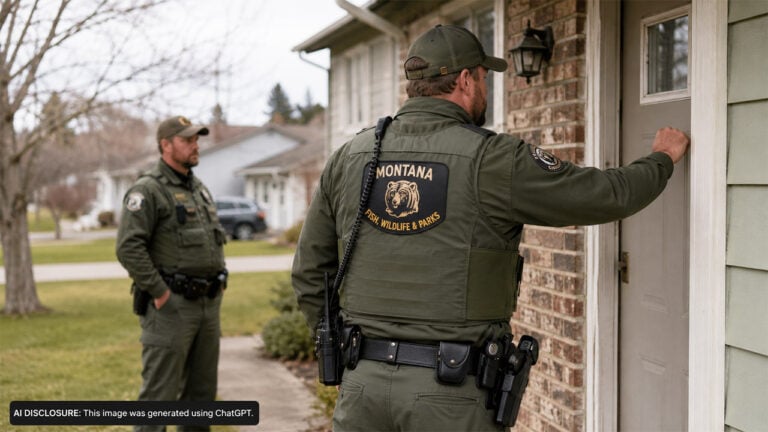
According to the renter, the manager told deputies he couldn’t auction firearms and didn’t know what else to do. The renter says the manager opened the unit and allowed removal of firearms and ammunition inside—without advance notice, without the renter present, and without authorization.
The Sheriff’s Office reportedly told the renter they came to run serial numbers and were going to tell the manager they couldn’t take the guns. But the post adds another complication: one firearm initially came back as stolen. The renter says they later confirmed the serial number was entered incorrectly and that they have proof of lawful ownership going back many years, including inheritance. The renter expects the firearms will be returned once paperwork is complete.
He also claims the manager told officers there were firearms in the second unit as well, which he says was false.
What the facility threatened to do with anything left behind
When the renter asked what happens if he couldn’t get everything out by July 16, he says the facility’s email reply was blunt: “The items left behind would be disposed accordingly by local management, to make way for new tenants to rent the unit.”
That line matters because storage units aren’t just boxes of old clothes. In this case, the renter says some of the items have significant value because they’re tied to a closed business. He explains he shut the business down after his 8-year-old daughter suffered an accident that required 24/7 care, with multiple surgeries including one just two weeks before the post. His priority is obvious, but the clock on the units wasn’t slowing down.
From a practical standpoint, “disposed accordingly” is exactly the kind of vague language that worries people. Disposal could mean trash. It could mean sale. It could mean something else. The renter’s question is whether they can do that without following the normal lien-and-notice process under Virginia’s self-storage statutes (he references VA Code § 55.1-2900 et seq.).
The real-world lessons for hunters and gun owners using storage units
Lots of outdoorsmen use storage units for seasonal gear—tree stands, blinds, saddles, decoys, coolers, ammo cans, even gun safes when a move is in progress. This story is a reminder that storage isn’t the same as a buddy’s locked barn. It’s a contract with a business, and if you fall behind, their remedies can move fast.
Three practical takeaways jump out from the renter’s experience. First, keep a clean paper trail: payment receipts, emails, and screenshots of notices. He says he saved communications and even requested a copy of his lease because the contract was online and he couldn’t access it anymore.
Second, don’t assume “I paid” equals “I’m safe for another month.” A company may accept money to satisfy a lien and still choose to terminate the rental agreement afterward, depending on the terms you agreed to. Whether they can do that in this exact way is a legal question, but the risk is real: once a facility decides you’re a problem tenant, you’re on the clock.
Third, firearms in storage bring their own set of headaches. Even if you’re doing it for the right reason—like a temporary safety issue at home—guns tend to trigger “we need to call somebody” reactions from managers who don’t want liability. If you ever store firearms off-site, make sure the facility rules actually allow it, keep ironclad documentation of ownership, and consider a plan where a trusted family member can quickly retrieve them if something goes sideways.
What people tend to focus on in disputes like this
Even without a full comment thread included, the pressure points are pretty predictable. Folks usually zero in on whether the facility had the right to enter the unit before an auction, whether law enforcement needed a warrant or court order to take property out, and whether the facility can treat remaining items as “abandoned” after a sudden termination without following the normal statutory steps.
Another common focus is the lease itself. Storage contracts often include clauses that surprise people: limits on what you can store, when the facility can access a unit, how termination works, and what notices can be delivered by email or text. When a renter can’t access the contract copy, it turns a bad situation into a guessing game.
And finally, there’s the human factor. Two units is a lot to clear alone in summer heat, especially with a medical condition. In the outdoors world, we talk about having a plan and a backup plan. This is one of those moments where having a couple reliable friends, a trailer lined up, and a place to stage valuable items can be the difference between saving your gear and watching it get “disposed accordingly.”
No matter how this shakes out, the case is a hard reminder that storage units are convenient right up until they aren’t. If your account ever gets within days of auction, treat it like you’ve got a ticking clock—because once management decides to cut ties, the timeline can tighten fast, and the stuff you worked for can end up in someone else’s hands.
Like The Avid Outdoorsman’s content? Subscribe to our newsletter so you never miss an article.
Here’s more from us: