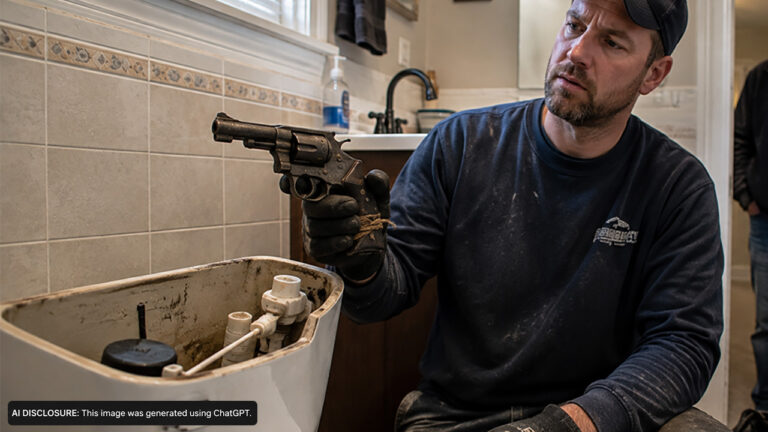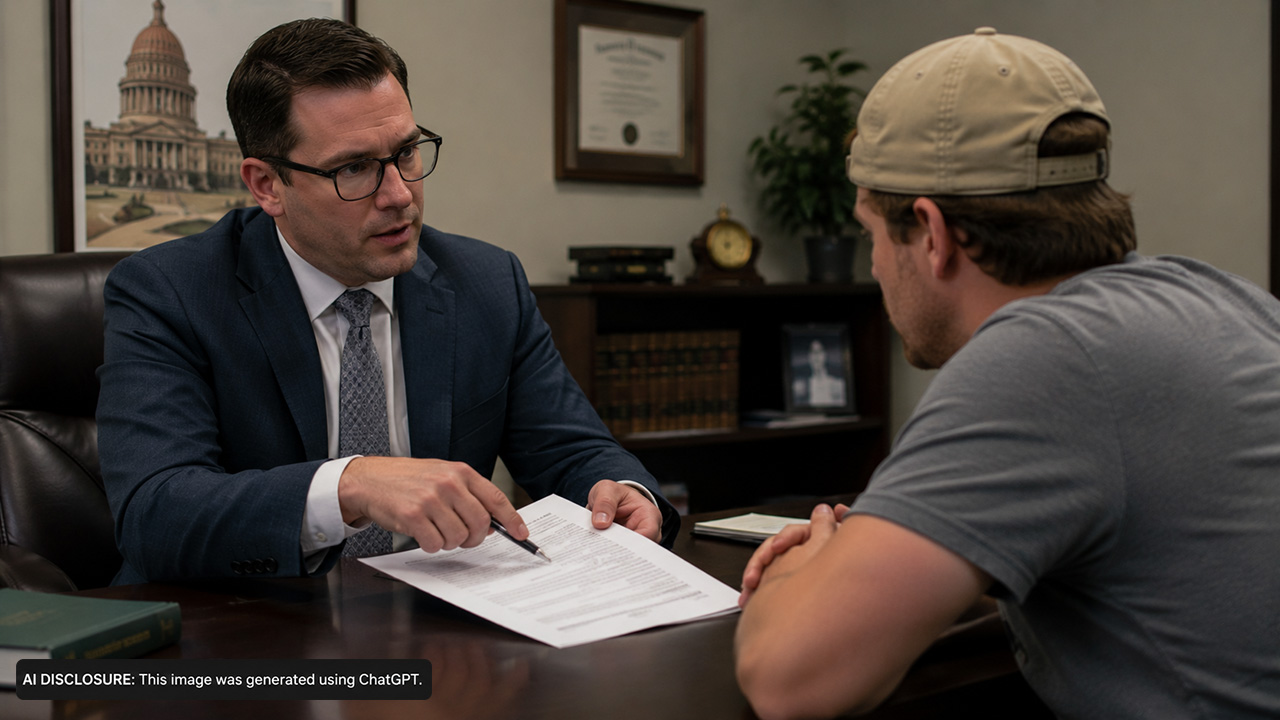
Photo credit: AI-generated image created using ChatGPT. Illustrative only
A Texas renter thought he was doing the responsible thing: keeping his firearms in climate-controlled storage until he was ready to move them home. Before a single gun ever crossed the threshold, the conversation alone turned into a shove toward the door. The landlord, a large multi-state management LLC, allegedly “strongly suggested” the tenant move out and threatened to file for eviction after he said he wanted to keep firearms in the house.
The tenant says the lease and the company’s website include language banning firearms inside rental units. He also says he pointed management to a part of Texas law he believes makes that kind of blanket ban illegal. The company’s response, according to the tenant, was that they’re a private business and can restrict firearms anyway.
A lease clause that runs head-first into Texas law
In the tenant’s telling, the policy wasn’t hidden in the fine print. The lease itself and the property’s website both contained language prohibiting firearms in the unit. That’s a big deal for a lot of outdoors folks in Texas—people who hunt, compete, or just keep a home-defense firearm the same way they keep a fire extinguisher.
The tenant referenced Texas Property Code 94.257 and said it states a landlord cannot prohibit a tenant from possessing firearms in a rental unit. In other words, he believed state law overrides whatever a lease tries to ban. From a common-sense standpoint, that’s the crux: can a landlord use a lease addendum or house rules to erase a right the state has protected?
The landlord’s “private business” argument and the Penal Code signs
According to the tenant, management pushed back by saying they’re a private business—an LLC—and therefore can restrict firearms under Texas Penal Code 30.05 through 30.07. Those sections are commonly tied to “no guns” signs and notice rules that businesses use to bar carry on premises.
The tenant’s own read was that those Penal Code sections are about posted signs restricting licensed carry in places the public enters, not about what a tenant can possess inside his own leased home. That distinction matters in the real world. An apartment is somebody’s home, even if it’s owned by a corporation, and most Texans treat the inside of their front door differently than a storefront with a decal on the glass.
Threats of eviction before any firearms ever hit the property
What makes this situation tense is the timeline: the tenant says he doesn’t currently have firearms on the property and hasn’t had them there. He simply expressed that he wanted to move them out of storage and into his home. That conversation, he says, led to the landlord “strongly” suggesting he move and threatening eviction.
If you’re a hunter or shooter, you can see why that’s unsettling. Plenty of folks store guns off-site for trips, work travel, or because they’re waiting on a safe delivery. The idea that asking a question—or stating an intent—could trigger eviction talk makes tenants wonder what other rights are only “allowed” until a manager decides they aren’t.
The tenant also asked where the line is on retaliation: at what point does threatening or filing for eviction become punishment for raising a legal issue? He wanted to know whether he could be evicted for simply asking about the policy without ever violating it.
Why this hits outdoorsmen differently than office rules
For a lot of landlords, “no firearms” reads like a safety policy. For a lot of tenants in Texas, it reads like being told you can’t lock up your own property in your own home. That’s especially true for folks who travel to hunt, keep a truck gun for ranch work, or rotate gear seasonally—shotgun in the safe during bird season, rifle out for deer, pistol for the nightstand year-round.
And it’s not just about preference. Safe storage is easier at home. Climate-controlled storage is fine, but most people don’t want their firearms separated from their family and their locks long-term, and they don’t want a third party being the “gatekeeper” to their own defensive tools when seconds matter.
There’s also a practical, boots-on-the-ground piece: leases change hands, management companies merge, and policies come and go. A tenant who follows the law and stores firearms responsibly can still end up in a mess if a corporate policy is written by someone who doesn’t know Texas landlord-tenant rules—or doesn’t care.
The practical playbook: document, don’t posture, and get eyes on the lease
The tenant was looking for clarity and, ideally, a way to stand his ground without escalating into a courtroom. The most practical move in situations like this is to slow everything down and get organized: save copies of the lease language, screenshots of the website policy, and any written communications about being told to move or threatened with eviction. Verbal phone calls are easy to deny later; written records are harder.
This is also where a real attorney earns their keep. The tenant already pointed to a specific statute, and his attorney reportedly believes the ban violates state law. That doesn’t mean the landlord won’t try to lean on policy anyway—it means the tenant needs to treat every interaction like it may end up in front of a judge or mediator.
Just as important: don’t turn it into a chest-thumping match in the parking lot. If you’re going to keep firearms in a rental, do it the way you’d want a responsible neighbor to do it—secured storage, no casual handling, no showing off, and no giving management an “excuse” to frame the issue as unsafe behavior rather than a legal disagreement.
The tenant’s situation, as described in the original post, is a reminder that in Texas you can still run into anti-gun rules where you least expect them—right inside a place you’re paying to call home. If you rent and you own firearms, read the lease like you read a map before a backcountry trip: slow, careful, and assuming a wrong turn can cost you.
Like The Avid Outdoorsman’s content? Subscribe to our newsletter so you never miss an article.
Here’s more from us: