Photo credit: Theavidoutdoorsman.com
Boat ramps are one of those places where everybody’s in a hurry, nobody wants to be told “no,” and the rules aren’t always posted where you can see them. Add a firearm into the mix—legal or not—and you’ve got a recipe for a long day that ends with somebody in handcuffs.
That’s exactly how a recent arrest unfolded at a public ramp on a warm afternoon when the parking lot was packed, trailers were stacked crooked, and tempers were already running hot. A man who routinely carried concealed while fishing stopped to launch like he’d done plenty of times before. He left with charges that didn’t stick, and a lot of people asking why the deputy’s body camera wasn’t recording.
The boat ramp stop that went sideways fast
It started with a small thing, the way most ramp conflicts do. A deputy rolled in after a call about an “argument at the ramp,” the kind of vague complaint that usually boils down to someone blocking the lane, parking like a fool, or cutting in line while another guy’s boat is half-on and half-off the trailer.
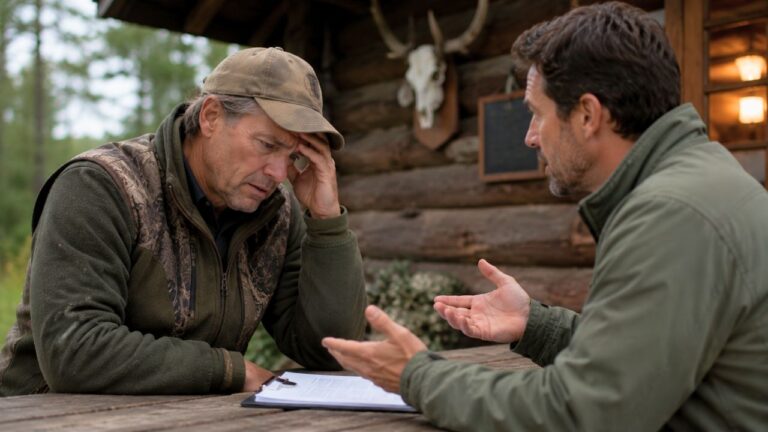
When the deputy arrived, the concealed carrier was already back by his truck, trying to reset and get his boat launched without the whole parking lot watching. The deputy asked for ID and started asking questions. In those first few minutes, everything hinged on tone, clarity, and whether anyone was willing to slow down and explain what actually happened.
How a legal carry can turn into a “weapon call”
Somebody noticed the man was armed. Maybe it printed through a shirt while he was winching. Maybe he bent over to unhook a strap and his cover garment rode up. Either way, in a crowded ramp lot full of families and weekend anglers, one person seeing a handgun is all it takes to trigger a “man with a gun” call—even in places where carry is normal.
The concealed carrier told the deputy he was licensed and carrying for personal protection. That’s a pretty common mindset for folks who fish alone at dawn, park in remote lots, or walk down dim trails to the water. The problem is that “I’m legal” and “you’re not causing concern” are two different things when law enforcement shows up responding to a complaint.
The arrest hinged on a handful of details
Once the deputy had him separated from the crowd, the questions got tighter: where the gun was, whether it had been handled, and whether any threats were made during the earlier argument. The man reportedly tried to explain that his firearm never left the holster and that he never threatened anyone. That’s the key detail in situations like this.
But ramp arguments are messy. People talk over each other. Someone exaggerates to “win” the dispute. And when an officer is trying to restore order, a legally armed person can get treated like the biggest risk on the scene—even if they’re the most controlled person in the whole lot.
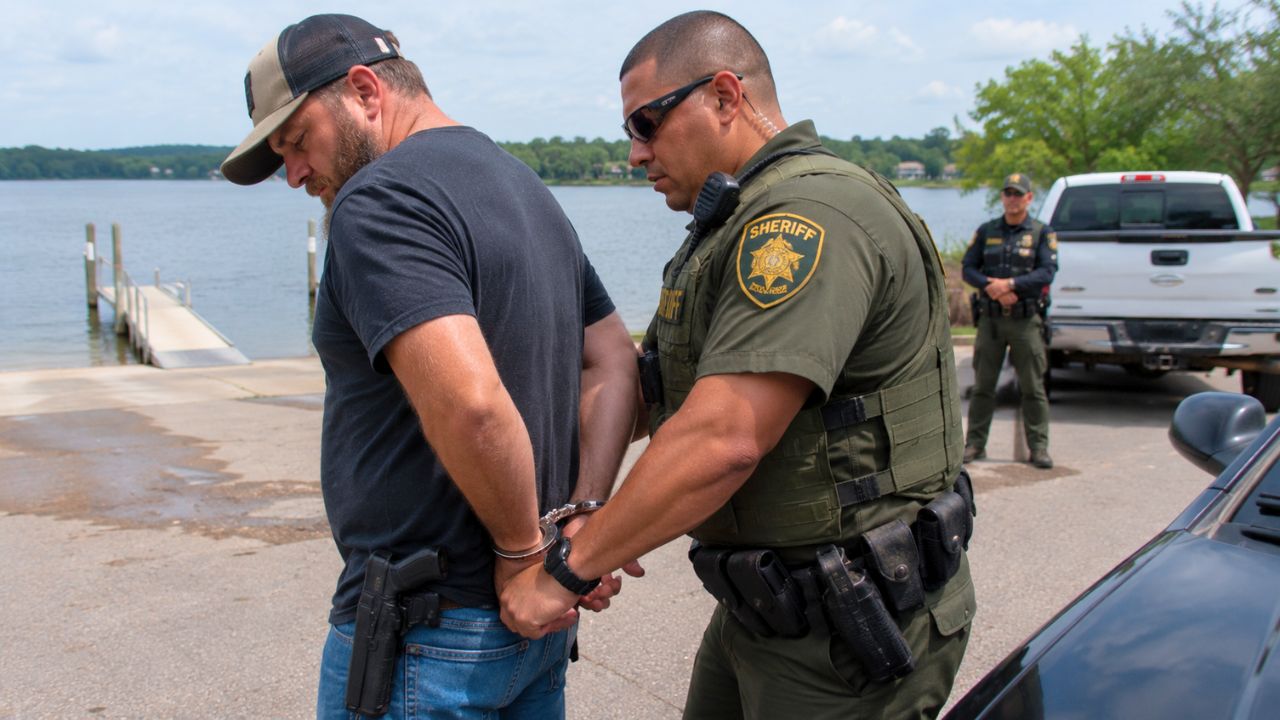
The deputy ultimately arrested the concealed carrier on charges related to the firearm and the disturbance. The man was booked, his gun was seized as evidence, and his day on the water turned into phone calls, bondsmen, and missed work.
Charges didn’t hold, and the body cam wasn’t recording
Not long after, the case fell apart. The charges were dropped, reportedly after prosecutors reviewed what evidence actually existed versus what was alleged in the moment. Without solid proof that the man displayed the handgun unlawfully or threatened someone, a “he said, she said” ramp argument doesn’t always survive first contact with a courtroom.
That’s where the body camera issue pours fuel on the fire. The deputy’s camera was off during the contact. Whether that was a policy violation, a technical failure, or human error, it matters. Body cam video is often the cleanest way to answer simple questions: Did he reach for the gun? Did he say something that sounded like a threat? Did the deputy give clear commands? Was the situation calm until it wasn’t?
When there’s no footage, everybody fills in the blanks with whatever story fits their side. That’s bad for the citizen involved, and it’s bad for the deputy too. A recording protects both people when tempers and accusations start flying.
What outdoorsmen keyed in on: ramps, carry, and “permissionless” enforcement
The loudest reactions from hunters and anglers weren’t about whether people should carry—most of us already know why a guy might carry at a ramp. The frustration was the idea that someone can be arrested, disarmed, and put through the grinder based on a complaint that can’t be backed up later.
There’s also the real-world truth that boat ramps create forced interactions. You can’t just walk away like you can in a big parking lot. You’ve got a boat half in the water, your keys in your hand, and a line of impatient people watching. That’s exactly when you want to keep your voice down, your hands visible, and your movements slow—because every motion gets interpreted.
A lot of folks also pointed out that body cameras were sold to the public as accountability tools. When they’re off during the exact moment they’re needed, it erodes trust fast. Outdoorsmen don’t expect perfection, but they do expect consistency—especially when someone’s rights and record are on the line.
Practical lessons if you carry at the lake or the ramp
This is one of those stories that makes you check your own habits. If you carry concealed around public recreation areas, your setup matters. A quality holster with real retention, a belt that keeps the gun tight to the body, and a cover garment that stays put when you bend over a winch handle can prevent the accidental “flash” that sets everything in motion.
It also matters how you communicate. If an officer asks if you’re armed, don’t get cute and don’t get defensive. Keep your hands away from the gun, tell them plainly you’re carrying, and ask how they want to proceed. You can be right on the law and still lose the moment if you sound like you’re trying to win an argument on the shoulder of a boat lane.
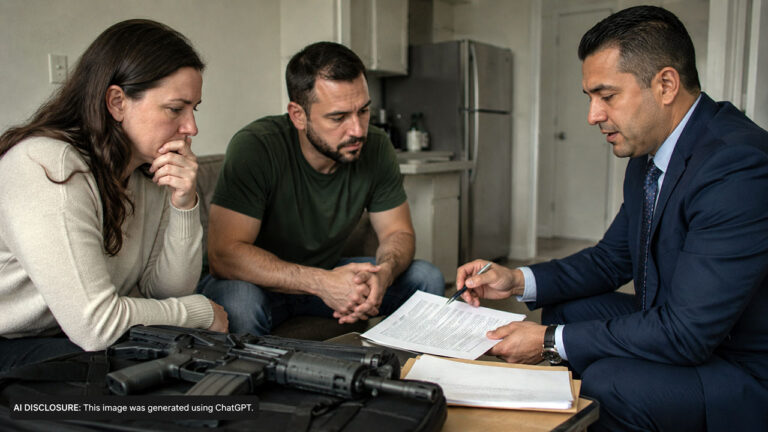
Finally, understand the ugly part: even when charges get dropped, the process is the punishment. Towing fees, missed days, lawyer bills, and the stress on your family don’t get refunded because somebody decided later it wasn’t worth pursuing. That’s why documentation—witness names, calm behavior, and anything that shows you didn’t escalate—can matter when it’s time to sort out what actually happened.
Boat ramps should be about getting on the water, not getting booked. But crowded public access points are where misunderstandings turn into “calls for service” in a hurry. If you carry, keep it truly concealed, keep your composure, and don’t let ramp drama push you into a posture you’ll regret—because sometimes the only video of the encounter is the one you wish existed.