Photo credit: AI-generated image created using ChatGPT. Illustrative only
Most gun owners know the rule of thumb: if it even smells like suppressor parts, you’d better slow down and get your paperwork straight. One shooter learned that lesson the hard way after ordering a “solvent trap” online from overseas. He says he never drilled it, never used it, and planned to do things by the book later. Customs didn’t see it that way.
In a short write-up shared in the original post, the buyer explained that the item was intercepted at the border and seized before it ever reached his doorstep. He wasn’t trying to be slick about it, either—he called the purchase “stupid” and said the plan was to inspect it, then either apply for the tax stamp before any modification or toss it in the trash if it looked questionable.
The purchase that looked harmless on a computer screen
Solvent traps get marketed as cleaning accessories—basically a tube you can thread on a barrel to catch fouling and solvent when you’re cleaning. In the real world, a lot of them are sold with features that make them look and function an awful lot like suppressor components, especially when they’re paired with end caps and “cups” that resemble baffles.
That gray area is exactly why people get nervous about them. The shooter in this case said he ordered one from China and expected it to arrive as an undrilled unit. His intention, at least in his own words, was to file for the stamp before drilling anything and then do some light .22 plinking using an AR conversion kit.
Customs seized it before it ever hit the mailbox
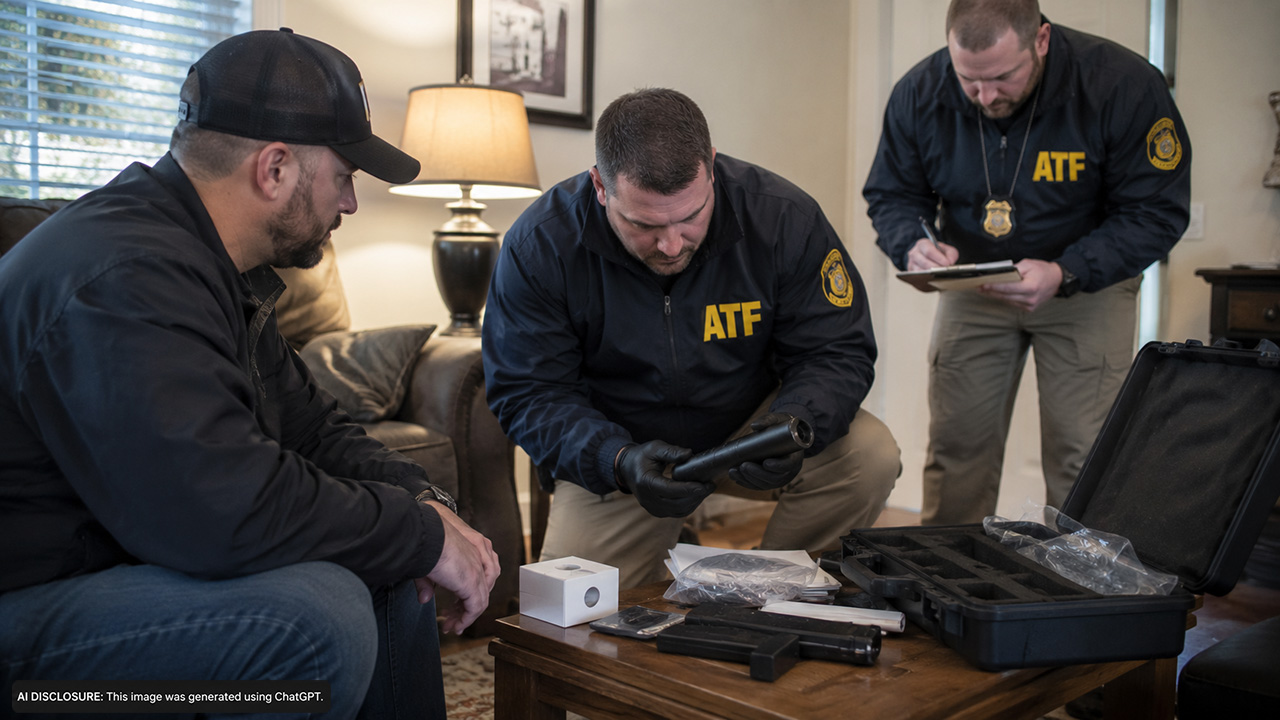
The story takes a turn at the border. The buyer said the solvent can was seized at customs, and he received a letter with “like 4 options to reply.” That’s the moment where a lot of folks suddenly realize this isn’t the same as a package arriving late or getting returned to sender.
One option in the letter stood out to him: abandon the property and request administrative forfeiture proceedings. In plain English, that means you’re telling the government you don’t want the item, and you’re not going to fight to get it back. He was leaning that direction because, as he put it, he didn’t care about the can.
Where a “solvent trap” starts getting treated like a suppressor
Here’s the hard truth that makes this stuff so touchy: you don’t always need a drilled hole for an item to be treated like suppressor-related contraband. The law and enforcement priorities tend to focus on design and intent—what the thing is readily convertible into, what it’s marketed as, and what it includes.
That’s why this situation gets shooters’ attention. The buyer’s argument was simple: it wasn’t drilled, and it wasn’t supposed to be drilled until after a stamp. But from the enforcement side, the concern is that many “solvent traps” are essentially suppressor kits in everything but name, especially when they ship with parts that look like baffles or come threaded to common muzzle patterns.
Even without getting deep into legal weeds, the practical takeaway is straightforward: the minute you order something that resembles a suppressor tube or suppressor internals—especially from overseas—you’re rolling the dice on whether it gets flagged, seized, or used as a reason to look closer at you.
The letter’s options and the choice to abandon the item
The buyer was looking at the abandon-property option because he’d seen other people in the same boat and wanted to know the end result. That’s a normal instinct. If you don’t want the item and don’t want extra attention, “abandon” feels like the cleanest off-ramp.
But the uneasy part is the question he asked right after: “How in trouble am I? was even ordering it illegal?” That’s the part that matters to regular gun owners. Not because everyone is out shopping for sketchy gear, but because a lot of shooters still believe that if something is undrilled or “just a cleaning accessory,” it’s automatically safe to buy and possess. Real life doesn’t always reward that assumption.
It’s also worth noting that he never described a knock on the door, charges, or an arrest in his write-up. What he did describe is the kind of government paperwork that makes your stomach drop—because now it’s not theoretical. There’s a file with your name on it, and you have to respond.
What other gun owners tend to focus on in cases like this
When people swap stories about seizures like this, the conversation usually lands on the same practical points: don’t import questionable gun-related parts, don’t assume marketing language protects you, and don’t assume “undrilled” is a magic shield.
Another big theme is that suppressor rules are paperwork rules. If you want a can, the cleanest route is still the boring one: buy from a reputable source, file the proper forms, wait your turn, and keep your receipts and documentation squared away. It’s not fun, but it’s predictable—especially compared to importing parts that may be viewed as a suppressor in everything but name.
And for the folks who genuinely want a cleaning device, the common advice is to avoid anything that looks like it was designed to be something else. If it’s threaded like a muzzle device, built like a tube can, and sold with suspicious “end caps,” it’s going to attract the kind of attention most hunters and plinkers don’t need.
The lesson for hunters and shooters who just want to plink in peace
Most of us aren’t trying to be test cases. We want to sight in rifles, run a few mags on a safe backstop, and maybe knock down varmints without rattling the neighbor’s windows. That’s why suppressors are popular—and why the temptation exists to cut corners with “kits” and “traps” that pop up online.
This story is a reminder that the trouble can start before you ever touch the thing. The buyer never got the package, never drilled anything, and still ended up with a seizure notice and a decision to make. If you’re thinking about buying anything that could be interpreted as suppressor parts, keep it simple: stay domestic, stay reputable, and stay inside the lines.
Because once your package is flagged and seized, it’s not about what you meant to do with it. It’s about what the item appears to be—and how much hassle you’re willing to live through to prove your intentions.
Like The Avid Outdoorsman’s content? Subscribe to our newsletter so you never miss an article.
Here’s more from us: