Photo credit: Theavidoutdoorsman.com
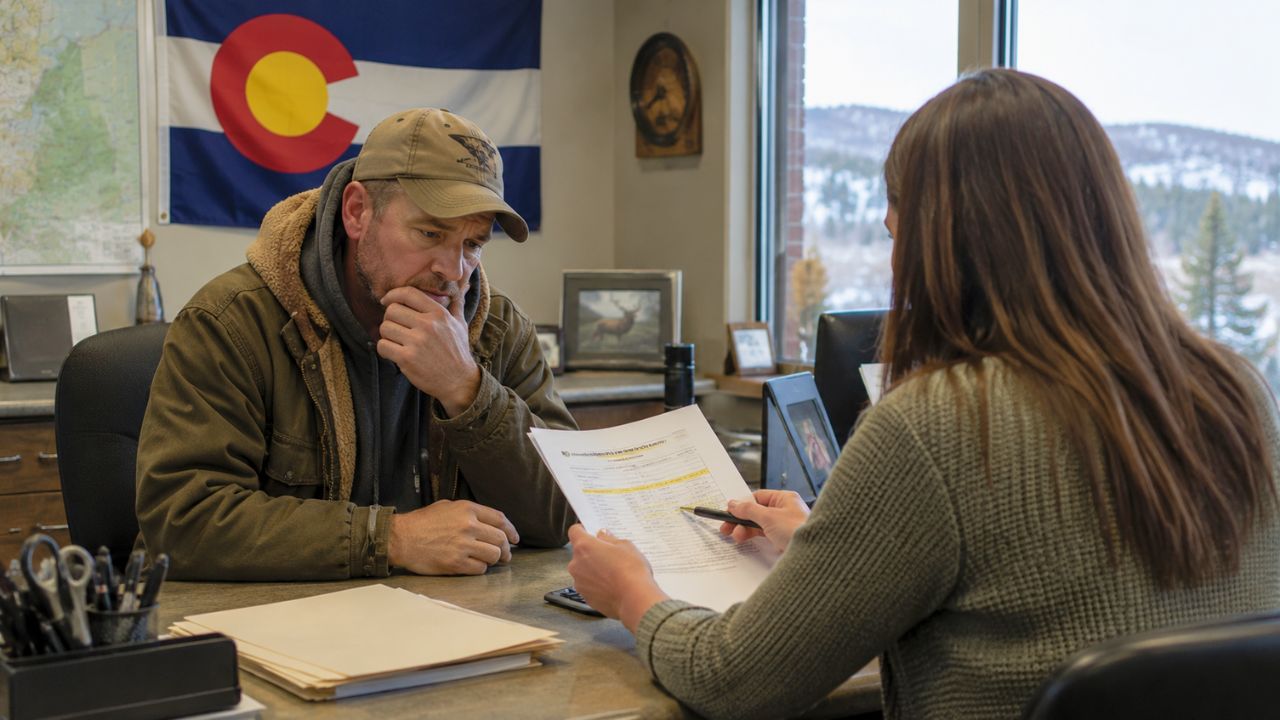
The first sign something was off came in the form of a clean, automatic-looking denial on a landowner application—no phone call, no request for clarification, just a decision based on what the computer said. The hunter had done what a lot of small-acreage owners do every year: lined up the paperwork, pulled the parcel information, and applied for a landowner tag he believed his property qualified for.
Instead of showing the acreage he’d been paying taxes on, the state’s licensing system had him listed as owning zero acres in Colorado. Not “insufficient acres.” Not “wrong unit.” Zero. And that little number was enough to shut the whole thing down.
The tag application that should’ve been routine
Colorado’s landowner options are popular because they can help a working ranch, a family place, or even a modest foothills parcel get a little flexibility in the draw. But those options are also paperwork-heavy. The hunter in this situation did what most folks are told to do: use the name that matches the deed, list the parcel number, and submit supporting documents.
He wasn’t trying to game the system. He was trying to hunt his own ground without playing roulette in the regular draw, and he wanted everything clean. The problem was, the state’s database wasn’t seeing him as an owner at all, which meant his application didn’t even make it to the “do you qualify” stage.
How a clerical error can erase a property overnight
When a system says you own “zero,” it usually isn’t because the property disappeared. It’s because one piece of information doesn’t match across the chain: county records, assessor data, and the wildlife agency’s licensing portal. A single character in a last name, a missing middle initial, or a suffix like “Jr.” can be enough to break the link.
Another common culprit is the way property is held. If the deed is under an LLC, a family trust, or a shared ownership arrangement, the licensing system may require additional proof tying the applicant to the entity on record. Sometimes those documents are accepted easily. Sometimes they get flagged because the system expects a straightforward “First Last” match and nothing else.
And then there’s the simplest, most aggravating scenario: an internal data entry mistake. A parcel number transposed, a wrong county code, or an acreage field left blank can make land look like it doesn’t exist—at least on the screen that matters when tags are being issued.
The real-world consequences: lost seasons, lost plans, and a lot of scrambling
Most hunters don’t apply for a landowner tag on a whim. They’ve got time off work penciled in, family coming in, maybe a kid counting on a first elk hunt close to home. When that application gets denied over a zero-acre listing, it puts you behind the eight ball fast.
If the denial comes after the main draw deadlines, the options shrink. You can try to pivot to over-the-counter opportunities where they exist, but that can mean different units, different pressure, and different odds of success. Or you chase leftovers and reissues, which can work, but it’s a scramble—and it turns what should’ve been a planned hunt into a “take what you can get” season.
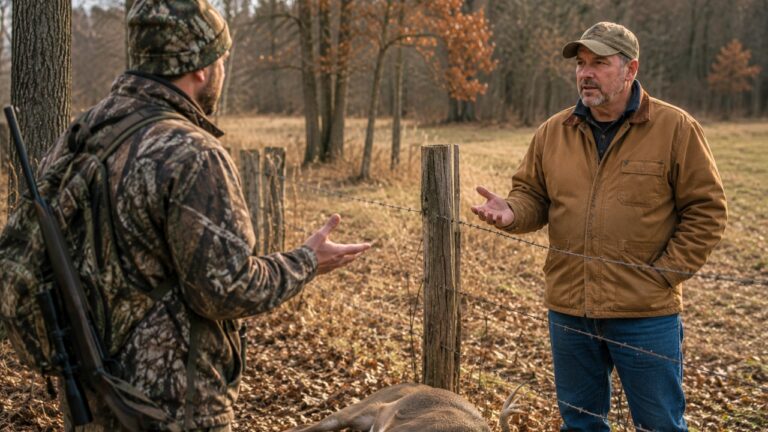
There’s also an access side to this that folks don’t talk about enough. When landowner paperwork gets messy, people start asking questions about boundaries, who’s allowed to hunt where, and whether someone is actually the owner or just “a guy with permission.” That’s not a conversation anyone wants to have with a game warden on the side of a two-track.
Trying to fix it: deeds, assessor printouts, and the waiting game
Once the hunter realized the denial was tied to an acreage listing, the fix usually looks the same: gather hard proof. A recorded deed or closing statement, the county assessor’s parcel report showing acreage, and the latest property tax statement are the basics. If the land is held under a trust or LLC, you’re typically adding operating agreements, trustee pages, or other documents that show you’re legally connected to the entity.
From there, it becomes a customer-service problem. Not a “can you make an exception” problem, but a “can you correct your records” problem. And anyone who’s spent time on the phone trying to fix a government database knows how that can go. The person you reach may be helpful, but they may not have permission to change the underlying record, which kicks it to another department, which kicks it to another queue.
Appeals exist for a reason, but they’re often slow. And slow doesn’t pair well with hunting seasons that open whether your paperwork is fixed or not.
What other hunters locked onto: documentation, deadlines, and trust ownership
When word of situations like this gets around, the same points come up every time. First is documentation—specifically, having it ready before you click submit. A lot of guys said they keep a folder with the deed, parcel maps, and assessor pages saved as PDFs so they can attach everything the first time and avoid back-and-forth.
Second is deadlines. Hunters who’ve been burned by paperwork tend to apply early, not because they’re excited, but because they want time to fix mistakes. Waiting until the last week to apply is fine when everything works. When it doesn’t, it can cost you a season.
Third is ownership structure. Plenty of rural properties are in family trusts for good reasons—estate planning, liability, keeping the place in the family. But trust ownership can complicate landowner tag applications if the system is built around individual names. Hunters focused heavily on making sure the application name and the deed name match exactly, down to punctuation.
And yes, a few folks took it a step further: keep a paper trail of every contact, every email, every case number. Not to be dramatic—just because it’s hard to argue with a timeline.
The practical lessons for landowners who hunt their own ground
The hard truth is that these programs run on records, not handshakes. If the system says you own nothing, you’re starting from zero no matter how many years you’ve mowed that pasture, fixed that fence, or paid that tax bill.
If you’re a landowner who applies for any kind of special licensing, it’s worth doing an offseason “records check.” Pull your county assessor report, verify acreage, confirm parcel numbers, and make sure the name on your account matches the deed exactly. If your property is in a trust or LLC, talk through what documentation the state expects and keep it ready to upload.
Nobody should lose a season because a database can’t read a deed correctly. But in the real world, the cleanest path is to assume the computer will be picky and come prepared. That’s not just good bureaucracy—it’s good hunting sense.
Like The Avid Outdoorsman’s content? Be sure to follow us.
Here’s more from us: