Photo credit: Olde English Outfitters/YouTube
Reliability is where a handgun either earns trust or loses it fast. A pistol can have good capacity, nice sights, an optic cut, and a strong online following, but none of that matters if owners start running into failures, ammo sensitivity, magazine issues, broken small parts, or a gun that only seems happy when everything is perfect.
This list is not saying every example of these pistols fails. Some owners have good luck with them. The point is that if reliability is your main priority, these are handguns worth approaching carefully because they have enough complaints, compromises, or track-record questions to make better options easy to recommend first.
Springfield Armory Prodigy

The Springfield Armory Prodigy got a lot of attention because it promised a double-stack 1911-style pistol at a price below many higher-end 2011s. That made it tempting for shooters who wanted the look, trigger, and capacity of a race-ready pistol without spending custom-gun money.
The problem is that early Prodigy pistols picked up a reputation for break-in drama, feeding issues, and owners needing to tune or upgrade parts to get the gun running the way they expected. Some current examples run fine, but this is not the handgun to buy if you want boring reliability with no tinkering. A serious defensive pistol should not feel like a project gun right out of the box.
Kimber R7 Mako

The Kimber R7 Mako looked like Kimber’s serious attempt to compete in the modern micro-compact market. It offered good capacity, an enclosed-style optic setup on some versions, and a more modern design than Kimber’s small 1911-style carry pistols. On paper, it had plenty going for it.
The issue is that Kimber’s carry-pistol reputation already makes some buyers cautious, and the R7 Mako never became the default trust pick against guns like the Shield Plus, P365, or Glock 43X. Some owners like theirs, but when reliability is the deciding factor, most people still reach for platforms with deeper track records and wider owner confidence.
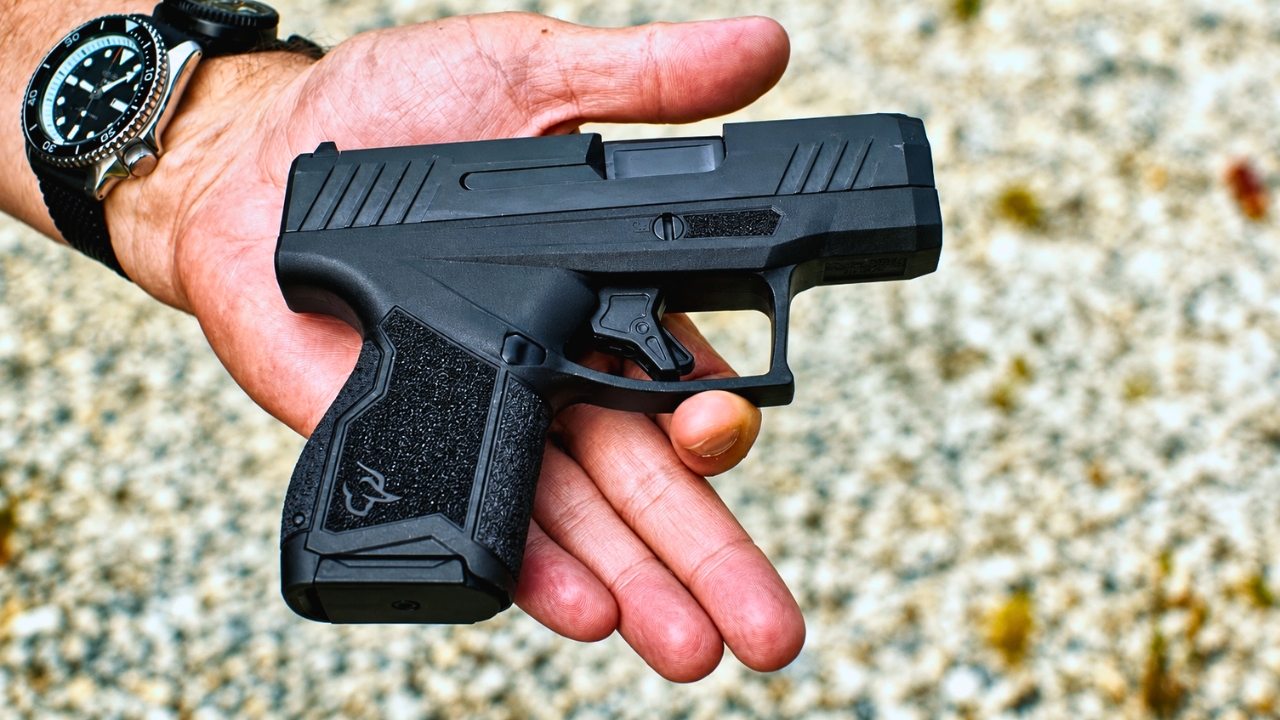
Taurus GX4
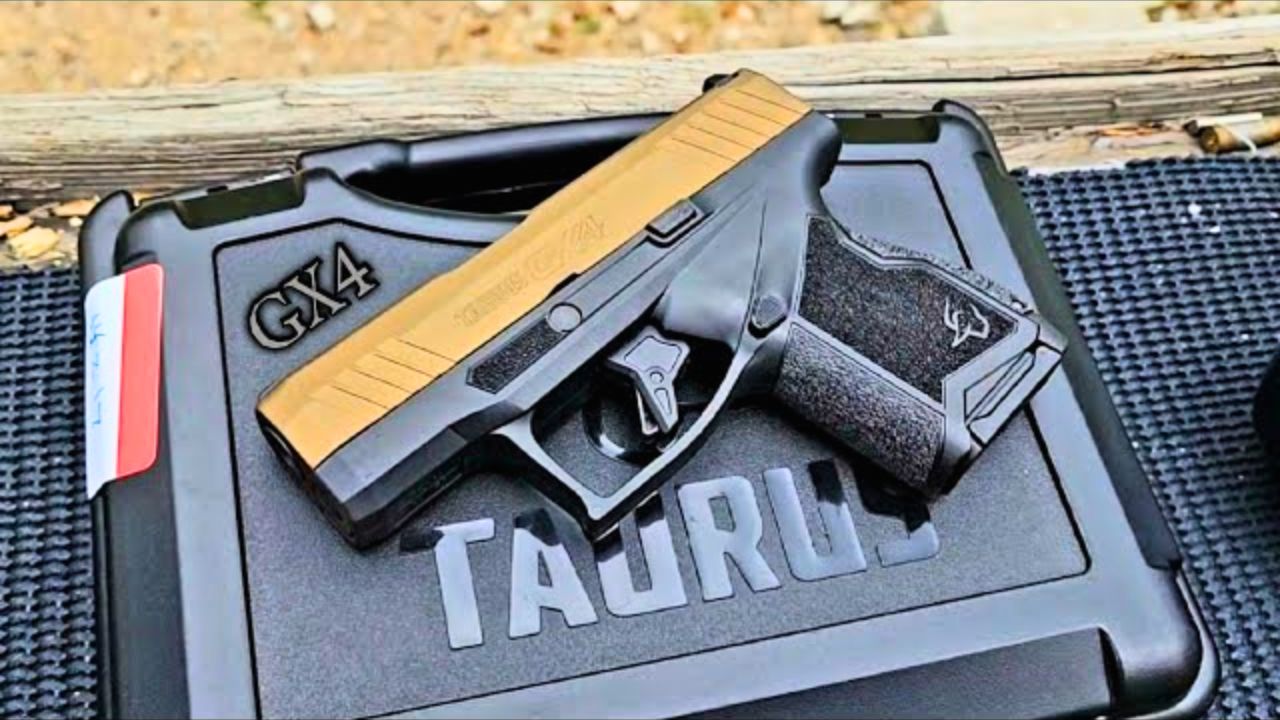
The Taurus GX4 is one of the better modern Taurus pistols, and it helped the company get taken more seriously in the micro-compact space. It is small, affordable, and offers strong capacity for its size. That makes it very tempting for people who want a carry gun without paying SIG, Glock, or Smith & Wesson money.
Still, if reliability is the top priority, the GX4 is not the cleanest recommendation. Taurus has worked hard to improve, but the brand still carries enough quality-control baggage that buyers should test their individual pistol hard before trusting it. The GX4 can be a good value, but value is not the same thing as proven dependability.
Taurus G3c
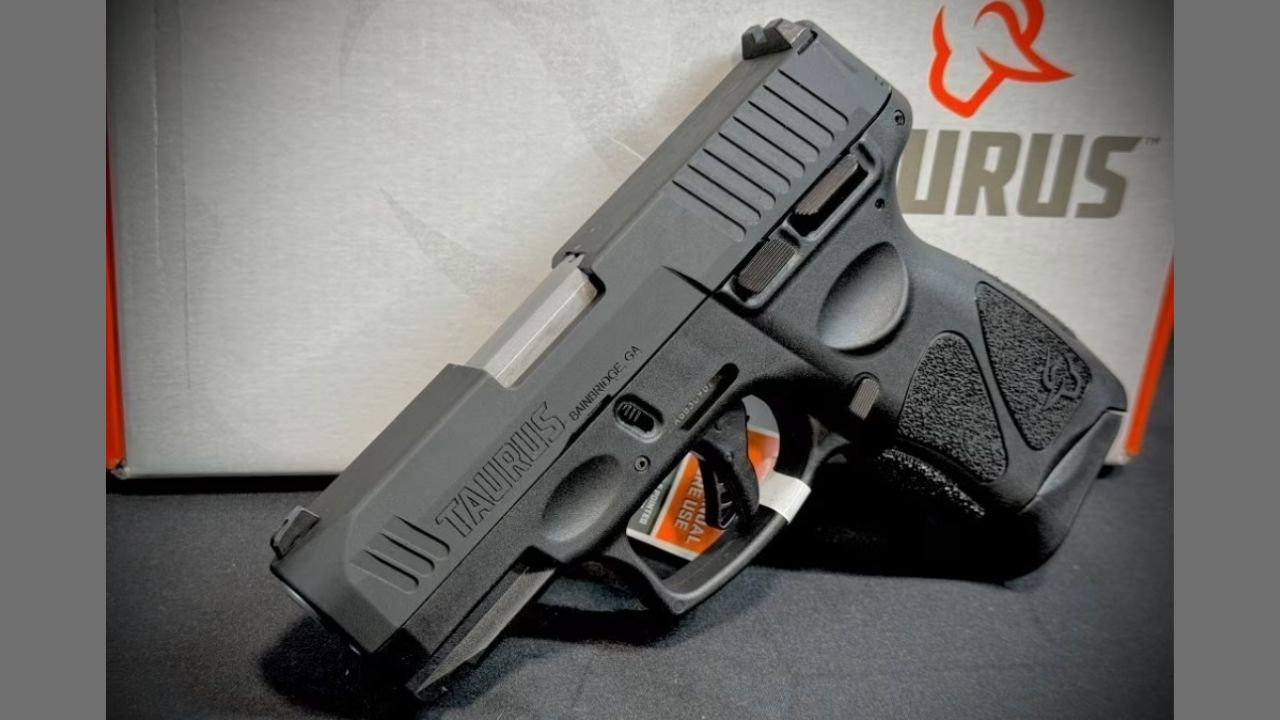
The Taurus G3c sells because it gives buyers a compact 9mm with usable capacity at a very approachable price. For someone trying to get into concealed carry on a budget, it can look like the obvious move. It is also widely available, which keeps it in the conversation.
The concern is consistency. Plenty of G3c owners report good results, but others run into feeding problems, magazine problems, rough triggers, or general quality-control complaints. If someone wants a range pistol at a low price, it may make sense. If someone wants the most reliable compact carry gun they can buy, there are safer choices.
Taurus G2c

The Taurus G2c is still one of the most common budget carry pistols people buy because the price is hard to ignore. It offers decent capacity, a compact frame, and enough features to look competitive next to more expensive guns. For a lot of first-time buyers, that is enough.
But the G2c is also one of those pistols where the low price explains some of the rough edges. Triggers can feel inconsistent, magazines can be part of the problem, and owner experiences are not as uniform as reliability-first buyers should want. It may run, but it is not the pistol most experienced shooters would pick when trust matters most.
SCCY DVG-1

The SCCY DVG-1 was meant to modernize SCCY’s carry lineup with a striker-fired trigger instead of the long double-action pull that defined the CPX pistols. That sounded like a real improvement, especially for shooters who liked the price but hated the older trigger.
The problem is that the DVG-1 still lives in the ultra-budget carry category, where quality control and long-term durability matter more than spec sheets. It has not built the kind of broad, boring reliability reputation that makes people comfortable recommending it over proven carry pistols. Cheap is only helpful if the gun runs every time.
SCCY CPX-2
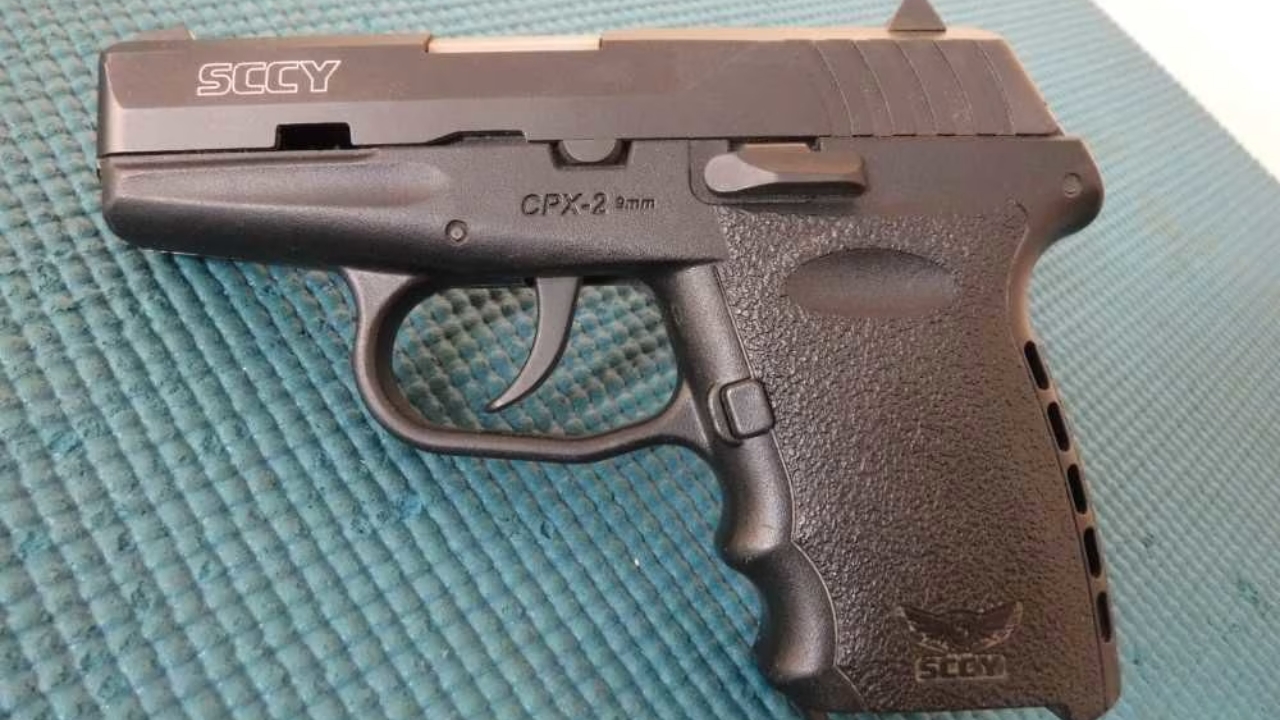
The SCCY CPX-2 is still bought by people who want an inexpensive compact 9mm for carry or home defense. It is simple, affordable, and usually easy to find. That keeps it relevant even as the carry market has moved ahead.
The reliability concern is not just malfunctions. It is the whole package. The heavy trigger makes good shooting harder, the recoil can feel sharp, and mixed owner reports make confidence harder to build. A defensive pistol should encourage practice and trust. The CPX-2 often makes owners feel like they settled.
Ruger Security-9 Compact
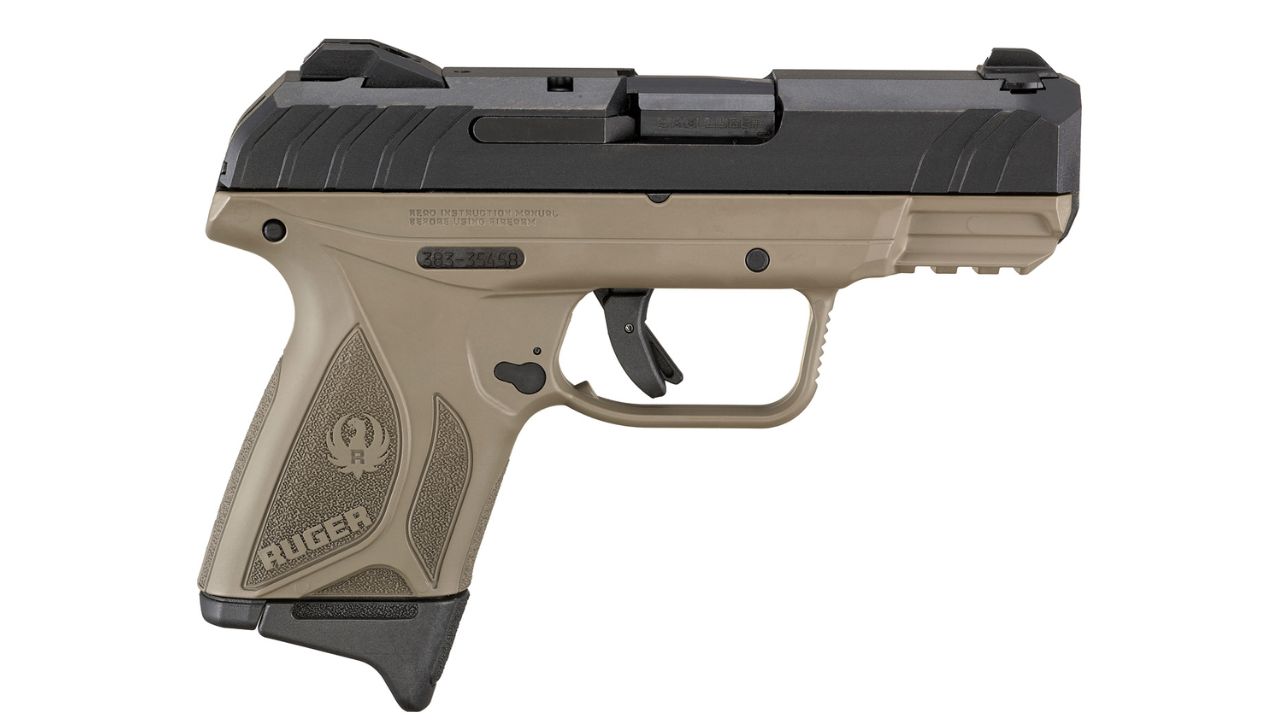
The Ruger Security-9 Compact is not a bad pistol, but it is not Ruger’s strongest reliability-first handgun either. It exists in a crowded field of compact 9mm pistols, and its main appeal is usually price. It is lighter, cheaper, and simpler than many competitors.
The problem is that it can feel like a budget gun compared with better compact pistols. Some owners report excellent function, while others complain about feeding, magazines, or rough feel. Ruger makes plenty of guns that inspire immediate trust, but the Security-9 Compact is one I would test heavily before treating as a serious carry pistol.
Ruger Max-9
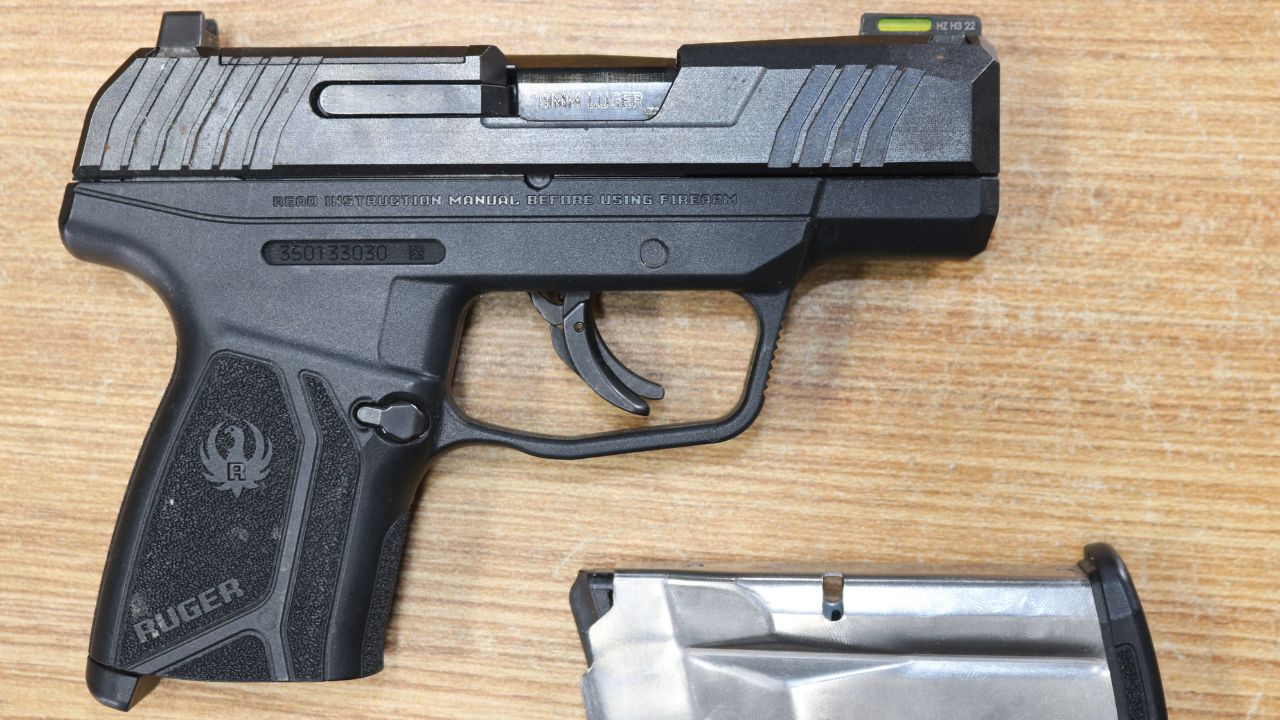
The Ruger Max-9 looks like a smart micro-compact option because it gives you good capacity, an optic-ready slide on many versions, and Ruger’s name at a fair price. It is still a common consideration for people shopping affordable carry guns.
The issue is that it has never felt as confidence-inspiring as the best guns in the category. The trigger, finish, and overall feel can seem less refined, and some owners report ammo or reliability complaints that make it less of a sure thing. When guns like the Shield Plus and P365 exist, the Max-9 needs to be tested hard before it earns trust.
Kimber Micro 9
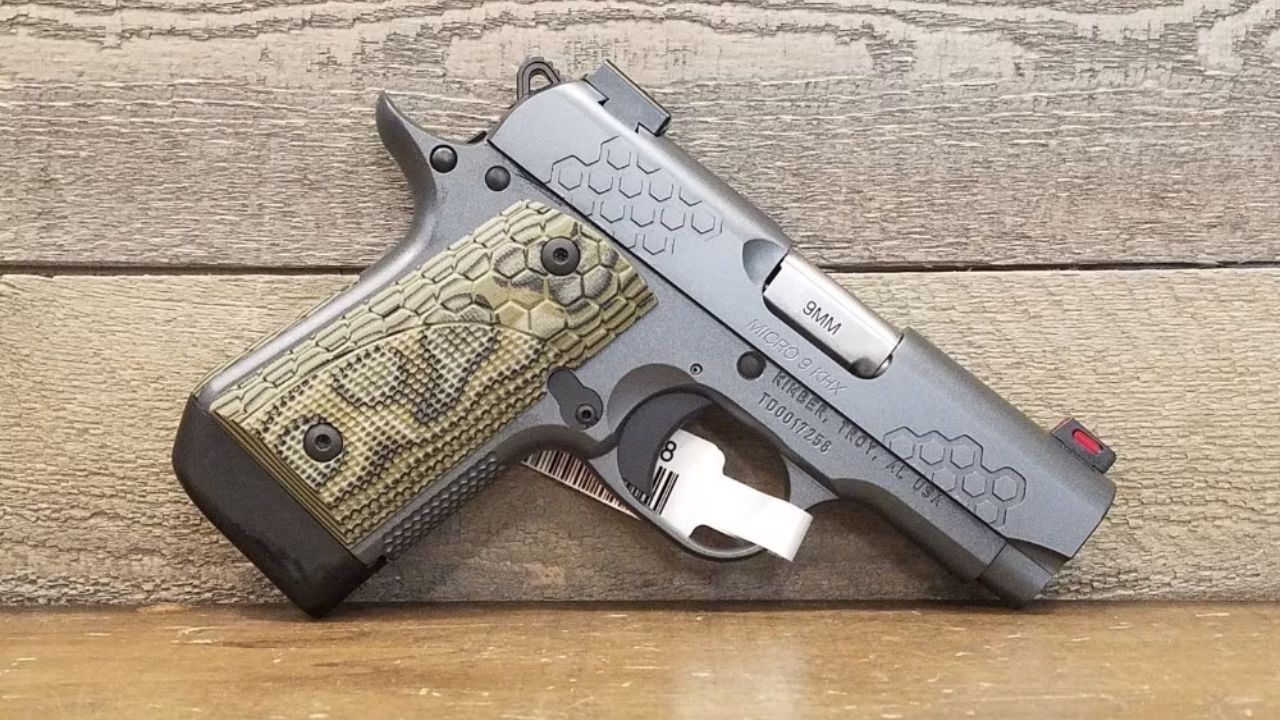
The Kimber Micro 9 is still bought by people who want a small carry pistol that looks better than another polymer gun. It has nice styling, a metal frame, and a familiar 1911-like layout that appeals to shooters who like thumb safeties and single-action triggers.
The concern is that tiny 1911-style carry pistols tend to have less margin for error. The Micro 9 has enough owner complaints about feeding, extraction, magazine behavior, and break-in sensitivity that it is hard to call a reliability-first choice. Some run fine, but if you want minimum drama, there are better modern carry guns.
Kimber Raptor II
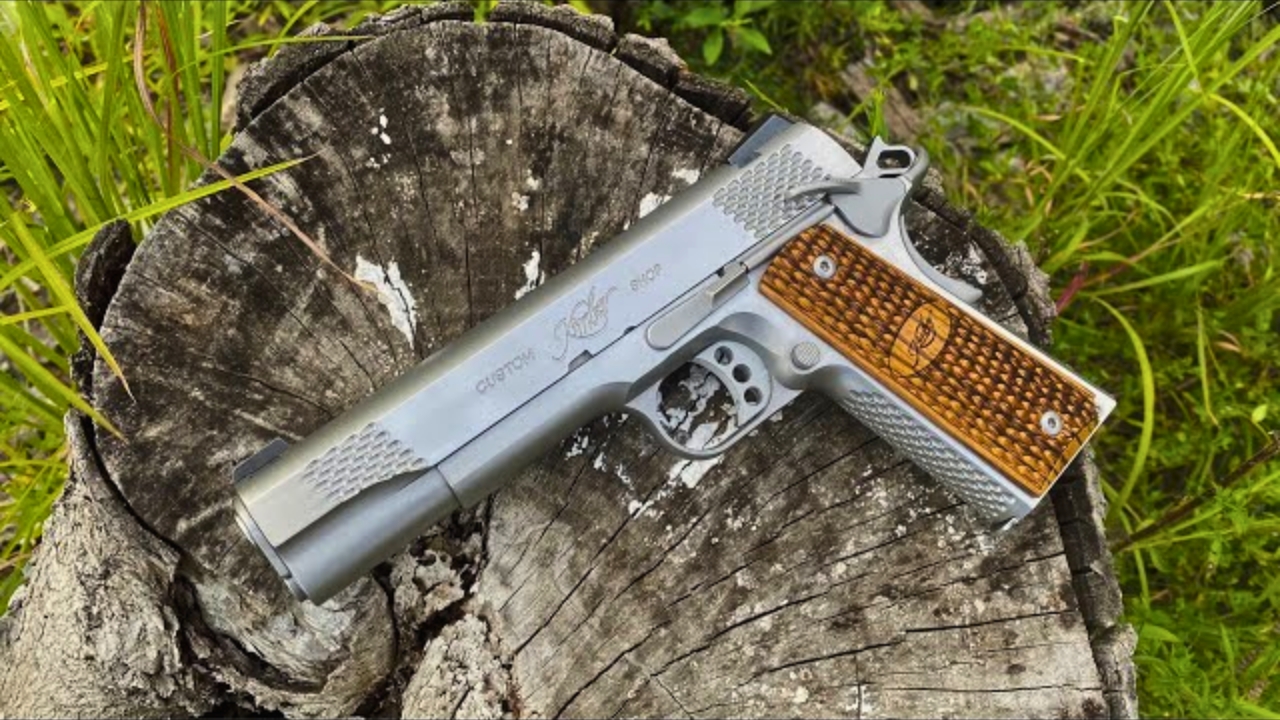
The Kimber Raptor II is attractive, expensive, and easy to want if you like flashy 1911s. It has aggressive styling, nice cosmetic details, and the kind of shelf appeal Kimber has always understood. Buyers often expect a premium shooting experience.
The problem is that Kimber 1911s can be hit or miss depending on the individual gun. The Raptor II may run well, but it can also demand good magazines, proper lubrication, and sometimes break-in patience before it earns trust. That is not unusual for some 1911s, but it makes the pistol harder to recommend to someone who wants reliability above all else.
Springfield Armory Hellcat
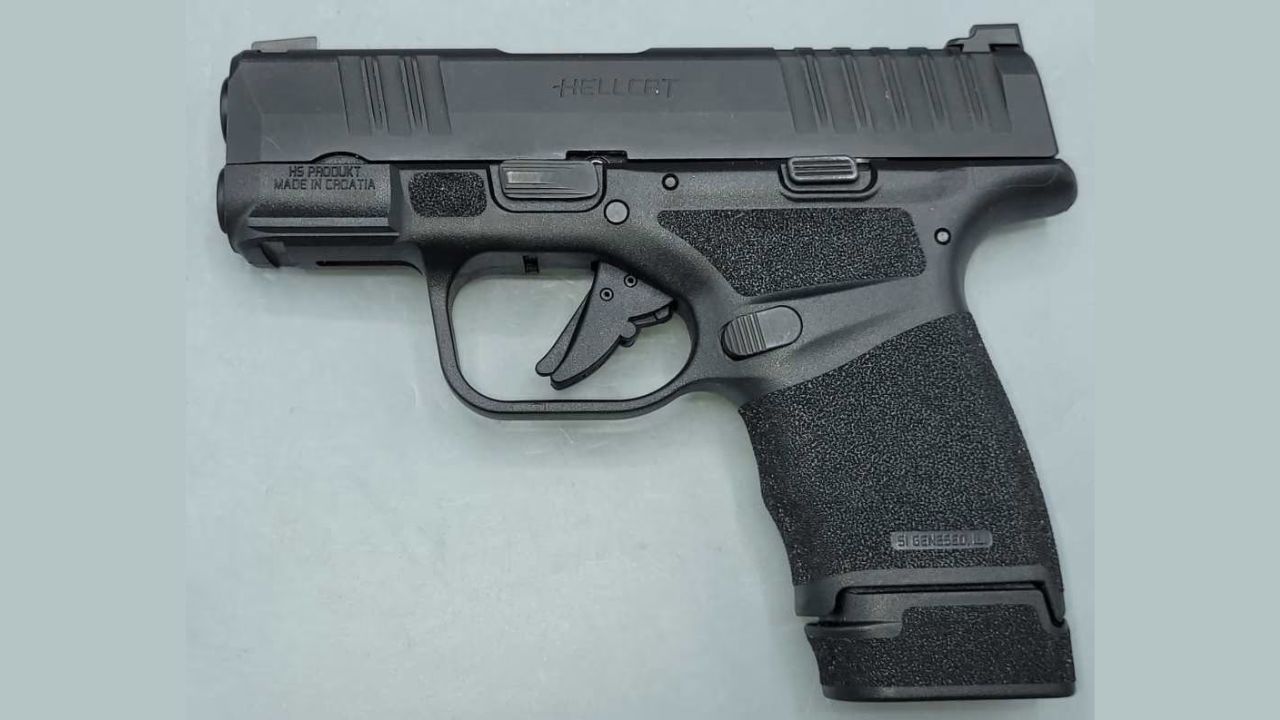
The Springfield Hellcat is popular and generally capable, but it is not the smoothest or most forgiving micro-compact pistol. It became famous for packing a lot of rounds into a very small gun, and that still appeals to concealed carriers.
The concern is that small, high-capacity carry pistols can be sensitive to grip, recoil control, and ammo choice. The Hellcat also has a snappier feel than some competitors, which can make weak grip or poor technique show up faster. It may be reliable for many owners, but I would still put serious rounds through one before trusting it blindly.
Springfield Armory Hellcat RDP

The Hellcat RDP adds a compensator and optic-ready setup to the tiny Hellcat platform. That sounds great because it tries to tame recoil and give shooters a more modern carry package. The concept is strong.
The issue is that adding a compensator to a micro-compact carry pistol can introduce more variables. Ammo power, spring balance, maintenance, and muzzle device fit all matter more. Some RDPs run well, but if reliability is your top priority, a simpler carry pistol often makes more sense than a compensated micro gun that may be pickier about what it likes.
SIG Sauer P320

The SIG P320 is one of the most popular handguns in America, but reliability-minded buyers should still be honest about the conversation around it. The platform is modular, widely supported, and available in a ton of configurations. Plenty of people trust them.
The problem is that the P320 has also carried more controversy than most competing striker-fired pistols. Beyond the safety debates, some owners run into extractor, magazine, or configuration-specific issues depending on model and use. It is not automatically unreliable, but it is also not the drama-free pick some people make it out to be.
SIG Sauer P365 SAS

The P365 SAS tried to make the original P365 smoother for deep concealment by using a flush sighting system and snag-free profile. That made sense on paper for pocket or close-body carry.
The problem is that the SAS setup can make the gun harder to shoot precisely and harder to manipulate quickly. Reliability is not only about feeding rounds. It is also about whether the gun lets the shooter run it confidently under pressure. The standard P365, P365 XL, or Shield Plus usually make more sense for people who actually plan to train.
Smith & Wesson CSX
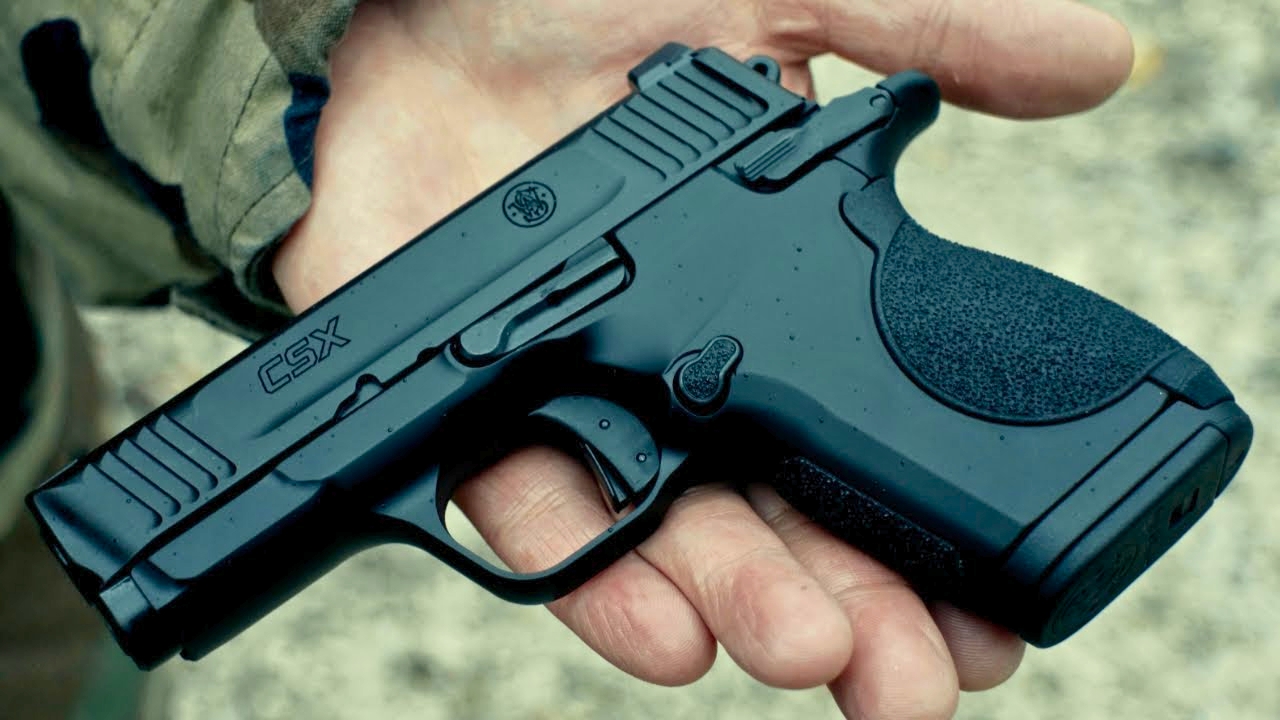
The Smith & Wesson CSX had a lot of promise. It was a metal-framed, hammer-fired micro-compact with good capacity and a manual safety. That made it stand out in a market full of striker-fired polymer carry guns.
The problem is that the CSX never fully won people over. Trigger feel, reset complaints, and a somewhat odd shooting experience hurt its reputation. It may run reliably in a basic mechanical sense, but it does not inspire the same confidence as Smith & Wesson’s better carry pistols. If reliability and shootability both matter, the Shield Plus is the easier pick.
Canik METE MC9
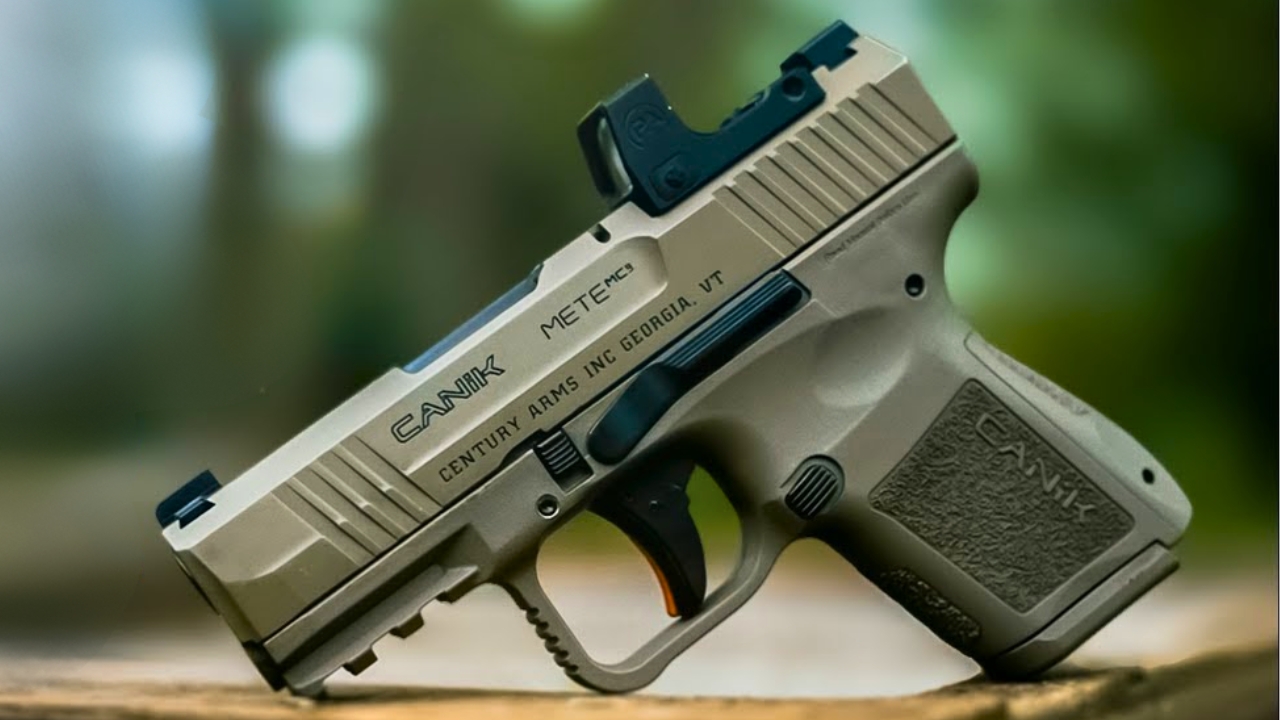
The Canik METE MC9 was a big deal because Canik had earned a lot of respect for affordable pistols with good triggers. A smaller carry version sounded like exactly what buyers wanted. It had the size, price, and features to compete hard.
The issue is that the MC9 picked up enough early owner reports of feeding, return-to-battery, and magazine-related problems to make cautious buyers pause. Canik may improve things over time, but reliability-first shooters usually do not want to be part of the sorting process. A carry gun needs to be trusted before it gets carried.
Rock Island Armory STK100
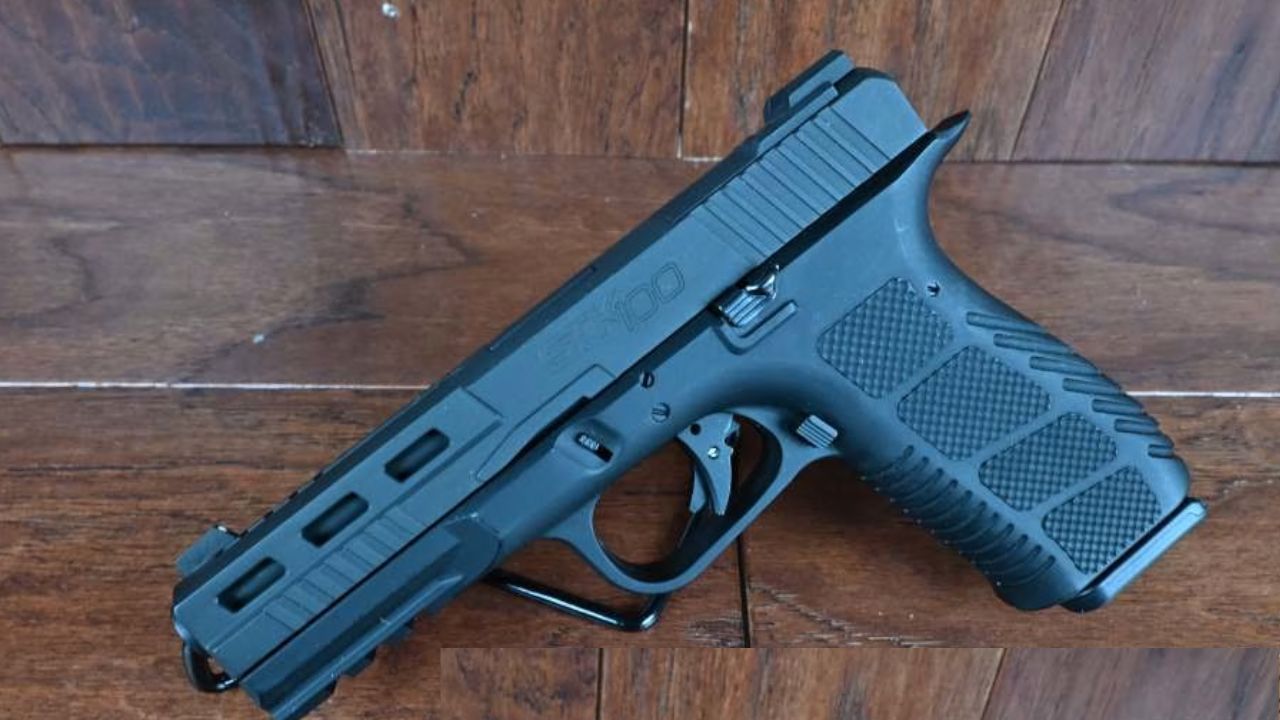
The Rock Island Armory STK100 is interesting because it is an aluminum-framed, Glock-pattern-ish pistol at an affordable price. That makes it appealing to people who want something different without paying custom money.
The problem is that interesting does not always mean proven. The STK100 has not built the kind of deep reliability reputation that makes it easy to recommend over actual Glock, M&P, or CZ options. When a pistol is trying to compete against the most proven designs in the category, “cool idea” is not enough.
Stoeger STR-9

The Stoeger STR-9 is one of those budget striker-fired pistols that looks good enough on paper. It has a familiar layout, decent pricing, and comes from a company tied to the larger Beretta family. That makes it seem like a hidden-value choice.
The concern is that it has never really separated itself from the crowd. Reliability reports are generally not catastrophic, but the pistol also does not have the track record, aftermarket, or owner confidence of better-known competitors. If reliability is the point, “probably fine” is not as strong as buying something proven.
Mossberg MC2c
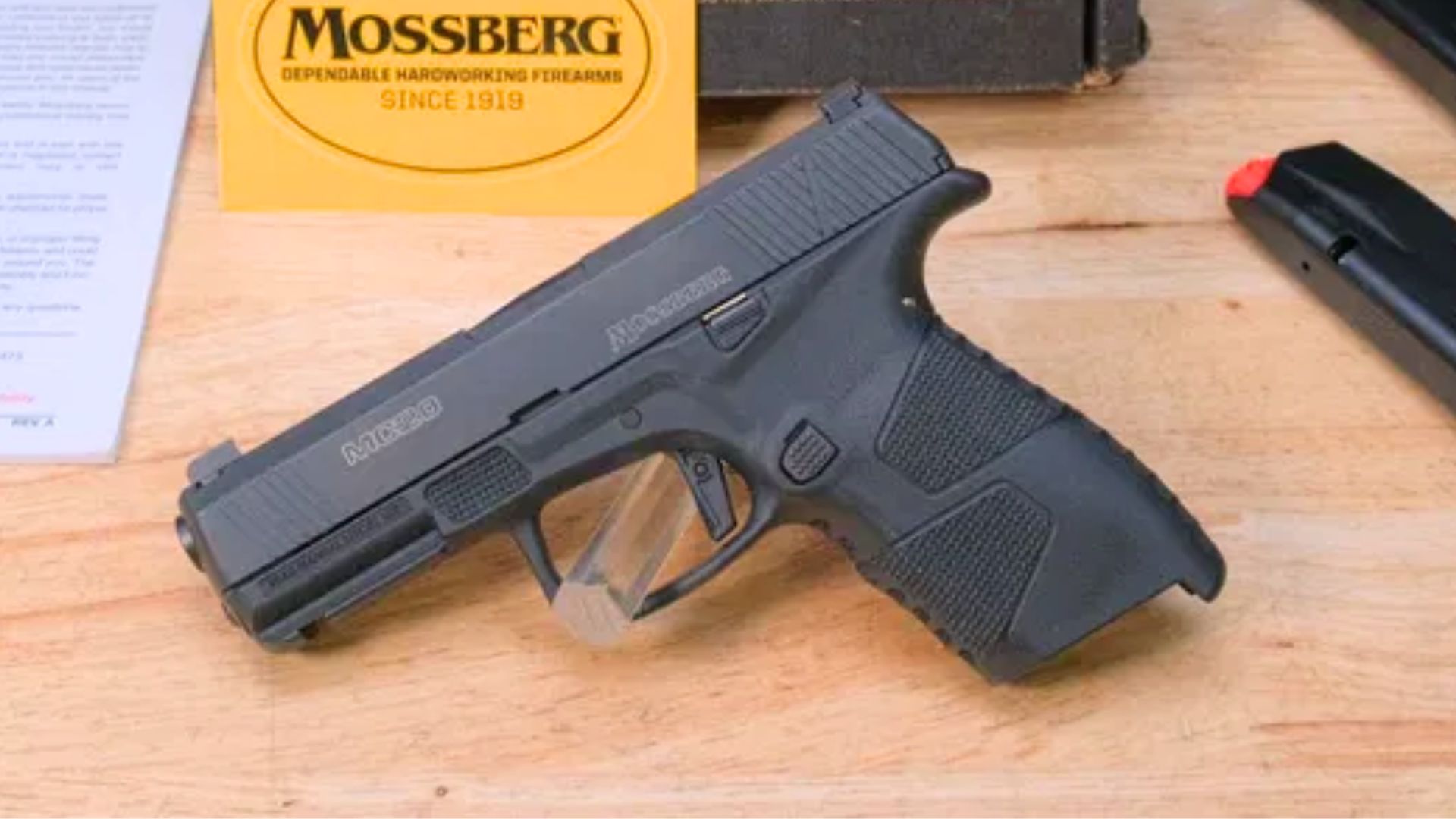
The Mossberg MC2c is a compact 9mm that deserves some credit because Mossberg did a better job with pistols than many expected. It is slim, practical, and reasonably priced. Some owners have had very good luck with it.
Still, it is hard to recommend as a reliability-first choice over more established compact pistols. Mossberg’s pistol line is still relatively new compared with the giants in the category, and support is thinner. It may be a decent handgun, but serious buyers usually want more than decent when the question is trust.
Shadow Systems CR920
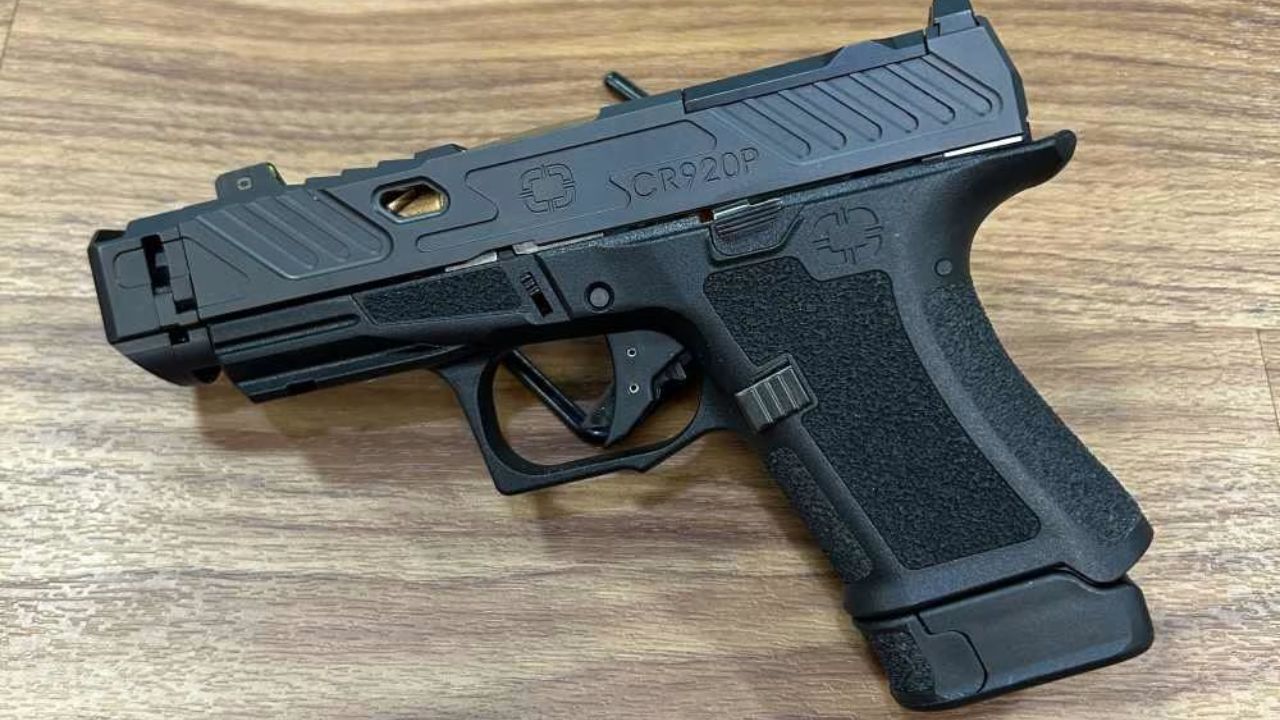
The Shadow Systems CR920 is attractive because it gives Glock-style buyers a more customized carry pistol right from the factory. Better sights, better texture, optic options, and improved features make it tempting compared with buying a Glock and upgrading everything later.
The issue is that tighter, more upgraded pistols can be less forgiving than the basic guns they are based on. Some CR920 owners have reported break-in needs, feeding issues, or reliability quirks that would make a cautious buyer nervous. It can be a great pistol, but if reliability is priority one, a plain Glock 43X or Glock 48 is often easier to trust.
Like The Avid Outdoorsman’s content? Be sure to follow us.
Here’s more from us: