Photo credit: AvidOutdoorsman
Backyard ranges are one of those rural perks you don’t appreciate until you lose them. A man set up a simple shooting lane behind his house, kept it tidy, and used it for everything from sighting in deer rifles to banging steel with a .22 after work. For two years, nobody said a word.
Then a new neighbor moved in. Within a few months, the quiet routine turned into phone calls, visits, and eventually a criminal charge tied to reckless endangerment. And it all came down to a question most of us never think to ask until it’s too late: “Is my range safe enough to satisfy a deputy and a judge, not just me?”
A common rural setup that worked—until it didn’t
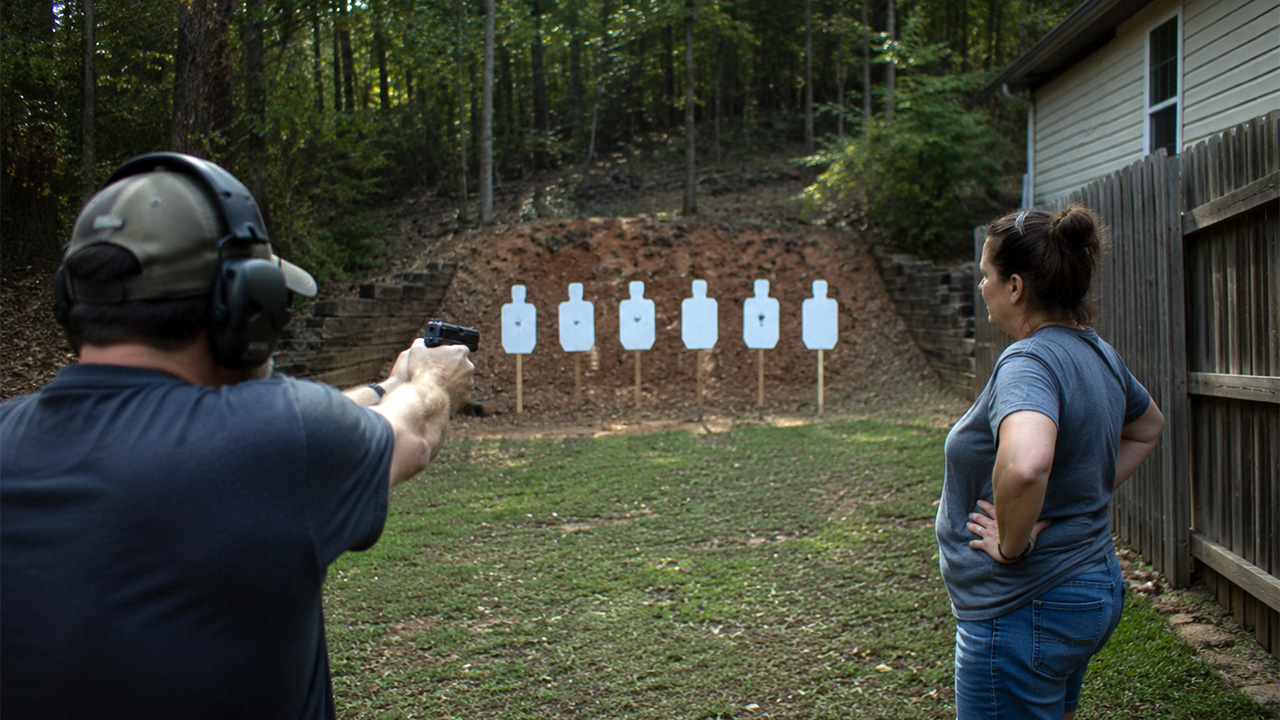
The range was typical: a cleared lane cut into the back side of the property, targets set close enough to be useful, and a dirt berm built up as a backstop. Nothing fancy. The shooter kept it daylight-only, avoided late evenings, and didn’t run it like a commercial operation.
He also did what plenty of responsible folks do without ever calling it “risk management.” He shot into a natural rise, stayed mindful of what was beyond the berm, and didn’t invite a crowd. It wasn’t a party spot. It was a personal range.
The new neighbor saw danger where the old neighbors saw normal
The first sign of trouble wasn’t a confrontation at the fence line. It was complaints—noise, “bullets whizzing,” fears about kids playing outside. The new neighbor wasn’t raised around shooting and didn’t see it as a routine part of rural life. To them, each shot sounded like a problem that needed solving.
That’s the first lesson in this kind of dispute: you can be doing something legal and still find yourself fighting for your reputation. A new person shows up with different expectations, and suddenly your “normal” becomes their “unsafe.”
In this case, the new neighbor reportedly began documenting dates and times, noting when rifle shots sounded faster or louder, and bringing those notes to local law enforcement. It wasn’t just annoyance. It became framed as a safety issue.
One complaint turned into an investigation, and the details mattered
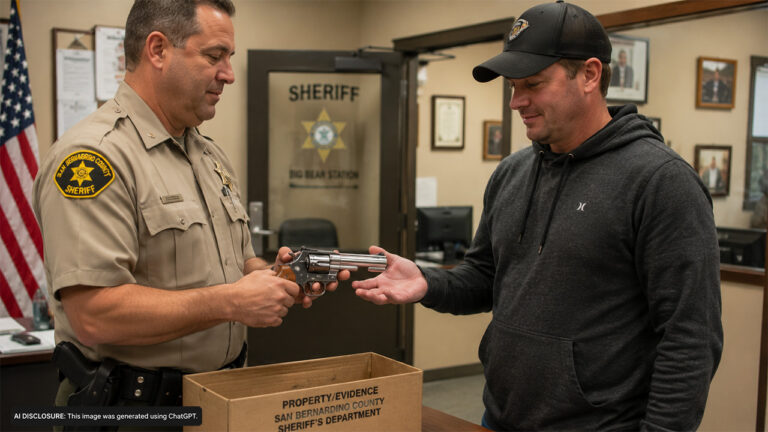
When deputies showed up, they weren’t there to argue gun rights on principle. They were there to decide if rounds could leave the property or if the setup created a substantial risk to other people. That’s where backyard ranges live or die—geometry, terrain, and what’s downrange and beyond.
A dirt berm can be a solid backstop, but only if it’s built right and used right. If targets are set too high, if shooters are standing on a slope that changes the angle, or if erosion has cut the berm down, you can have a situation where a miss goes somewhere it shouldn’t. Even if it never has.
What often surprises landowners is that “nobody’s been hurt” doesn’t end the conversation. Reckless endangerment claims don’t require an injury. They’re about the risk created. So if an investigator stands in the neighbor’s yard and sees a potential line where a round could travel, the tone changes fast.
The charge that scares landowners: reckless endangerment
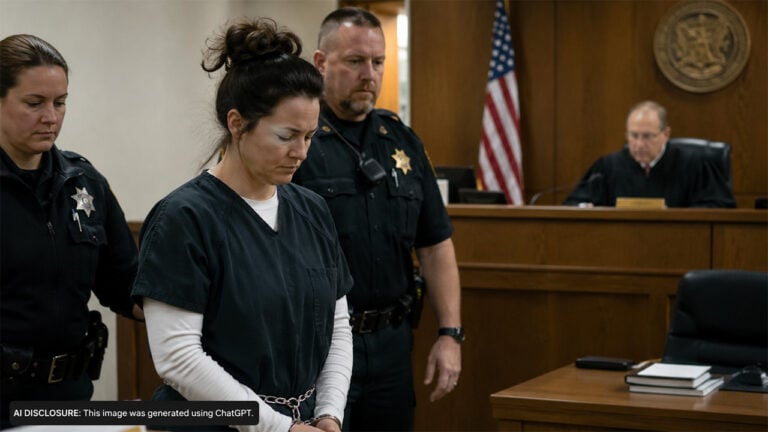
Getting hit with a reckless endangerment charge over a backyard range rattles people for a reason. It’s not a simple noise complaint or a neighborly disagreement. It’s a criminal allegation tied to safety, and it can come with bond conditions that effectively shut your range down overnight.
It also creates a paper trail that can follow you. Even if a case gets reduced or dismissed later, you’ve still dealt with the stress, the expense, and the fact that your hobby now has a case number. For hunters and shooters who keep their noses clean, that alone feels like punishment.
And here’s the ugly part: once the system is involved, “just talking it out” usually isn’t an option anymore. People get defensive. Lawyers get hired. Everybody stops being flexible.
What folks argued about: property rights versus “safe enough”
When stories like this make the rounds at the local feed store or online, the comments split into a few predictable camps. One side says, “It’s his land—end of story.” The other side says, “If the neighbor feels unsafe, something has to change.”
Out in the real world, both points can be partially true. Yes, private land use matters. But a private range still has to be designed and operated safely, and “safe” has to hold up under scrutiny, not just personal confidence.
A lot of experienced shooters also pointed out that new development changes the game. A pasture that used to be empty can become a homesite. A back forty can turn into a kid’s play area. You may not have changed anything, but the environment around you did.
Some folks focused on noise and courtesy—suppressed rimfires, limiting mag dumps, setting “range hours,” or giving neighbors a heads-up during deer season sight-in weekends. Others fixated on documentation: photos of the backstop, property maps, and a written description of the direction of fire in relation to homes and roads.
The practical moves that could’ve prevented a courtroom fight
If you’ve got a backyard range—or you’re thinking about building one—this is where the rubber meets the road. Don’t wait for a complaint to evaluate it like an outsider. Stand where the neighbor stands. Look for any line-of-sight over the berm, any elevated firing position, any angle that could send a round higher than intended.
Many landowners can improve safety without turning their place into Fort Knox. Bigger backstops, better target placement, and stricter rules about what gets shot and from where go a long way. If your berm is modest, don’t run high-velocity centerfire into small targets at long distance where misses are common. Keep it practical and controlled.
It also helps to be proactive with local rules. Some counties and towns have discharge ordinances, set-back requirements from dwellings, or restrictions based on lot size. Even when it’s legal to shoot, violating a local ordinance can give a complaint real traction.
And, like it or not, neighbor relations matter. A five-minute conversation early on can prevent a year of bitterness later. You don’t have to ask permission to use your land, but you can set expectations: when you shoot, what you’re shooting, and what safety measures you’ve got in place.
Where it leaves rural shooters
This kind of case is a reminder that “I’ve done it for years” isn’t armor. All it takes is one new set of eyes, one uneasy family, or one deputy who views your setup differently than you do. Backyard ranges can be a blessing, but they’re also a responsibility that has to stand up to changing neighbors and changing circumstances.
If you’re shooting on your property, take a hard look at your backstop, your angles, and what’s downrange—not just today, but five years from now when someone else builds a house or clears a lot line. The goal is simple: keep it safe, keep it legal, and keep it boring enough that nobody has a reason to call it reckless.