Photo credit: elena_prosvirova/Shutterstock.com
Some folks assume that just about any gun will do the trick in bear country. That kind of thinking can get you into serious trouble. Black bears may not be as big as grizzlies, but they’re tough, fast, and don’t always back down. If you’re carrying for defense, certain calibers just don’t cut it. Here are the rounds that might make noise—but not much impact—when it counts.
.22 LR

A .22 might be great for plinking or squirrels, but it’s not going to stop a charging black bear. Even well-placed shots likely won’t penetrate deep enough to do meaningful damage fast enough.
Some survivalists carry a .22 for small game, but it should never be your only firearm in bear territory. If that’s all you’ve got, you’re betting on a perfect shot under stress—good luck with that.
.25 ACP

This little pocket round struggles to impress in self-defense scenarios, let alone against something with claws and attitude. The .25 ACP simply lacks the velocity and energy needed to stop a bear.
You might as well throw rocks. It’s better than nothing, sure—but only barely. If you’re carrying a .25 ACP as bear defense, it’s time to reconsider your entire plan.
.32 ACP

It has a little more punch than a .25, but still falls way short for bear defense. The .32 ACP was made for two-legged threats at close range—not dealing with a 300-pound animal charging at you.
Even expanding bullets in this caliber won’t go deep enough to stop a determined bear. It’s fine for backup carry, but not for backcountry protection.
.380 ACP

Plenty of folks carry .380 for self-defense, but against a black bear, it’s a gamble. The penetration is often shallow, and the energy just isn’t enough to guarantee a stop.
You might get lucky if the bear is small and the shot is perfect, but that’s a lot of ifs. There are better compact options out there with more stopping power.
9mm FMJ
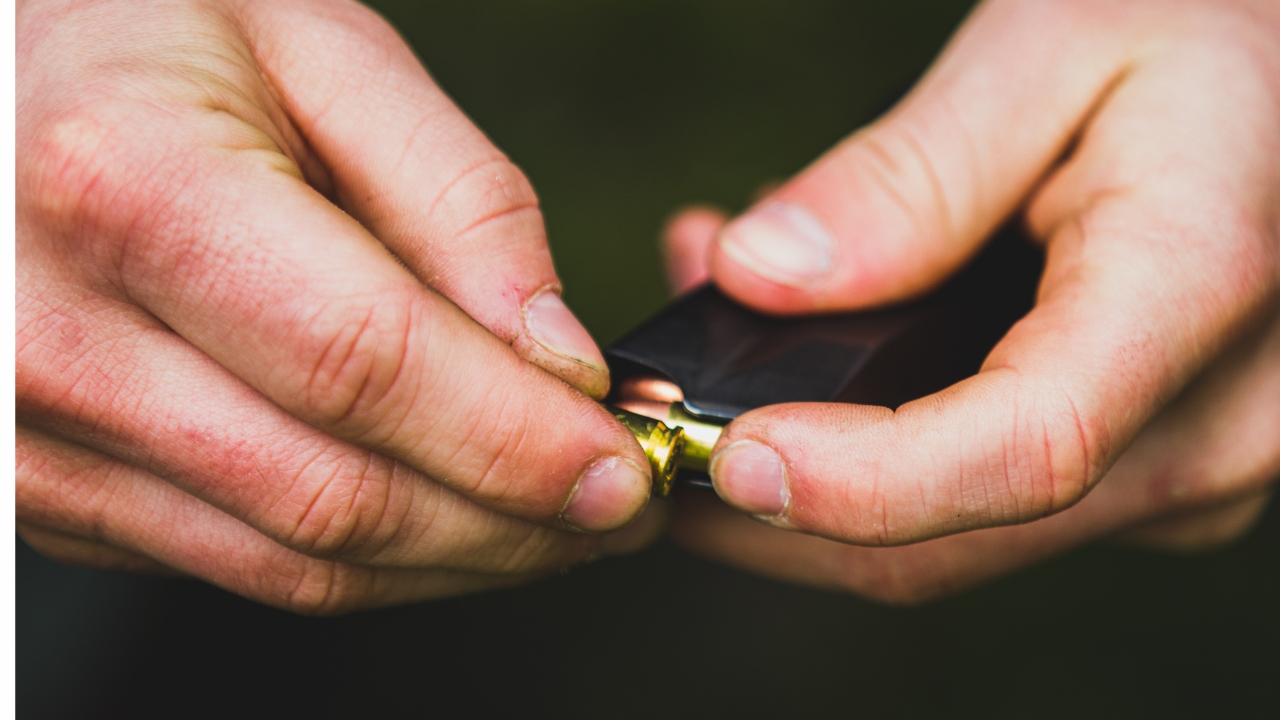
While 9mm hollow points are decent for personal defense, full metal jacket rounds don’t expand—and against a bear, that matters. FMJs might poke through, but they won’t do the damage needed to stop the threat quickly.
Some folks carry 9mm +P with hardcast rounds designed for penetration, but standard FMJ just doesn’t cut it. It’s not about poking holes—it’s about stopping the charge.
.38 Special

This one shows up often in bear defense debates. While it’s a classic revolver round, most factory .38 Special loads don’t hit hard enough. Expansion is limited, and penetration can be spotty.
Unless you’re shooting high-pressure +P loads with the right bullet design, the .38 is just barely on the edge. Standard loads won’t give you the margin of error you want in a real encounter.
.40 S&W

It’s a capable round for urban carry, but in the woods, it’s not the best choice. The .40 S&W just doesn’t offer the penetration or power you need for reliable bear defense.
It might deter a curious bear, but if things get serious, it likely won’t be enough. A bigger, deeper-penetrating bullet is the safer bet.
.45 ACP

Big and slow doesn’t always mean better. While the .45 ACP is known for stopping threats in self-defense, its performance against thick-skinned animals is underwhelming.
Penetration is the real problem. It’s not about caliber size—it’s about reaching vital organs through muscle and bone. And the .45 often just doesn’t go deep enough.
.410 Bore (with birdshot)

Some folks carry a Taurus Judge or similar .410 revolver thinking it’ll do the trick. But with birdshot? Not even close. It might sting, but it won’t stop a bear.
If you’re set on .410, you need proper slugs or heavy loads. Birdshot is for snakes and tin cans—not large, angry wildlife with teeth.
.223 Remington

This one surprises people. Sure, it’s fast, and it’s used by the military—but it’s not designed for large animals. The lightweight bullets tend to fragment or fail to penetrate deeply enough.
Even with heavy bullets or bonded soft points, the .223 is still a marginal choice. Against a charging bear, you’d want something that hits harder and goes deeper.
*This article was developed with AI-powered tools and has been carefully reviewed by our editors.