Photo credit: R & L Guns & Ammo LLC/YouTube
Some guns spend years hiding in plain sight. They are not rare enough to scare buyers into moving fast, not flashy enough to dominate conversations, and not new enough to get counter buzz. They sit in used racks, show up at pawn shops, and get passed over because everyone assumes there will always be another one.
Then the market changes. Production ends, imports dry up, collectors get interested, or shooters finally realize the gun had more value than the old price suggested. Suddenly, the easy-to-ignore firearm becomes the one people complain about not buying when they had the chance.
Remington Model 81 Police Special

The Remington Model 81 Police Special was easy to ignore when old semi-auto hunting rifles were still treated like heavy curiosities. It looked dated, felt mechanical in a way modern rifles do not, and did not fit the clean bolt-action hunting trend most buyers chased.
Now the Police Special versions have a much different pull. The law-enforcement connection, limited numbers, and unusual long-recoil design make them far more interesting than a regular old woods rifle. Good examples are not sitting around cheap anymore. Buyers who walked past them years ago usually wish they had paid more attention.
Colt 6920 SOCOM
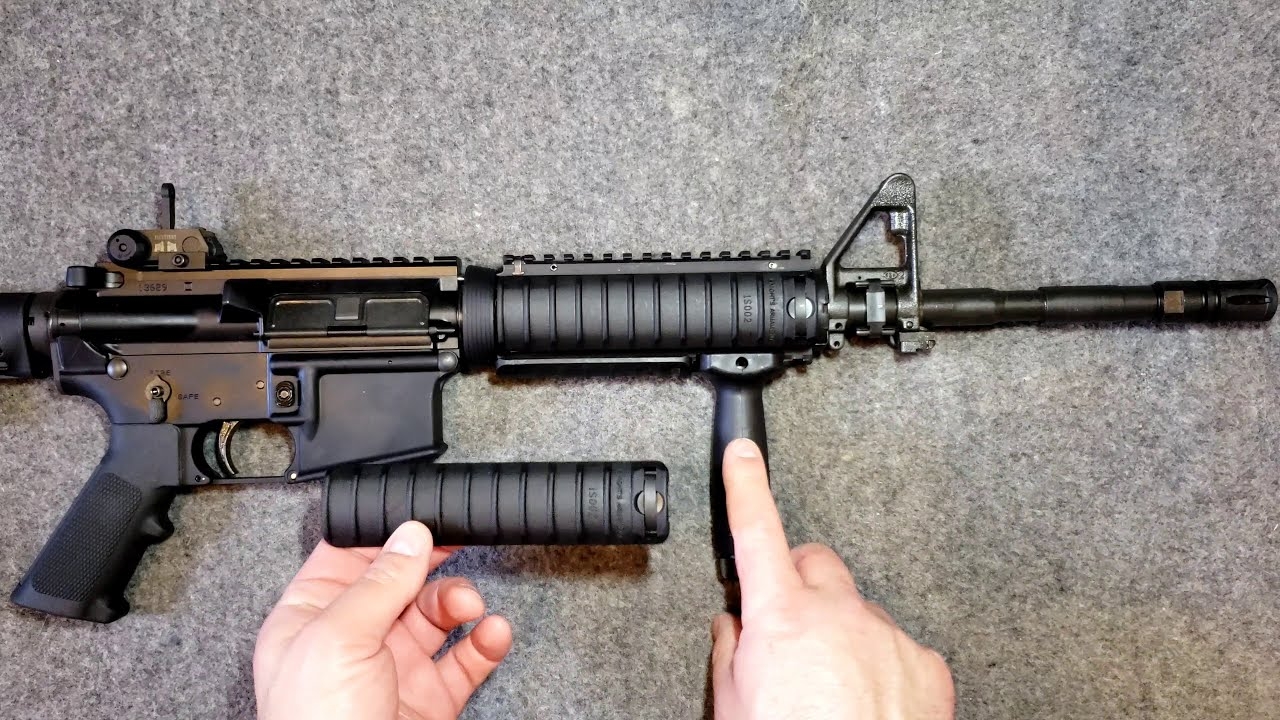
The Colt 6920 SOCOM was once just a heavier-barreled Colt AR to many buyers. It had the right markings and configuration, but plenty of people passed because basic ARs were everywhere and the market was full of cheaper options.
That casual attitude did not last. Colt collectors and AR buyers started caring more about factory configurations, barrel profiles, roll marks, and discontinued variants. The SOCOM models became harder to casually replace, especially in clean condition. It went from another expensive Colt on the rack to a rifle buyers now chase with a lot more urgency.
Smith & Wesson Model 520
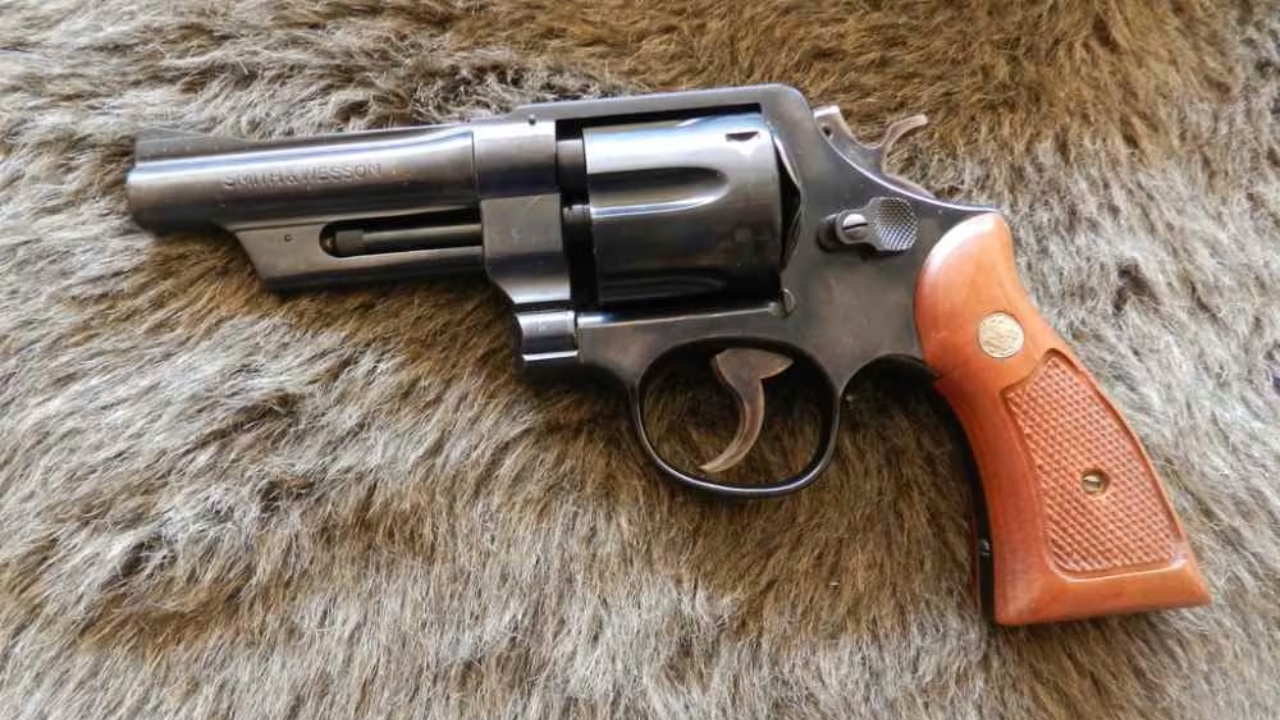
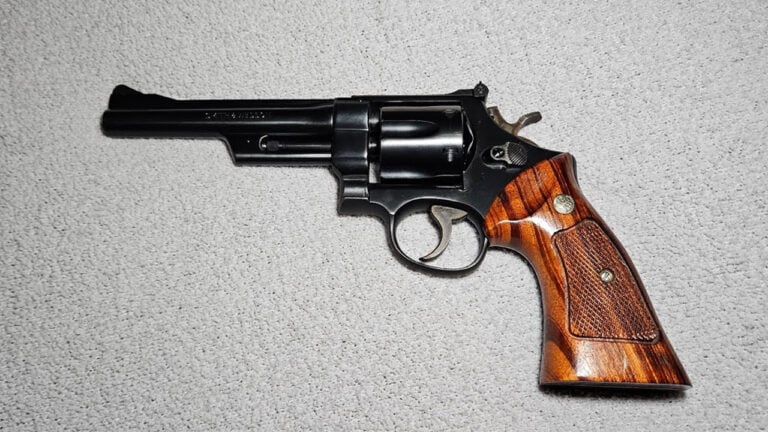
The Smith & Wesson Model 520 was not the revolver everyone talked about. It was a fixed-sight N-frame .357 made in limited numbers, and for years many shooters barely knew what they were looking at.
That is exactly why it became expensive once collectors paid attention. It has the size and strength of the N-frame, the practical appeal of .357 Magnum, and enough scarcity to make clean examples stand out. A buyer who ignored one because it looked like a plain service revolver probably regrets that now. Plain can get costly when there are not many around.
Winchester Model 1907
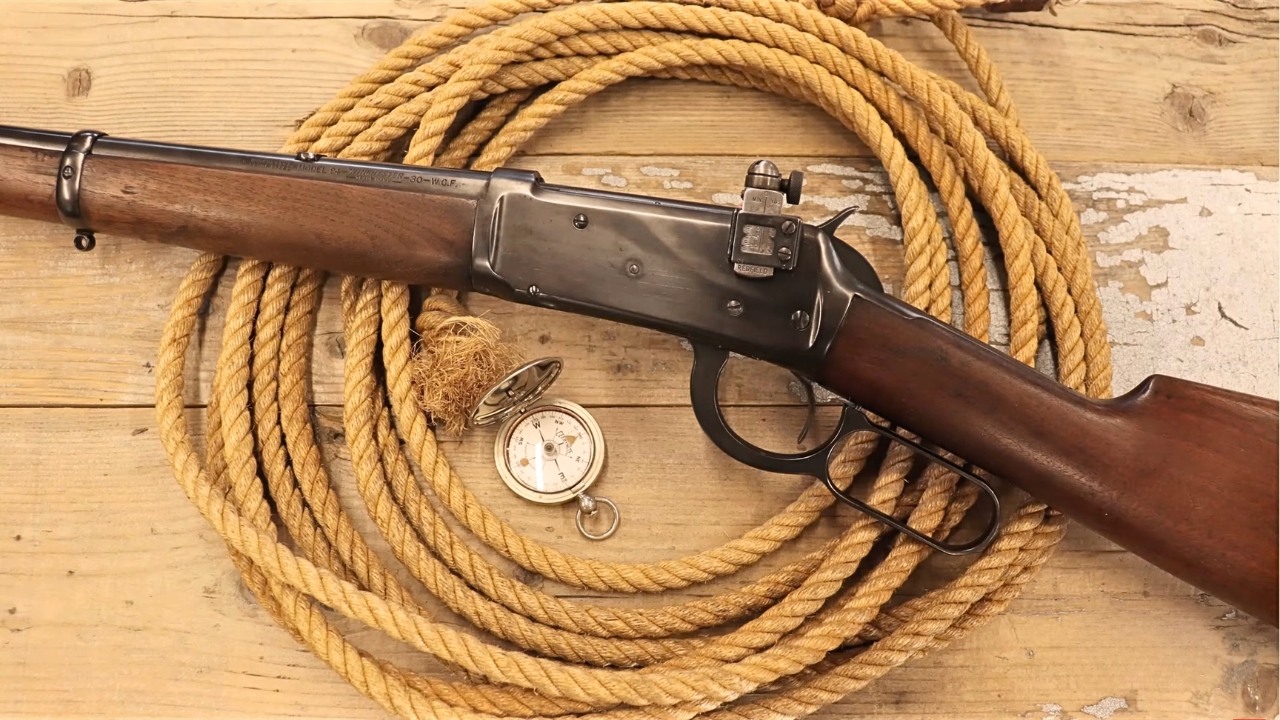
The Winchester Model 1907 looked like an odd old semi-auto to a lot of modern buyers. Its .351 Winchester Self-Loading chambering was not exactly convenient, and the rifle seemed more like a collector’s wall piece than something practical.
That view helped keep people from grabbing them when prices were softer. Now the Model 1907 has real historical appeal, especially because of its law-enforcement, prison-guard, and early semi-auto rifle connections. Ammunition is still a challenge, but rarity and history matter. What once looked like a strange old rifle now brings serious interest from Winchester and early semi-auto collectors.
Browning 71
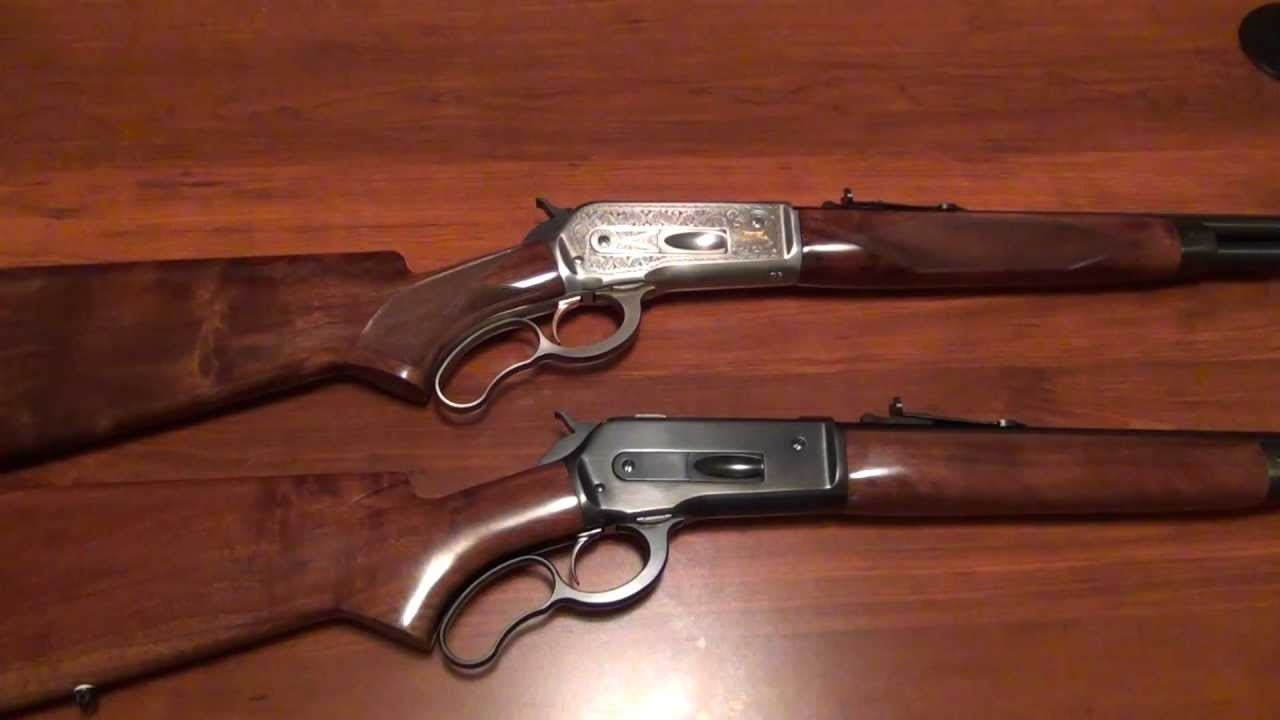
The Browning 71 was easy for some hunters to ignore because it was a reproduction of a rifle chambered in .348 Winchester, a cartridge not exactly sitting in every small-town store. It seemed specialized, expensive, and a little outside normal deer-rifle needs.
Now that looks like the exact reason people should have bought one. The Browning 71 gave shooters Model 71 style and quality without needing to chase an original Winchester. As big lever guns and discontinued Browning reproductions gained interest, prices climbed hard. Buyers who once thought it was too niche now find out niche can become expensive fast.
Ruger Bisley Blackhawk

The Ruger Bisley Blackhawk spent years being overlooked by shooters who did not understand the grip shape or did not care about heavy single-action revolvers. To some buyers, it was just another Ruger wheelgun with odd styling.
That changed as handgun hunters, heavy-load shooters, and revolver fans started appreciating what the Bisley grip does well. It handles recoil differently than the standard grip, especially in serious chamberings like .45 Colt and .44 Magnum. Clean examples in desirable configurations are not easy bargains anymore. The buyers who dismissed them often did not realize they were looking at one of Ruger’s smartest field revolver setups.
Browning 1886
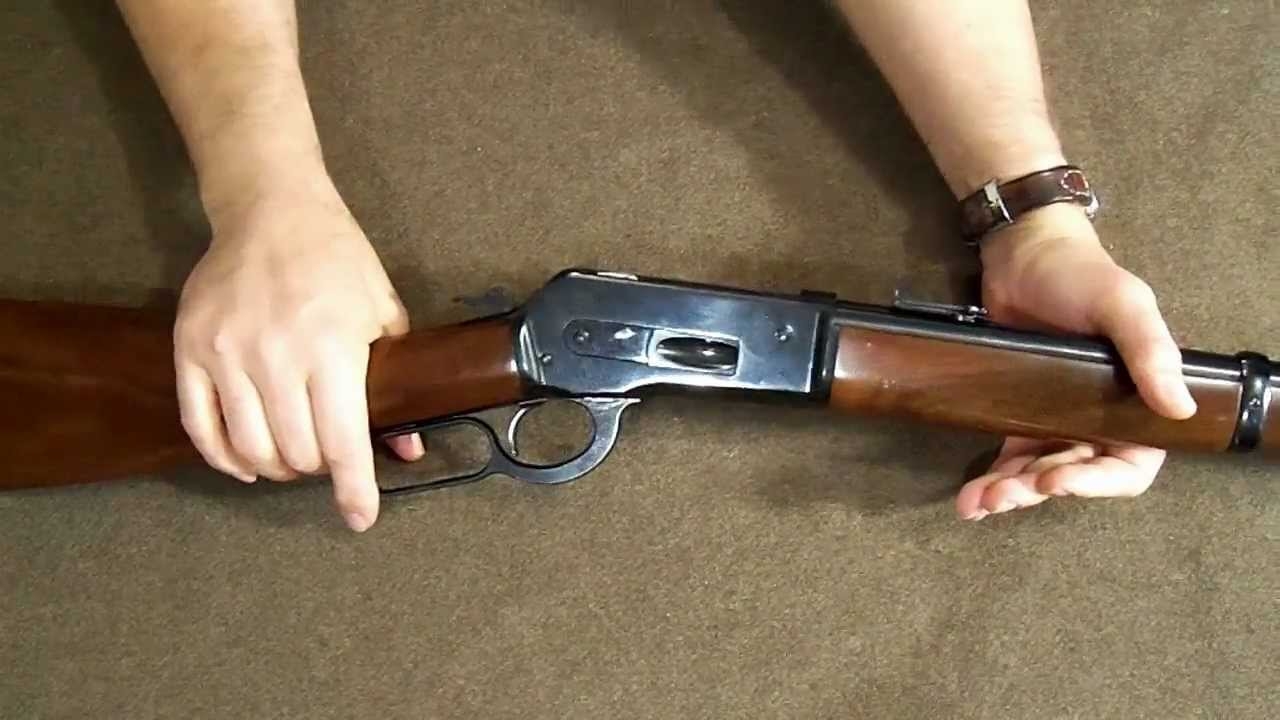
The Browning 1886 used to sit in that strange space between reproduction and collector gun. Some buyers wanted original Winchesters, while others did not want to pay for a big lever rifle in old-style chamberings.
That hesitation aged poorly. The Browning 1886 rifles are beautifully made, strong, and tied to a classic big-game lever-action design. Chamberings like .45-70 gave them real hunting usefulness, not just display appeal. As lever guns got hotter and high-quality reproductions became harder to find, the Browning 1886 stopped being easy to ignore. Now it can be painful to afford.
Smith & Wesson 4566
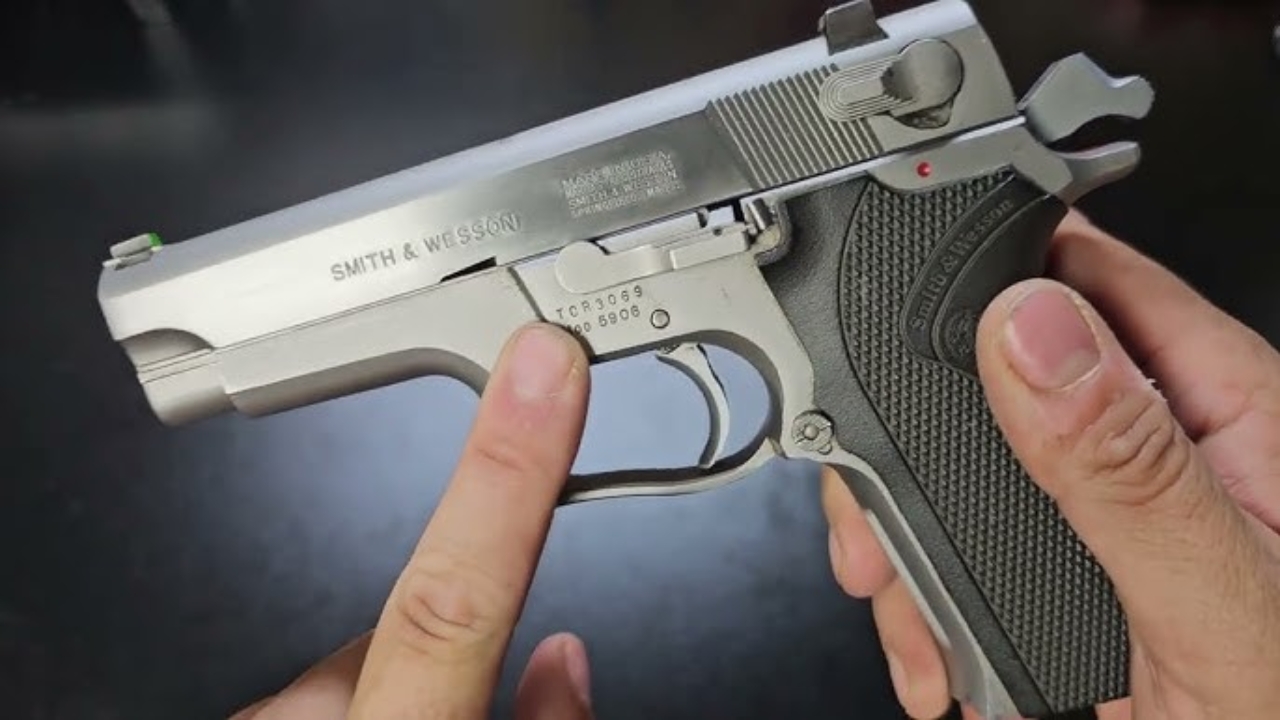
The Smith & Wesson 4566 was once just another heavy third-generation .45 duty pistol. When polymer guns took over, many buyers saw it as outdated, bulky, and not worth chasing.
Now old Smith autos have a much stronger following. The 4566 has stainless construction, a compact duty-size feel, and the kind of toughness that makes people miss metal service pistols. It is not light, but it shoots with confidence and has real old-school law-enforcement appeal. Buyers who ignored them as cheap used .45s now find that clean examples are not nearly as friendly to the wallet.
Marlin Model 62 Levermatic
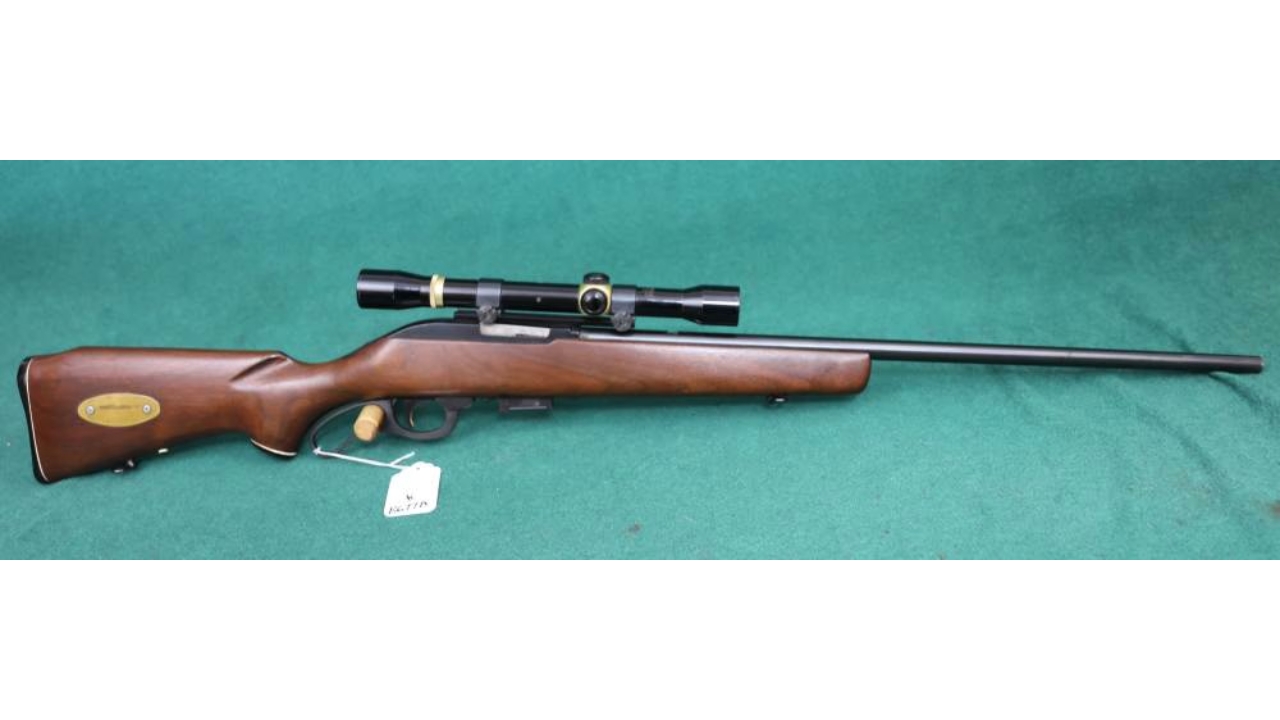
The Marlin Model 62 Levermatic was easy to overlook because it did not look or work like the lever guns most people pictured. The short-throw lever and box magazine made it different, and different often gets ignored until collectors catch on.
Now the Model 62 has a lot more interest, especially in chamberings like .256 Winchester Magnum or .30 Carbine. It is unusual, handy, and tied to a clever Marlin design that never became common enough to stay cheap forever. Buyers who passed because it seemed weird missed the point. Weird with real mechanical charm usually gets expensive later.
Colt 9mm AR Carbine
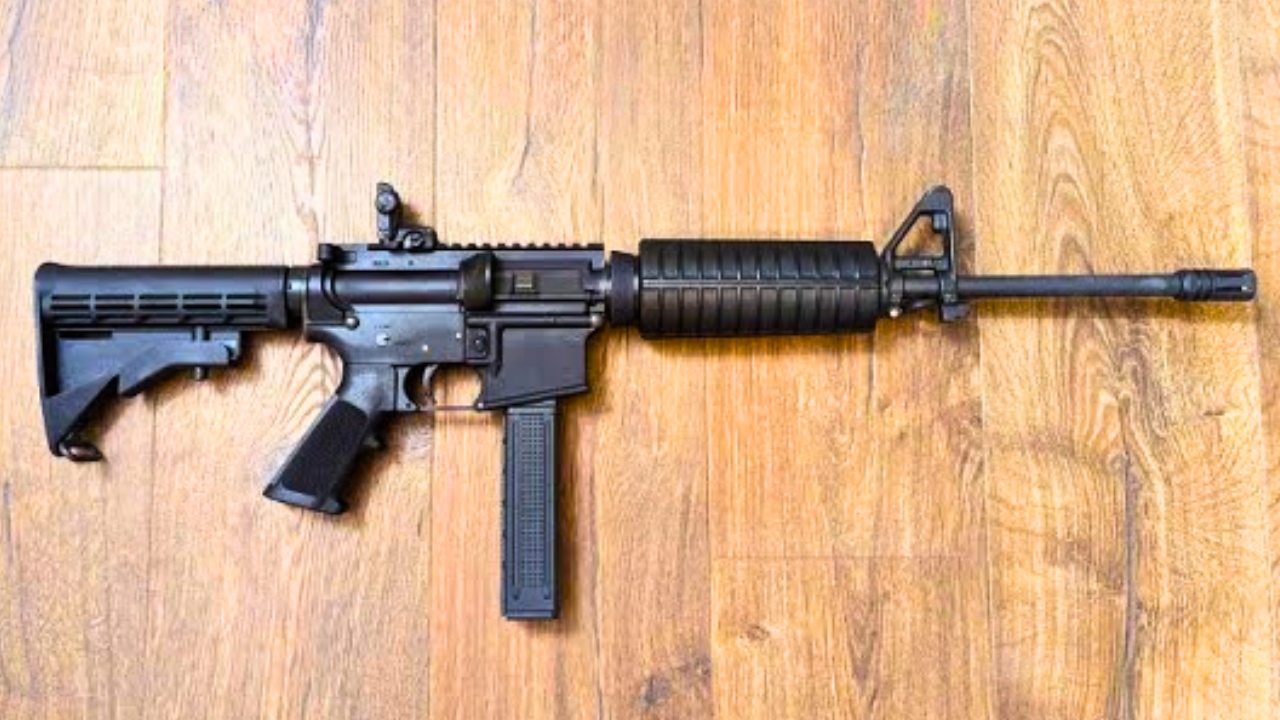
The Colt 9mm AR Carbine was once easy to pass over because 9mm carbines were not always taken seriously. A pistol-caliber AR looked less useful than a 5.56 rifle and less collectible than older Colt sporting rifles.
That changed once pistol-caliber carbines exploded in popularity and Colt-specific models became more interesting to collectors. The simple blowback system, classic Colt markings, and law-enforcement-style appeal made these carbines stand out. What once looked like a niche range toy became a desirable piece of Colt AR history. The old prices look almost insulting now.
Browning High Wall
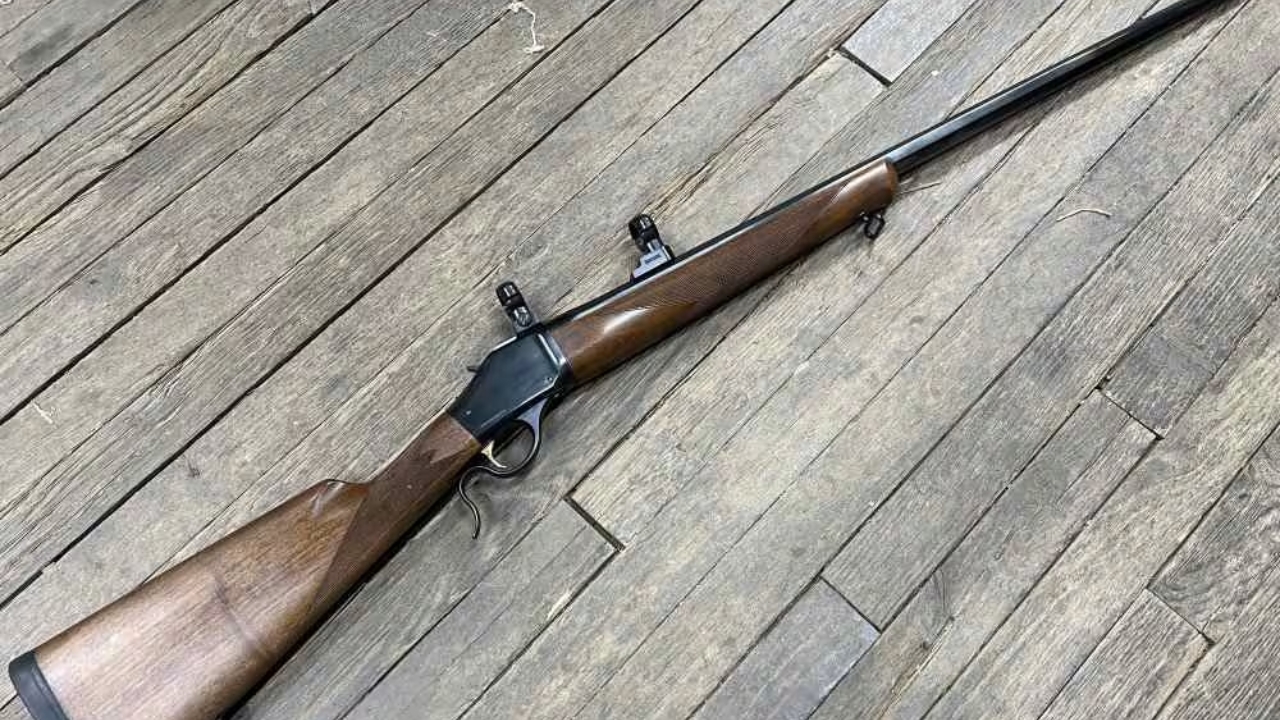
The Browning High Wall was not the rifle impatient buyers wanted. A single-shot falling-block rifle in traditional or powerful chamberings asks you to slow down, and that did not always match the market’s obsession with speed and capacity.
Patient shooters knew better, but many others walked past them. The High Wall had excellent build quality, classic lines, and real accuracy potential. As single-shot rifles became less common and high-quality Browning reproductions gained appreciation, prices moved up. It went from a rifle people admired but skipped to one they wish they had bought when it still felt reachable.
Ruger Model 96/44

The Ruger 96/44 looked a little odd when it was available. A lever-action .44 Magnum with Ruger rotary magazine DNA did not fit the traditional lever-gun crowd, and it did not appeal to everyone who wanted a semi-auto or bolt gun.
That made it easy to ignore. Now, with pistol-caliber carbines and compact woods rifles getting more attention, the 96/44 looks much more interesting. It is handy, practical at short range, and different enough to have a following. Since Ruger did not keep the line around forever, clean examples have become harder to buy without paying up.
Walther TPH

The Walther TPH was once just a tiny rimfire pocket pistol to a lot of buyers. Small .22 and .25 pistols did not always get much respect, especially from people focused on serious defensive handguns.
Collectors see it differently now. The TPH has the classic Walther look in a very small package, and quality examples have become far more desirable than their size suggests. It is not a hard-use fighting pistol. It is a neat, well-made little handgun with collector charm. People who ignored them when they were merely “small old Walthers” probably dislike current prices.
Remington Model 673 Guide Rifle
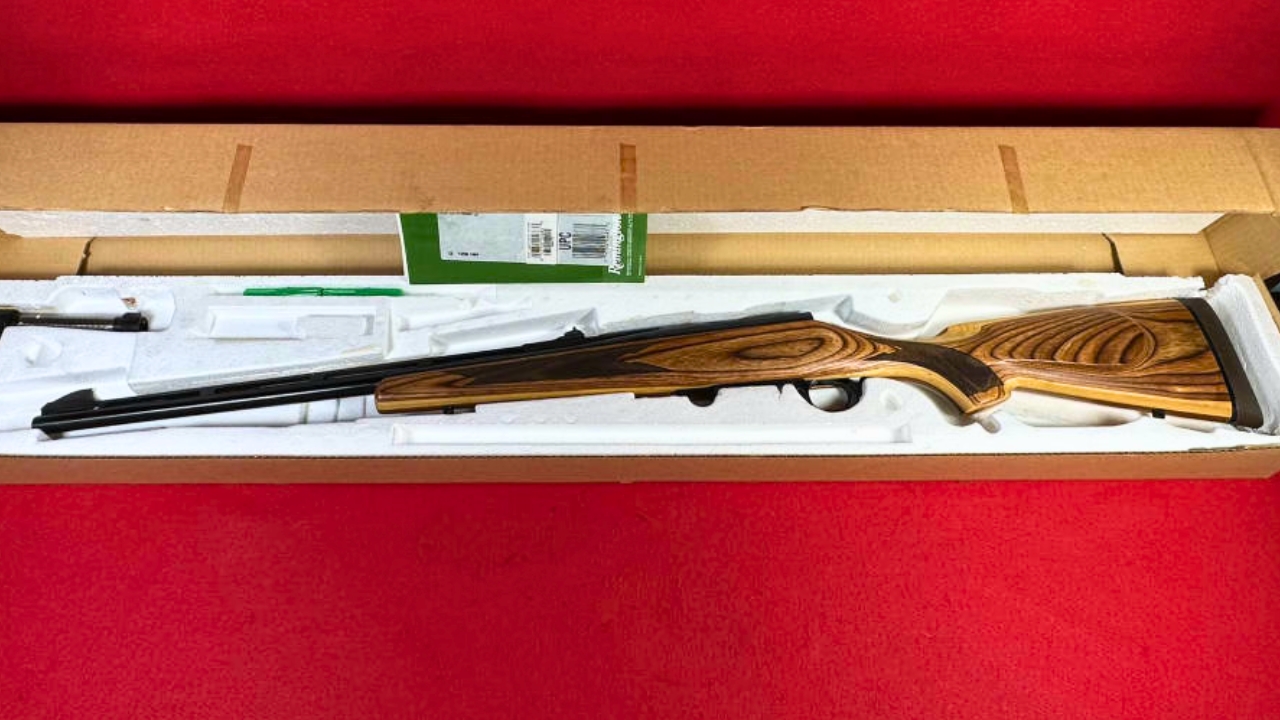
The Remington Model 673 Guide Rifle had a look that split opinions immediately. The laminated stock, vent-rib barrel, and compact magnum personality made it seem strange beside more conventional bolt guns.
That odd look is part of why it stands out now. Chambered in hard-hitting rounds like .350 Remington Magnum and .300 Remington SAUM, the 673 had real short-range hunting authority. It was not around long enough to become common, and that makes clean examples interesting today. Buyers who laughed at the styling sometimes wish they had bought the rifle before everyone realized uncommon Remingtons do not stay cheap.
Beretta 950 Jetfire
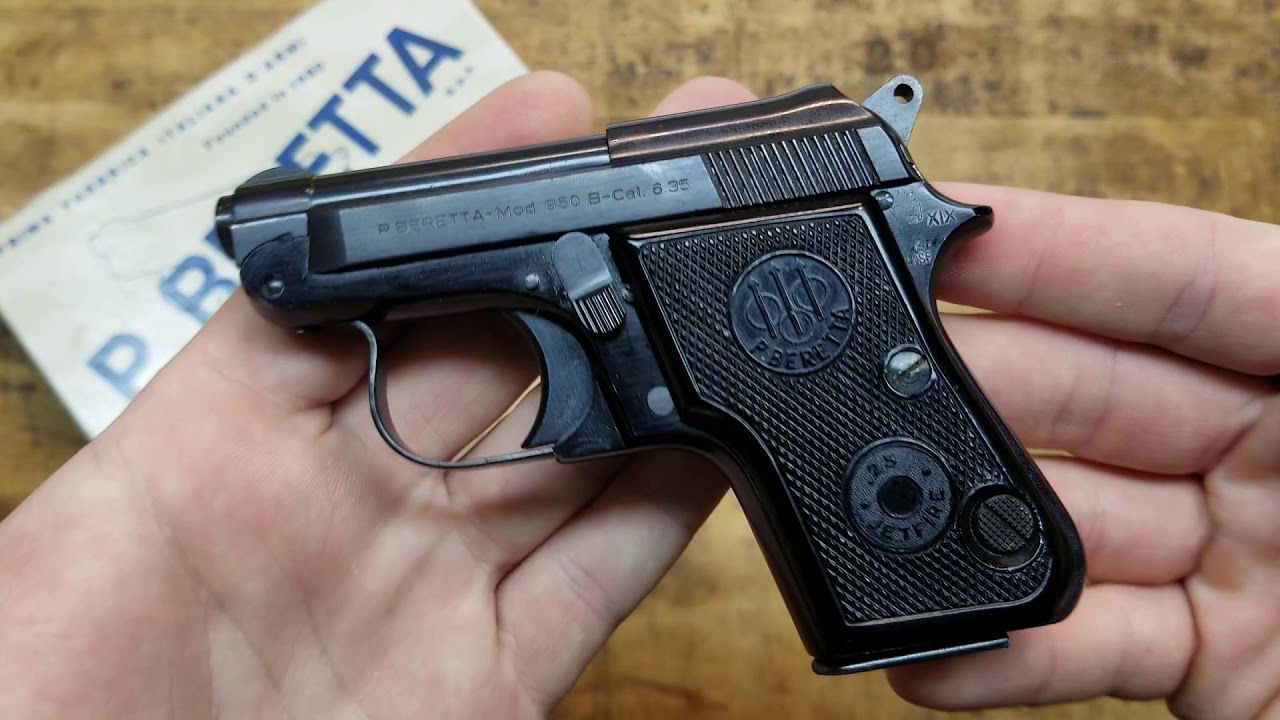
The Beretta 950 Jetfire used to be one of those tiny pistols people treated as a neat pocket curiosity. It was small, mild, and not taken very seriously once modern carry guns took over.
Now nice examples have become harder to casually buy. The tip-up barrel, classic Beretta styling, and tiny size give it real collector and nostalgia appeal. It may not be the pistol most people choose for defense today, but it has charm modern pocket guns rarely match. The Jetfire went from easy to dismiss to surprisingly expensive for anyone trying to replace a clean one.
Like The Avid Outdoorsman’s content? Subscribe to our newsletter so you never miss an article.
Here’s more from us: