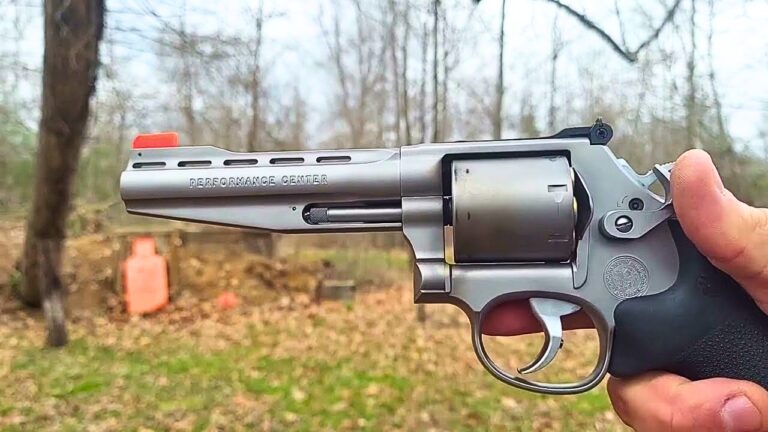
Photo credit: Herrington Arms/YouTube
We may earn revenue from products featured on this page through affiliate links.
The early wave of “new for 2026” firearms is already showing the same split the market has been drifting toward for years: familiar platforms getting smarter updates, and a smaller batch of genuine “new systems” that try to solve real-user problems instead of just adding another colorway. The 2026 cycle has been shaped heavily by the annual SHOT Show announcement window, where companies stack product drops to grab retailer and media attention all at once. The trick for everyday shooters is separating what’s actually useful from what’s basically marketing, because a lot of “new” guns are just line extensions that don’t change performance much in the field or at the range.
The real trend for 2026 is “factory-ready,” not truly “new”
If you want to understand what matters in the 2026 releases, ignore the hype words and look for one thing: how many products are shipping ready to run without you immediately paying for aftermarket fixes. That shows up in practical ways—optic-ready slides, cleaner mounting ecosystems, more usable ergonomics out of the box, and rifles that lean into modern “do-it-all” setups instead of being locked into one narrow purpose. Outdoor press coverage coming out of Las Vegas has highlighted that the biggest movement this year isn’t a single breakthrough gun, but a broad shift toward rifles and carbines that arrive with more complete feature sets, including options that range from budget-friendly to premium-price “lightweight” builds. That matters because the first year you see a trend, it’s often half-baked; the next year is when the designs start getting less gimmicky and more consistent.
Carry guns: the updates worth watching are the ones that reduce compromise
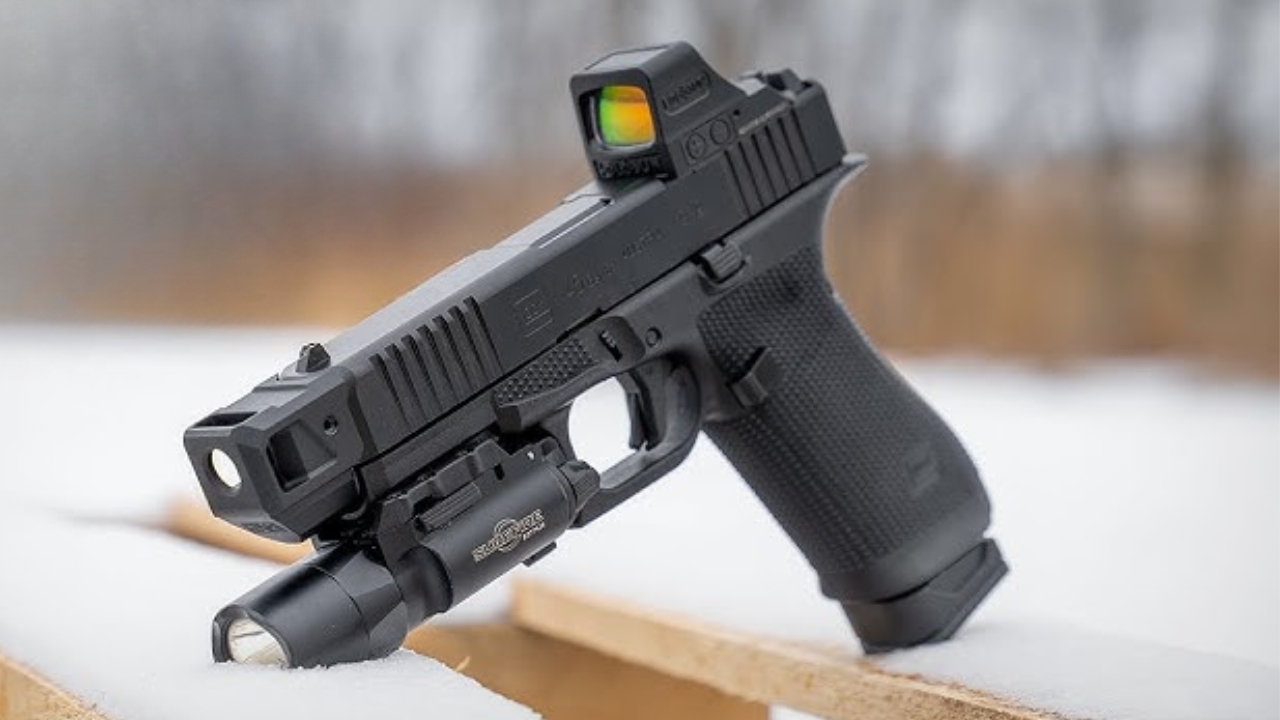
On the handgun side, what’s worth watching isn’t “another compact 9mm exists”—it’s when a maker changes something that affects how the gun carries, shoots, and mounts an optic without turning into a science project. One example is the Glock 19 Gen6 optics-ready model being positioned around updated ergonomics, revised grip texture, and an updated optics-mounting approach—exactly the kind of changes that tend to matter day-to-day for concealed carriers who actually put time behind the gun rather than just owning it. Another angle manufacturers keep chasing is modularity and grip-fit flexibility, which keeps coming up in “new for 2026” rundowns as brands compete to offer a better “fits more hands” experience without forcing buyers into a pile of parts swapping on day one.
Rifles: “general-purpose” is back, and that’s good news for hunters
For hunters and practical rifle owners, the 2026 rifle releases look less like a race to the most specialized niche and more like a return to rifles built to cover real needs: carrying easier, handling better, and being set up for common accessories without drama. Coverage of 2026 hunting rifle announcements has pointed out how many companies are leaning into updated lineups rather than totally reinvented actions, but that isn’t a bad thing if the updates land where they count—stock ergonomics, weight, and usable controls. A good illustration is the American Gen II Scout models, which have been pitched as a modern, general-purpose option built on an updated platform and offered in practical chamberings that fit how a lot of people actually hunt and train. That’s the kind of rifle direction that tends to last, because it matches what people end up doing in real life, not just what looks cool on launch day.
Shotguns and “tactical” launches: pay attention to reliability and handling, not the vibe
A lot of 2026 shotgun talk is going to come packaged as “tactical,” because that label sells, but what matters is whether the platform is genuinely built for smooth operation and repeatable handling. One of the louder entries is the 990 SPX variants, which have been described in terms of a durable gas system and user-focused handling features, plus configurations that clearly aim at defensive and utility use rather than traditional field roles. If you’re looking at these launches, the questions that matter are boring on purpose: does it run, does it load smoothly, does it point naturally, and is the sighting setup actually usable for your intended distance? Those are the details that decide whether a new shotgun becomes a staple or a safe-queen that only comes out when friends want to shoulder it.
Two picks you can actually compare prices on right now
A quick reality check for any launch-year gun is whether it shows up at major retailers in a way that lets you compare configurations without playing guessing games, and right now you can already see some 2026-relevant options listed through Bass Pro Shops. The optics-ready Glock 19 Gen6 listing is one example where the retailer’s page spells out the positioning around updated ergonomics and optic setup, which helps buyers evaluate what’s changed before they ever handle it. On the rifle side, the Ruger American Gen II line is also represented with listings that describe the adjustable stock features and other practical updates, which makes it easier to decide if the “new enough” changes are worth paying for versus sticking with what you already own. Those aren’t the only noteworthy 2026 guns, but they’re good “anchor points” because you can compare specs and pricing against proven alternatives instead of buying purely on launch buzz.
Like The Avid Outdoorsman’s content? Subscribe to our newsletter so you never miss an article.
Here’s more from us: