Photo credit: The Avid Outdoorsman
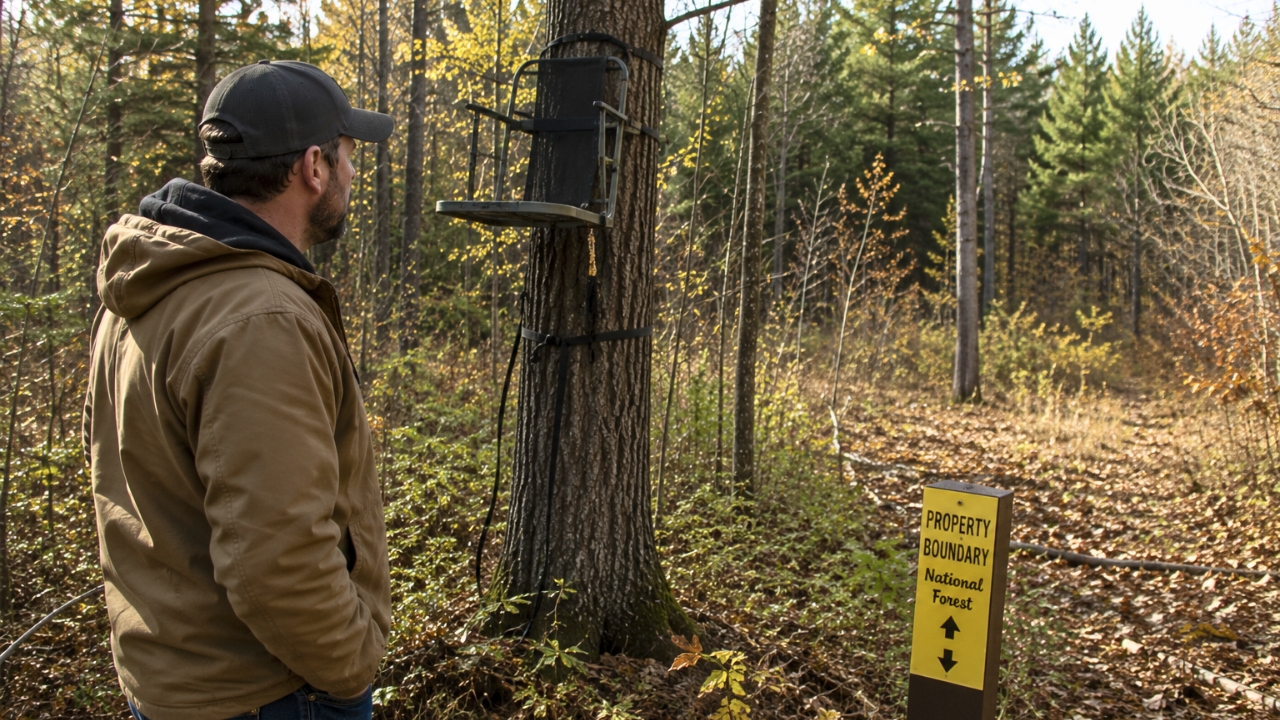
The homeowner said the stand was close to the edge of their property, near the line with national forest land. That detail made the situation less obvious than a stand placed deep in the middle of someone’s backyard woods. According to the Reddit post, the stand appeared to be on private property, but it was close enough to public land that the owner had to wonder whether someone had crossed the line by mistake.
The original Reddit post can be found here: https://www.reddit.com/r/legaladvice/comments/4pciya/found_hunting_stand_on_my_property_next_to_a/
That is a common problem anywhere private land borders public hunting ground. A hunter may use maps, old boundaries, memory, or rough landmarks and still end up on the wrong side of a property line. But from the homeowner’s perspective, intent does not change the immediate concern. A stand on private land means someone may return with a rifle or bow and hunt where they do not have permission.
The homeowner wanted to know what they could do with the stand. Could they take it down? Leave a note? Call a game warden? Wait to see who came back? None of those options felt perfect. Removing it might prevent unauthorized hunting, but it could also create a dispute if the hunter claimed it was on public land or that they made an honest mistake.
The national forest boundary made the situation even more important to document. In areas where public and private land meet, property lines can be easy to misunderstand in the woods. Trees, ridges, creeks, and old trails do not always match the legal boundary. A hunter may think they are legal because they are close to public land, while the landowner knows the stand is a few yards too far in.
Still, private land does not become public just because it sits next to a national forest. If the stand was on the homeowner’s property, the hunter needed permission. The safest next step was not a confrontation in the dark during hunting season. It was documentation, boundary confirmation, and the right call to the right authority.
Commenters told the homeowner to confirm the property line first. Several said a survey, GPS point, plat map, or official boundary marker would matter before accusing anyone of trespass. If the stand was truly on private land, the homeowner would have a stronger position.
Others recommended contacting a game warden or forest service officer. Since the stand was near public land, wildlife or public-land officers might know how to handle stands placed across boundaries and whether the hunter had violated any rules.
Some commenters suggested leaving a polite note on the stand if the homeowner wanted to give the hunter a chance to remove it. The note could say the stand appeared to be on private property and needed to be moved back onto public land immediately. Others preferred reporting it first, especially if the property was already posted.
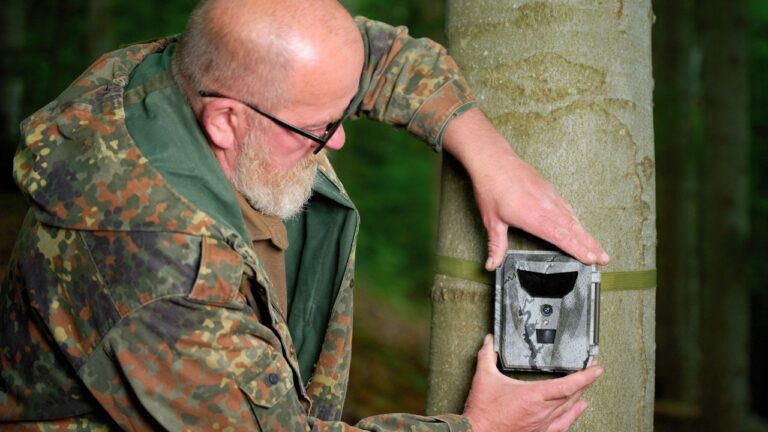
Trail cameras also came up. A camera placed safely on the homeowner’s land could identify who returned without forcing a face-to-face encounter. That would be especially useful if the hunter ignored a warning or continued using the stand.
The post ended with the homeowner trying to handle the situation carefully. The stand might have been a mistake. It might have been intentional. Either way, once hunting equipment shows up on private land near a public boundary, the landowner has to protect the property without turning one misplaced stand into a bigger fight.
Like The Avid Outdoorsman’s content? Subscribe to our newsletter so you never miss an article.
Here’s more from us: