Photo credit: T.A.B. Videos/YouTube
A handgun can sell itself before a single round gets fired. It feels good under the glass, the slide cuts look sharp, the brand name sounds right, and the feature list makes it seem like you are getting more gun for the money. That counter impression is powerful, especially when you are already halfway convinced.
The range is where the truth gets louder. A pistol that felt great for thirty seconds in a gun shop can suddenly feel snappy, awkward, picky, or harder to shoot than the cheaper gun beside it. These handguns are not all worthless, but they can leave buyers wondering why the excitement faded so fast once the target went up.
FN 503
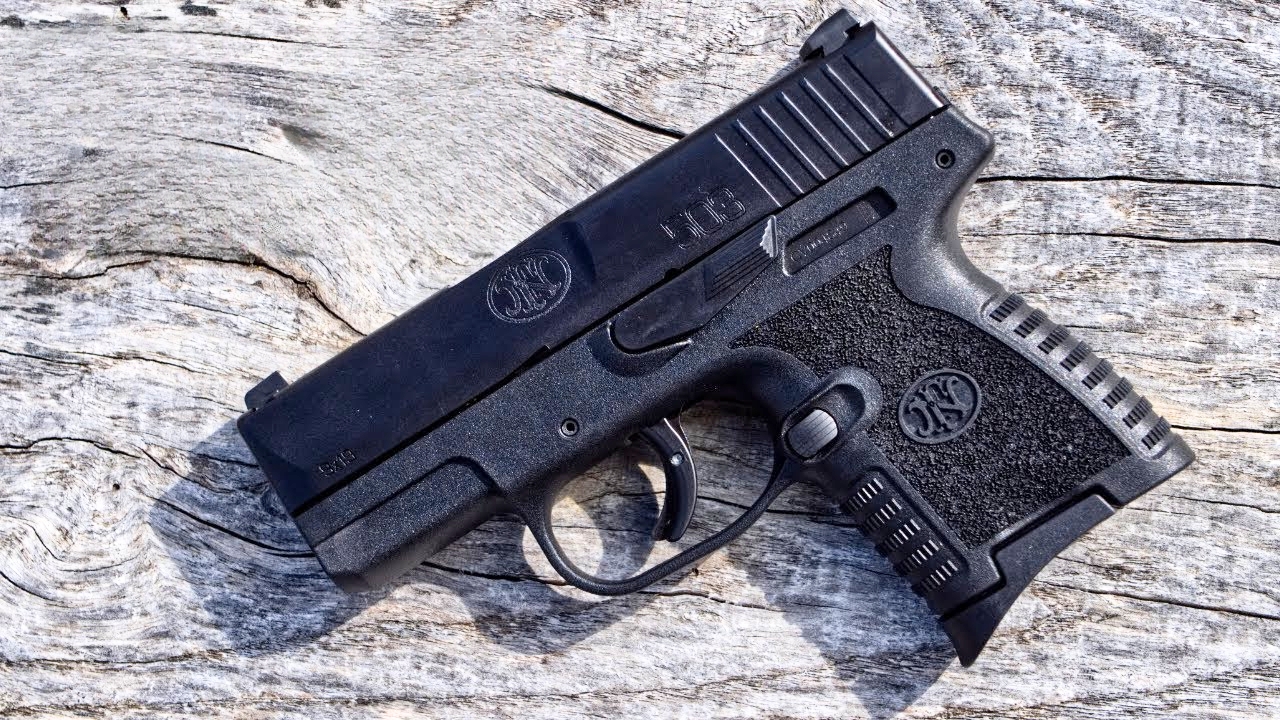
The FN 503 looks clean and serious at the counter. It is slim, easy to handle, and carries the FN name, which makes it feel like a safer buy than some random small 9mm. If you are looking for a simple concealed-carry pistol, it makes a decent first impression.
At the range, it can feel behind the curve fast. The capacity is dated, the grip is narrow, and the pistol does not give many shooters a strong reason to pick it over a Shield Plus, P365, or Hellcat. It may work, but it does not feel exciting once the shooting starts.
Ruger Max-9

The Ruger Max-9 sells well on paper because it gives you micro-compact capacity, optics-ready options, and Ruger pricing. At the counter, that combination makes it seem like a smart alternative to the more expensive carry pistols nearby.
The shooting experience can feel rougher than buyers expect. The trigger, recoil impulse, and grip texture do not click for everyone, and small pistols already punish weak fundamentals. Some shooters run them fine, but others leave the range feeling like they saved money and gave up comfort. A carry pistol has to make practice feel repeatable, not just affordable.
Kimber R7 Mako

The Kimber R7 Mako catches attention because it looks different from the usual micro 9mm crowd. The enclosed-style optic cut, blocky slide, and Kimber name give it a modern carry-gun pitch that seems more interesting than another plain polymer pistol.
Then shooters compare it directly to the leaders in the category. The grip feel, trigger, balance, and overall support do not always beat the guns people already trust. It may be a serious attempt, but “different” does not automatically mean better. At the range, some buyers realize the Mako sold them on curiosity more than performance.
Smith & Wesson CSX
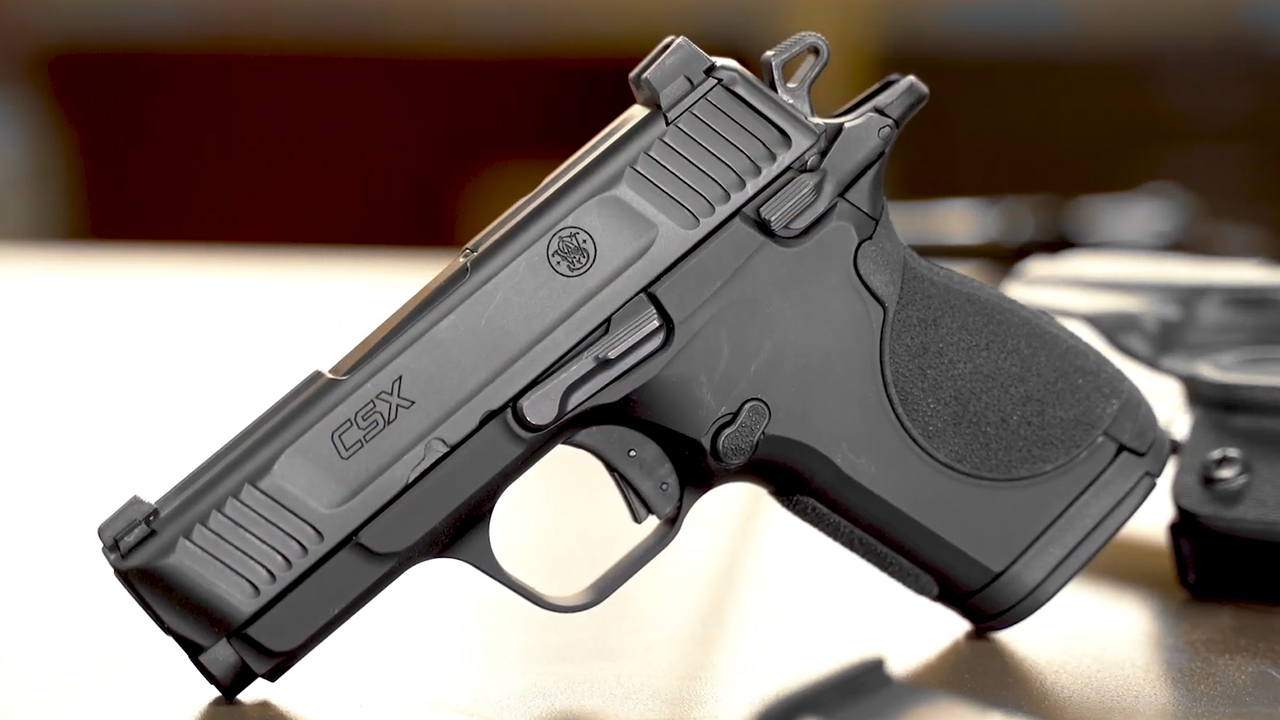
The CSX feels good in the case because it has an aluminum frame, good capacity, and a compact size that seems perfect for carry. It looks like a nicer, more refined alternative to all the polymer micro-compacts fighting for attention.
The trigger feel is where many buyers start second-guessing it. On a small pistol, a strange break or reset is harder to ignore because you have less grip and sight radius helping you out. The CSX is not impossible to shoot well, but many shooters find the Shield Plus easier, cheaper, and more natural. That makes the range trip sting.
Beretta APX Carry
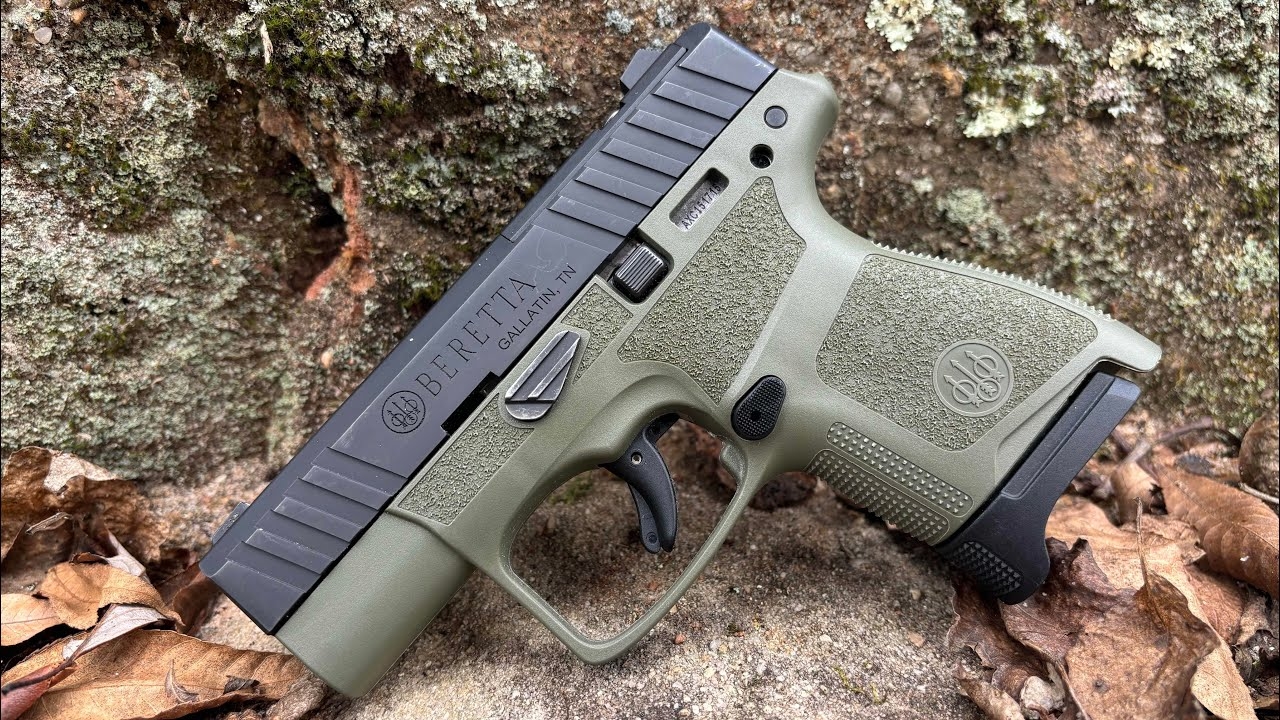
The Beretta APX Carry sounds like a solid little pistol from a trusted company. It is slim, simple, and backed by a brand with serious history. On the counter, it looks like a basic carry gun that should be easy to trust.
At the range, the appeal can fade quickly. The trigger feel, grip shape, and limited capacity make it feel dated compared with newer micro-compacts. It also does not have the same smooth shooting personality many people expect from Beretta. A pistol can wear a respected name and still feel like the market moved past it.
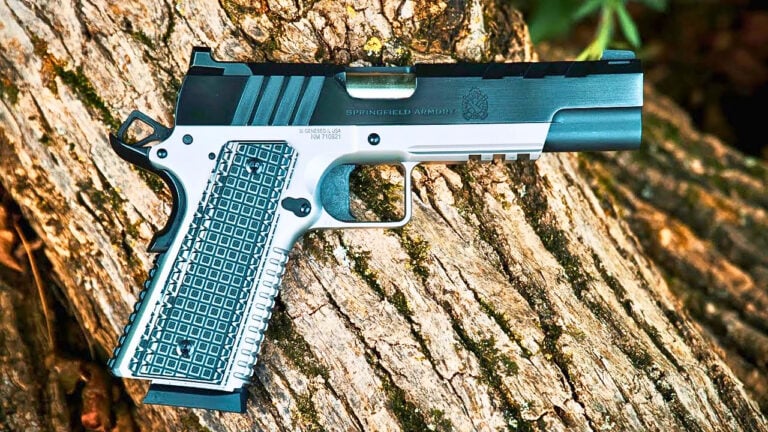
Springfield Armory 911
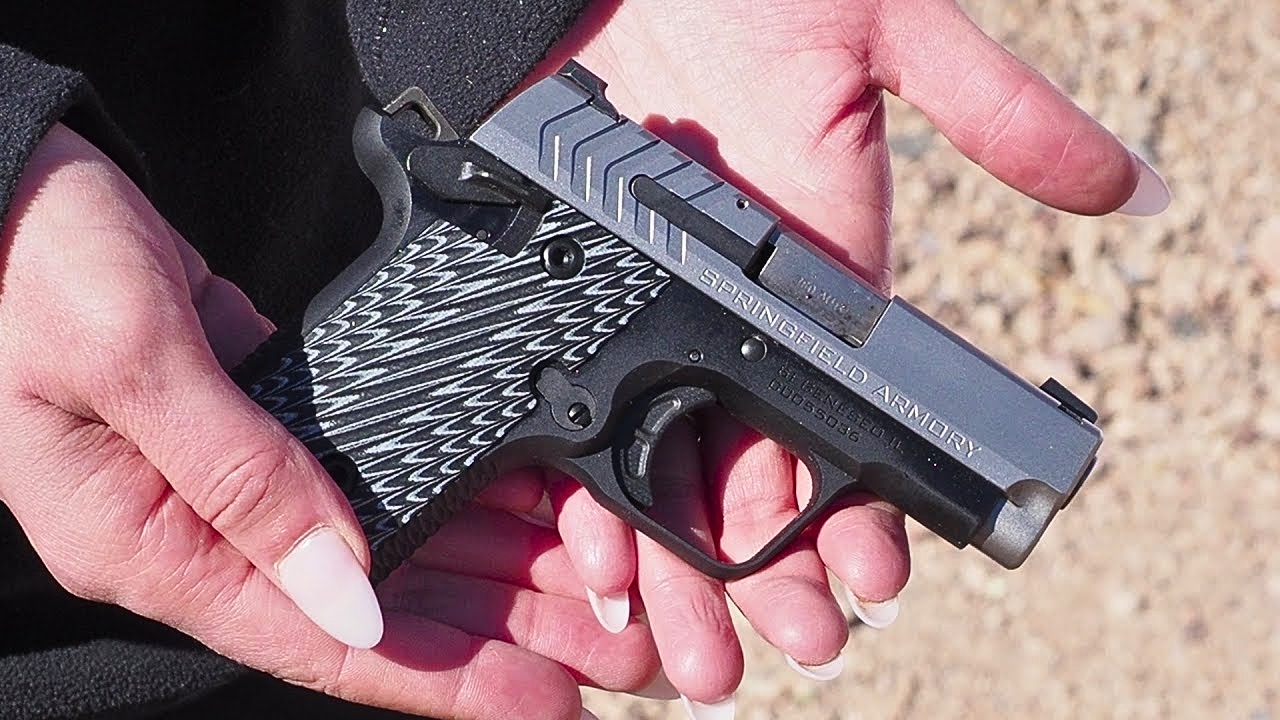
The Springfield 911 looks sharp if you like tiny metal-framed pistols. It has a classy profile, usable sights for its size, and familiar 1911-style controls. At the counter, it can feel like the grown-up version of a pocket .380.
Shooting it reminds you that small single-action pocket guns ask for attention. The grip is short, recoil is sharper than expected, and the manual safety needs real training if you plan to carry it. It may look refined, but it is not necessarily easy. A simpler pocket pistol or slightly larger 9mm may leave buyers feeling more confident.
Kahr CM9
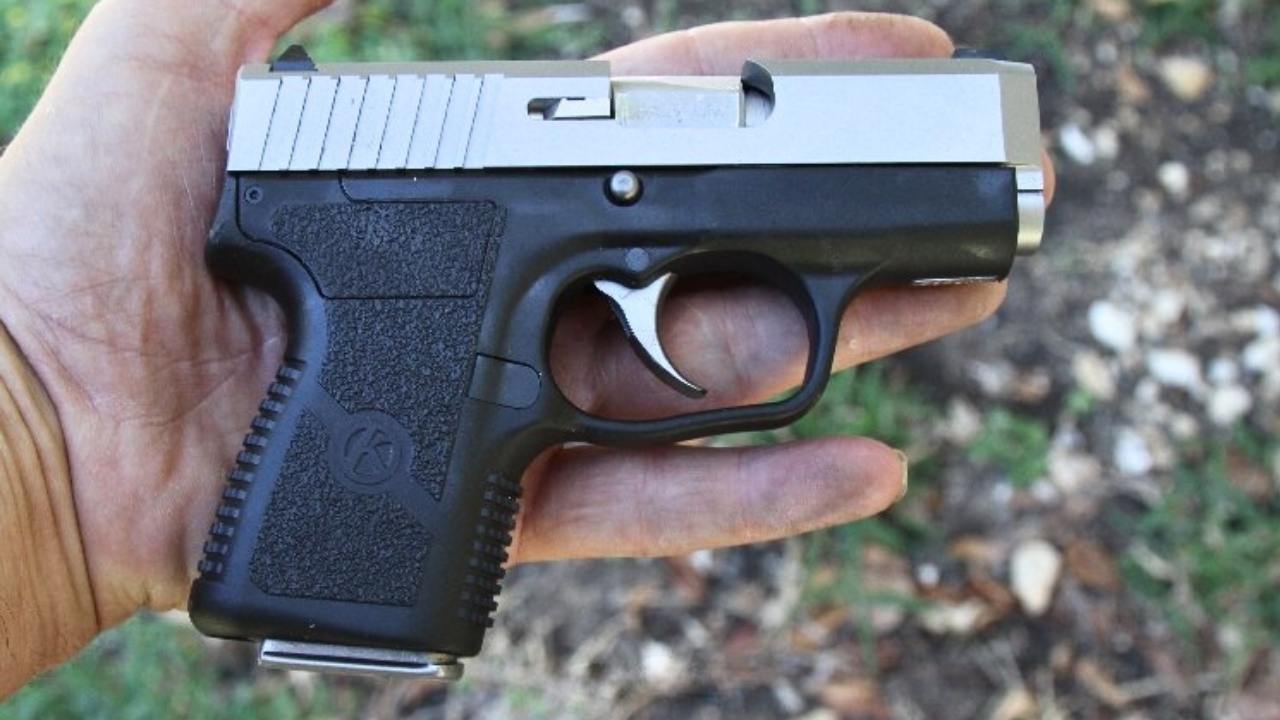
The Kahr CM9 sells itself as a serious, tiny 9mm with a clean profile and simple controls. It feels slim, well-made, and easy to carry. For someone who wants a no-frills defensive pistol, the counter appeal is real.
The range can make that small size feel expensive. The long trigger pull is smooth but demanding, and the short grip gives you little room for error. Recoil is manageable, but not exactly relaxing. A skilled shooter can run it well, but newer shooters often find it slower and less forgiving than they expected. It carries better than it teaches.
Remington RM380

The Remington RM380 looks like a compact little pocket gun with more metal-gun seriousness than some tiny polymer .380s. The size, shape, and simple design make it seem like an easy carry choice when you first handle it.
Then you shoot it and the limitations show up. The trigger is long, the sights are small, and the grip gives you little control. It may work inside a narrow role, but it does not make range practice enjoyable. A pocket pistol that makes you want to stop after a few magazines can disappoint fast, even if it hides well.
Diamondback DB9 Gen 4
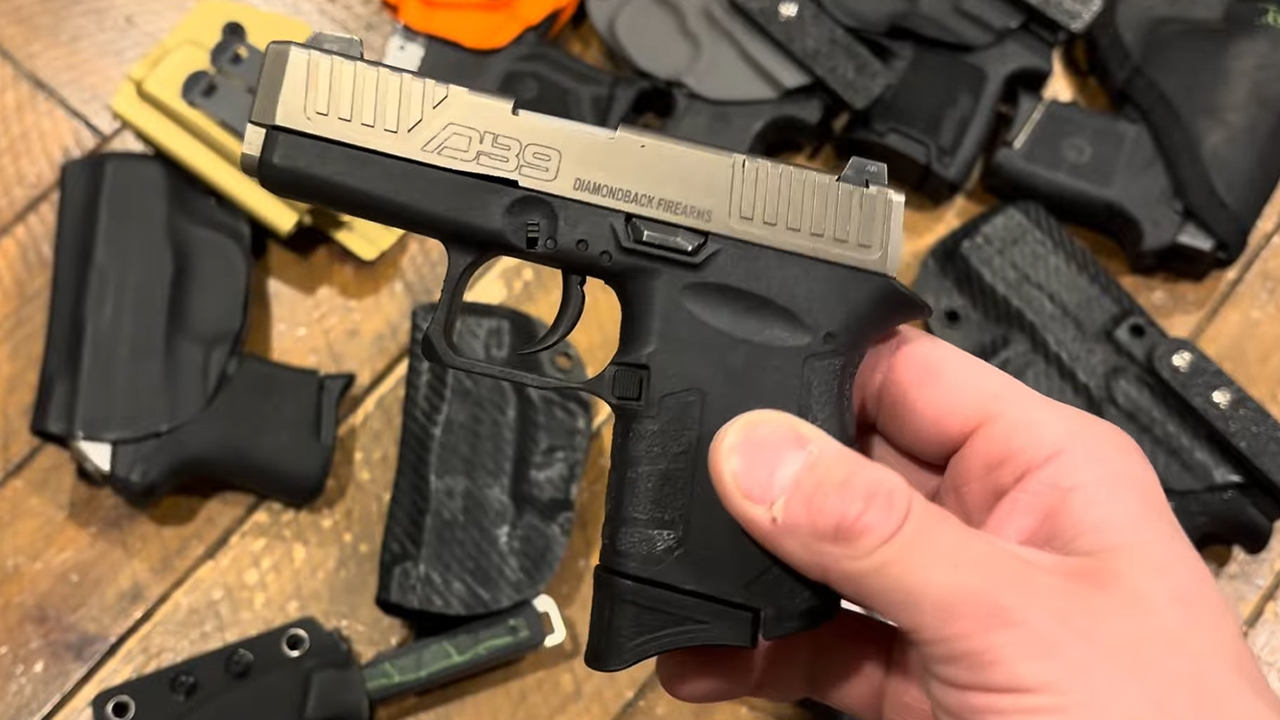
The Diamondback DB9 Gen 4 appeals because it is extremely small for a 9mm. At the counter, that feels like a win. It is thin, light, and easy to imagine carrying when bigger pistols seem like too much.
At the range, the same size becomes the problem. The recoil is sharp, the grip is limited, and fast follow-up shots take real discipline. It is a deep-concealment pistol, not a friendly practice gun. Some buyers do not fully understand that until they shoot it. Once they do, a slightly larger pistol starts looking like the smarter compromise.
Mossberg MC2sc
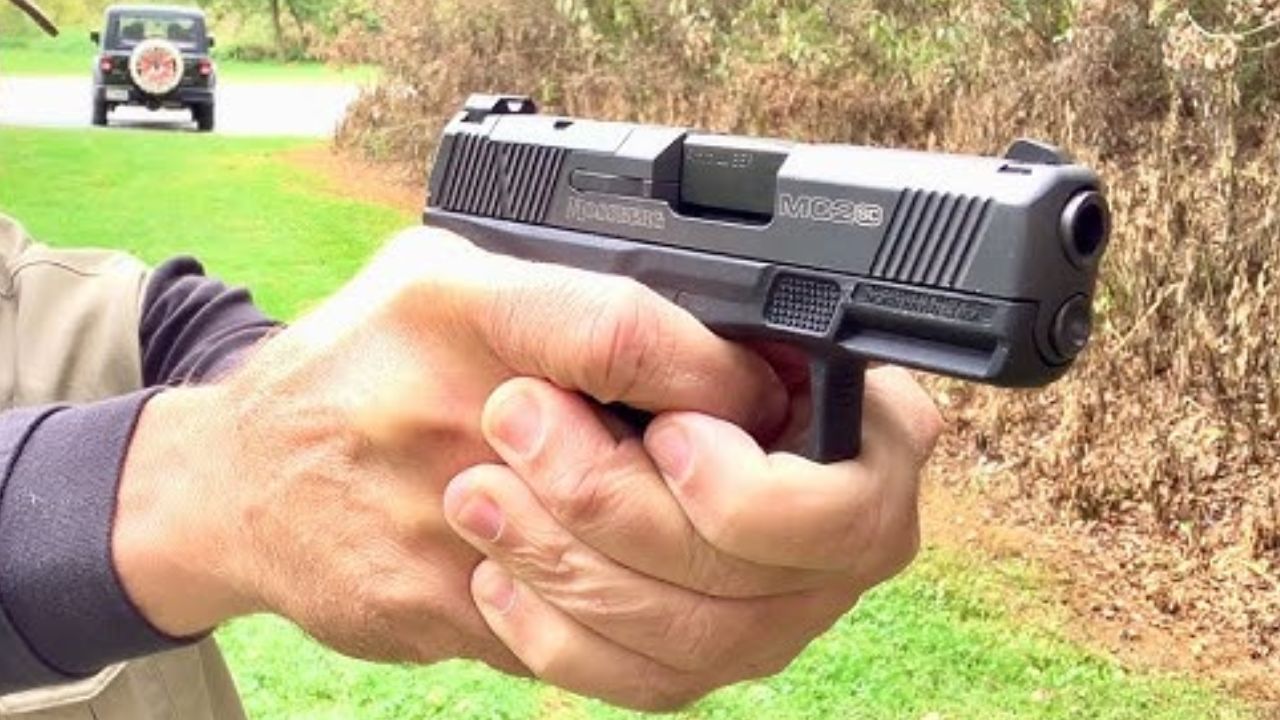
The Mossberg MC2sc looks like a reasonable carry pistol from a company people already trust for shotguns. It has solid capacity, a slim profile, and enough features to feel competitive. At the counter, it seems like an overlooked choice.
The range experience is not always the issue by itself. The problem is comparison. It has to stand beside the P365, Shield Plus, Hellcat, Glock 43X, and plenty of others with better support and stronger reputations. If it does not clearly shoot better in your hands, the excitement fades. Decent can still disappoint when the category is packed.
Walther PK380

The Walther PK380 can sell people who want something easy to rack and softer than a compact 9mm. It feels approachable in the hand, and the Walther name gives it some credibility. For newer shooters, the counter pitch makes sense.
At the range, the age of the design shows. The trigger, controls, and general feel do not match newer easy-shooting pistols. It may help someone who struggles with stiff slides, but it does not always inspire confidence once shooting starts. With options like the Shield EZ around, the PK380 can feel like yesterday’s answer.
Taurus GX4
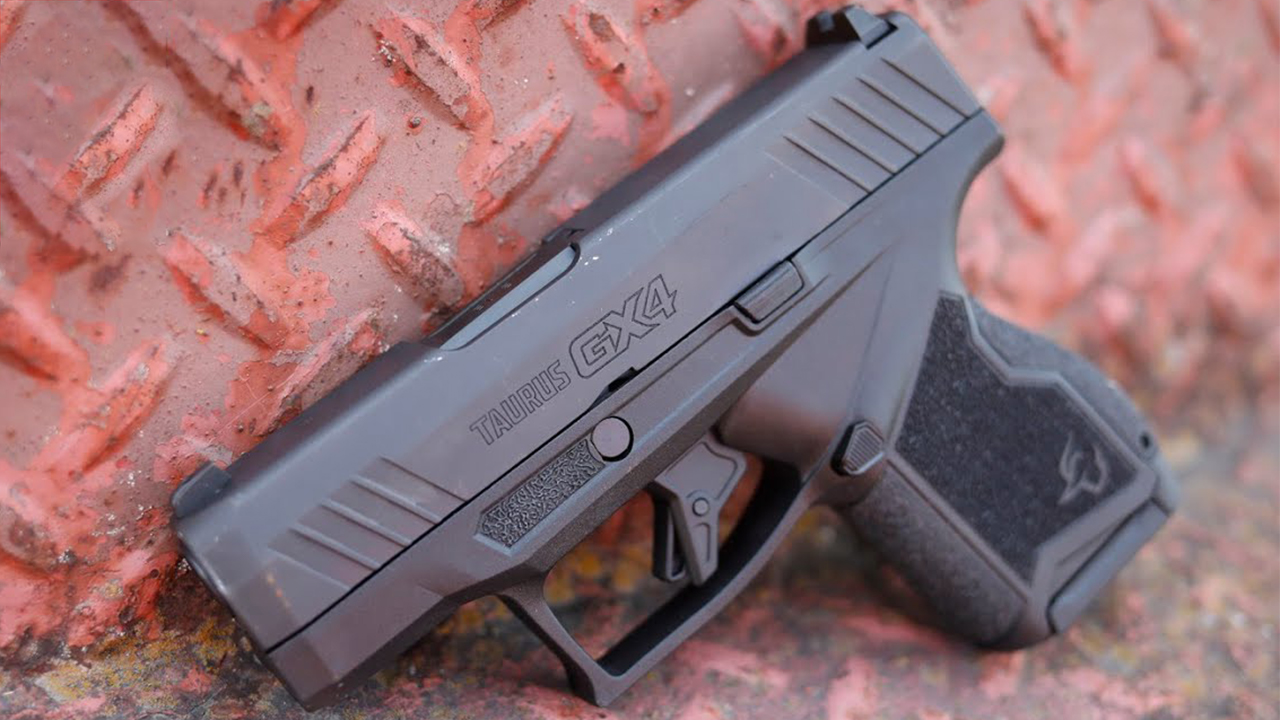
The Taurus GX4 makes a strong counter argument because it gives you modern micro-compact features at a lower price. It is small, high-capacity for its size, and looks like Taurus finally stepped fully into the current carry market.
Range impressions can be mixed. Some shoot fine, but others feel snappy, cramped, or less polished than the pistols they are trying to undercut. The small size makes every trigger press and grip mistake show up. If a buyer expects it to feel like a bargain P365, they may leave disappointed. Low price helps, but only if the gun feels good enough to train with.
SIG Sauer P290RS

The P290RS looks like a sturdy little SIG built for deep concealment. It has a solid feel, a compact footprint, and the kind of brand confidence that makes people believe they are buying quality in a small package.
Shooting it can be less convincing. The long double-action trigger, small grip, and chunky weight make it feel like an older answer to the pocket 9mm problem. It is not useless, but it asks more from the shooter than many modern options. At the range, buyers often realize the SIG name did more selling than the pistol itself.
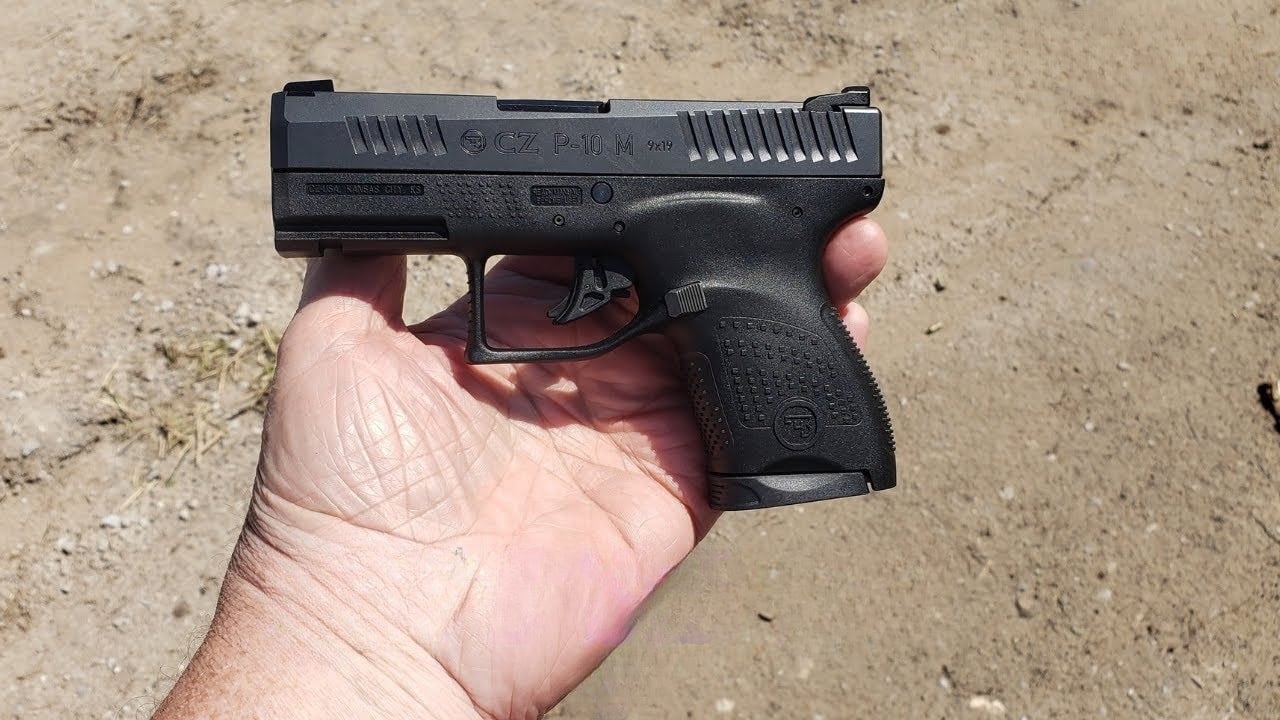
CZ P-10 M
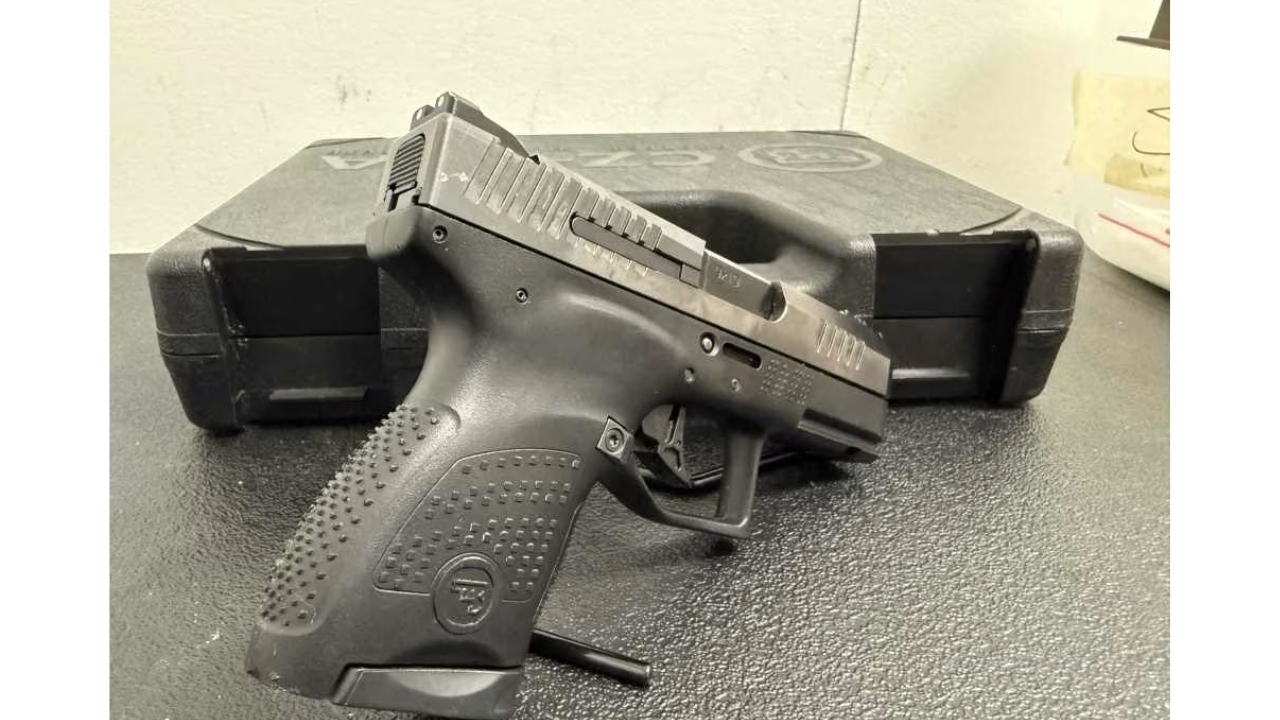
The CZ P-10 M had appeal because people expected CZ to bring its usual shooting comfort into a tiny carry pistol. It was slim, simple, and tied to a brand that shooters often associate with good ergonomics and strong triggers.
The reality did not hit the same for many buyers. The capacity was limited, the trigger feel was not what some expected from the P-10 family, and the pistol did not bring enough to stand above stronger micro-compacts. At the counter, CZ loyalty can carry it. At the range, the gun has to stand alone, and that is where the disappointment starts.
Kimber Micro 9

The Kimber Micro 9 looks great under glass. It is small, handsome, and has the kind of metal-frame charm that makes polymer carry guns seem dull. A buyer can hold it once and convince himself he is getting a classy little defensive pistol.
Then range day brings the tradeoffs. The grip is short, recoil is lively, and the gun can be less forgiving than its polished looks suggest. Some owners love theirs, but plenty of shooters find cheaper carry guns easier to shoot and trust. The Micro 9 proves a pistol can win the counter and still lose the firing line.
Like The Avid Outdoorsman’s content? Subscribe to our newsletter so you never miss an article.
Here’s more from us: