Photo credit: The Avid Outdoorsman
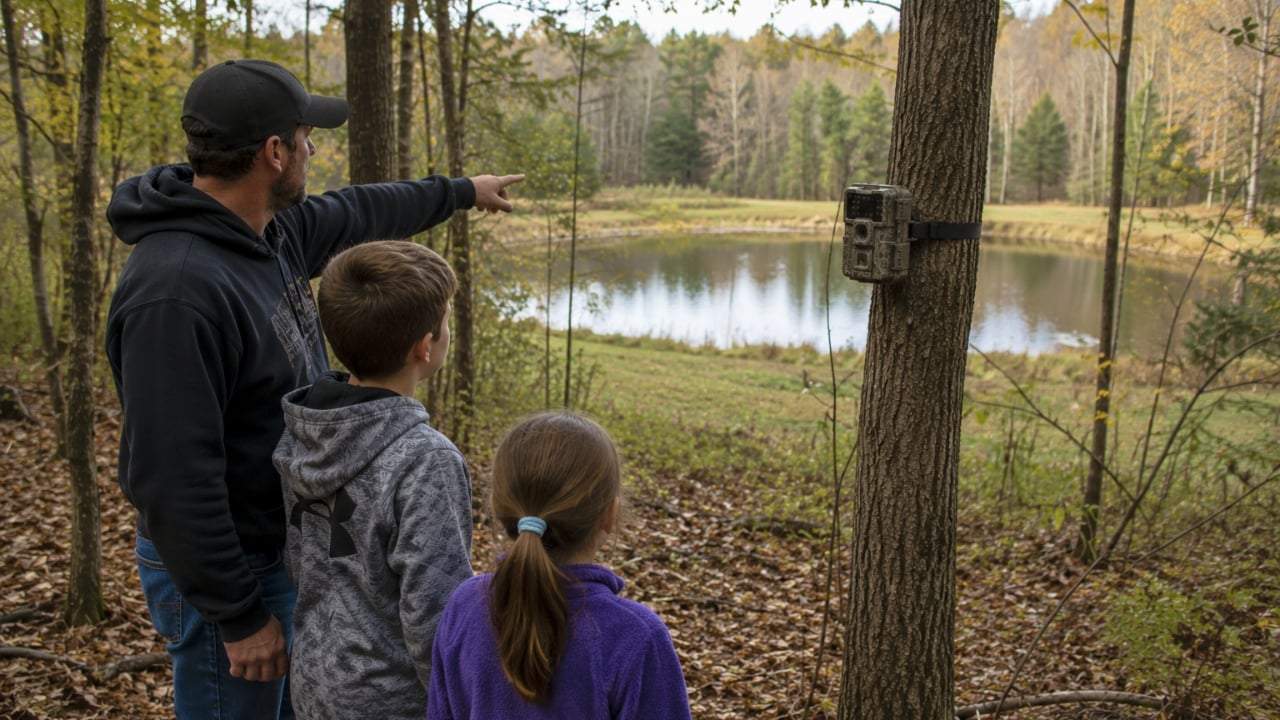
The family said they were walking around their New Hampshire property when they found something that did not belong there. It was a trail camera, and according to the Reddit post, it had been placed without permission.
That is already enough to make a landowner uneasy. A trail camera is not usually dropped by accident. Someone has to walk onto the property, pick a spot, mount it, aim it, and plan to come back for the photos or card. That means someone had been on the land long enough to decide the pond was worth watching.
The original Reddit post can be found here: https://www.reddit.com/r/legaladvice/comments/cr7nrj/new_hampshire_my_family_found_an_unauthorized/
The camera was pointed toward the family’s pond, which made the discovery feel even stranger. Maybe someone was watching wildlife. Maybe someone was scouting deer movement. Maybe they were trying to see whether anyone used the pond. The family did not know, and that uncertainty was the problem.
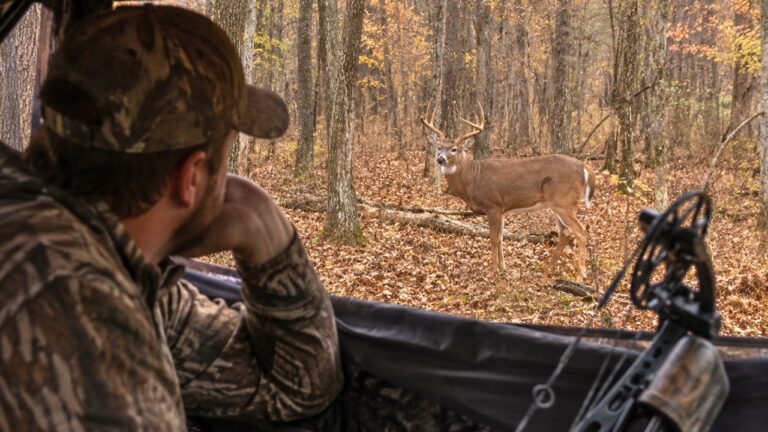
If the camera belonged to a hunter, then the family had to wonder whether that person was also hunting or planning to hunt the property without permission. If it belonged to a neighbor, they had to wonder why the neighbor did not ask. If it belonged to someone with worse intentions, then the camera could feel like surveillance instead of scouting.
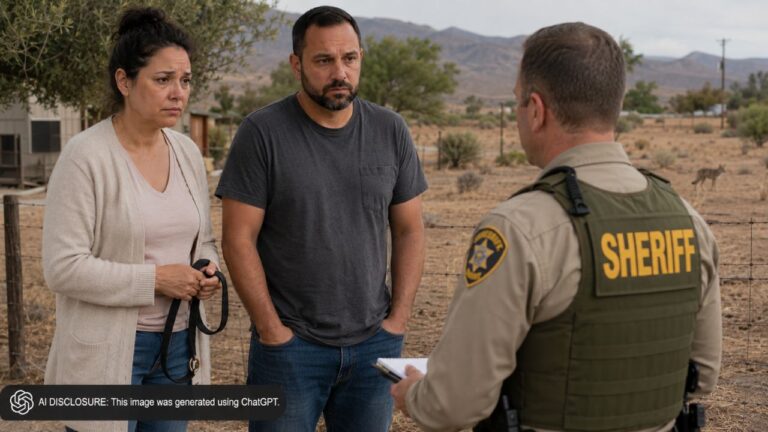
The family wanted to know what they were allowed to do with it. Could they remove it? Keep it? Turn it over to police? Leave a note? The camera was on their land, but it was still someone else’s property. That is the annoying legal knot landowners run into: someone trespasses to place an item, then the landowner has to think carefully before doing anything with it.
The safest move usually starts with documentation. Take photos of the camera where it was found. Note the location. Save any visible markings. Then decide whether to report it, especially if the property is posted or if trespassing has been a recurring issue.
The camera also raised a privacy concern. Even if it was meant for wildlife, it could have captured family members walking near the pond. That makes the discovery feel personal. You are not just finding a forgotten tool. You are finding a device that may already contain images from your land.
Commenters told the family not to destroy the camera. Several said they should photograph it, document where it was mounted, and then consider contacting police or a conservation officer if they suspected hunting trespass.
Others said the family could remove it from their own property but should be careful about keeping or damaging it. If they turned it over to police, that would create a record and avoid a later claim that they stole someone’s equipment.
Some commenters suggested checking whether the property was clearly posted. If not, adding no-trespassing signs could help prevent future confusion. If it was already posted, the camera placement would look much harder to explain as an innocent mistake.
A few people said they would leave a note where the camera had been, telling the owner to contact them or law enforcement. Others thought that was unnecessary and possibly risky, especially if the person had knowingly trespassed.
The post ended with the family left to figure out what the camera meant. It might have been a hunter scouting the wrong place. It might have been a neighbor being careless. But once someone places a camera on private land without permission, the landowner has every reason to wonder what else that person has been doing there.
Like The Avid Outdoorsman’s content? Subscribe to our newsletter so you never miss an article.
Here’s more from us: