Photo credit: WHO_TEE_WHO/Youtube
Upgrades are easy to chase. A better stock, better sights, better trigger, better finish, better rail, better optic cut, better everything. At some point, though, the excitement wears off and the question gets simple: does the gun still make sense?
Some firearms do. They don’t need constant tinkering to justify their place. They work well in factory form, keep filling real roles, and remind owners that upgrades are supposed to serve the gun, not become the whole reason it exists. These firearms still make sense after the upgrades stop mattering.
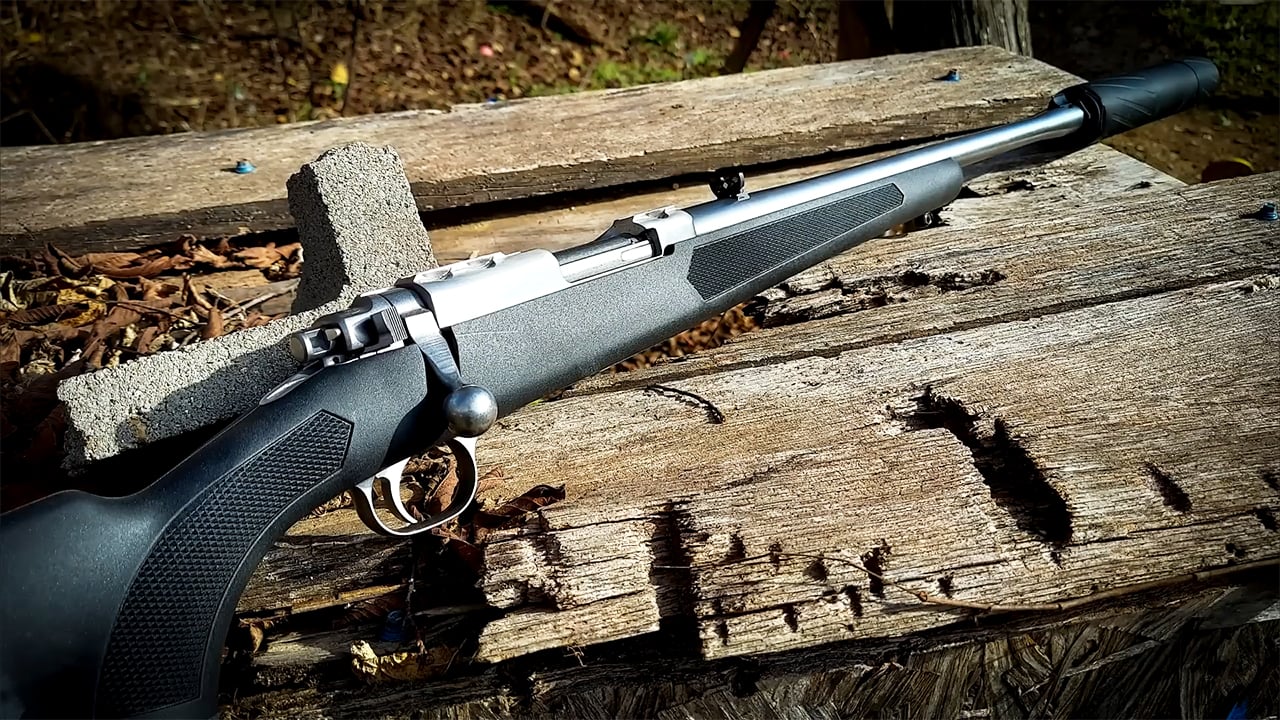
Ruger 77/44

The Ruger 77/44 doesn’t need much dressing up to make its point. It’s a bolt-action .44 Magnum rifle built for short-range hunting, property use, and thick-cover work where a handy little carbine matters more than long-range capability. It looks plain, but its usefulness is obvious once you understand the lane.
A rifle like this doesn’t need a pile of upgrades to stay relevant. The rotary magazine keeps it tidy, the bolt action keeps things simple, and the .44 Magnum chambering gives it real punch inside sensible distances. It’s not a precision rifle, and nobody should treat it like one. But for deer, hogs, or general rural use where legal and appropriate, the 77/44 keeps making sense because it fills a role most modern rifles don’t.
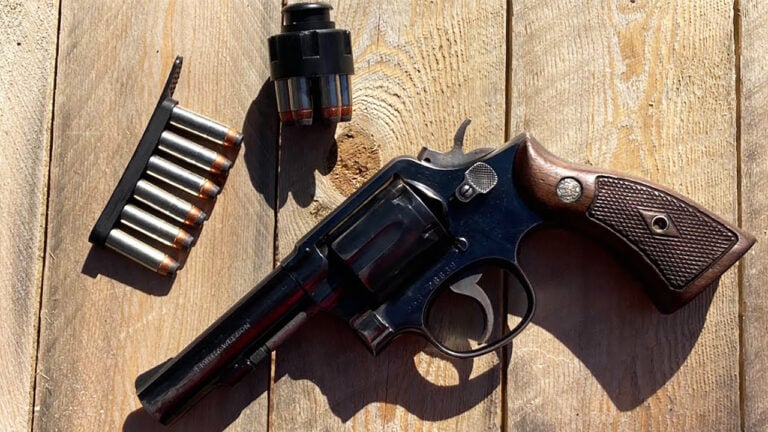
Smith & Wesson Model 19 Carry Comp
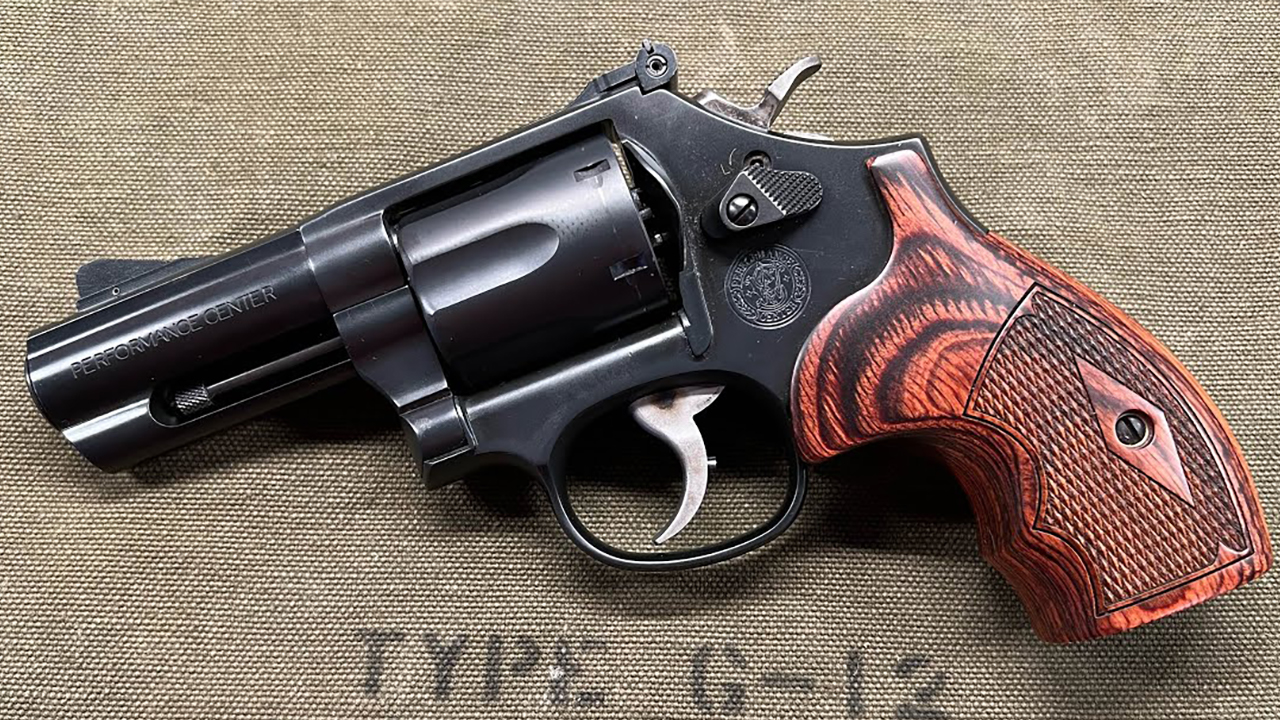
The Smith & Wesson Model 19 Carry Comp is a revolver that already feels pretty well sorted from the factory. It has the classic K-frame appeal, .357 Magnum capability, a compensated barrel setup, and a size that makes it more carryable than larger magnum revolvers. It doesn’t need to be turned into something else.
That’s the value. A lot of revolver owners start swapping grips, sights, springs, and holsters before they’ve even learned the gun. The Carry Comp gives shooters a strong starting point for defensive carry, range use, or general .357 practice with sensible loads. It’s not meant for endless heavy-magnum abuse the way bigger frames are, but inside its purpose, it feels complete. Once the upgrade talk fades, a useful revolver still wins.
Browning Maxus II

The Browning Maxus II still makes sense after the upgrade itch dies down because it already solves the real shotgun problems well. It’s soft-shooting, fast-handling, and built in versions suited for waterfowl, field work, and clays. The controls, recoil pad, gas system, and stock feel all work toward making long shooting days easier.
A shotgun can wear all kinds of aftermarket parts, but fit, reliability, and recoil control matter most. The Maxus II handles those basics well enough that owners don’t feel like they need to reinvent it. It isn’t cheap, but the money goes toward comfort and field usefulness. After the excitement of accessories fades, a semi-auto shotgun that cycles well and doesn’t beat you up still makes a strong case.
Tikka T3x Hunter
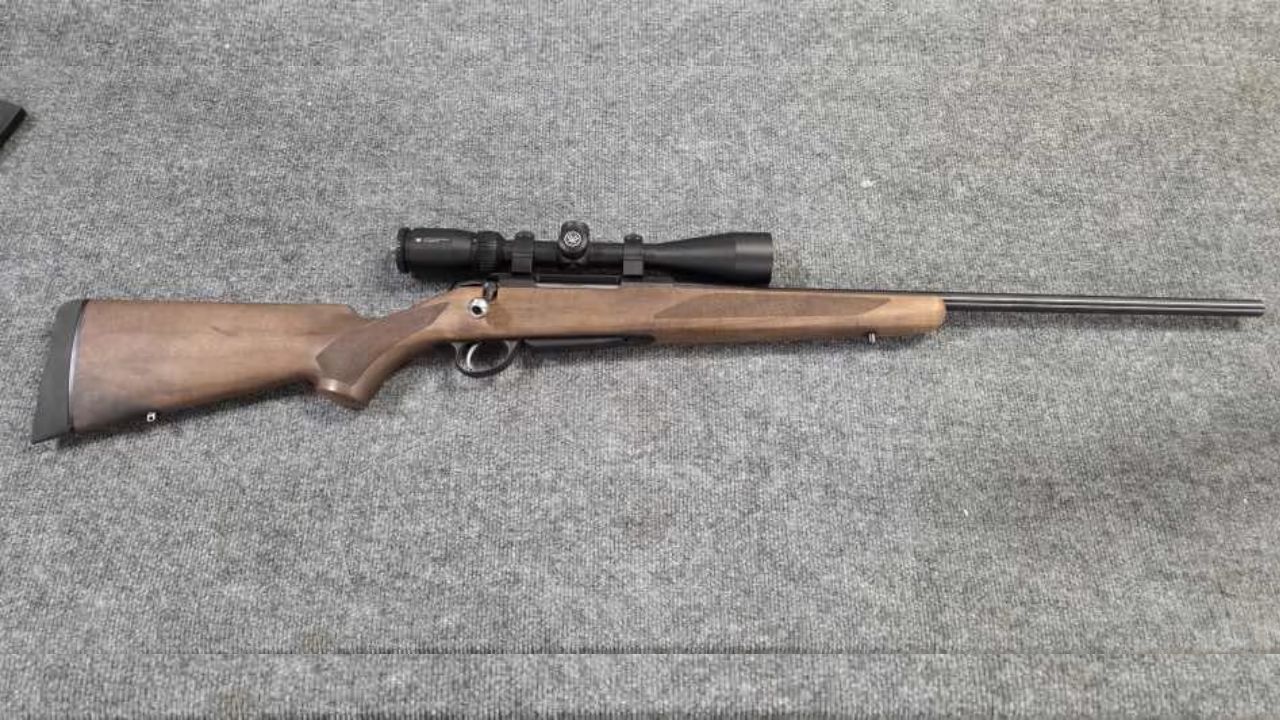
The Tikka T3x Hunter is one of those rifles that doesn’t need much help. The bolt is smooth, the trigger is clean, and the rifle has a strong reputation for factory accuracy. The wood stock gives it a more traditional feel than the synthetic Lite models, but the core appeal is the same: it just works.
That’s why it still makes sense after upgrades stop mattering. You can change stocks, add accessories, or build around the action if you want, but many owners don’t need to. For deer, elk, and general hunting in the right chambering, the T3x Hunter gives shooters confidence right away. It’s not flashy, but it feels finished where it counts. A rifle that shoots well without demanding changes is always worth respecting.
Beretta 92G Elite LTT
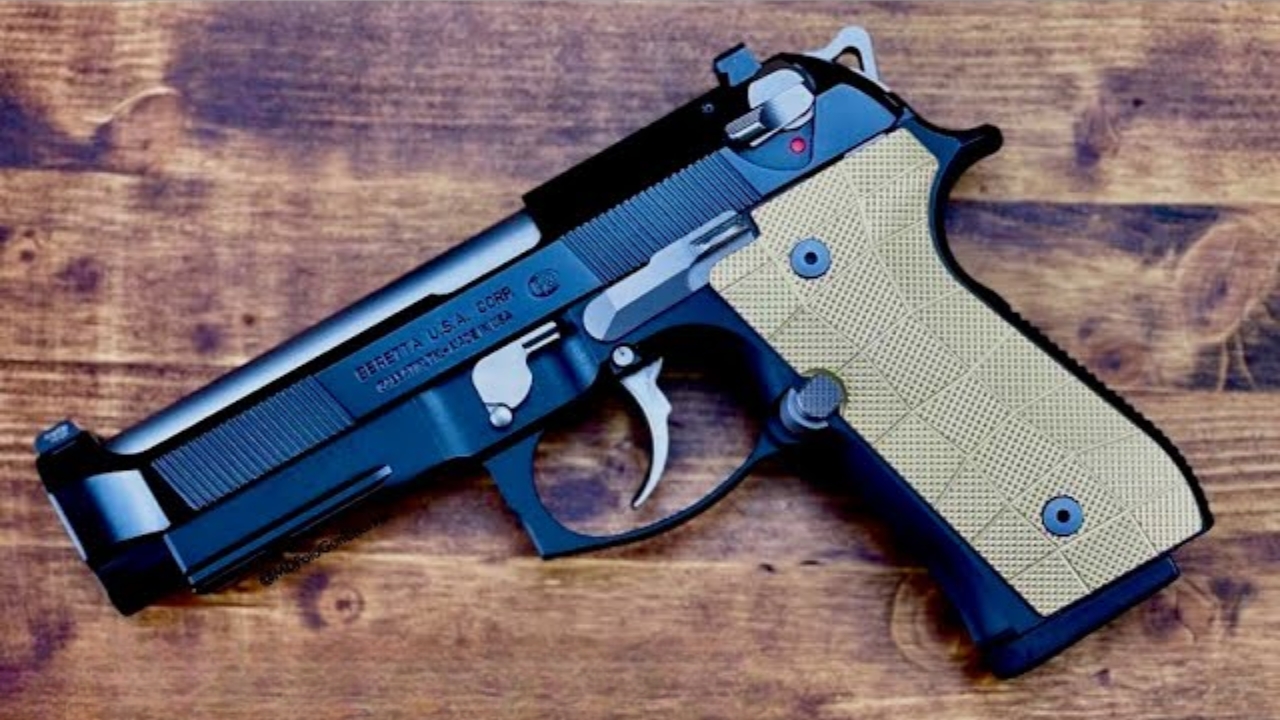
The Beretta 92G Elite LTT is what happens when a proven design gets refined in ways that actually matter. Langdon Tactical’s work on the 92 platform gave shooters better trigger feel, improved controls, useful sights, and a more serious defensive or range setup without turning the pistol into a gimmick.
This is one of those guns where upgrades stop feeling necessary because the right ones are already there. It still has the soft-shooting metal-frame feel that makes the 92 series pleasant, but the refinements make it easier to run hard. It’s too large for some carry needs, and DA/SA takes training. But for someone who appreciates the platform, the 92G Elite LTT feels like a pistol that doesn’t need much explaining or fixing.
Henry Big Boy X Model .44 Magnum

The Henry Big Boy X Model in .44 Magnum makes sense because it gives shooters a modern lever gun without losing the practical reasons lever guns work. The synthetic stock, threaded barrel, side loading gate, and rail-friendly setup make it more adaptable than a traditional lever-action, but the core is still a handy pistol-caliber carbine.
Once the accessory excitement fades, the rifle still has value. It can be used for deer or hogs where legal, rural property work, and range shooting with a cartridge that hits hard at close range. It’s not for long-range hunting, and recoil can be noticeable with heavier loads. But inside its lane, the Big Boy X works. The upgrades support the role instead of becoming the whole personality.
Walther PPQ Q5 Match

The Walther PPQ Q5 Match still makes sense because it was built around shooting well first. The PPQ trigger already had a strong reputation, and the Q5 Match added a longer slide, optics-ready capability, and a range-focused setup that made it useful for competition-minded shooters without requiring immediate work.
A lot of pistols get upgraded because owners are trying to fix weak triggers or poor sights. The Q5 Match starts from a better place. It’s comfortable, accurate, and easy to shoot well. It may not be the newest Walther anymore, and the PDP line has taken the spotlight, but the Q5 still holds up. After the trends move on, a pistol with a great trigger and strong range manners keeps making sense.
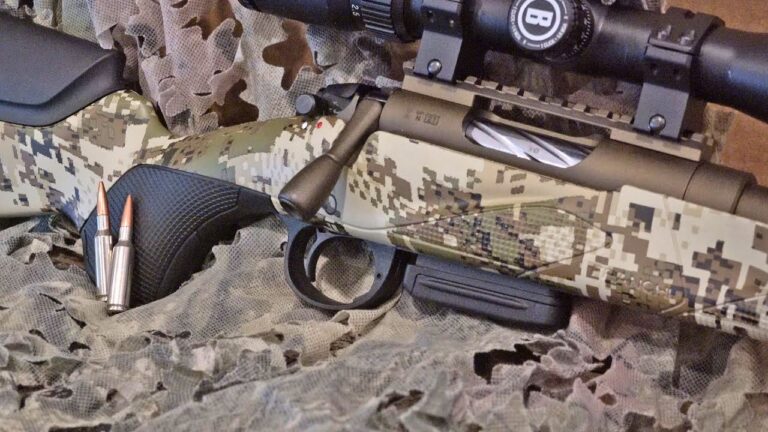
Savage 110 Timberline
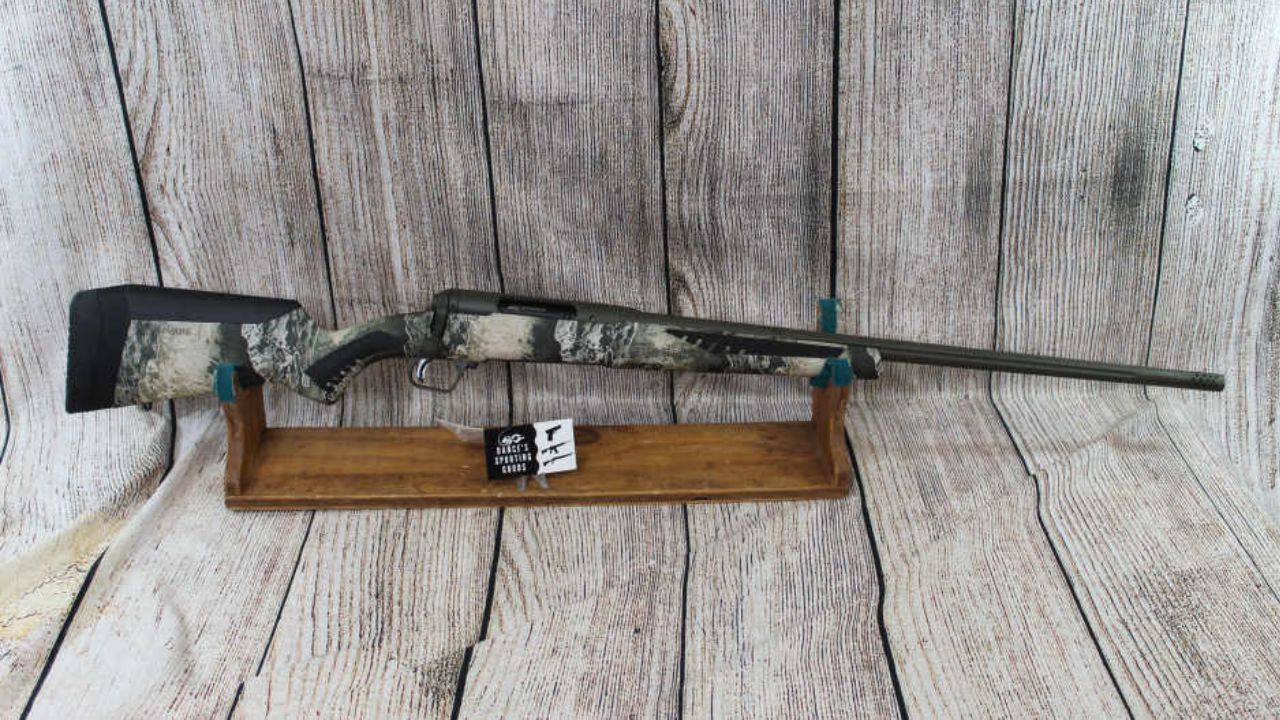
The Savage 110 Timberline is a rifle where the factory setup already handles the practical hunting upgrades many owners would chase later. Cerakote finish, AccuFit stock, AccuTrigger, threaded barrel, and a stock designed for rough conditions all make it feel ready for real field use.
That matters because upgrades should solve problems. The Timberline already addresses fit, weather resistance, and shootability better than many basic hunting rifles. It’s not the prettiest rifle in camp, and the styling won’t suit everyone. But when the forecast turns ugly or layers change how a rifle shoulders, those practical features matter. After the upgrade talk gets old, a rifle that fits and handles weather still makes sense.
Colt Python 4.25-Inch
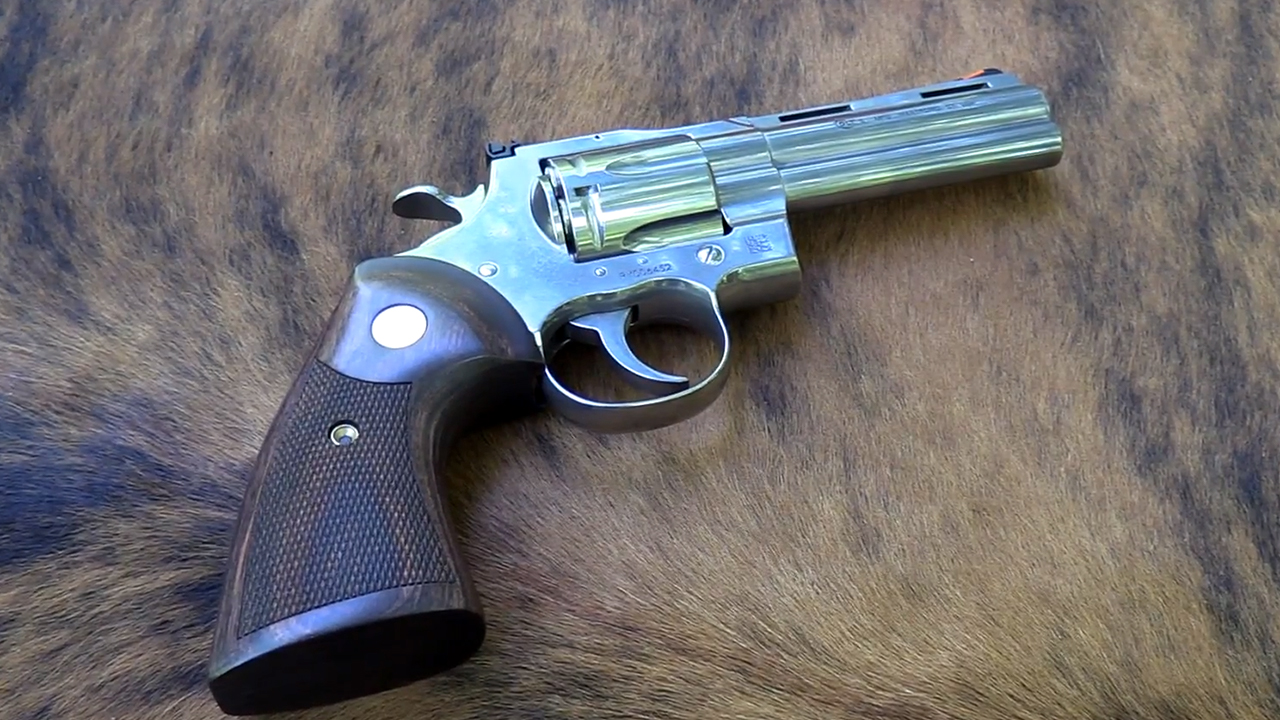
The modern Colt Python in 4.25-inch form doesn’t need much improvement to justify itself. It has the iconic Python look, a strong stainless build, excellent sights, and a barrel length that balances range comfort with field and carry practicality better than the longer models for many owners.
Some buyers will always compare modern Pythons to old ones, and that conversation never really ends. But judged as a current-production .357 Magnum revolver, the 4.25-inch Python makes a strong case. It shoots well, looks outstanding, and feels refined enough that owners aren’t immediately trying to change everything. Once the upgrade itch fades, a good .357 revolver with real balance and presence is easy to keep.
Mossberg Patriot LR Tactical
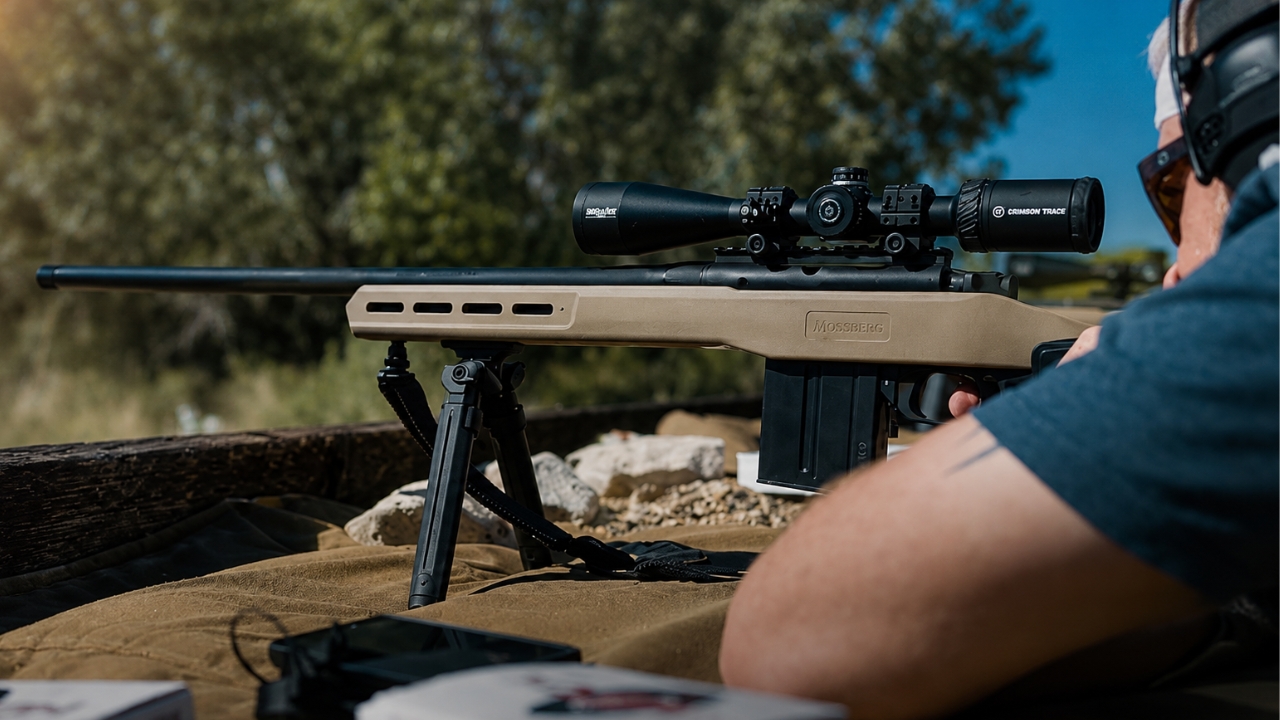
The Mossberg Patriot LR Tactical is not the most glamorous precision-leaning rifle, but it makes sense because it gives shooters a stable chassis-style setup at a more reachable price. It has a heavier barrel, adjustable stock features, detachable magazine, and enough accuracy potential to get newer long-range shooters started without building from scratch.
Once the upgrade talk settles down, the rifle’s value is in accessibility. Not everyone needs a custom action, premium barrel, and high-dollar chassis to learn positional shooting or stretch distance. The Patriot LR Tactical gives owners a platform they can use right away and improve later if needed. It isn’t perfect, but it gives practical capability without making the whole project feel out of reach.
Springfield Armory Ronin 1911

The Springfield Ronin 1911 still makes sense because it gives shooters a clean, attractive 1911 with useful modern touches without turning into an overpriced safe piece. The two-tone finish, good sights, decent trigger, and classic lines make it feel like a pistol meant to be used and appreciated.
A 1911 can become a money pit fast if the owner starts chasing every part swap. The Ronin gives many shooters enough right out of the box that they can simply shoot it. Good magazines and proper testing still matter, because it’s still a 1911. But the pistol doesn’t feel unfinished. It offers the slim grip, crisp trigger, and familiar handling people want from the platform without demanding immediate upgrades.
Franchi Instinct SL
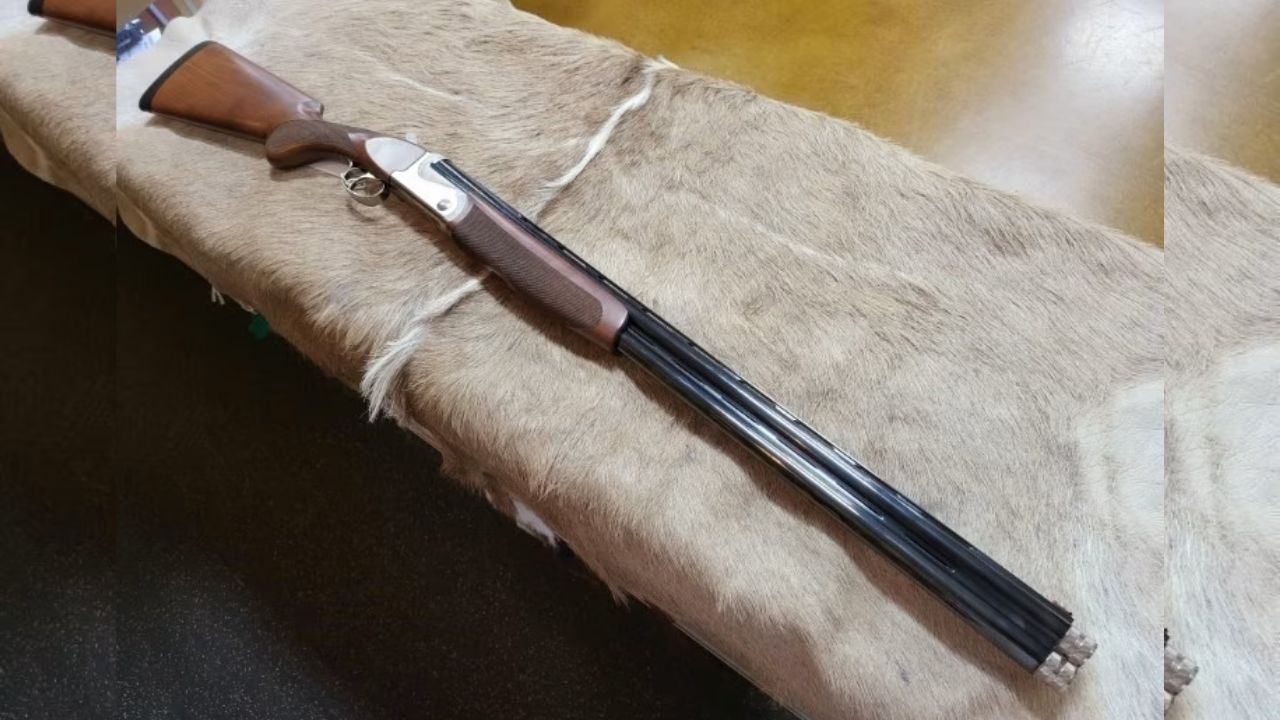
The Franchi Instinct SL makes sense because it focuses on what upland hunters actually care about: carry weight, handling, and quick movement. It’s a lightweight over-under that doesn’t try to be a heavy competition shotgun or a fancy safe queen. It’s built for walking.
That purpose holds up after upgrades stop mattering. Upland shotguns don’t need endless accessories. They need to come up clean, carry comfortably, and point where the hunter looks. The Instinct SL does that in a package that feels refined without being unreachable for every serious bird hunter. It may kick more than a heavier gun, especially with stout loads, but that’s the tradeoff. In the field, light and lively still matter.
Ruger AR-556 MPR
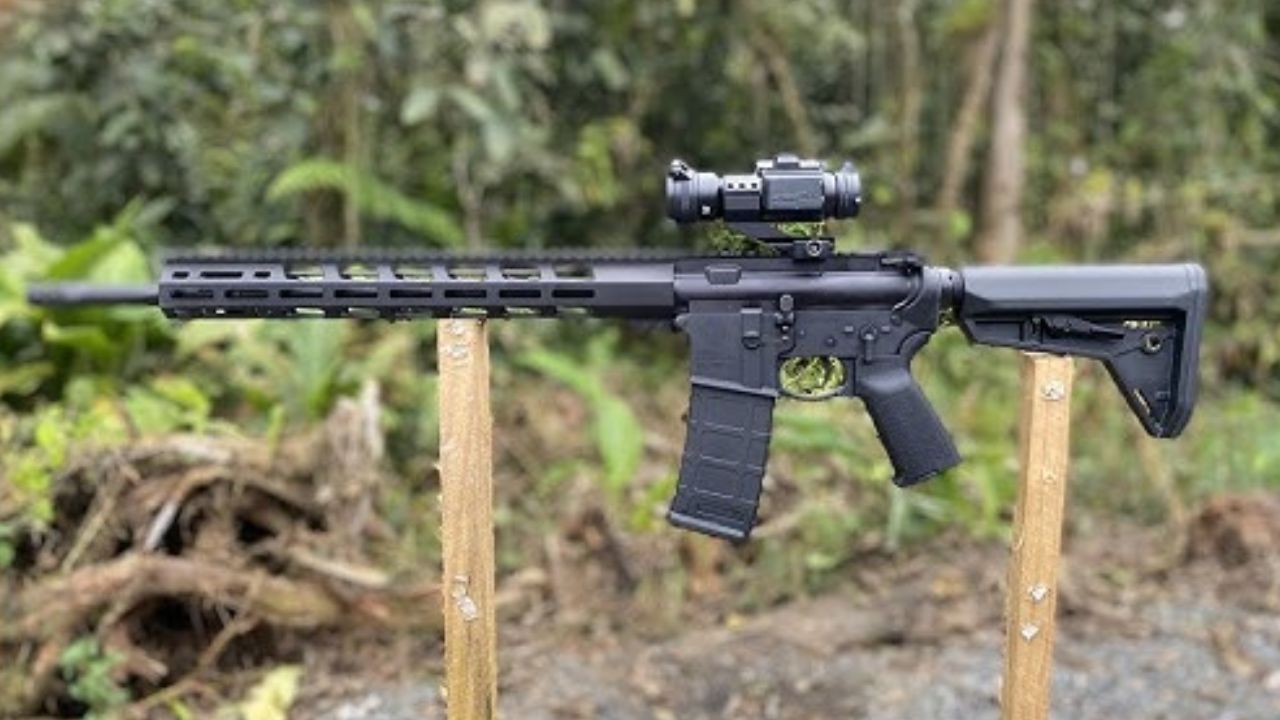
The Ruger AR-556 MPR still makes sense because it gives shooters many of the upgrades people commonly add to basic ARs. The free-float handguard, better trigger, rifle-length gas system on certain versions, and practical configuration make it more complete than a bare-bones carbine.
That saves owners from immediately replacing half the rifle. It’s not a boutique AR, and it doesn’t pretend to be. But for range use, training, varmint shooting, or general ownership, the MPR gives regular shooters a solid setup without turning the purchase into a parts chase. Once the excitement of building and swapping fades, a rifle that already has the right practical features starts looking smart.
Kimber Micro 9 Rapide

The Kimber Micro 9 Rapide is a small pistol with plenty of visual flair, but it still makes sense because the core appeal is straightforward: a tiny metal-frame, single-action 9mm for shooters who like 1911-style controls. The improved sights, grip texture, and styling give it more personality than the basic models.
Once the looks stop being the main draw, the pistol still has a role. It carries easily, shoots better than many tiny pistols for those who like the manual of arms, and offers a crisp trigger in a very small package. It does require training with the safety and careful reliability testing, like any compact carry pistol. But for the right owner, it doesn’t need much else. It already knows what it is.
Weatherby Mark V Hunter
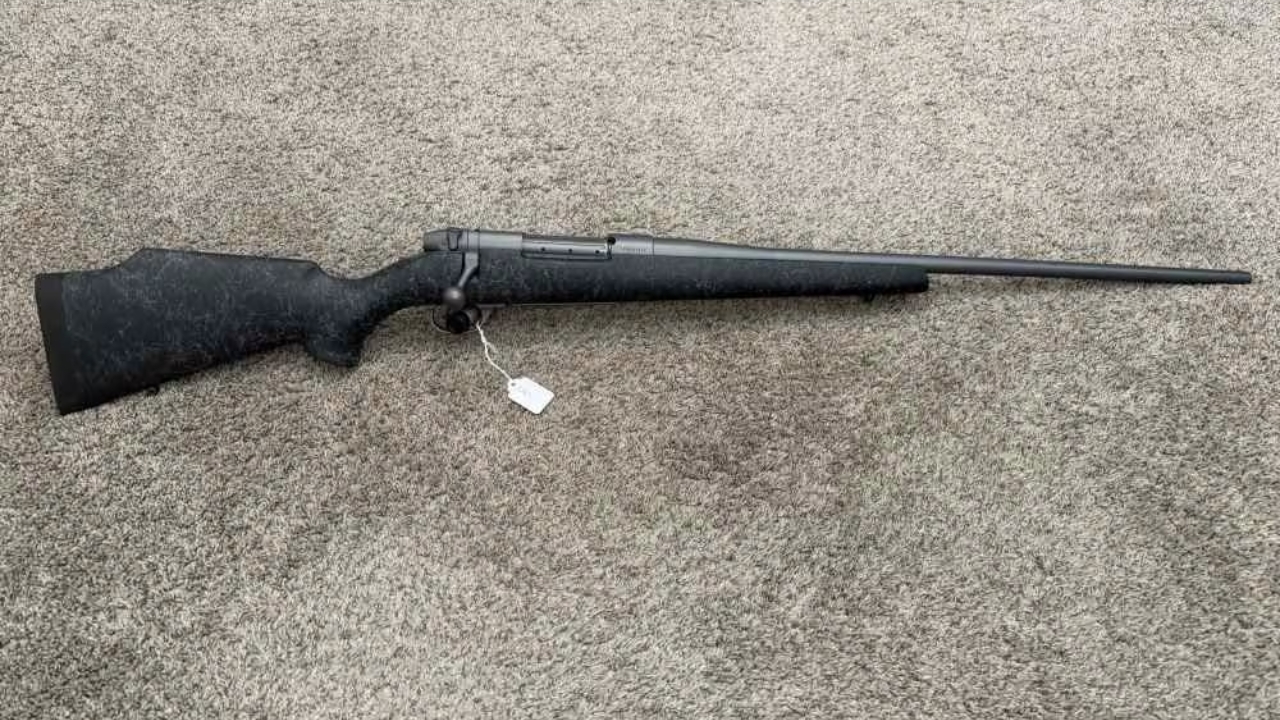
The Weatherby Mark V Hunter still makes sense because it brings the strong Mark V action into a more practical, less flashy hunting package. It doesn’t have the glossy walnut of the Deluxe or the extreme weight savings of the Backcountry models. Instead, it gives hunters a serious action, usable stock, and field-focused setup.
That middle ground is the appeal. The rifle is strong, dependable, and chambered for real hunting work. It may cost more than many standard rifles, but the action and overall feel give owners confidence. Not every hunter wants a showpiece or ultralight. Some want a rifle that feels sturdy, shoots well, and carries Weatherby strength without extra shine. After upgrades stop mattering, that still makes plenty of sense.
Like The Avid Outdoorsman’s content? Subscribe to our newsletter so you never miss an article.
Here’s more from us: