Photo credit: Reloader Joe/YouTube
Hunting traditions run deep, and sometimes those traditions push people toward calibers they’d never pick on their own. You’ve seen it at camp: a younger hunter shows up with a cartridge that’s been in the family longer than they’ve been alive, even though it kicks too hard, drops too fast, or simply doesn’t match the way they hunt.
These rounds have history, but that doesn’t always translate into performance in the field. When you strip away nostalgia and look strictly at trajectory, recoil, and terminal consistency, a handful of cartridges stay in circulation mainly because someone’s uncle or grandfather swore by them.
.30-40 Krag
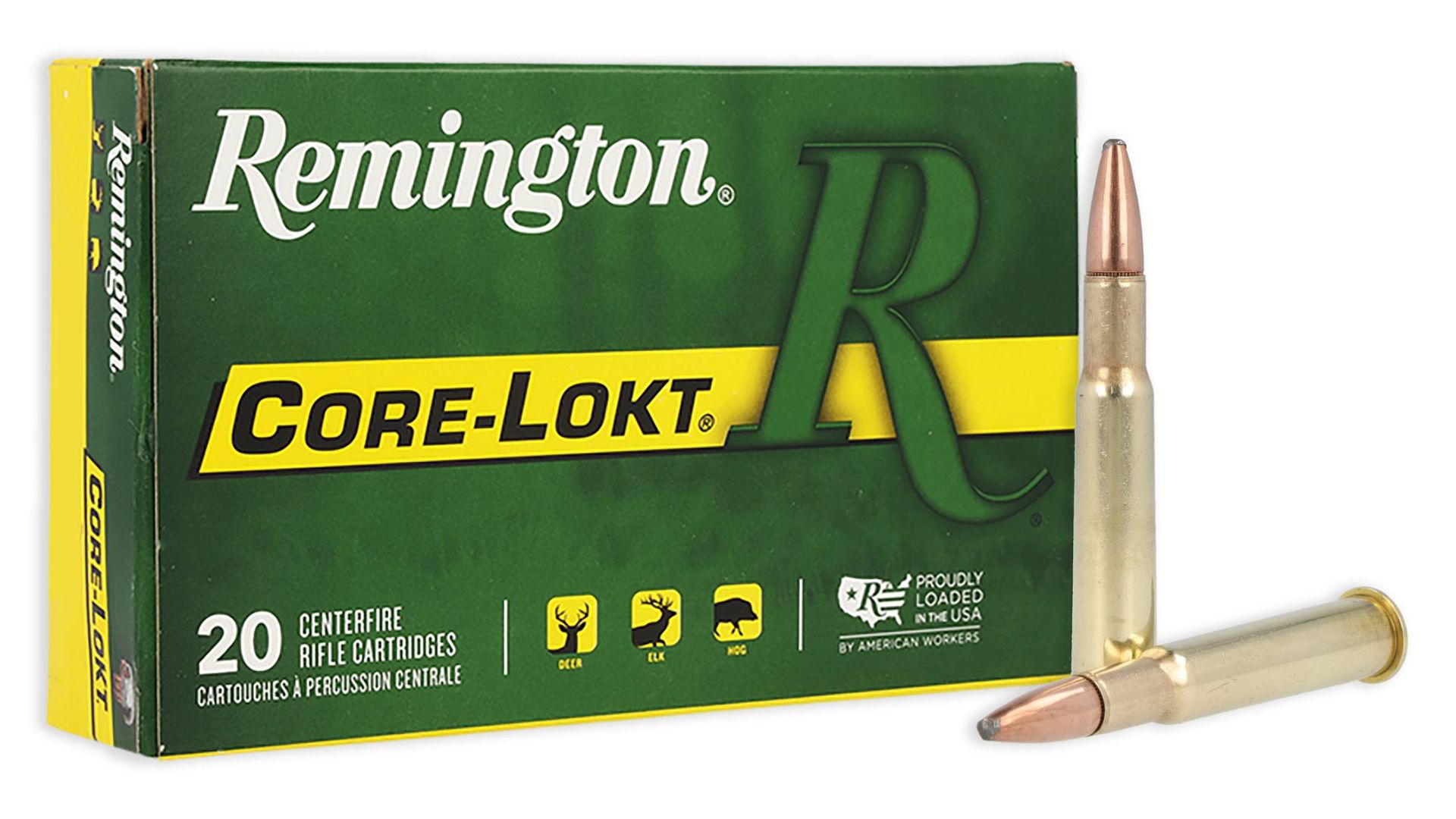
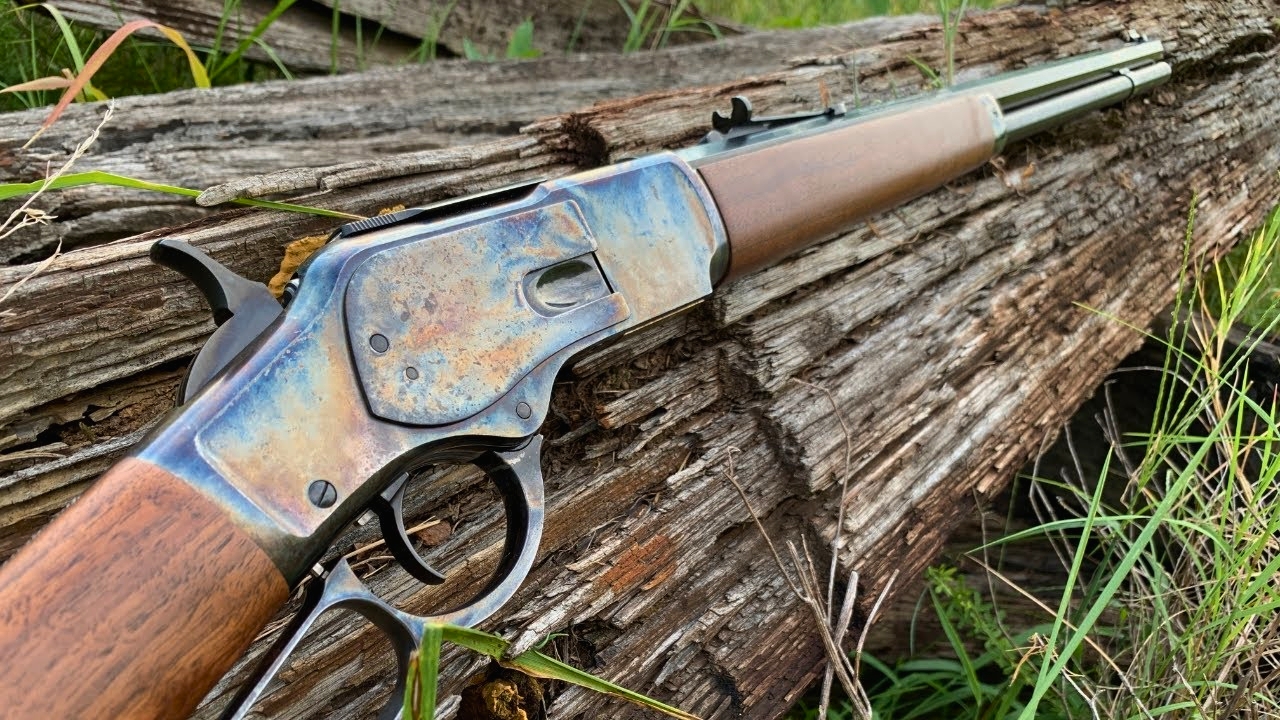
The .30-40 Krag earned respect in its day, but most modern hunters only carry it when a relative insists it still “gets the job done.” It fires a heavy bullet at modest speed, and while it will certainly kill deer, its rainbow trajectory makes longer shots a gamble. You’re holding onto a round that requires more estimating than most hunters want to deal with.
The bigger issue is ammo availability. You’re limited to whatever you can find, and performance varies widely. Hunters who try to stretch it past 150 yards quickly realize it’s more of a historical choice than a practical one today.
.35 Remington
Plenty of hunters carry a .35 Remington because someone before them did, not because it fits modern conditions. It hits hard in the woods, but bullet selection and velocity hold it back. Once you step into open country, the drop gets noticeable, and the round feels dated next to newer options that shoot flatter with less recoil.
Most shooters who use it are married to Marlin lever actions they inherited, which is understandable. But if you’re picking something strictly for performance, there are far better mid-range woods calibers today.
.300 Savage
The .300 Savage still hangs around because it powered rifles that families passed down for generations. It has enough punch for deer, but pressure limitations and old rifle designs keep it from shining. Modern .308 loads outperform it in every category, and the difference becomes obvious the moment wind or distance come into play.
If you’re carrying a .300 Savage today, it’s usually out of loyalty to the rifle rather than any real ballistic advantage. It’s a cartridge that’s living on nostalgia more than relevance.
.257 Roberts

The .257 Roberts earned a big reputation decades ago, and you still meet hunters who carry it mostly out of tradition. It’s accurate and pleasant to shoot, but ammunition variety has dwindled, and factory loads rarely push the cartridge to its potential. You end up with performance that’s decent but noticeably behind more modern mid-bore options.
Hunters who use it are often trying to keep a beloved rifle in the woods, which is understandable. But if you compare trajectories side by side, the Roberts falls behind quickly, especially when winds pick up or ranges stretch.
.300 H&H Magnum
The .300 H&H Magnum shows up in camp when someone dusts off their grandfather’s safari rifle. It’s a smooth-shooting classic with a rich history, but it offers few advantages over modern .300 magnums that are easier to load, cheaper to feed, and available everywhere. You’re hauling a long, heavy rifle simply because tradition says it’s special.
Most hunters quickly notice that they’re working harder for the same performance. That’s why the cartridge rarely sees serious use outside of collectors and nostalgic hunts.
.244 Remington
The .244 Remington occasionally appears when someone inherits a rifle chambered in it. The round itself is capable, but early twist rate issues kept it from stabilizing heavier bullets. Modern 6mm cartridges left it behind, offering better terminal performance and more versatile loads.
If you carry a .244 today, it’s usually because someone in your family did. There’s nothing wrong with using it on deer, but it demands careful load selection and realistic expectations.
.32 Winchester Special

This caliber is practically synonymous with tradition. Many lever-gun hunters stick with it because their father or grandfather carried the same round. It’s fine in thick woods, but trajectory and bullet design limit its usefulness anywhere else. You have to keep shots close and expect noticeable drop at moderate ranges.
Most shooters who try it without emotional ties quickly move on to more flexible cartridges. The .32 Special survives because it’s part of family heritage, not because it outperforms competitors.
.264 Winchester Magnum
The .264 Win Mag was once hyped as the next big thing, but most hunters who use it today do so because a family member convinced them it’s “the flat shooter you need.” In reality, its barrel-burning tendencies and limited bullet selection kept it from dominating. New 6.5mm cartridges make it look bigger and louder than necessary.
It still works, but it demands long barrels, careful maintenance, and specific loads. Most hunters eventually realize modern rounds deliver similar results with fewer headaches.
.348 Winchester
If you’ve ever carried a Model 71, it was probably handed to you with a story attached. The .348 Winchester is powerful, but recoil and rifle weight make it more of a specialty round than anything practical today. Ammo availability is scarce, and trajectory suffers at moderate distances.
Hunters who stay in thick timber can make it work, but most people using it are doing so because it belonged to someone important. It’s a caliber kept alive almost entirely by sentiment.
.44-40 Winchester

The .44-40 played a major role in American hunting history, but its limitations show the moment you compare it to modern straight-wall cartridges. Low velocity, limited penetration, and unpredictable bullet performance make it a short-range, careful-placement round.
Most hunters who carry it now do so because they want to honor the past or use a classic lever gun. There’s charm in that, but the .44-40 falls behind in every measurable way in today’s field conditions.
.222 Remington
You still see .222 rifles come out of safes because they once dominated varmint competitions. It’s accurate and mild, but it lacks the power most hunters want for coyotes and predators today. Factory loads can be hard to find, and the .223 Remington overshadows it completely.
A lot of hunters keep using the .222 because it’s tied to memories or family rifles. But if you’re selecting a round purely for performance, you’d almost never choose it over modern .22-caliber options.
.300 Weatherby Magnum
The .300 Weatherby still gets passed down with pride, and it certainly has reach and power. But many hunters carry it because their family used it, not because it matches the game or terrain in front of them. Its recoil is stout, the rifles are long, and ammunition isn’t cheap.
Weatherby rifles are special pieces, but the truth is that the .300 Weatherby Magnum is often more gun than most people need. Tradition keeps it alive more than practicality.
.351 Winchester Self-Loading
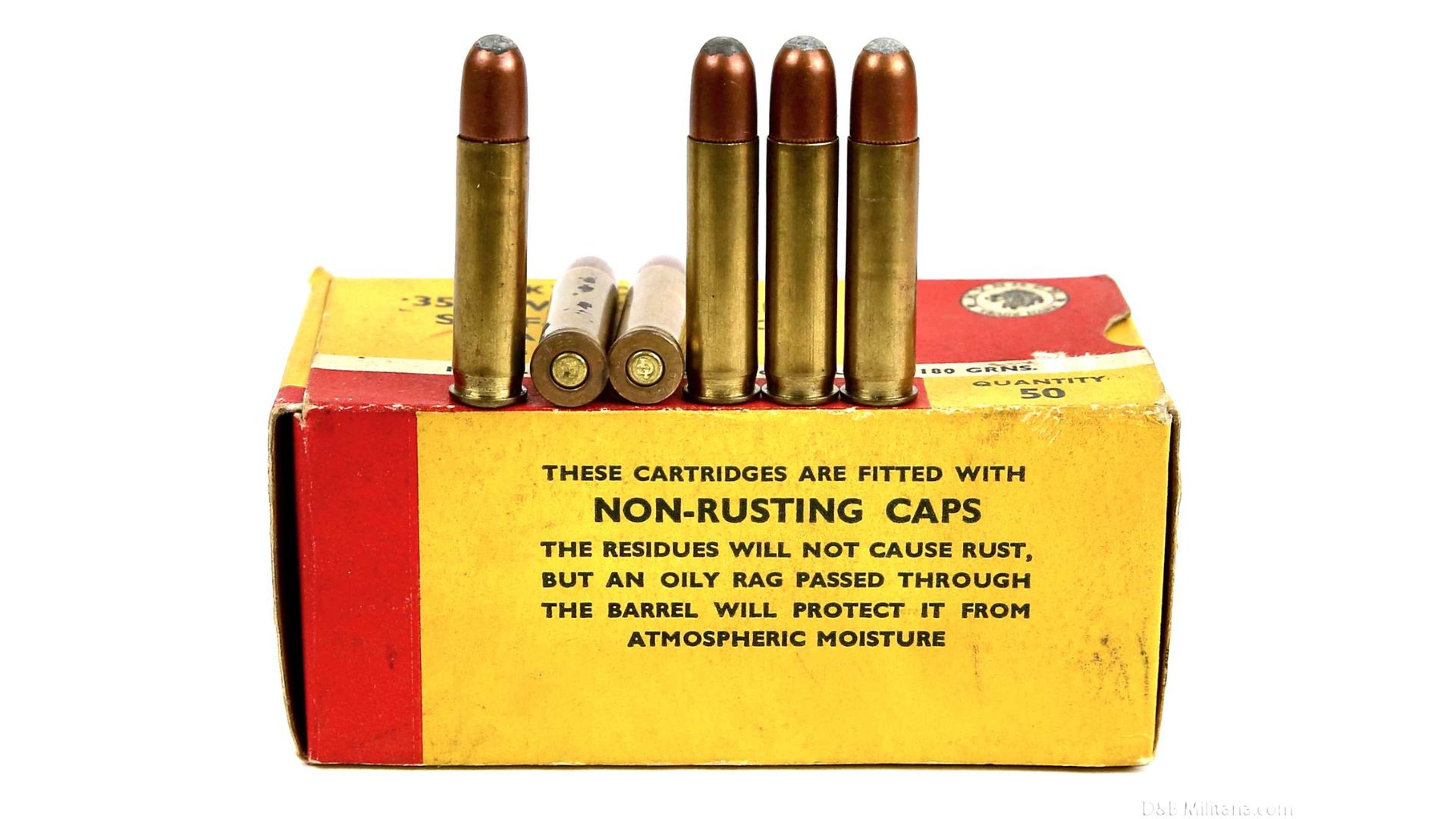
If you see a .351 WSL in deer camp, it’s almost always tied to a family heirloom Winchester 1907. The cartridge is unique, but its limitations become obvious fast. Low energy, poor long-range performance, and scarce ammunition make it better suited for collectors than hunters.
Most people who bring one into the woods are honoring history, not chasing ballistics. It’s a nostalgic caliber, but its time has long passed.
.22 Savage High-Power
The .22 High-Power once had a reputation for being more capable than it truly was, and hunters who carry it today usually do so because an older family member swore by it. It can take deer with perfect placement, but bullet construction and inconsistent penetration make it a risky choice.
Compared to modern 6mm and .25-caliber rounds, the High-Power lags behind across the board. It survives on tradition alone.
.280 Remington
The .280 is a great cartridge on paper, but many hunters only bring it out because a parent or mentor insisted it’s “better than a .270.” In reality, the .280’s advantages are subtle, and ammo shelves don’t always cooperate. Without handloading, performance varies more than most hunters want.
You don’t see many new rifles chambered in it, so the round continues mostly through hand-me-down guns. It’s capable, but tradition carries it far more than availability or convenience.
Like The Avid Outdoorsman’s content? Be sure to follow us.
Here’s more from us: