Photo credit: WHO_TEE_WHO/YouTube
A lot of rifle cartridges will kill both whitetails and elk cleanly, but that does not mean they are equally well suited to both jobs. Whitetails are relatively light-bodied animals, and most shots are taken at distances where moderate cartridges already provide more than enough penetration and energy. Elk are larger, heavier through the shoulders, and more likely to demand deeper penetration from tougher bullets.
That is where certain cartridges start making much more sense. Their extra bullet weight, sectional density, retained energy, or frontal diameter gives hunters more margin when shot angles are less than perfect or the animal is significantly larger than a typical deer. You can absolutely use every caliber below on whitetails, but in many cases you are carrying extra recoil, blast, rifle weight, or ammunition cost that a deer simply does not require. These cartridges earn their keep much more clearly when elk are on the tag.
.300 Winchester Magnum
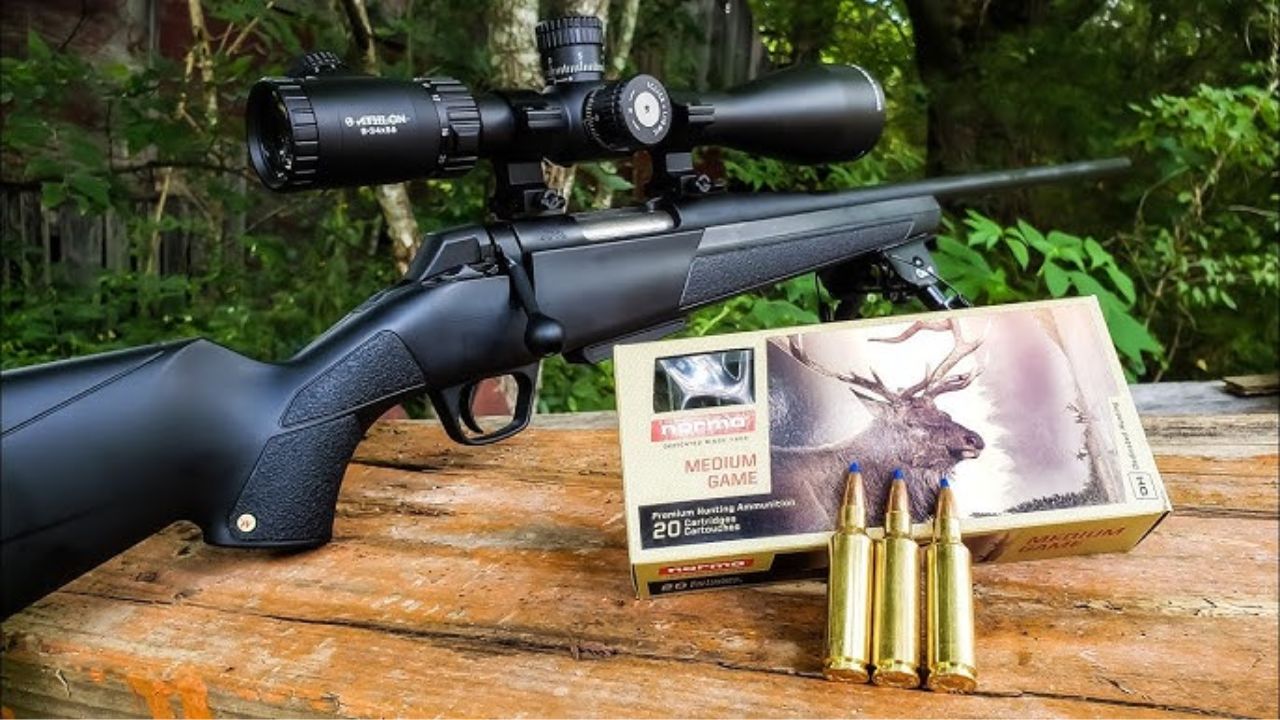
The .300 Winchester Magnum may be one of the most obvious examples. It launches heavy .30-caliber hunting bullets fast enough to retain plenty of velocity and energy well beyond ordinary hunting distances, which gives elk hunters a useful combination of reach and penetration. Bullets in the 180-grain class are especially well suited to the cartridge and give hunters enough mass for quartering shots and larger-bodied animals.
For whitetails, however, much of that capability goes unused. A .308 Winchester or .30-06 can kill deer cleanly at the distances most hunters encounter them while producing less recoil and blast. The .300 Win. Mag. certainly works on deer, but it starts making much more sense when an elk may weigh several times as much and the shot could come across a large western canyon.
.300 PRC
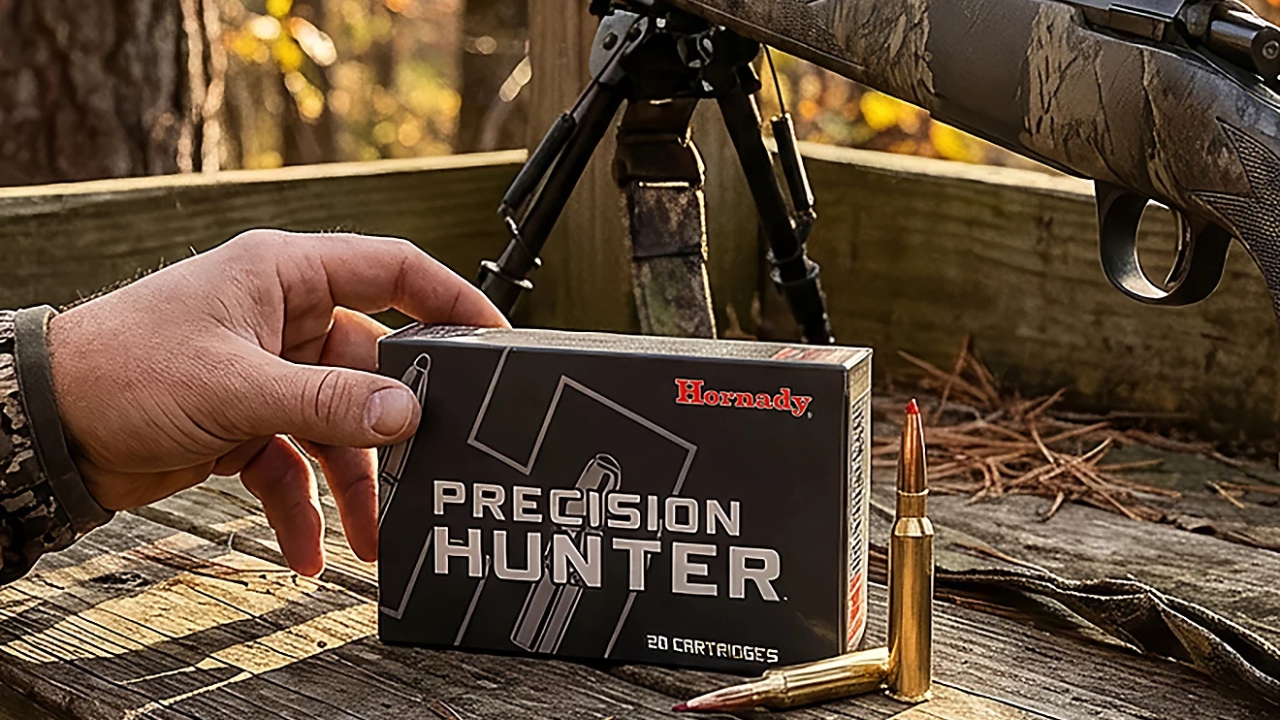
The .300 PRC was built around heavy, high-ballistic-coefficient bullets and long-range performance, which makes it particularly well suited to big western game. It handles long .30-caliber projectiles efficiently and retains significant energy as distance increases, giving elk hunters plenty of penetration and wind resistance from a properly configured rifle.
Whitetail hunting rarely demands those advantages. If your deer stand overlooks a 120-yard clearing, a heavy .30-caliber bullet leaving a magnum-length cartridge is solving a problem that does not exist. The rifle will generally be longer, heavier, louder, and more expensive to feed than a normal deer rifle. On elk in open country, those compromises start paying dividends. On a whitetail inside the timber, they mostly amount to carrying more gun.
.300 Weatherby Magnum

The .300 Weatherby Magnum has built its reputation around speed and power. It pushes heavy .30-caliber bullets harder than more moderate cartridges, giving hunters a flatter trajectory and plenty of retained energy for large game at extended ranges.
That combination is much easier to justify on elk than on whitetails. A 180-grain premium bullet at Weatherby velocities gives you serious penetration on a bull, particularly when you need to get through shoulder muscle or bone. A 140-pound whitetail does not require nearly that much cartridge. You can certainly load the Weatherby appropriately and use it successfully on deer, but the recoil, muzzle blast, ammunition cost, and barrel length all feel less worthwhile when a mild cartridge would have accomplished the same thing.
.300 Remington Ultra Magnum
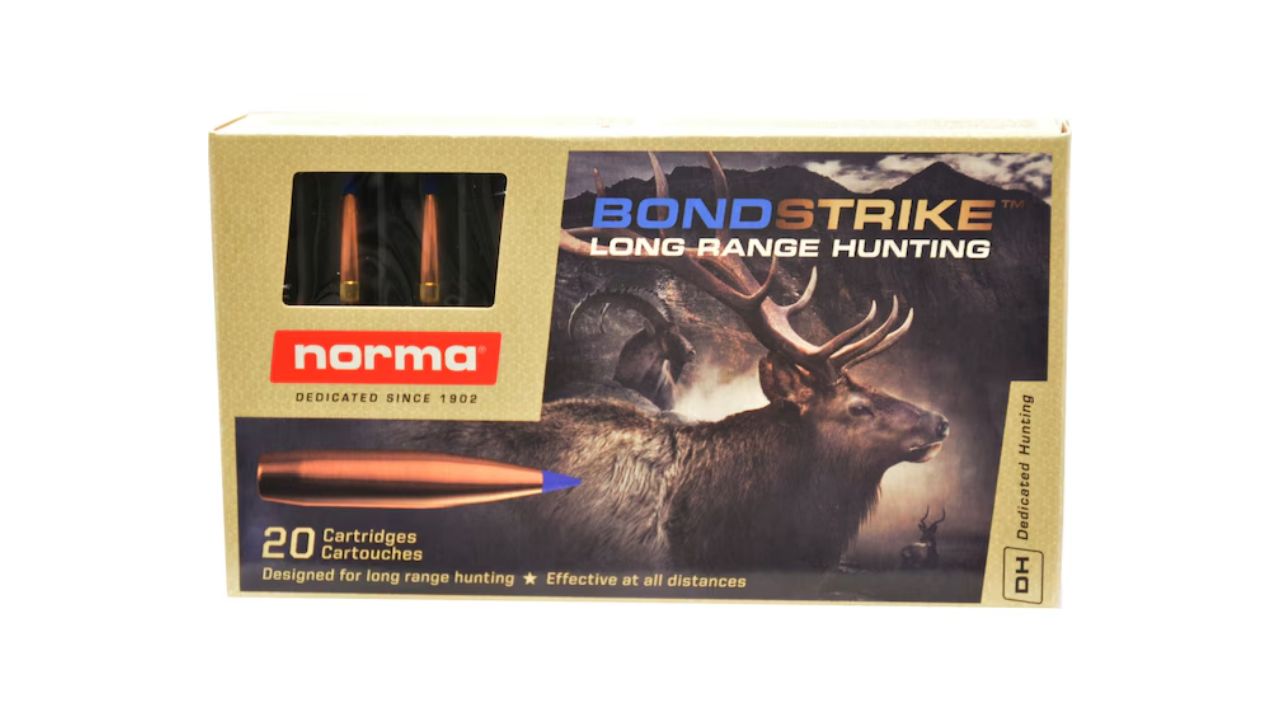
The .300 RUM takes the high-velocity .30-caliber idea even further. It has tremendous case capacity and can drive heavy hunting bullets at impressive speeds, which gives it genuine advantages for elk hunting across wide-open country.
The drawback is that everything about the cartridge is excessive for ordinary whitetail hunting. Recoil can be substantial, muzzle blast is fierce, and the rifles tend to work best with enough barrel length to take advantage of all that powder. On elk, the ability to retain energy and drive a tough 180- or 200-grain bullet deeply can justify those penalties. On deer, it is hard to argue that the animal will be any more dead than it would have been with a much milder .308 or 7mm-08.
.338 Winchester Magnum
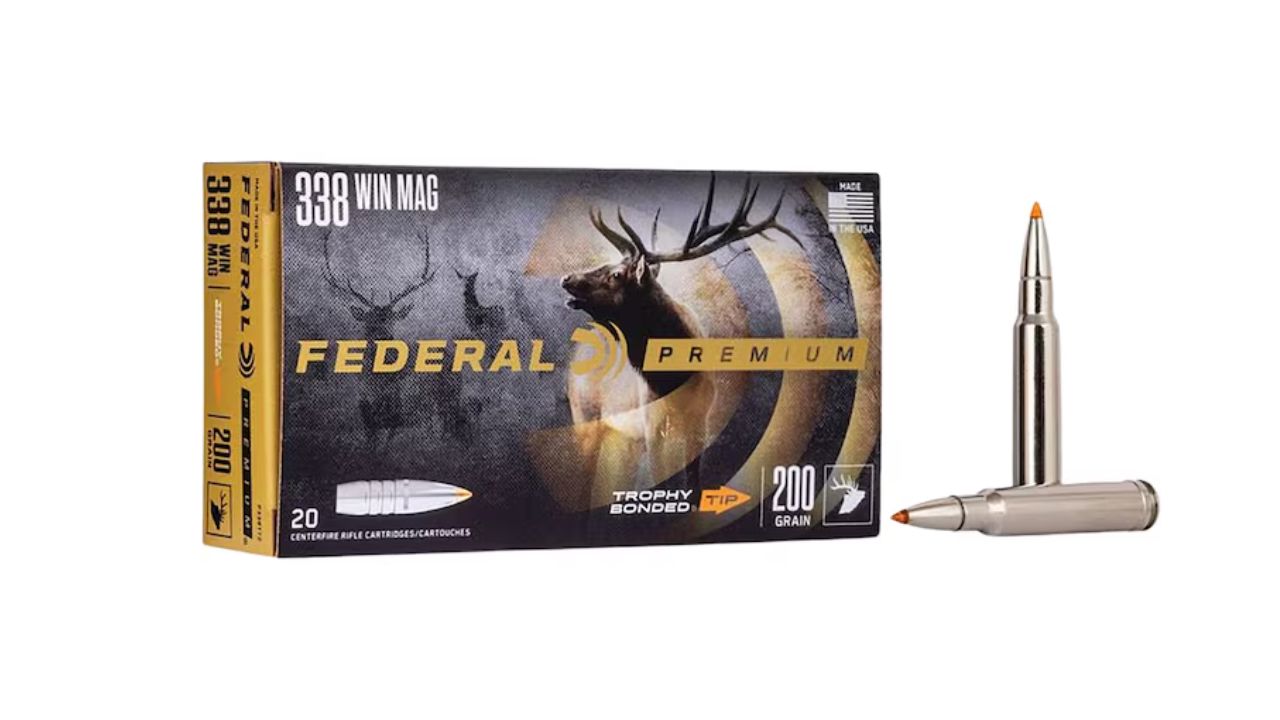
The .338 Winchester Magnum was practically made for the type of hunting where elk-sized animals become the norm. It combines heavy bullets with enough velocity to maintain useful trajectory and delivers a substantial increase in frontal area over common .30-caliber cartridges.
That added bullet weight and diameter become valuable when a bull is quartering away or you need enough penetration to reach the vitals through heavy tissue. Whitetails rarely demand that level of performance. The .338 generates more recoil than most hunters enjoy and usually comes in a heavier rifle. If you are hunting elk, moose, or bear, those tradeoffs can make sense. If your season revolves around 150-pound deer, you are carrying a cartridge designed for a much harder job.
.338-06 A-Square

The .338-06 is much more sensible than the big .338 magnums for hunters who want heavy bullets without extreme recoil. It uses the .30-06 case necked up to .338 caliber, giving you excellent bullet weight and frontal diameter at moderate velocities.
That makes it an outstanding elk cartridge. You get deep penetration and large bullets without needing the blast or recoil of the .338 Winchester Magnum. On whitetails, though, even the .338-06 is more cartridge than most hunters need. A smaller bullet from a .270 or .30-06 will handle deer just as effectively while offering flatter trajectory or lighter recoil. The .338-06 earns its strongest argument when the animals are large enough to justify the heavier projectile.
.35 Whelen

The .35 Whelen is one of the best examples of a cartridge that becomes more impressive as the game gets larger. It launches heavy .358-inch bullets from a standard-length action and can produce tremendous penetration without requiring magnum pressures.
On elk, especially in timber or at moderate distances, that is a terrific combination. A 225- or 250-grain hunting bullet gives you a lot of momentum and frontal area while remaining manageable in a properly stocked rifle. Whitetails can certainly be taken cleanly with the Whelen, but the cartridge is doing far more work than necessary. If your hunt is limited to deer, a .308 or .30-06 makes life easier. Add elk and black bear to the mix, and the Whelen suddenly becomes much more compelling.
.358 Winchester
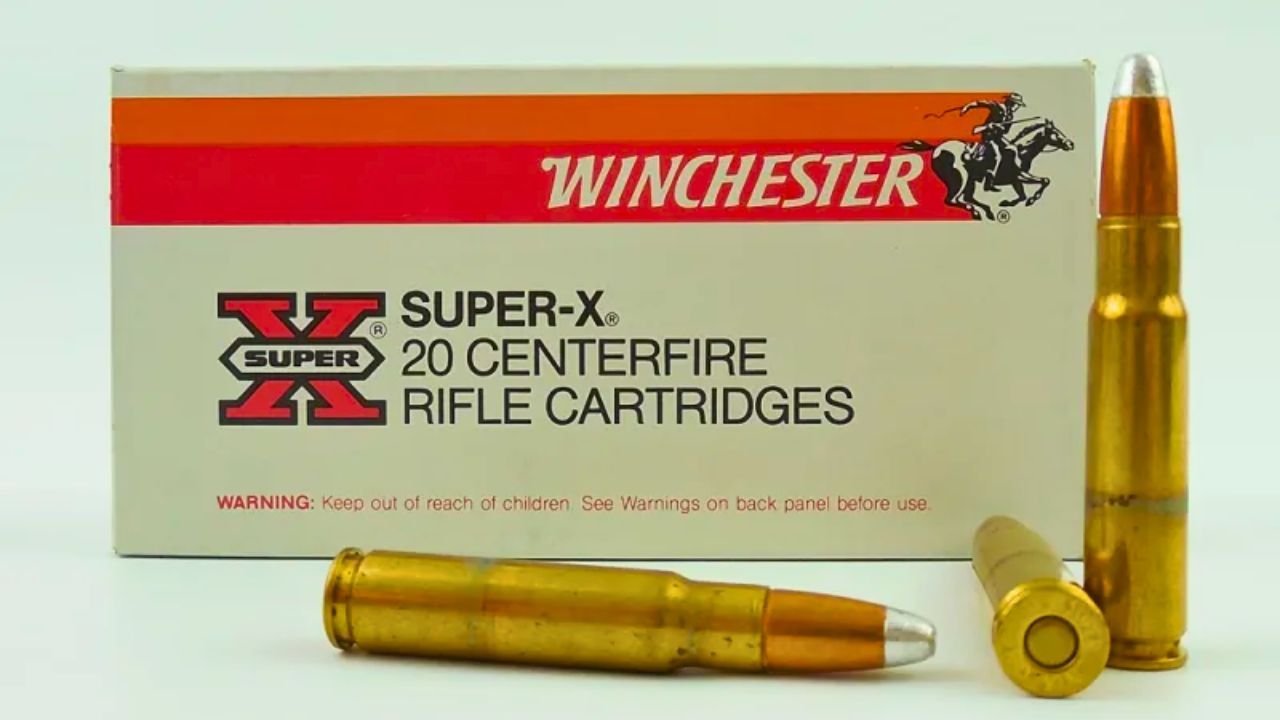
The .358 Winchester is often thought of as an old-school woods cartridge, but its combination of a short-action case and heavy .35-caliber bullets makes it extremely useful for elk at sensible ranges. It does not need magnum velocity to penetrate deeply.
That is exactly why it fits elk better than whitetails. On a big bull inside 250 yards, a heavy .358 bullet gives you excellent terminal performance and plenty of penetration. On a deer, the same cartridge works perfectly well but provides little practical advantage over a lighter 7mm or .30-caliber round. The .358’s trajectory also becomes a limitation as distance stretches. Its strengths show up most clearly when the animal is big, the cover is thick, and the shot is not especially long.
.375 H&H Magnum

The .375 H&H is famous as a dangerous-game cartridge, but it is also extremely capable on elk and other large North American game. Its heavier bullets penetrate deeply, and the cartridge shoots flatter than many people assume when loaded appropriately.
For whitetails, it is difficult to justify. The rifle is generally heavier, recoil is substantial, and ammunition is much more expensive than ordinary deer cartridges. You are also launching bullets designed to handle animals far larger and tougher than a whitetail. On elk, the .375 still gives you far more power than necessary, but at least the larger body and heavier bone let some of that capability matter. On deer, it mostly becomes an exercise in proving that you can.
.375 Ruger
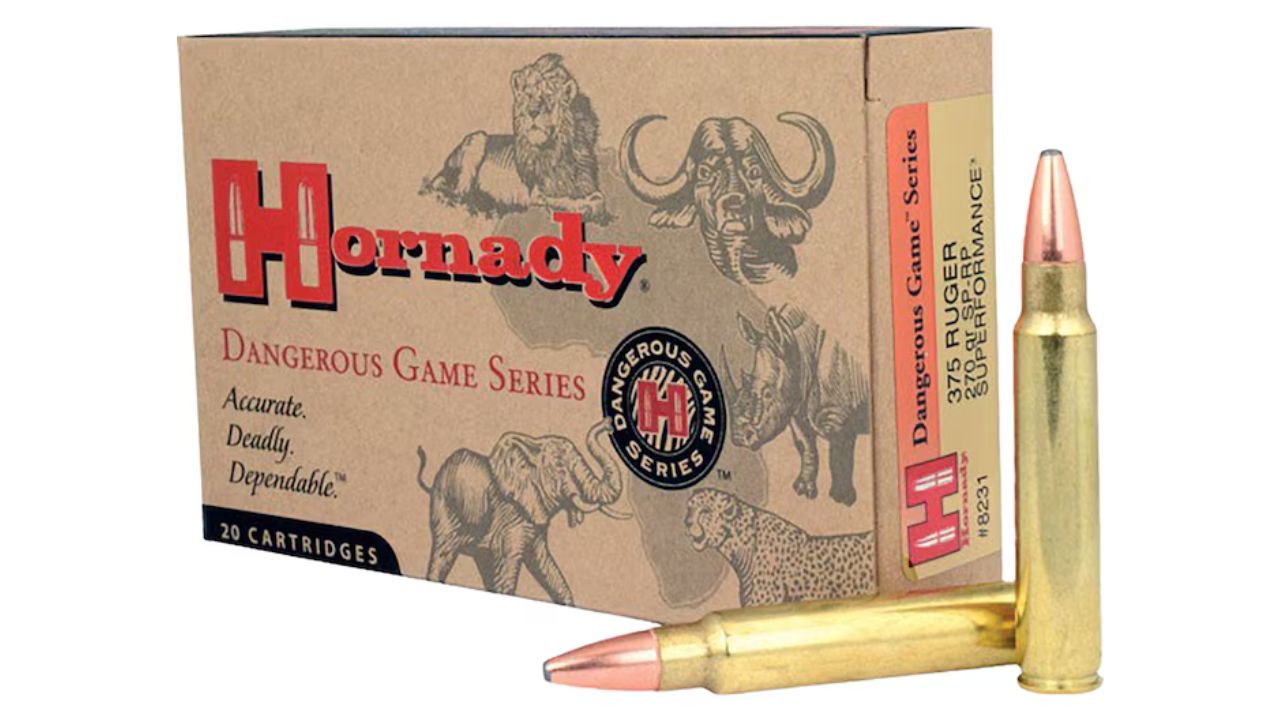
The .375 Ruger delivers performance in the same general class as the .375 H&H while fitting into a standard-length action. That allows manufacturers to build somewhat handier rifles without giving up the power expected from a serious .375.
It makes sense for hunters who want one rifle capable of covering elk, moose, bear, and larger game without moving into truly specialized safari actions. Whitetails barely begin to use what the cartridge offers. Recoil, ammunition cost, and bullet weight all exceed what is needed for ordinary deer hunting. On a big elk at a difficult angle, though, the cartridge’s deep penetration and large frontal diameter provide real confidence. It is still more than necessary, but at least the advantage becomes relevant.
.325 WSM

The .325 WSM never became as popular as its .300-caliber short-magnum relatives, but it has a strong elk-hunting case. It throws heavy 8mm bullets at useful magnum velocities while fitting into a short-action rifle, giving it a lot of power without requiring a full-length magnum action.
That combination works especially well on elk because heavier 8mm bullets can provide excellent penetration and retain plenty of energy. On whitetails, the cartridge’s extra recoil and limited ammunition selection become harder to excuse. A 7mm-08, .308, or .270 will kill deer just as effectively at ordinary ranges and give you far more factory choices. The .325 WSM makes much more sense when the target is large enough to reward its heavier bullet.
8mm Remington Magnum

The 8mm Remington Magnum was built around speed, heavy bullets, and serious big-game performance. It can push substantial 8mm projectiles fast enough to deliver excellent long-range energy and penetration.
That sounds much more appealing when elk are on the menu. The cartridge has enough horsepower for steep quartering shots and large bulls, but that same power comes with noticeable recoil and a long action. Ammunition availability is also poor compared with mainstream cartridges. On whitetails, those disadvantages completely overwhelm the practical benefits. Unless you specifically enjoy unusual cartridges, there is almost no reason to endure the 8mm Rem. Mag. for deer. Elk give its considerable capability a much more legitimate purpose.
.340 Weatherby Magnum

The .340 Weatherby is one of the more serious North American hunting cartridges ever developed. It combines .338-caliber bullets with tremendous velocity, producing a cartridge capable of excellent long-range performance on very large animals.
For elk, it provides a huge amount of penetration and retained energy, particularly with premium 225- to 250-grain bullets. For whitetails, it borders on absurd. The recoil is significant, ammunition is expensive, and rifles chambered for it are generally large. A deer does not require anywhere close to the cartridge’s potential. The .340 starts becoming logical when the hunt involves big bulls, open country, and potentially long shots. On a small whitetail food plot, you are mostly paying for power you will never use.
.338 Lapua Magnum

The .338 Lapua Magnum has more ballistic capability than nearly any elk hunter realistically needs, but at least elk hunting gives it a plausible sporting role. Heavy, high-BC bullets retain enormous energy and resist wind extremely well at extended distances.
The problem is the entire package required to use it. Rifles tend to be heavy, ammunition is extremely expensive, recoil is significant, and most hunters do not have access to conditions where the cartridge offers a meaningful advantage. For whitetails, it makes even less sense. A deer at 200 yards could be killed just as cleanly with a rifle half the weight and ammunition costing a fraction as much. The Lapua only starts earning its baggage when the animal is large and the distance is genuinely long.
.45-70 Government
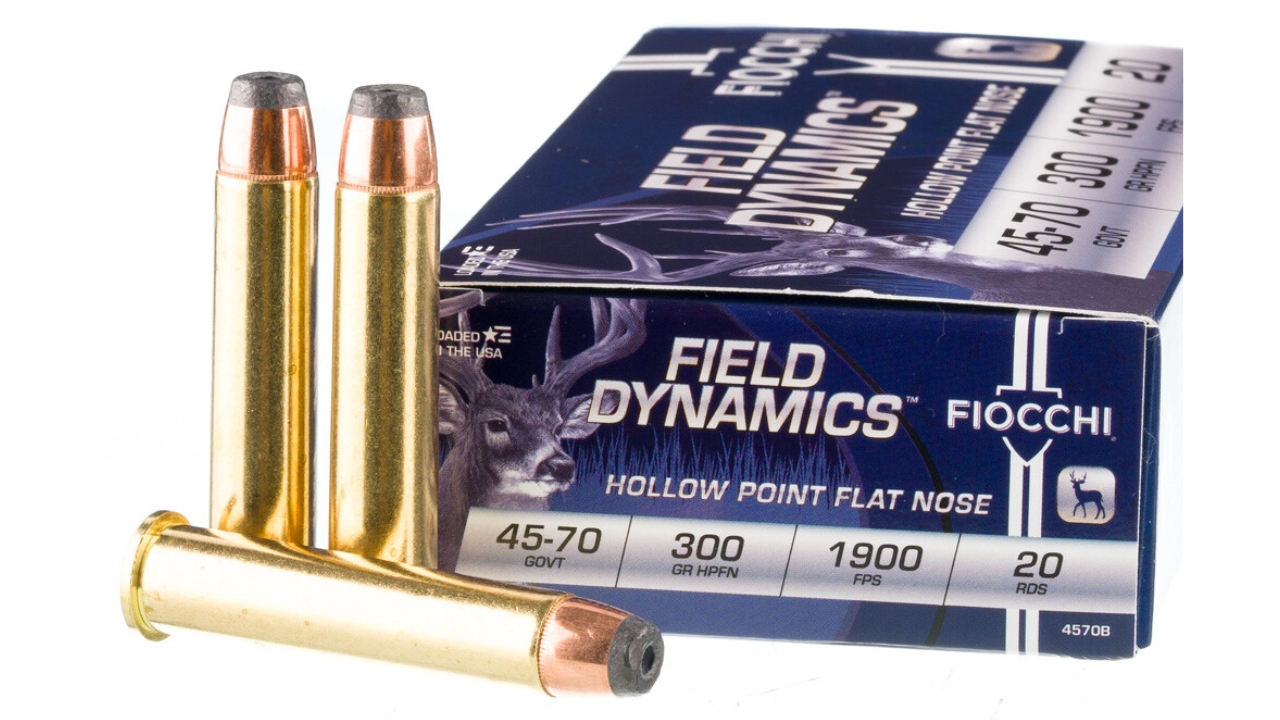
The .45-70 looks nothing like the high-velocity elk cartridges above, but it has a completely different advantage: heavy bullets with enormous frontal diameter and deep penetration at moderate range.
In thick timber, that can make it an outstanding elk cartridge. Strong modern rifles can use loads that deliver far more performance than the cartridge’s nineteenth-century origins suggest. On whitetails, the .45-70 is effective but often unnecessary. Recoil with heavy loads can be substantial, trajectory drops quickly, and the cartridge consumes more lead and powder than a deer requires. If you already own one and hunt woods, use it. If you are selecting a rifle specifically for average whitetails, there are easier options.
.450 Marlin
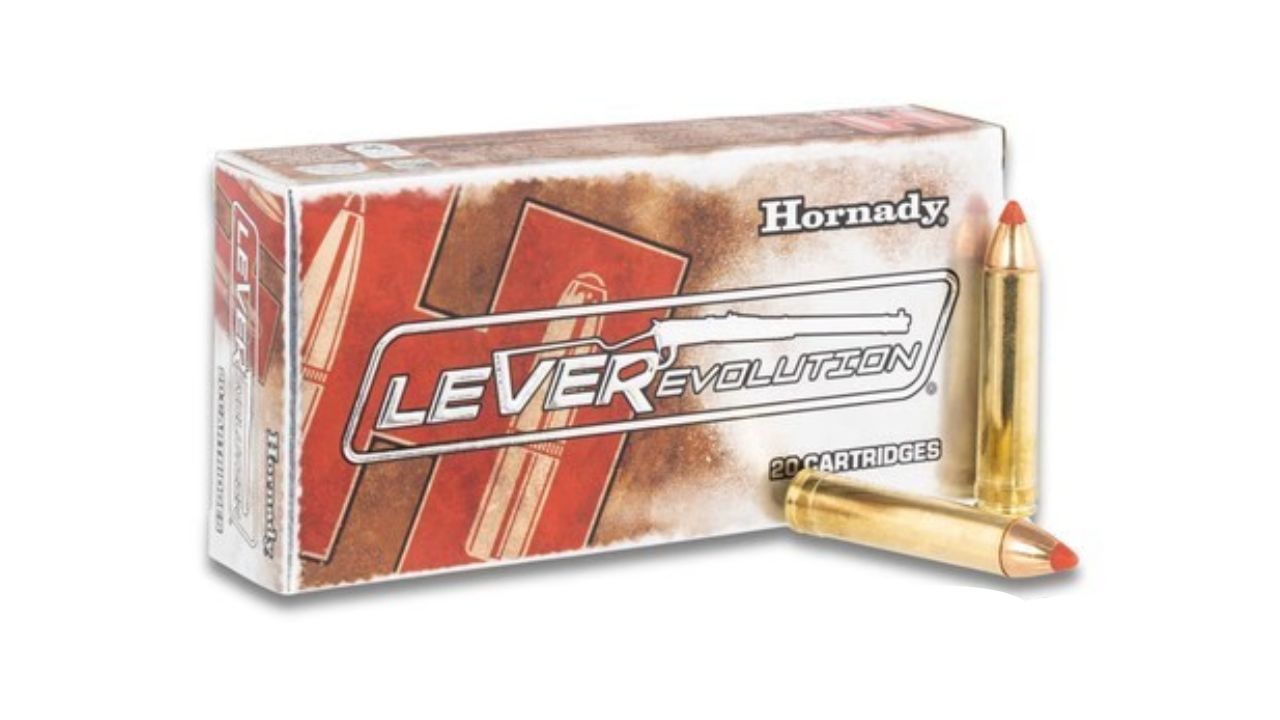
The .450 Marlin was designed to provide heavy .45-70-like performance without the complications created by the enormous range of pressures found in .45-70 ammunition and rifles. It gives lever-action hunters a serious big-bore cartridge capable of handling large game at close to moderate distances.
Elk fit that mission far better than whitetails. A big bull gives the cartridge’s heavy bullets something substantial to work against, while the strong penetration can be valuable in timber. On a normal deer, the recoil and limited range buy you very little. Ammunition availability is also much worse than it once was, which makes every shot more expensive. The .450 Marlin remains useful, but its strengths are clearly aimed at animals larger and tougher than the average whitetail.
.444 Marlin
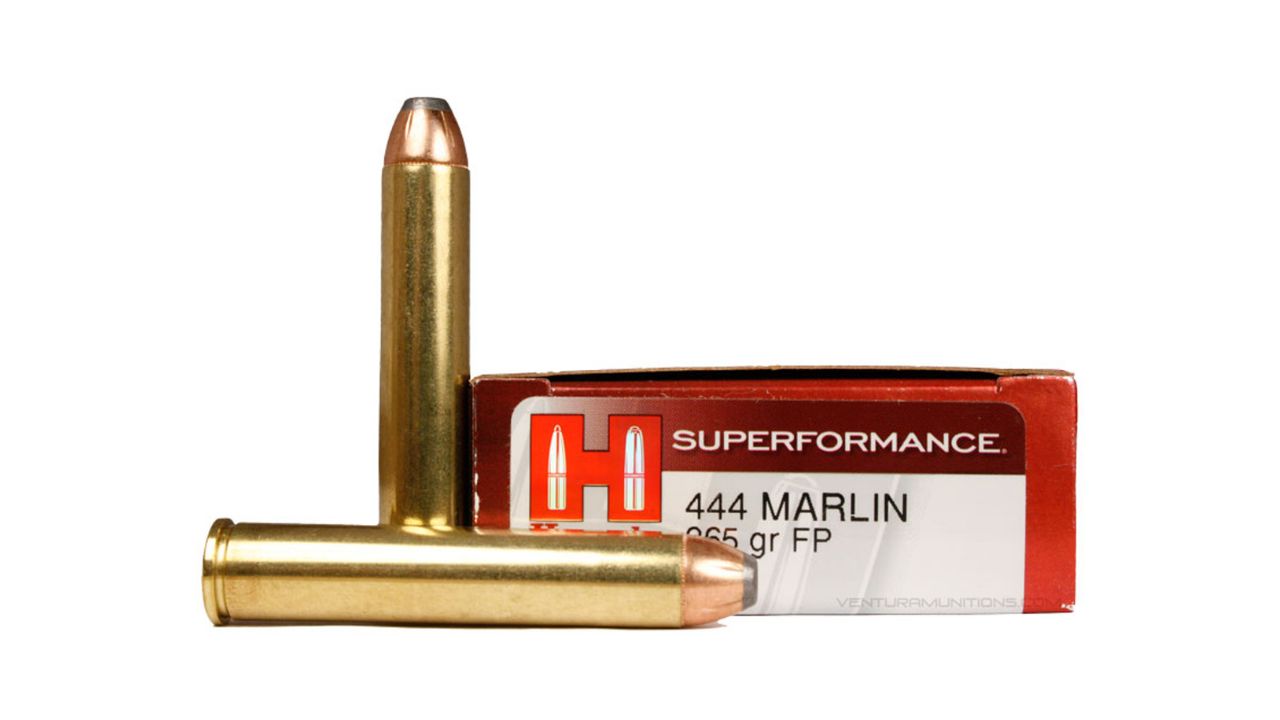
The .444 Marlin gives hunters a heavy .44-caliber bullet at rifle velocities, making it far more capable than the handgun cartridges its bullet diameter might suggest. It is particularly effective in lever rifles used for close-range hunting.
That makes it a strong elk cartridge where shots are kept moderate and suitable bullets are used. The combination of frontal area and penetration can work extremely well in thick cover. On whitetails, however, a .30-30 or .35 Remington can perform the same basic job with less recoil and easier shooting. The .444 becomes more appealing as the game gets bigger because its extra bullet weight begins to provide a meaningful advantage instead of simply producing more recoil.
.416 Ruger
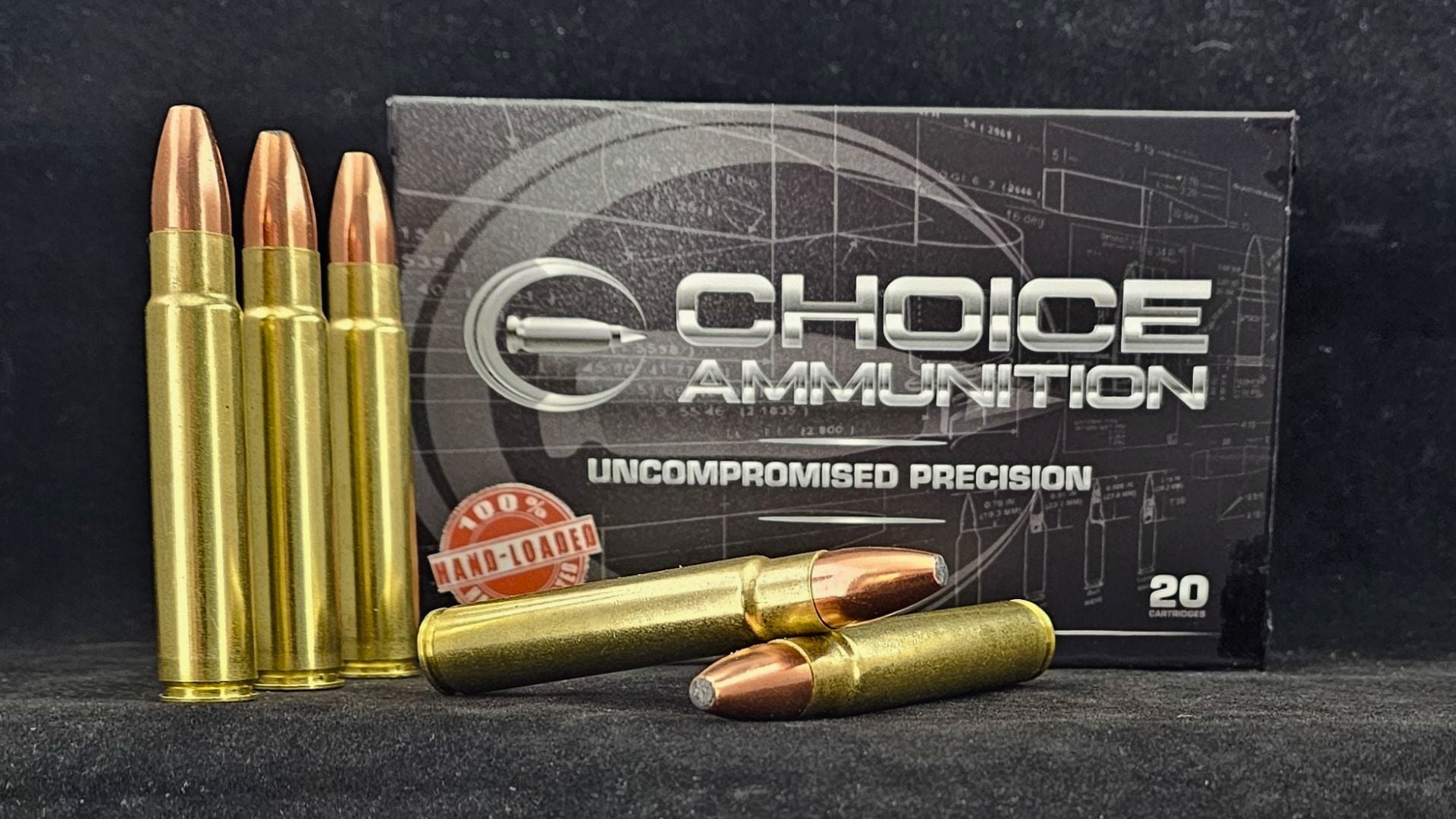
The .416 Ruger is far beyond what anyone needs for elk, but if we are comparing elk with whitetails, the larger animal is clearly the one that gives this cartridge even a remote reason to come along. It throws enormous bullets with enough penetration for dangerous game and fits into relatively compact rifles compared with some traditional safari cartridges.
On an elk, it would be devastating and give the hunter tremendous penetration from virtually any sensible angle. On a whitetail, the cartridge is pure overkill in practical terms. Recoil is heavy, ammunition is expensive, and the rifle offers no meaningful advantage over much smaller cartridges. If someone already owns a .416 Ruger and wants to use it on elk, that is one thing. Buying one specifically for deer would make almost no sense.
.404 Jeffery

The .404 Jeffery belongs to the same category. It is a classic African big-game cartridge built around heavy bullets, deep penetration, and reliable performance on animals vastly larger than deer.
Elk are still nowhere near the upper limit of what the .404 can handle, but their size at least makes the cartridge’s heavy projectile somewhat relevant. A large bull gives you substantial muscle and bone to penetrate, especially at difficult angles. Whitetails offer almost none of that resistance. Carrying a large safari rifle through deer woods simply adds recoil, weight, cost, and slower handling without improving the outcome. It is an excellent cartridge, but its strengths start far above the whitetail level and only begin to make sense on elk-sized game and beyond.
Like The Avid Outdoorsman’s content? Subscribe to our newsletter so you never miss an article.
Here’s more from us: