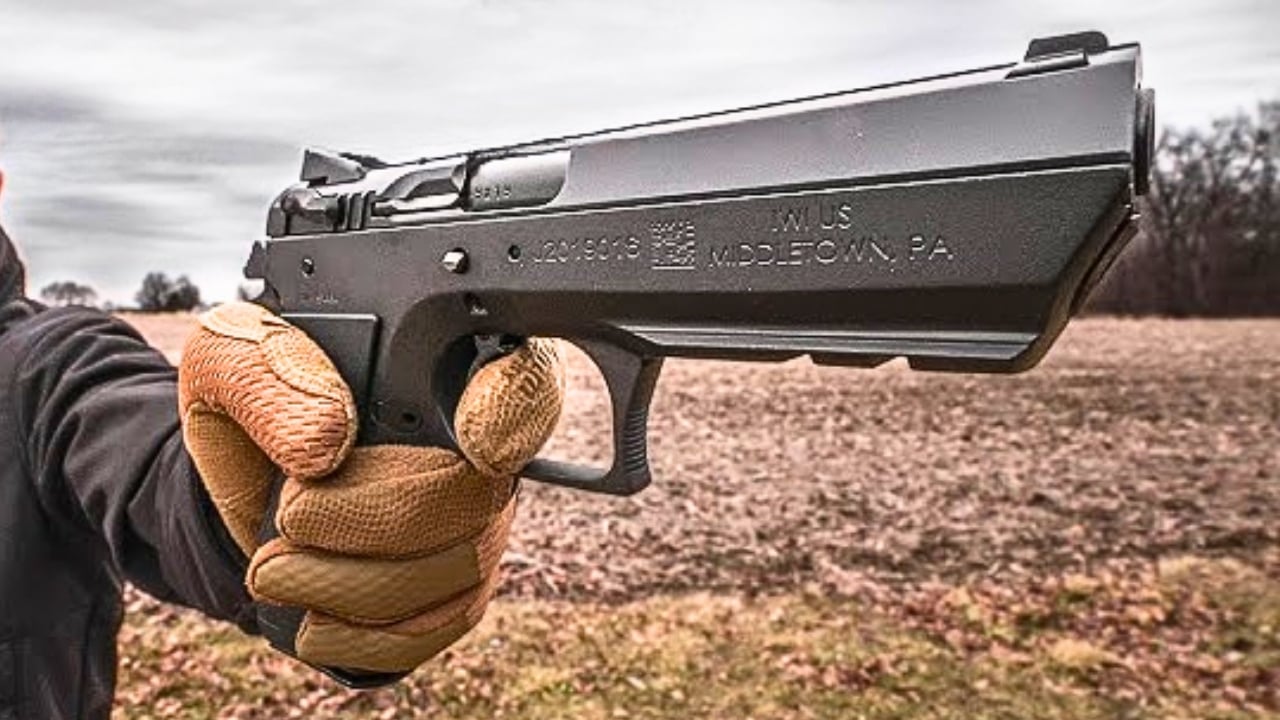
Photo credit: 1ShotTV/YouTube
Most modern semi-auto pistols are boringly reliable. They feed, they fire, they eject, and they’ll do it for years with nothing more than basic cleaning and fresh magazines. Then one day you’re at the range or wiping it down at the tailgate and you notice the same thing a lot of us eventually notice: the gun didn’t quit first… a small part did.
Sometimes it’s a sight that drifts. Sometimes it’s a roll pin that starts walking. Sometimes it’s a guide rod setup that looks like it belongs in a pen. These are the pistols that run great and feel hard to complain about—right up until the first component decides it’s done. None of this is meant to scare you off a good handgun. It’s meant to remind you to actually look at wear points, keep a few small spares on hand, and not ignore the little changes that show up before a real failure.
1. Glock 19
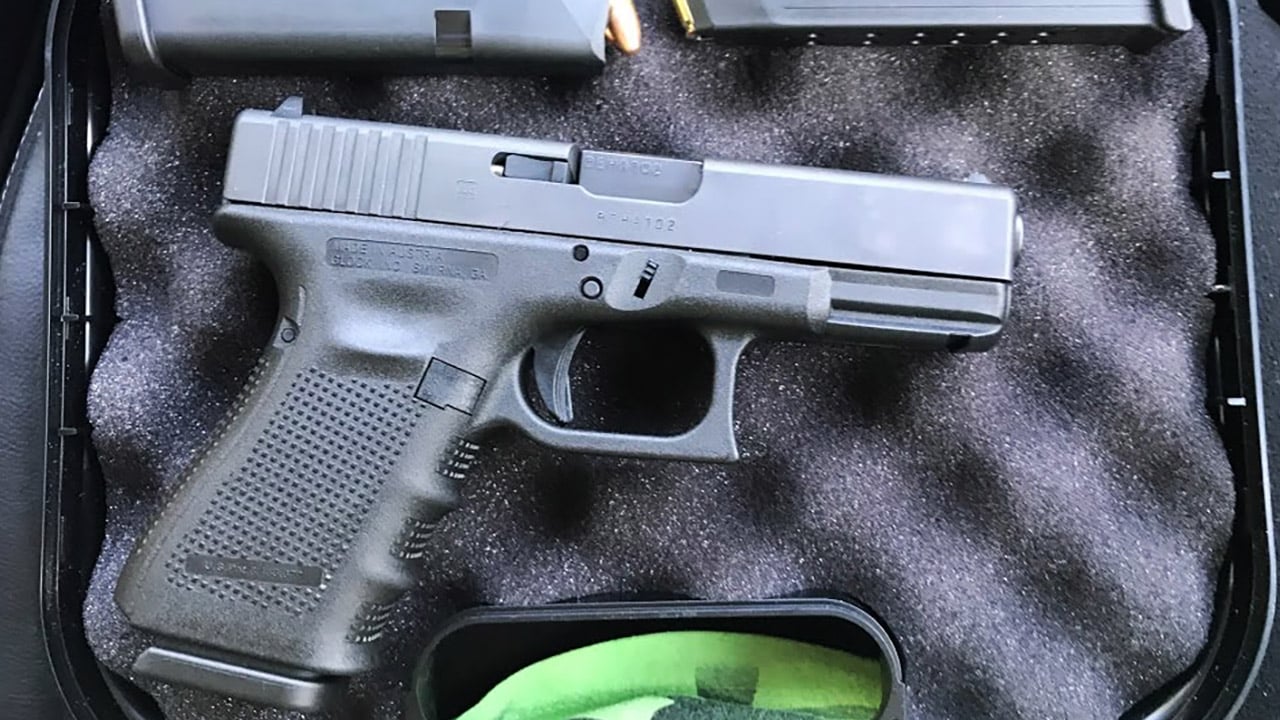
I’ve seen more Glock 19s in trucks, tackle boxes, and bedside drawers than I can count. They’re dependable, easy to shoot well, and magazines are everywhere. For most owners, it’s the definition of “set it and forget it.”
The part that can bite you is usually not the pistol itself, but a small piece: a magazine catch that gets chewed up after years of hard reloads, a slide stop spring that gets bent from careless assembly, or sights that aren’t as immortal as the internet says. If your carry gun starts locking back early or not at all, don’t assume the world ended—start small.
2. SIG Sauer P365
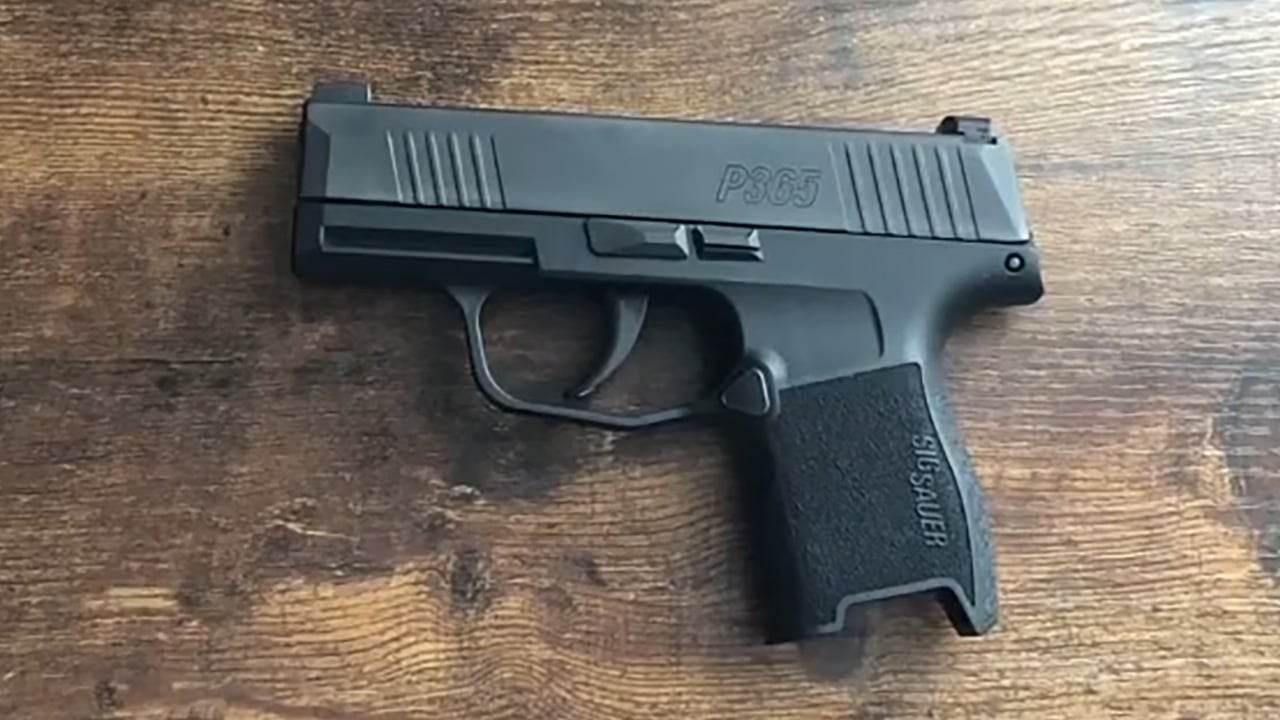
The P365 changed the carry game, no question. A lot of folks who could never get comfortable with a thicker double-stack suddenly had 10–12 rounds in a very carryable package. It points quick and hides easy.
What shows up first tends to be the “small stuff” that lives a hard life in a micro-compact: magazine springs that lose snap faster than you’d like, baseplates that take a beating, and little pins and springs that aren’t as forgiving when grit and pocket lint become daily roommates. If it’s a daily carry, treat mags like consumables and mark them so you can spot the problem child.
3. Smith & Wesson M&P 2.0 Compact
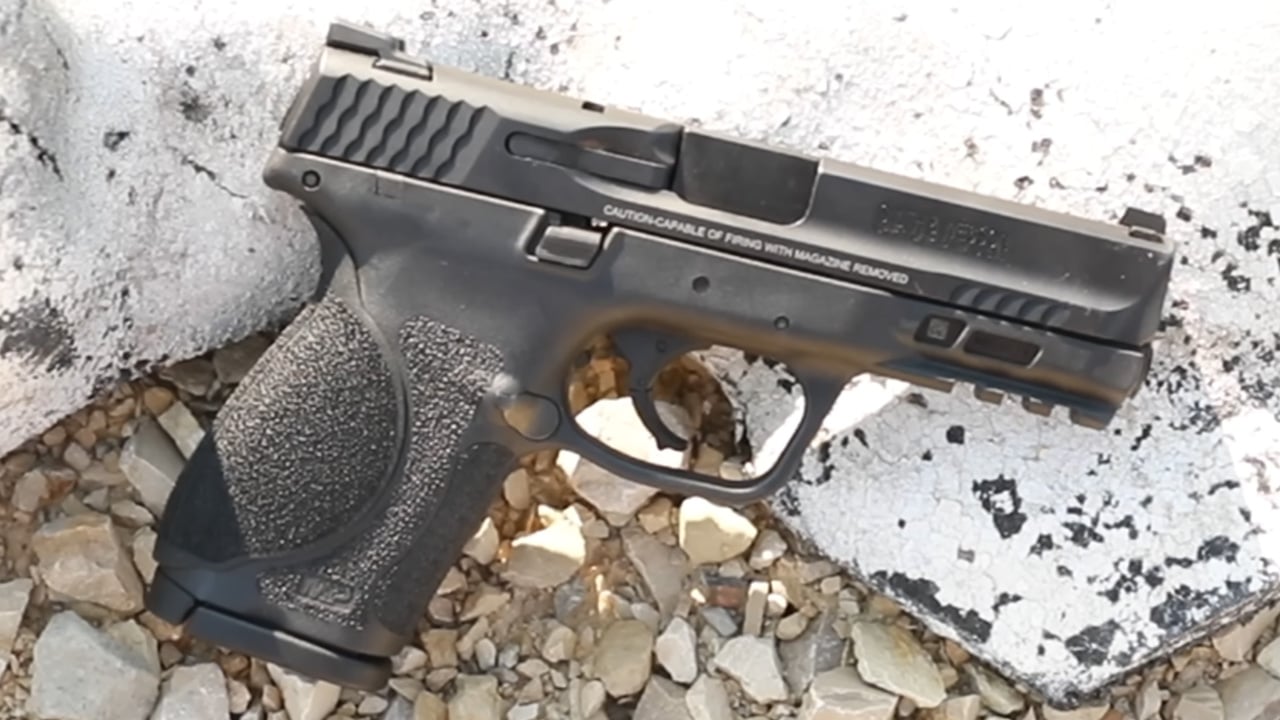
The M&P 2.0 Compact is one of those pistols that just works and doesn’t make a big fuss about it. Good texture, good ergonomics, and it tends to run dirty without drama.
The “comes apart first” moment I’ve seen is sights drifting (especially if someone swapped them without proper tools) and striker channel contamination causing light strikes. The gun isn’t fragile; it just doesn’t like being treated like a shovel. Keep the striker channel clean and don’t ignore a rear sight that’s starting to walk.
4. Springfield Armory Hellcat
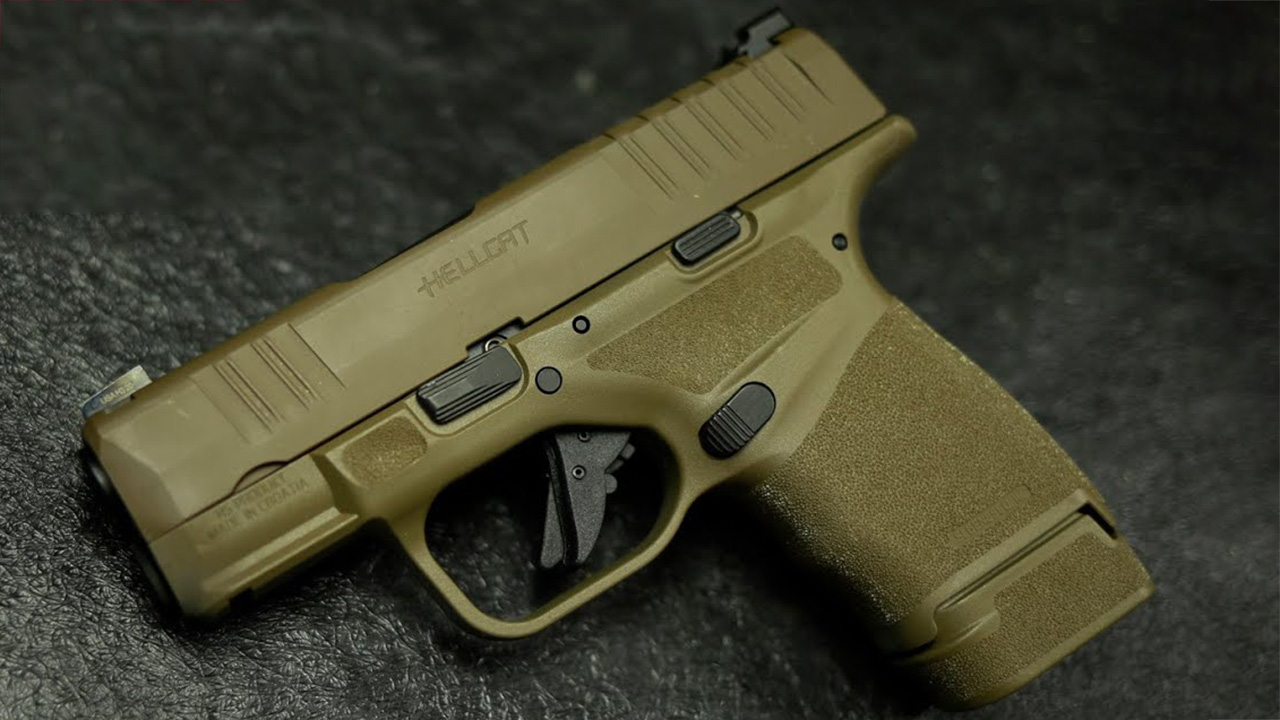
The Hellcat is a legit performer in a tiny footprint. It’s also snappy, and snappy guns shake things loose. That’s not an insult—it’s physics.
Where it can show up is in magazine wear and little controls taking a beating from constant carry. If your mags start getting finicky or the gun suddenly feels different seating a mag, inspect the feed lips and baseplates before you start blaming the gun. A fresh mag can “fix” a lot of problems that look like pistol problems.
5. Ruger Security-9
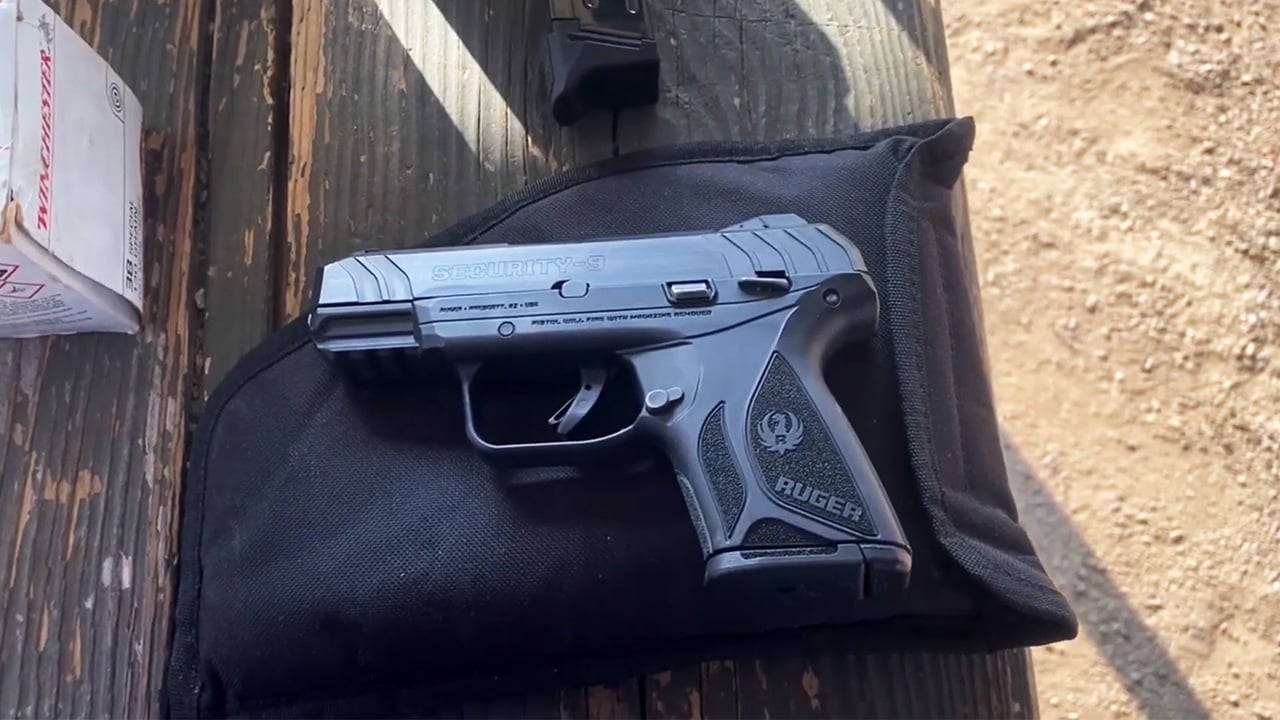
Ruger did a lot right with the Security-9: it’s affordable, reliable, and it points naturally for a lot of hands. As a working-guy pistol, it’s easy to appreciate.
But on budget guns, small parts and springs are where corners get noticed first. I’ve seen trigger return spring issues and sight movement on hard-use examples. It’s not that the whole pistol is weak; it’s that the first failure tends to be a small spring or pinned part that costs little but ruins your day if you don’t catch it.
6. Ruger LCP II

The LCP II is what it is: a pocket pistol that goes where bigger guns don’t. It’s not a range toy, and it’s not built to feel soft and friendly.
The first thing that can “give” is usually the magazine—springs, followers, or the tiny baseplate getting battered in pockets and consoles. These pistols also live in lint. If an LCP II starts acting up, clean it like you mean it and test with a different mag before you swear it off.
7. CZ P-10 C
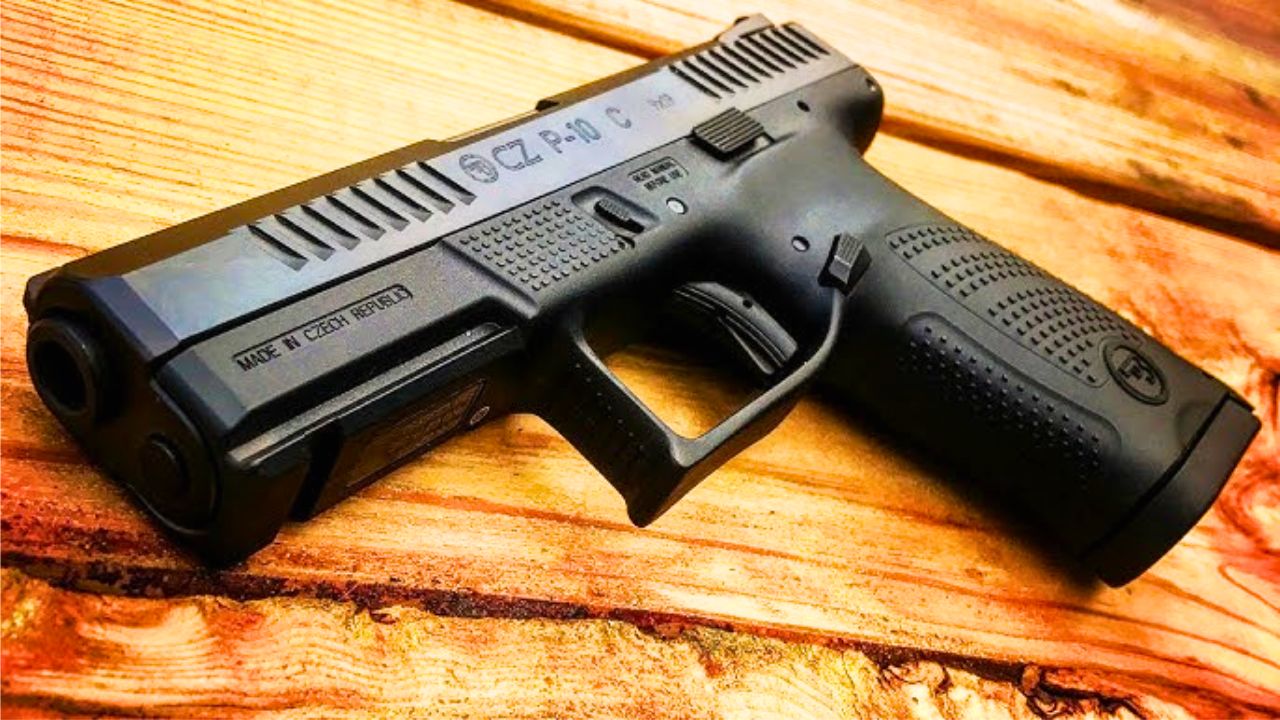
The P-10 C is a shooter’s striker gun. Great trigger for the money, accurate, and it runs. It’s also one of those pistols that makes you wonder why you paid more for something else.
When something does crop up, I’ve seen it be magazine-related and occasionally small parts tied to the slide stop and its spring tension. If the slide stop starts feeling “different,” pay attention. Little changes in feel are the early warning system.
8. CZ 75B

The CZ 75B is a classic for a reason. Heavy enough to shoot flat, accurate, and it just has that solid steel feel that polymer guns can’t fake.
The flip side is that older designs rely on certain wear parts that eventually wear. Recoil springs get tired, and small pins can peen or drift with high round counts. If you buy a used one, a spring refresh is cheap insurance. Ask me how I know.
9. Beretta 92FS
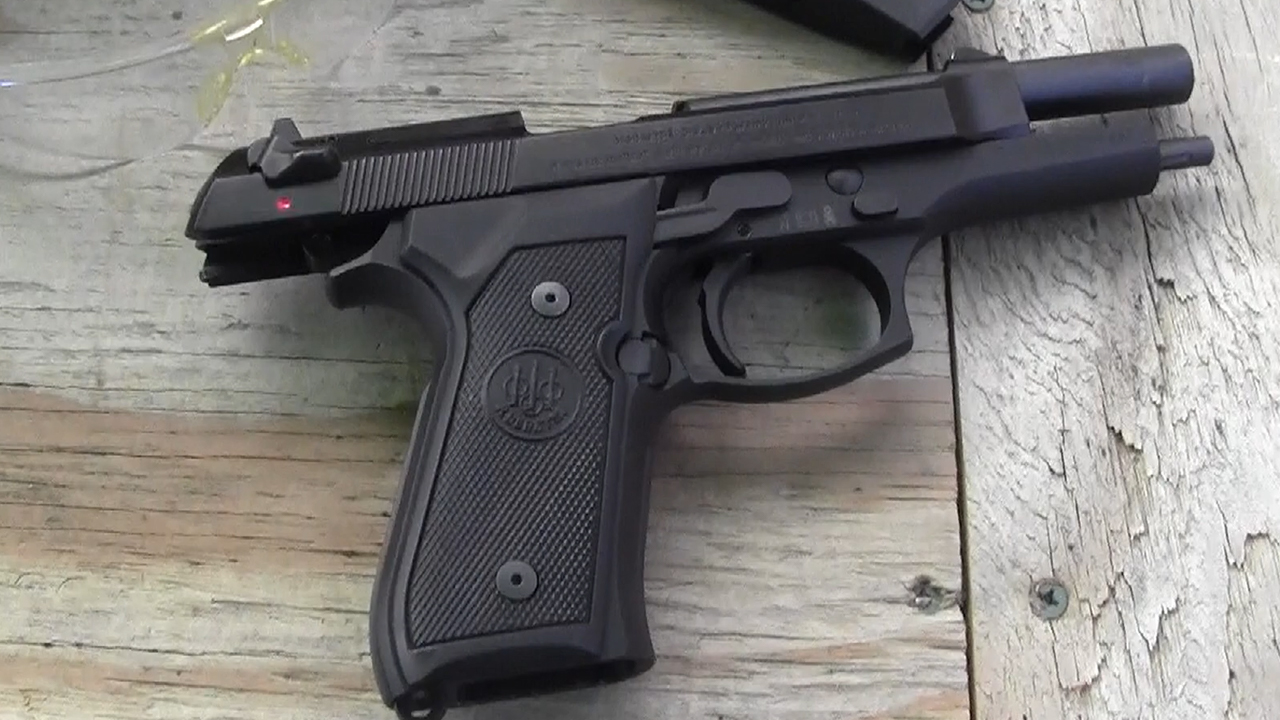
The 92FS is one of the smoothest-running pistols ever made when it’s in spec and fed decent mags. It eats ammo, it shoots soft, and the open-top slide keeps it running in dirty conditions.
The part that gets attention first is the locking block. They last a long time now compared to the old days, but they are a known wear item. If you run a 92 hard, it’s smart to replace wear parts on schedule instead of waiting for the day the gun feels “weird” and you can’t put your finger on why.
10. Heckler & Koch VP9
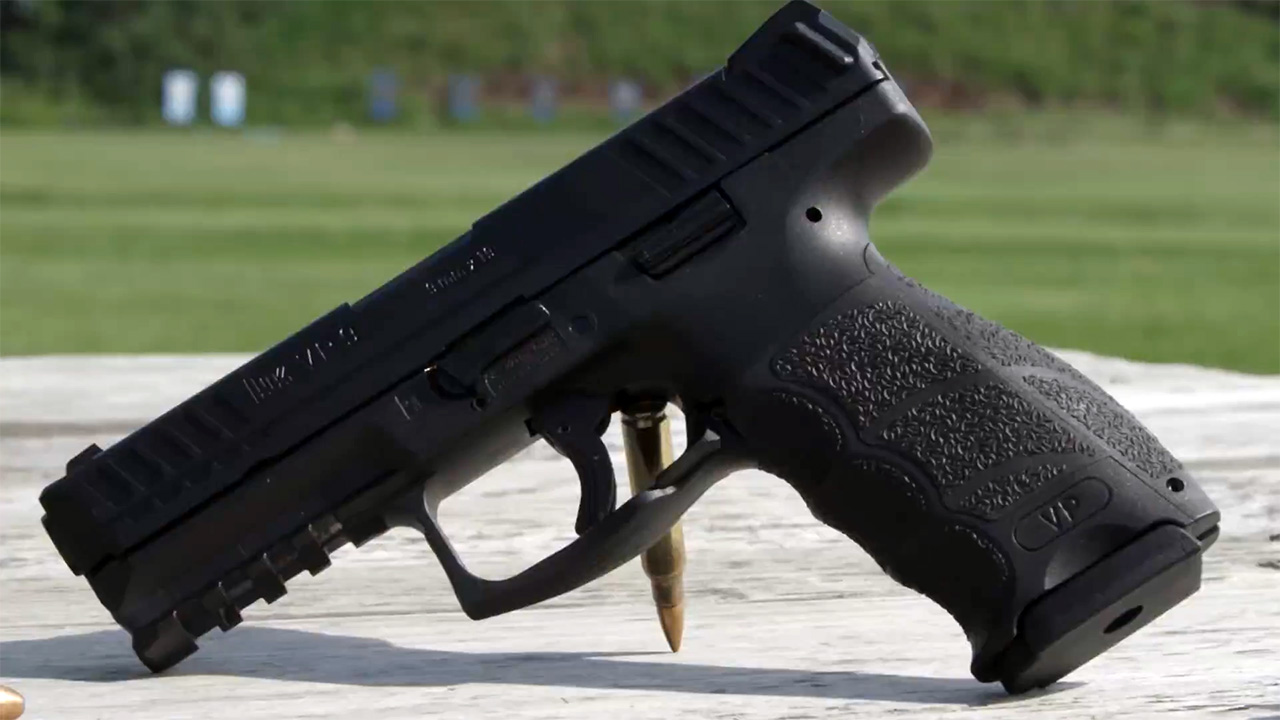
The VP9 is one of those pistols that feels like it was designed by someone who actually shoots. Good ergonomics, soft recoil, and it tends to be accurate without effort.
Most issues I’ve seen are not catastrophic; they’re little things like sight movement or magazine maintenance. And because HK parts aren’t always sitting in every small-town shop, the annoyance factor is higher when a minor part is the one that stops you cold. Keep track of your round count and don’t treat mags like they’re indestructible.
11. Heckler & Koch P30

The P30 is built like a tank, and it feels like it. If you want a duty-grade pistol that doesn’t feel cheap anywhere, it’s hard to fault.
But even tanks have wear points. With DA/SA setups, you’ve got more springs doing more jobs. Trigger return springs and small internal springs can eventually become the weak link, especially if the gun lives in a holster year-round and gets run hard in training. Preventive replacement beats troubleshooting later.
12. Walther PDP
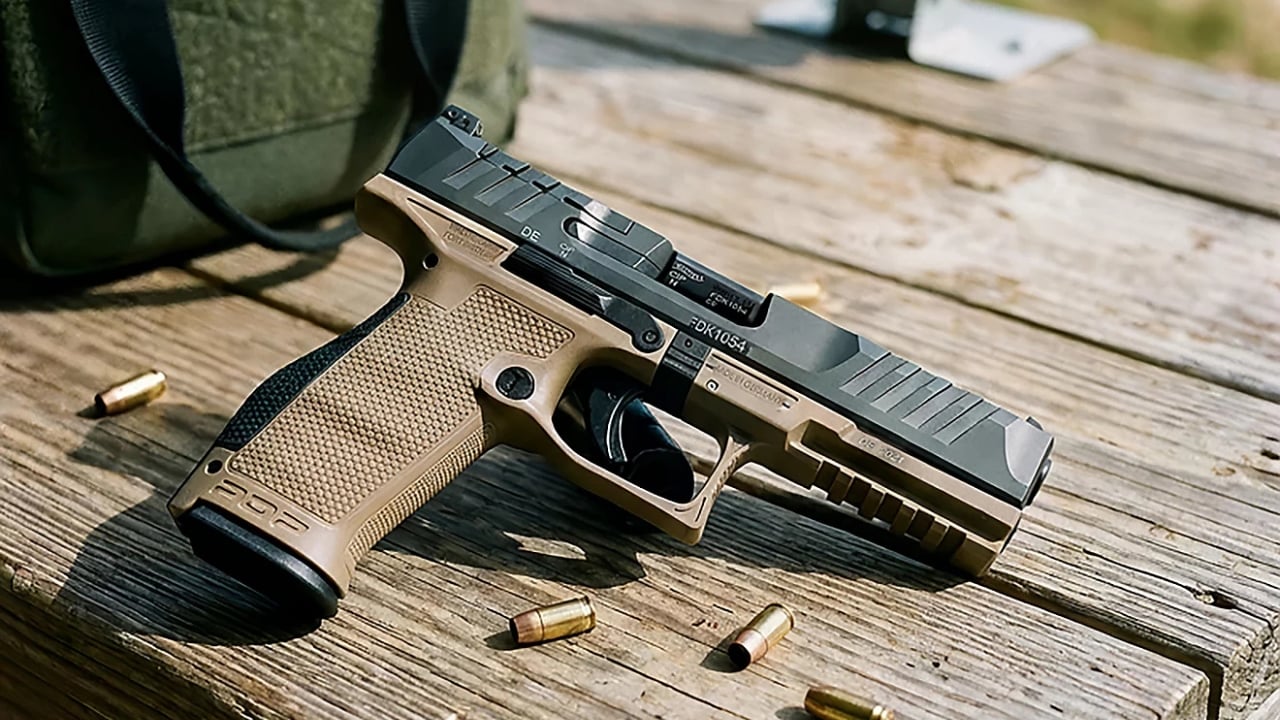
The PDP is fast. It’s one of those pistols that comes up on target like it’s reading your mind, and the trigger is better than it has any right to be in its price bracket.
Where owners get surprised is optic mounting hardware and screws backing out if you don’t keep an eye on them. That’s not just a PDP problem, but these pistols are commonly set up with dots, and the dot system becomes the first “thing that fails.” If your group suddenly opens up, check the optic before you start blaming the barrel.
13. FN 509
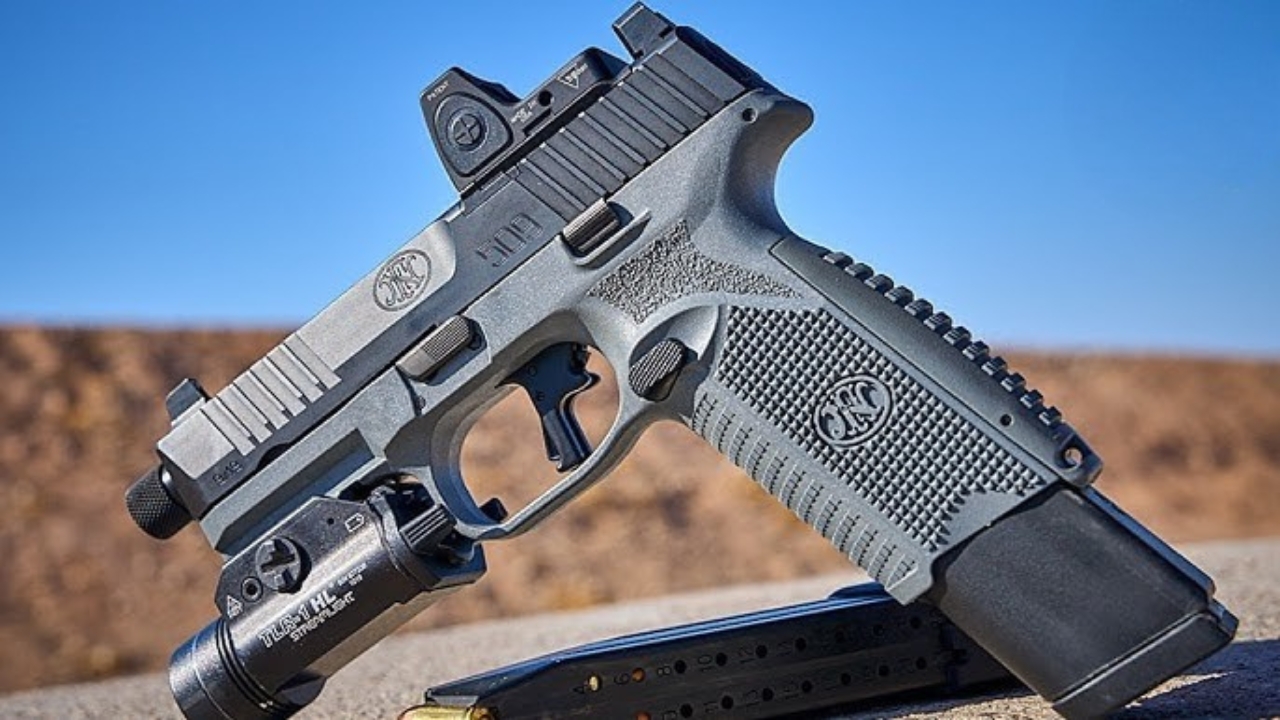
The FN 509 is a duty-minded pistol with a robust feel. It’s not flashy, but it’s built for use, not just for pictures.
The early failure points I’ve seen tend to be external and user-induced: sight screws, optic plates, and magazine issues from repeated drops on hard ground. The gun itself usually keeps trucking. The trick is being honest about what gets abused—because it’s often the accessories and mounting parts.
14. Canik TP9SF Elite
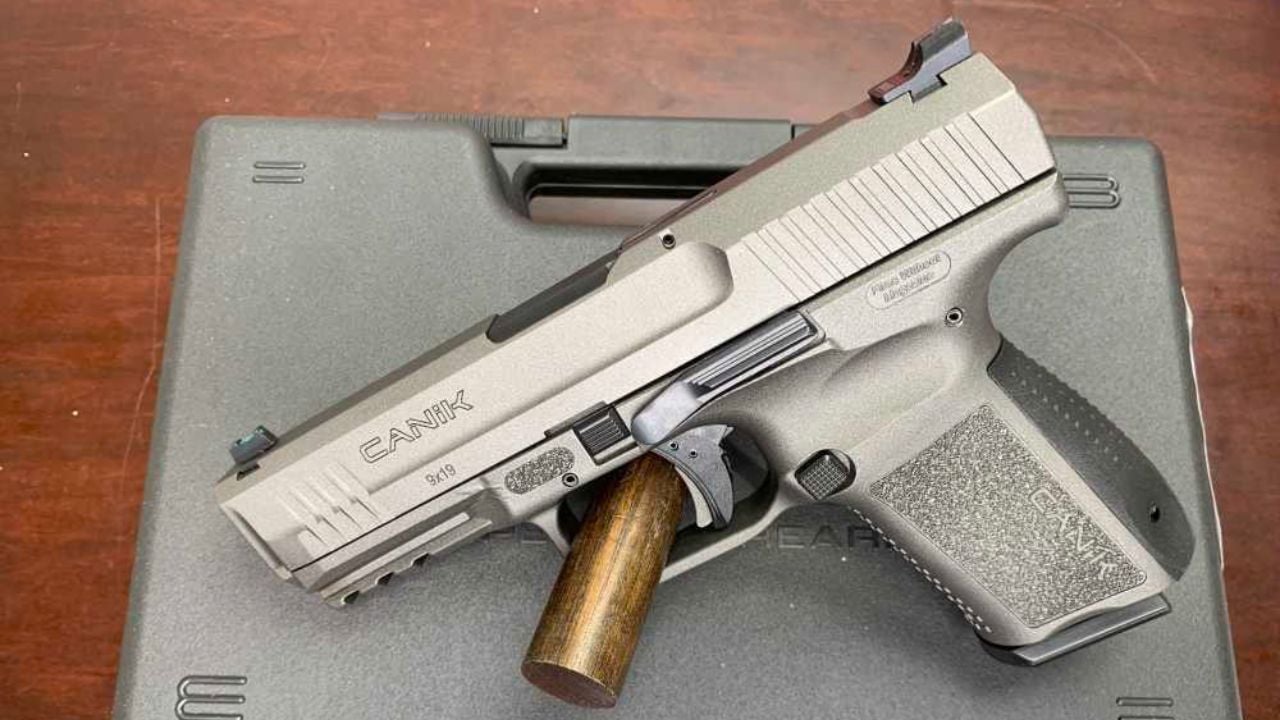
Canik has a habit of embarrassing more expensive guns at the range. Good trigger, good accuracy, and most of them run like sewing machines. For the money, it’s hard not to like them.
The tradeoff is parts ecosystem and small-fitment quirks. If something minor breaks, you may not find it at the local shop the way you would for Glock or M&P. Also, pay attention to striker channel cleanliness and spring health if you’re shooting a lot of cheap ammo. It’s usually the small stuff that causes the headache.
15. Taurus G3
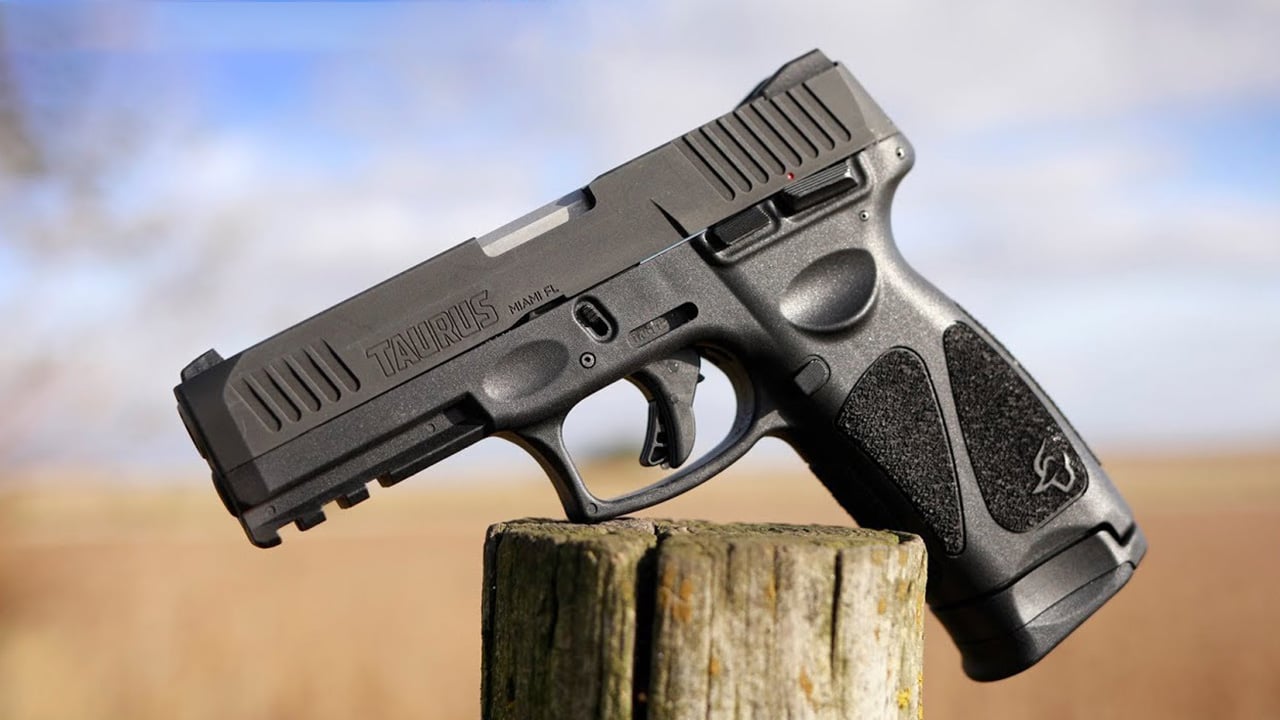
The G3 is one of the more sensible budget pistols out there, and plenty of them run just fine. As a glovebox or camp pistol, I get the appeal.
What tends to show first is inconsistency in magazines and small parts longevity compared to higher-end duty guns. That doesn’t mean it’s junk. It means you should test your specific pistol and your specific mags thoroughly before you trust it, and then keep an eye on springs and pins as round counts climb.
16. Kimber Micro 9

Small 1911-style pistols are charming, easy to carry, and they feel familiar if you’re a 1911 person. The Micro 9 fits that niche and looks good doing it.
The downside is that miniaturized 1911s can be pickier and less forgiving when springs or extractors drift out of tune. The first failure is often an extractor-related issue or a recoil spring that’s done before you expected it. If you carry one, keep up with spring changes and don’t skimp on magazines.
17. Colt Government Model 1911 (Series 70 style)
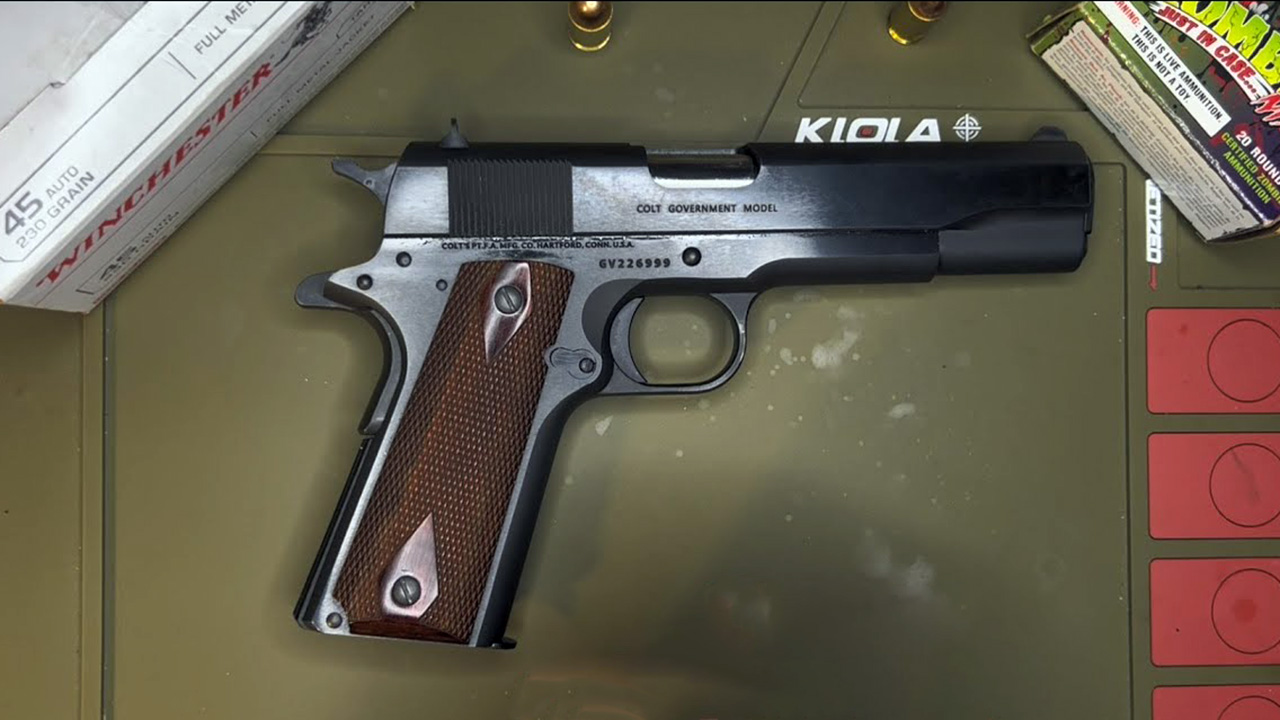
A full-size 1911 that’s built right is still a joy to shoot. The weight, the trigger, the way it tracks in recoil—there’s a reason it won’t die.
But 1911s are systems, and systems have wear parts. Extractors, firing pin stops, and recoil springs are common “first to complain” items. If the gun starts tossing brass weird or feeding changes, don’t assume it’s “just 1911 stuff.” Check the small parts that control timing.
18. Smith & Wesson Model 59 (and other early S&W double-stacks)

These older Smith autos have a following, and for good reason. They feel like classic American service pistols, and many of them still run fine decades later.
The pain point is parts. Springs, magazines, and certain small components aren’t as easy to source in a hurry. When the first little part gives up—often a spring or a worn magazine catch—your “simple fix” turns into a scavenger hunt. If you love one, it’s worth having a couple spare mags and springs set aside.
19. Browning Hi-Power (original pattern)
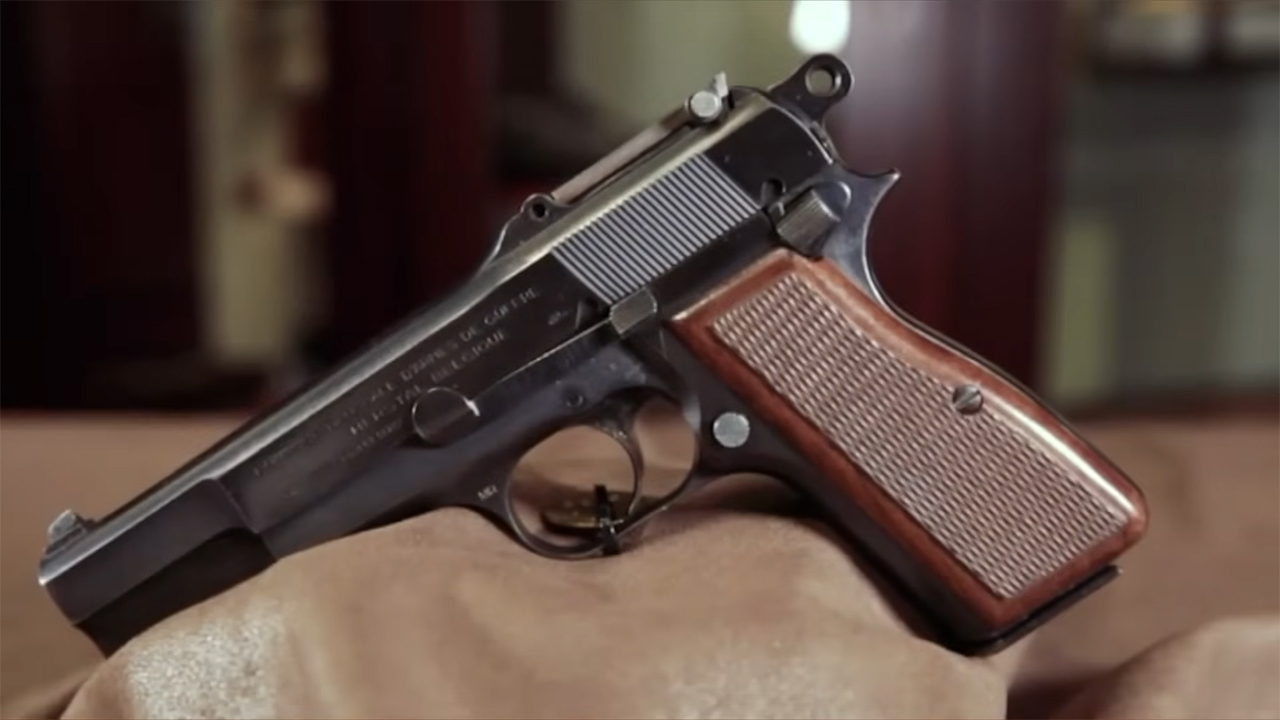
The Hi-Power carries flatter than you’d think and points like it’s got its own compass. It’s a classic that still makes sense if you like steel guns and clean lines.
The weak link is usually springs, plus wear on older magazines and small pins after years of use. And because many of these pistols are older, you’re dealing with unknown history. A spring kit and quality mags can make an old Hi-Power feel young again.
20. IWI Jericho 941

The Jericho is heavy, soft shooting, and—if you like CZ-style ergonomics—it’s easy to shoot well. It’s also one of those pistols that tends to get bought on a whim and then quietly becomes a favorite.
When something finally goes sideways, it’s often a small part tied to the safety/decocker variant you own, or a magazine issue if you’re mixing and matching. The pistol is sturdy, but “sturdy” doesn’t mean immune to tiny springs and detents. If you depend on it, track down a couple proven mags and stick with them.
Here’s the main point: most of these pistols aren’t failing because they’re bad designs. They’re failing because every machine has a first weak link, and handguns live hard lives—sweat, dust, recoil, drops, and a whole lot of loading and unloading. Pay attention to the small changes, keep your magazines squared away, and don’t wait for a tiny part to turn a trustworthy pistol into a single-shot surprise.
Like The Avid Outdoorsman’s content? Subscribe to our newsletter so you never miss an article.
Here’s more from us: