Photo credit: The Avid Outdoorsman
Some firearms do not become valuable because everybody chased them from day one. They become valuable because people stopped looking. They sat in pawn shops, closets, estate sales, police trade-in cases, and old hunting racks while the market obsessed over something newer.
Then supply dried up, nostalgia kicked in, or shooters realized nobody was making that exact kind of gun anymore. By the time people started paying attention again, the easy deals were gone.
Ruger Police Carbine
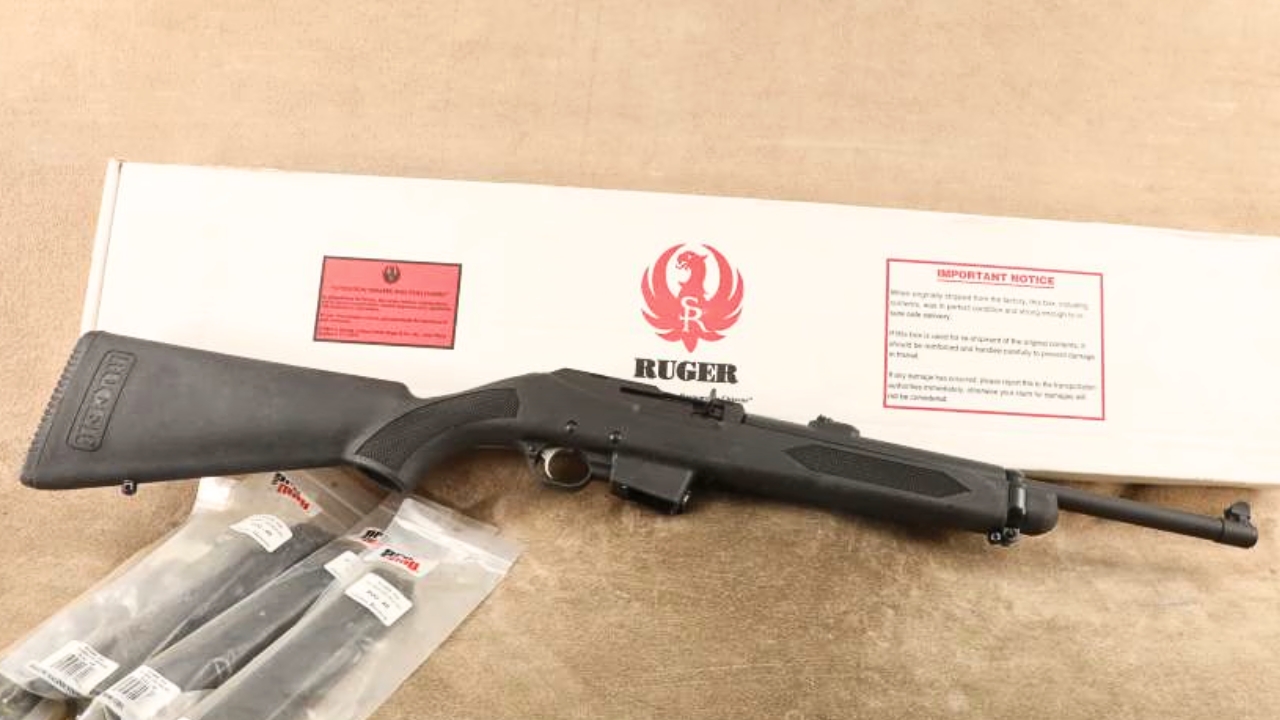
The Ruger Police Carbine was never flashy. It looked plain, felt sturdy, and did exactly what a pistol-caliber carbine was supposed to do before pistol-caliber carbines became trendy again. For years, many shooters walked past them because they seemed too practical to be interesting.
That changed once people started wanting simple 9mm and .40 S&W carbines that did not look like AR projects. The Police Carbine has that older Ruger toughness, uses Ruger pistol magazines, and feels more solid than its boring appearance suggests. The people who ignored them when they were cheap helped make them harder to find now.
Smith & Wesson Model 457
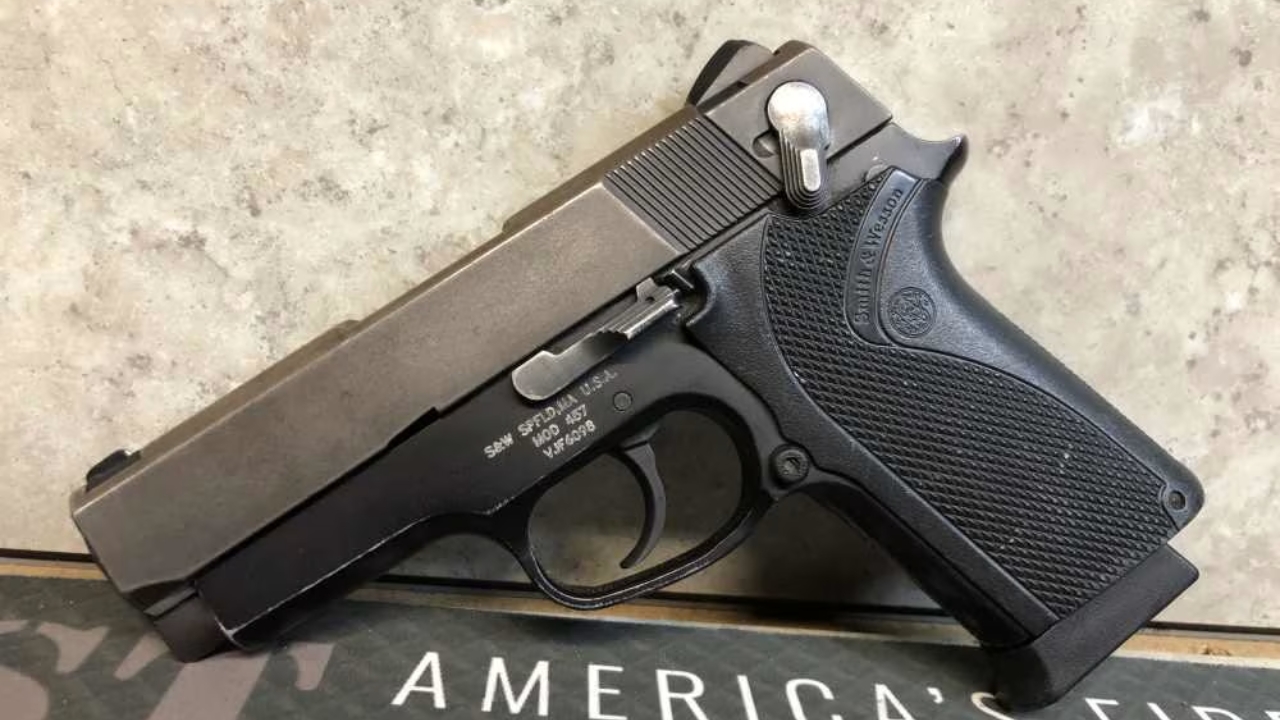
The Smith & Wesson Model 457 lived in the shadow of better-known third-generation Smith pistols. It was a compact .45 with an alloy frame and a plain working-gun feel, but it never had the same spotlight as the 4506, 5906, or 3913.
That quiet period helped it become more interesting later. Compact metal-frame .45 pistols are not exactly common anymore, and the 457 fills that lane without trying to be a 1911. Shooters who appreciate old Smith autos now understand it better. It went from easy to overlook to surprisingly hard to replace.
Winchester Model 100

The Winchester Model 100 used to be just another semi-auto deer rifle in a lot of used racks. It had classic sporting lines, a familiar Winchester name, and enough field use that many examples were treated like tools instead of collectibles.
Now clean examples get more attention because older semi-auto hunting rifles with real character are not being made the same way. Buyers also know condition matters, so nice ones stand out fast. The Model 100 became valuable after people quit seeing it as ordinary and started realizing how few clean, unmolested rifles were left.
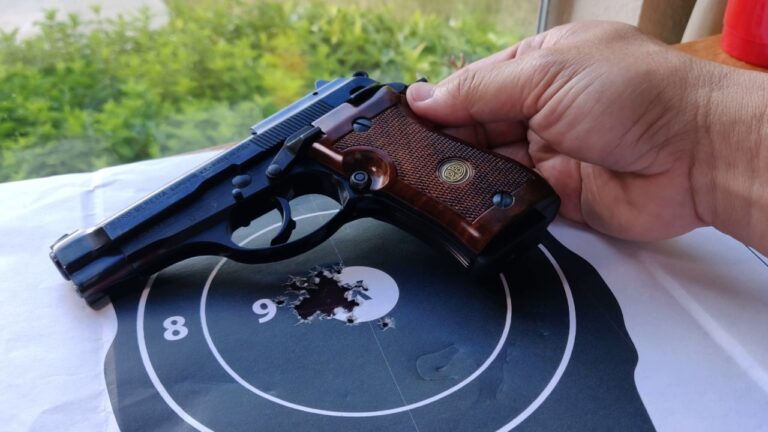
Beretta Model 86 Cheetah
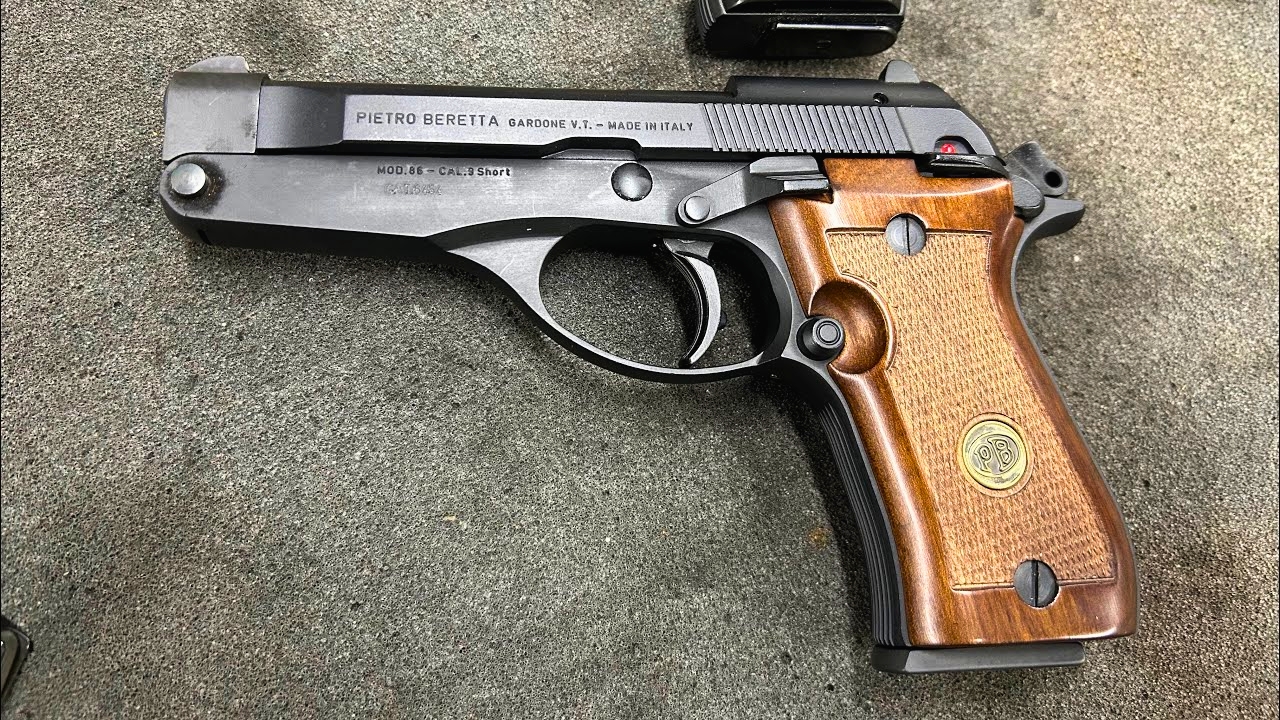
The Beretta 86 Cheetah did not look urgent when it was easier to find. It was a classy .380, but plenty of buyers passed because the market was chasing smaller pistols, lighter pistols, and later, more powerful micro-compacts.
The tip-up barrel changed the story. That feature gives the 86 a very specific usefulness and charm that most modern .380s do not copy. Add Beretta quality and the Cheetah look, and clean examples started drawing serious interest. People stopped paying attention until they realized nothing else felt quite like it.
Remington 541-S
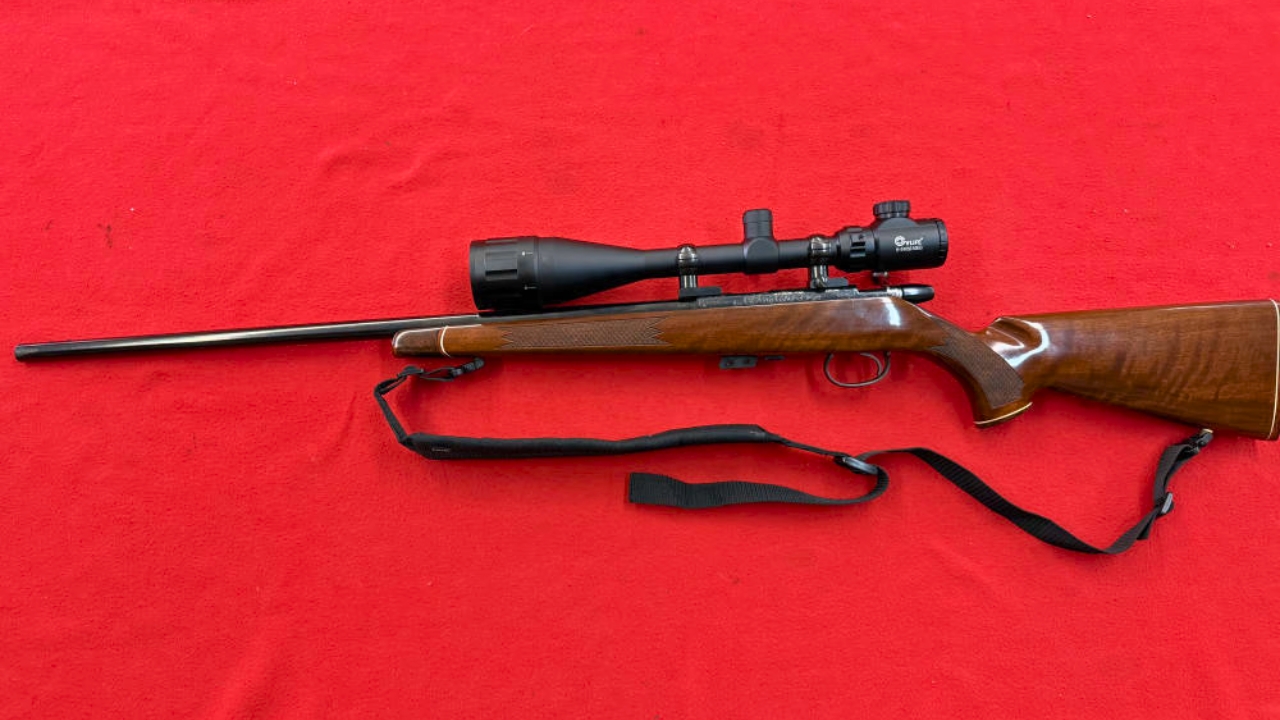
The Remington 541-S was easy to dismiss as “just a .22” if you did not understand what it was. It had nice wood, good accuracy, and a grown-up sporter feel, but rimfires often got pushed aside behind deer rifles and centerfire handguns.
That was a mistake. Quality rimfire sporters have become much harder to replace, especially ones that feel like real rifles instead of plastic trainers. The 541-S aged into a rifle people actively seek because it combines accuracy, class, and practical small-game use. Waiting too long made the nice ones expensive.
Daewoo DP51
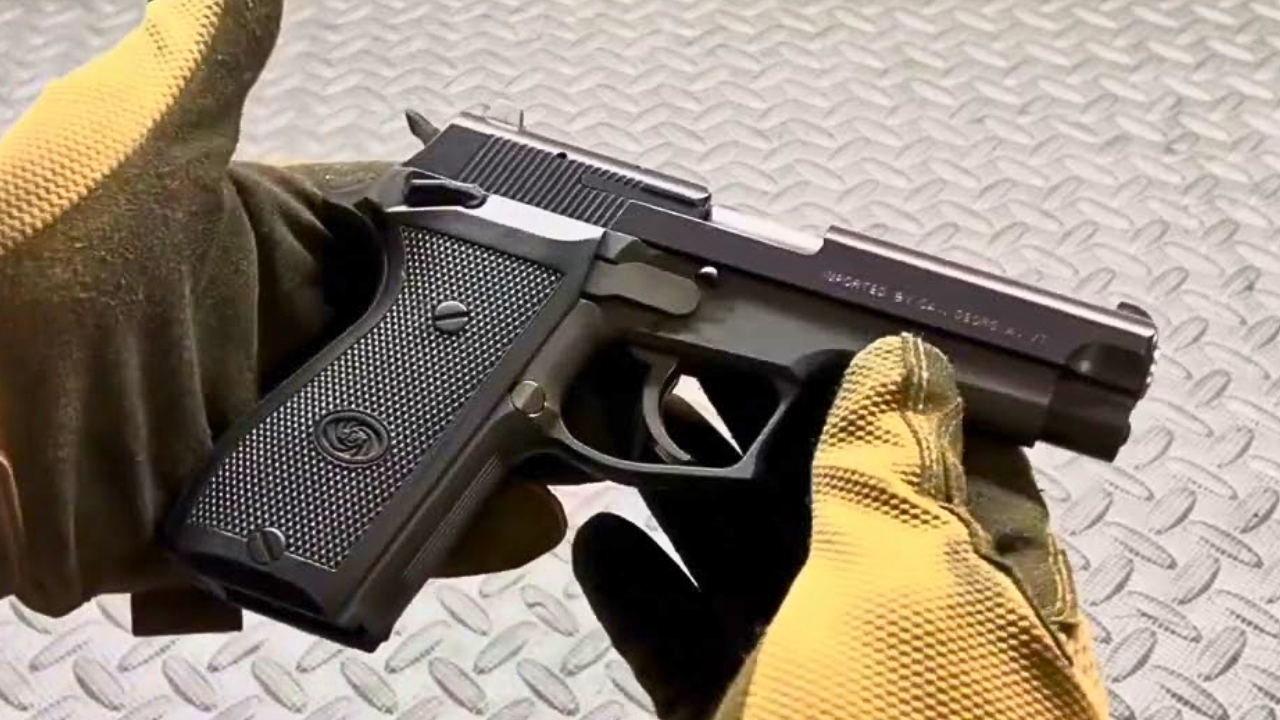
The Daewoo DP51 was ignored partly because buyers did not know what to do with it. It was a Korean service pistol with an unfamiliar name and a unique “Fast Action” trigger system. That made it easy to pass over when Berettas, SIGs, Smiths, and Glocks were easier to understand.
Now that oddness works in its favor. The DP51 is solid, shootable, and different in a way that actually matters. Collectors and shooters who like overlooked service pistols have started paying attention. It became valuable because the market finally realized it was more than a strange import.
Savage Model 24V
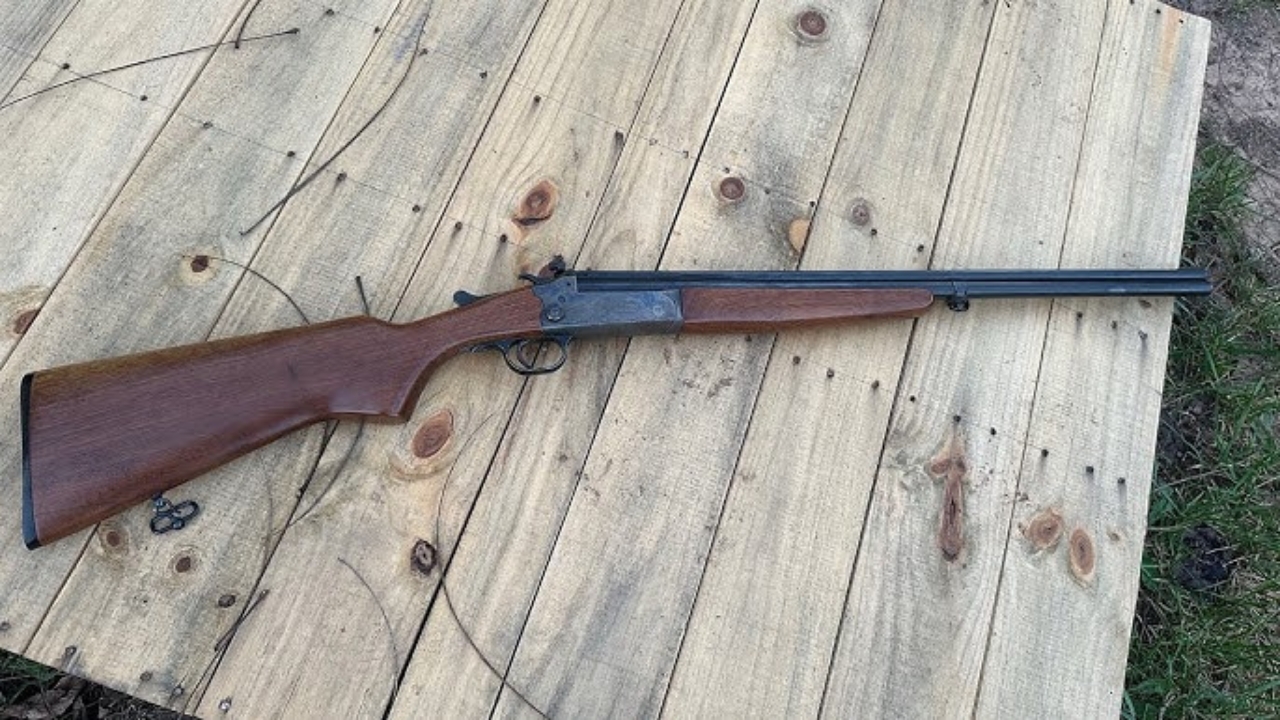
The Savage 24V used to be a utility gun, plain and simple. A centerfire rifle barrel over a shotgun barrel made sense for farms, small game, predators, and wandering around the woods. But because it was practical, people did not always treat it as something worth saving carefully.
That is exactly why clean ones are harder to find. They were used, scratched, carried, and parked in corners. Now that combination guns are not common in the mainstream market, the 24V has become much more desirable. It became valuable after everyone stopped assuming another one would always be waiting nearby.
Colt 1908 Vest Pocket

The Colt 1908 Vest Pocket was once an old tiny pistol that many modern shooters dismissed without much thought. Compared with current carry guns, it looked underpowered and outdated. That made it easy to ignore if you were shopping purely for defense.
But collectors eventually circle back to quality. The 1908 has old Colt machining, elegant lines, and a level of refinement modern pocket pistols rarely attempt. It became valuable because people stopped judging it by modern carry standards and started appreciating it as a beautiful little piece of handgun history.
Browning Double Auto
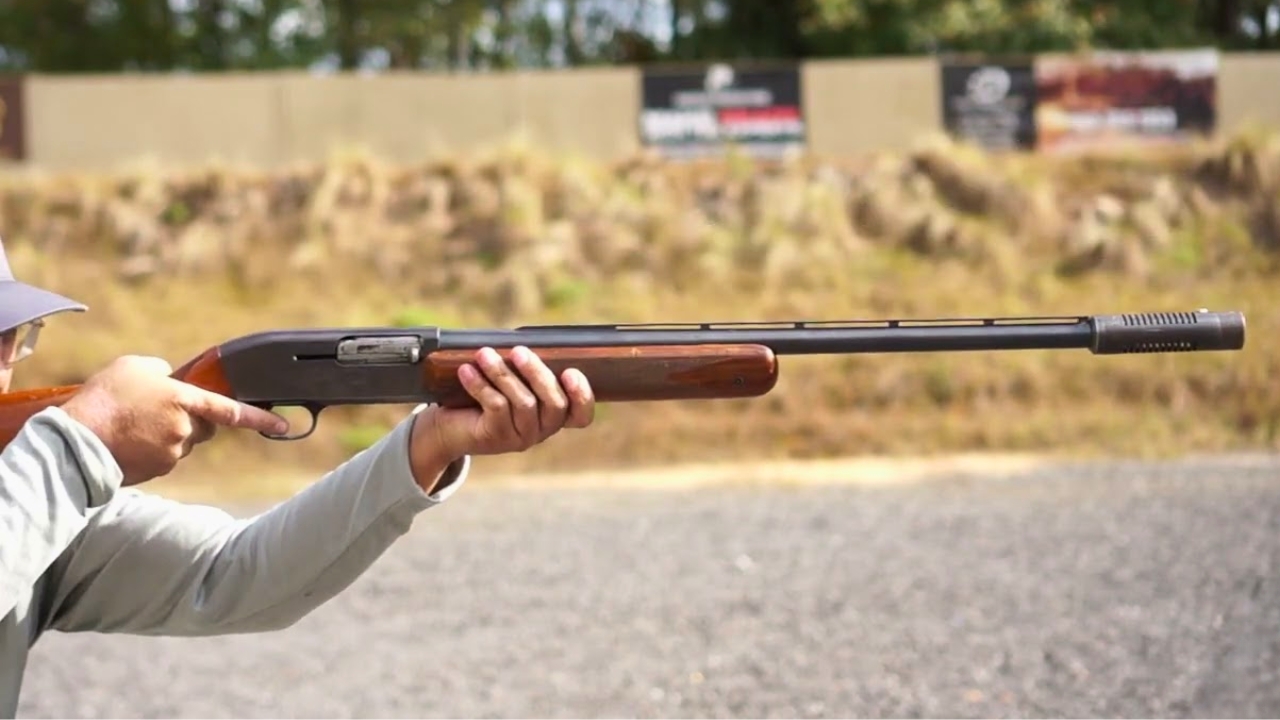
The Browning Double Auto never fit neatly into common shotgun categories. A two-shot semi-auto sounded limited, and plenty of hunters passed over it for pumps or higher-capacity autoloaders. For a while, that kept it in the background.
Then shooters rediscovered how lively it feels. The Double Auto is light, quick, and different without being useless. Nice examples, especially in desirable finishes, have become much more interesting to Browning fans. It gained value after people quit measuring it only by capacity and started appreciating how well it handles.
Marlin Camp 45
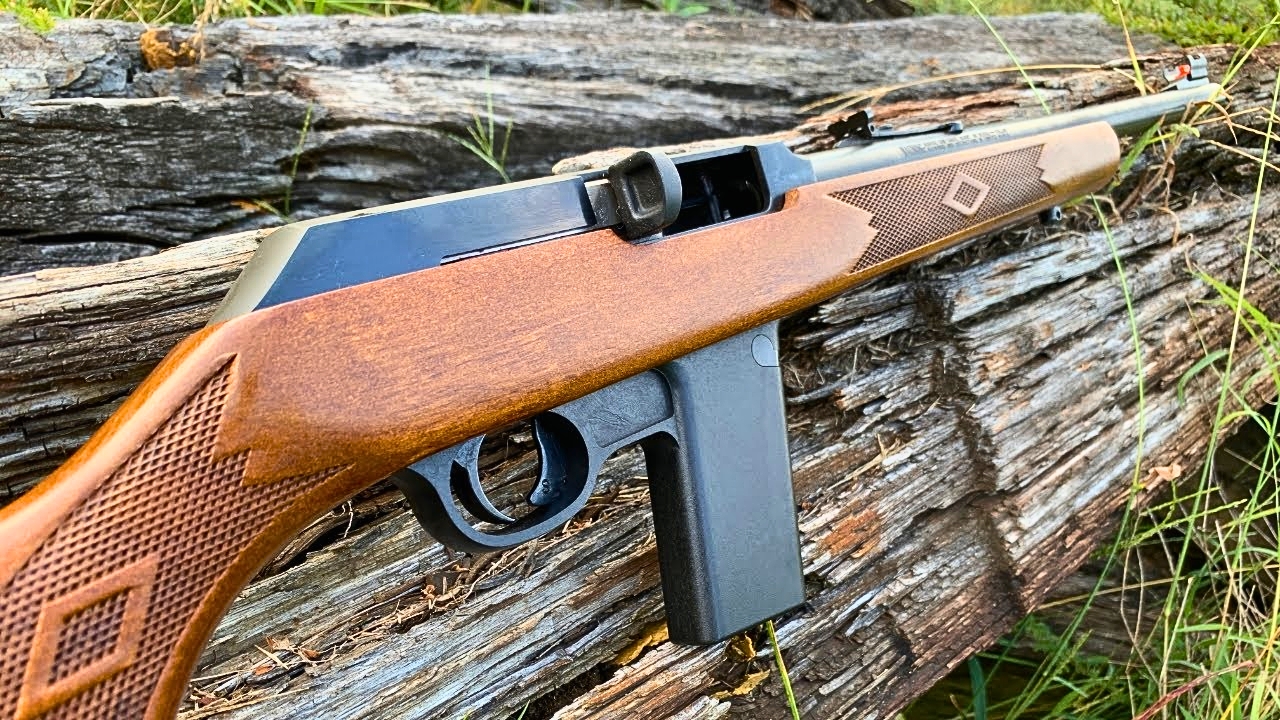
The Marlin Camp 45 was not treated like anything special when pistol-caliber carbines were out of fashion. It looked like a simple little sporting carbine chambered in .45 ACP, and many buyers saw it as a casual range toy.
Now that PCCs are popular again, the Camp 45 looks smarter. It is plain, handy, and has a feel modern tactical carbines often miss. It also fills a different lane than today’s rail-heavy options. Once people realized Marlin was not making anything like it anymore, the old casual carbine became a lot more valuable.
H&R Handi-Rifle

The H&R Handi-Rifle was once one of the easiest guns to overlook. It was simple, cheap, and almost too plain to admire. A single-shot break-action rifle did not seem like something people would someday regret passing up.
Then production ended, prices climbed, and useful chamberings started getting attention. The Handi-Rifle is safe, teachable, rugged enough for rough use, and handy in a way many modern rifles are not. People stopped paying attention because it was basic. Years later, basic became the thing they missed.
Walther P5
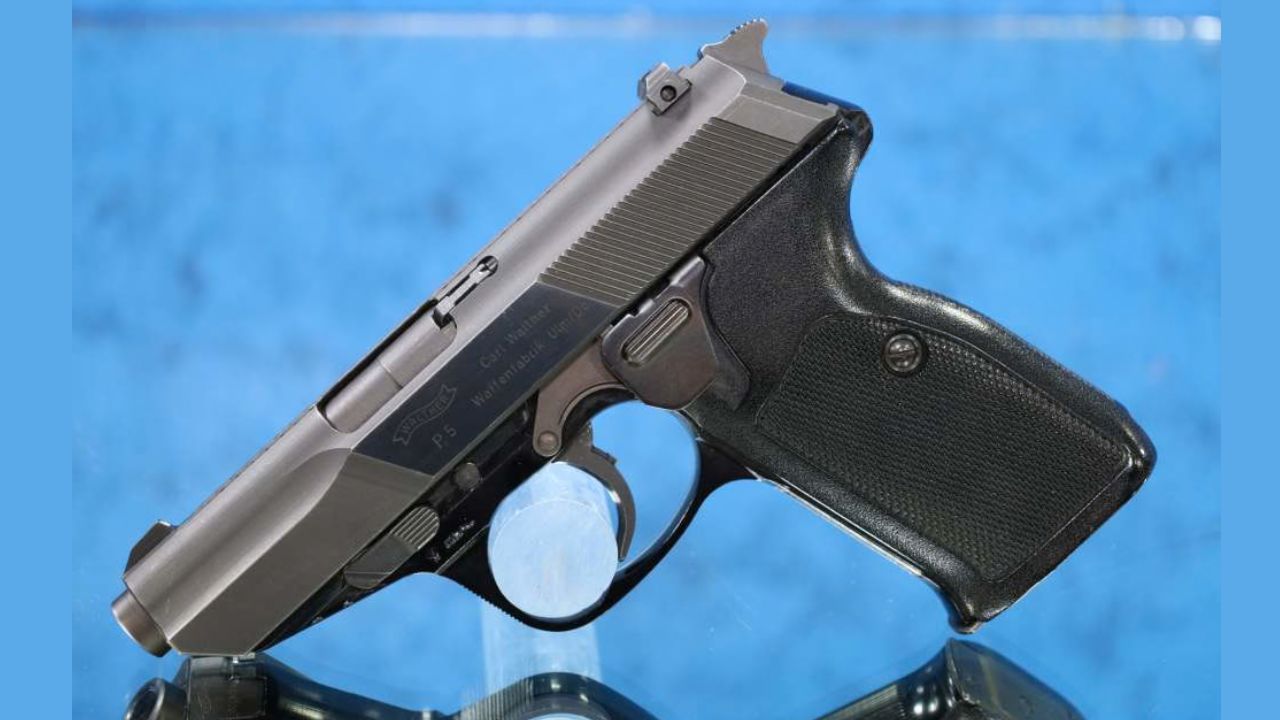
The Walther P5 never had the same mainstream recognition as other European service pistols. It was refined, unusual, and mechanically interesting, but it lived in a smaller conversation than the P38, PPK, SIG P-series, or Beretta 92.
That quiet reputation helped it become more desirable later. The P5 has quality, history, and a feel that stands apart from common service pistols. Once collectors started looking beyond the obvious names, clean examples became harder to ignore. It became valuable because the right people finally noticed what had been sitting there all along.
Remington 600 Mohawk
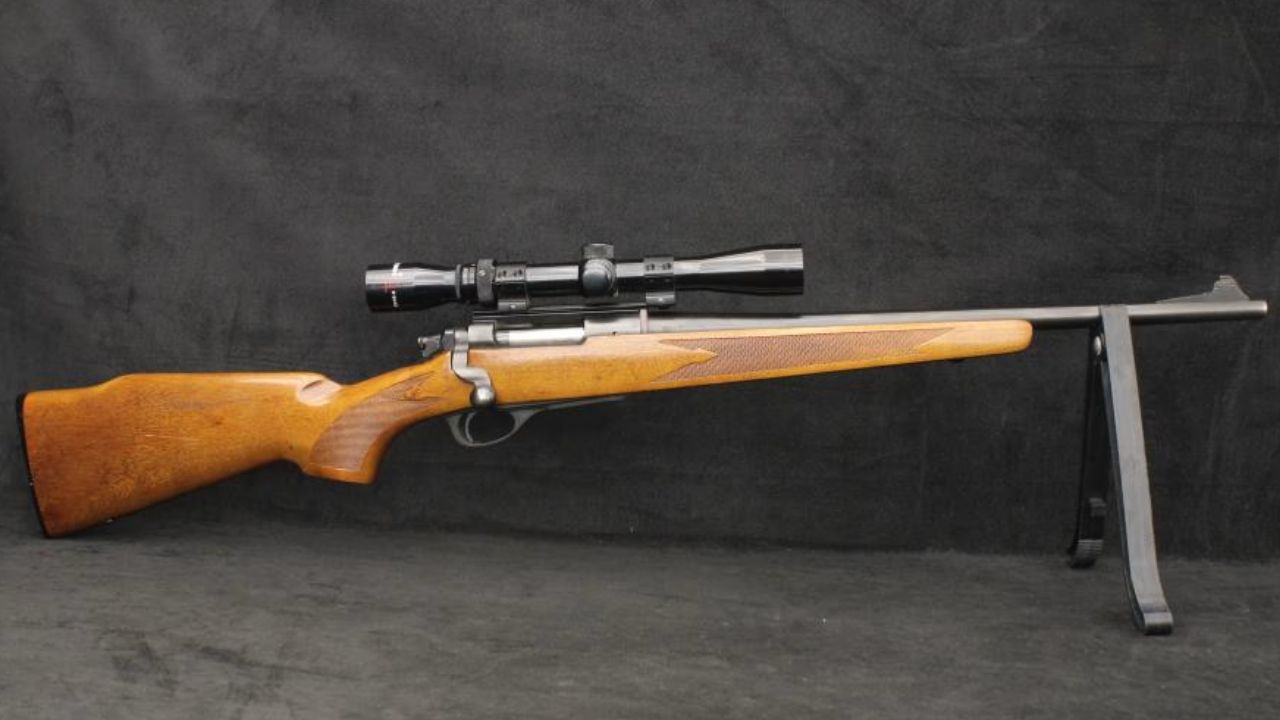
The Remington 600 Mohawk looked odd enough that people did not always take it seriously. Short barrel, compact stock, and that unusual Model 600 family feel made it seem more strange than collectible for a long time.
Now strange is part of the appeal. The Mohawk is handy, lightweight, and tied to a period when Remington was willing to build rifles with personality. Clean examples in desirable chamberings do not feel like bargain oddballs anymore. It became valuable after shooters realized compact hunting rifles with real character are not easy to replace.
Smith & Wesson Model 547
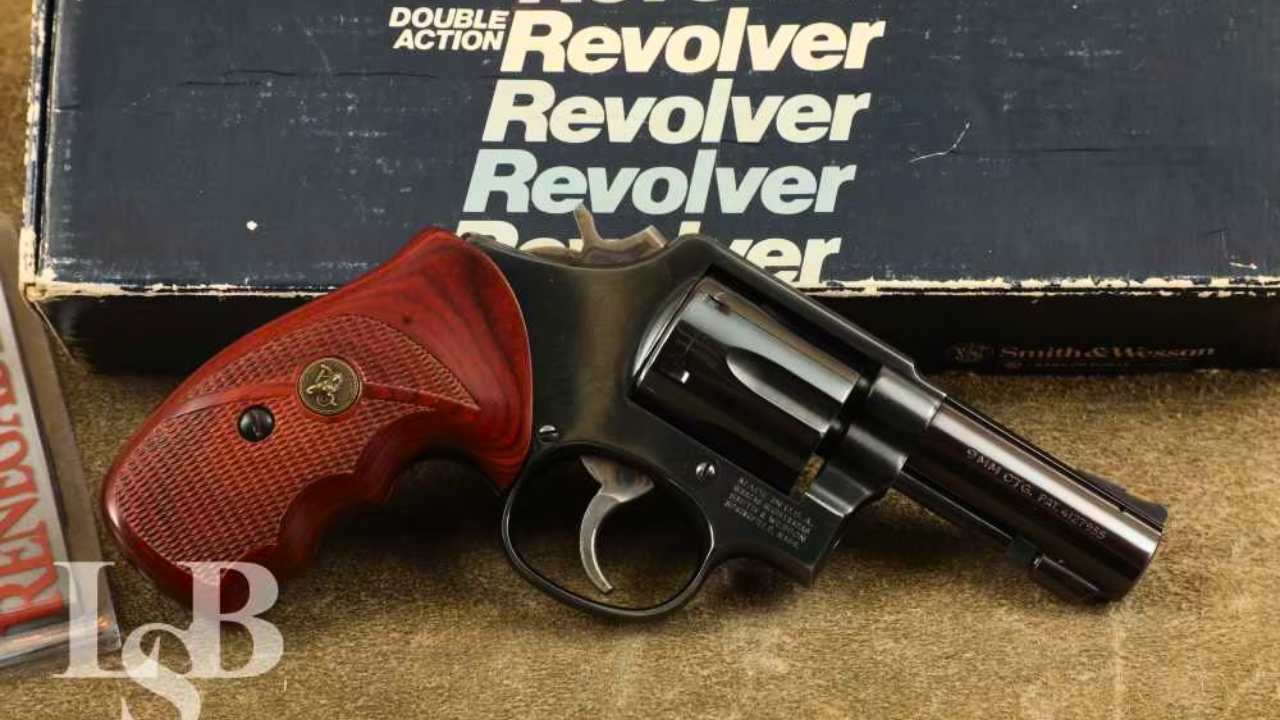
The Smith & Wesson Model 547 was too unusual for many buyers to care about at first. A 9mm K-frame revolver without moon clips was clever, but it was also a niche idea in a market that did not fully know what to do with it.
That mechanical oddity became the reason people want it now. The 547 gives you classic Smith handling, service-revolver balance, and a unique extraction system that modern 9mm revolvers rarely duplicate. It became valuable because people stopped viewing it as weird and started recognizing it as one of Smith’s more interesting experiments.
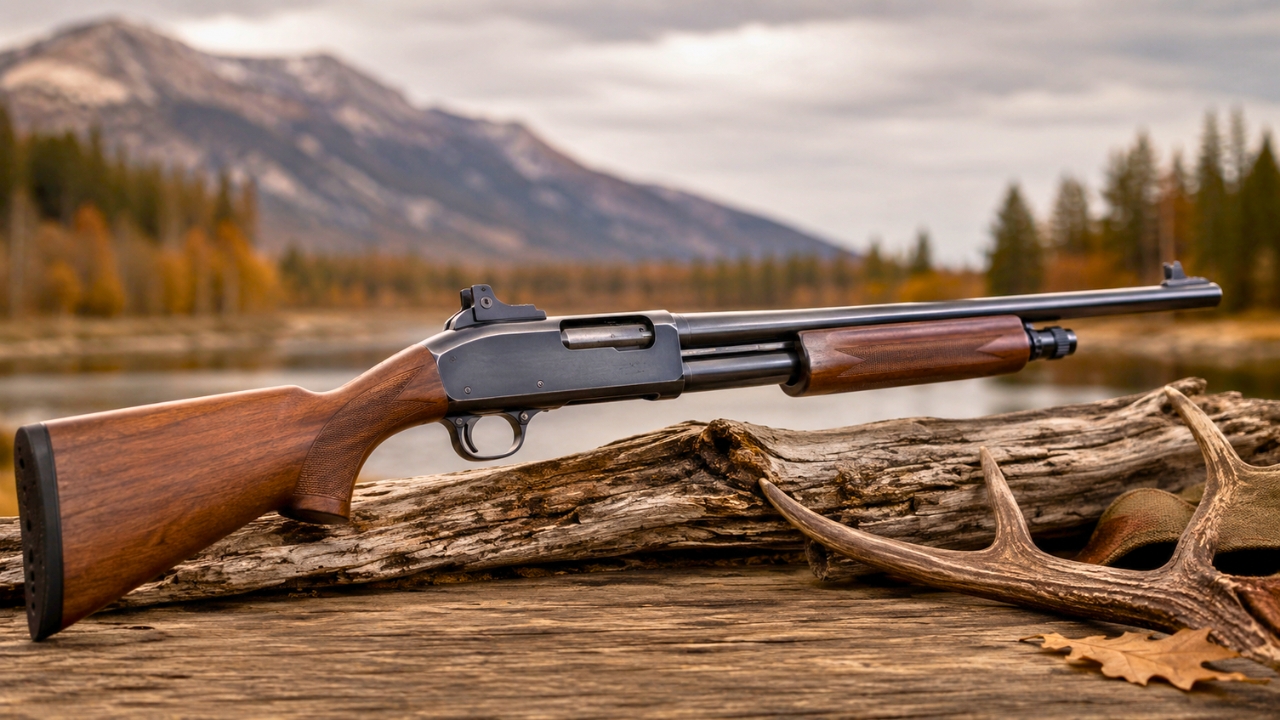
Ithaca Deerslayer

The Ithaca Deerslayer used to be a regional hunting tool more than a collector conversation. If you hunted shotgun-only deer country, it made perfect sense. Outside that world, plenty of shooters barely paid attention.
That changed as purpose-built slug guns gained more appreciation. A clean Deerslayer with the slick Model 37 action and real field history is not something you casually replace. Many were hunted hard, which makes nice examples more desirable. It became valuable because the hunters who understood them kept using them while everyone else looked away.
Like The Avid Outdoorsman’s content? Subscribe to our newsletter so you never miss an article.
Here’s more from us: