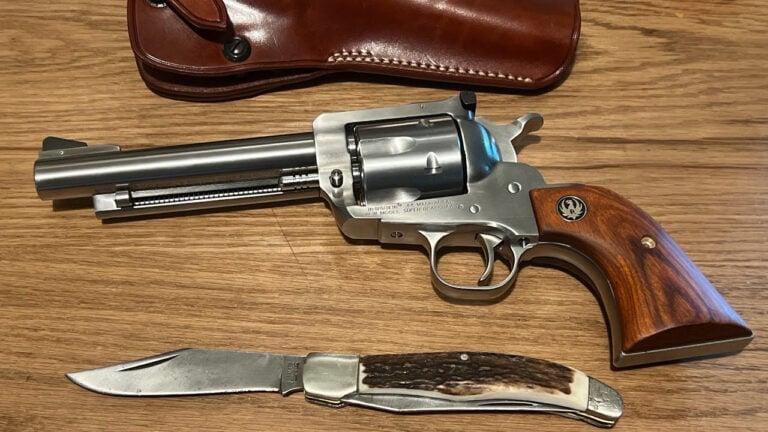
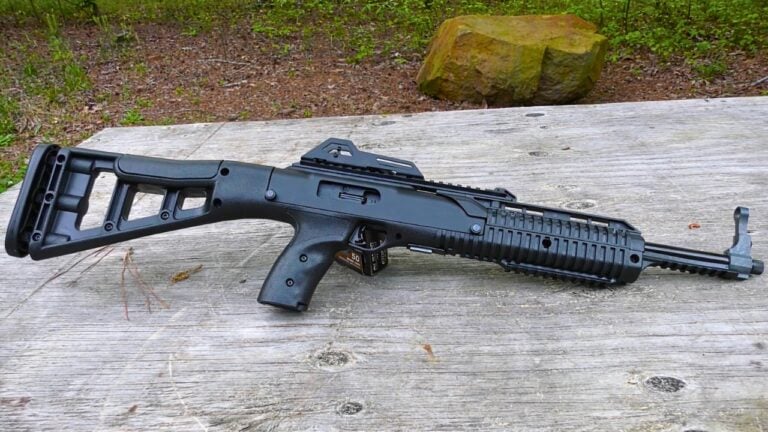
Photo credit: guruXOX/Shutterstock.com
When your life’s on the line and your gun decides to quit, panic can set in fast. But a jam doesn’t have to be the end of the story. Whether you’re dealing with a stovepipe, failure to feed, or a misfire, knowing how to clear your weapon quickly can keep you in the fight. Here’s what to do if your firearm jams during a real emergency.
Stay Calm and Move to Cover

The first thing to do is breathe and get behind something solid if you can. Cover buys you a few precious seconds to figure out what’s going on without being totally exposed.
Freaking out and fumbling with your gun in the open just makes a bad situation worse. Get your head straight before you start working the problem.
Tap, Rack, Bang (For Semi-Autos)

This is the go-to method for clearing common jams. Tap the bottom of the mag, rack the slide, and try firing again. It solves most feed issues fast.
But make sure you’re not just doing it blindly—pay attention to how the slide feels. If it’s gritty or stuck, you might be looking at something more serious.
Don’t Keep Pulling the Trigger

If your gun doesn’t fire, squeezing the trigger harder won’t help. That just wastes time and might make things worse.
Instead, immediately start your clearing routine. The faster you transition to solving the problem, the better your odds of staying in control.
Drop the Mag if Tap-Rack Fails

If the basic drill doesn’t work, it might be time to drop the magazine. A damaged or poorly seated mag can cause all kinds of issues.
Eject it, rack the slide a couple times, and insert a fresh mag if you’ve got one. Then try chambering a new round and see if you’re back in business.
Watch for Double Feeds

Double feeds are messier and need a little more time to clear. You’ll know it when the slide’s stuck open and you can see two rounds jammed in there.
Lock the slide back, remove the mag, and rack it several times to clear everything out. It takes practice, but it’s totally doable under stress.
Practice Clearing Drills Ahead of Time

This isn’t something you want to try for the first time when adrenaline’s pumping. Dry fire practice and malfunction drills at the range help build muscle memory.
Your hands should know what to do without your brain needing to think it through. The more reps you get in, the faster and smoother your response will be.
Have a Backup Plan

If you’re carrying, having a backup weapon can be a lifesaver. A small revolver or second semi-auto gives you options if your main gun goes down.
It’s not always practical, but for some situations—especially home defense—it makes sense to plan for the worst.
Know When to Move or Retreat

If your gun jams and nothing is working, it might be smarter to move, create distance, or get out of the area entirely.
You’re not obligated to stay and fight with a broken weapon. Survival is the goal, not proving a point. Make smart decisions based on your surroundings.
Keep Your Gun Clean and Maintained

Many jams happen because the gun’s dirty, dry, or running on cheap ammo. Regular cleaning and inspection goes a long way toward reliability.
If you’re trusting your life to a firearm, make sure it’s ready to do its job. That includes checking mags, springs, and anything else that could fail.
Don’t Freeze—Act with Purpose

When things go sideways, hesitation is dangerous. The key is acting quickly with a plan, not just standing there hoping it works itself out.
Even if your response isn’t perfect, doing something is usually better than doing nothing. Trust your training, fix the issue, and stay in the fight.
*This article was developed with AI-powered tools and has been carefully reviewed by our editors.