Photo credit: I'm Conqueror/Shutterstock.com
Some calibers show up with fanfare—high velocity, fancy names, big promises. And then they disappear almost as fast as they arrived. Usually the hype doesn’t outlast the first few hunting seasons, or they get buried in gun shop clearance bins before most folks ever get a chance to try one. Sometimes the marketing pushes them as the next big thing, but they never catch on because they don’t offer anything new, or they cost too much to feed, or they’re finicky to reload. A few had potential but were never adopted by enough manufacturers to survive. Either way, they fade fast—like a budget optic that fogs up the first cold morning. These are the cartridges you hear about once and rarely again, unless someone’s cleaning out the back of an ammo cabinet and muttering about “that time I tried something different.”
.30 Remington AR

The .30 Remington AR was supposed to bring .308 performance to the AR-15 platform. On paper, that sounded great. In practice, it landed with a thud. The cartridge required a specific bolt, magazine, and upper—none of which worked with standard AR parts. That killed off most of the aftermarket interest right out of the gate.
Ballistically, it came close to the .308, but with more recoil than the 6.8 SPC and not enough of a performance edge to justify the hassle. Ammo was never widely stocked, and Remington’s own rifles didn’t exactly fly off shelves. Within a few years, most shooters forgot it even existed. If you still have one, you’re probably hoarding brass and praying nothing breaks. It faded fast because it couldn’t deliver on its promise—and because nobody wanted to be stuck with something so niche.
.17 Mach 2
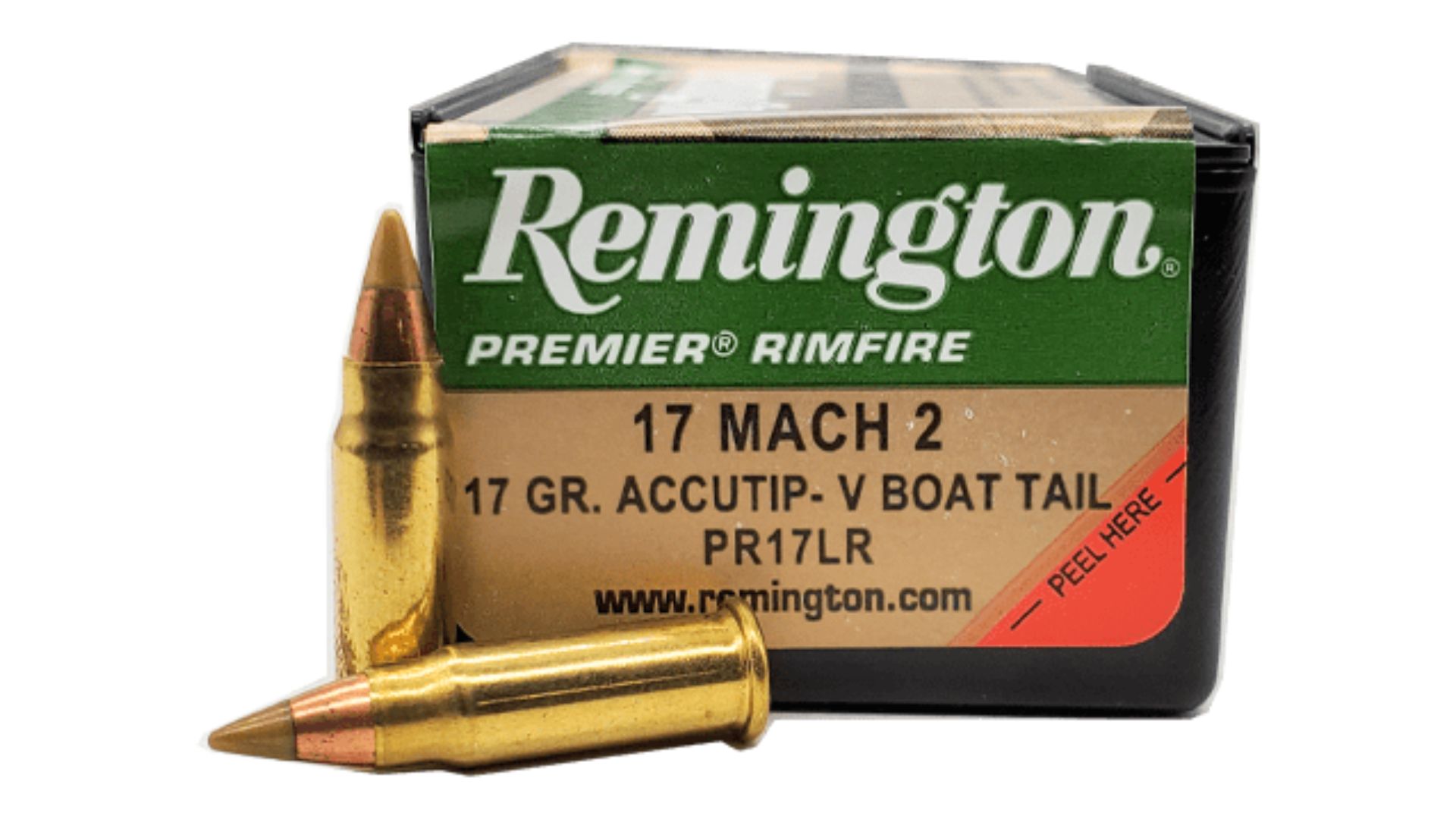
The .17 Mach 2 came out swinging as the little brother of the .17 HMR, using a necked-down .22 LR case to push a tiny bullet at blazing rimfire speeds. It was accurate, fun, and flat-shooting—for about ten minutes. Then shooters realized it was too sensitive to wind, too hard on actions, and too niche to last.
Semi-autos had cycling issues, and even bolt actions didn’t always perform consistently. Ammo availability was spotty, and prices weren’t much better than .17 HMR—so most folks skipped it. Once manufacturers saw the demand drop off, rifles chambered for it started disappearing. These days, you’re lucky to see a box of Mach 2 at the counter, let alone someone actually shooting it. It’s a cartridge that couldn’t find a foothold, and it faded quick because nobody needed a middle ground between .22 LR and .17 HMR that didn’t really excel at either.
.22 Remington Jet
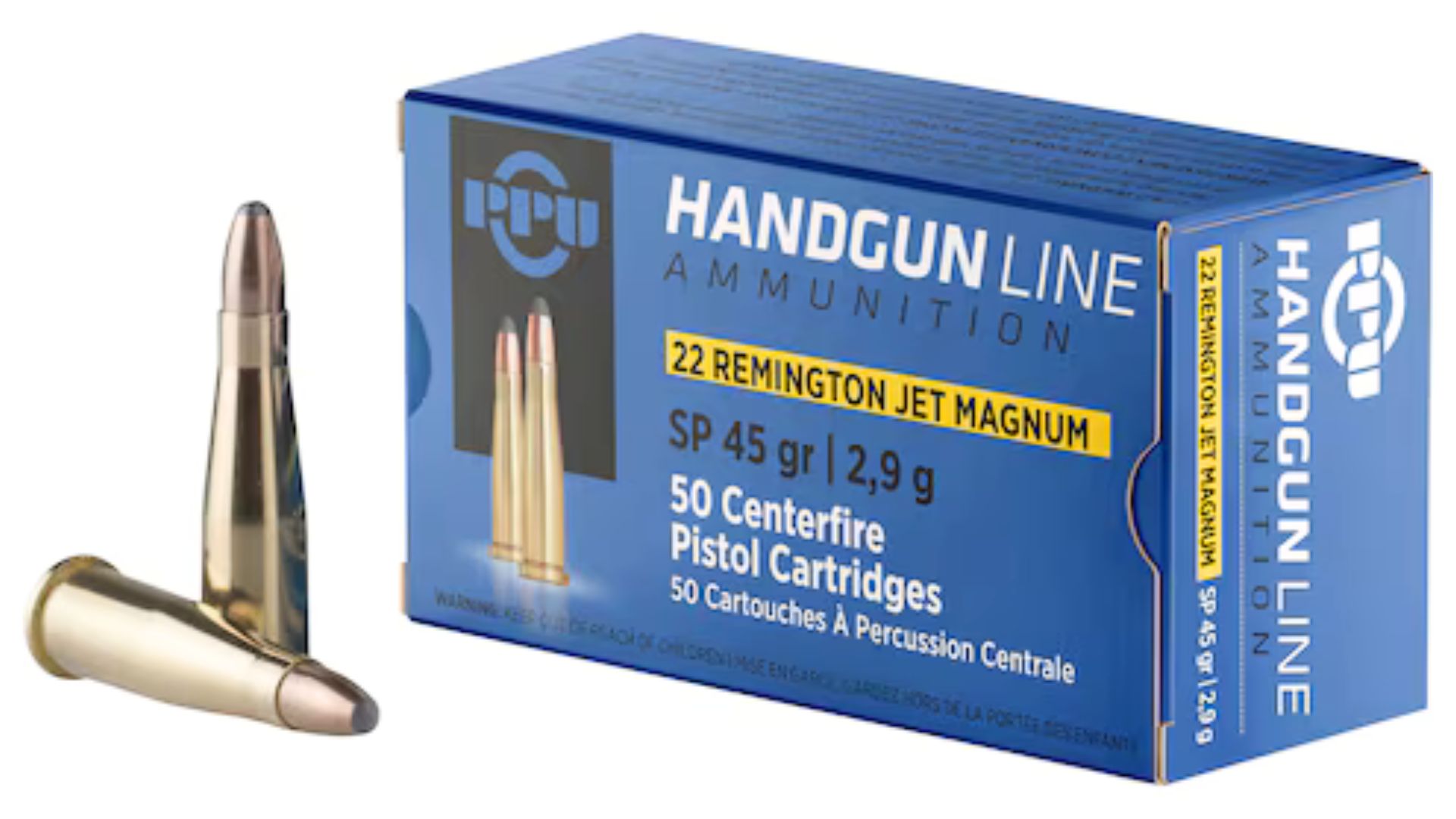
The .22 Remington Jet was one of those wild ideas that sounded clever in theory—a bottleneck pistol round that promised high velocity and flat trajectories from a revolver. But when it came to real-world use, it was a mess. The cases backed out under recoil, causing cylinder bind, and accuracy was hit or miss depending on the load and barrel length.
It was primarily offered in the Smith & Wesson Model 53, and once those issues started surfacing, enthusiasm tanked. Reloading was fussy, and the brass didn’t hold up well. Ammo makers quietly moved on, and shooters followed suit. Today, the Jet lives on as a curiosity more than a practical cartridge. If you’ve ever handled one, you probably spent more time clearing jams than punching paper. It faded because it never functioned as reliably as it should have—and because no one wanted to carry a revolver they couldn’t trust.
.300 RCM (Ruger Compact Magnum)
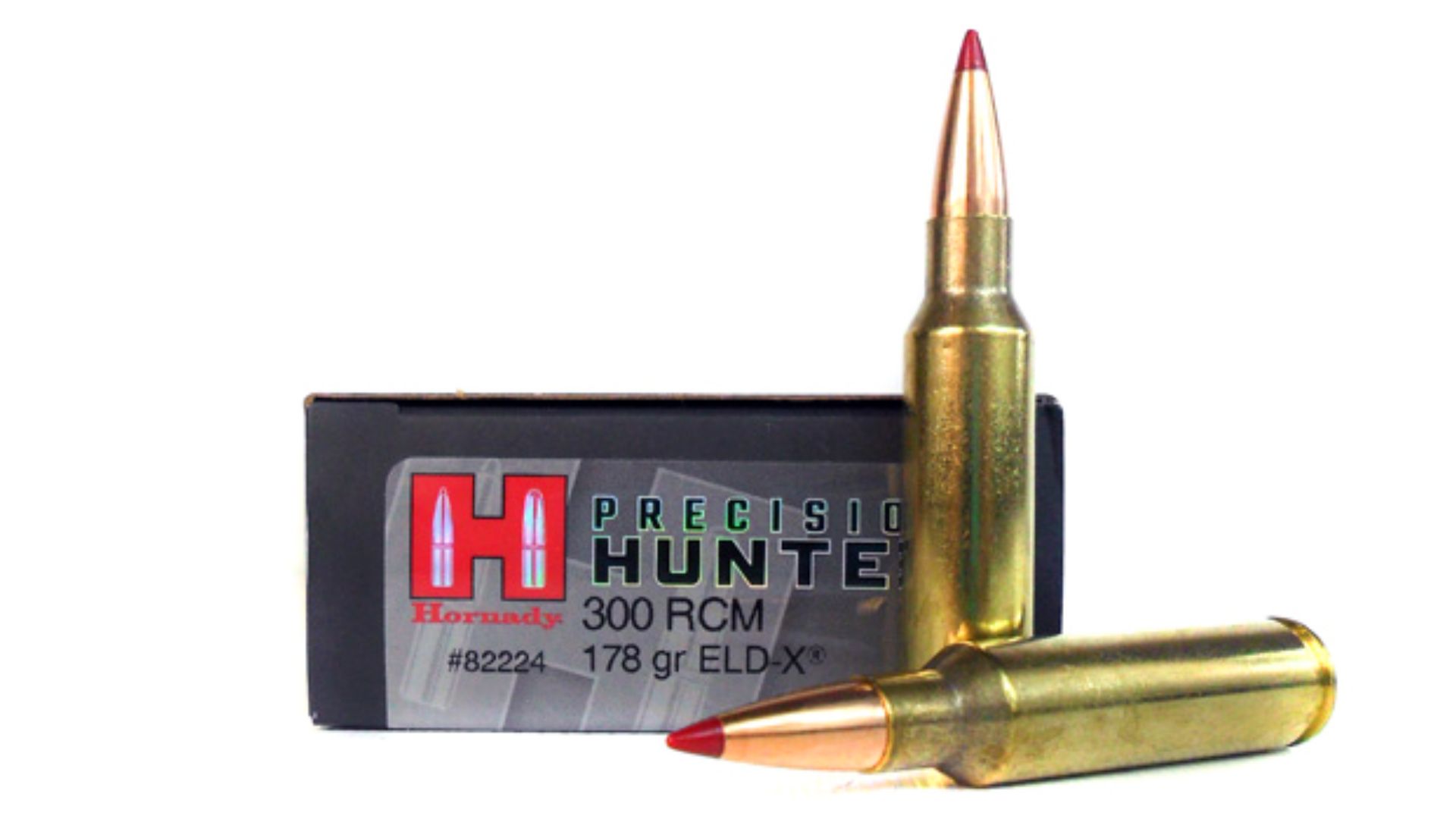
The .300 RCM was Ruger and Hornady’s attempt to deliver .300 Win Mag performance in a short-action rifle. It worked—sort of. Ballistics were solid, and recoil was manageable, but the problem wasn’t what it did. It was how few rifles were built to chamber it.
When you can’t find a gun to shoot your caliber, the market dies fast. On top of that, ammo was expensive and rarely stocked. Even handloaders didn’t get much support. The RCMs never became popular, and they couldn’t shake the reputation of being proprietary. It wasn’t that the performance was bad—it’s that it arrived in a crowded space and didn’t offer enough to push the others out. If you see one now, it’s usually sitting unsold with one lonely box of factory ammo and a price tag that says “make offer.”
.25 WSSM
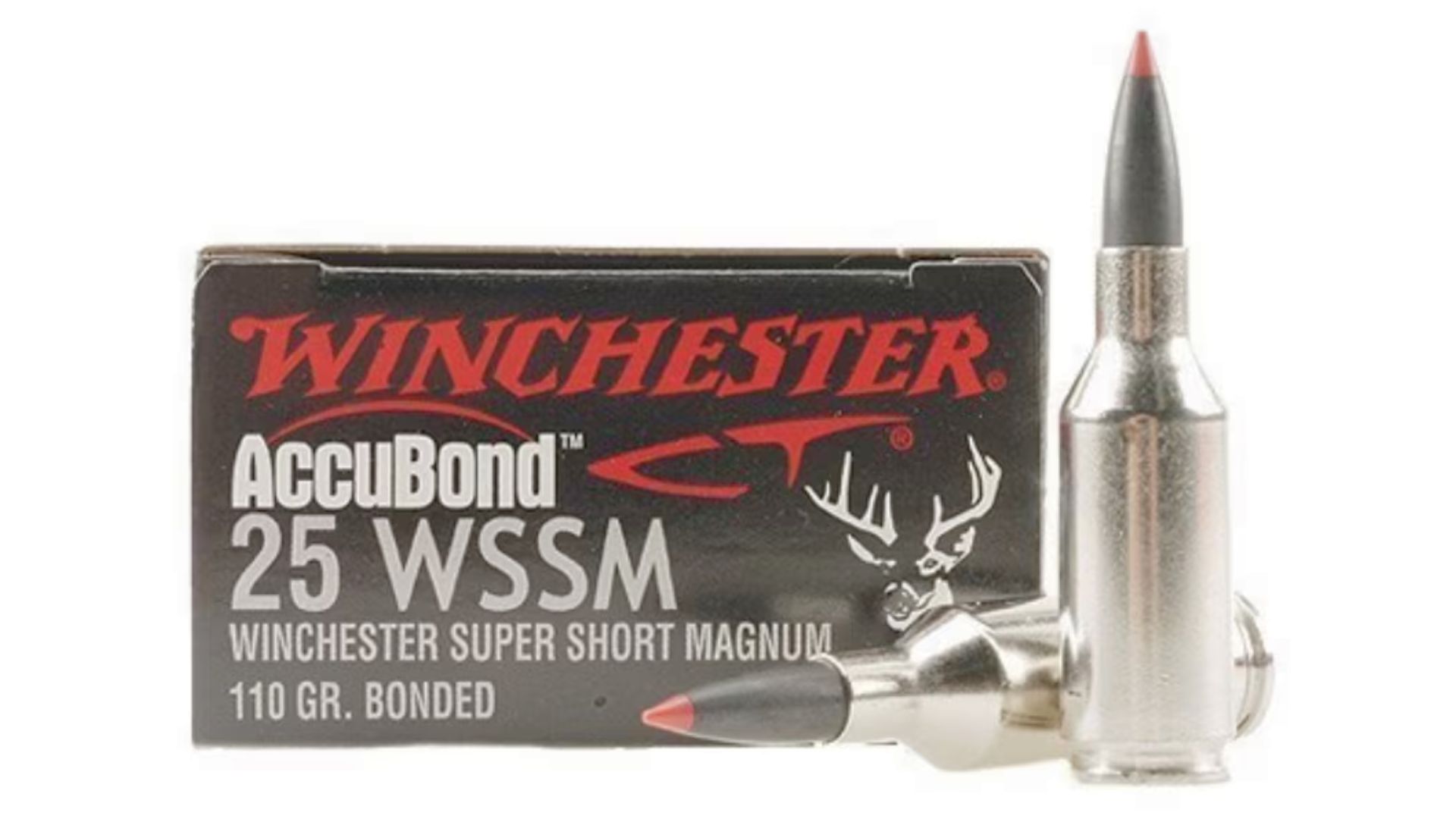
The .25 Winchester Super Short Magnum was a compact powerhouse designed to squeeze high velocity into a short-action rifle. The idea had promise, but it came with heat and pressure issues that cooked barrels faster than most shooters were used to. Accuracy faded with each shot, and the tight case geometry made feeding finicky in many rifles.
Winchester’s super short magnum family struggled overall, but the .25 WSSM went down the fastest. Limited rifle options and poor ammo availability didn’t help. Even die-hard speed fans found better results with .243 or .25-06. It came on the scene like it had something to prove, and then quietly vanished when nobody wanted to deal with its quirks. You still see the occasional upper for AR builds floating around, but it’s more curiosity than comeback. It’s a caliber that burned fast—and burned out faster.
.7mm Remington SAUM
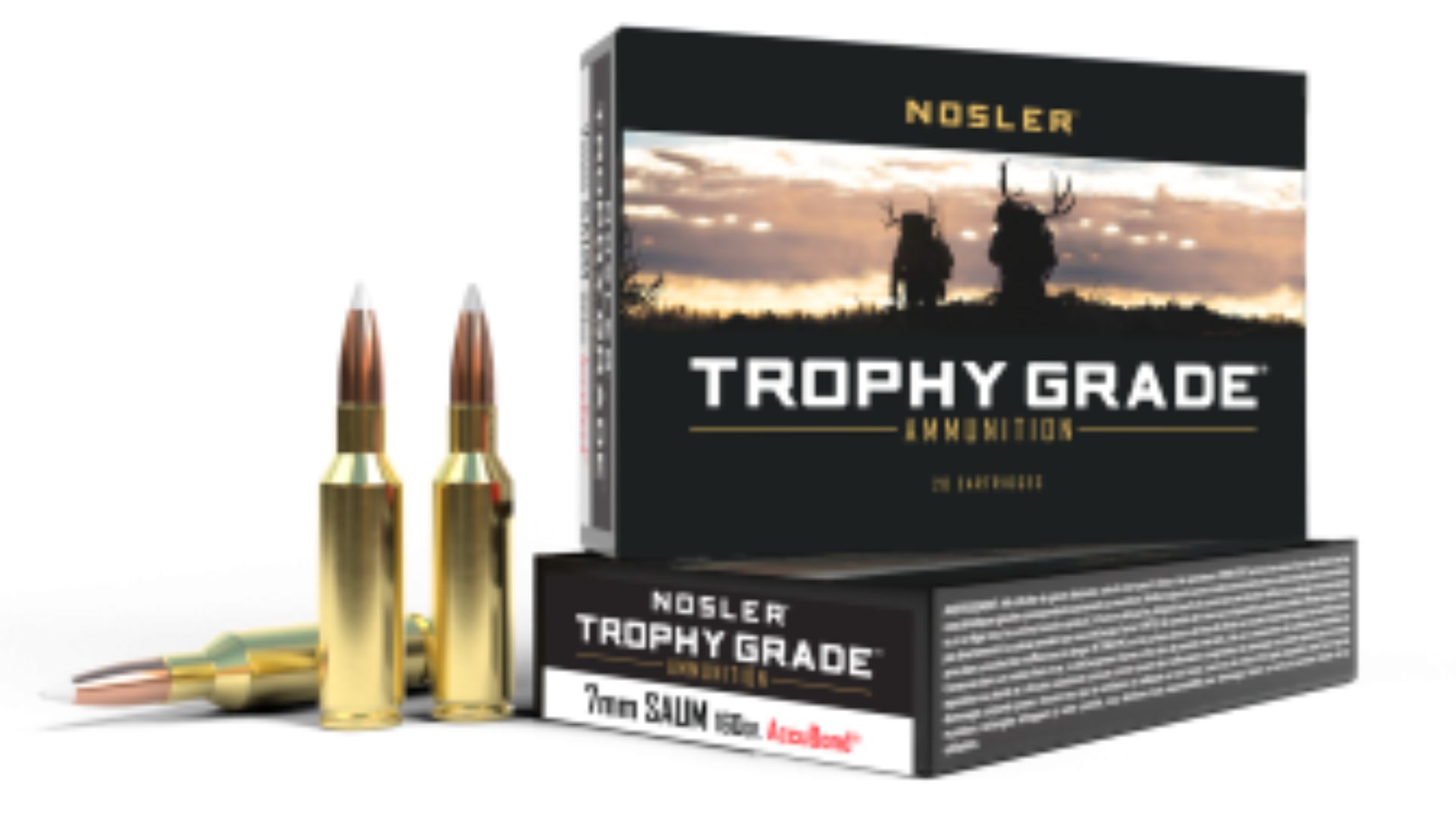
The 7mm SAUM was born into a losing battle with the 7mm WSM, and the market picked its winner early. Both offered similar performance, but the WSM had more rifle options and better distribution. The SAUM never caught up. For a while, it lingered with the long-range crowd because of some solid ballistics, but even that wasn’t enough to save it.
Ammo was hard to find unless you reloaded, and rifle manufacturers weren’t lining up to chamber it. It faded into niche status while the 7mm WSM held on a little longer. These days, you’ll hear old benchrest guys talk about the SAUM in hushed tones—but most shooters have moved on. If a caliber can’t compete on store shelves or at the reloading bench, it doesn’t matter what it can do on paper. The SAUM faded not because it was bad, but because it was never supported.
.45 GAP

Glock’s answer to the .45 ACP took off in theory but never found its place in practice. The .45 GAP was supposed to offer .45 power in a smaller frame, but the performance didn’t match up. Ammo was expensive, hard to find, and underwhelming. Most departments that adopted it quickly switched back.
It also suffered from poor compatibility—nothing else used it, and few manufacturers wanted to get behind a cartridge that didn’t bring new energy to the table. The .45 ACP kept doing what it always had, and the .45 GAP quietly became a headache for anyone who bought into it. Today, it’s an orphaned caliber with few supporters and even fewer available firearms. It didn’t die all at once—it faded like bad paint in the sun, losing support with every passing year.
.204 Ruger in AR Platforms

The .204 Ruger is a fantastic round—flat shooting, fast, and deadly on varmints. But when folks started stuffing it into AR-15s, things got complicated. The cartridge is long enough to create feeding issues in some magazines, and the high pressure causes excessive fouling and wear on lightweight bolts.
It performs beautifully in bolt guns, but semi-auto setups tend to get finicky fast. That led to inconsistent reliability and frustration in the field. Combine that with relatively expensive ammo and limited magazine options, and shooters quickly realized it wasn’t worth the hassle in ARs. The bolt-action crowd still loves it, but the attempt to make it a high-speed AR varmint round faded fast. It’s not a bad caliber—but it was never meant for a platform that can’t handle its quirks without constant tuning.
.480 Ruger

The .480 Ruger was meant to split the difference between the .454 Casull and the .500 S&W Magnum—a big-bore revolver round with serious energy but more manageable recoil. It worked in theory, but demand was weak, and ammo was even weaker.
Ruger chambered a few revolvers for it, but interest never really caught on. The .454 was already entrenched, and those wanting more power went straight to .500. The .480 ended up stuck in between, unsupported and largely forgotten. Ammo production became sporadic, and even the folks who owned one started leaning on handloads or switching to something more common. You’ll find fans who swear by it, but the rest of the world forgot it existed. It didn’t crash—it faded, quietly, like a cartridge trying to belong in a crowd that never asked for it.
.357 SIG

The .357 SIG came in with high expectations—.357 Magnum ballistics in a semi-auto format. But it brought high cost, high recoil, and compatibility issues right along with it. Ammo prices stayed high, and availability stayed low unless you were buying in bulk online.
Most departments that tested it moved on, and civilian shooters found .40 S&W or 9mm more practical. Barrel swaps were easy, but the bottleneck case had a short reloading life and wasn’t forgiving. It’s accurate and fast, no question—but so are plenty of other rounds that don’t punch your wallet every time you shoot. Today, it hangs around in niche circles and specialized units, but as a mainstream choice, it’s faded fast. The idea had legs, but it never outran the convenience of more popular options.
.300 Savage

The .300 Savage had a long, respectable run. It helped bridge the gap between .30-30 and .308 before the .308 was even born. But once the .308 showed up, it started losing ground—and never really got it back. Today, most folks under 40 haven’t even shot one.
It still works, and vintage rifles chambered for it are great in their own right. But ammo is getting rare, factory loads are watered down, and it doesn’t offer anything you can’t get more easily from a .308 or 7mm-08. The .300 Savage didn’t crash out of popularity—it aged out. It faded the way good tools do when they’re replaced by something more available and easier to work with. It had its time, and nobody’s knocking it—but if you’re looking forward, not back, this one’s already out of the race.
Like The Avid Outdoorsman’s content? Be sure to follow us.
Here’s more from us:
The worst deer rifles money can buy
Sidearms That Belong in the Safe — Not Your Belt
*This article was developed with AI-powered tools and has been carefully reviewed by our editors.