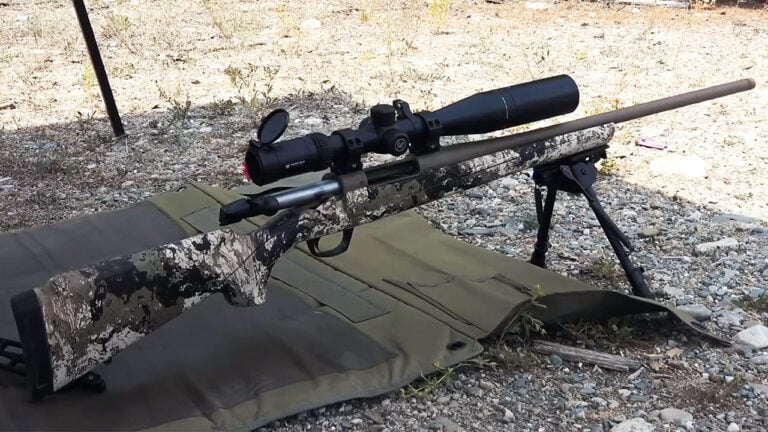
Photo credit: Atlantist Studio/Shutterstock.com
Some cartridges were meant to bridge the gap between rimfire and centerfire, but the truth is they ended up sitting in a strange middle ground—more expensive than a .22 and not much better for the job. Rimfires have become so accurate, quiet, and affordable that a few old small-bore centerfires don’t make much sense anymore. You can get the same accuracy, flatter trajectory, and less noise from a .22 LR or .17 HMR without dealing with custom handloads or obscure brass. These are the calibers that rimfires quietly left in the dust.
.22 Hornet

The .22 Hornet was once the king of varmint cartridges. It shot flat and hit hard for its size, but modern rimfires have caught up. The .17 HMR and .22 WMR now deliver similar performance with cheaper ammo and less fuss.
The Hornet’s brass is thin and tricky to reload, and factory ammo is expensive when you can even find it. It’s still fun for nostalgia’s sake, but most shooters reach for a rimfire instead. The extra cost and effort simply don’t pay off anymore when rimfires do the same work out to the same ranges.
.25-20 Winchester
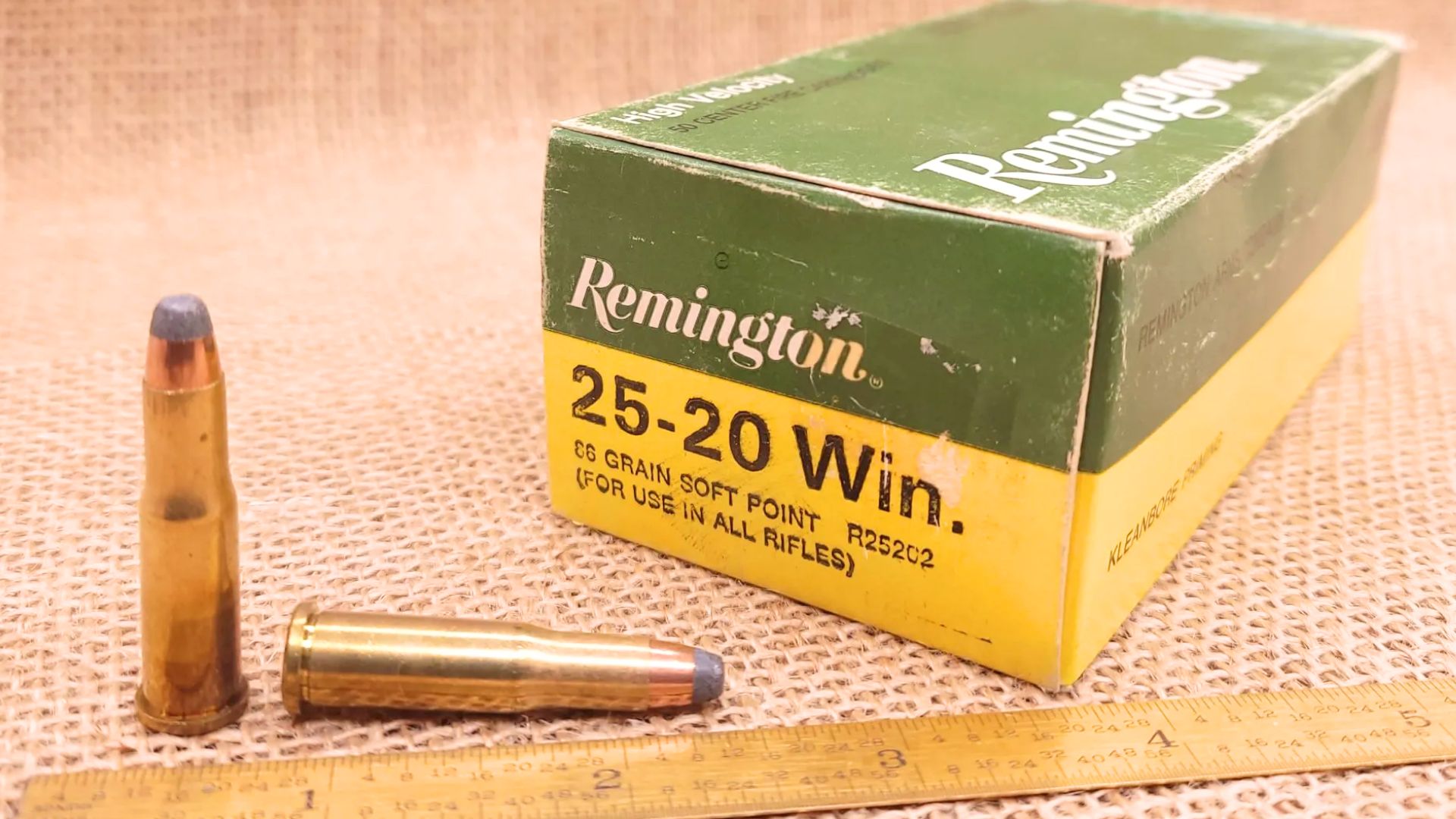
The .25-20 Winchester was great for small game and varmints back in the lever-action days, but that era’s long gone. The cartridge is slow, underpowered, and expensive to feed compared to rimfires that do the same job cleaner and cheaper.
Most hunters have moved on to .22 LR or .17 HMR, both of which shoot flatter and with better accuracy. You can still find the .25-20 in old Marlins and Winchesters, but the ammo is scarce and costly. The rimfires outclass it in every practical way now, leaving the .25-20 to collectors and reloaders.
.218 Bee
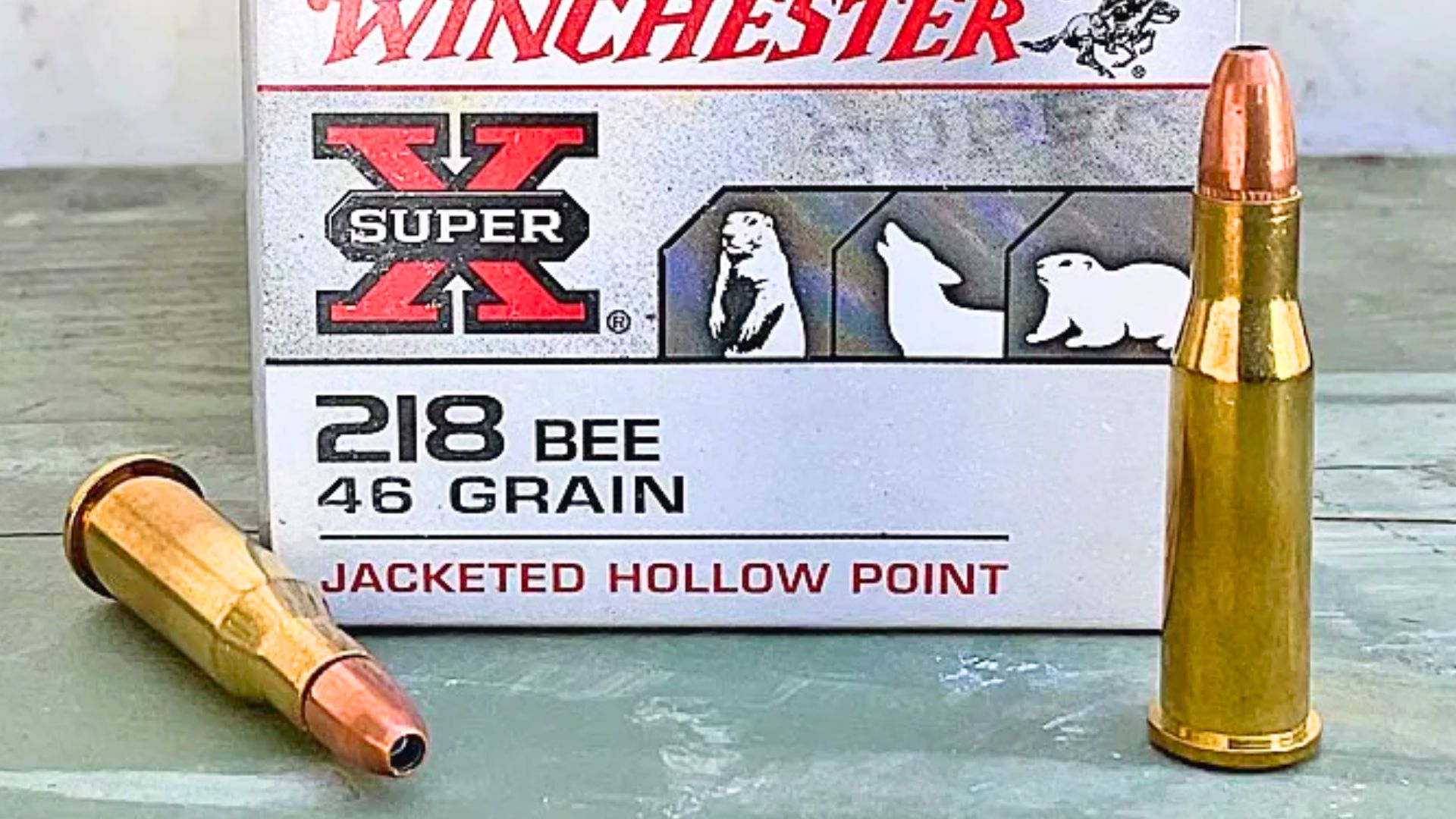
The .218 Bee came out as a high-speed varmint round, but it’s been obsolete for decades. It was fast and flat when it debuted in the 1930s, but now it’s easily outdone by rimfires like the .17 HMR and .17 WSM, which are cheaper and more available.
The Bee’s biggest problem is cost and inconsistency. Ammo’s hard to find, brass is expensive, and the small-case reloading is finicky. It still has a cult following among Winchester 43 and 92 owners, but most shooters looking for accuracy and affordability go straight to modern rimfires instead.
.32-20 Winchester

The .32-20 was once a do-it-all round—small game, varmints, even light deer duty in the right hands. But today, it’s slow, loud, and expensive compared to rimfire options that outperform it in nearly every metric except nostalgia.
The .22 WMR hits harder with less recoil and cost, and the .17 HMR shoots flatter and faster. Unless you’re shooting an antique lever gun for the fun of it, the .32-20 doesn’t bring anything new to the table. Rimfires simply do the same jobs with better results and none of the expense.
.17 Remington

The .17 Remington was a technical marvel for its time—insanely fast, accurate, and devastating on varmints. But it fouled barrels quickly and demanded frequent cleaning, which made it a pain for high-volume shooters.
When the .17 HMR and .17 WSM arrived, they offered similar flat trajectories and performance without the headaches. Rimfires can’t quite match its velocity, but they’re far easier to live with. Most shooters realized they could get 90% of the results with a rimfire for half the price and none of the maintenance.
.221 Fireball
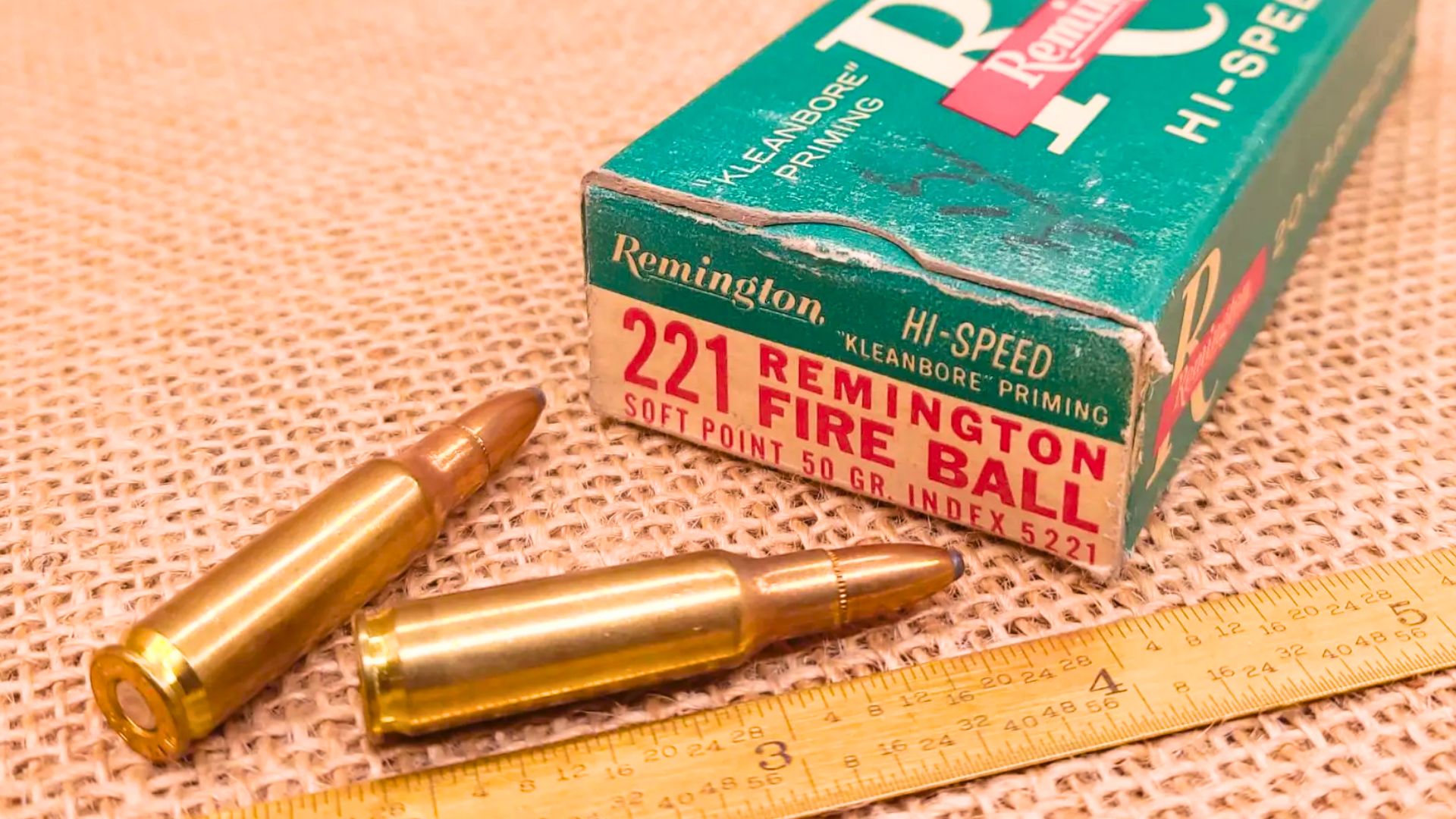
The .221 Fireball started strong with the XP-100 pistol and later a few rifles, but its niche appeal couldn’t compete with cheap rimfires. It’s accurate and efficient, but factory ammo is rare, and handloading is tedious for such a small case.
The .17 HMR and .22 WMR give nearly the same field performance without burning powder or chasing brass. The Fireball still has fans in the varmint crowd, but it’s mostly a relic now. For anyone who isn’t a dedicated reloader, rimfires outperform it in every way that matters.
.17 Hornet
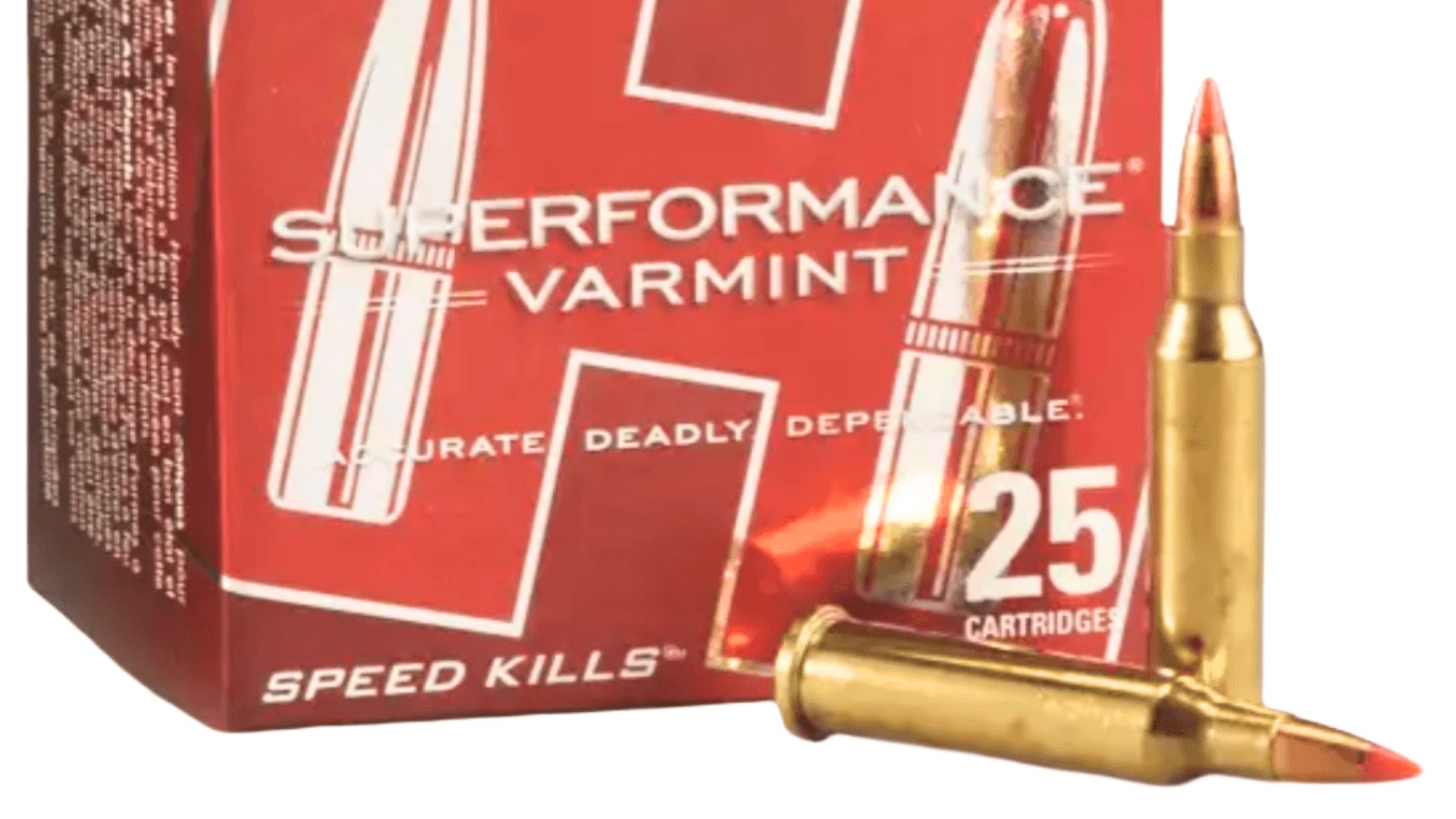
The .17 Hornet promised centerfire speed with rimfire convenience—but it never really delivered. It’s accurate and quiet, but ammo costs more than .17 HMR or .17 WSM, and finding it in stores can be hit or miss.
While it does outperform rimfires slightly in velocity, that edge isn’t worth the hassle for most shooters. The tiny brass cases are fragile, reloading is tedious, and barrel life is short. When the .17 WSM came along, it made the .17 Hornet’s advantages hard to justify outside of reloading circles.
.25-35 Winchester
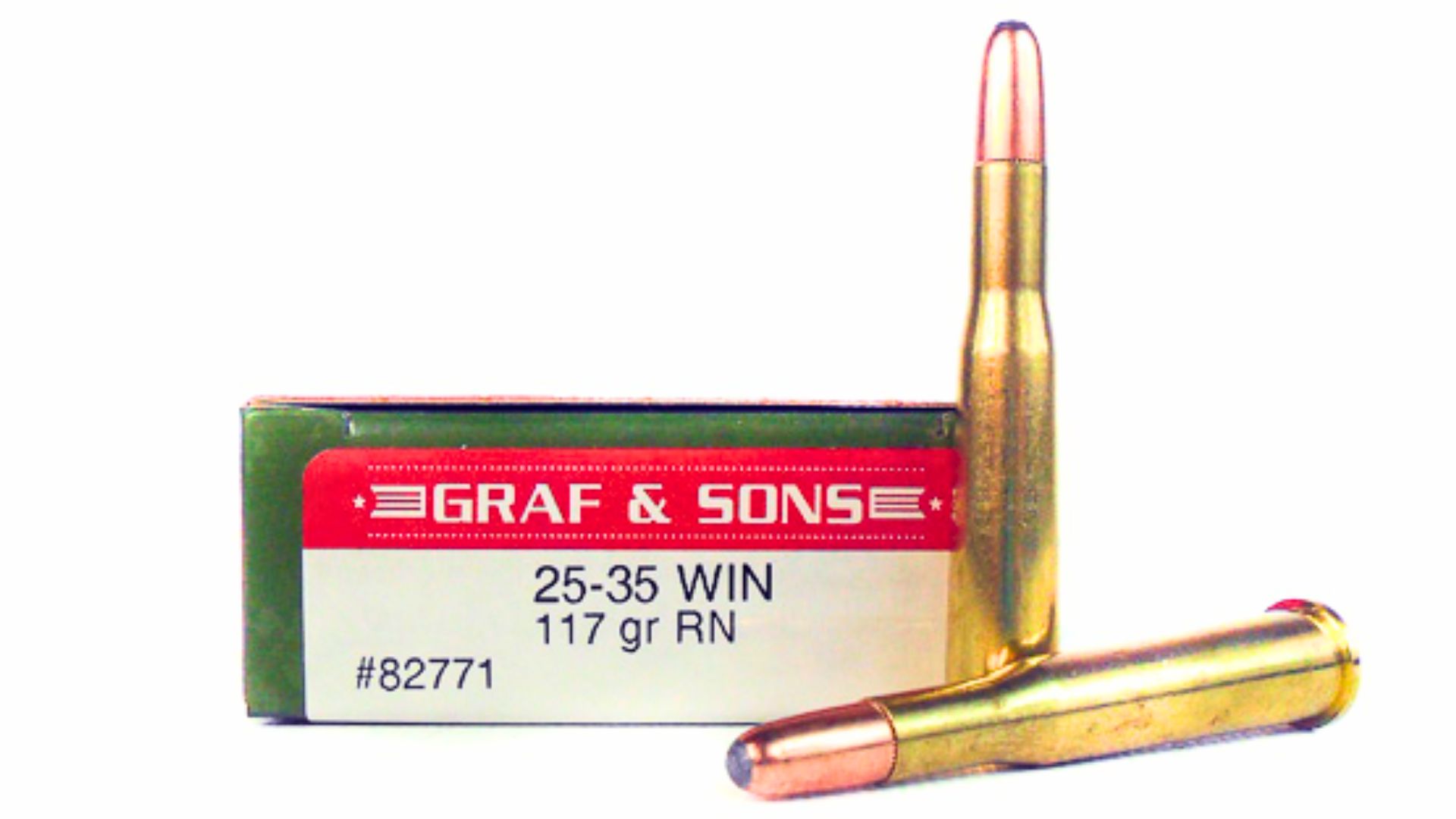
The .25-35 Winchester hung around for over a century, but these days, it’s been outpaced even by rimfires for small game and varmints. It kicks more, costs more, and doesn’t shoot much flatter than a .17 WSM or .22 WMR.
For deer-sized game, it’s too light by modern standards, and for varmints, it’s overkill. That leaves it without a real niche. You might still find old Winchester 94s chambered for it, but unless you reload, you’ll pay dearly for ammo that doesn’t do anything a rimfire can’t handle better.
.256 Winchester Magnum
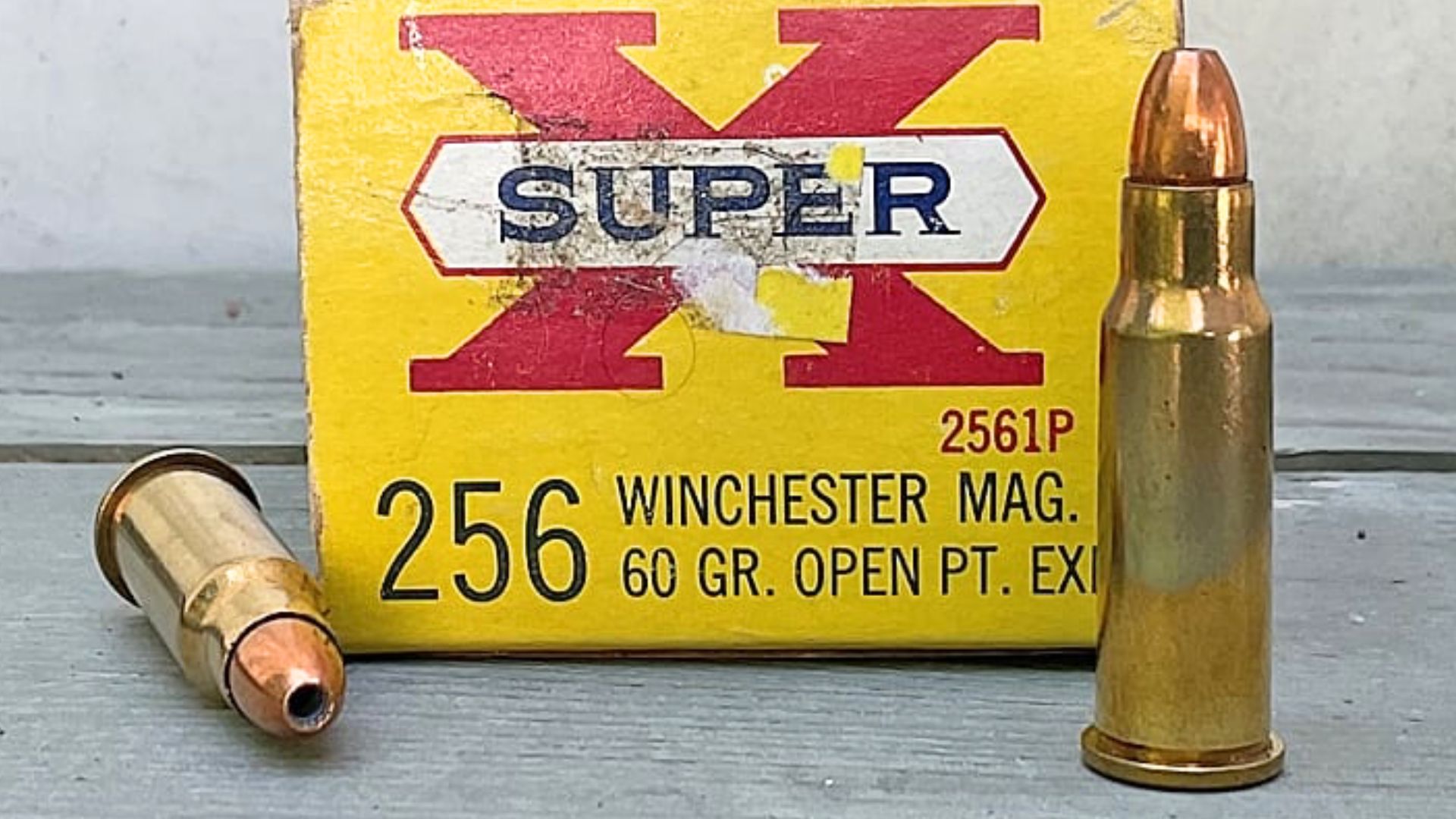
The .256 Winchester Magnum was supposed to be a small-bore centerfire revolution, but it fizzled almost immediately. Chambered in oddball rifles and pistols like the Ruger Hawkeye, it never found a purpose.
It’s fast, yes, but the .17 HMR and .22 WMR both deliver cleaner accuracy, less recoil, and far cheaper ammo. The .256 was a neat experiment, but it proved that small-caliber centerfires can’t always justify their costs when rimfires offer nearly the same performance without the fuss.
.22 Jet
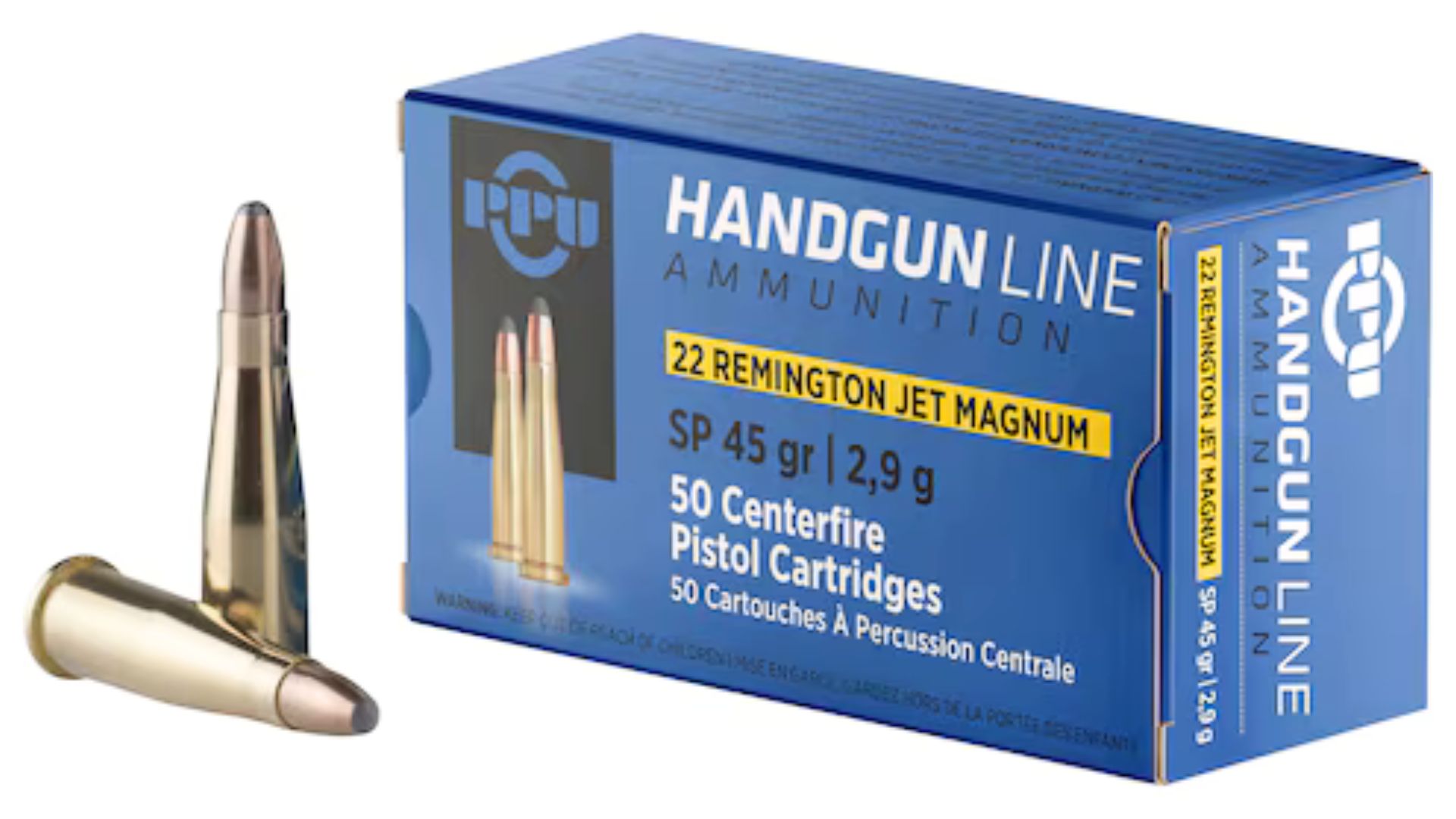
The .22 Jet had a short, strange life. Chambered mostly in the Smith & Wesson Model 53 revolver, it was a bottlenecked revolver round that looked promising but suffered from terrible case setback and poor reliability.
On paper, it beat rimfires. In practice, it didn’t. Rimfires like the .22 WMR and even .22 LR turned out to be more reliable, easier to shoot, and far cheaper. The .22 Jet is an interesting footnote in firearms history, but it’s a perfect example of a cartridge that rimfires simply outclassed.
.17 Mach IV
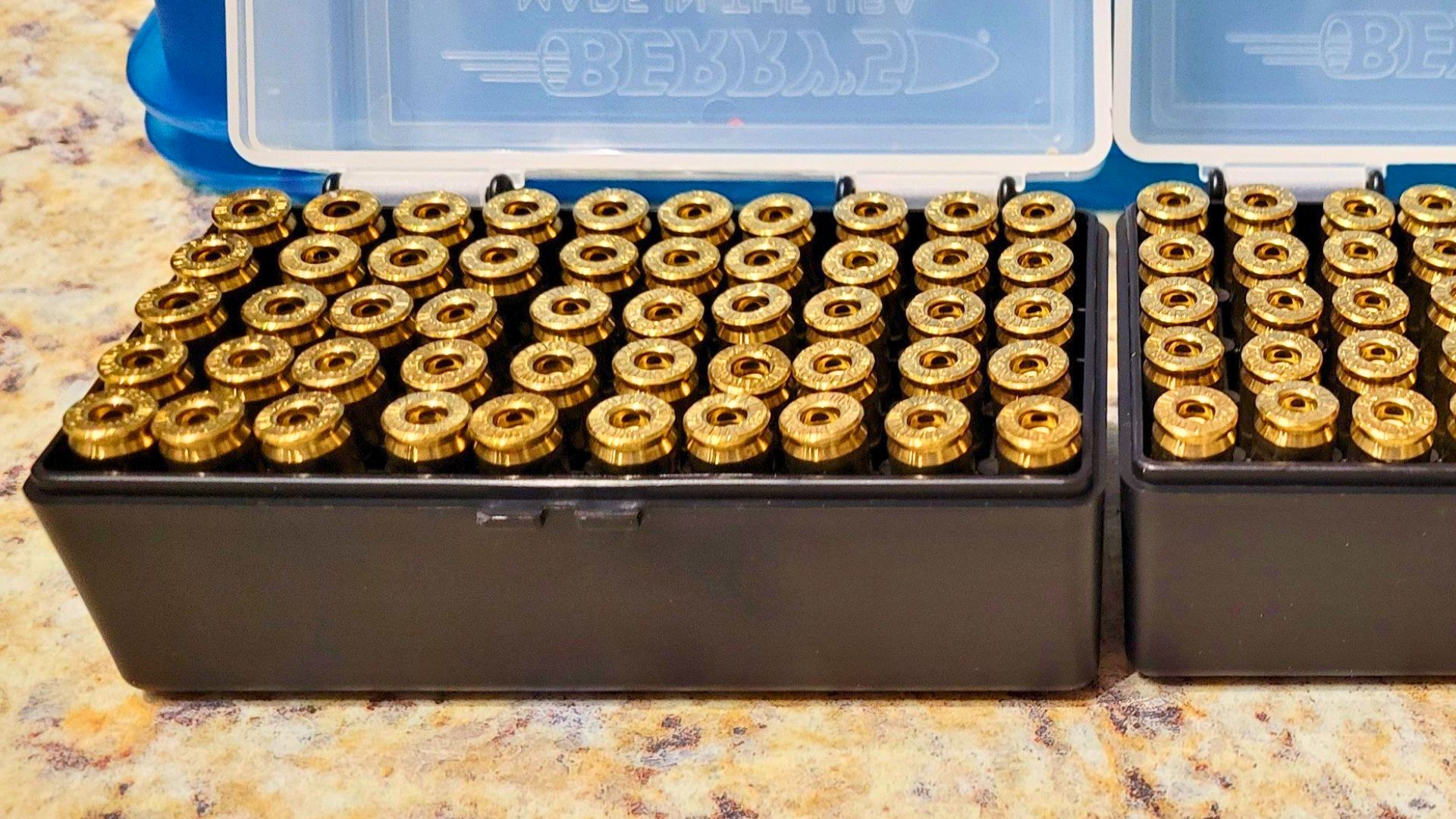
The .17 Mach IV was a wildcat version of the .221 Fireball before Remington commercialized it. It’s fast and accurate, but also filthy, finicky, and hard on barrels. It delivers impressive performance, but the cost and maintenance make it impractical for most shooters.
The .17 HMR and .17 WSM took its concept and made it better—affordable, consistent, and easy to find. The Mach IV is still a reloader’s toy, but it’s been functionally replaced by rimfires that are cleaner, simpler, and more enjoyable for everyday shooting.
Like The Avid Outdoorsman’s content? Be sure to follow us.
Here’s more from us:
The worst deer rifles money can buy
Sidearms That Belong in the Safe — Not Your Belt
*This article was developed with AI-powered tools and has been carefully reviewed by our editors.