Photo credit: Collector Rifle & Ammo, Inc.
Hunters become attached to cartridges for understandable reasons. A rifle may have belonged to a father or grandfather. A certain caliber may have taken years of deer without causing trouble. Once confidence is built, ballistic charts and newer designs do not always matter.
That loyalty can also make hunters defend cartridges whose drawbacks are now difficult to ignore. Some are expensive, hard to find, limited by outdated bullets, or nearly duplicated by more practical rounds. These 20 calibers can still kill game cleanly, but most hunters have a better-supported, more versatile, or more efficient choice available.
.32 Winchester Special

The .32 Winchester Special has taken plenty of deer from lever-action rifles, especially across the eastern United States. Its slightly larger bullet diameter gives loyal owners something to point toward when comparing it with the .30-30 Winchester.
In the field, the difference is rarely meaningful. The .30-30 offers broader ammunition availability, more factory loads, and much easier access to brass and components. Both cartridges occupy nearly the same hunting role and effective range. Hunters who already own a good .32 Special have no reason to abandon it, but choosing one today means accepting more trouble without gaining a clear advantage.
.35 Remington

The .35 Remington earned a strong following in thick woods because it launches heavier bullets than the .30-30 and performs well on deer, black bear, and hogs at moderate distances. Rifles such as the Marlin 336 helped build its reputation.
The cartridge now suffers from limited ammunition availability and a shrinking rifle selection. The .360 Buckhammer provides similar straight-wall performance with current industry support, while the .45-70 offers more power and load variety. The .35 Remington remains effective, but much of the defense surrounding it comes from memories of old lever guns rather than its current practicality.
.300 Savage
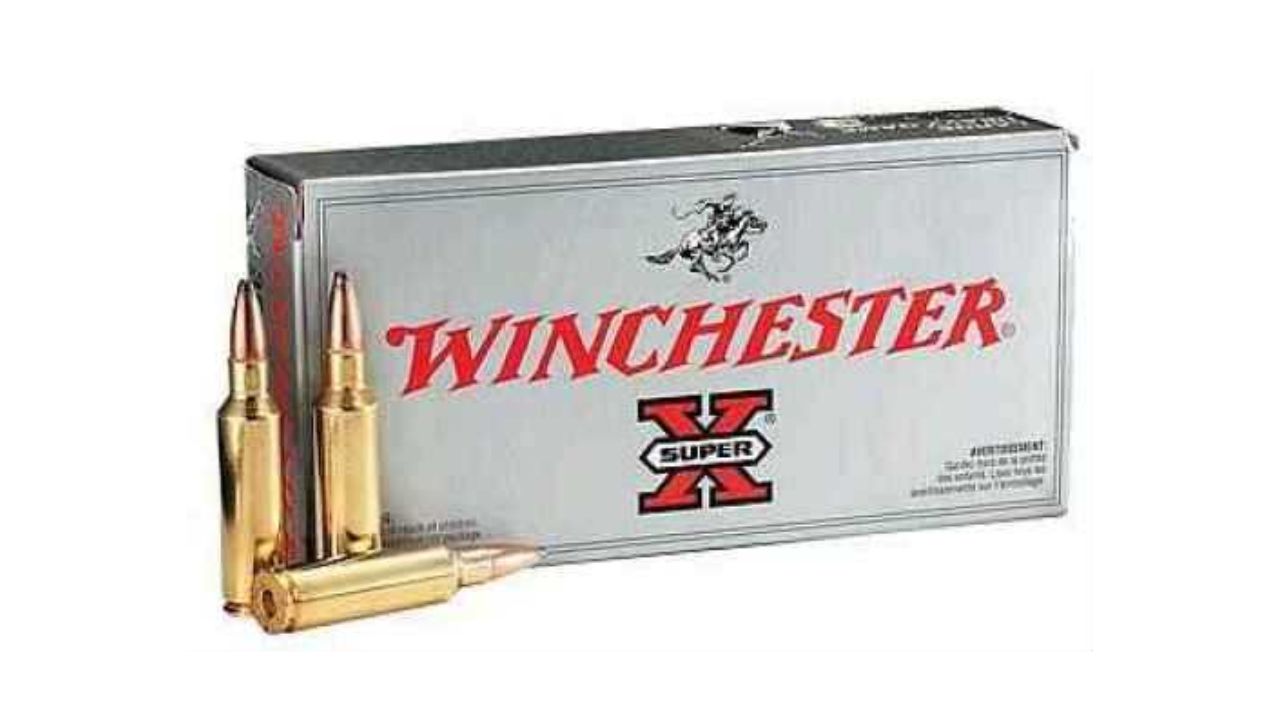
The .300 Savage was an advanced cartridge when introduced and came surprisingly close to later .308 Winchester performance. It gave Savage Model 99 owners a capable deer and elk round in a compact case.
The .308 Winchester now does nearly everything better from a practical ownership standpoint. It offers wider rifle selection, more ammunition choices, easier component access, and stronger long-range bullet options. A .300 Savage rifle in good condition is still useful, but defending the cartridge as a better hunting choice requires ignoring how completely the .308 has taken over its role.
.303 British

The .303 British has taken large game around the world and remains closely associated with the Lee-Enfield rifle. Its military history and distinctive rimmed case give it an identity that common commercial cartridges cannot duplicate.
For modern hunting, it brings limited ammunition selection, inconsistent surplus-rifle condition, and bullet performance that depends heavily on finding quality soft-point loads. The .308 Winchester and .30-06 Springfield provide more rifles, better hunting ammunition, and simpler handloading. The .303 still works, but its strongest advantage is historical appeal.
7.62x54R

The 7.62x54R delivers power in the same general class as several respected full-size hunting cartridges. Hunters have used Mosin-Nagants and other rifles to take deer, hogs, and larger animals successfully.
The average rifle chambered for it is heavy, rough, and poorly suited to mounting a modern optic. Quality hunting ammunition is much less common than inexpensive full-metal-jacket loads, and surplus ammunition may be corrosive. A basic .308 or .30-06 hunting rifle is usually lighter, more accurate, and easier to feed. The cartridge survives partly because the rifles once cost almost nothing.
.30 Carbine

The .30 Carbine is light recoiling and handy from the compact M1 Carbine. It has taken deer at close range, especially where hunters kept shots controlled and used expanding ammunition.
Its light, round-nosed bullets lose velocity quickly and offer limited penetration compared with ordinary deer cartridges. The .300 Blackout provides better modern bullet choices from similarly compact rifles, while the .357 Magnum works well from a lever-action carbine. Hunters often defend the .30 Carbine because they like the rifle, not because the cartridge is an especially strong hunting tool.
.44-40 Winchester

The .44-40 has deep roots in American lever-action rifles and revolvers. It remains appealing to hunters and shooters who want one traditional cartridge shared between both platforms.
Modern factory loads are often kept mild because old firearms remain in circulation. That limits performance from stronger current-production rifles. The .44 Magnum offers greater power, better ammunition availability, and a much wider selection of hunting bullets. The .44-40 still has historical value, but nostalgia does most of the work in arguments for choosing it today.
.38-55 Winchester

The .38-55 is an old black-powder cartridge that can perform well on deer and black bear with heavy bullets. Modern strong-action rifles can produce useful performance without excessive recoil.
The problem is that factory ammunition must account for rifles with varying bore dimensions and strength levels. The .375 Winchester offers more power in appropriate rifles, while the .45-70 has much broader ammunition and firearm support. The .38-55 appeals most to handloaders and traditional lever-gun hunters. For everyone else, the better choices are easier to find.
.348 Winchester
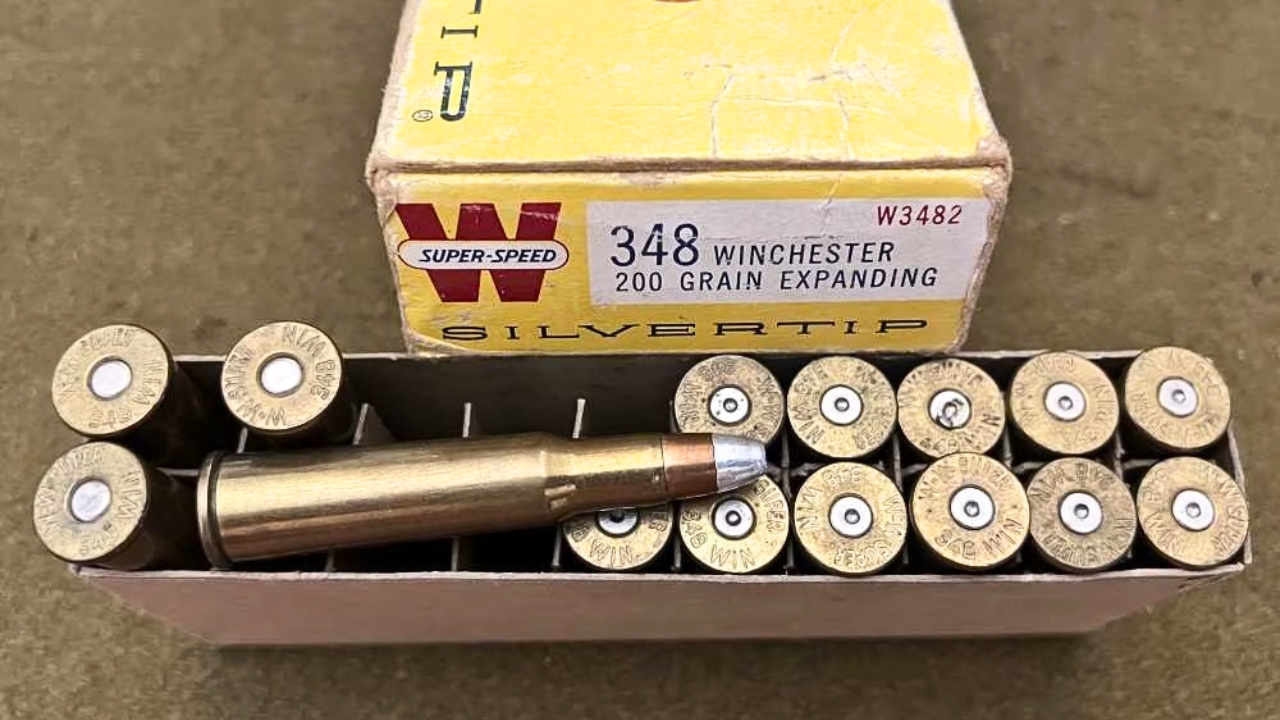
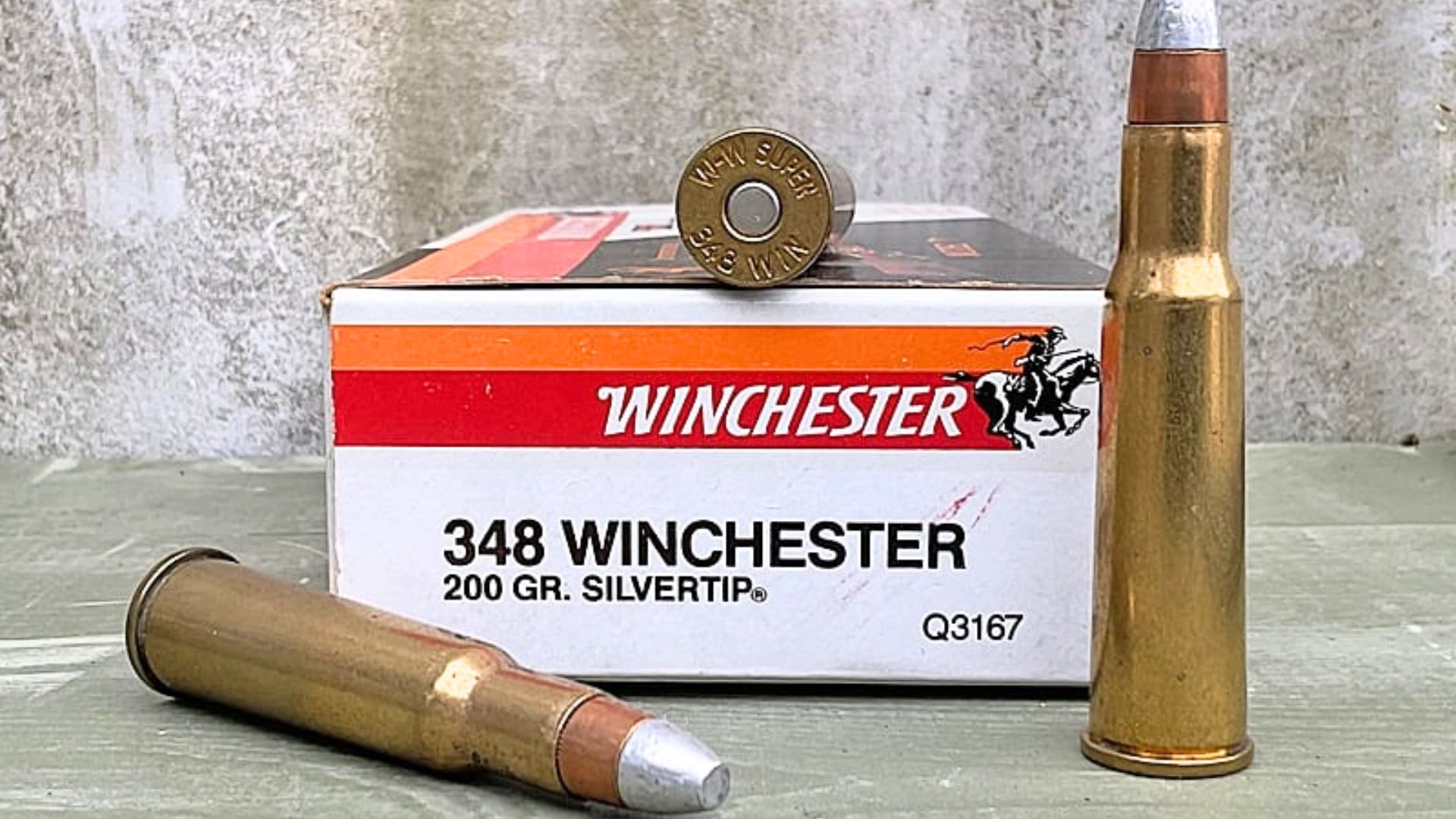
The .348 Winchester was built around the Winchester Model 71 and earned a strong reputation on elk, moose, and bears. Its heavy bullets and large case made it a serious woods cartridge.
Nearly everything about owning one is now expensive. Rifles are collectible, ammunition is scarce, and bullet selection is narrow. The .45-70 Government provides comparable practical capability with vastly better support, while the .35 Whelen offers strong medium-bore performance in conventional bolt actions. The .348 remains impressive, but it is defended as much for the Model 71 as for the cartridge itself.
.444 Marlin

The .444 Marlin was developed to provide lever-action hunters with more power than the .30-30 at a time when strong modern .45-70 loads were less common. It can drive heavy .44-caliber bullets hard enough for deer, hogs, elk, and black bear.
Today, the .45-70 offers more rifles, greater ammunition variety, and bullets designed specifically for large-game hunting. The .444 still shoots flatter with certain loads and can be very effective, but its practical advantage has narrowed considerably. Hunters who own one tend to love it. New buyers usually have fewer reasons to choose it.
.450 Marlin
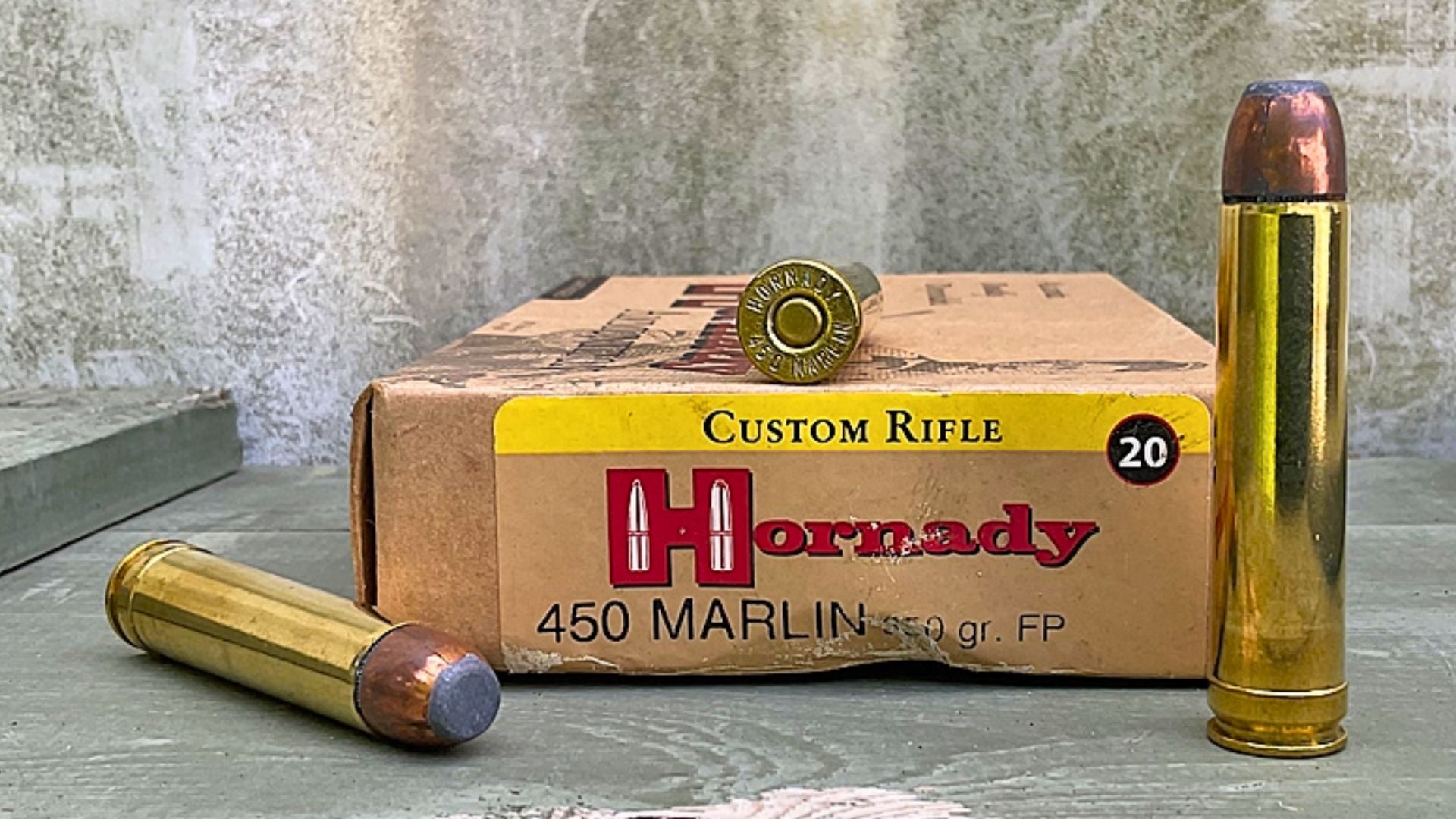
The .450 Marlin was designed to deliver powerful lever-action performance while preventing the ammunition from being chambered in older, weaker .45-70 rifles. It was a sensible safety solution.
The cartridge lost the market battle because modern .45-70 ammunition now covers everything from mild practice loads to heavy hunting ammunition intended for strong actions. The .450 Marlin delivers serious power, but rifles and ammunition are less common. Defending it usually comes down to already owning one rather than having a compelling reason to buy into it now.
.280 Remington

The .280 Remington is an excellent hunting cartridge. It shoots flatter than the .30-06 with comparable bullet weights, recoils less than many magnums, and uses aerodynamic 7mm bullets.
Its supporters often claim it is the ideal answer to nearly every western hunting problem. The reality is that the 7mm Remington Magnum provides more velocity with widespread support, while the 7mm-08 Remington offers lower recoil and short-action efficiency. The newer .280 Ackley Improved also delivers more performance. The standard .280 is good, but it is squeezed between alternatives that define their roles more clearly.
.280 Ackley Improved
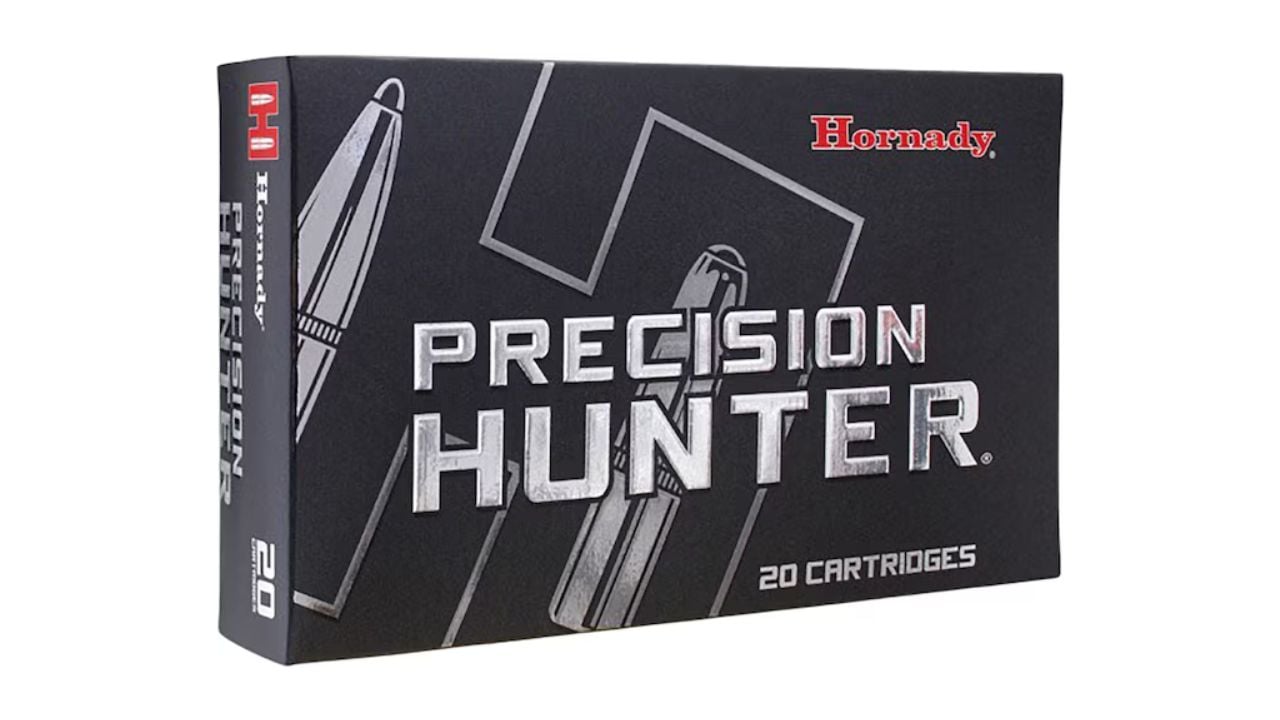
The .280 Ackley Improved has become a favorite among hunters who want near-magnum performance without the recoil and powder use of larger 7mm cartridges. It is efficient and works well with modern high-BC bullets.
Its advantage over the standard .280 and 7mm Remington Magnum is smaller than its most loyal defenders suggest. Factory ammunition costs more, rifle selection is narrower, and the performance difference rarely changes a reasonable hunting outcome. It is a smart cartridge for experienced riflemen, but not the revolutionary all-purpose round it is sometimes made out to be.
.264 Winchester Magnum

The .264 Winchester Magnum was one of the original high-velocity 6.5mm cartridges. It shoots flat and can perform very well on deer, antelope, and elk with appropriate bullets.
It burns a great deal of powder, can be hard on barrels, and has limited factory support compared with newer 6.5mm cartridges. The 6.5 PRC provides modern rifle availability and excellent bullets in a more current package. The .264 still works beautifully, but owners often defend its potential while ignoring the inconvenience of keeping it fed.
6.5×55 Swedish

The 6.5×55 Swedish has an outstanding hunting record and uses long, efficient bullets with mild recoil. In modern strong actions, it can be loaded to performance levels that remain highly competitive.
Factory ammunition is often kept conservative because many old military rifles remain in use. The cartridge also requires a long-action receiver despite producing performance similar to the short-action 6.5 Creedmoor. Handloaders can make the Swede shine, but ordinary hunters gain easier ammunition access and rifle selection from the Creedmoor.
7×57 Mauser
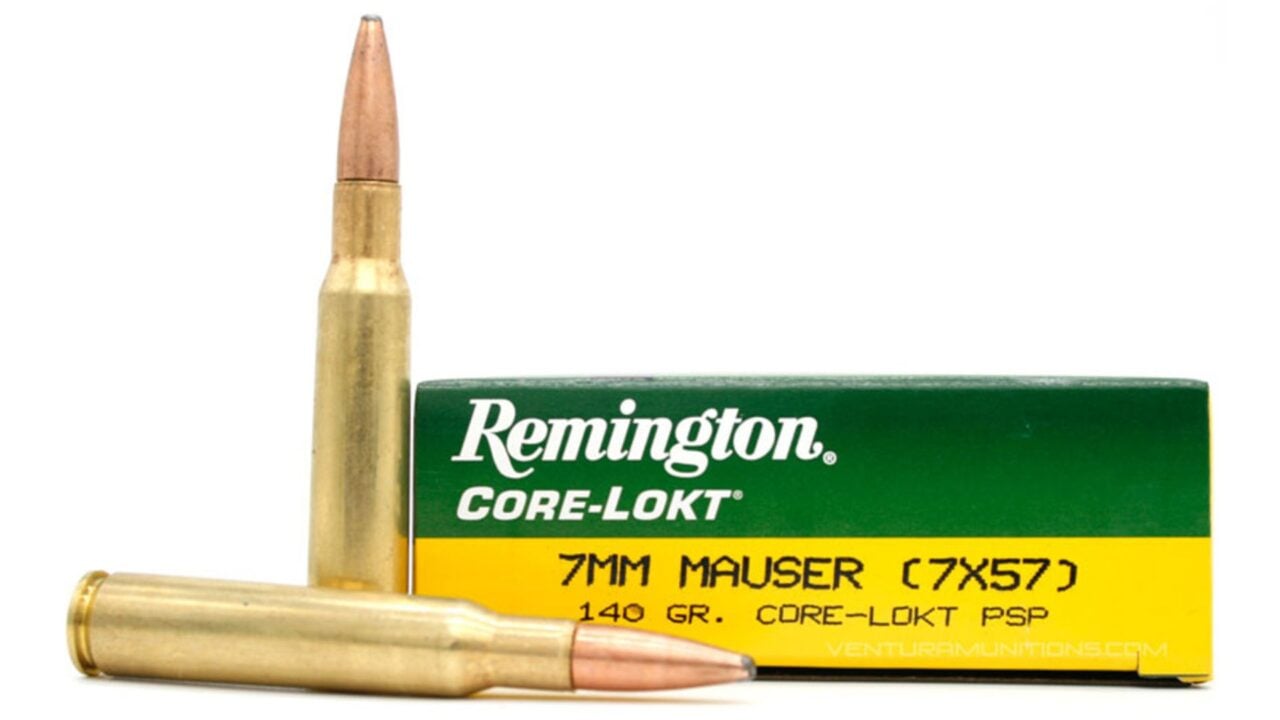
The 7×57 Mauser has taken almost every type of game on earth. Its moderate recoil, excellent sectional density, and efficient case made it one of the most influential hunting cartridges ever developed.
Modern factory loads are frequently mild because old rifles may have questionable strength. The 7mm-08 Remington provides similar performance from short-action rifles with easier access to modern ammunition. The 7×57 remains a wonderful cartridge for handloaders and classic-rifle owners, but its history is stronger than its current market position.
.257 Roberts

The .257 Roberts offers mild recoil and excellent deer performance without the blast of faster quarter-bore cartridges. It once represented a nearly ideal balance for hunters who wanted more than a .243 but less than a .270.
The 6.5 Creedmoor and 7mm-08 now fill that moderate-recoil deer-rifle role with more factory loads, better rifle availability, and stronger long-range bullet options. The .25-06 also offers more velocity for open-country hunting. The Roberts remains pleasant and capable, but choosing one today usually reflects affection for classic cartridges.
.25-06 Remington

The .25-06 is fast, flat shooting, and deadly on deer, antelope, and coyotes. Its fans appreciate that it delivers strong open-country performance without the recoil of larger magnums.
The cartridge uses a long action, burns substantial powder, and lacks the heavy high-BC bullet selection available to modern 6.5mm cartridges. The 6.5 Creedmoor offers better wind performance with heavier bullets, while the 6.5 PRC provides greater hunting power. The .25-06 remains effective, but it no longer dominates its niche as clearly as it once did.
.270 Winchester Short Magnum
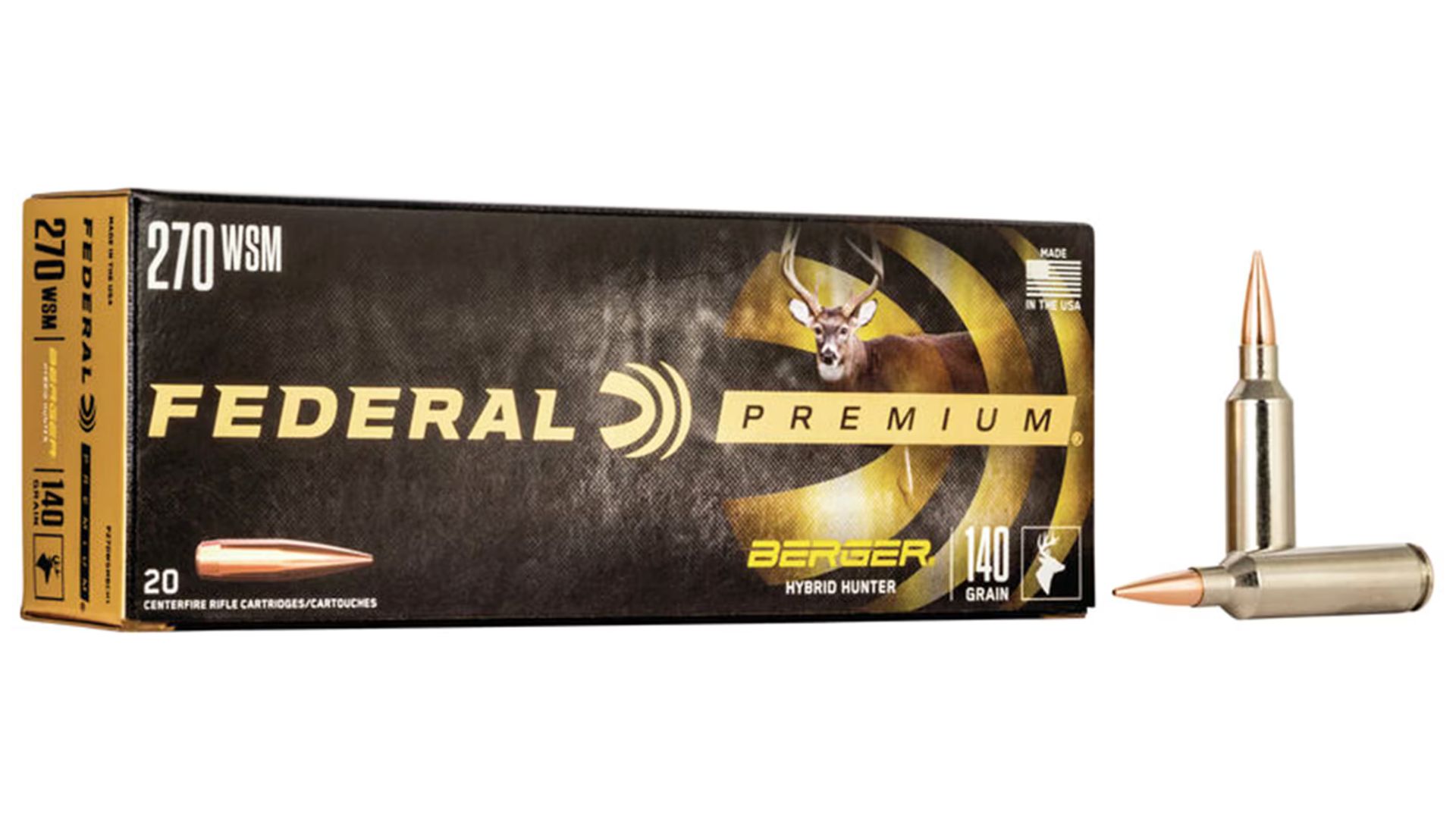
The .270 WSM promised near-magnum velocity from a short-action cartridge. It produces excellent performance with 130- to 150-grain bullets and remains fully capable on western game.
Its ammunition availability never matched the standard .270 Winchester, while the performance increase comes with more recoil, blast, and cost. The 6.8 Western now offers heavier modern bullets, and the .270 Winchester remains easier to find almost everywhere. The WSM works, but its practical advantage is too small to justify the ownership trouble for many hunters.
.300 Weatherby Magnum

The .300 Weatherby Magnum earned its reputation by pushing .30-caliber bullets faster than the .30-06 and .300 Winchester Magnum. It remains powerful enough for nearly any large game at extended distance.
That speed comes with expensive ammunition, heavy recoil, substantial muzzle blast, and rifles that often require long barrels. The .300 Winchester Magnum offers more than enough performance for most hunters with much broader support. The .300 PRC provides a modern long-range system built around heavy bullets. Hunters defend the Weatherby because it is fast and prestigious, even when less punishing options handle the same work.
Like The Avid Outdoorsman’s content? Subscribe to our newsletter so you never miss an article.
Here’s more from us: