Photo credit: Walnut and Steel/YouTube
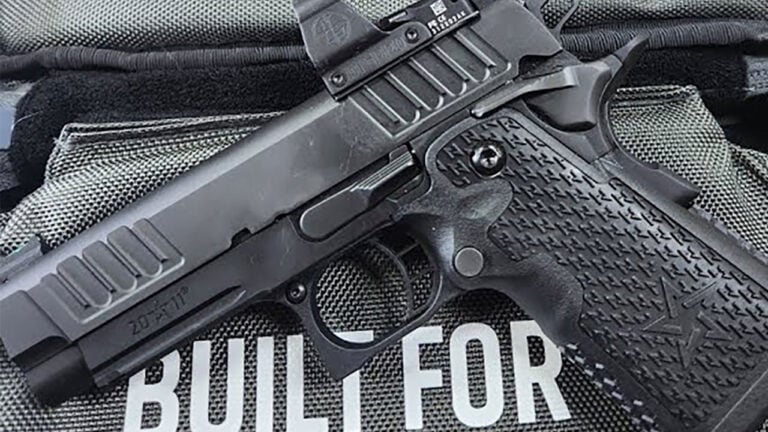
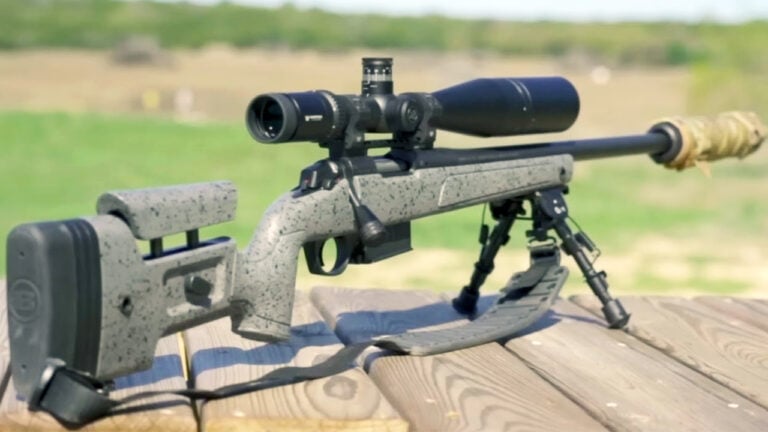
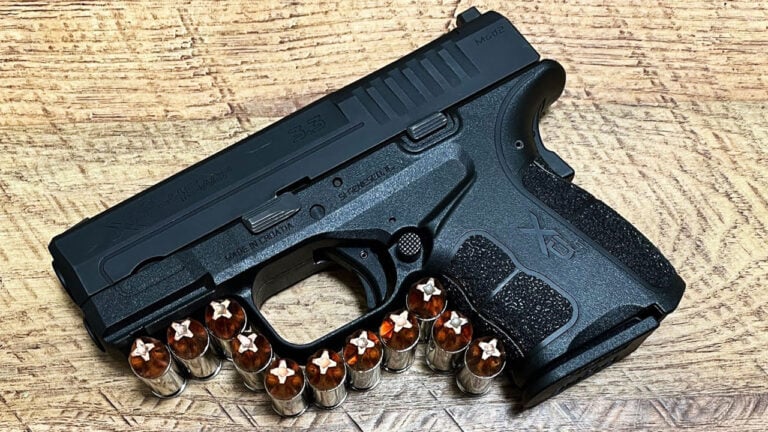
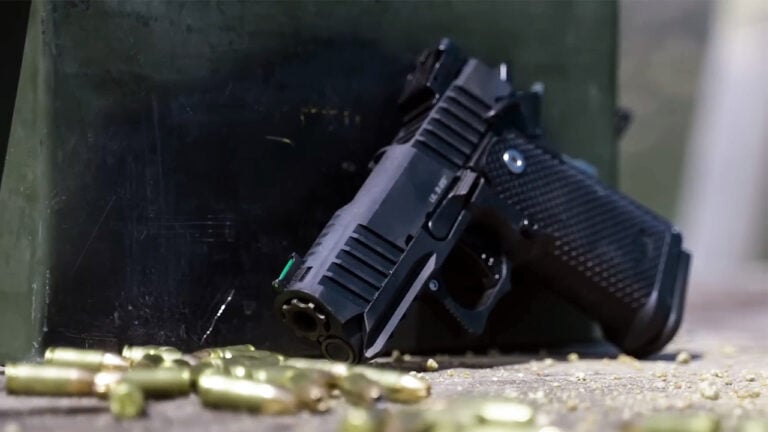
Not every firearm is built for weekly matches, all-day training classes, or thousands of rounds every year. Some are engineered to be carried constantly and fired occasionally. Others use lightweight frames, thin barrels, inexpensive hinge systems, or specialized parts that wear much faster under sustained shooting.
That does not automatically make these guns unreliable. Most work perfectly well inside their intended roles. Problems begin when owners expect an ultralight hunting rifle, compact magnum pistol, or inexpensive over-and-under to survive the same schedule as a duty handgun or competition shotgun. These 20 firearms are better suited to moderate use than relentless round counts.
Colt Delta Elite

The Delta Elite brought the power of 10mm Auto to the traditional 1911 platform. That made it one of the most interesting factory pistols of its era, but the original design was working much harder than a standard .45 ACP Government Model.
Full-power 10mm ammunition can batter the frame, slide stop, lower barrel lugs, and recoil system when fired constantly. Early Delta Elites became associated with frame cracking near the slide-stop opening, leading Colt to modify that area on later production. Modern examples are improved, but owners still need to monitor recoil springs and buffers. It is a capable hunting and defensive pistol, not the ideal gun for endless full-power practice.
Star PD
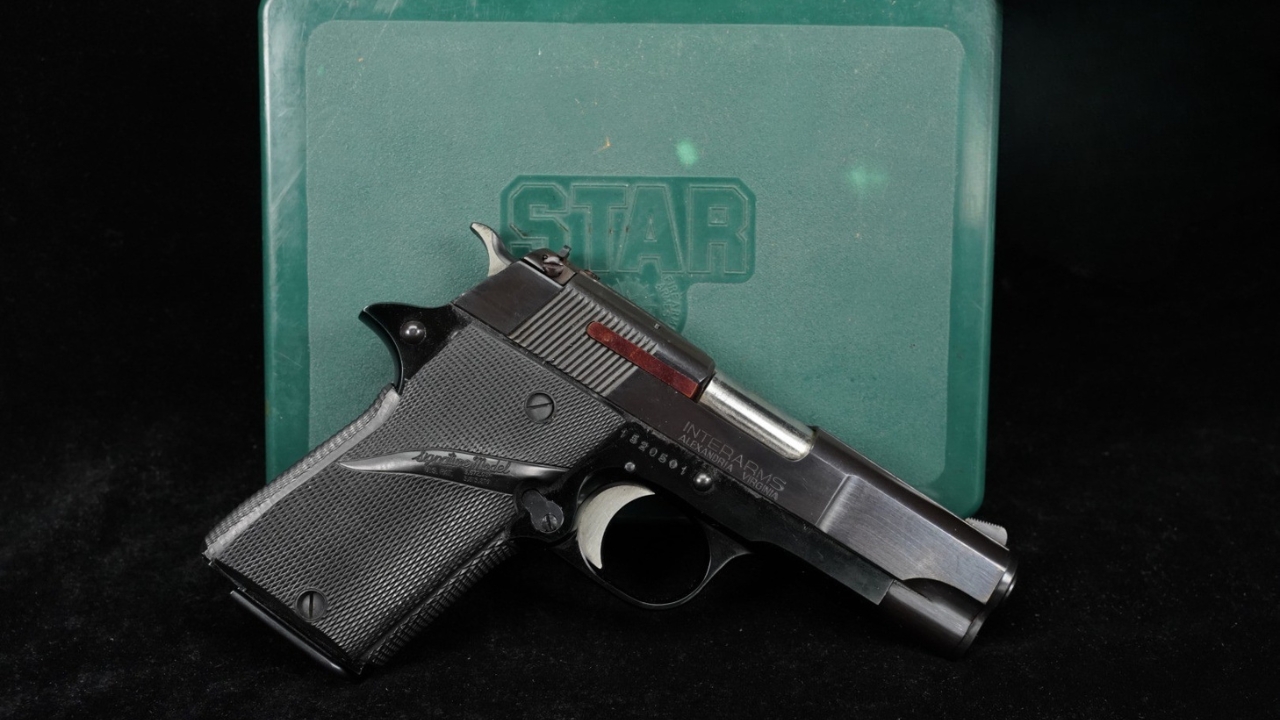
The Star PD was remarkably light for a compact .45 ACP pistol. Its aluminum frame and shortened operating system made it easier to carry than most steel-framed pistols available during the same period.
That low weight came with a limited tolerance for heavy use. The pistol depended on a replaceable synthetic buffer to prevent the slide from battering the frame. Once that buffer deteriorated, continued firing could damage a gun for which replacement parts are now difficult to obtain. The Star PD remains historically important, but owners generally preserve it rather than treating it like a modern training pistol.
Colt Lightweight Commander
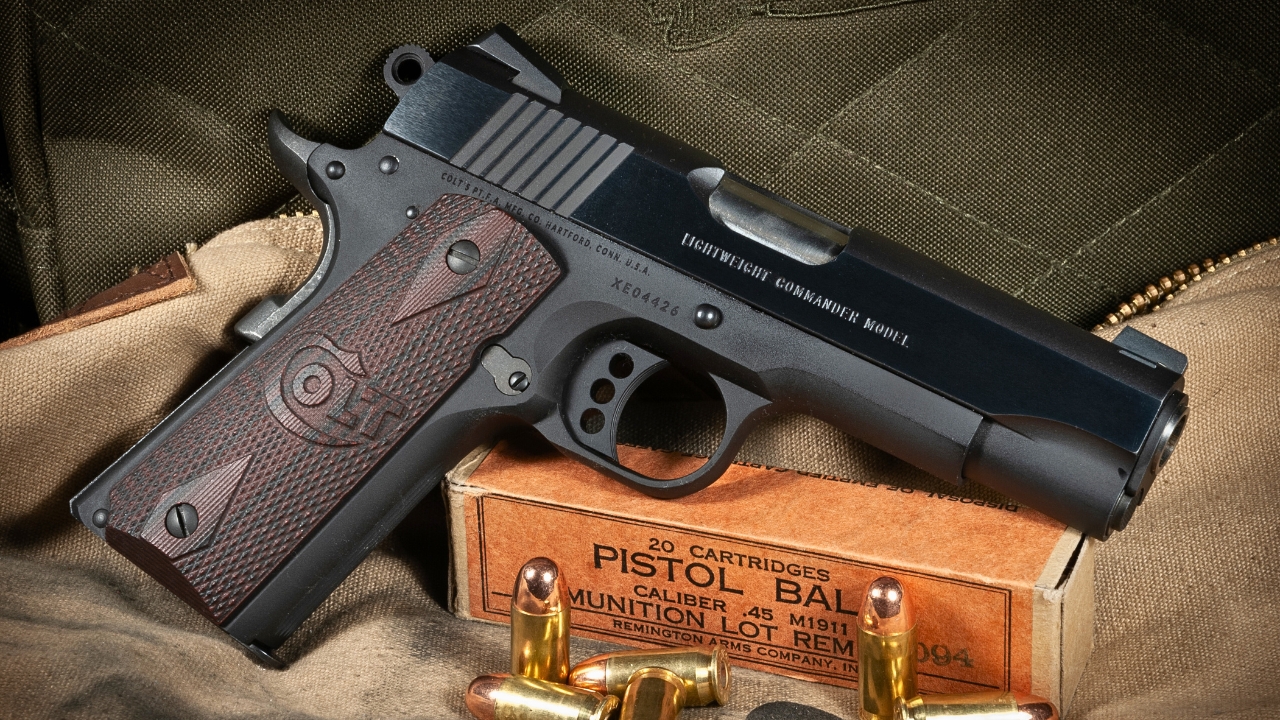
The Lightweight Commander gives shooters classic 1911 handling in a pistol that is noticeably easier to carry than an all-steel Government Model. Its aluminum frame removes enough weight to matter during a full day on the belt.
Aluminum frames do not provide the same long-term wear resistance as steel when subjected to constant shooting. Repeated feeding can damage an unprotected aluminum feed ramp, while the slide and frame rails accumulate wear faster under poor lubrication. Modern production is better than many early lightweight pistols, but someone planning a five-figure annual round count is still better served by a steel-frame Commander.
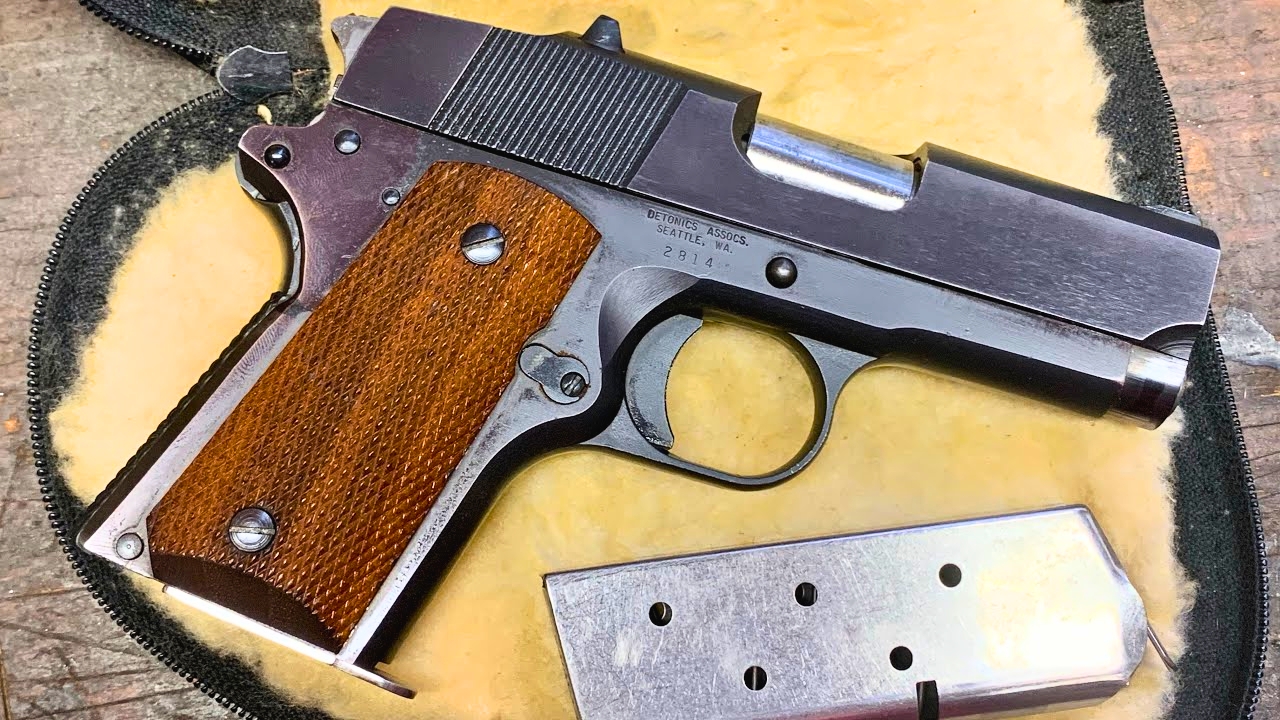
Detonics CombatMaster

The Detonics CombatMaster was one of the earliest truly compact .45 ACP 1911-style pistols. It shortened the barrel, slide, grip, and recoil system long before modern subcompact pistols made that approach common.
The compressed operating system works hard with every shot. Short recoil springs lose strength more quickly than full-size 1911 springs, while slide velocity and frame impact are difficult to control with heavy ammunition. Original pistols also rely on parts that are no longer easily replaced. The CombatMaster can still function well, but it deserves a conservative firing schedule and frequent spring inspection.
SIG Sauer P220 Carry
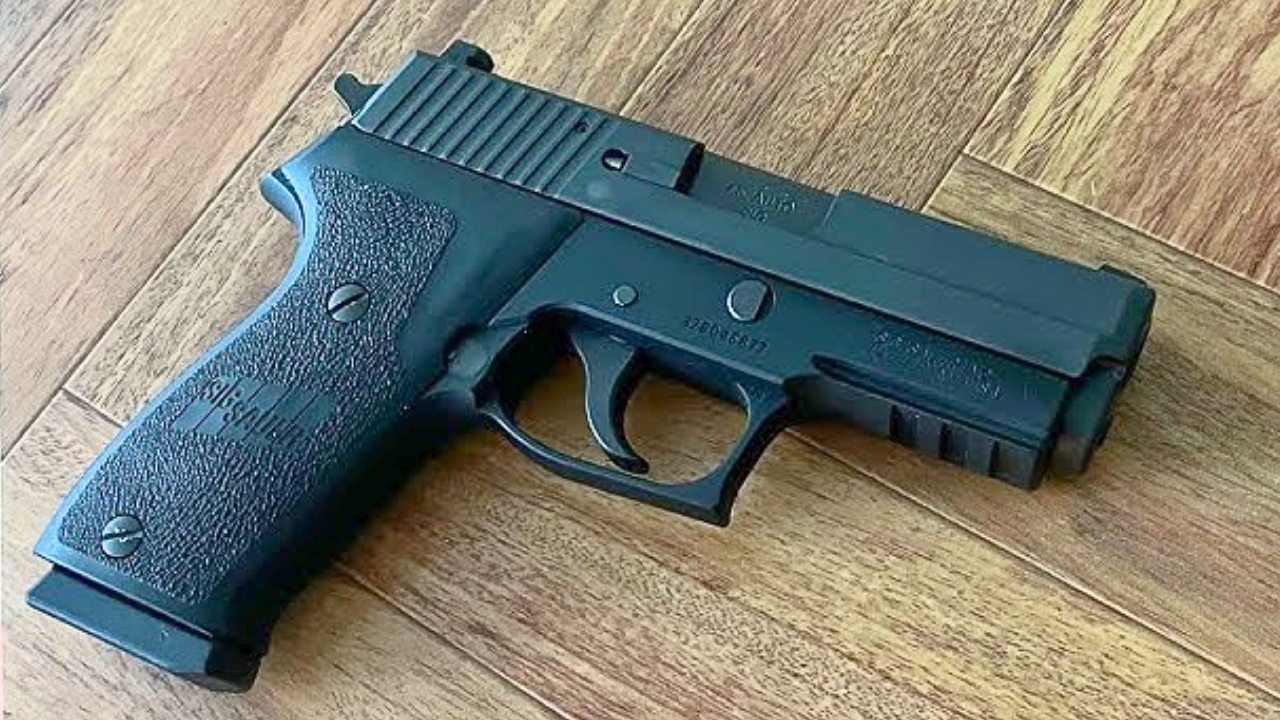
The P220 Carry combines a compact slide with the aluminum frame and single-stack .45 ACP layout of the standard P220. It is easier to carry than the full-size pistol and generally pleasant to shoot for its chambering.
Its shortened recoil system and alloy frame experience more stress than a full-size steel pistol would under the same schedule. High-mileage examples require attention to recoil springs, locking surfaces, frame rails, and trigger components. The P220 Carry is a serious defensive handgun, but owners who plan to shoot tens of thousands of rounds should expect maintenance rather than assuming the pistol will run indefinitely on factory parts.
Smith & Wesson Model 19-3
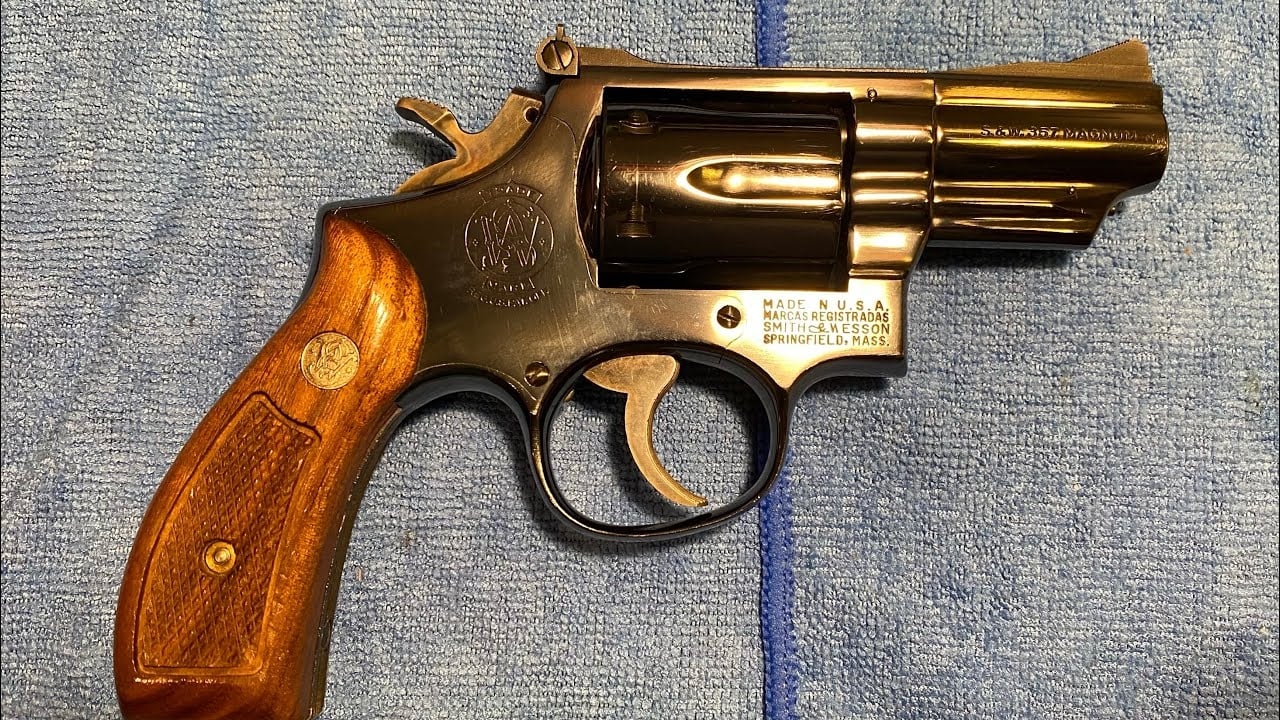
The Model 19 was designed to give police officers .357 Magnum power in a lighter K-frame revolver. It carried beautifully and handled better than the larger N-frame revolvers that preceded it.
Problems appeared when owners fired a constant diet of hot 125-grain Magnum ammunition. The original barrel design used a flat area at the bottom of the forcing cone, which could erode or crack under sustained high-pressure use. Moderate Magnum loads and .38 Special ammunition greatly reduce the problem. The Model 19 remains an excellent revolver, but older examples were not intended to absorb endless boxes of the hottest defensive ammunition.
Smith & Wesson Model 12 Airweight
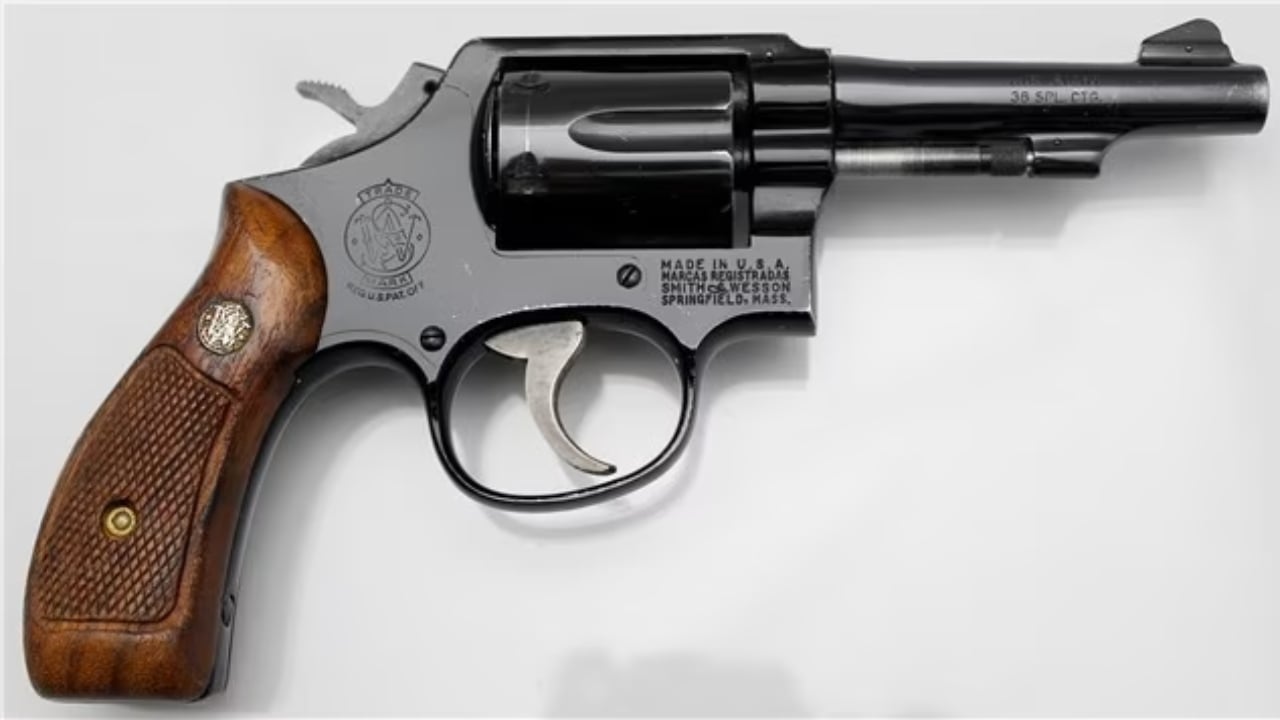
The Model 12 is essentially a lightweight version of the classic Model 10. Its aluminum frame made it easier for police officers and concealed carriers to wear all day.
That frame is not ideal for heavy-volume shooting. Earlier examples also had dimensional differences that limited grip compatibility and complicated replacement-part sourcing. Standard-pressure .38 Special ammunition is the sensible choice, and occasional practice is appropriate. Someone who wants to shoot revolver matches every weekend should preserve the Model 12 and use a steel-frame revolver instead.
Colt Agent
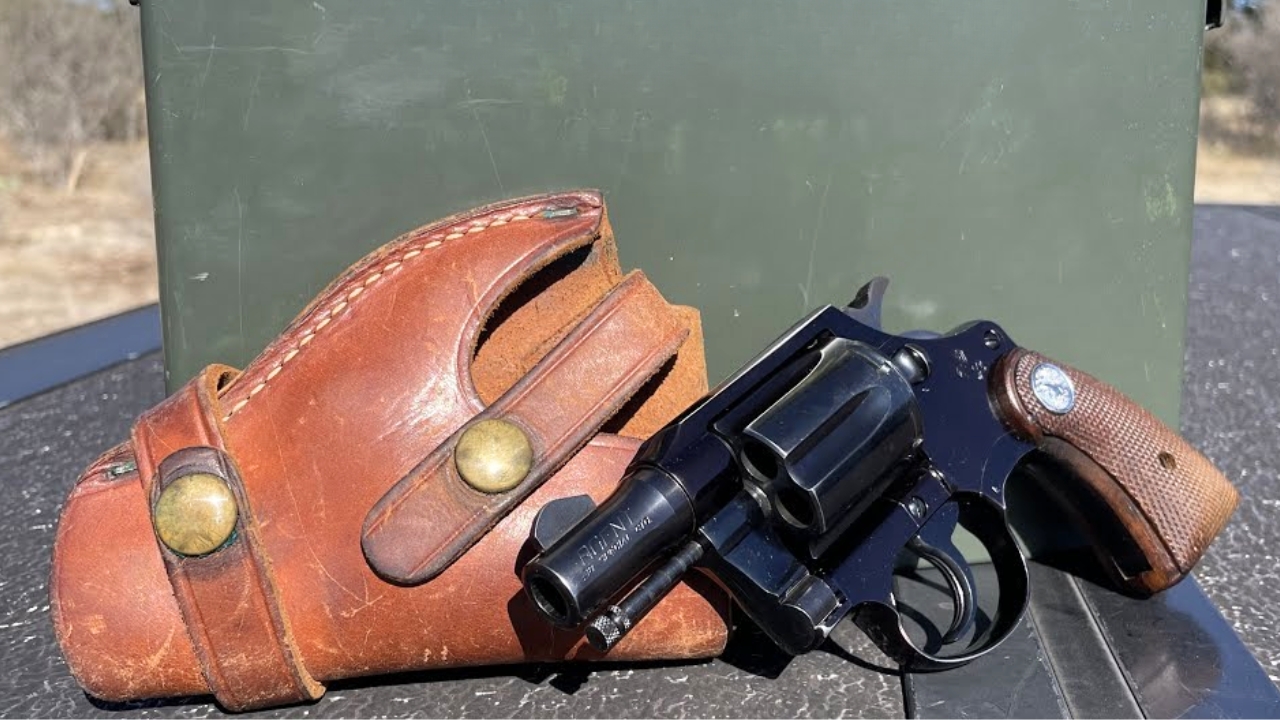
The Colt Agent was designed to be a lighter and less expensive alternative to the Detective Special. Its aluminum frame and short barrel made it a practical concealed-carry revolver during an era when small semiautomatics were less trusted.
It was never intended for constant range use. Repeated firing can accelerate frame stretching, endshake, timing wear, and erosion around the barrel-cylinder gap. Later shrouded-barrel versions improved protection around the ejector rod, but they did not turn the Agent into a high-volume training revolver. Its value lies in portability and historical interest.
Freedom Arms Model 97

The Model 97 is exceptionally well manufactured, but it is smaller and lighter than the company’s massive Model 83. Certain versions chamber powerful cartridges such as .357 Magnum and .45 Colt in a relatively compact single-action revolver.
The gun itself is strong, but high-volume use with the heaviest ammunition accelerates throat erosion, forcing-cone wear, and stress on small components. Its tight chambers and precise fitting also require more attention as residue accumulates. The Model 97 is an accurate field revolver meant for deliberate shooting, not rapid strings of maximum-pressure handloads.
Thompson/Center Encore Pro Hunter Pistol
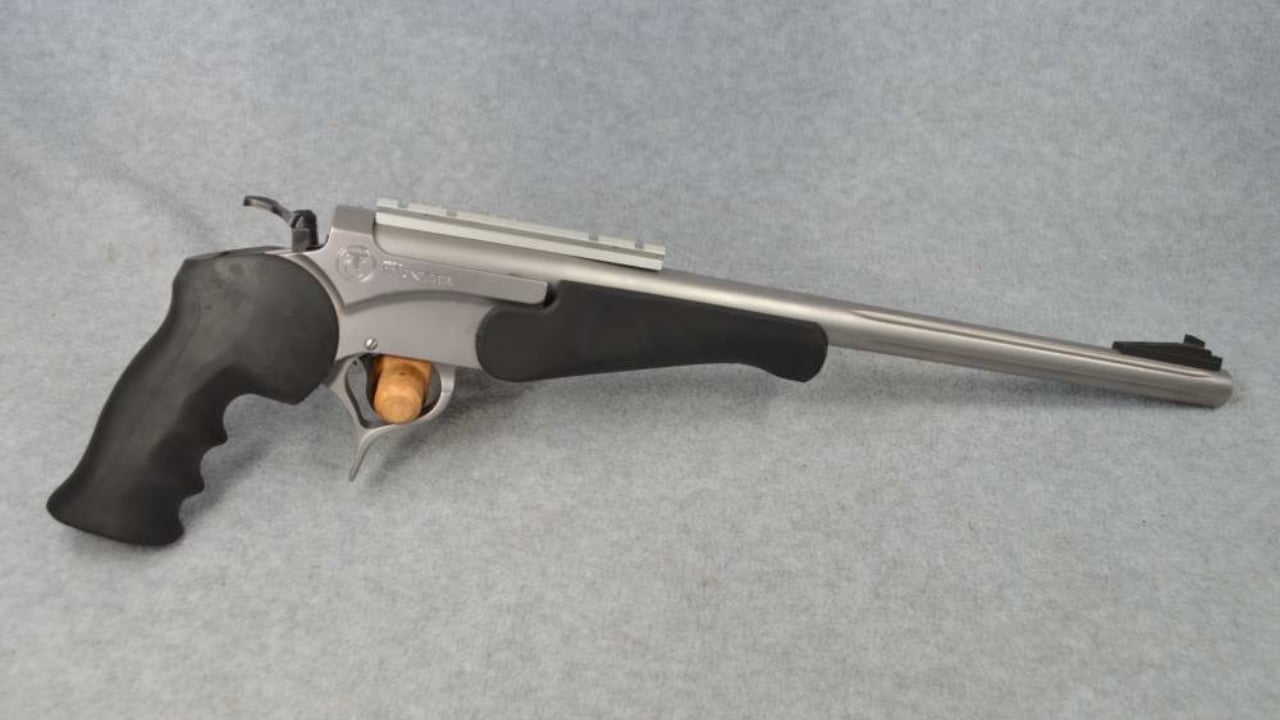
The Encore pistol can chamber rifle cartridges that produce enormous pressure, recoil, and muzzle blast. Its strong break-action frame makes that possible, but the system is still intended for hunting rather than sustained range work.
Heavy cartridges heat barrels quickly and place repeated stress on hinge pins, locking bolts, scope mounts, and stocks. Because the platform is a single shot, owners rarely fire it fast enough to expose those problems immediately. A high-volume schedule with hard-recoiling barrels can loosen parts and damage optics long before the basic frame fails.
Stoeger Condor

The Stoeger Condor gives hunters and occasional clay shooters an affordable entry into the over-and-under category. Its simple layout and low price make it appealing to someone who only shoots a few boxes each season.
High-volume clay shooting quickly exposes the difference between a budget over-and-under and a competition gun. The hinge, locking surfaces, ejector system, firing pins, and internal springs can loosen or wear as shell counts climb. A Condor may provide years of normal hunting use, but it is not the shotgun most serious trap or sporting-clays shooters choose for tens of thousands of shells.
Stevens 555
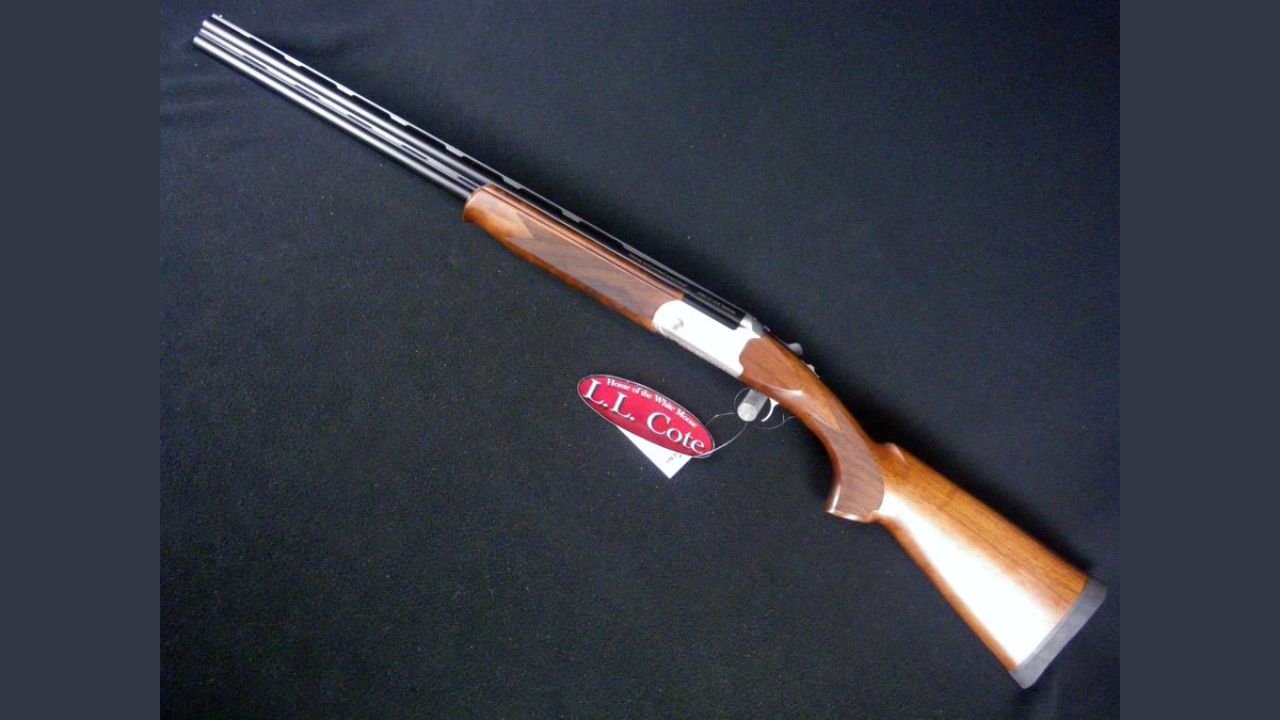
The Stevens 555 is extremely light for an over-and-under because it uses an aluminum receiver reinforced with steel where the action locks. That keeps it comfortable during upland hunts where the shotgun is carried far more than it is fired.
The low weight produces more recoil and leaves less material available to absorb long-term pounding. Its hinge system and internal parts are adequate for hunting and recreational clays, but they are not designed around daily competition use. Shooters who fire several hundred shells each week will usually wear a heavier steel-receiver shotgun more slowly.
CZ Drake
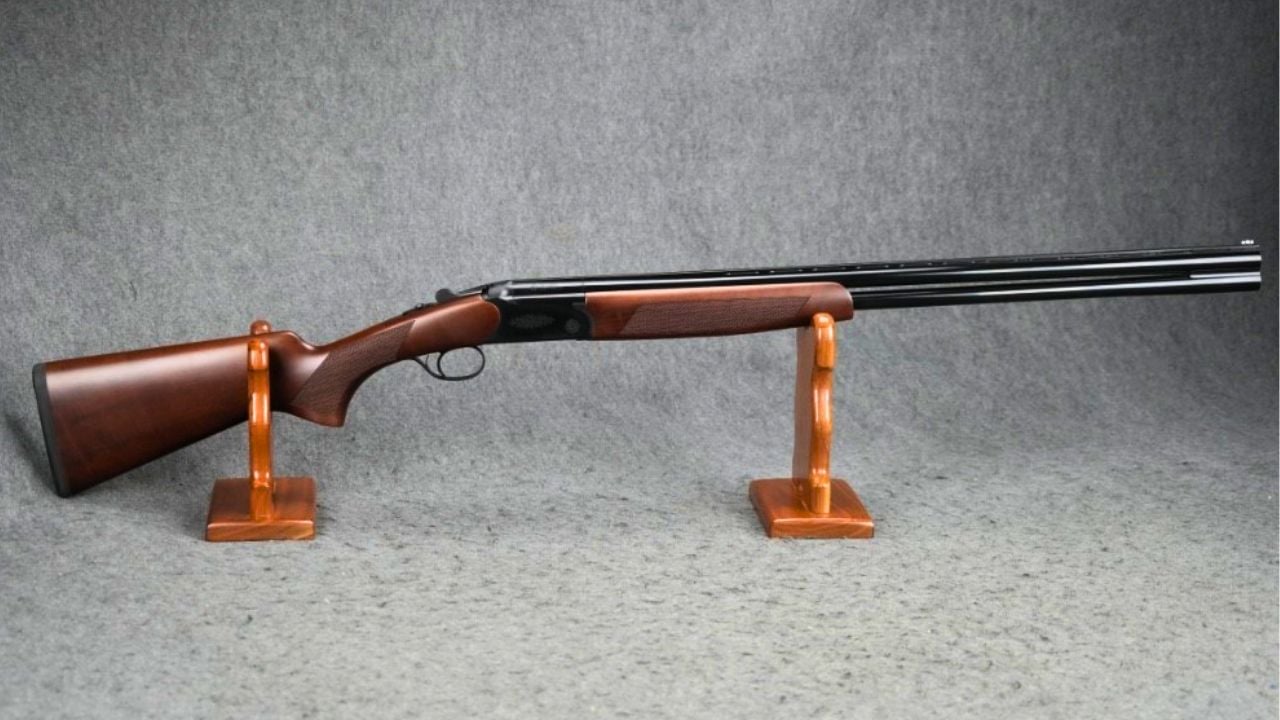
The CZ Drake gives buyers an attractive and relatively affordable over-and-under with fewer decorative features than the company’s more expensive models. It is a practical field shotgun for hunters who want a straightforward double gun.
The Drake is not built to the same service-life standard as dedicated competition shotguns. Sustained use can reveal looseness around the hinge, wear on the locking surfaces, broken firing pins, and tired internal springs. None of those problems are unusual for an inexpensive over-and-under pushed beyond its intended role. It makes more sense in a bird field than on a trap range five days a week.
Mossberg Silver Reserve

The Silver Reserve offers multiple gauges, extractors or ejectors depending on configuration, and traditional over-and-under handling without premium European pricing.
Its affordable construction is appropriate for hunting and casual clay shooting. Heavy-volume use can produce firing-pin problems, action looseness, selector issues, and wear around the hinge and locking block. Later generations have improved over early examples, but the Silver Reserve remains a value-oriented field gun. A shooter planning 10,000 shells a year should budget for a more durable platform.
Browning Citori 725 Feather
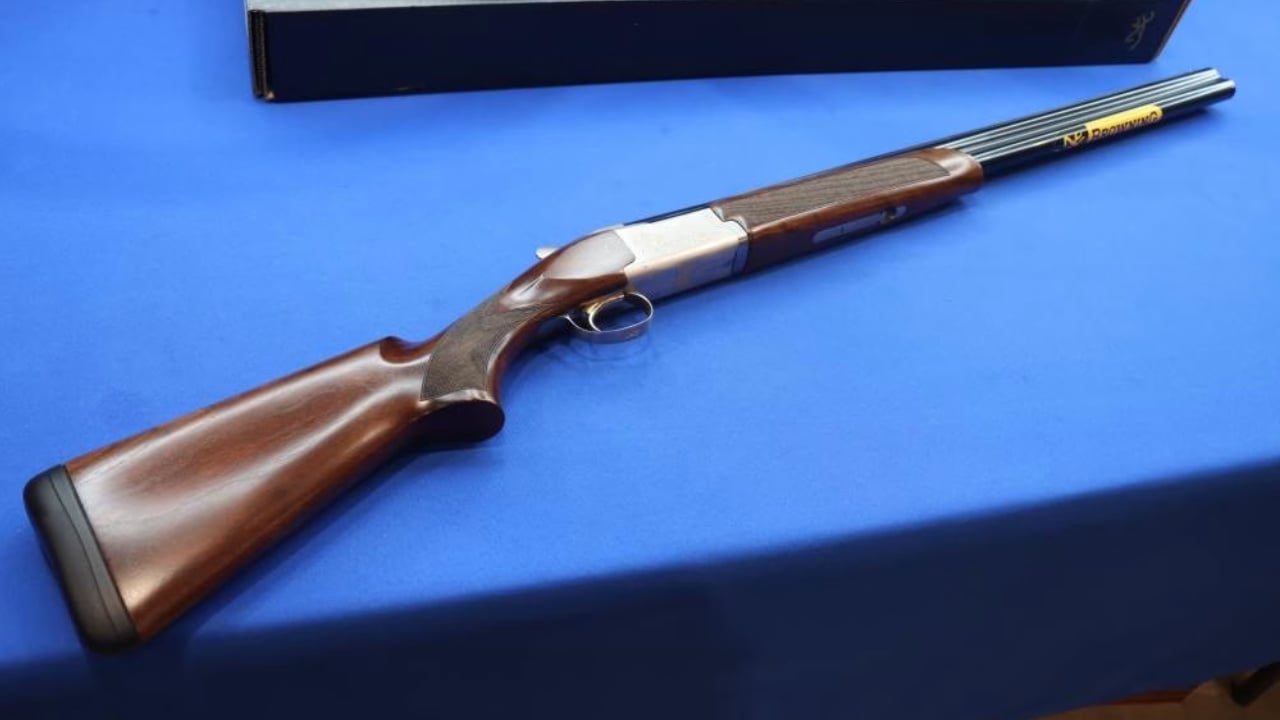
The Citori 725 Feather uses a lightweight alloy receiver to reduce the burden of carrying an over-and-under through upland cover. Browning reinforces the breech face and hinge areas, but the shotgun’s purpose is clear from the name.
Its reduced mass increases felt recoil and makes long clay sessions more tiring. The alloy receiver also provides less long-term wear resistance than the steel receiver used on standard Citori models. It is a beautifully made hunting shotgun, but anyone buying a Citori primarily for high-volume competition should select one of the heavier steel-frame versions.
Benelli Ultra Light
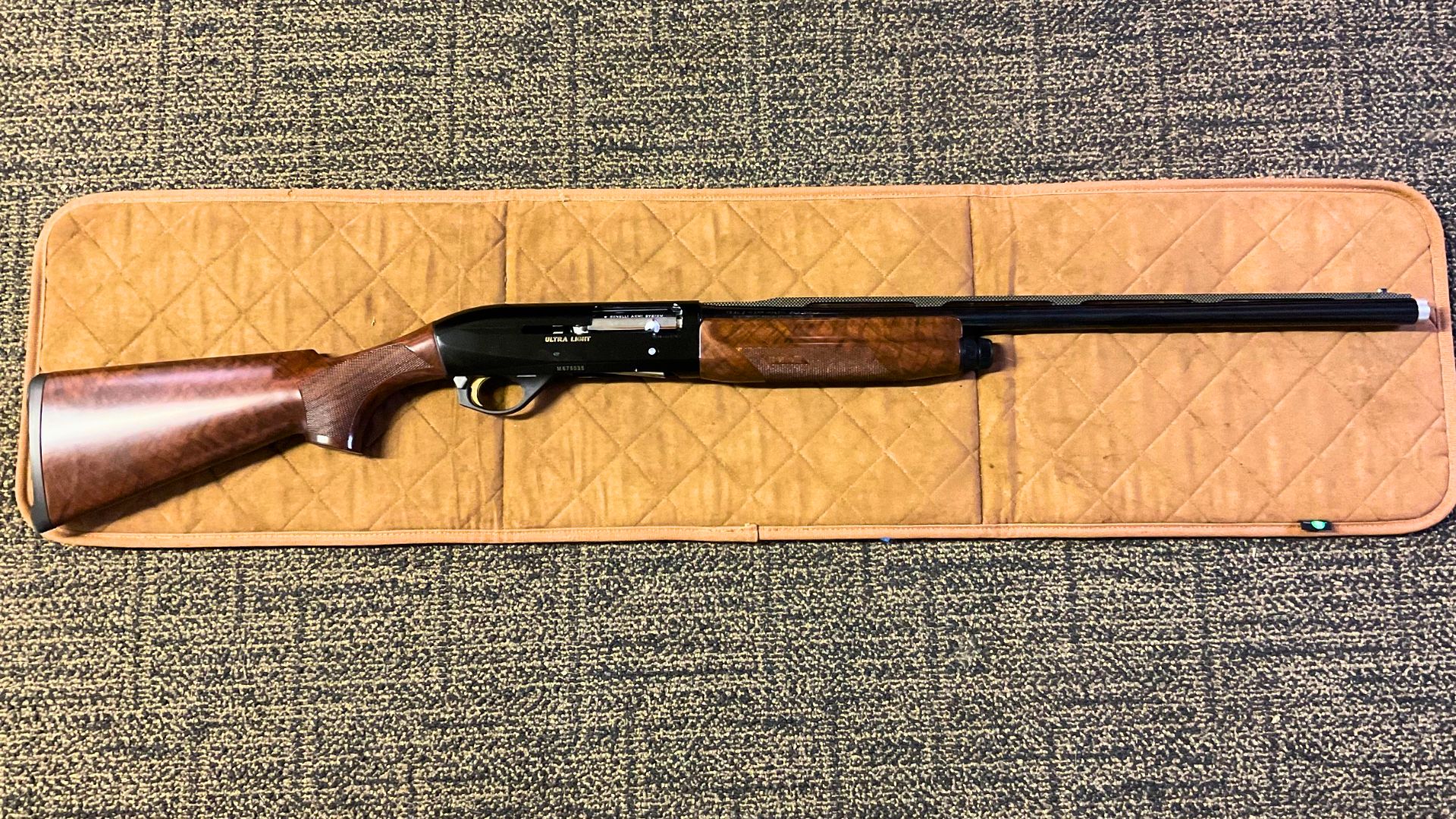
The Benelli Ultra Light uses an alloy receiver, slim barrel, shortened magazine, and carbon-fiber rib to keep weight exceptionally low. It is ideal for hunters who walk miles and may fire only a few shells during an entire day.
That same lack of mass makes repeated shooting punishing. Recoil reaches the shooter more aggressively, and light components heat quickly during sustained strings. The inertia system itself is durable, but the Ultra Light is not the Benelli most shooters would choose for weekly clay leagues. It is designed to be carried constantly and fired sparingly.
Kimber Mountain Ascent

The Mountain Ascent was built for hunters who measure rifle weight in ounces. Its thin barrel, heavily lightened stock, compact action, and minimal components make steep backcountry climbs easier.
Thin barrels heat quickly. After only a few shots, groups can begin moving or opening as the barrel temperature rises. Constant range use also accelerates throat erosion in magnum chamberings and places stress on lightweight stocks and bedding surfaces. The rifle can provide excellent cold-barrel hunting accuracy, but it is not designed for long strings or high-volume precision practice.
Weatherby Mark V Backcountry 2.0 Ti
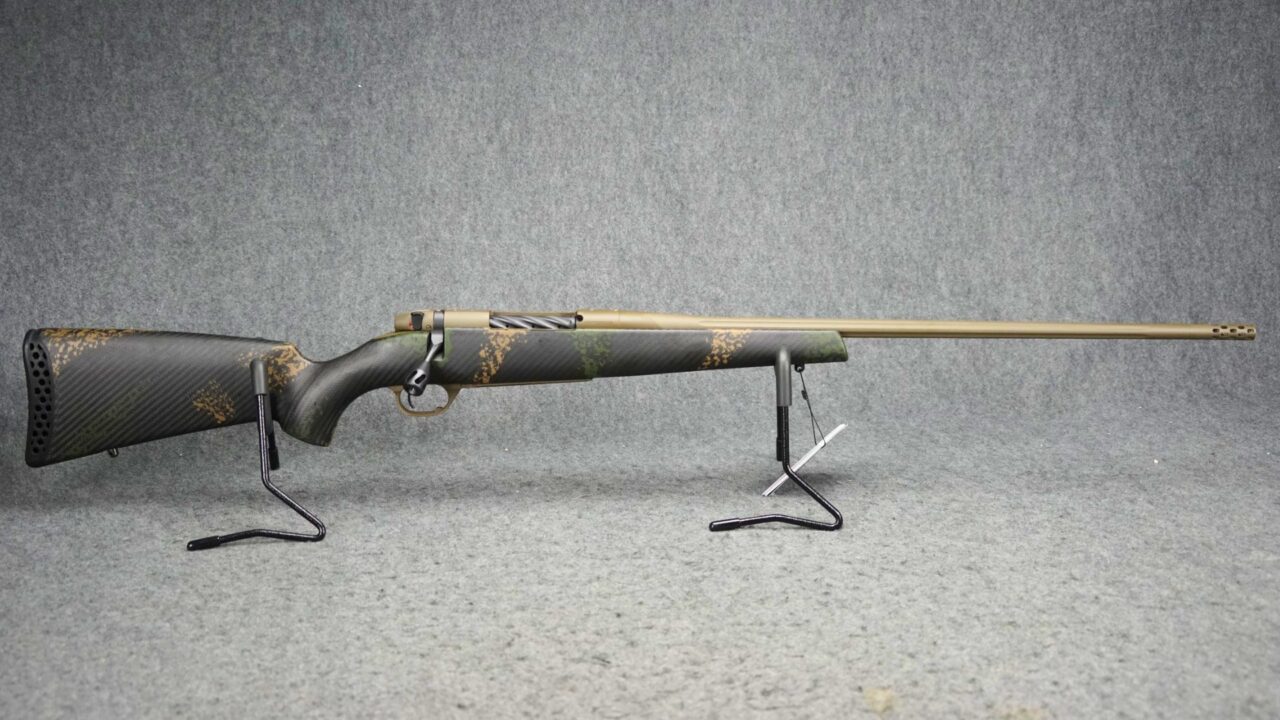
The Backcountry 2.0 Ti combines a titanium action, carbon-fiber stock, and lightweight barrel to produce a powerful hunting rifle that remains comfortable on mountain terrain.
Titanium reduces weight but can be more prone to galling when surfaces are dirty or insufficiently lubricated. The light barrel also heats rapidly, especially in Weatherby Magnum chamberings. Shooters may see point-of-impact changes before reaching a full box of ammunition. It is an advanced hunting rifle designed around the first cold shot, not a rifle for prolonged range sessions.
Christensen Arms Ridgeline FFT

The Ridgeline FFT uses carbon-fiber technology in both the stock and barrel system to reduce weight without giving up magnum-capable chamberings. It is intended for hunters who need accuracy from a rifle that is easier to carry.
Carbon-wrapped barrels can manage heat differently from ordinary steel barrels, but they still have practical limits. Rapid strings can produce shifting groups, accelerated throat wear, and stress on bedding and mounting hardware. The Ridgeline is best evaluated with slow, deliberate groups that resemble actual hunting use. Treating it like a heavy match rifle defeats the purpose of its construction.
Savage 110 Ultralite

The Savage 110 Ultralite combines a Proof Research carbon-wrapped barrel with a lightened receiver and synthetic stock. It delivers modern long-range capability in a package that weighs much less than a conventional precision rifle.
The lightweight stock, thin barrel core, and reduced overall mass make it less comfortable during high-round-count sessions. Heat and recoil accumulate quickly, especially in magnum chamberings. The action and barrel can last a long time under sensible use, but the Ultralite is not built for rapid positional drills or extended competition strings. It is a hunting rifle designed to make one or two accurate shots after a long carry.
Like The Avid Outdoorsman’s content? Subscribe to our newsletter so you never miss an article.
Here’s more from us: