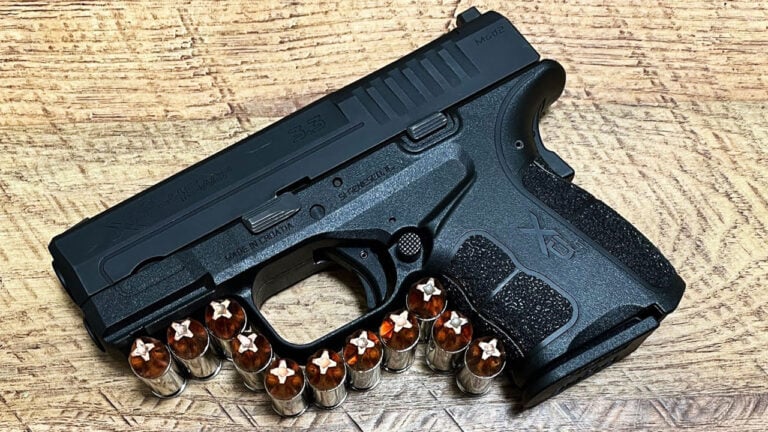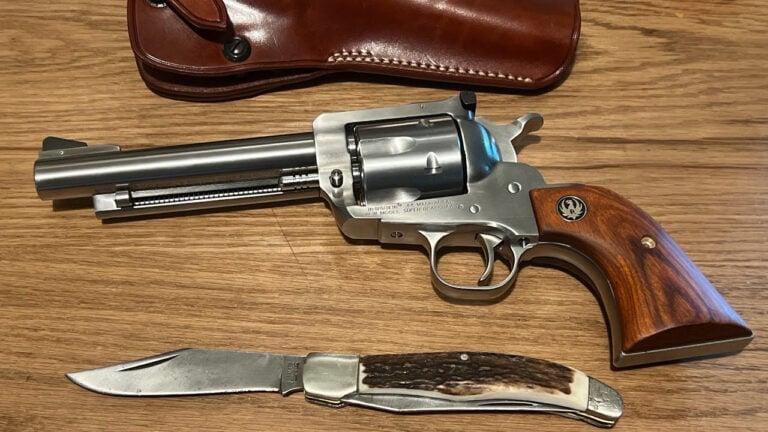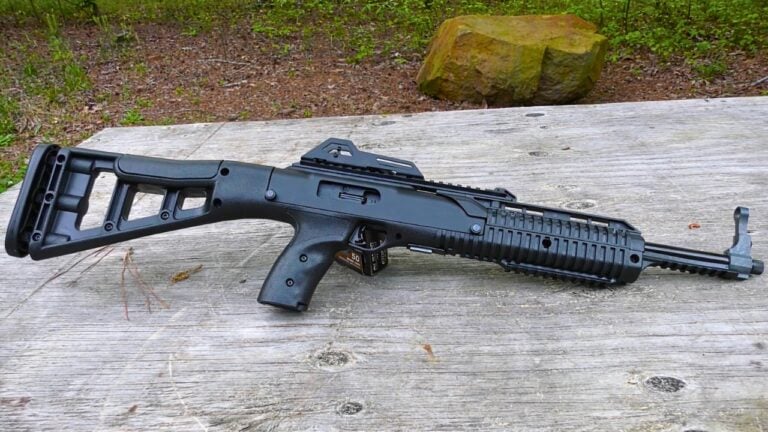
Photo credit: FrenchGunGuy/YouTube
No firearm should be intentionally ignored. Old lubricant hardens, moisture creates rust, springs weaken, and insects or debris can find their way into guns that sit untouched in barns, trucks, closets, and cabinets.
Even so, some firearms tolerate neglect far better than others. Their actions are straightforward, their internal clearances leave room for dirt, and their parts are strong enough to survive poor storage and irregular maintenance. These 20 firearms have earned reputations for coming back to life after years of being treated worse than they deserved.
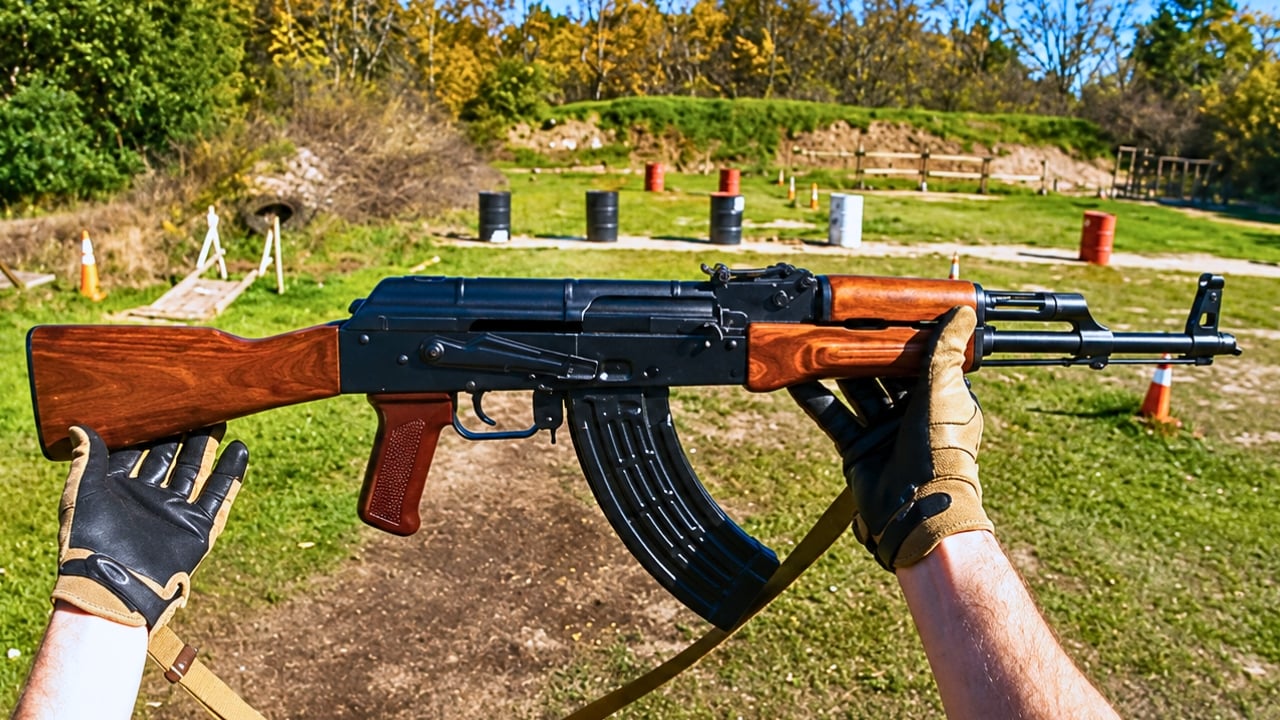
AKM

The AKM was designed to function in places where regular maintenance, clean ammunition, and careful storage could not be guaranteed. Its long-stroke gas piston, generous internal clearances, and heavy bolt carrier allow it to keep cycling when carbon and grit would slow more tightly fitted rifles.
That does not make every neglected AKM indestructible. Rusted ammunition, damaged magazines, and blocked barrels can still create serious problems. The platform simply gives owners a larger margin for dirt and dried lubricant. Rifles pulled from long-term storage often need little more than a chamber inspection, fresh oil, and a functional magazine before returning to service. Few semiautomatic rifles tolerate careless ownership as well.
SKS

The SKS combines a fixed magazine, tilting bolt, and long-stroke gas piston in a rifle that is difficult to make completely useless. Many surplus examples spent decades in storage under layers of cosmoline before being cleaned and fired by civilian owners.
Its fixed magazine eliminates one of the most common sources of semiautomatic rifle malfunctions. The action is open enough to clean without specialized tools, and the chrome-lined bores found on many military rifles offer additional protection against corrosive ammunition. The firing pin channel must be cleaned carefully to prevent slam-fires, but a properly inspected SKS can return to dependable operation after years in a crate, cabinet, or closet.
Mosin-Nagant M91/30

The Mosin-Nagant M91/30 was never admired for refinement. Its bolt can feel rough, its safety is awkward, and surplus rifles often arrived covered in storage grease. Those same rifles regularly fired after sitting unused for decades.
The action is large, strong, and uncomplicated. There are few delicate parts to gum up, and the powerful cocking piece gives the firing pin considerable energy. Old corrosive ammunition can damage the bore if the rifle is never cleaned, but surface neglect rarely prevents the bolt from functioning. A Mosin with a clear barrel, sound locking lugs, and usable ammunition will often keep working long after a more refined hunting rifle has become stiff with dried oil.
Lee-Enfield No. 4 Mk I

The Lee-Enfield No. 4 was built around rapid bolt manipulation and military service in harsh climates. Its rear-locking action and generous clearances allow the bolt to continue moving even when dirt, old grease, and surface corrosion are present.
The detachable magazine is normally left in the rifle and loaded with stripper clips, reducing wear from repeated removal. The cock-on-closing action also gives the shooter strong leverage when chambering a stubborn round. Worn rifles may develop excessive headspace, so inspection still matters. Mechanically sound examples often function with surprising smoothness after years of storage because the action was never fitted tightly enough for a little grime to stop it.
Mauser 98

The Mauser 98 action has been copied, modified, and used as the basis for hunting rifles around the world because it is exceptionally strong. Its controlled-round-feed bolt, massive extractor, and dual front locking lugs were designed for military use rather than delicate handling.
A neglected Mauser may have a rough chamber or dried grease inside the bolt, but the large claw extractor gives it a good chance of pulling out stubborn cases. The bolt can be disassembled without complex tools, and broken parts are less common than simple corrosion or wood damage. Countless sporterized Mausers spent years behind truck seats or in farm buildings and still returned to service after basic cleaning.
Springfield M1903

The M1903 Springfield borrowed heavily from the Mauser system and inherited many of the same strengths. Its controlled-feed bolt and strong extractor make it tolerant of ammunition and chambers that are not perfectly clean.
Rifles stored for decades often show worn finishes and dried stocks while the basic action remains functional. The bolt assembly is straightforward, and the firing mechanism is protected inside a heavy steel body. Early low-number receivers require careful historical and safety consideration, but later rifles can be remarkably durable. An old M1903 may look neglected on the outside while still cycling as smoothly as many newer hunting rifles.
Ruger 10/22 Carbine

The Ruger 10/22 is not immune to rimfire fouling, but it survives long periods of casual ownership better than many semiautomatic .22 rifles. Its simple blowback action, durable rotary magazine, and widespread replacement-parts support keep old examples running.
A rifle that has sat for years may need hardened wax and powder residue removed from the chamber and bolt face. Once cleaned, the action usually returns to normal without expensive repair. The aluminum receiver does not rust like steel, and the basic trigger housing is protected from much of the debris entering the action. Owners routinely rediscover old 10/22s in closets and gun cabinets, clean them once, and continue shooting.
Marlin Model 60
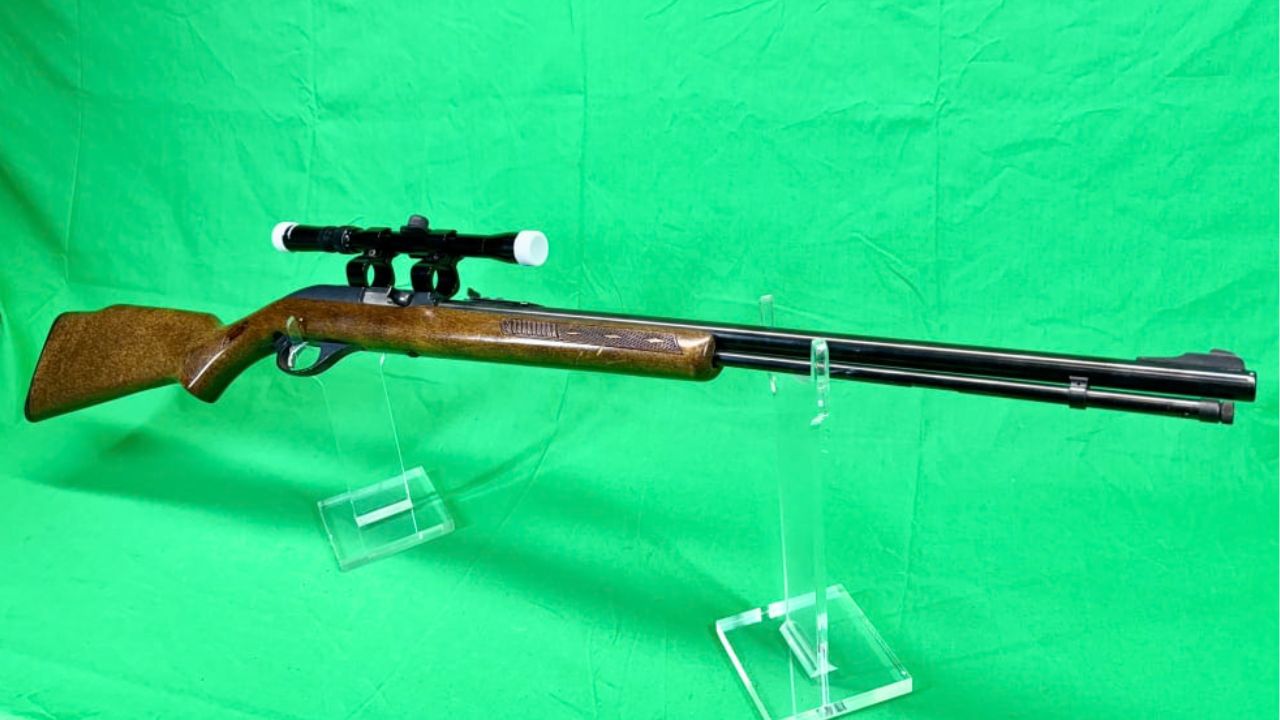
The Marlin Model 60 has spent decades serving as an inexpensive rifle that owners often cleaned only when it stopped working. Its tubular magazine avoids damaged detachable magazines, and the fixed barrel contributes to excellent accuracy for a budget rimfire.
The action can become packed with powder residue after years of use, but the steel components are generally durable. A deep cleaning of the feed throat, bolt, and recoil-spring area often revives rifles that appear completely worn out. Older Model 60s may have cosmetic rust or battered stocks, yet the basic operating system remains dependable once the accumulated debris is removed.
Winchester Model 94
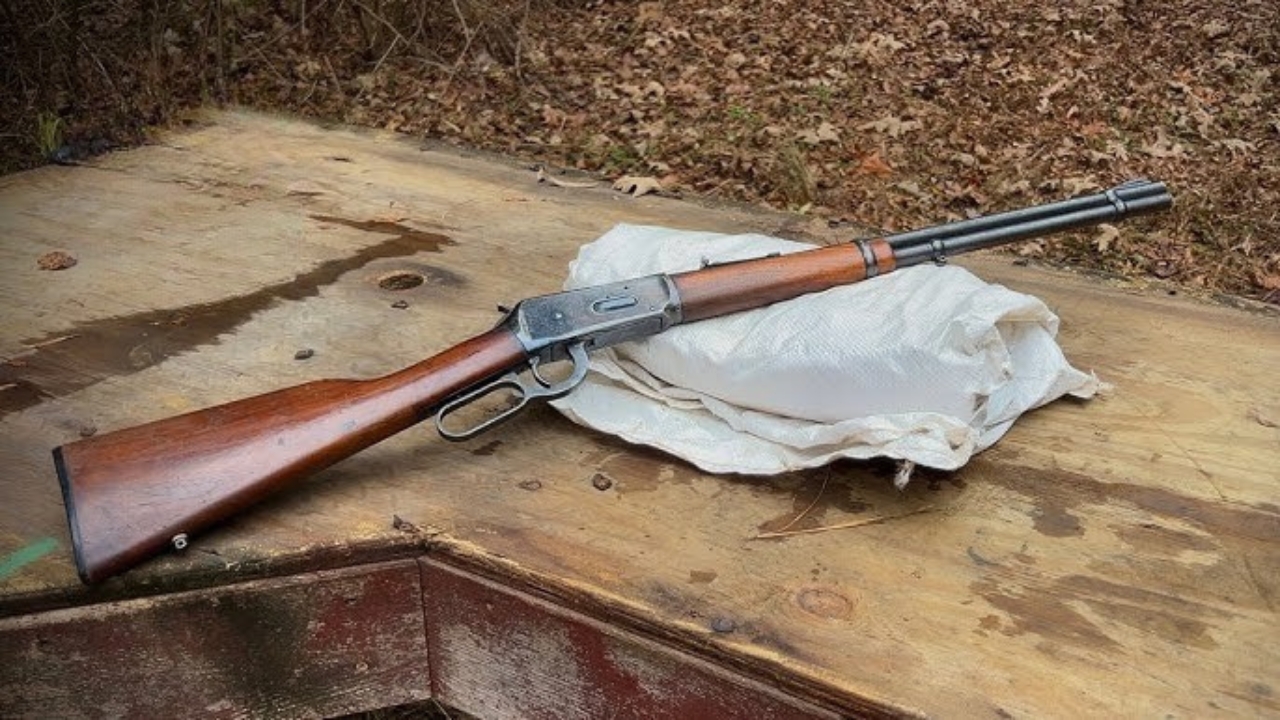
The Winchester Model 94 has lived behind pickup seats, in saddle scabbards, and inside rural closets for generations. Its lever action is enclosed enough to keep out large debris while remaining loose enough to function with old lubricant and moderate surface rust.
The tubular magazine and manually operated action remove the need for gas systems, recoil springs, or detachable magazines. As long as the cartridge lifter, locking block, and extractor can move, the rifle usually continues feeding. Neglected examples may require careful cleaning around the bolt and lever pivots, but the Model 94 often survives years of poor treatment without losing its basic ability to fire.
Marlin 336

The Marlin 336 is another lever-action rifle that has endured decades of truck-rack and hunting-camp abuse. Its solid-top receiver helps protect the action from rain, dust, and falling debris better than open-top designs.
The side-ejection system also keeps the receiver more enclosed, while the large lever gives the shooter enough mechanical advantage to work through minor stiffness. Old rifles may show pitting around the receiver and magazine tube, but internal parts are generally thick and durable. A neglected 336 often needs fresh lubricant and a careful bore inspection rather than major mechanical work.
Henry AR-7

The Henry AR-7 is designed around storage. Its barrel, receiver, and magazines fit inside the hollow stock, protecting the important components from much of the dirt and moisture that damage ordinary rifles.
The rifle’s lightweight blowback action can be ammunition-sensitive, but the storage system gives it an advantage during long periods of disuse. When the stock cap remains sealed, the barrel and receiver are less exposed to rust, insects, and impact. An AR-7 forgotten in a vehicle or emergency kit still deserves inspection before firing, yet its self-contained design makes it one of the few firearms intentionally built to spend most of its life packed away.
Remington 870 Wingmaster
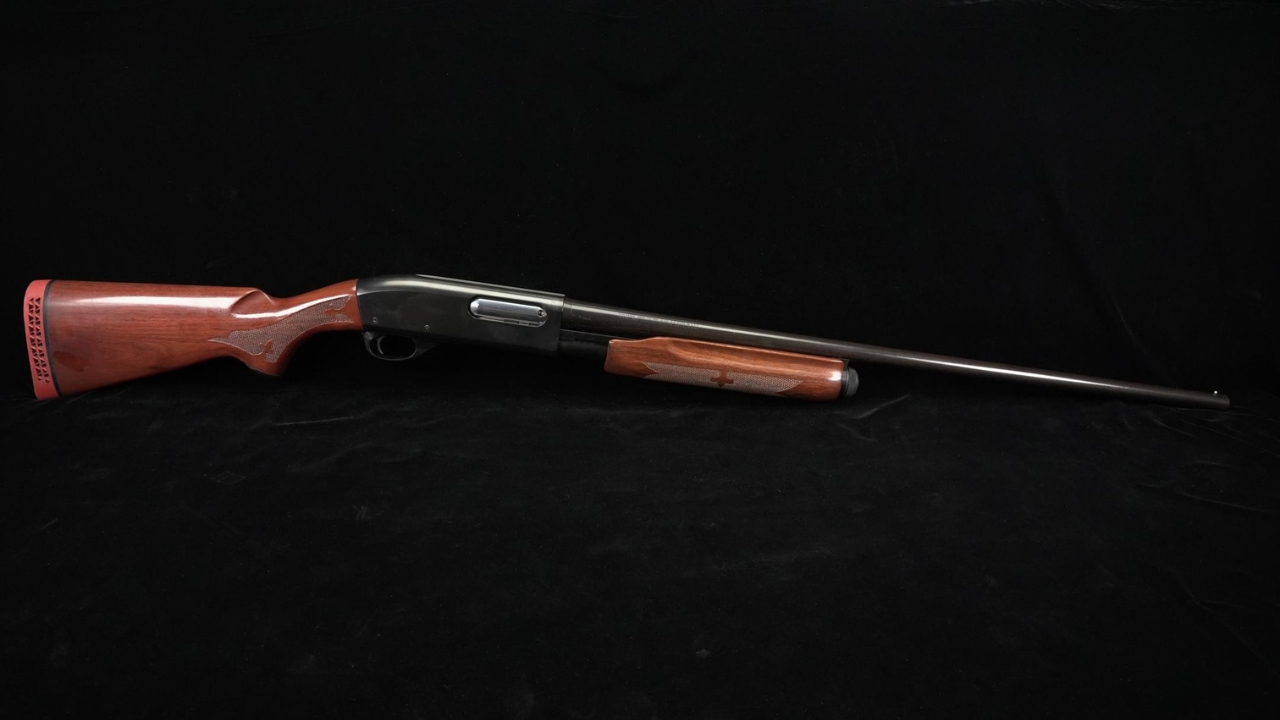
The older Remington 870 Wingmaster earned its reputation in police cruisers, duck blinds, barns, and hunting camps. Its twin action bars, steel receiver, and large internal parts tolerate rough handling and inconsistent maintenance.
Moisture can rust the magazine tube and exterior metal, but the pump action often continues functioning unless corrosion becomes severe. The shooter supplies the energy needed to cycle the action, so weak ammunition and dirty internal surfaces matter less than they do in a semiautomatic shotgun. Many old Wingmasters show worn blueing and scratched wood while still locking up and feeding smoothly after decades of use.
Mossberg 500

The Mossberg 500 was built to be affordable, straightforward, and difficult to disable. Its aluminum receiver resists rust, while the steel bolt locks directly into the barrel extension rather than relying on the receiver for strength.
The removable trigger group and simple pump action make major cleaning relatively easy. The tang safety and dual extractors add useful redundancy, especially on guns that have not received regular care. Magazine springs can weaken and shell stops can accumulate debris, but the core action usually survives long storage. A dirty Mossberg 500 may feel rough, yet it often keeps feeding and firing.
Ithaca Model 37
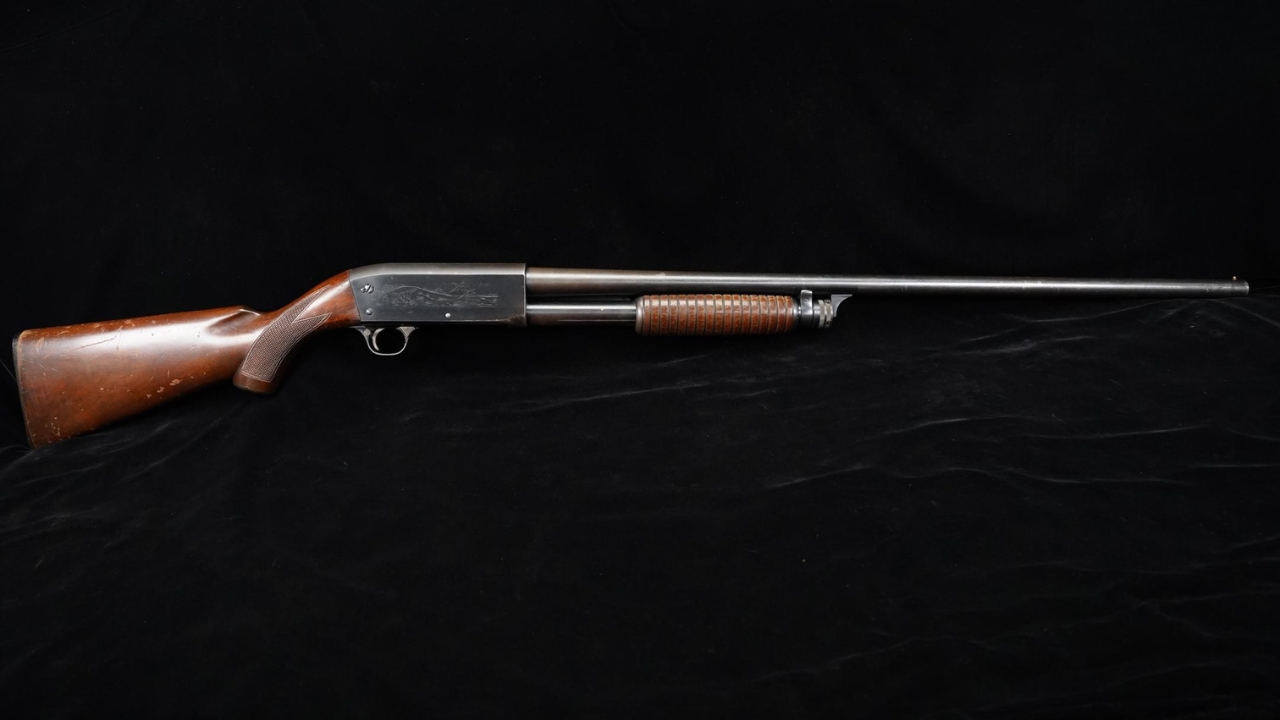
The Ithaca Model 37 uses a bottom-loading and bottom-ejecting action that helps keep dirt, rain, and vegetation from entering through an open side port. That enclosed receiver is particularly useful on shotguns carried through thick cover.
The design is based on the earlier Remington Model 17 and uses relatively few major operating parts. Older Ithacas can develop wear in the shell stops or magazine system, but the action itself is durable. Police and hunting examples often spent years with minimal maintenance while remaining functional. The smooth pump stroke may become stiff with dried oil, though basic cleaning usually restores it.
H&R Topper
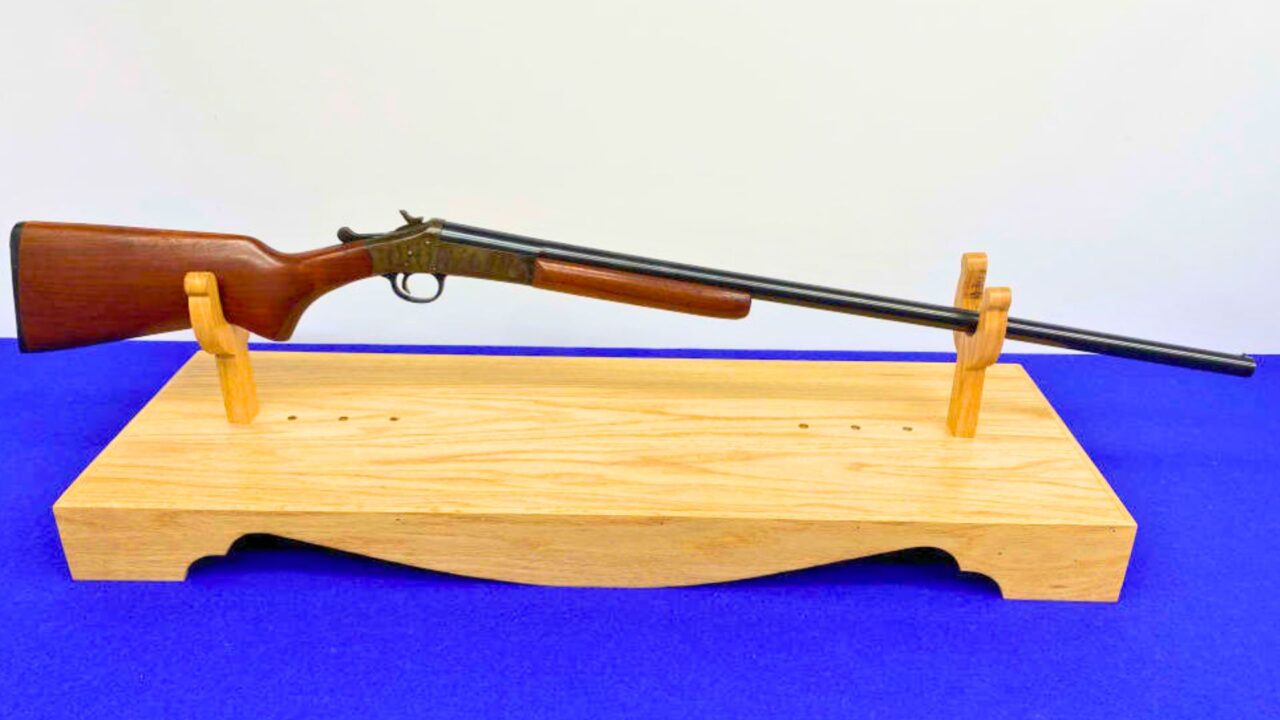
The H&R Topper is a basic single-shot shotgun with very little inside it that can fail. There is no magazine, gas system, recoil spring, or complicated feeding path. The shooter opens the action, inserts a shell, closes it, and fires.
That simplicity makes the Topper unusually tolerant of neglect. Surface rust and damaged wood are common on examples that lived in barns or behind doors, yet the locking system and hammer often remain serviceable. The bore, chamber, firing pin, and lockup still require inspection. Mechanically, however, a sound Topper can return to use after years of sitting because there are so few parts for old grease or dirt to disable.
NEF Handi-Rifle

The NEF Handi-Rifle applies the same simple break-action concept to centerfire rifle cartridges. Its exposed hammer and single-shot action eliminate almost every feeding and cycling problem found in repeating rifles.
Neglected examples may develop rust around the ejector or extractor, but the action can be opened and cleaned without specialized knowledge. The thick barrel and basic locking lug are built to withstand normal hunting use without constant adjustment. A Handi-Rifle may never feel refined, yet it often remains functional after years in a closet or camp because the design has almost nothing unnecessary inside it.
Ruger GP100

The Ruger GP100 was designed with a heavy frame, triple-locking cylinder, and thick internal components. It is not the lightest or most elegant double-action revolver, but it tolerates rough treatment exceptionally well.
Old oil can slow the trigger return, and residue under the extractor star can make the cylinder difficult to close. These problems are usually corrected with cleaning rather than gunsmithing. The solid frame and robust crane resist damage from ordinary neglect, while the coil-spring action is less vulnerable to weakening than some leaf-spring systems. A GP100 that sat loaded in a drawer for years often needs attention, but rarely needs rebuilding.
Smith & Wesson Model 10
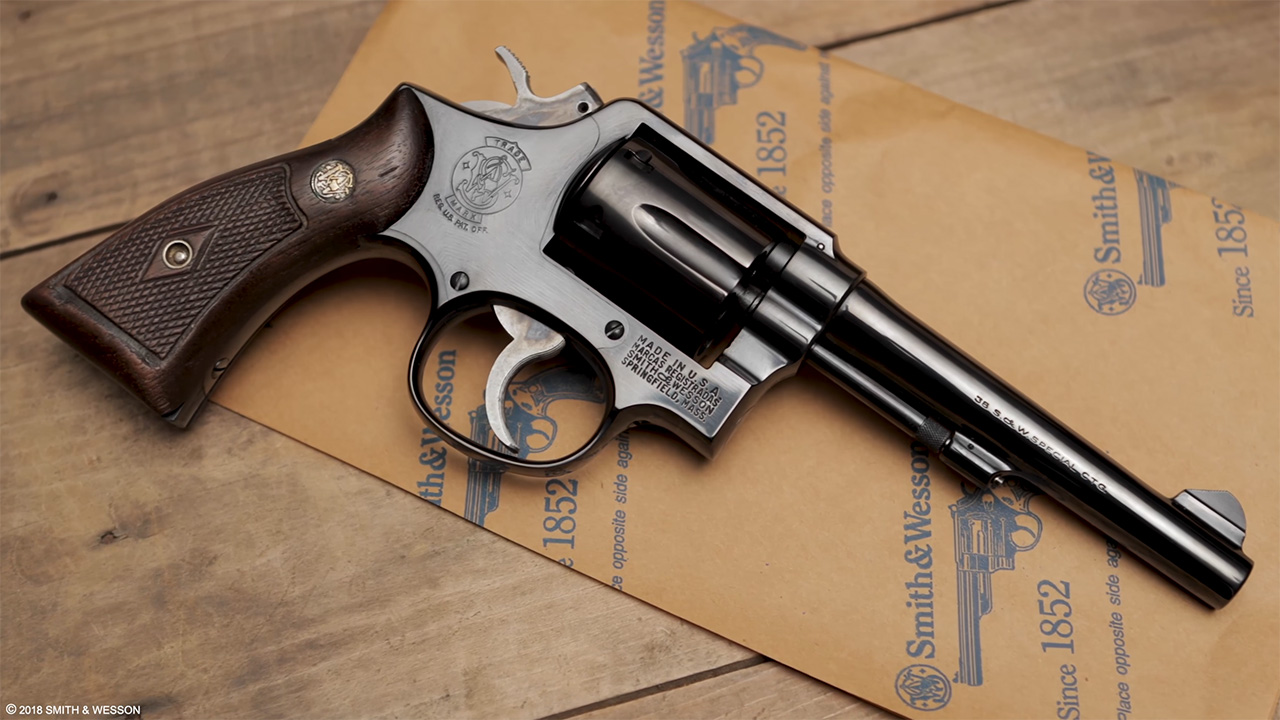
The Smith & Wesson Model 10 spent generations in police holsters, security desks, military inventories, and household drawers. Its fixed sights, steel frame, and straightforward .38 Special chambering made it one of the most common working revolvers ever built.
A neglected Model 10 may have finish wear, surface rust, or dried lubricant inside the side plate. Unless corrosion has damaged the bore or lockwork, the revolver often continues to function. Revolvers are not automatically more reliable than semiautomatics, but the Model 10 avoids magazine and feeding problems entirely. Its moderate-pressure cartridge and proven action help old examples remain useful long after their original owners stopped carrying them.
Ruger P89

The Ruger P89 is bulky, heavy, and difficult to admire for its appearance. Those same qualities helped it earn a reputation for surviving abuse. Its investment-cast frame, large internal parts, and loose duty-style fit give dirt and old lubricant room to exist without immediately stopping the pistol.
The P89 was built during a period when Ruger seemed more concerned with strength than concealability. Magazines and recoil springs can still wear, but the pistol itself rarely feels fragile. Old examples found in drawers or inexpensive used-gun cases often return to dependable service after basic cleaning. It is not refined, but neglect has a hard time embarrassing it.
Glock 17 Gen 3

The Glock 17 Gen 3 has one of the simplest and most proven operating systems among modern duty pistols. Its polymer frame cannot rust, the slide has a durable surface treatment, and the internal parts are easy to replace.
A pistol stored for years may have dried oil, lint in the firing-pin channel, or a weakened magazine spring. Those issues are generally easier to correct than corrosion inside a complicated metal-framed action. The Glock still requires inspection, lubrication, and fresh ammunition before defensive use. Its basic design, however, gives it an excellent chance of functioning after long neglect with little more than cleaning and replacement magazines.
Makarov PM

The Makarov PM was designed as a compact military pistol that could be manufactured, issued, and maintained with minimal complication. Its fixed barrel, direct-blowback action, and small parts count make it unusually durable.
Surplus Makarovs often spent decades in storage before entering the American market. Many arrived coated in preservative grease and functioned normally once cleaned. The pistol’s controls are basic, the extractor is substantial, and the magazine design is simple. Heavy rust or hardened firing-pin debris can still create danger, but a sound Makarov often returns from long storage with less trouble than far more modern pistols.
Like The Avid Outdoorsman’s content? Subscribe to our newsletter so you never miss an article.
Here’s more from us: