Photo credit: Spectrums – Public Domain, /Wikimedia Commons
When you’re hunting, clean kills matter. Nobody wants to wound an animal and watch it suffer because the caliber didn’t do its job. Some rounds are too light, too slow, or lack the energy needed to break bone or hit vital organs effectively. They might work at the range, but out in the field, they’re far from reliable. If you care about ethical hunting, you need to know which calibers leave you chasing blood trails instead of putting meat in the freezer.
.22 LR on Big Game
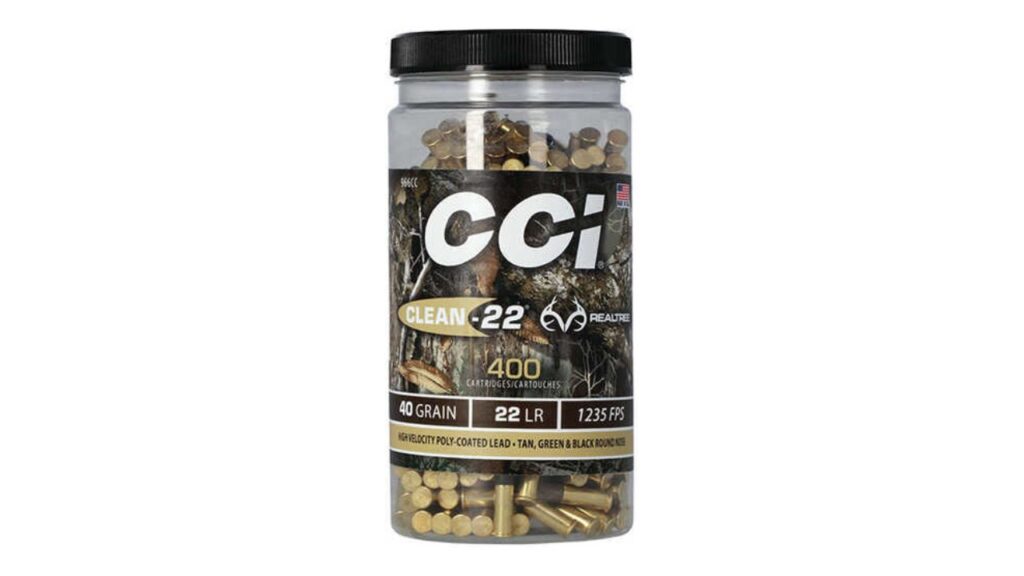
The .22 LR is a great round for small game and target shooting, but it doesn’t belong anywhere near deer or larger animals. It lacks the energy and penetration needed to bring down something that size humanely. Hunters who’ve tried it often end up with wounded animals that run off and die slowly.
Even with perfect shot placement, the .22 LR doesn’t carry enough punch to guarantee a quick kill. If you want ethical results, leave this caliber for squirrels, rabbits, and plinking cans. Anything bigger deserves more gun.
.25 ACP in the Field
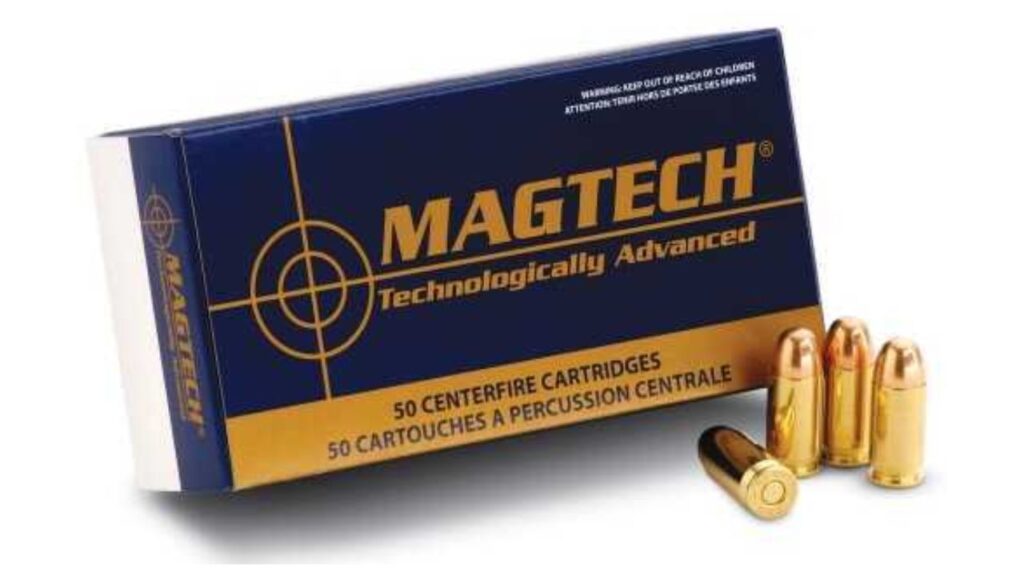
The .25 ACP is barely enough for personal defense, let alone hunting. It fires a light bullet at low velocity, which means almost no penetration. Trying to use it on anything bigger than a rabbit is asking for a wounded animal.
It might look tempting for small game, but even then it doesn’t perform consistently. Hunters who take it into the woods usually regret it, and so does the animal on the receiving end. This round is better left in the pocket pistol category.
.32 ACP for Hunting
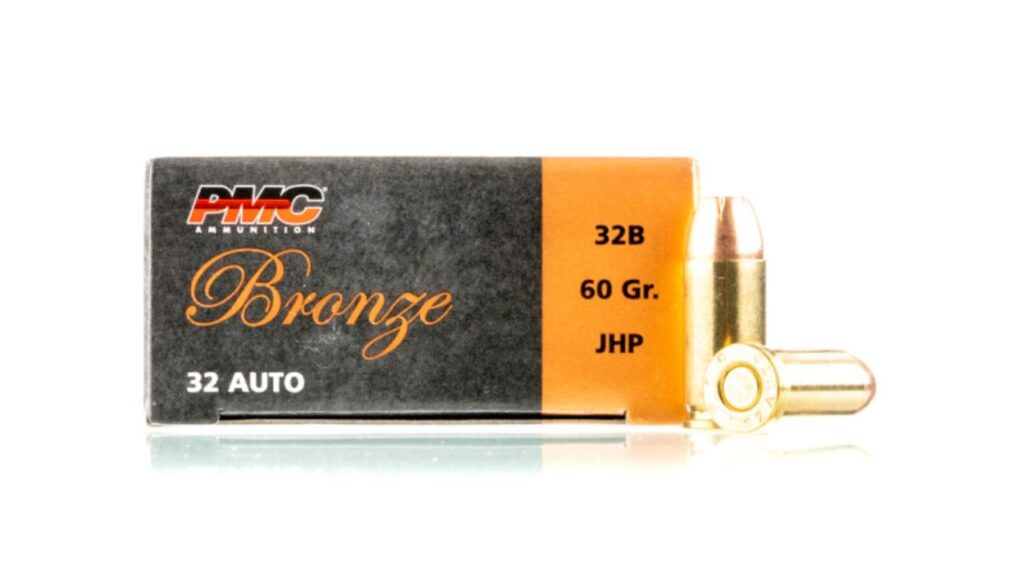
The .32 ACP falls into the same category as the .25 ACP—underpowered for anything beyond paper. While it has slightly more energy, it’s still not enough to break bone or reach vitals on medium-sized animals.
Plenty of small semi-autos chamber it, but carrying one into the woods for game is a mistake. The low velocity and limited penetration make clean kills nearly impossible, and you’ll end up with animals suffering rather than dropping where they stand.
.410 Bore on Deer
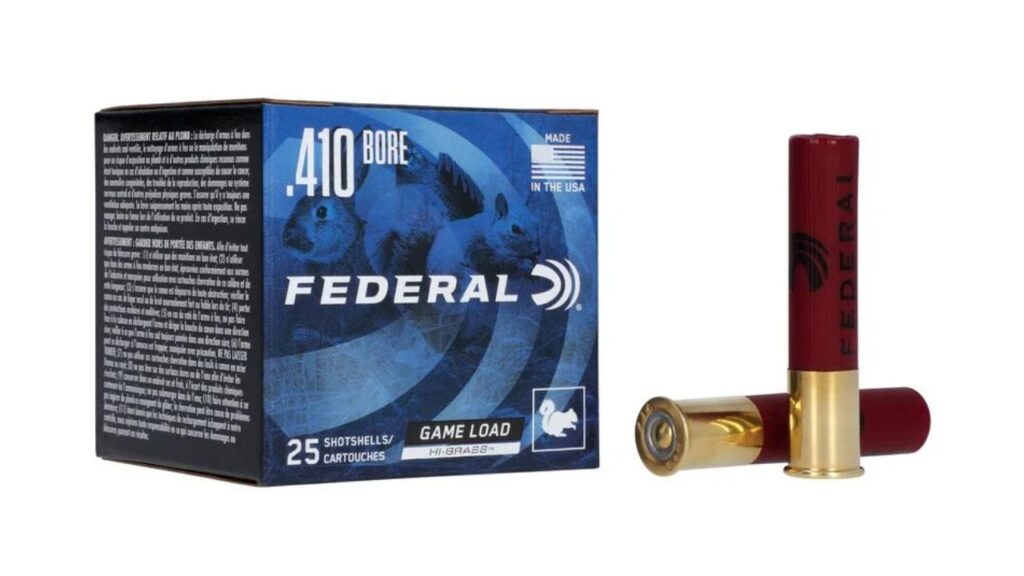
Some folks try to use a .410 shotgun for deer, thinking a slug or buckshot will do the trick. The truth is, this gauge is simply too light for reliable performance on animals that size. You’ll get poor penetration and low stopping power.
Yes, it might kill a deer under perfect conditions, but hunting isn’t perfect. Angled shots, brush, or a little movement make the .410 a bad choice. You’re much better off stepping up to a 20- or 12-gauge if you want to use a shotgun.
.380 ACP on Larger Game

The .380 ACP works in close-range defense situations but falls flat in the hunting world. It doesn’t have the velocity or bullet weight to drop medium-sized animals quickly. Penetration is shallow, and expansion can be inconsistent.
While it’s tempting to use a carry pistol for everything, the .380 simply isn’t ethical for hunting. You may bring an animal down with a perfect shot, but most of the time, you’ll be following a blood trail instead of dragging out your kill.
.223 Remington on Large Game
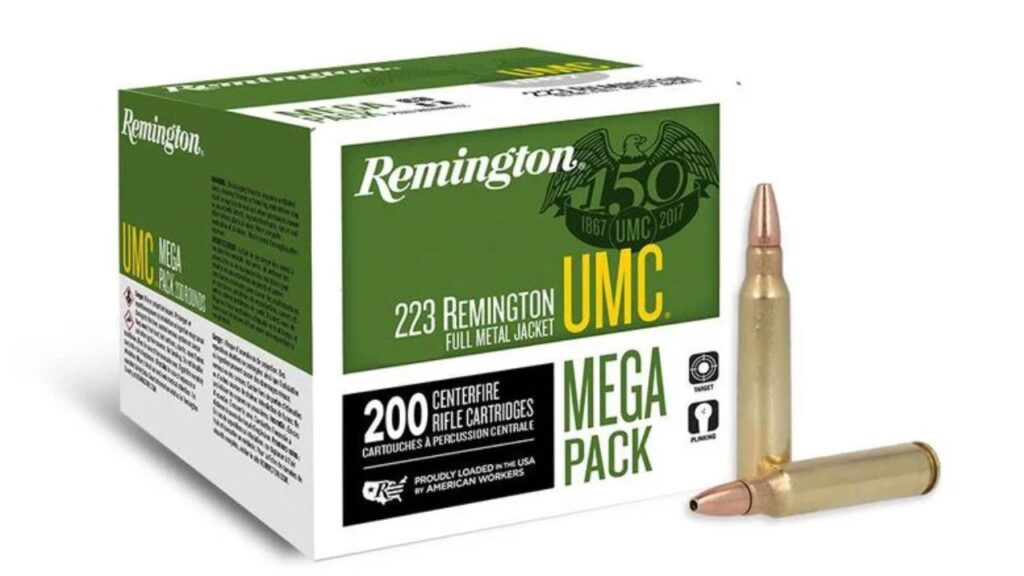
The .223 Remington can work on smaller deer in perfect conditions, but many hunters push it too far. On bigger-bodied deer, elk, or hogs, this round struggles to deliver enough penetration for a clean kill.
Even with premium bullets, the margin for error is slim. A slight miss on shot placement leads to wounded animals that don’t go down quickly. While it has its uses, the .223 isn’t a reliable choice for larger game animals where more energy is required.
.22 Magnum Beyond Small Game
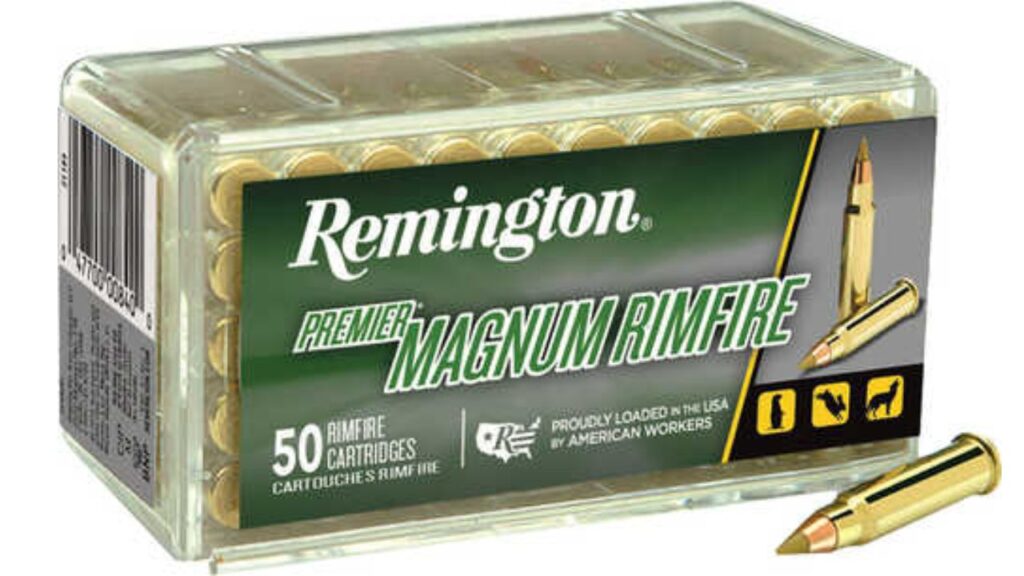
The .22 Magnum gives you more velocity than a .22 LR, but it’s still not a caliber you want to rely on for clean kills on deer or bigger animals. It simply lacks the stopping power needed when bone or muscle gets in the way.
Hunters sometimes get overconfident because the round looks more capable than it really is. In reality, you’ll end up chasing wounded game if you stretch it beyond varmints and small predators. Keep it where it belongs—small game and pest control.
9mm on Deer
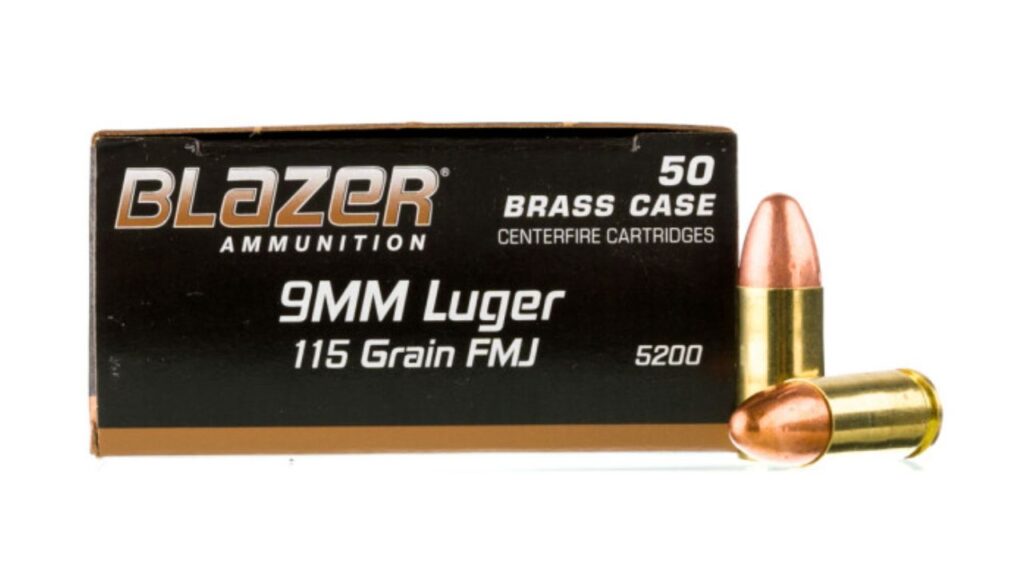
The 9mm is one of the most common handgun rounds, but it’s not designed for hunting larger animals. While it may kill under perfect conditions, it doesn’t provide consistent penetration or energy to guarantee quick, humane kills on deer-sized game.
Some states even prohibit 9mm for hunting because of its poor track record in the field. It’s fine for self-defense, but once you start using it on animals, you’re stepping into unethical territory. Bigger game needs bigger rounds.
.17 HMR for Anything Bigger Than Varmints
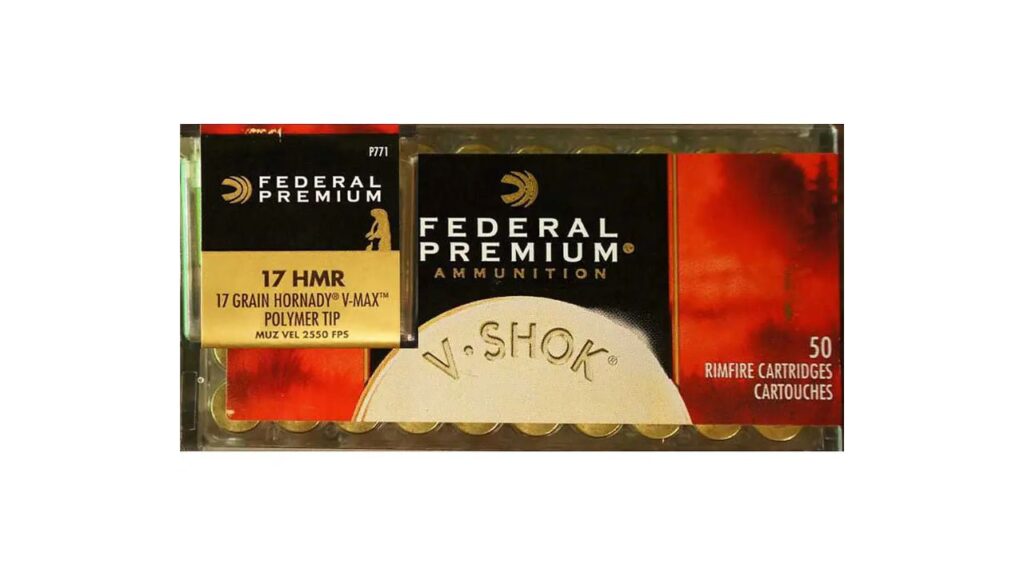
The .17 HMR is known for its accuracy and flat trajectory, but it was never meant for animals bigger than varmints. The lightweight bullets break apart quickly and don’t penetrate deep enough to reach vital organs on medium game.
While it’s a fun and effective round for prairie dogs, squirrels, and similar-sized critters, it becomes ineffective—and cruel—when pushed onto larger animals. Keep it in its lane and avoid using it where more power is required.
.38 Special on Larger Animals
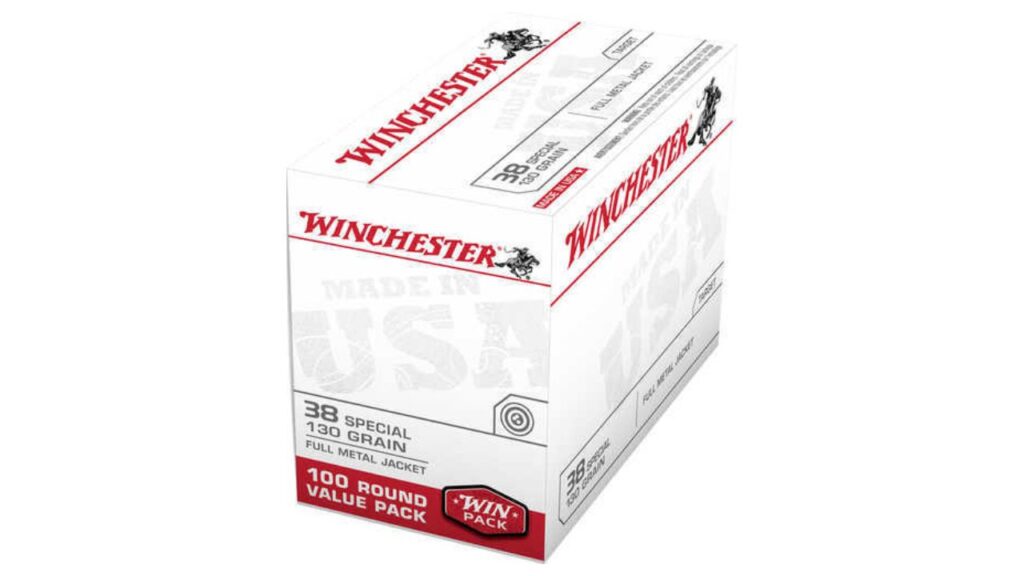
The .38 Special has history, but it isn’t a hunting round for medium or large game. It lacks the velocity and power to make clean kills unless you’re incredibly close and perfectly accurate. Even then, it’s a risky choice.
Revolvers chambered in .38 Special might be reliable, but the caliber itself doesn’t bring enough to the table for ethical hunting. Leave it for range use or defense and pick a stronger round if you want to put down game quickly.
*This article was developed with AI-powered tools and has been carefully reviewed by our editors.