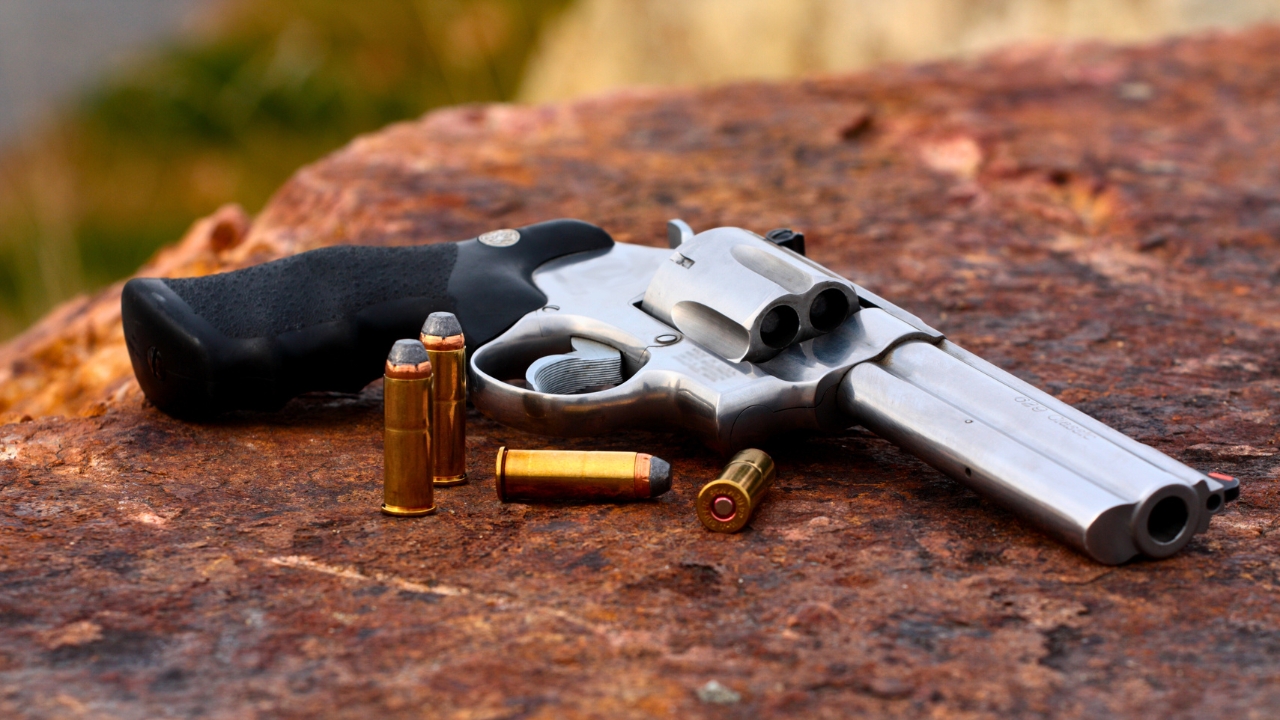
Photo credit: timotheos/Shutterstock.com
Some calibers make you want to stay on the line all afternoon. Others cut the day short—either because they beat you up, burn through money fast, heat barrels quickly, or punish you with blast that wears you down. It isn’t always about recoil alone. A loud, sharp cartridge can fatigue you faster than a heavier push. A rare cartridge can end a range day when you realize you only brought two boxes and you don’t want to burn them up. And some rounds are so hard on barrels that you start spacing shots like you’re trying to save a steak on the grill.
None of that makes these cartridges “bad.” It means they demand more commitment than most shooters want on an average weekend. If you’ve ever packed up early and told yourself you were “out of time,” you already know how this goes.
300 Remington Ultra Magnum
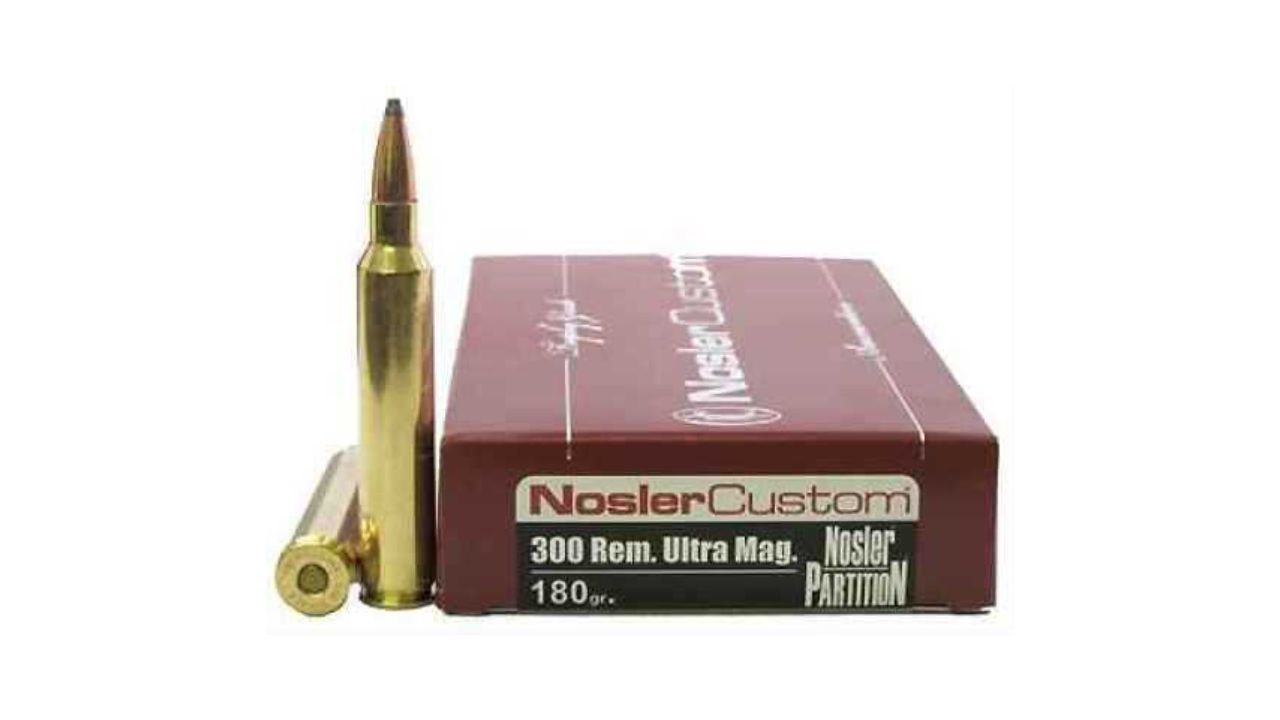
The 300 RUM is the kind of cartridge that makes you respect recoil in a hurry. Even if you handle it fine for a few shots, it’s tough to shoot it well for a full session without your form starting to slip. When your shoulder tightens up, groups open and you start calling it a day.
Cost doesn’t help. Factory ammo is expensive enough that you feel every trigger pull in your wallet. That changes your mindset fast—you start rationing rounds instead of working on fundamentals. The blast is also substantial, especially under a covered firing line. You can absolutely enjoy a 300 RUM, but most people don’t shoot it long before they decide they’ve “done enough” for the day.
338 Lapua Magnum

The .338 Lapua is a serious cartridge built for serious distance, and it brings serious drawbacks at a normal range. Recoil is heavy, but the blast is what really drains you. It’s loud in a way that feels physical, and that wears you out even with good ear pro.
It also eats up budget fast. Most shooters don’t casually run box after box of Lapua unless they reload and planned for it. The rifles tend to be heavy, which is nice for recoil but not always fun for long sessions on a cramped bench. And if your range doesn’t stretch far, you’re paying for capability you can’t even use. That’s a quick way to end a range day early.
50 BMG
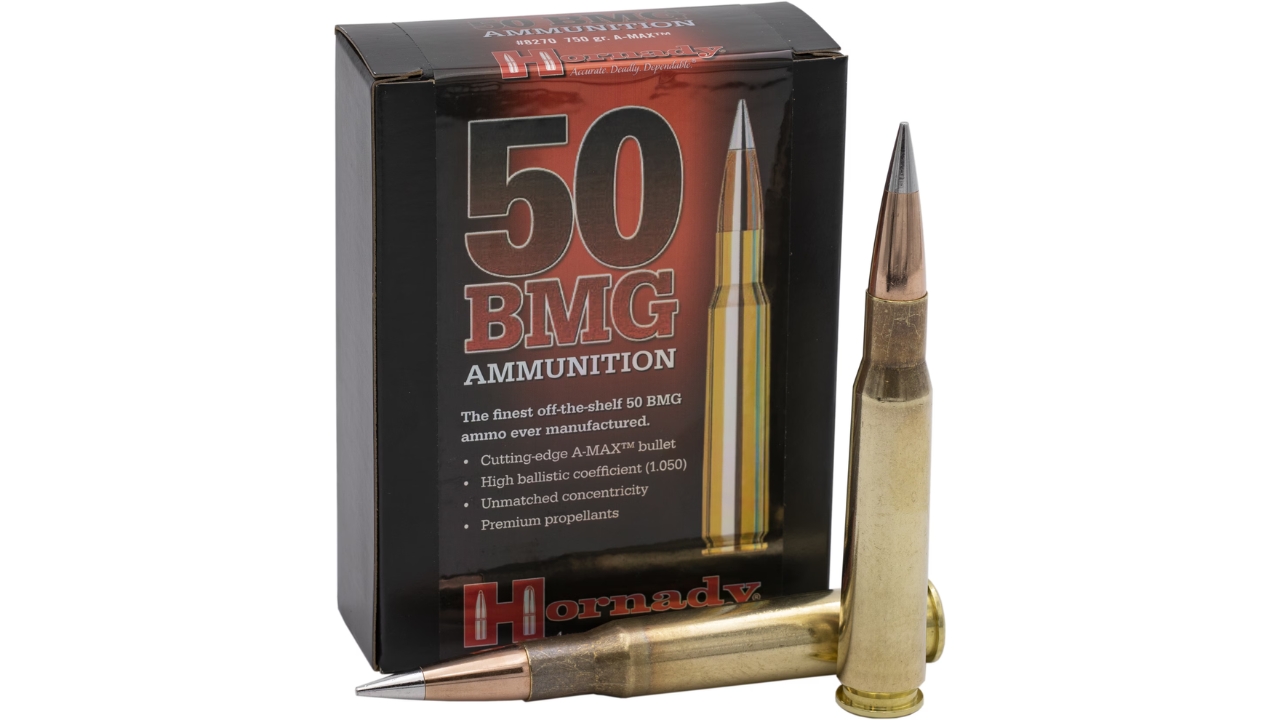
The .50 BMG is pure fun for a few rounds and pure work after that. Recoil is manageable with the right rifle, but the concussion is intense. You feel it in your teeth, and everyone around you feels it too. That kind of blast turns a casual range day into a short event.
Logistics also get old. The rifles are huge, setup takes time, and the ammo cost is enough to make you count shots. Even reloading doesn’t make it “cheap” in any normal sense. Most people don’t leave the range thinking, “I wish I shot 40 more rounds of .50 today.” They leave thinking, “That was awesome,” and that’s where the session ends—right where it should.
12 Gauge Slugs

Shooting slugs is a quick way to learn respect for recoil, even if you’re used to shotguns. A box of slugs on the bench can feel like a workout. The recoil isn’t complicated—it’s a hard thump that stacks up shot after shot and turns good form into rushed form.
Slugs also get expensive compared to most rifle practice, especially if you’re shooting quality loads. The other issue is barrel heat and comfort. Many slug guns aren’t built for extended bench sessions, and the ergonomics can beat you up. You’ll also notice more shooters flinch with slugs than they want to admit. A range day with slugs often ends with a sore shoulder and the honest decision to save the rest for another time.
45-70 Government in lightweight rifles

The .45-70 can be a joy in the right rifle, but put it in a light lever gun or a short, handy thumper and it stops being charming after a few magazines. The recoil isn’t a sharp crack—it’s a heavy hit that can make you start bracing for it, and bracing ruins good shooting.
Ammo cost can push you toward shorter sessions too. Even basic .45-70 loads aren’t cheap, and hotter loads are worse. You also tend to shoot .45-70 slower because the gun moves you around, and that makes the session feel shorter. You pack up thinking you didn’t shoot much, but your shoulder feels like you did. A heavier rifle and mild loads help, but many people learn this the hard way.
460 S&W Magnum

The .460 S&W is impressive, but it’s not a cartridge most people want to shoot for long. Recoil is heavy and the muzzle blast is brutal, especially out of shorter barrels. Even if you can handle the recoil, the concussion wears you down fast.
Ammo is expensive enough that you often treat every shot like a decision. That’s the opposite of productive practice. The guns themselves are large, and the grip shape can start beating your hand after a cylinder or two. A lot of shooters buy a .460 for capability and bragging rights, then realize it’s a once-in-a-while gun. Range days with a .460 rarely turn into long sessions unless you’re built for punishment and you brought a thick wallet.
500 S&W Magnum

The .500 S&W is another cartridge that tends to end range days early, mostly because it’s hard to shoot a lot of it well. The recoil is intense, and it can start to feel like you’re hanging on rather than shooting. Once that happens, your accuracy and confidence drop.
The blast and muzzle rise also add fatigue, even with good technique. Add the cost of ammo and you’ve got a cartridge that discourages high round counts. Many shooters fire a few cylinders, get their fill, and move on to something that lets them practice without feeling like they’re paying a toll. The .500 is effective and it’s fun in its own way, but it’s not a “burn a hundred rounds” caliber.
44 Magnum

The .44 Magnum isn’t outrageous, but it’s honest. It’s enough recoil and blast that a lot of shooters start fading after a couple boxes, especially in lighter revolvers. The fatigue shows up as low hits, slow follow-through, and that subtle urge to rush the shot so you can get it over with.
It’s also a cartridge where load selection matters. Full-power hunting loads are a different experience than midrange stuff, and many people show up with the hot loads and wonder why they’re done so soon. The smart way to shoot .44 is to mix loads and build up, but not everyone does. After a short session of full-tilt Magnum, you’ll be looking for a .22 or a 9mm to finish the day.
357 Magnum in small revolvers

In a full-size revolver, .357 Magnum is manageable and even enjoyable. In a small carry revolver, it turns range time into a punishment session. The recoil is sharp, the muzzle blast is nasty, and it can leave your hand sore fast. You’re not learning much once you’re flinching.
A lot of shooters buy a snub .357 for comfort on the belt, then realize it’s not comfortable on the firing line. That leads to short practice sessions, which is the exact opposite of what you want with a defensive gun. Most people end up practicing with .38 Special and carrying something hotter, which is a workable compromise. But if you insist on running full-house .357 in a small frame, you’ll probably pack up early.
10mm Auto in lightweight pistols
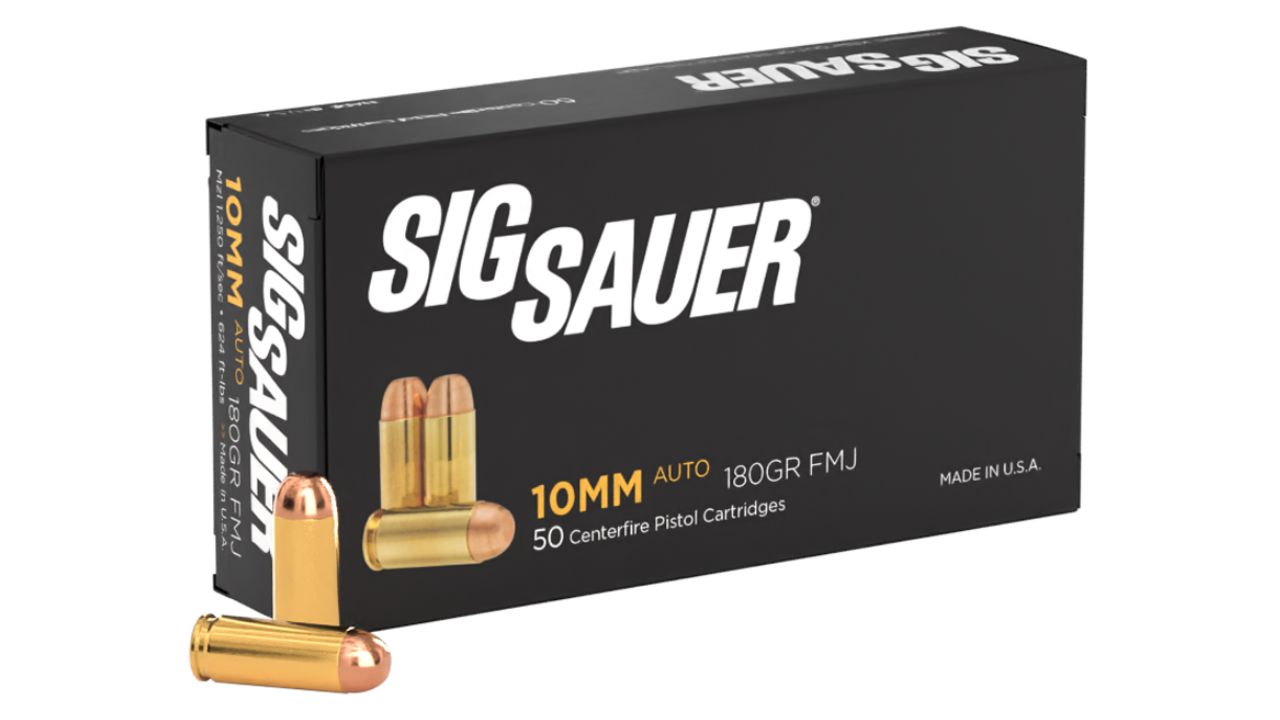
10mm is a great cartridge when it’s matched to a gun that handles it well. Put it in a lighter pistol and it can feel snappy enough that you don’t want to shoot it for long. The recoil impulse is fast, and it can beat up your grip and your wrists over a long session.
Ammo cost can shorten the day too. True full-power 10mm isn’t cheap, and many shooters don’t want to burn through it like 9mm. The other reality is that 10mm often gets shot by people who want “more,” which sometimes means they shoot less often. If you want to actually train hard, the best setup is a heavier gun and a plan for ammo. Without that, 10mm sessions tend to be short and loud.
40 S&W

The .40 isn’t too much recoil, but it can be tiring because it’s often a snappy recoil. That quick impulse wears on you over time, especially in compact pistols. You’ll see shooters start strong, then drift into sloppy trigger work and inconsistent grip as the session goes on.
The other issue is that .40 doesn’t have the cheap practice advantage it once did compared to 9mm. When ammo prices are close, most people would rather shoot more 9mm and get better reps. That doesn’t mean .40 is wrong—it means it’s harder to justify for long training days unless you’re committed to it. A lot of shooters cut the day short and switch to 9mm because it keeps the session productive.
7mm Remington Magnum

The 7mm Rem Mag has a loyal following, but it can shorten range days in lightweight hunting rifles. Recoil and blast are enough that many shooters start flinching before they admit it. That’s when you stop learning and start confirming bad habits.
It also heats barrels faster than many realize, especially if the rifle is a thin, sporter profile. You can’t shoot it like a heavy target rifle without your groups wandering. That forces a slower pace, and slower pace often turns into fewer rounds. If you’re practicing for hunting, a slower pace is fine. But most people show up wanting to shoot more, then realize this cartridge and this rifle setup aren’t meant for high-volume range time.
300 Winchester Magnum

The .300 Win. Mag. is another cartridge that’s easy to respect and hard to shoot in long strings. In a hunting rifle, recoil builds up and the blast under a covered line can wear you down quickly. You may not feel it on the first three shots, but you’ll feel it by the twentieth.
Barrel heat is also a factor in many rifles chambered for .300. Sporter barrels warm up fast, and you’ll start chasing group changes that aren’t really you. Ammo cost encourages shorter sessions too, and it can push you into “a few shots and done” habits. The .300 is excellent for hunting and serious practice, but it’s not a cartridge most people want to run all afternoon unless they’re very deliberate about pace.
6.5 PRC

The 6.5 PRC isn’t a shoulder crusher, but it still shortens range days for a different reason: cost and heat. Factory ammo is usually pricey, and not every shop keeps it on the shelf. That makes many shooters conservative with how much they burn in one outing.
It also tends to live in lightweight rifles built for hunting, not high-volume shooting. Those barrels heat quickly, and groups can shift as the rifle warms. You end up taking long breaks, which is fine, but it changes the whole vibe of the day. Instead of grinding reps, you’re shooting a few, waiting, and repeating. For hunting verification and dope checks, it’s great. For long, relaxed practice sessions, most people end up wishing they brought something cheaper and slower.
22-250 Remington

The .22-250 is flat, fast, and fun—until you start watching the barrel temperature. High-velocity varmint cartridges can heat thin barrels quickly, and the .22-250 encourages fast shooting because it’s easy to stay on target. That combination ends range days early if you’re trying to protect accuracy and barrel life.
Ammo can be pricier than other .22 centerfires depending on the market, and many shooters treat it like a specialty tool rather than a training cartridge. It’s also loud and sharp compared to what the recoil suggests. That blast can fatigue you over a long session, especially on indoor or covered ranges. You can shoot .22-250 responsibly by pacing yourself, but the cartridge’s personality pushes people to shoot fast—then stop.
300 Blackout (when you’re chasing reliability)
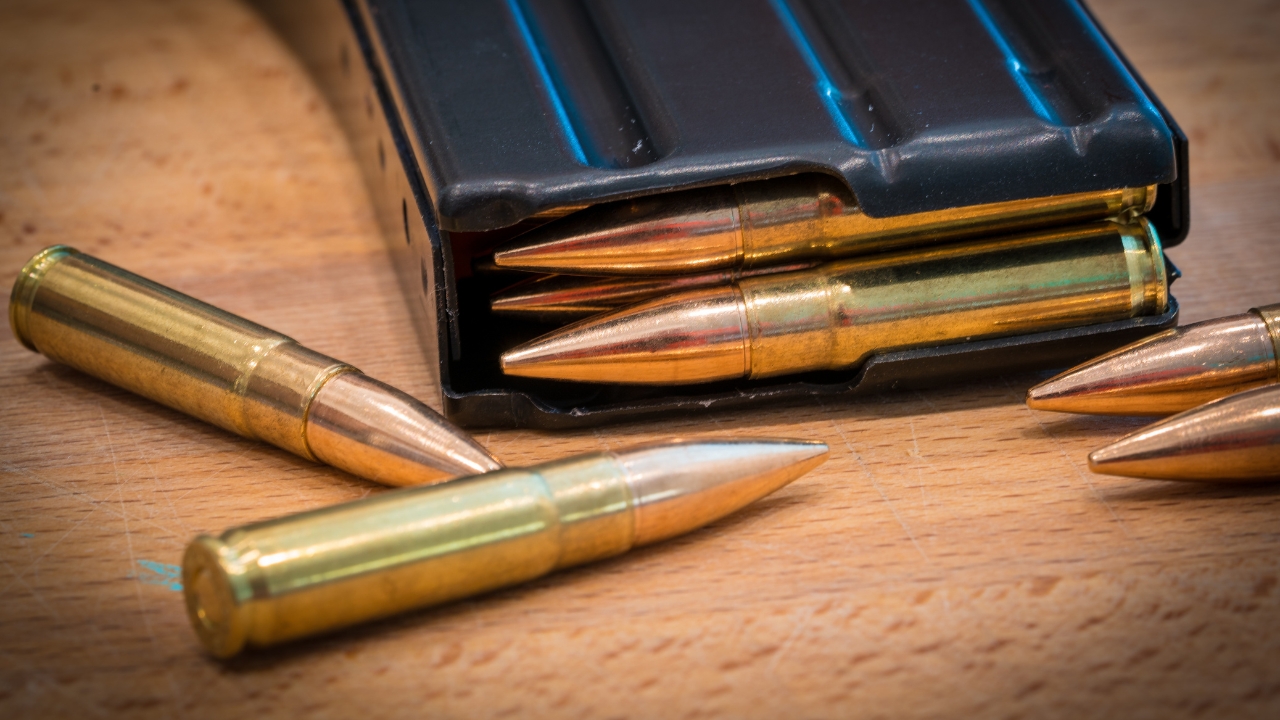
This one isn’t about recoil. It’s about the way .300 BLK can turn a range day into a troubleshooting session if you’re running mixed ammo, mixed mags, or swapping between subs and supers without a consistent setup. If your gun isn’t tuned for what you’re feeding it, you’ll end up clearing issues instead of practicing.
A lot of shooters also underestimate how different loads can feel and cycle, especially with suppressors or adjustable gas systems. You can have a setup that runs perfectly with one load and feels weird with another. That inconsistency wears you out mentally. When you’re diagnosing instead of drilling, the day feels shorter. .300 BLK can be excellent, but it rewards a disciplined setup. Without that, it has a way of ending sessions early—out of frustration, not fatigue.
Like The Avid Outdoorsman’s content? Be sure to follow us.
Here’s more from us: